
Back to Journals » Advances in Medical Education and Practice » Volume 17
Educational Gaps in Epigenetics: A Cross-Sectional Study of Health Sciences Students’ Knowledge and Perceptions in Saudi Arabia
Authors Mawlawi AH  , Alzahrani BM , Alharthi RS , Khan MA , Minhas M , Kumar RS
Received 10 July 2025
Accepted for publication 22 October 2025
Published 30 June 2026 Volume 2026:17 549928
DOI https://doi.org/10.2147/AMEP.S549928
Checked for plagiarism Yes
Review by Single anonymous peer review
Peer reviewer comments 2
Editor who approved publication: Dr Md Anwarul Azim Majumder
Ahmed Hani Mawlawi1,2, Basem Mohammed Alzahrani1,2, Rafy Saad Alharthi1,2, Muhammad Anwar Khan2,3, Madeeha Minhas2,4, Raju Suresh Kumar5
1College of Medicine, King Saud bin Abdulaziz University for Health Sciences (KSAU-HS), Jeddah, Saudi Arabia; 2King Abdullah International Medical Research Centre (KAIMRC), Jeddah, Saudi Arabia; 3Department of Medical Education, College of Medicine, King Saud bin Abdulaziz University for Health Sciences (KSAU-HS), Jeddah, Saudi Arabia; 4Department of Basic Science, College of Science and Health Professions (COSHP), King Saud bin Abdulaziz University for Health Sciences (KSAU-HS), Jeddah, Saudi Arabia; 5Division of Basic Medical Sciences, College of Medicine, Dhofar University, Salalah, 211, Sultanate of Oman
Correspondence: Raju Suresh Kumar, Division of Basic Medical Sciences, College of Medicine, Dhofar University, P.O Box 2509, Salalah, 211, Sultanate of Oman, Email [email protected]
Background: Genetics is a well-known determinant of brain function, behavior, and disease susceptibility. However, epigenetics, which involves environmentally responsive gene regulation (e.g. DNA methylation), remains underappreciated in health sciences education, despite its role in brain development and disease risk. This study assessed the awareness and knowledge of Saudi health sciences students regarding epigenetics and its impact on the brain and behavior. Additionally, knowledge levels were compared across various health science colleges, and gender-based differences were analyzed.
Methods: A cross-sectional questionnaire study was conducted among 419 students from four colleges (Medicine, Applied Medical Sciences, Nursing, Science and Health Professions) at King Saud bin Abdulaziz University for Health Sciences, Jeddah, between September 2024 and 2025. Non-probability quota sampling was used. The survey evaluated demographic data, general epigenetic knowledge, and the links between epigenetics, brain, and behaviour. Data were analyzed using descriptive and inferential statistics (Chi-square/Fisher’s exact tests; p< 0.05).
Results: Females demonstrated greater awareness of “epigenetics” than males (p = 0.001). Males more often believed epigenetic changes were irreversible (p = 0.003) and doubted their heritability (p = 0.046). College of Medicine (COM) students demonstrated the highest level of epigenetic knowledge (p < 0.001), with 39% recognizing its role in gene expression and disease. COM students also identified DNA methylation as a key mechanism (p = 0.004) and agreed that social environments shape brain development (39.6%, p = 0.048). In contrast, College of Science and Health Professions (COSHP) students often disagreed that life experiences affect gene expression (50%). Gender and college-based disparities were evident in perceptions of parenting’s epigenetic effects (p = 0.032) and twin studies (p < 0.001).
Conclusion: There are notable gaps in epigenetic knowledge among health sciences students, with variations based on gender and college level. Female students demonstrated a greater awareness of epigenetic mechanisms, while male students focused more on the role of research in understanding the social determinants of health. Curriculum reforms should incorporate epigenetics into health sciences programs to address these disparities.
Keywords: epigenetics, epigenetic mechanisms, DNA methylation, gene expression
Introduction
Heredity, which means the passing of genetic material from biological parents to their offspring, has been accepted as a genuine concept for centuries. The genetic material passed down is called the genome, which comprises DNA and proteins. DNA is mainly found in the nucleus and a small portion in the cell’s mitochondria. Each DNA has multiple coding regions called genes, where gene expression occurs. Gene expression transcribes DNA (the genotype) into mRNA and then translates the mRNA into functional proteins that result in the phenotype.1 All the cells in an individual have the same genome, but every cell type looks and acts differently by controlling gene expression.2 Epigenetic mechanisms mainly control the process of gene expression. As the term indicates (epigenetics), meaning above the genes, epigenetic mechanisms are reversible processes that affect gene expression without affecting the underlying DNA sequence.2,3 In other words, epigenetic mechanisms control which gene is turned on (expressed) and off (unexpressed).2,3 Although epigenetics is not encoded in the genome, many studies strongly confirm that epigenetics are heritable through generations.3,4 One of the most common epigenetic mechanisms is DNA methylation, which is adding CH3 on 5′-C phosphate-G-3′ (CpG) repeats, that is, cytosine base followed by guanine base, by the enzyme family DNA methyltransferases (DNMTS); as a result, it will inhibit transcription of specific genes. Studies have reported that epigenetic modifications contribute to developing some diseases and disease susceptibility.2,5,6 The English Victorian philosopher Francis Galton originally used the expression “Nature vs. Nurture” in the mid-1800s. The phrase debated the balance between two main factors, genetics (nature) and environment (nurture). In addition, the debate talked about which has more influence on humans, genetics or the environment? However, this question remained unresolved because it is difficult to determine accurately which has more effect on human traits. However, we know that genetics and environment have a powerful impact on human characteristics and life, especially brain development, behaviour, and cognitive ability.2 Numerous studies support the idea that environmental factors and life experiences impact how the brain develops physically and functionally and how behaviour is altered early in life through epigenetic mechanisms.5,7 For instance, diet, exercise, stress, behavior, environmental exposure, and early experiences significantly impact epigenetic changes. Exposure to these factors can improve or deteriorate brain development and contribute to an increase or decrease in the risk of psychopathology and neuropathology in individuals. Moreover, the effect of these factors can be long-lasting if they are exposed severely during prenatal and early postnatal life.3,5 Recent research has suggested that epigenetic modifications can significantly affect the brain and behaviour. These modifications can alter the expression of genes involved in various neural processes, such as synaptic plasticity, learning, and memory. Epigenetic changes have also been linked to multiple behavioural and neurological disorders, including depression, anxiety, autism, and schizophrenia.8–11 The effects of epigenetic modifications on the brain and behaviour have significant implications for healthcare professionals.
Understanding the role of epigenetics in the development and progression of psychiatric and neurological disorders is crucial for healthcare professionals seeking to create more effective treatment strategies. Providers must also consider the ongoing “nature versus nurture” debate when treating patients and assessing the development of neurological conditions. Therefore, it is essential for university students pursuing health sciences to gain an early understanding of epigenetics. While many studies have explored epigenetic mechanisms, a significant gap remains in the literature regarding the assessment of health sciences students’ knowledge and understanding of epigenetics, particularly its influence on brain function and behaviour. Additionally, Greicke and McEwen emphasized the underrepresentation of epigenetics in secondary education, proposing ways to integrate epigenetics into curricula. Furthermore, they emphasize the importance of viewing epigenetics through the lens of “nature versus nurture” and health-related examples.12 Some of the challenges described in integrating epigenetics include the fixed idea that genes determine traits and are unchanging. Also, teachers worry that students might view the dynamic nature of epigenetic mechanisms to be too complex and confusing, especially when they are traditionally taught Mendelian inheritance and view genes as fixed trait outcomes.13
To address this gap, the present research project aims to evaluate the awareness and knowledge of epigenetic factors affecting the brain and behavior among health sciences students at King Saud bin Abdulaziz University for Health Sciences (KSAU-HS) in Jeddah, Kingdom of Saudi Arabia. Moreover, the study analyzes and compares the knowledge levels of Saudi students across different colleges. It also investigates gender differences in the understanding of epigenetics and its influence on brain function and behavior.
Methods
This cross-sectional questionnaire study involved diverse groups of health sciences students from multiple colleges at King Saud bin Abdulaziz University for Health Sciences (KSAU-HS) in Jeddah, Saudi Arabia. Participants included both male and female students from the College of Science and Health Professions (COSHP), the College of Medicine (COM), the College of Applied Medical Sciences (COAMS), and the College of Nursing (CON). The study was conducted over a period of one year, from September 2024 to September 2025. The survey was accessible to participants online from November 2024 until January 2025.
Sampling Technique and Sample Size
The study utilized a non-probability quota sampling technique to include all participants who were available, accessible, and willing to engage in the study. The sample size was calculated using Raosoft’s sample size calculator.14 The total number of students enrolled in KSAU-HS, Jeddah, during the study period was 2635. The required sample size was estimated at a 95% confidence level, based on an estimated response distribution of 67.1% and a margin of error of ±5%. The required minimum sample size was initially determined to be 301 but was subsequently increased to 362, considering a non-response rate of 20%. However, the study enrolled 419 students from all colleges in KSAU-HS. The students from the colleges, as mentioned previously, share some common courses; however, there are subtle differences between them regarding genetics and epigenetics. COSHP offers a single course that incorporates epigenetics for second-year medical students only. While COM includes aspects of epigenetics and more complex topics throughout its various courses, it does not offer a dedicated course specifically on genetics or epigenetics. Neither COAMS nor CON offer further education on epigenetics as part of their curricula. All students enrolled at COM or COAMS complete 2 years at COSHP, while CON students are enrolled in college courses from the time of admission.
Validity and Reliability of the Questionnaire
The study used a self-administered, validated survey instrument (available in the Appendix). To ensure content validity, A group of independent subject experts appraised the questions, and concurrently, a group of professionals in the medical education field evaluated the questionnaire’s face validity. A pilot study was conducted with 35 students to assess the reliability of the questionnaire. The reliability coefficient, Cronbach’s alpha, was computed to be (α = 0.90) after analyzing the pilot study responses. The participants who took part in the pilot study were excluded from the final analysis of the main study to maintain data integrity.
The questionnaire was administered to students via a QR code after obtaining informed consent from each participant. The questionnaire incorporated a blend of positively and negatively phrased questions to reduce the risk of acquiescence bias. The negatively worded questions were scored in reverse, a strategy to ensure respondents’ focus on each question’s content rather than repeatedly selecting the same answer. After the data collection phase, the analysis involved adjusting the scores for reverse-scored items to align with the scoring system used for the rest of the questionnaire. Moreover, before presenting the questionnaire to the participants, a concise introductory paragraph was provided to explain the study’s aim and objectives, ensuring that the students understood the study.
Data Collection Methods, Instruments Used, and Measurements
The questionnaire had four sections. Section 1 included four questions related to demographic characteristics. Section 2 contained 10 questions that assessed students’ general awareness and knowledge of “Epigenetics”. Section 3 consisted of 13 questions that assessed participants’ knowledge of epigenetics and its relationship to the brain and behavior. Section 4 was an optional section where respondents could write their opinions about the survey. Sections 1 and 2 consisted of closed-ended questions. All the responses in section 2 were categorised as “yes” or “no”. Section 3 applied a five-point Likert scale, structured from “strongly agree” to “strongly disagree”.
Ethical Considerations
The Institutional Review Board (IRB) of the King Abdullah International Medical Research Centre (KAIMRC) approved the research proposal, validated the self-administered questionnaire, and approved the informed consent forms under reference number NRJ24/015/5 dated August 15, 2024. All participants provided informed consent for the study before commencing the survey, and no personal data were collected, thereby ensuring the privacy of participants’ responses.
Data Collection/Management
Data were collected using a structured questionnaire disseminated through a Google Form. The survey link was shared via WhatsApp, and QR codes were displayed on college notice boards to enhance accessibility. Participation was voluntary, and all participants who agreed to complete the survey gave written consent. The study assessed health sciences students’ knowledge and awareness of epigenetics, which were treated as dependent variables. Independent variables included gender, age, academic year, and college affiliation.
Data Analysis
The responses from Google Forms were recorded in an Excel spreadsheet. Data were analyzed using the Statistical Package for the Social Sciences (SPSS) for Windows, Version 20.0. Descriptive analysis was performed by calculating the frequency and percentage of categorical variables, including gender, college, and responses to questions assessing awareness and knowledge. Continuous variables, like age, were presented as means and standard deviations.
For inferential statistics, the Chi-square test or Fisher’s exact test was utilized to compare two categorical variables, depending on the appropriateness and frequency of the variables, such as “yes” and “no” responses or Likert scale variables. A significance level of p < 0.05 was considered statistically significant for this study.
Results
A total of 419 participants were included in the study, with a mean age of 20.29 years (SD = 1.62). The sample was nearly gender-balanced, consisting of 47.0% males and 53.0% females. Participants were recruited from various colleges, with the highest number coming from the COM at 36.8%, followed by the COSHP at 33.9%. A smaller proportion of participants were from the CON (20.5%) and the COAMS (8.8%).
Most participants were in their second year of college (39.6%), followed by 18.6% who were third-year students and 17.4% who were fourth-year students. First-year students accounted for 11.2% of the sample, while upper-year students (fifth, sixth, and those in internship programs) comprised 13.2% (Table 1).
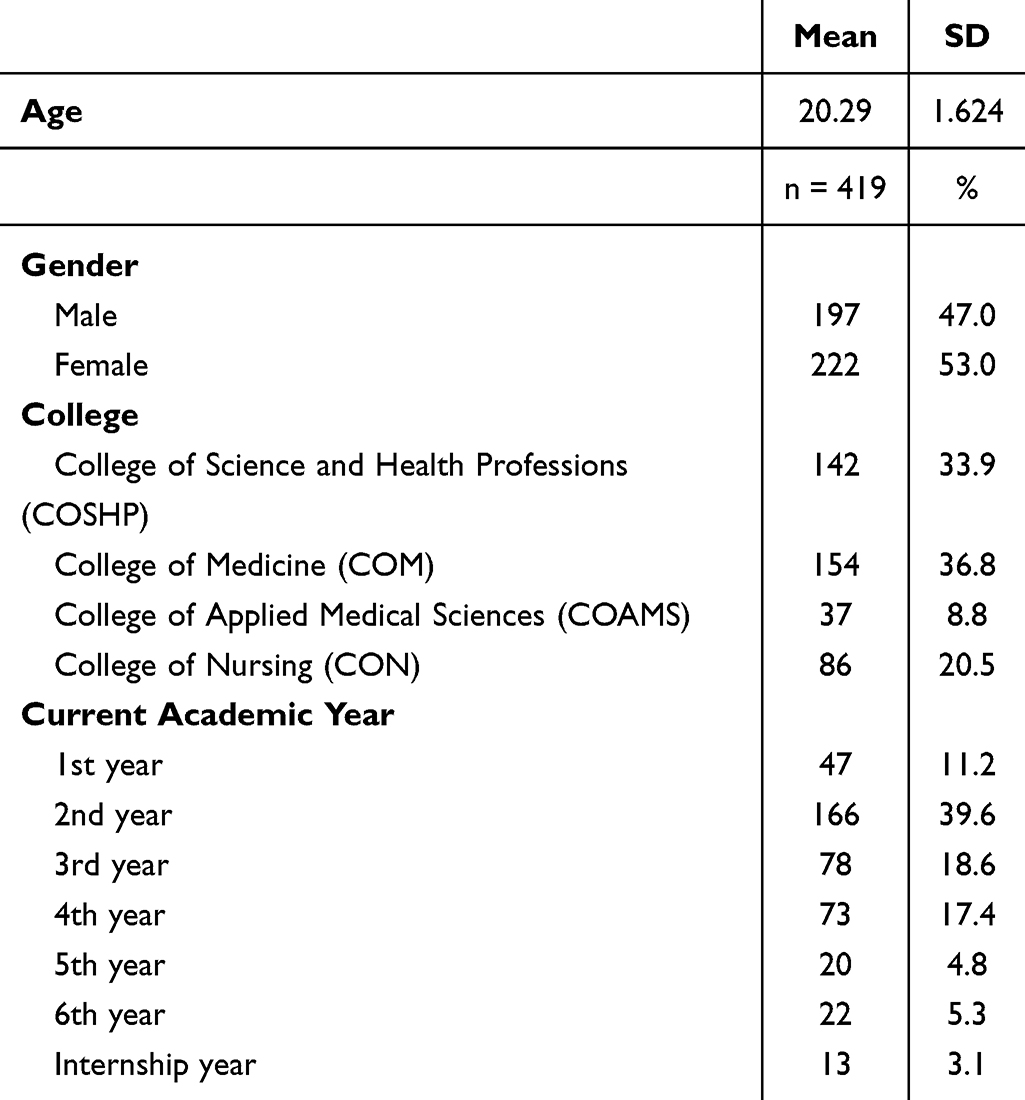 |
Table 1 Demographic Characteristics of Study Participants (N = 419) |
Most participants recognised the term “epigenetics,” with 63.5% being familiar with the concept. Additionally, 66.3% understood that epigenetic changes can influence gene expression. A significant majority, 85.7%, acknowledged that these changes might play a crucial role in developing diseases such as cancer and diabetes, while 74.0% agreed that stress could influence epigenetic processes.
Furthermore, 83.5% of respondents recognized the inheritance of epigenetic changes, indicating a strong awareness of intergenerational epigenetic transmission. However, the understanding of the impact of epigenetics on mental health was relatively low, with only 36.8% of participants being familiar with its significance. When asked about the potential effect of epigenetics on future medical developments, an impressive 85.7% expressed confidence that research in this area would lead to the development of personalized medicine.
While 75.2% correctly identified DNA methylation as a common epigenetic process, some misconceptions remained. For example, 58.2% of participants mistakenly believed that epigenetic mechanisms create permanent changes to the DNA sequence, and 57.8% thought that epigenetics affects the genotype without impacting the phenotype (see Table 2).
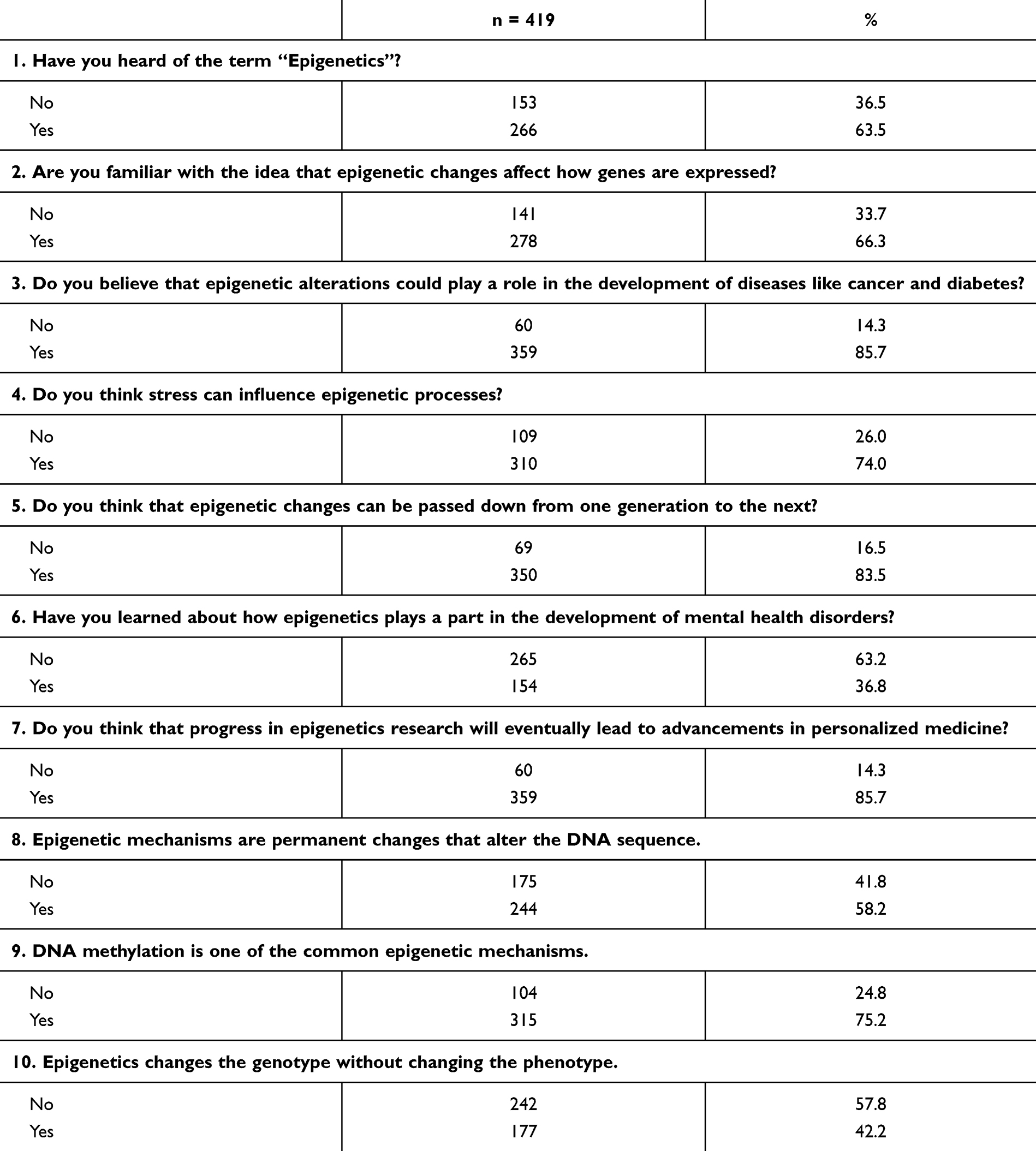 |
Table 2 General Awareness and Knowledge of Epigenetics Among Participants |
Participants demonstrated a profound understanding of the environmental and social influences on brain development. A large majority (86.8%) agreed or strongly agreed that a socially active childhood helps shape a child’s brain, while 77.5% admitted that life experiences and environmental factors influence gene expression. Similarly, 81.9% agreed that childhood events increase the likelihood of acquiring psychopathology in adulthood. The importance of lifestyle choices in gene regulation was widely acknowledged, with 71.3% of respondents believing that regular exercise can activate beneficial genes and lower susceptibility to stress and anxiety. On the contrary, attitudes were mixed regarding the effects of paternal factors, as only 62.8% agreed or strongly agreed that parenting affects the epigenetic structure of the brain, while 29.6% were neutral. On certain concepts, misconceptions were evident. A significant number of participants (25.0%) believed that identical twins, despite being brought up in separate environments, would have identical personalities due to sharing the same genome. In comparison, the remaining 21.0% were neutral. Furthermore, 19.6% of respondents reported that a socially active environment does not promote brain development, while 25.0% believed that adult brain volume is unaffected by introversion or social isolation. Understanding epigenetics in addiction susceptibility was less conclusive, with 40.8% of the participants remaining neutral. Nevertheless, the majority (71.8%) felt that increasing awareness of epigenetics would be helpful. Additionally, 58.7% reported that it should be included in the curriculum, and 76.1% agreed that epigenetic research improves comprehension of social aspects in disease risk and prevention. Despite the highly accepted importance of understanding epigenetic concepts, only 44.2% of respondents reported that their medical education had adequately prepared them to comprehend the significance of epigenetics in human health (Table 3).
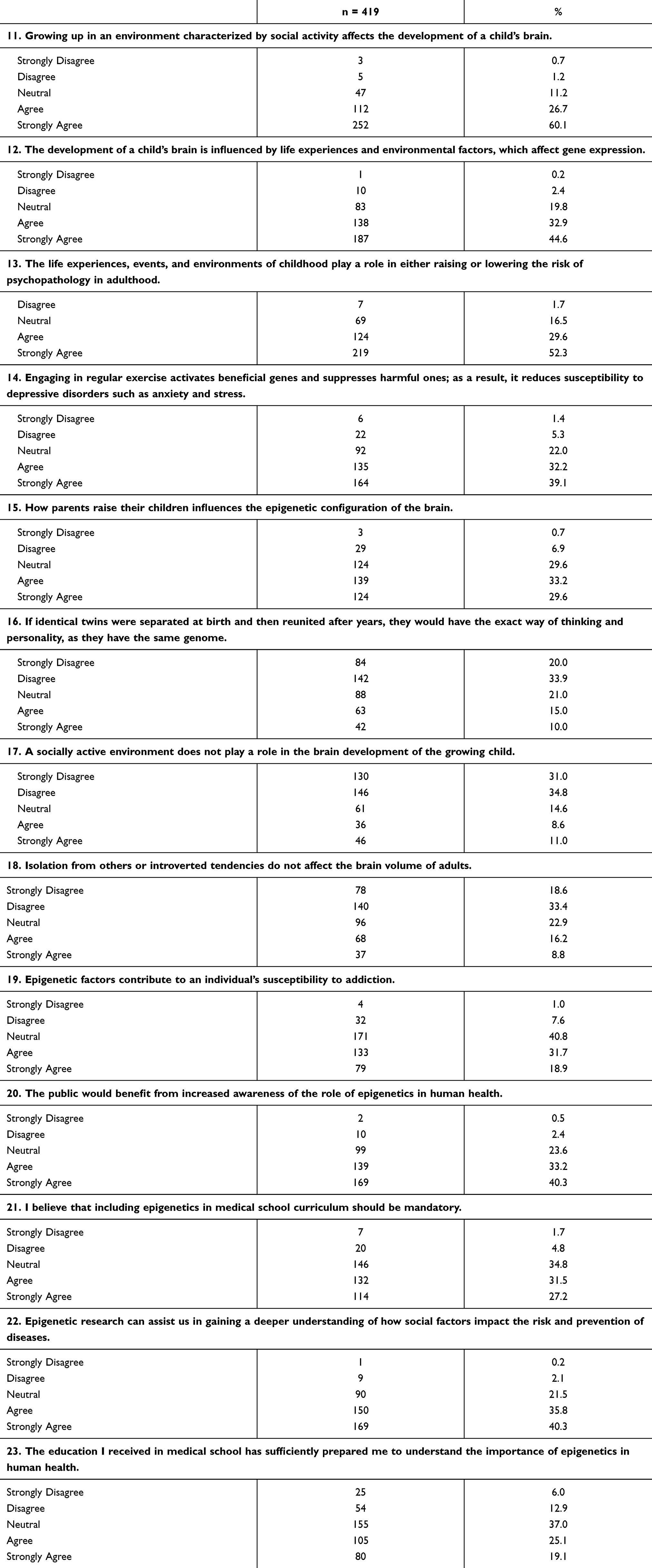 |
Table 3 Participants’ Perceptions of Epigenetics in Brain and Behavior |
Males were substantially less likely than females to be familiar with “epigenetics” (p = 0.001), implying a gap in their exposure or interest in the topic. Additionally, males were more likely to report that epigenetic mechanisms include irreversible changes to the DNA sequence (p = 0.003), indicating a higher frequency of misconception in the group. Additionally, males (58.0%) expressed greater uncertainty than females (42.0%) when asked about the heritability of epigenetic changes, which is a significant difference between the two groups (p = 0.046). However, there were no significant differences in knowledge on the role of epigenetics in disease development (p = 0.825) or mental health disorders (p = 0.489). Additionally, although a trend suggested that males were more skeptical about the impact of stress on epigenetic processes (p = 0.051), the difference between the two groups was insignificant. There were no significant gender differences in understanding typical epigenetic mechanisms, such as DNA methylation (p = 0.667) or recognizing the impact of epigenetics on gene expression (p = 0.495). Similarly, males and females held similar attitudes regarding the potential of epigenetics to enhance personalized medicine (p = 0.106) and the relationship between genotype and phenotype (p = 0.403) (Table 4).
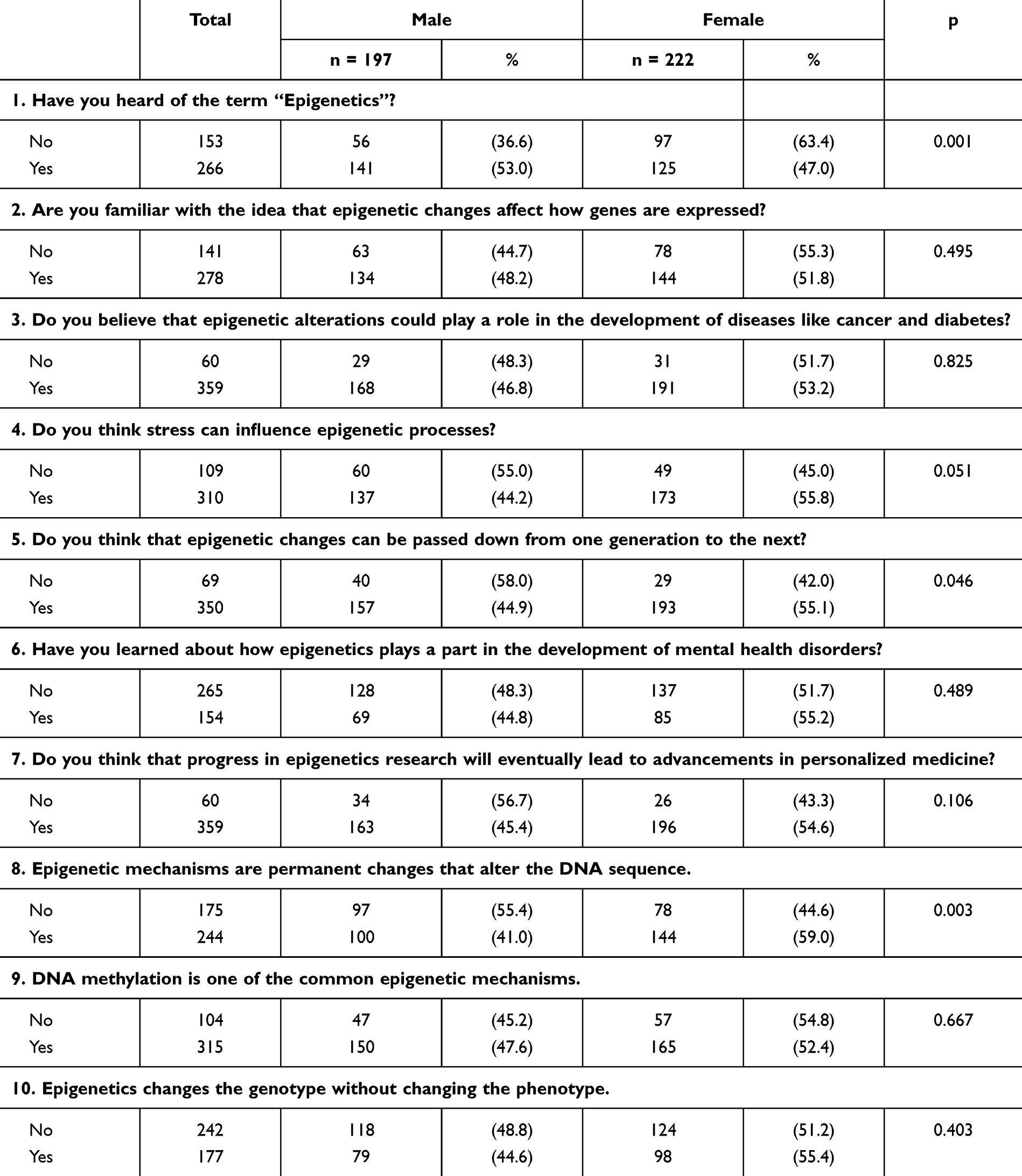 |
Table 4 Gender Differences in Epigenetic Knowledge and Misconceptions |
Males are more inclined to disagree with the notion that parenting can alter the epigenetic structure of the genome than females (p = 0.032). Additionally, males were significantly more likely to oppose the idea that epigenetic research can help us understand how social factors influence illness risk and prevention (p = 0.021). These findings suggest possible gender differences in recognising epigenetics’ environmental and social elements. While most participants agreed on the importance of social and environmental factors in brain development, no significant gender differences were noted in the effects of life experiences on gene expression (p = 0.968) or the influence of social engagement on a child’s brain development (p = 0.710). Similarly, no significant differences were observed in beliefs regarding the role of epigenetics in addiction (p = 0.393) or the importance of incorporating epigenetics into medical education (p = 0.553). There was no significant gender difference in public awareness of epigenetics (p = 0.561). While males reported feeling adequately taught about epigenetics in medical school more confidently than females (p = 0.142), the difference was not statistically significant (Table 5).
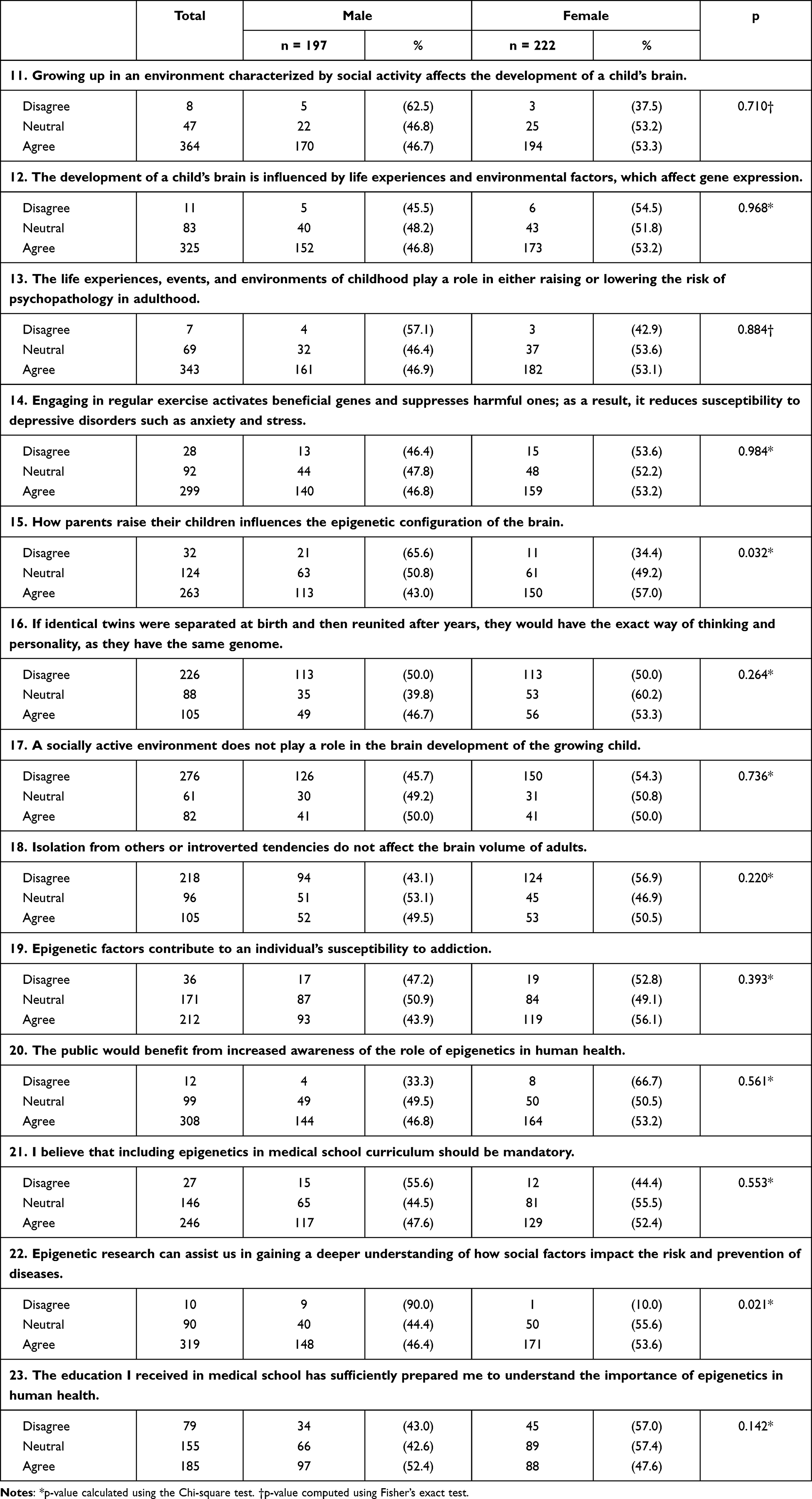 |
Table 5 Gender Differences in Perceptions of Environmental and Social Epigenetic Influences |
COM students showed the highest rate (48.5%) of knowing the term “epigenetics”. In contrast, COSHP students had the highest number of students who were unfamiliar with the term, indicating a significant difference in awareness of the term “epigenetics” (p < 0.001). Similarly, knowledge of the impact of epigenetic modifications on genetic expression was considerably different across groups (p = 0.002), with COM students displaying the most significant awareness. Belief in the relevance of epigenetics in the development of illnesses, such as cancer and diabetes, also differed considerably (p = 0.049), with COM students indicating the highest level of agreement (39%). However, there was no significant difference in whether stress alters epigenetic processes (p = 0.521) or whether epigenetic changes are inherited (p = 0.475). Many respondents reported that epigenetic alterations modify DNA sequences (p = 0.001). Similarly, awareness of DNA methylation as a common epigenetic mechanism varied across groups (p = 0.004), with COM students demonstrating the highest level of knowledge (Table 6).
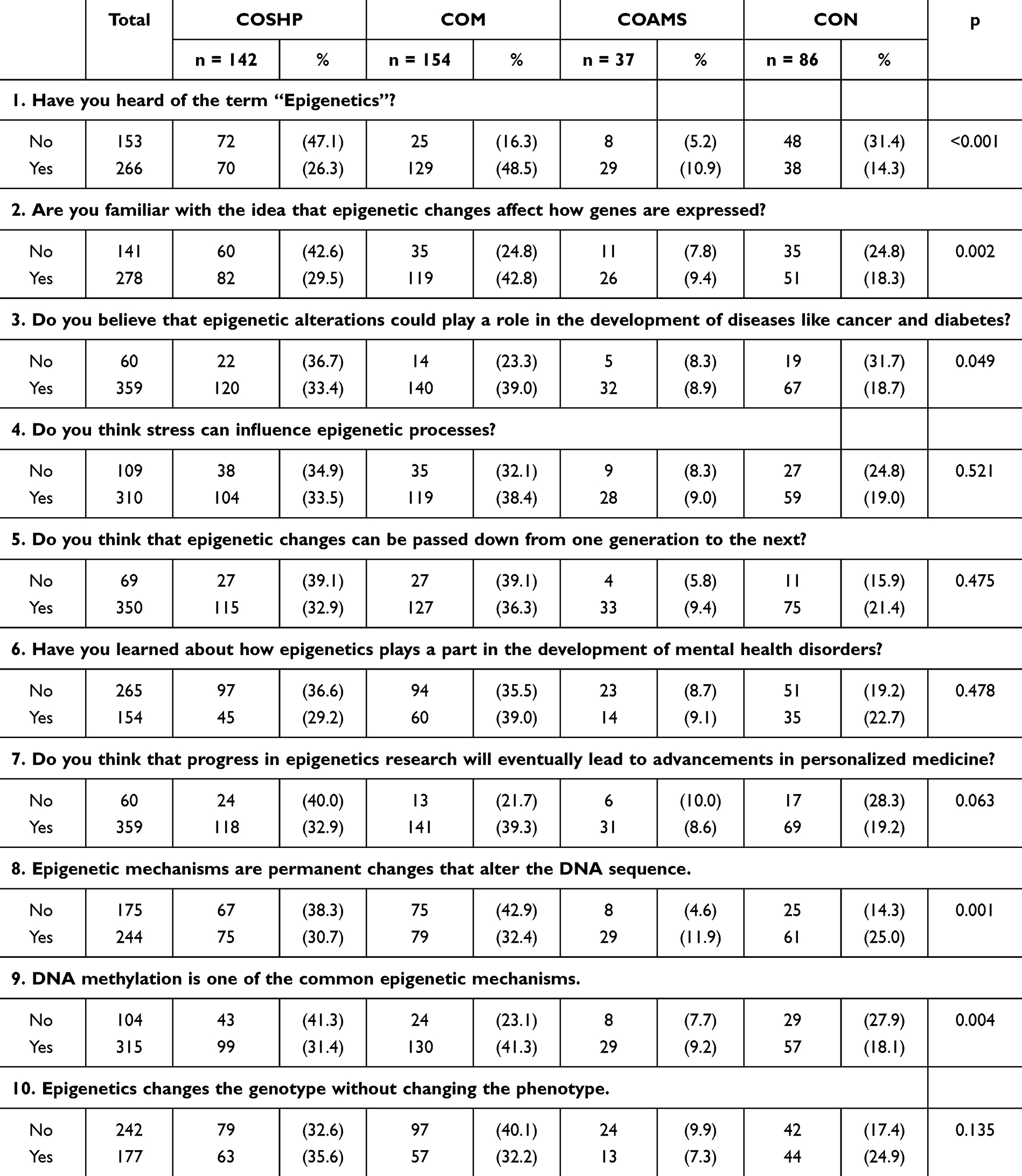 |
Table 6 College-Based Differences in Epigenetic Knowledge and Awareness |
A significant difference was found between colleges on the concept that growing up in a socially active environment impacts brain development (p = 0.048), with COM students being more inclined to agree (39.6%). Furthermore, COM students were more likely to agree that life experiences and environmental events influence gene expression (p = 0.007) than COSHP students, who disagreed more (50.0%). These data show that COM students are more likely to understand the relationship between environmental influences and gene expression. COM students also reported more strongly agreeing (39.7%) that childhood events and experiences influence the development of psychopathology in adulthood. On the other hand, COSHP students (32.1%) did not report similar values. However, there were no significant differences between the colleges regarding the role of regular exercise in reducing the risk of developing depressive disorders (p = 0.162), with both groups indicating a relatively high degree of agreement (about 40%). Regarding the premise that parenting affects the epigenetic structure of the brain, no significant differences were found across colleges (p = 0.391), with the majority agreeing in both groups. The belief that identical twins separated at birth would have identical personalities showed a significant difference (p < 0.001), with COM students more likely to disagree (49.1%) than COSHP students (27.0%), indicating a greater recognition of the role of environmental influences. A significant difference was identified in the view that a socially active environment plays a role in brain development (p = 0.001), with COM students more inclined to disagree that it has no influence (43.8%). There were no significant differences across colleges regarding the impact of isolation or introversion on brain volume (p = 0.110), despite disagreement being typical in both groups. There were no significant differences between the colleges regarding the relevance of epigenetics in addiction susceptibility (p = 0.676) or the necessity for improved public understanding of epigenetics (p = 0.474), with both groups broadly agreeing on these issues. Finally, whereas COM students were more inclined to approve adding epigenetics to the medical curriculum (36.9%), this change was not statistically significant (p = 0.167). Similarly, no significant differences were found between the colleges regarding the effectiveness of medical education in preparing students to understand the importance of epigenetics (p = 0.060) (Table 7).
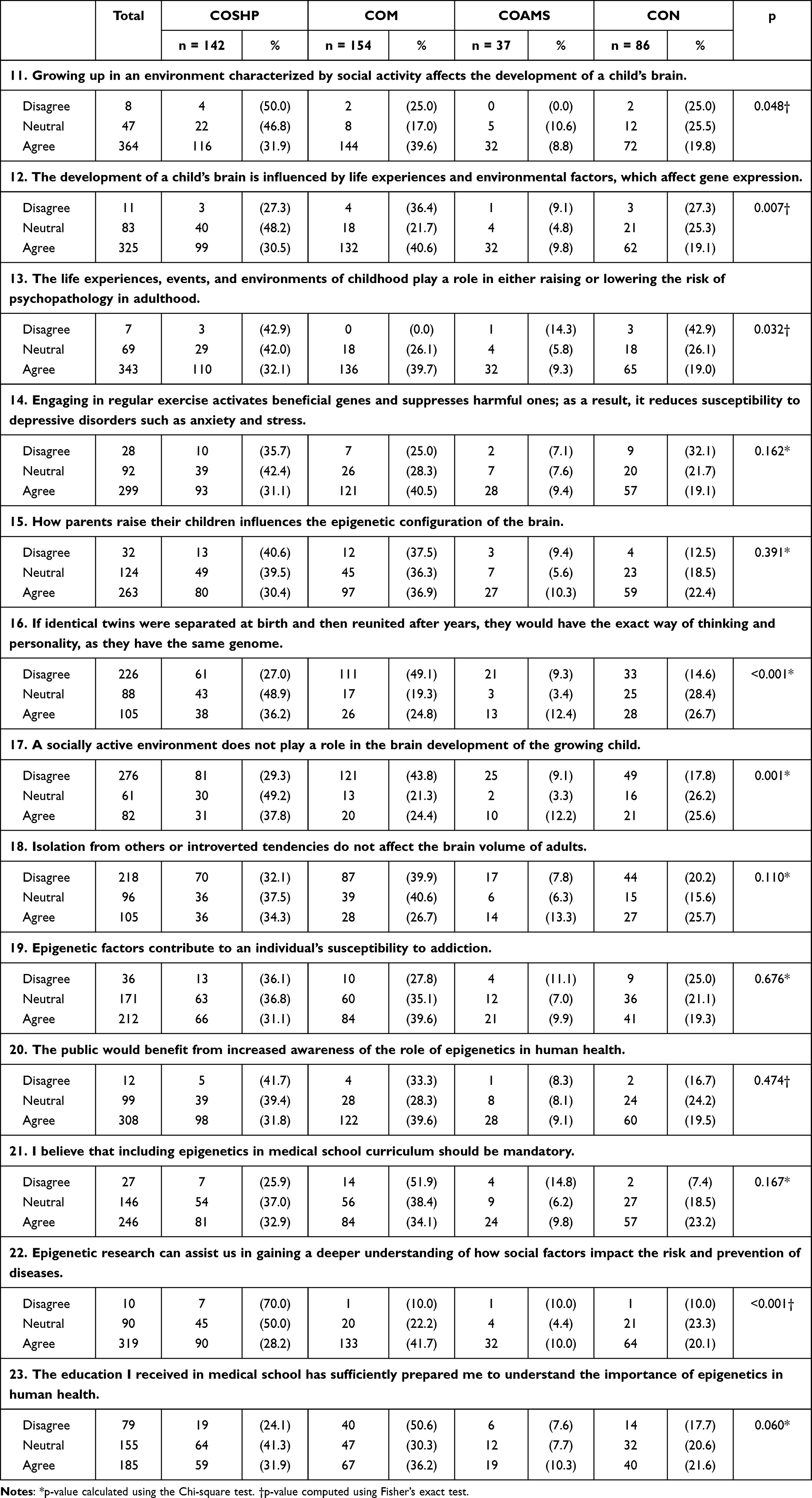 |
Table 7 College-Based Differences in Perceptions of Epigenetics in Brain and Behavior |
Discussion
The study revealed several significant findings regarding awareness and perceptions of epigenetics among college students. Most participants were familiar with the term “epigenetics,” and a considerable proportion recognised its role in gene expression and disease development. However, misconceptions persisted, particularly regarding the permanence of epigenetic changes 58.2% and their impact on genotype versus phenotype. Notably, gender and college affiliation influenced knowledge and attitudes, with female students demonstrating higher awareness than male students, which can be attributed to CON students, as this college only has female students, and medical students showing better awareness than other health sciences colleges.
This study revealed that 83.5% of participants believed in the intergenerational transmission of epigenetic changes. This aligns with Miller et al’s findings, which indicated that most participants thought that fathers’ habits affect their offspring’s DNA, at a rate of 63.6%.15 Although epigenetic intergenerational transmission and inheritance remain controversial, Skinner’s study shows that external factors can increase disease susceptibility through intergenerational epigenetics.16
Mansuy et al note that environmental factors and social events, including stress and living conditions, have a significant influence on epigenetic mechanisms.2 77.5% of respondents believed life events and environmental factors influence gene expression.
Our finding that 81.9% of participants associate childhood events with adult psychopathology mirrors another study that reported clinical evidence showing that adverse childhood experiences exacerbate mental disorder severity.17 However, while our cohort acknowledged the psychosocial impact, their limited grasp of epigenetic mechanisms suggests that 36.8% require a deeper integration of biological and environmental models in mental health education.
Most participants believed that healthy lifestyle adjustments, such as exercise, can activate beneficial genes and reduce stress, aligning with recent research that demonstrates regular physical activity buffers against depression and stress.18
This study found that most participants recognized parenting’s influence on brain development aligns with a neuroimaging study, which reported that parental emotion expression correlates with adolescent brain structure, particularly in the hippocampus.19
Despite different environments in the case of identical twins, 25% of respondents believed they could have similar characteristics and personalities because of their identical genomes. 25.0% believed adult brain volume does not change with social isolation or introversion, and 19.6% thought a socially active environment does not promote brain development.
Knowledge Per-Gender Assessment
Females were significantly more familiar with epigenetics (p = 0.001) and less likely to hold misconceptions about irreversible DNA changes (p = 0.003), which may be related to the CON’S female-only admissions policy.
This could reflect differences in educational exposure, interest, or communication styles between genders. Although understanding epigenetics varied, both genders showed a clear understanding of disease development and the role of epigenetics (p = 0.825). Additionally, there were no significant gender differences in understanding epigenetic modification methods, such as DNA methylation. No gender differences were noted regarding the effect of social inclusion (p = 0.710) and life experiences (p = 0.968) on brain development and gene expression.
Evaluation Based on Colleges
COSHP students exhibited the least awareness of “Epigenetics,” while COM students had the highest at 48.5%, likely due to their curriculum. The variations in awareness can be justified by the advanced lectures in genetics at COM, whereas COSHP, CON, and CAMS are similar in terms of the number of lectures in genetics. Among COM students, 39% recognized the link between gene expression, disease progression, and epigenetics. There were no significant differences in perceptions of generational transmission of epigenetic changes (p = 0.521 and p = 0.475). However, COM students had greater awareness of Methylation as an epigenetic mechanism (p = 0.004) and agreed that social inclusion affects brain development (39.6%, p = 0.048). In contrast, 50% of COSHP students disagreed that life experiences influence gene expression, while COM students generally agreed (p = 0.007). Additionally, 39.7% of COM students believed that past events affect adult psychopathology. There were no significant differences between colleges regarding the role of exercise in depressive disorders (p = 0.162) or the impact of parenting on epigenetics (p = 0.391). Notably, a significant difference emerged regarding the belief that identical twins separated at birth share identical personalities (p < 0.001), with more COM students disagreeing (49.1%) than COSHP students.
The results of our study are consistent with a medical education study from Mexico, which found that medical students outperformed their non-medical peers in genetics knowledge due to the integration of basic science training.20
To improve awareness and understanding of epigenetics among students, it is recommended that basic epigenetics concepts be integrated into existing curricula through elective or mandatory modules. Incorporating case-based learning and highlighting modern research findings on life experiences, exercise, and mental health will foster a deeper understanding. Encouraging critical thinking through discussions on the nature versus nurture debate, particularly in the context of twin studies, can help address common misconceptions. Additionally, health science students can effectively bridge the knowledge gap by fostering intercollege collaboration through joint activities and peer learning opportunities.
Enhancing Epigenetic Awareness in Health Sciences Education
Enhancing epigenetic literacy among future healthcare professionals is crucial for addressing the growing prevalence of non-communicable diseases. A recent report on Saudi Arabian Vision 2030 highlights the widespread occurrence of conditions such as type 2 diabetes, obesity, and mental health disorders.21
Understanding epigenetics is essential for unravelling how environmental and lifestyle factors influence health and disease, paving the way for innovative therapies and personalised medicine.22,23, By integrating epigenetic concepts into health sciences education, future practitioners can gain a deeper understanding of the complex interplay between genes and the environment. This will contribute to more effective public health strategies and interventions tailored to regional health challenges.
Limitations
The study has several limitations that impact the generalizability of its findings. Firstly, its focus on a single institution restricts the applicability of results to other institutions and regions. Additionally, the use of a non-probability sampling method, specifically quota sampling, may introduce selection bias, affecting the representativeness of the sample.
Relying on self-reported data from questionnaires poses risks, including recall bias, social desirability bias, and variations in how participants interpret the questions. Furthermore, the study’s cross-sectional design limits our ability to track changes in epigenetic awareness over time. The assessment also lacked depth in exploring advanced epigenetic mechanisms and discipline-specific applications.
The study did not account for confounding variables, such as prior coursework and personal interest in genetics. Although an effort was made to achieve gender balance, a notable imbalance in college representation remained. Additionally, the study’s cultural and regional focus may limit its relevance beyond Saudi Arabia. The limited use of the open-ended section also restricted the collection of qualitative insights.
Future research should involve multiple institutions across various geographic locations to enhance the generalizability of the findings. Mixed methods designs, which incorporate interviews, could be used to explore the reasons behind knowledge gaps. Longitudinal studies are necessary to evaluate changes in epigenetic literacy over time, and research should also assess the impact of targeted curriculum interventions. Implementing these recommendations will deepen our understanding of epigenetic awareness and inform educational strategies designed to enhance literacy in this field.
Conclusion
This study highlights critical gaps in the knowledge and perceptions of health sciences students regarding epigenetics and its profound impact on brain development, behavior, and disease susceptibility. Gender and college-based disparities were evident, with females and medical students demonstrating higher awareness levels than their peers. Misconceptions about epigenetic mechanisms and the influence of environmental factors persist, underscoring the urgent need for curriculum reform. Integrating comprehensive epigenetic education across health sciences programs is crucial for preparing future healthcare professionals for personalized, preventive, and holistic patient care. By bridging these knowledge gaps, universities can empower graduates to address emerging health challenges more effectively, ultimately supporting public health goals aligned with Saudi Arabia’s Vision 2030. Future research should expand nationally to evaluate and enhance epigenetic literacy among health sciences students across the country.
Author Contributions
All authors made a significant contribution to the work reported, whether that is in the conception, study design, execution, acquisition of data, analysis and interpretation, or in all these areas; took part in drafting, revising or critically reviewing the article; gave final approval of the version to be published; have agreed on the journal to which the article has been submitted; and agree to be accountable for all aspects of the work.
Disclosure
The authors report no conflicts of interest in this work.
References
1. Turnpenny PD, Ellard S, Cleaver R. Emery’s Elements of Medical Genetics and Genomics.
2. Mansuy IM, Mohanna S. Epigenetics and the human brain: where nurture meets nature. Cerebrum. 2011;2011:8. doi:10.1016/j.neubiorev.2011.03.012
3. Kanherkar RR, Bhatia-Dey N, Csoka AB. Epigenetics across the human lifespan. Front Cell Dev Biol. 2014;2:49. doi:10.3389/fcell.2014.00049
4. Breton CV, Landon R, Kahn LG, et al. Exploring the evidence for epigenetic regulation of environmental influences on child health across generations. Commun Biol. 2021;4(1):769. doi:10.1038/s42003-021-02316-6
5. Roth TL, Sweatt JD. Annual research review: epigenetic mechanisms and environmental shaping of the brain during sensitive periods of development. J Child Psychol Psychiatr. 2011;52(4):398–408. doi:10.1111/j.1469-7610.2010.02282.x
6. Bekdash RA. Methyl donors, epigenetic alterations, and brain health: understanding the connection. Int J Mol Sci. 2023;24(3):2346. doi:10.3390/ijms24032346
7. West AE, Orlando V. Epigenetics in brain function. Neuroscience. 2014;264:1–2. doi:10.1016/j.neuroscience.2014.02.001
8. Weaver ICG, Meaney MJ, Szyf M. Maternal care effects on the hippocampal transcriptome and anxiety-mediated behaviors in the offspring that are reversible in adulthood. Proc Natl Acad Sci USA. 2006;103(9):3480–3485. doi:10.1073/pnas.0507526103
9. Oberlander TF, Weinberg J, Papsdorf M, Grunau R, Misri S, Devlin AM. Prenatal exposure to maternal depression, neonatal methylation of human glucocorticoid receptor gene (NR3C1) and infant cortisol stress responses. Epigenetics. 2008;3(2):97–106. doi:10.4161/epi.3.2.6034
10. Nikolac Perkovic M, Videtic Paska A, Konjevod M, et al. Epigenetics of Alzheimer’s disease. Biomolecules. 2021;11(2):195. doi:10.3390/biom11020195
11. Fagiolini M, Jensen CL, Champagne FA. Epigenetic influences on brain development and plasticity. Curr Opin Neurobiol. 2009;19(2):207–212. doi:10.1016/j.conb.2009.05.009
12. Gericke N, Mc Ewen B. Defining epigenetic literacy: how to integrate epigenetics into the biology curriculum. J Res Sci Teach. 2023;60(10):2216–2254. doi:10.1002/tea.21856
13. Zudaire I, Napal Fraile M. Exploring the conceptual challenges of integrating epigenetics in secondary-level science teaching. Res Sci Educ. 2021;51(4):957–974. doi:10.1007/s11165-019-09899-5
14. Raosoft, Inc. Raosoft Sample Size Calculator. Seattle: Raosoft; 2004. Available from: http://www.raosoft.com/samplesize.html. Accessed April 27, 2025
15. Miller M, Bailey B, Govindarajah V, et al. A community survey on knowledge of the impact of environmental and epigenetic factors on health and disease. Perspect Public Health. 2016;136(6):345–352. doi:10.1177/1757913916630341
16. Skinner MK. Endocrine disruptor induction of epigenetic transgenerational inheritance of disease. Mol Cell Endocrinol. 2014;398(1–2):4–12. doi:10.1016/j.mce.2014.07.019
17. Gu W, Zhao Q, Yuan C, Yi Z, Zhao M, Wang Z. Impact of adverse childhood experiences on the symptom severity of different mental disorders: a cross-diagnostic study. Gen Psychiatr. 2022;35(2):e100741. doi:10.1136/gpsych-2021-100741
18. Gosadi IM. Protective effect of exercise against depression, anxiety, and stress among university students based on their level of academic performance. Medicina. 2024;60(10):1706. doi:10.3390/medicina60101706
19. Ryan M, Cruz G, Upton R, Chaplin T. Observed parenting and adolescent brain structure. Dev Neuropsychol. 2023;48(6):299–313. doi:10.1080/87565641.2023.2254872
20. Morales-Rios LC, Ramírez-Aranda JM, Martínez de Villarreal LE, Ibarra-Ramírez M. Knowledge and perception of medical students on genetics in the genomic era. J Community Genet. 2025;16(1):29–35. doi:10.1007/s12687-024-00748-1
21. Suleiman AK, Ming LC. Transforming healthcare: Saudi Arabia’s Vision 2030 healthcare model. J Pharm Policy Pract. 2025;18(1):2449051. doi:10.1080/20523211.2024.2449051
22. Farsetti A, Illi B, Gaetano C. How epigenetics impacts human diseases. Eur J Int Med. 2023;114:15–22. doi:10.1016/j.ejim.2023.05.036
23. Nikolova YS, Hariri AR. Can we observe epigenetic effects on human brain function? Trends Cognit Sci. 2015;19(7):366–373. doi:10.1016/j.tics.2015.05.003
 © 2026 The Author(s). This work is published and licensed by Dove Medical Press Limited. The
full terms of this license are available at https://www.dovepress.com/terms
and incorporate the Creative Commons Attribution
- Non Commercial (unported, 4.0) License.
By accessing the work you hereby accept the Terms. Non-commercial uses of the work are permitted
without any further permission from Dove Medical Press Limited, provided the work is properly
attributed. For permission for commercial use of this work, please see paragraphs 4.2 and 5 of our Terms.
© 2026 The Author(s). This work is published and licensed by Dove Medical Press Limited. The
full terms of this license are available at https://www.dovepress.com/terms
and incorporate the Creative Commons Attribution
- Non Commercial (unported, 4.0) License.
By accessing the work you hereby accept the Terms. Non-commercial uses of the work are permitted
without any further permission from Dove Medical Press Limited, provided the work is properly
attributed. For permission for commercial use of this work, please see paragraphs 4.2 and 5 of our Terms.
Recommended articles


Dynamics of Patient-Based Benefit-Risk Assessment of Medicines in Chronic Diseases: A Systematic Review
EL Masri H, McGuire TM, van Driel ML, Benham H, Hollingworth SA
Patient Preference and Adherence 2022, 16:2609-2637
Published Date: 20 September 2022
Rett Syndrome and MECP2 Duplication Syndrome: Disorders of MeCP2 Dosage
Collins BE, Neul JL
Neuropsychiatric Disease and Treatment 2022, 18:2813-2835
Published Date: 29 November 2022
Psychiatric Nurses’ Knowledge, Attitudes, and Practice Regarding Physical Restraint in China: A Multicentre Cross-Sectional Study
Chong Y, Wang C, Zhi T, Fang S, Min H, Zhang L, Wu X, Wang Y
Journal of Multidisciplinary Healthcare 2023, 16:1475-1489
Published Date: 29 May 2023
Knowledge, Attitudes, and Practices Towards Hormone Replacement Therapy Among Women with Perimenopausal Syndrome: A Cross-Sectional Analysis in Quzhou, Zhejiang Province, China
Wang J, Xia X, Lin X, Xu X
International Journal of Women's Health 2025, 17:2265-2276
Published Date: 22 July 2025
Knowledge, Attitude, and Practice of Chronic Prostatitis Patients Regarding Electrophysiological Therapy in a Chinese Tertiary Hospital: A Cross-Sectional SEM Study
Chi Z, Wan Q, Zhang Y, Zhu T, Liu G, Lin W, Hong X, Zhang Y
Patient Preference and Adherence 2026, 20:590096
Published Date: 31 March 2026