
Back to Journals » Journal of Pain Research » Volume 19
Efficacy and Safety of Acupuncture Combined with Traditional Chinese External Therapy for the Treatment of Scalenus Anticus Syndrome: A Systematic Review and Meta-Analysis
Authors Wei X  , Du Q, Ma D, Guo X , Yang Q
Received 22 March 2026
Accepted for publication 24 June 2026
Published 10 July 2026 Volume 2026:19 609709
DOI https://doi.org/10.2147/JPR.S609709
Checked for plagiarism Yes
Review by Single anonymous peer review
Peer reviewer comments 2
Editor who approved publication: Dr Houman Danesh
Xinyu Wei, Qian Du, Dehui Ma, Xiaobo Guo, Qianxiang Yang
College of Special Education, Changchun University, Changchun, Jilin, 130022, People’s Republic of China
*These authors contributed equally to this work
Correspondence: Dehui Ma, College of Special Education, Changchun University, Changchun, Jilin, 130022, People’s Republic of China, Tel +86 531 15562555514, Email [email protected]
Abstract: This study systematically evaluated the efficacy and safety of acupuncture combined with traditional Chinese medicine (TCM) external therapy for Scalenus Anticus Syndrome (SAS) and explored the certainty and limitations of the current evidence. A comprehensive search of eight electronic databases identified eligible randomized controlled trials (RCTs), and 11 RCTs involving 746 patients met the inclusion criteria. All included studies were conducted in China and enrolled patients with neurogenic SAS. Meta-analysis demonstrated that acupuncture combined with TCM external therapy significantly improved overall clinical effectiveness compared with control interventions (RR = 1.21, 95% CI: 1.13– 1.29), reduced pain intensity as reflected by lower visual analogue scale scores (MD = – 1.04, 95% CI: – 1.58 to – 0.50), and decreased recurrence rates (RR = 0.32, 95% CI: 0.14– 0.70). Sensitivity analyses supported the robustness of the pooled findings, whereas Egger’s test indicated potential publication bias. Subgroup analyses were conducted to explore sources of heterogeneity in pain outcomes; however, no statistically significant subgroup differences were identified. Safety evidence remained insufficient because only one study reported mild adverse reactions and most studies did not document adverse events. These findings suggest that acupuncture combined with TCM external therapy may provide clinically meaningful benefits for patients with SAS. However, the overall certainty of evidence was low because of methodological limitations, insufficient safety reporting, publication bias, and heterogeneity across studies. Further high-quality multicenter randomized controlled trials with standardized outcome measures and long-term follow-up are required to confirm efficacy and safety.
Keywords: scalenus anticus syndrome, thoracic outlet syndrome, acupuncture, meta-analysis, traditional Chinese medicine external therapy
Introduction
Thoracic Outlet Syndrome (TOS) was first proposed by Peet.1 The Scalenus Anticus Syndrome(SAS) is one of the subtypes of TOS.2 According to traditional Chinese medicine(TCM), the causes of Scalenus Anticus Syndrome are mostly due to trauma, overuse, or congenital cervical ribs and high ribs, which lead to pathological changes such as spasm, hypertrophy, and degeneration of the anterior scalene muscle, resulting in stimulation or compression of the brachial plexus nerve and the subclavian artery vascular nerve bundle, thereby causing a series of nerve and vascular compression symptoms. This disease belongs to the category of “bilateral disorders” and “muscle and tendon injuries” in traditional Chinese medicine. The main clinical manifestations include arm pain, numbness, swelling, weakness and changes in the skin color of the hand.3 Studies have shown that 1 to 3 people per 100,000 will suffer from this disease. This disease is more common among young women aged 20 to 30, and it is more frequently seen on the right side. Patients who repeatedly engage in weightlifting and sports activities involving arm and shoulder movements will have an increased risk of developing the disease.4 SAS can be classified into neurogenic, arterial, and venous subtypes according to the specific structure compressed.5,6 Neurogenic SAS, the most common form (accounting for approximately 95% of all TOS cases), involves brachial plexus compression and is typically managed conservatively.4,5 Arterial or venous SAS often requires surgical intervention such as anterior scalenectomy or first rib resection.4,5,7 Western medical treatments for neurogenic SAS include physical therapy, non-steroidal anti-inflammatory drugs (NSAIDs), local anesthetic blocks, and activity modification, but these have limitations including inconsistent efficacy, medication side effects, and lack of standardized protocols.6,8,9
Traditional Chinese Medicine (TCM) texts, such as the Lingshu and Suwen, have long described tendon injuries as resulting from external pathogenic factors (wind, cold) or overstrain, leading to qi and blood stagnation. These concepts form the theoretical basis for using acupuncture and external therapies to treat SAS. This combination of acupuncture and external TCM therapies exerts synergistic effects. Acupuncture can relax spasmodic muscles and dredge meridians, while external therapies improve local blood circulation and relieve pain. The combined application enhances the overall therapeutic effect compared with single acupuncture therapy. This study conducts research and analysis on the effectiveness and safety of acupuncture combined with external Chinese medicine therapy in the treatment of SAS reported in modern journal literatures, so as to provide a reference for improving the clinical efficacy of this combined therapy in the treatment of SAS.
Materials and Methods
Registration
This study has been registered in the International Prospective Register of Systematic Reviews (PROSPERO); Number: CRD420251233384.The PRISMA 2020 checklist is provided as Supplementary File 1.10
Data Source and Search Strategy
Computer-based searches were conducted across 8 major databases including CNKI, VIP Chinese Journal Database, Wanfang Data, China Biology Medicine Disc (CBM), PubMed, Web of Science, Cochrane Library, and Embase for journal articles on acupuncture in the treatment of Scalenus Anticus Syndrome. The time span was from 2008 to 2025, and a total of 11 articles were included after analysis based on inclusion and exclusion criteria.
Chinese subject headings focused on “Scalenus Anticus Syndrome” combined with “needle”, “acupuncture and moxibustion”, “acupuncture”, and “randomized controlled trial (RCT)”. English search terms mainly included: (1) subject headings “Scalene Anterior Syndrome” (2) free term “Thoracic Outlet Syndromes” OR “Neurogenic Thoracic Outlet Syndrome”etc. (3) subject headings “acupuncture”, OR “Pharmacopuncture”. (1) OR (2) AND (3) search in separate combinations. The search strategy was confirmed after repeated preliminary searches, and the retrieved literatures were managed using EndNote 20 software.
Data Extraction and Selection
Inclusion Criteria
Study Type
Randomized controlled trials (RCTs) of acupuncture combined with relevant interventions for SAS, including Chinese and English literatures. There are no restrictions on random grouping, blinding of grouping strategies, or application of blinding methods.
Study Subjects
Patients with a clear diagnosis of anterior scalene syndrome, with no restrictions on age, gender, ethnicity, pathogenic factors, or source of cases.
Intervention Measures
The experimental group received acupuncture combined with traditional Chinese medicine external therapies. The control group received acupuncture alone, Western medicine, local nerve block, or other conservative interventions.
Exclusion Criteria
(1) Literatures involving non-Scalenus Anticus Syndrome cases or patients with concurrent other diseases; (2) Literatures not adopting the RCT method; (3) Animal experiment literatures; (4) Experimental research literatures, duplicate publications, low-quality literatures, and literatures with missing or unavailable data; (5) Literatures not in Chinese or English.
Based on the inclusion and exclusion criteria set in this study, first two researchers independently reviewed the titles, abstracts or full texts of the literature, then conducted literature screening to exclude materials that did not meet the research scope, such as review articles, animal experimental studies, duplicate publications, low-quality literatures, and literatures with missing or unavailable data. Data extraction was independently performed using Endnote20 software.
The extracted information included key factors such as the authors’ names, publication years, study design types, randomization methods, application of blinding, key factors such as sample size, intervention measures, and efficacy evaluation indicators between the experimental group and the control group. All the aforementioned literature screening tasks were independently carried out by two researchers and cross-checked.
For literature quality assessment, two researchers independently evaluated the risk of bias of the included RCTs using the risk of bias assessment tool for RCTs provided by the Cochrane Collaboration and cross-checked the results. The bias types covered by this tool include selection bias (random sequence generation, allocation concealment), performance bias (blinding of researchers and participants), detection bias (blinding of outcome assessment), attrition bias (completeness of outcome data), reporting bias, and other biases. The final evaluation results are presented intuitively in the form of a risk of bias chart. The assessment levels include three types: low risk of bias, high risk of bias, and unclear risk of bias.
Statistical Analyses
Statistical analysis was performed using RevMan 5.4.1 and Stata 18 software. The measurement data were presented as the weighted mean difference (MD) along with their 95% confidence intervals (95% CI), while the categorical data were expressed as the relative risk (RR) along with their 95% CI. Heterogeneity was evaluated using the Chi-square test and the I2 statistic. If I2 < 50% and P > 0.10, heterogeneity was considered low; otherwise, moderate to high heterogeneity was present, and subgroup analysis or sensitivity analysis were conducted to explore the sources of heterogeneity. If the number of studies included in the Meta-analysis was ≥ 10, potential publication bias was analyzed using the Funnel plot and Egger’s test.
We assessed the certainty of evidence for all primary and secondary outcomes using the GRADE (Grading of Recommendations, Assessment, Development and Evaluation) approach. All included studies were randomized controlled trials (RCTs), which started with a high certainty rating. Evidence certainty was downgraded for five domains: risk of bias, inconsistency, indirectness, imprecision, and other considerations (publication bias). The final certainty was classified as high, moderate, low, or very low. Outcomes were further categorized as CRITICAL (key outcomes) or IMPORTANT (secondary outcomes) according to clinical relevance.
Results
A total of 348 relevant studies were retrieved. After duplicate removal, initial screening, and full-text screening, 11 RCTs were finally included (Figure 1).
 |
Figure 1 PRISMA flow diagram summarizing the identification, screening, eligibility assessment, and final inclusion of randomized controlled trials. A total of 348 records were retrieved; 11 studies met eligibility criteria and were included in the meta-analysis.This flow diagram was adapted from the PRISMA 2020 statement. The work is licensed under CC BY 4.0 (https://creativecommons.org/licenses/by/4.0/). |
Basic Characteristics of Included Literature
A total of 746 SAS patients were involved, among which 375 were in the observation group and 371 were in the control group. Due to the popularity of acupuncture in China, all the included literature was in Chinese. All 11 studies used the Overall Response Rate (ORR) as the scoring criterion. Among them, 9 studies used the VAS score, 1 study additionally used the Disabilities of the Arm, Shoulder and Hand Questionnaire (DASH), 2 studies additionally used the Recurrence Rates of the Treatment (RRT), 1 study additionally used the Cervical Spine Range of Motion (C-ROM), 1 study additionally used the Shoulder Function Score (SFS) and the Traditional Chinese Medicine Syndrome Score (TCMSS), and 1 study additionally used the Pain Rating Index (PRI) and Present Pain Intensity (PPI). The basic characteristics and effective rate indicators of the included studies are shown in Table 1 and Figure 2.
 |
Table 1 Baseline Characteristics and Treatment Profiles Included Randomized Controlled Trials |
 |
Figure 2 Overall Response Rate of Included RCTs. The vertical axis represents the therapeutic efficacy rate (%), while the horizontal axis shows all enrolled studies. Grey bars indicate the treatment group, and light red bars represent the control group. |
Quality Assessment of the Included Studies
- Random sequence generation: Among the 11 included studies, all adopted random methods. Among them, 3 used the random number table method, 1 used the computer-generated random number method, and 1 used random grouping method, and were classified as low risk; 6 only mentioned random and were classified as having unclear risk.
- Allocation concealment: Three studies were assigned according to the random number table method, one study used the computer-generated random number method, and one study adopted the random grouping method. Six studies only mentioned “random” but did not specify whether the allocation was concealed.
- Blinding of participants and personnel: Blinding was not implemented in any of the 11 included studies (given that the acupuncture equipment and its procedures have unique characteristics compared to other therapies, it was impossible to conceal the acupuncture treatment for the subjects).
- Incomplete outcome data: Two sets of research data were slightly incomplete and were classified as having an uncertain risk level. The remaining 9 sets of research data, which were complete, were rated as having a low risk level.
- Selective reporting: All the predetermined outcome indicators of the study have been reported, with no selective reporting. All are at low risk.
- Other biases: None of the included studies mentioned other biases, and they were all classified as low risk. See Figures 3 and 4.

Figure 3 Summary of Cochrane risk-of-bias assessment across all included randomized controlled trials. Green bars represent the proportion of studies with low risk of bias, yellow bars represent unclear risk of bias, and red bars represent high risk of bias for each bias domain.
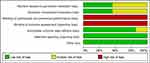
Figure 4 Risk-of-bias assessment for each individual included randomized controlled trial. Each row corresponds to one included study, and each column represents one methodological bias domain. Green circles indicate low risk of bias, yellow question marks indicate unclear risk of bias, and red circles indicate high risk of bias.


Meta-Analysis
Effective rates The comparison of the effective rates between the treatment group and the control group was conducted using the fixed effect model. The heterogeneity results showed that P = 0.19 and I2=27%. The results of the meta-analysis [RR = 1.21, 95% CI (1.13, 1.29), P < 0.00001] indicate that the effective rate of the observation group is superior to that of the control group. The subgroup analysis results showed that acupuncture at trigger points + Muscle Energy Technique training (MET)[RR = 1.07, 95% CI (0.94, 1.23), P = 0.31], Paired Acupuncture Therapy (Ou Zhen) acupuncture method [RR = 1.12, 95% CI (0.93, 1.33),P=0.23], puncture and suction cupping + control group [RR = 1.26, 95% CI (1.03, 1.55), P = 0.02], water needle knife therapy [RR = 1.24, 95% CI (1.00, 1.55), P = 0.05], round blunt needle plus needle knife group [RR = 1.11, 95% CI (0.93, 1.32), P = 0.26], needle warming moxibustion + massage treatment [RR = 1.33, 95% CI (1.03, 1.72), P = 0.03], floating needle method combined with reperfusion activity treatment [RR = 1.04, 95% CI (0.89, 1.22), P = 0.61], needle warming moxibustion [RR = 1.92, 95% CI (1.24, 2.98), P = 0.004], acupuncture at trigger points [RR = 1.19, 95% CI (0.93, 1.51), P = 0.16], renzhen+ orthopedic massage [RR = 1.26, 95% CI (1.03, 1.55), P = 0.03], simple acupuncture method + ultrafine needle knife treatment [RR = 1.14, 95% CI (0.94, 1.37), P = 0.18] were all superior to the control group treatment. As shown in Figure 5.
 |
Figure 5 Overall Response Rate of the Treatment and Control Groups. Forest plot comparing overall clinical effectiveness between acupuncture combined with traditional Chinese medicine external therapy and control interventions. RRs are presented with 95% CIs. Squares represent individual study estimates, with the size of the square proportional to study weight. Horizontal lines indicate 95% CIs. The blue diamond represents the pooled effect estimate. The vertical solid line indicates no effect (RR = 1). Pooled analysis was performed using the Mantel–Haenszel fixed-effect model. Low between-study heterogeneity was observed across all included trials (I2=26.9%, P=0.188). |
The VAS scores of the treatment group and the control group were compared using a random effects model. Significant heterogeneity was observed among studies (P<0.00001, I2=92%). Meta-analysis showed that the treatment group achieved greater pain reduction than the control group [MD = −1.04, 95% CI (−1.58, −0.50), P = 0.0002].
To explore the source of heterogeneity, subgroup analysis was conducted according to intervention type (Acupuncture Therapy, Acupotomy Therapy, and Combined Therapy). The subgroup difference test showed no statistically significant difference among subgroups (χ2= 2.27, P = 0.32, I2= 11.9%). The Acupuncture Therapy subgroup showed no significant reduction in VAS scores [MD = 0.20, 95% CI (−1.77, 2.17), P = 0.84], with substantial heterogeneity (I2=88%). The Acupotomy Therapy subgroup demonstrated significant pain reduction [MD = −1.09, 95% CI (−1.19, −1.00), P<0.00001], with low heterogeneity (I2=0%). The Combined Therapy subgroup also significantly improved VAS scores [MD = −1.52, 95% CI (−2.60, −0.45), P=0.005], although heterogeneity remained high (I2=95%). These findings suggest that variation in intervention type may contribute to the overall heterogeneity. As shown in Figure 6.
 |
Figure 6 VAS Subgroup Analysis Stratified by Intervention Type. Mean differences (MDs) are presented with 95% CIs. Squares represent individual study estimates, with the size of each square proportional to study weight. Horizontal lines indicate 95% CIs. Diamonds represent pooled subgroup and overall effect estimates. The vertical solid line indicates no between-group difference (MD = 0). Pooled analysis was performed using the inverse variance random-effects model. High between-study heterogeneity was detected across included trials (I2=92%, P<0.00001). |
Recurrent Rate Analysis
The recurrence rates of the treatment group and the control group were compared using a fixed-effect model. The heterogeneity results were P = 0.90 and I2=0%. The results of the meta-analysis [RR = 0.32, 95% CI (0.14, 0.70), P = 0.004] indicate that the recurrence rate in the treatment group was lower than that in the control group. The subgroup analysis results showed that the Paired Acupuncture Therapy (Ou Zhen) method [RR = 0.33, 95% CI (0.11, 1.01), P = 0.05] and the trigger point acupuncture [RR = 0.30, 95% CI (0.10, 0.93), P = 0.04] had significantly lower recurrence rates than the local block therapy. The results of these two studies were highly consistent, and the conclusion was reliable. As shown in Figure 7.
 |
Figure 7 Recurrence Rates of the Treatment and Control Groups. Forest plot comparing recurrence rate between acupuncture combined with traditional Chinese medicine external therapy and different injection-based control interventions. Subgroup analyses were stratified by different control treatment regimens. Risk ratios (RRs) are presented with 95% CIs. Squares represent individual study estimates, with the size of the square proportional to study weight. Horizontal lines indicate 95% CIs. Diamonds represent pooled subgroup and overall effect estimates. The vertical solid line indicates no effect (RR = 1). Pooled analysis was performed using the Mantel–Haenszel fixed-effect model. No between-study heterogeneity was detected across included trials (I2=0%, P=0.90). |
Safety Assessment
Only one study14 reported adverse reactions. The remaining included studies did not report this result. In the observation group, there were 2 cases of subcutaneous bruising, while no adverse reactions were observed in the control group. Due to the lack of sufficient safety evidence, there may be situations where adverse reactions were not recorded or disclosed. Therefore, it is impossible to reflect the true safety risks of the intervention measures.
Sensitivity Analysis
To evaluate the robustness of the pooled effect estimates in this Meta-analysis, leave-one-out sensitivity analyses were performed by sequentially omitting each individual included study and recalculating the pooled effect size for the remaining studies.
Sensitivity Analysis for Overall Response Rate
For Overall Response Rate (a dichotomous variable), the leave-one-out sensitivity analysis included 11 RCTs. As shown in Figure 8, the pooled effect sizes after omitting each study were all closely clustered around the overall pooled effect size (RR = 1.21, 95% CI: 1.13–1.29). All 95% confidence intervals of the recalculated effect sizes were greater than 1 and did not cross the null value (1), indicating that no single study significantly altered the direction or magnitude of the pooled conclusion. This result confirmed that the Meta-analysis conclusion for the Overall Response Rate was highly robust.
 |
Figure 8 Leave-one-out Sensitivity Analysis for Overall Response Rate. Dotted vertical lines indicate the pre-specified non-inferiority (equivalence) margins. For VAS Pain Score: margins of −1.22 and −0.85. Solid lines indicate lower and upper 95% CI Limit. Open circles indicate Pooled Estimate. |
Sensitivity Analysis for VAS Pain Score
For VAS pain score (a continuous variable), the leave-one-out sensitivity analysis included 9 RCTs that reported VAS data. As shown in Figure 9, the pooled effect sizes after omitting each study were all concentrated around the overall pooled effect size (MD = −1.04, 95% CI: −1.58 to −0.50). All 95% confidence intervals of the recalculated effect sizes were less than 0 and did not cross the null value (0), demonstrating that the conclusion of the Meta-analysis for pain relief was stable and reliable, and not affected by any individual study.
 |
Figure 9 Leave-one-out Sensitivity Analysis for VAS Pain Score. The vertical dashed lines represent the pooled estimate and its 95% confidence interval when the named study is omitted. Solid lines indicate lower and upper 95% CI Limits. Open circles indicate the estimate. |
Publication Bias Test
Publication bias was assessed for the primary outcome of Overall Response Rate, which included the largest number of included studies (11 RCTs). A funnel plot was constructed to visually evaluate publication bias, As shown in Figure 10. The Egger’s test was further performed to quantitatively assess the asymmetry of the funnel plot, and the result showed P<0.05, suggesting a potential risk of publication bias in the included studies.
 |
Figure 10 Funnel plot for publication bias assessment. Funnel plot for evaluating potential publication bias of included studies. The horizontal axis represents the effect size, and the vertical axis represents the standard error of the effect size. The dotted lines denote the pseudo 95% confidence limits of the pooled overall effect size. |
Notably, the heterogeneity among the 11 RCTs included in the Overall Response Rate analysis was relatively low (I2=26.9%, P = 0.188), and the overall effect test showed a statistically significant difference (P<0.00001). Combined with the results of the leave-one-out sensitivity analysis (Figure 9), which confirmed the robustness of the pooled conclusion, the reliability of the Meta-analysis results was guaranteed despite the potential publication bias.
Certainty of Evidence According to the GRADE Approach
The certainty of evidence for the key outcomes was assessed using the GRADE approach (Table 2). The evidence for overall clinical effectiveness, pain intensity measured by VAS and recurrence rate was all rated as low. The evidence of overall clinical effectiveness was downgraded owing to serious risk of bias and strongly suspected publication bias. Evidence for VAS pain intensity was downgraded for serious risk of bias and high inter-study inconsistency. The certainty of recurrence rate was downgraded due to serious risk of bias and serious imprecision caused by the small number of included studies. Both overall clinical effectiveness and pain intensity measured by VAS were considered critical for clinical decision-making, whereas recurrence rate was regarded as an important secondary clinical outcome.
 |
Table 2 GRADE Summary of Findings for Acupuncture Combined with Traditional Chinese Medicine External Therapy in Scalenus Anticus Syndrome |
Discussion
This meta-analysis of 11 RCTs involving 746 patients with SAS demonstrated that acupuncture combined with TCM external therapy appears to produce favorable clinical effects compared with conventional interventions, with a higher Overall Response Rate (RR = 1.21, 95% CI: 1.13–1.29, P<0.00001), lower VAS pain scores (MD = −1.04, 95% CI: −1.58 to −0.50, P = 0.0002), and reduced recurrence rates (RR = 0.32, 95% CI: 0.14–0.70, P = 0.004).
These findings are broadly consistent with currently available evidence and provide additional pooled evidence regarding the role of TCM external therapies in SAS management. In TCM, SAS is classified as tendon injury and bi syndrome.7 Previous single-center RCTs have confirmed that acupuncture-based combined therapy relieves muscle spasm and unblocks meridians. This study synthesizes individual trial data into pooled meta-analytic evidence, and the observed reduction in recurrence provides additional evidence regarding the potential long-term benefits of TCM-based management for SAS. Western medical treatments have inherent limitations, including adverse reactions to NSAIDs,4,17 surgical trauma and inconsistent efficacy of physical therapy. Notably, safety evidence remains insufficient as adverse events were only reported in one study. Even so, this combined therapy may serve as an alternative conservative option for patients who cannot tolerate medications or refuse surgery. Internationally, research on TOS is dominated by Western medicine interventions, with limited TCM-related evidence.22 This study fills the gap in international pooled evidence for TCM in SAS treatment; its analgesic effect aligns with global evidence that acupuncture regulates the endogenous opioid system, while TCM external therapy provides synergistic effects by relieving local muscle spasm.
Several limitations exist in the included studies and the present review. Only 5 trials reported detailed randomization methods, and none described allocation concealment.2,14,16,18,23 Blinding was difficult to implement due to the nature of acupuncture interventions, which may have increased the risk of performance bias and, to some extent, detection bias. In addition, all included studies were single-center trials with relatively small-to-moderate sample sizes and were conducted exclusively in China, which may limit the generalizability of the findings to broader populations.
Considerable heterogeneity was observed in VAS outcomes (I2 = 92%, P < 0.00001), which may be associated with variations in intervention protocols, treatment duration, comparator selection, and methodological quality across studies. To further explore potential sources of heterogeneity, subgroup analyses were conducted according to intervention modalities. The results suggested that acupotomy therapy and combined therapy were associated with greater pain relief, whereas acupuncture monotherapy did not demonstrate a statistically significant advantage over control interventions. However, substantial heterogeneity remained within the combined therapy subgroup, indicating that differences in treatment composition and study design may continue to influence the pooled estimates.
Furthermore, most included studies focused on short-term outcomes and rarely reported internationally standardized functional indicators such as the DASH score, limiting the assessment of long-term effectiveness and functional recovery. Moreover, the primary outcome “Overall Response Rate” is a composite, non-standardized measure with variable definitions across studies, which may introduce clinical heterogeneity not captured by statistical tests. Few studies reported recurrence data, and no long-term follow-up data were available. Safety reporting was insufficient, with only one study documenting mild adverse events.6 In addition, no trials used placebo or sham controls, making it difficult to distinguish specific therapeutic effects from placebo responses. This review only searched Chinese and English databases and excluded grey literature, which may lead to language bias and publication bias. Egger’s test and funnel plot suggested potential publication bias for the Overall Response Rate. Subgroup analyses were limited by the small number of studies per group,GRADE assessment revealed low certainty evidence for all evaluated outcomes, mainly attributed to the high risk of bias of included trials, severe heterogeneity in pain outcomes, imprecision of recurrence rate estimates, and potential publication bias. These limitations are consistent with the results of risk-of-bias assessment and publication bias tests in this review. Therefore, the clinical application of this combined therapy should be considered with caution. The exclusion of non-RCT designs also restricted the collection of real-world evidence, and insufficient safety data prevented quantitative pooling of adverse events.
Despite these limitations, the findings of this study have important implications for clinical practice and future research. Acupuncture combined with TCM external therapy may be considered a potential conservative treatment option for patients with mild-to-moderate SAS, particularly for those who are intolerant to medication or unwilling to undergo surgery. To improve treatment consistency and reduce heterogeneity across studies, standardized intervention protocols should be developed and adopted. In addition, these combined therapeutic approaches may be incorporated into multidisciplinary management strategies as adjuncts to physical therapy or rehabilitation programs to optimize outcomes and reduce recurrence. Future studies should also strengthen safety surveillance and establish standardized adverse event reporting systems to provide more reliable evidence regarding treatment safety.
In summary, acupuncture combined with TCM external therapy demonstrated potential benefits in improving short-term clinical outcomes, relieving pain, and reducing recurrence in patients with SAS. However, the current evidence regarding safety remains insufficient because adverse events were rarely reported in the included studies. Furthermore, the overall certainty of evidence is weakened by methodological shortcomings, regional concentration of studies, substantial heterogeneity in pain outcomes, and non-standardized intervention protocols. Therefore, the findings should be interpreted with caution.
Nevertheless, this study provides updated evidence supporting the application of TCM external therapies in the conservative management of SAS. Considering the growing international interest in integrative medicine, these findings warrant further validation in diverse populations and healthcare settings. Future high-quality, multicenter randomized controlled trials with standardized outcome measures and mechanistic investigations are required to strengthen the evidence base, optimize treatment strategies, and facilitate evidence-informed integration of TCM external therapies into future clinical practice.
Conclusion
Current evidence suggests that acupuncture combined with traditional Chinese external therapies may be effective for improving clinical outcomes in patients with SAS, particularly showing a lower recurrence rate (RR = 0.32, 95% CI: 0.14–0.70). However, the included studies had significant methodological limitations (eg, unclear randomization, lack of blinding, high heterogeneity for VAS outcomes) and potential publication bias. Safety data were insufficient, with only one study reporting mild adverse events. Therefore, these findings should be interpreted cautiously. High-quality, multicenter randomized controlled trials with standardized outcome measures and long-term follow-up are needed to confirm the efficacy and safety of this combined therapy.
Data Sharing Statement
All data supporting the findings of this study are included within the article and its supplementary materials. No new data was generated. Extracted data and analytical methods are available from the corresponding author upon reasonable request.
Ethics Approval and Informed Consent
Ethical approval and informed consent were not required for this study. The study did not involve any new experiments on human participants or animals, nor did it include the collection of individual-level patient data. All included studies were conducted in accordance with their respective institutional ethical standards.
Consent for Publication
Not applicable. This manuscript does not contain any individual person’s data, images, videos, recordings, or other potentially identifiable information. Therefore, consent for publication was not required.
Acknowledgments
Xinyu Wei and Qian Du are co-first authors for this study. The authors would like to thank all investigators and participants of the original studies included in this meta-analysis.
Funding
This research did not receive any specific grant from funding agencies in the public, commercial, or non-profit sectors.
Disclosure
The authors declare that they have no conflicts of interest for this work.
References
1. Peet RM, Henriksen JD, Anderson TP, Martin GM. Thoracic-outlet syndrome: evaluation of a therapeutic exercise program. Proc Staff Meet Mayo Clin. 1956;31(9):281–15. doi:10.1016/S0025-6196(26)01857-4
2. Illig KA, Thompson RW, Freischlag JA, et al. Thoracic outlet syndrome. In: Illig KA, Thompson RW, Freischlag JA, editors. Thoracic Outlet Syndrome. London: Springer; 2013:143–155.
3. Fan BH, Jing FJ, Fu GB, et al. Tuina Therapeutics. Beijing: China Press of Traditional Chinese Medicine; 2016.
4. Panther EJ, Reintgen CD, Cueto RJ, Hao KA, Chim H, King JJ. Thoracic outlet syndrome: a review. J Shoulder Elbow Surg. 2022;31(11):e545–e561. doi:10.1016/j.jse.2022.06.026
5. Fugate MW, Rotellini-Coltvet L, Freischlag JA. Current management of thoracic outlet syndrome. Curr Treat Options Cardio Med. 2009;11:176–183. doi:10.1007/s11936-009-0018-4
6. Khabyeh-Hasbani N, Connors K, Buksbaum JR, Koehler SK. Current concepts in the management of neurogenic thoracic outlet syndrome: a review. Plast Reconstr Surg Glob Open. 2023;11(3):e4829. doi:10.1097/GOX.0000000000004829
7. Brooke BS, Freischlag JA. Contemporary management of thoracic outlet syndrome. Curr Opin Cardiol. 2010;25(6):535–540. doi:10.1097/HCO.0b013e32833f028e
8. Joshi AV, Shinde S, Chaudhary NS, Chaudhary S. Evidence-based diagnostic and therapeutic methods for thoracic outlet syndrome: a systematic review. Cureus. 2026;18(5):e108241. doi:10.7759/cureus.108241
9. Lo CNC, Bukry SA, Alsuleman S, Simon JV. Systematic review: the effectiveness of physical treatments on thoracic outlet syndrome in reducing clinical symptoms. Hong Kong Physiother J. 2011;29:53–63. doi:10.1016/j.hkpj.2011.06.005
10. Page MJ, McKenzie JE, Bossuyt PM, et al. The PRISMA 2020 statement: an updated guideline for reporting systematic reviews. BMJ. 2021;372:n71. doi:10.1136/bmj.n71
11. Liu HG, Wang YP, Wang HY, et al. Clinical observation on acupuncture combined with muscle energy technique for scalenus anticus syndrome. Chin J Rehabil. 2018;33(6):476–478.
12. Yin XH, Li LY, Cao YH. Clinical observation on the efficacy of paired acupuncture therapy in the treatment of scalenus anticus syndrome. J Shanxi Univ Chin Med. 2016;17(3):39–41.
13. Zhu Q. Clinical study on acupuncture combined with blood-letting cupping for scalenus anticus syndrome. J Shandong Univ Tradit Chin Med. 2008;(6):468–469. doi:10.16294/j.cnki.1007-659x.2008.06.012
14. Li Z, Cai FS, Wang JC. Clinical observation on water acupotomy for the treatment of scalenus anticus syndrome. Shanxi Medical Journal. 2018;47(21):2521–2523.
15. Zhou JB, Lu Y, Li KP. Clinical efficacy study on round blunt needle plus acupotomy for scalenus anticus syndrome. World Latest Med Inf Abstracts. 2016;16(A0):26–28.
16. Lou ZY, Shen QH, Bian XD. Clinical observation on moxibustion-acupuncture combined with tuina manipulation for scalenus anticus syndrome. Zhejiang J Trad Chin Med. 2013;48(7):523.
17. Pan XY, Xie HZ, He XF, et al. Clinical observation of floating needle combined with reperfusion activity for anterior scalene syndrome. J Guangzhou Univ Tradit Chin Med. 2022;39(8):1808–1813. doi:10.13359/j.cnki.gzxbtcm.2022.08.017
18. Fan ST. Clinical observation on moxibustion-acupuncture at Yangming Meridian points alone for the treatment of scalenus anticus syndrome. J New Chin Med. 2016;48(2):88–90. doi:10.13457/j.cnki.jncm.2016.02.035
19. Fei ZG, Xia YZ, Shan GF, et al. Clinical efficacy of acupuncture at trigger points in the treatment of 40 cases of scalenus anticus syndrome. Modern Med. 2017;45(9):1275–1278.
20. Zou RH, Zhang CJ, Cai G, et al. Observation on therapeutic effect of blade needle combined with bone-setting massage for anterior scalene syndrome. Zhejiang Clin Med. 2023;25(11):1619–1620,1623.
21. Xiang BD, Zhai HY. Clinical study on acupuncture combined with ultra-fine acupotomy for scalenus anticus syndrome. Electronic J General Stomatol. 2019;6(24):
22. Gu S. Thoracic outlet syndrome treated with acupuncture, manual techniques and self-stretching exercises: a case report. Aust J Acupunct Chin Med. 2007;2(1):33–35.
23. Lin RD, Ye ZM, Gan XY, et al. Research progress on external therapy of traditional Chinese medicine for scalenus anticus syndrome. Basic Tradit Chin Med. 2025;4(3):117–123. doi:10.20065/j.cnki.btcm.20250067
 © 2026 The Author(s). This work is published and licensed by Dove Medical Press Limited. The
full terms of this license are available at https://www.dovepress.com/terms
and incorporate the Creative Commons Attribution
- Non Commercial (unported, 4.0) License.
By accessing the work you hereby accept the Terms. Non-commercial uses of the work are permitted
without any further permission from Dove Medical Press Limited, provided the work is properly
attributed. For permission for commercial use of this work, please see paragraphs 4.2 and 5 of our Terms.
© 2026 The Author(s). This work is published and licensed by Dove Medical Press Limited. The
full terms of this license are available at https://www.dovepress.com/terms
and incorporate the Creative Commons Attribution
- Non Commercial (unported, 4.0) License.
By accessing the work you hereby accept the Terms. Non-commercial uses of the work are permitted
without any further permission from Dove Medical Press Limited, provided the work is properly
attributed. For permission for commercial use of this work, please see paragraphs 4.2 and 5 of our Terms.
Recommended articles

The Efficacy and Safety of Acupuncture for Tinnitus-Associated Insomnia: A Protocol for a Systematic Review and Meta-Analysis
Fan L, Gao Y, Zhou J, Hu H, Gao H
Journal of Pain Research 2022, 15:2957-2965
Published Date: 21 September 2022
The Analgesic Effect and Potential Mechanisms of Acupuncture for Migraine Rats: A Systematic Review and Meta-Analysis
Sun S, Liu L, Zhou M, Liu Y, Sun M, Zhao L
Journal of Pain Research 2023, 16:2525-2542
Published Date: 24 July 2023
Efficacy of Acupuncture in Acute Exacerbation of Chronic Obstructive Pulmonary Disease: A Systematic Review and Meta-Analysis
Yang C, Tian H, Xu G, Luo Q, Sun M, Liang F
International Journal of Chronic Obstructive Pulmonary Disease 2024, 19:707-720
Published Date: 11 March 2024
Acupuncture and Moxibustion in the Treatment of Gynecological Perioperative Anxiety: A Systematic Review and Meta-Analysis
Wang X, Yu Q, Zhu J, Liu J, Gao X, Wang X, Wang L, Xu X
Journal of Pain Research 2024, 17:3515-3538
Published Date: 31 October 2024
Efficacy of Acupuncture Assisted Anesthesia in Laparoscopic Cholecystectomy: A Systematic Review and Meta-Analysis
Lv H, Xu J, Bian Z, Lu Y, Li X, Jiang Y, Fang J, Liu Y
Journal of Pain Research 2025, 18:5567-5585
Published Date: 25 October 2025