
Back to Journals » Journal of Pain Research » Volume 19
A Pilot Convenience Internet Survey Regarding Pain Management Among Medical Profession in Saudi Arabia: An Exploratory Cross-Sectional Study
Authors Alshareef MH 
Received 13 May 2026
Accepted for publication 11 July 2026
Published 20 July 2026 Volume 2026:19 624460
DOI https://doi.org/10.2147/JPR.S624460
Checked for plagiarism Yes
Review by Single anonymous peer review
Peer reviewer comments 3
Editor who approved publication: Professor Robert B. Raffa
Maram H Alshareef
Community Medicine and Pilgrims Healthcare Department, Umm Al-Qura University, Makkah, Saudi Arabia
Correspondence: Maram H Alshareef, Community Medicine and Pilgrims Healthcare Department, Umm Al-Qura University, Makkah, 21955, Saudi Arabia, Email [email protected]
Purpose: Chronic pain is a common clinical problem that considerably affects patients’ quality of life, functional status, and overall well-being. Effective pain management requires an integrated approach that includes both pharmacological and non-pharmacological strategies. However, variations in physicians’ knowledge of pain management may influence clinical decision-making and patient outcomes. In this study, the aim was to explore medical professionals’ knowledge of pain management, including pharmacological and non-pharmacological strategies, to provide preliminary insights and identify areas for future research and improvement.
Material and Methods: This exploratory cross-sectional study was conducted using a self-administered online survey distributed to Individuals across the medical education continuum. The study aimed to assess the participants knowledge, attitude toward pain management. The questionnaire consisted of 25 true/false statements designed to evaluate knowledge, attitudes, and practices related to pain management. We also explored whether knowledge scores varied according to demographic and professional characteristics.
Results: Among the 51 participants, 76.5% were physicians and nearly half (49.0%) reported regularly treating patients with pain. Despite this, 78.4% reported no formal education in pain management. Overall, 70.6% demonstrated good knowledge, with a mean score of 17.55 ± 3.47. Participants showed strong knowledge in pain assessment (96.1%), multimodal analgesia (90.2%), and opioid titration (94.1%). Nevertheless, misconceptions were noted, including reliance on vital signs for pain assessment (51.0%) and inappropriate beliefs regarding adjuvant medications (up to 31.4%). No significant associations were found between knowledge levels and demographic or professional variables.
Conclusion: Although most participants exhibited adequate knowledge of chronic pain management, we identified gaps regarding pain assessment and adjuvant medications, as well as a deficiency in formal pain management education. These findings warrant further larger-scale studies to inform the development of structured, evidence-based education across multiple levels of medical training to improve chronic pain care and patient outcomes.
Keywords: exploratory study, healthcare professionals, knowledge, attitudes, and practices, pain management, survey
Introduction
Chronic noncancer pain (CNCP) is a prevalent and complex clinical condition defined as pain lasting for at least 3 months.1 The estimated prevalence of chronic pain is 30%.2 CNCP significantly impacts patients’ quality of life, functional status, and psychological well-being.3 Effective management requires a biopsychosocial approach, appropriate pharmacological and non-pharmacological interventions, and interprofessional collaboration.4,5
Despite the availability of international guidelines, studies suggest knowledge gaps, variable attitudes, and inconsistent clinical practices regarding CNCP management among medical profession.6 These gaps and discrepancies may be due to the perception of patients with CNCP as a burden.7 This can contribute to undertreatment, excessive reliance on pharmacotherapy, ineffective communication, and delays in multidisciplinary referral.8
Studies conducted in Jordana and Saudi Arabia have consistently identified gaps in healthcare professionals’ knowledge and attitudes regarding pain management, including among physicians. Common deficiencies have been reported in pain assessment, opioid prescribing practices, and the appropriate use of adjuvant analgesics, despite growing awareness of evidence-based pain management strategies. These researches highlighted persistent educational needs, underscoring the importance of implementing targeted pain education and training initiatives across the region.9,10
One of the barriers affecting healthcare professionals’ attitudes toward CNCP management is the lack of training.11 Therefore, assessing knowledge, attitudes, and practices among healthcare professionals is essential to identify educational needs, guide training programs, and improve patient outcomes. However, many existing questionnaire tools to assess KAP about chronic pain are lengthy or difficult to interpret. In addition, to the best of our knowledge, this topic has not been previously investigated in Saudi Arabia despite the high prevalence of chronic pain noticed in many previous studies.12
Therefore, in this study, the assessment conducted for the knowledge, attitudes, and practices regarding pain management among physicians using a modified validated knowledge assessment questionnaire.13 This study also explored whether knowledge scores varied according to level of education and professional characteristics. Overall, this study provides preliminary insights into the current knowledge of pain management education in Saudi Arabia.
Material and Methods
Study Design and Participants
This quantitative exploratory cross-sectional study was conducted between February 1 and February 28, 2026, using a self-administered online questionnaire. Participants included professionals in medicine in various stages, from medical students to consultants, across a range of medical specialties. Because pain is a universal symptom encountered across nearly all medical disciplines, it must be thought from early medical years, for that assessing knowledge beyond pain-focused specialties was essential to identify general educational gaps and real-world practice readiness. To avoid artificially elevated knowledge scores and improve the study’s representation of routine clinical practice, physicians with formal specialization in pain management were excluded, as their advanced training could disproportionately influence the overall findings. Participants were recruited using a convenience sampling approach. A total of 100 individuals across different stages of medical training and clinical practice were invited to participate, of whom 50 completed the questionnaire, yielding a response rate of 50%. Given the exploratory nature of this pilot study, the achieved sample size was considered adequate for generating preliminary insights and identifying trends to inform future, larger-scale investigations.
Data Collection
For this study, we used a modified version of a validated knowledge assessment questionnaire derived from previously published instruments.13 The questionnaire was administered in English and adapted into a shorter version to facilitate completion and improve response rates in the online survey. To ensure its relevance to the study objectives and local context, the instrument was reviewed by three experts in pain management and medical education, whose recommendations guided the modification process and the inclusion of additional items to enhance its comprehensiveness and contextual appropriateness. The additional variables was included to assess differences in knowledge scores, including gender, age, professional rank (medical student, intern, resident, specialist, or consultant), specialty, years of experience, type of practice (academic, clinical, or combined academic-clinical practice), institutional sector (public or private), and frequency of managing patients with pain. Data were collected through an online Google Forms survey distributed electronically through personal messages sent by the investigator to medical professionals from various specialties and professional backgrounds. Participants were required to provide informed consent before proceeding with the questionnaire. Upon submission, participants were able to view their knowledge score along with the correct answers, allowing for immediate feedback. To minimize response duplication and reduce collection bias, the survey was restricted to a single submission per participant.
Data Analysis
Before analysis, data were checked for completeness, consistency, and potential entry errors. The distribution of continuous variables was assessed for normality using the Shapiro–Wilk test. Categorical variables were summarized as frequencies and percentages, whereas continuous variables were expressed as means and standard deviations when normally distributed.
The knowledge domain was assessed using a series of structured items with dichotomous responses (true/false). Each correct response was assigned a score of one point, whereas incorrect responses were assigned a score of zero. Individual item scores were summed to generate a total knowledge score for each participant, with good scores indicating better knowledge. The total score was converted into a percentage of the maximum attainable score to facilitate standardized interpretation. As no universally accepted threshold exists for defining adequate knowledge, categorization criteria may vary according to study objectives and methodological considerations. Hence, for descriptive purposes, participants were classified as having poor knowledge (<60% of the total score) or higher knowledge (≥60%), consistent with cutoffs commonly adopted in knowledge, attitude, and practice (KAP) studies based on modified Bloom’s criteria.14,15
For inferential analysis, associations between categorical variables such as knowledge level and participants’ demographic and professional characteristics were assessed using the Chi-square test. When the assumptions of the Chi-square test were not met, in cases of small, expected cell counts, Fisher’s exact test was applied. Similarly, associations between independent variables and the frequency of managing patients with CNCP (categorized into infrequent and frequent exposure) were evaluated using appropriate categorical tests.
Data were analyzed using IBM SPSS Statistics version 28 (IBM Corp., Armonk, NY, USA). All statistical tests were two-tailed, and a p-value of less than 0.05 was considered to indicate statistical significance.
Results
Participant Characteristics
A total of 100 individuals across the medical education continuum were invited to participate. Fifty-one participants completed the questionnaire and were included in the final analysis, yielding a response rate of 51%. The mean age of participants was 40.4 ± 11.5 years (Table 1). Participants aged 35–45 years constituted the highest proportion (n = 20, 39.2%) and most participants were females (n = 32, 62.7%), held consultant-level positions (n = 38, 74.5%). Family medicine was the most represented specialty (n = 20, 50.0%). More than one third (n = 20, 39.2%) have more than 15 years’ experience.
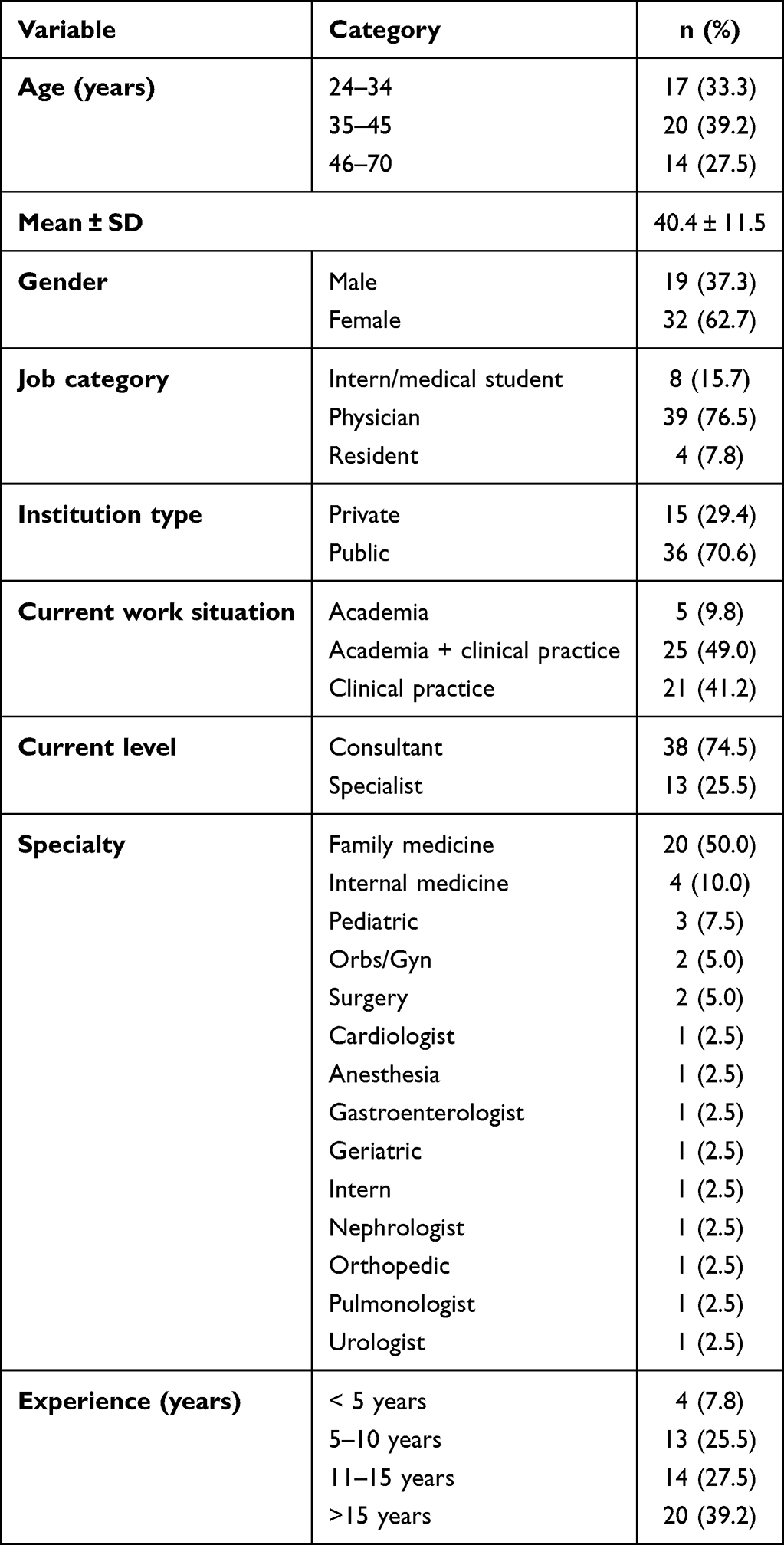 |
Table 1 Sociodemographic and Professional Characteristics of the Participants in the Study (n = 51) |
Despite the observed frequent clinical exposure, nearly half of the participants reported regularly managing patients with CNCP (n = 25, 49.0%), formal education in pain management appeared insufficient (Table 2). Most of the participants reported never encountering pain management education during their education or internship (n = 40, 78.4%).
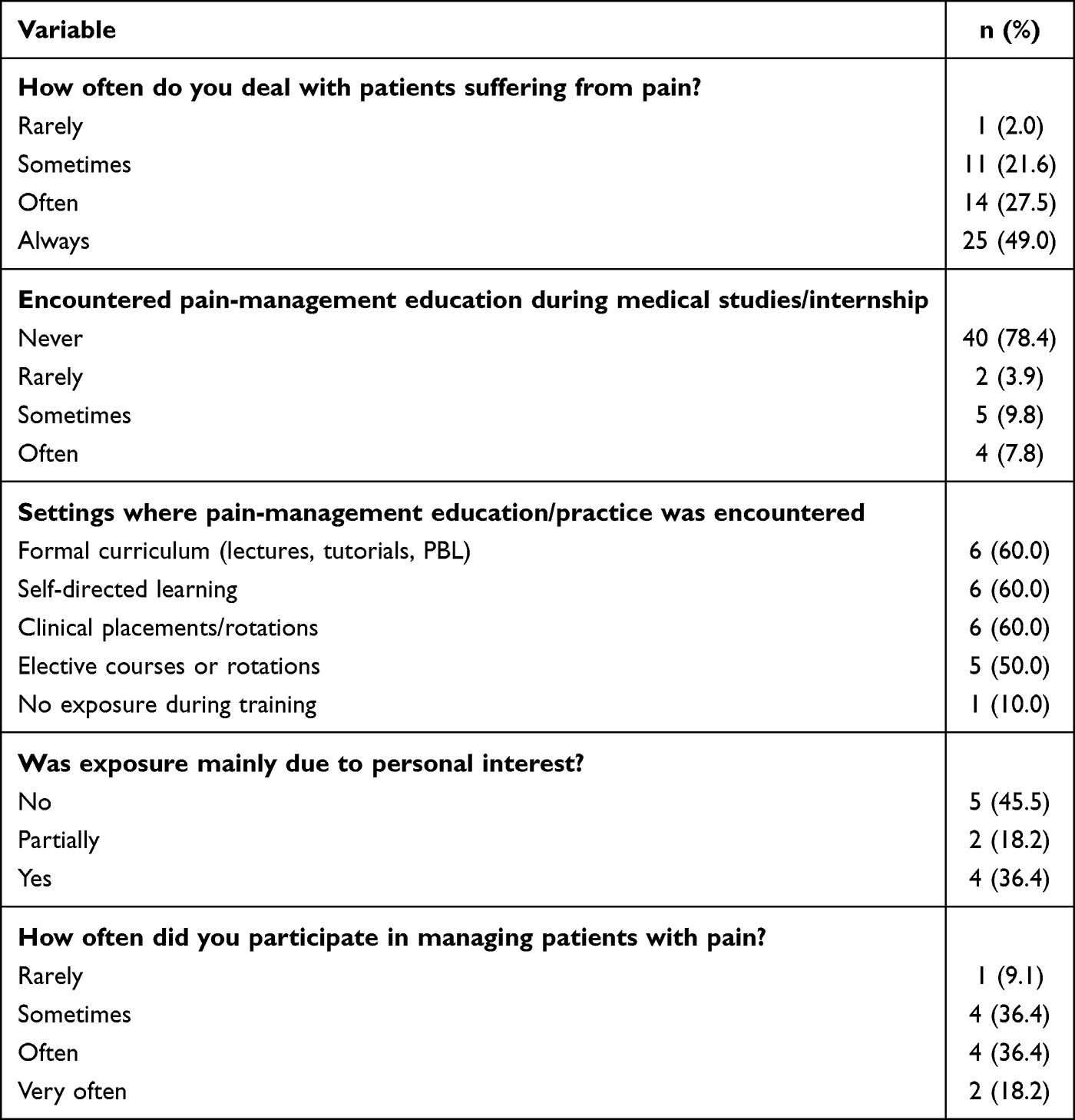 |
Table 2 Exposure to Pain Management Education and Clinical Experience Among Participants (n = 51) |
CNCP Management Knowledge, Attitudes, and Practices
The overall knowledge scores ranged from 11.0 to 24.0 out of 25, with a mean score of 17.55 ± 3.47, indicating a generally acceptable level of knowledge among the study population. With majority of participants demonstrated a good level of knowledge (n = 36; 70.6%), Interestingly, In the pain assessment domain, participants demonstrated good awareness of fundamental principles, particularly the necessity of routine pain assessment (n = 49, 96.1%) and the influence of spiritual beliefs on pain perception (n = 46, 90.2%). Nonetheless, several misconceptions were identified. Approximately half of the participants incorrectly considered vital signs as reliable indicators of pain intensity (n = 26, 51.0%). In the pharmacology and analgesic mechanisms domain, knowledge was relatively strong. Most participants correctly recognized the benefit of multimodal analgesia (n = 46, 90.2%) and the importance of titrating opioid doses based on patient response (n = 48, 94.1%). Despite this, important misconceptions persisted, mainly regarding adjuvant medications. Some participants incorrectly believed that gabapentin provides optimal relief after a single dose (n = 16, 31.4%) or that such medications should always be maintained at low doses regardless of efficacy (n = 11, 21.6%).
On the other hands, in the opioid safety and side effect management domain, (n = 46, 90.2%) and (n = 35, 68.6%) of participants showed generally appropriate knowledge. Most recognized the importance of sedation assessment as a precursor to respiratory depression and understood that respiratory depression is uncommon in patients on stable opioid regimens respectively. Additionally, a considerable proportion (n = 20, 39.2%), held potentially restrictive views, such as avoiding opioid use in patients with a history of substance abuse (Table 3).
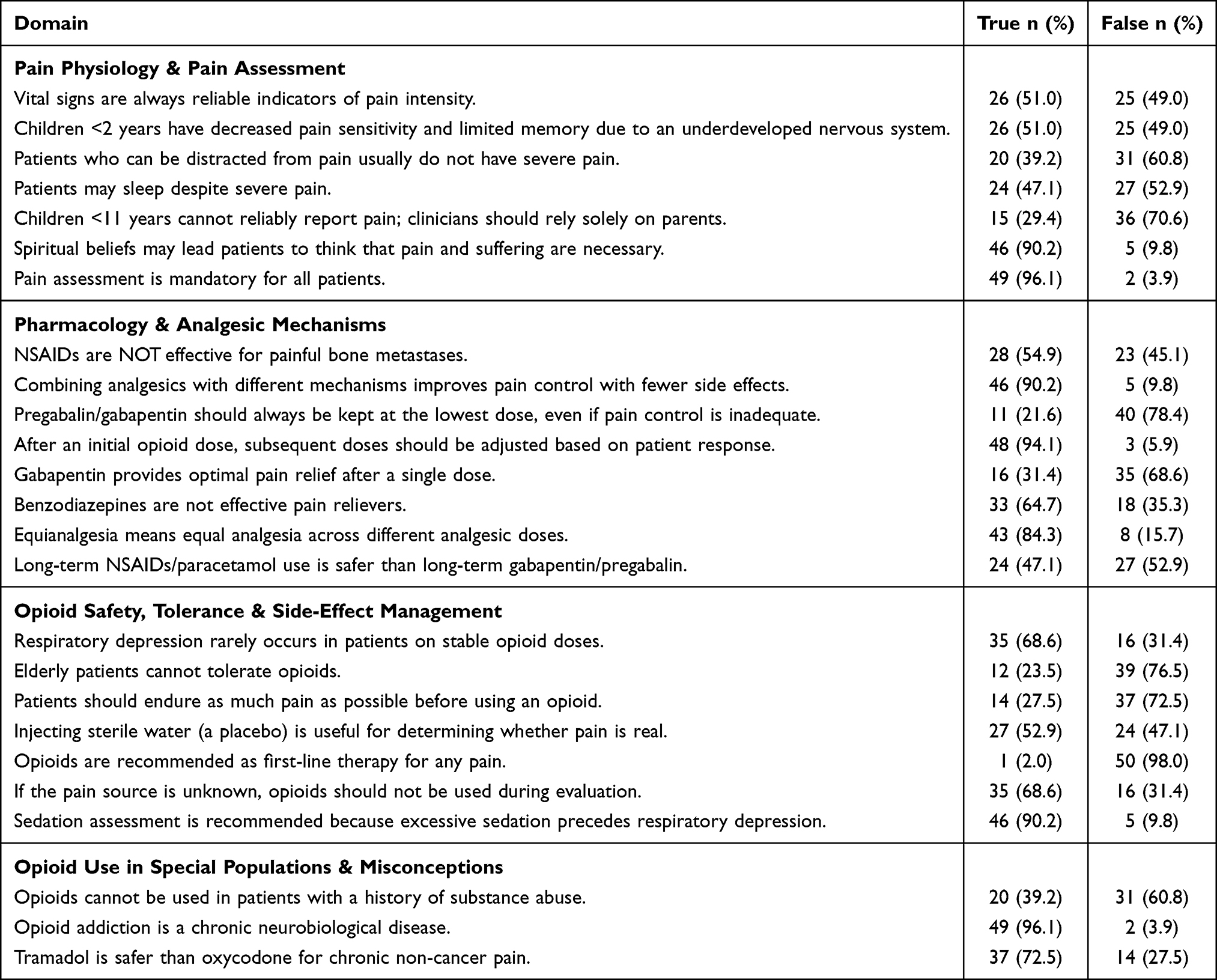 |
Table 3 Knowledge of Participants Regarding Pain Physiology, Pharmacology, and Opioid Use in Chronic Non-Cancer Pain Management (n = 51) |
Factors Associated with CNCP Management Knowledge, Attitudes, and Practices
Regarding the factors associated with participants’ overall knowledge of CNCP management. It was observed a difference in knowledge levels across the participants, All residents demonstrated poor knowledge (n = 4, 100.0%), in contrast to consultants, among whom the majority exhibited good knowledge (n = 30, 76.9%). Other professional factors, including institution type, specialty years of experience, the frequency of managing patients with CNCP exposure to pain management education during training were not significantly associated with knowledge levels (Table 4).
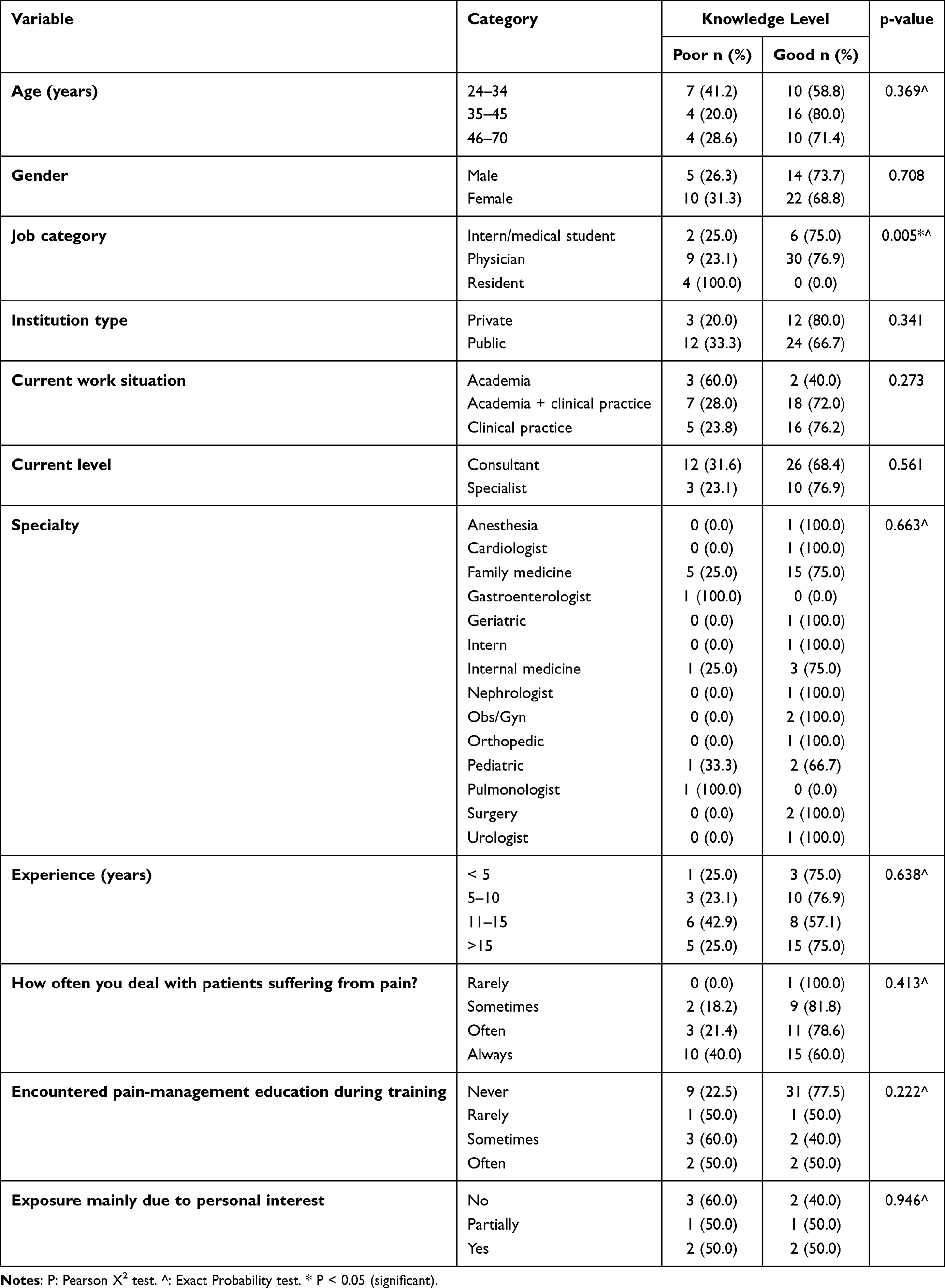 |
Table 4 Factors Associated with Participants Overall Knowledge of Chronic Non-Cancer Pain Management |
Factors Associated with CNCP Clinical Exposure
Regarding the factors associated with the frequency of managing patients with CNCP. Participants reporting “rarely” or “sometimes” were categorized as having infrequent exposure, and those reporting “often” or “always” as having frequent exposure to CNCP.
It was observed a significant association with gender (p = 0.016), with females being more likely to report frequent exposure to CNCP cases (n = 28, 87.5%) (Table 5). Professional rank was also significantly associated with CNCP exposure (p = 0.049). All interns/medical students (n = 8, 100.0%) and residents (n = 4, 100.0%) reported frequent exposure; whereas certified physicians had a comparatively lower proportion (n = 27, 69.2%), with 30.8% (n = 12) reporting infrequent exposure. A significant difference in CNCP exposure was also observed by institution type (p = 0.012), with participants working in public institutions being more likely to report frequent exposure (n = 31, 86.1%). Additionally, specialty showed a significant association with CNCP exposure (p = 0.048), with high rates of frequent exposure among specialists in family medicine (n = 16, 80.0%) and surgery (n = 2, 100.0%). Nevertheless, interpretation should be cautious due to the small subgroup sizes.
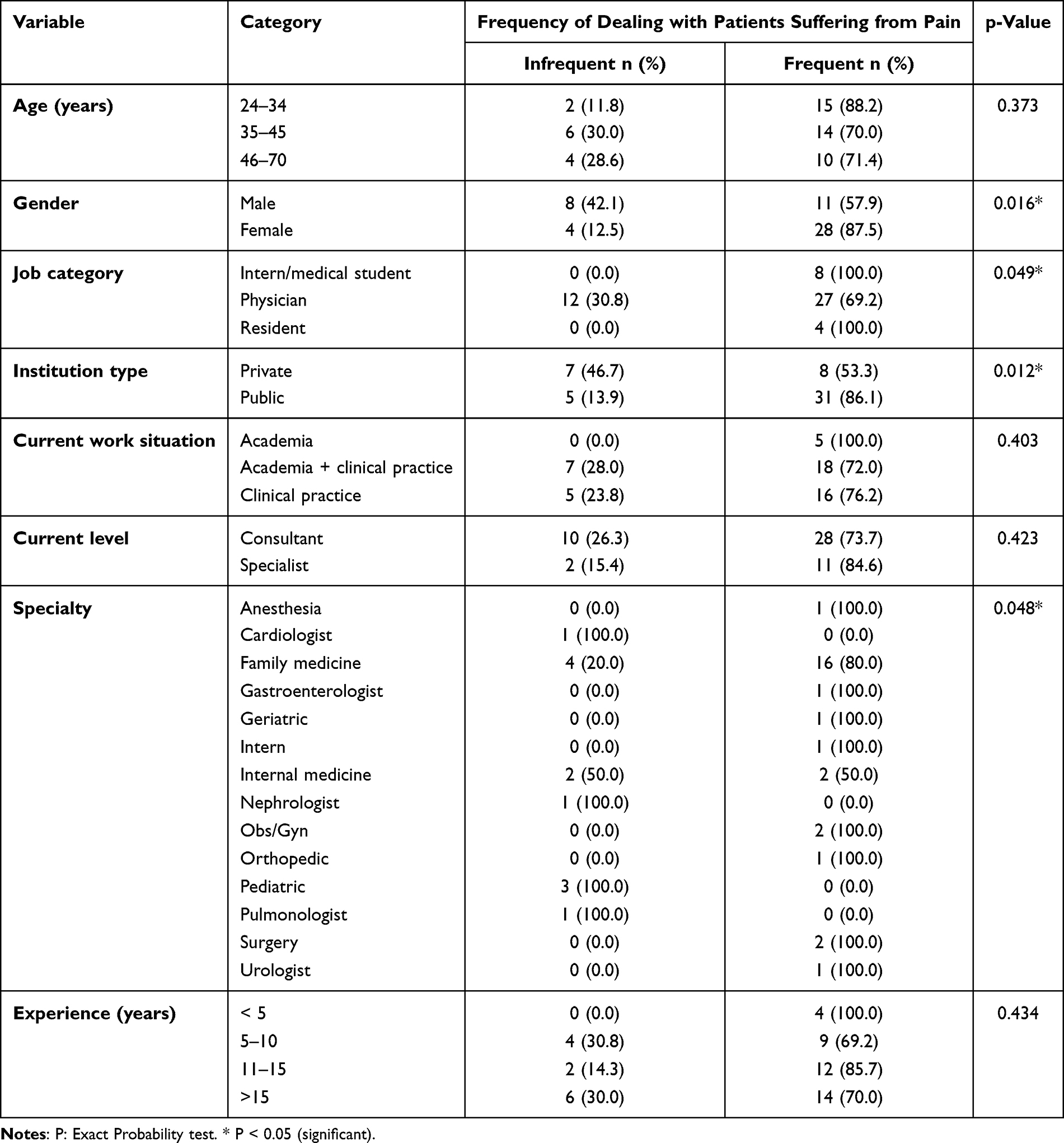 |
Table 5 Factors Associated with Frequency of Dealing with Patients Suffering from Pain Among Participants |
Discussion
Main Findings
The findings of the current study reveal that most participants demonstrated good overall knowledge of CNCP management. Nonetheless, important misconceptions were identified, and formal pain education was inadequate.
In this study, 70.6% of participants showed good knowledge of CNCP management (Figure 1). This finding is generally satisfactory and aligns with the results of several international studies reporting moderate to adequate knowledge levels among medical professionals. Sanya et al6 found that physicians in Nigerian tertiary hospitals exhibited considerable knowledge gaps but demonstrated reasonable understanding of basic pain management principles. Similarly, a large European survey reported that approximately two-thirds of primary care physicians had satisfactory knowledge of CNCP management, although substantial variation existed across countries and training backgrounds.16 However, our finding that nearly one-third of participants had poor knowledge is concerning and consistent with previously reported findings on CNCP management in different settings.17,18 Healthcare professionals may not recognize their lack of knowledge or skills, as indicated by a previous study, wherein 57% of physicians felt confident about their knowledge and skills.19 Several studies have found an educational gap as a main factor for this knowledge deficiency.8,20 Alkhatib et al reported that CNCP management knowledge among medical professionals remains suboptimal worldwide, with many clinicians unable to correctly apply basic pharmacological principles or non-pharmacological strategies.9 The knowledge gaps identified in our study, mainly regarding pain assessment, adjuvant medications, and opioid safety, are consistent with those reported in prior studies.
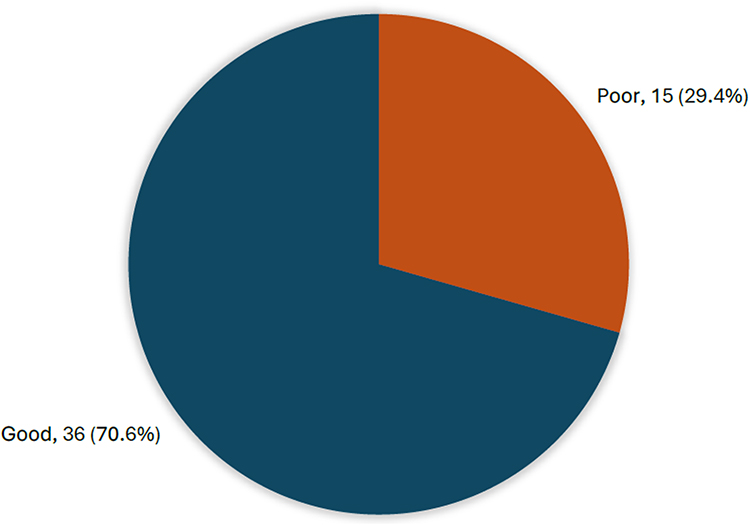 |
Figure 1 The Overall Knowledge Level Regarding Chronic Non-Cancer Pain Management Among Healthcare Professionals. |
One of the most striking findings was the misconception regarding vital signs as reliable indicators of pain intensity, endorsed by 51.0% of participants. This belief has been repeatedly reported in the literature despite many studies showing a weak correlation between vital signs and self-reported pain intensity, particularly in CNCP settings.21 The persistence of this misconception indicates that education continued to teach an outdated assessment standard. Pain is subjective rather than objective, representing a complex experience shaped by physiological, psychological, and social factors as described by the patient.22 Our findings indicate that nearly half of the participants may still be seeking objective physiological correlates that do not reliably exist. Similarly, the finding that nearly one-third of participants believed that patients who can be distracted are unlikely to have severe pain reflects a concerning misunderstanding of pain psychology. This misconception has been previously documented by Eccleston and Crombez,23 who found that distraction is a coping mechanism rather than an indicator of pain severity. Patients with CNCP frequently develop sophisticated distraction techniques precisely because their pain is severe and persistent, not despite it.24
Regarding pharmacological knowledge, participants showed a good understanding of multimodal analgesia and opioid titration principles, which compares favorably with international benchmarks. Data from a multinational study by Coluzzi et al24 demonstrated that 65–75% of primary care physicians correctly understood opioid titration principles, suggesting that our sample may have above-average pharmacological knowledge. Nonetheless, the misconceptions about adjuvant medications are notable The belief that gabapentin provides optimal relief after a single dose indicates poor understanding of the dose titration requirements and delayed onset of action characteristic of gabapentinoids. This finding aligns with a previous study reported that up to 40% of general practitioners incorrectly prescribed gabapentin as an as-needed analgesic rather than a regularly dosed medication requiring gradual titration.25
In addition, the results show that most participants never encountered pain management education during their medical studies or internship.26,27 This is consistent with prior findings documenting the profound inadequacy of pain management education worldwide.28,29 With pain medicine constituting approximately 1% of most medical curricula globally, many graduating physicians feel unprepared to manage CNCP. The consequences of this educational inadequacy are considerable. In this study, despite frequent clinical exposure to CNCP, participants had insufficient education nor training. This situation forces participants to learn pain management through informal sources or strategies, which may increase misconceptions and reinforce inconsistent practices. The finding that educational exposure was mainly driven by personal interest rather than a structured curriculum also supports the conclusion that pain management education remains elective rather than mandatory in most training programs.
Opioid-Related Attitudes and Stigma
Participants showed appropriate caution regarding opioid prescription, with only 2.0% approving opioids as first-line therapy for all pain types. This is consistent with current guidelines from the US Centers for Disease Control and Prevention, which recommend opioids as one component of multimodal therapy rather than universal first-line treatment.30,31 However, the finding that 39.2% of participants would avoid opioids in patients with a history of substance abuse is concerning.32 The Centers for Disease Control and Prevention guideline recommends that patients with substance use disorders should not be categorically excluded from receiving appropriate opioid therapy when clinically indicated, provided appropriate risk mitigation strategies are employed.33
This finding mostly reflects the tension between appropriate opioid stewardship and stigmatizing attitudes toward patients with substance use disorders. Healthcare professionals frequently exhibit negative attitudes toward patients with substance use disorders, which can translate into substandard pain care.34 Most of the participants correctly recognized addiction as a chronic neurobiological condition, signifying that intellectual knowledge does not automatically translate into empathy, which has been consistently documented in the literature.35
Factors Associated with Knowledge and Clinical Exposure
Among all potential factors, a significant association with knowledge levels was observed only for professional rank, with all residents classified as having poor knowledge, while most physicians showed good knowledge. Interestingly, a high proportion of interns and medical students showed good knowledge, which may reflect recent exposure to updated curricula or the influence of recent learning. Notably, we found no significant association between years of experience and knowledge levels, indicating that greater clinical experience does not necessarily translate into better knowledge. This supports the notion that in the absence of structured education, experience alone may reinforce existing practices rather than improve understanding.
Gender was significantly associated with the frequency of clinical exposure to CNCP, with females reporting higher exposure than males. However, we observed no significant association between gender and knowledge levels, suggesting that increased clinical exposure does not necessarily improve knowledge.
Study Limitations
Several limitations of this study should be acknowledged. First, the relatively small sample size may limit the statistical power and generalizability of the findings. However, it is consistent with the exploratory nature of this study, which was designed to provide preliminary insights into a topic that has not been previously investigated in Saudi Arabia. Thus, our findings should be regarded as an initial step toward future, more comprehensive research. Second, the study was conducted without external funding, which affect data collection efficiency. Third, the use of convenience sampling and the inclusion of participants from various educational and professional levels may have introduced selection bias, thereby limiting the generalizability of the findings to other healthcare professional groups such as nurses, pharmacists, and physiotherapists, so a further study needed to investigate each education level in medicine and the other professions. Fourth, self-reported data may be subject to bias, particularly regarding attitudes toward opioid prescription and patients with substance use disorders. Finally, the limited geographic scope may restrict the generalizability of the findings to other healthcare settings with different training systems and patient populations.
Future larger, multicenter studies should advance these findings by comparing the knowledge of CNCP management and evaluating its impact on patient care across different healthcare professions and settings.
Conclusion
The findings of this exploratory study identified important knowledge gaps among healthcare professionals, particularly in pain assessment, adjuvant analgesic use, and formal pain management education. Although participants demonstrated strengths in certain areas of pain management, several clinically relevant misconceptions were observed, highlighting opportunities for educational improvement. Given the limited generalizability, this research findings provide preliminary evidence that may inform future research and support the development of targeted pain educational opportunities across undergraduate, postgraduate, and continuing professional education programs in Saudi Arabia. Further future research is needed to identify the educational gaps, and support establishing a contemporary approach such as competency-based pain curricula, interprofessional education, simulation-based teaching, and structured continuing medical education programs may enhance clinicians’ knowledge, confidence, and preparedness in managing chronic pain.
Abbreviations
CNCP, chronic noncancer pain.
Data Sharing Statement
The data supporting the finding presented within the article.
Ethics Approval and Informed Consent
The study was approved by the Umm Al-Qura University Ethical Committee (approval no. HAPO-02-K-012-2025-12-3160). All participants provided informed consent electronically before proceeding with the survey.
Acknowledgments
A sincere acknowledgement for Dr. Bayan Hashim Alsharif for performing the data analysis.
Author Contributions
The author made a significant contribution to the work reported, including the conception and design of the study, execution, data acquisition, analysis, and interpretation; participated in drafting, revising, and critically reviewing the manuscript; approved the final version for publication; agreed to the journal to which the manuscript was submitted; and accepts responsibility for all aspects of the work.
Funding
The study has no sponsor involved.
Disclosure
The author reports no financial or non-financial competing interests.
References
1. Stretanski MF, Kopitnik NL, Matha A, Conermann T. Chronic pain. In: Chronic Diseases: An Encyclopedia of Causes, Effects, and Treatments: Volume 1: A-H/. 2025;Vol. 2:599–13. PubMed PMID: 31971706. doi:10.1542/9781581109689-part01-ch40
2. Cohen SP, Vase L, Hooten WM. Chronic pain: an update on burden, best practices, and new advances. Lancet. 2021;397(10289):2082–2097. PubMed PMID: 34062143. doi:10.1016/S0140-6736(21)00393-7
3. Dueñas M, Ojeda B, Salazar A, Mico JA, Failde I. A review of chronic pain impact on patients, their social environment and the health care system. J Pain Res. 2016;9:457. PubMed PMID: 27418853. doi:10.2147/JPR.S105892
4. Chronic Pain Management. Treatment C for SA. 2012. Available from: https://www.ncbi.nlm.nih.gov/books/NBK92054/.
5. Chronic Pain Management. Managing chronic pain in adults with or in recovery from substance use disorders - NCBI Bookshelf. 2025. Available from: https://www.ncbi.nlm.nih.gov/books/NBK92054/.
6. Sanya EO, Kolo PM, Makusidi MA. A survey on doctors’ knowledge and attitude of treating chronic pain in three tertiary hospitals in Nigeria. Niger Med J. 2014;55(2):106. PubMed PMID: 24791041. doi:10.4103/0300-1652.129635
7. Tait RC, Chibnall JT, Kalauokalani D. A preliminary study of provider burden in the treatment of chronic pain: perspectives of physicians and people with chronic pain. J Pain. 2021;22(11):1408–1417. PubMed PMID: 33989786. doi:10.1016/J.JPAIN.2021.04.009
8. Akashi M, Yano E, Aruga E. Under-diagnosis of pain by primary physicians and late referral to a palliative care team. BMC Palliat Care. 2012;11(1):7. doi:10.1186/1472-684X-11-7/TABLES/4
9. Alkhatib GS, Al Qadire M, Alshraideh JA. Pain Management Knowledge and Attitudes of Healthcare Professionals in Primary Medical Centers. Pain Manag Nurs. 2020;21(3):265–270. PubMed PMID: 31563514. doi:10.1016/J.PMN.2019.08.008
10. Al-Quliti KW, Alamri MS. Assessment of pain: knowledge, attitudes, and practices of health care providers in Almadinah Almunawwarah, Saudi Arabia. Neurosciences. 2015;20(2):131. PubMed PMID: 25864065. doi:10.17712/NSJ.2015.2.20140546
11. Kaseweter K, Nazemi M, Gregoire N, Louw WF, Walsh Z, Holtzman S. Physician perspectives on chronic pain management: barriers and the use of eHealth in the COVID-19 era. BMC Health Serv Res. 2023;23(1):1131. PubMed PMID: 37864210. doi:10.1186/S12913-023-10157-8
12. Almalki MT, BinBaz SS, Alamri SS, et al. Prevalence of chronic pain and high-impact chronic pain in Saudi Arabia. Saudi Med J. 2019;40(12):1256. PubMed PMID: 31828278. doi:10.15537/SMJ.2019.12.24690
13. Ferrell B. Knowledge and attitudes survey regarding pain. 2020. p. 7–14. Available from: https://www.cityofhope.org/sites/www/files/2022-05/knowldege-attitude-survey-regarding-pain.pdf.
14. Kaliyaperumal K. Guideline for Conducting a Knowledge, Attitude and Practice (KAP) Study. AECS Illumination. 2004;4:7–9.
15. Wang L, Abualfoul M, Oduor H, et al. A cross-sectional study of knowledge, attitude, and practice toward COVID-19 in solid organ transplant recipients at a transplant center in the United States. Front Public Health. 2022;10:880774. PubMed PMID: 36211649. doi:10.3389/FPUBH.2022.880774/TEXT
16. Breivik H, Collett B, Ventafridda V, Cohen R, Gallacher D. Survey of chronic pain in Europe: prevalence, impact on daily life, and treatment. Eur J Pain. 2006;10(4):287. PubMed PMID: 16095934. doi:10.1016/J.EJPAIN.2005.06.009
17. Hsu YC, Lin SL, Sung CS, et al. Knowledge, attitude, and barriers regarding prescribing long-term opioids among Taiwan physicians treating officially registered patients with chronic noncancer pain. J Chin Med Assoc. 2021;84(2):227. PubMed PMID: 33306596. doi:10.1097/JCMA.0000000000000468
18. Rop S, Matheri JM, Tawa N. Knowledge, attitudes and practice of clinicians managing chronic pain in a tertiary care facility. S Afr J Physiother. 2022;78(1):1597. PubMed PMID: 35169653. doi:10.4102/SAJP.V78I1.1597
19. Nasser SC, Nassif JG, Saad AH. Physicians’ attitudes to clinical pain management and education: survey from a Middle Eastern Country. Pain Res Manag. 2016;2016(1):1358593. PubMed PMID: 27445596. doi:10.1155/2016/1358593
20. Thapa P, Kc B, Wen S, et al. Managing Pain in Low Resource Settings: healthcare Professionals’ Knowledge, Attitude and Practice Regarding Pain Management in Western Nepal. J Pain Res. 2022;15:1587–1599. doi:10.2147/JPR.S360243
21. Alrusan A, Al-Bataieneh R, Alhowary A, et al. Assessment of Knowledge and Attitudes Regarding Acute Pediatric Pain Management Among Anesthesiologists, Pediatricians, and Pediatric Nurses: a Cross-Sectional Study from Jordan. Healthcare. 2025;13(20):2570. doi:10.3390/HEALTHCARE13202570/S1
22. Raja SN, Carr DB, Cohen M, et al. The revised International Association for the Study of Pain definition of pain: concepts, challenges, and compromises. Pain. 2020;161(9):1976–1982. PubMed PMID: 32694387. doi:10.1097/J.PAIN.0000000000001939
23. Eccleston C, Crombez G. Worry and chronic pain: a misdirected problem solving model. Pain. 2007;132(3):233–236. PubMed PMID: 17961924. doi:10.1016/J.PAIN.2007.09.014
24. Coluzzi F, Taylor R, Pergolizzi JV, Mattia C, Raffa RB. Good clinical practice guide for opioids in pain management: the three Ts - titration (trial), tweaking (tailoring), transition (tapering). Rev Bras Anestesiol. 2016;66(3):310–317. PubMed PMID: 26993413. doi:10.1016/j.bjan.2016.02.008
25. Adhikari S, Bista D, Shrestha R, Woods D. Prescribing patterns and off-label use of gabapentinoid agents at Dhulikhel hospital, nepal: a cross-sectional study. J Pain Res. 2024;17:4377–4391. PubMed PMID: 39712460. doi:10.2147/JPR.S493542
26. Shipton E, Steketee C, Visser E. The pain medicine curriculum framework-structured integration of pain medicine education into the medical curriculum. Front Pain Res. 2022;3:1057114. doi:10.3389/FPAIN.2022.1057114/XML
27. Briggs EV, Battelli D, Gordon D, et al. Current pain education within undergraduate medical studies across Europe: advancing the provision of pain education and learning (APPEAL) study. BMJ Open. 2015;5(8):e006984. PubMed PMID: 26260345. doi:10.1136/BMJOPEN-2014-006984
28. Ww J, H J, P P, et al. An integrated undergraduate pain curriculum, based on IASP curricula, for six health science faculties. Pain. 2026;110(1–2):140–148.
29. Vadivelu N, Mitra S, Hines RL. Undergraduate medical education on pain management across the globe. Virtual Mentor. 2013;15(5):421–427. PubMed PMID: 23680563. doi:10.1001/VIRTUALMENTOR.2013.15.5.MEDU1-1305
30. CDC. Guideline Recommendations and Guiding Principles|Overdose Prevention. Available from: https://www.cdc.gov/overdose-prevention/hcp/clinical-guidance/recommendations-and-principles.html.
31. Horn DB, Sizemore DC, Vu L, Porter BR, Sarantopoulos K. Responsible controlled substance and opioid prescribing. In: StatPearls. 2026. PubMed PMID: 34283451.
32. Sop D, Smith W, Alsalman A, et al. Survey of physician perspective towards management of pain for chronic conditions in the emergency department. Mod Clin Med Res. 2017;1(3):55. PubMed PMID: 34528027. doi:10.22606/MCMR.2017.13002
33. Dowell D, Ragan KR, Jones CM, Baldwin GT, Chou R. CDC clinical practice guideline for prescribing opioids for pain - United States, 2022. MMWR Recomm Rep. 2022;71(3):1–95. PubMed PMID: 36327391. doi:10.15585/MMWR.RR7103A1
34. Edwards KA, Merlin JS, Webster F, Mackey SC, Darnall BD. Breaking barriers: addressing opioid stigma in chronic pain and opioid use disorder. Pain. 2024;166(6):1268. PubMed PMID: 39560423. doi:10.1097/J.PAIN.0000000000003475
35. Parish CL, Feaster DJ, Pollack HA, et al. Health care provider stigma toward patients with substance use disorders: protocol for a nationally representative survey. JMIR Res Protoc. 2023;12(1):e47548. PubMed PMID: 37751236. doi:10.2196/47548
 © 2026 The Author(s). This work is published and licensed by Dove Medical Press Limited. The
full terms of this license are available at https://www.dovepress.com/terms
and incorporate the Creative Commons Attribution
- Non Commercial (unported, 4.0) License.
By accessing the work you hereby accept the Terms. Non-commercial uses of the work are permitted
without any further permission from Dove Medical Press Limited, provided the work is properly
attributed. For permission for commercial use of this work, please see paragraphs 4.2 and 5 of our Terms.
© 2026 The Author(s). This work is published and licensed by Dove Medical Press Limited. The
full terms of this license are available at https://www.dovepress.com/terms
and incorporate the Creative Commons Attribution
- Non Commercial (unported, 4.0) License.
By accessing the work you hereby accept the Terms. Non-commercial uses of the work are permitted
without any further permission from Dove Medical Press Limited, provided the work is properly
attributed. For permission for commercial use of this work, please see paragraphs 4.2 and 5 of our Terms.
Recommended articles

Health Literacy Among University Students in Shaanxi Province of China: A Cross-Sectional Study
Wu S, Shao B, Wang G
Risk Management and Healthcare Policy 2023, 16:865-878
Published Date: 11 May 2023
Public Knowledge, Attitudes, and Practices Regarding the Use of Over-The-Counter (OTC) Analgesics in Indonesia: A Cross-Sectional Study
Sinuraya RK, Wulandari C, Amalia R, Puspitasari IM
Patient Preference and Adherence 2023, 17:2569-2578
Published Date: 17 October 2023
Knowledge, Attitudes, and Practices Among Patients with Systemic Lupus Erythematosus Toward Disease Management and Biologic Therapy
Liu X, Song Y, Wan L, Du R
Journal of Multidisciplinary Healthcare 2024, 17:937-947
Published Date: 2 March 2024
Knowledge, Attitudes, and Practices Among Elderly CHD Patients Towards Self-Perceived Health Abilities
Ren L, Li Z, Wu J, Duan L, Gao J
Journal of Multidisciplinary Healthcare 2024, 17:1999-2011
Published Date: 1 May 2024
Knowledge, Attitudes, and Practices Among Community Populations Toward Long COVID in China
He N, Tunala S, Wu R, Zhao C, Wuren T, Hushuud C
International Journal of General Medicine 2024, 17:4455-4463
Published Date: 1 October 2024