
Back to Journals » International Journal of General Medicine » Volume 19
Vaginal Microecological Imbalance, Human Papillomavirus Infection, and Cervical Carcinogenesis: Mechanisms and Clinical Implications
Authors Gao W, Liu Y, Wang Q, Xiao H, Wang F, Wang L 
Received 3 May 2026
Accepted for publication 25 June 2026
Published 30 June 2026 Volume 2026:19 621765
DOI https://doi.org/10.2147/IJGM.S621765
Checked for plagiarism Yes
Review by Single anonymous peer review
Peer reviewer comments 2
Editor who approved publication: Prof. Dr. Leonardo Reis
Wenjun Gao1,*, Yuqin Liu1,*, Qianyin Wang1, Han Xiao2, Fei Wang2,3, Liehong Wang1
1Department of Gynaecology and Obstetrics, Qinghai Red Cross Hospital, Xining, Qinghai Province, 810000, People’s Republic of China; 2College of Clinical Medicine, Qinghai University, Xining, Qinghai Province, 810000, People’s Republic of China; 3Department of Obstetrics and Gynecology, Mianyang Central Hospital, Mianyang, Sichuan Province, 621000, People’s Republic of China
*These authors contributed equally to this work
Correspondence: Liehong Wang, Department of Gynaecology and Obstetrics, Qinghai Red Cross Hospital, Xining, Qinghai Province, 810000, People’s Republic of China, Email [email protected]; Fei Wang. Department of Obstetrics and Gynecology, Mianyang Central Hospital, Mianyang, Sichuan Province, 621000, People’s Republic of China, Email [email protected]
Abstract: The vaginal microecology serves as a critical barrier for female reproductive tract health, with its dysbiosis being closely linked to persistent HPV infection and the initiation and progression of cervical cancer. This review systematically outlines the composition and functions of the vaginal microbiota and delves into the multifaceted mechanisms by which microecological imbalance promotes human papillomavirus (HPV) acquisition, persistence, and oncogenic transformation. These mechanisms include dysregulation of local and systemic immunity, chronic inflammation, alterations in microbial metabolites, and disruption of the epithelial barrier. Furthermore, the article synthesizes recent advancements in novel strategies for cervical cancer prevention, auxiliary diagnosis, and treatment based on microecological modulation. The overarching aim is to provide a consolidated theoretical foundation and identify potential therapeutic targets for the precise prevention and management of cervical cancer, highlighting the pivotal role of maintaining or restoring vaginal microbial homeostasis.
Keywords: vaginal microbiota, human papillomavirus, cervical cancer, microbiome, immune microenvironment
Introduction
Cervical cancer remains a significant global health burden for women, with persistent infection by high-risk HPV established as its primary etiological factor. However, the natural history of HPV infection reveals a critical paradox: while HPV infection is extremely common, only a small fraction of infected individuals progress to cervical intraepithelial neoplasia (CIN) and ultimately to invasive carcinoma.1 This discrepancy underscores that viral presence alone is insufficient for carcinogenesis and highlights the pivotal role of the host’s local microenvironment in determining the outcome of infection. The vaginal ecosystem, comprising a complex community of microorganisms alongside host epithelial and immune cells, is now recognized as a central regulator of this microenvironment. A balanced vaginal microbiota, typically dominated by various Lactobacillus species, is crucial for maintaining mucosal health through the production of lactic acid, bacteriocins, and hydrogen peroxide, which collectively lower vaginal pH, inhibit pathogen adhesion, and modulate local immunity.1 Conversely, a state of dysbiosis—characterized by a depletion of protective lactobacilli and an overgrowth of anaerobic bacteria—disrupts this homeostasis. A growing body of evidence from diverse populations consistently links such vaginal dysbiosis to an increased risk of HPV acquisition, persistence, and the progression of cervical lesions. For instance, studies have shown that women with cervical dysplasia and cancer exhibit a significant increase in microbial diversity and a shift away from Lactobacillus dominance, often accompanied by enrichment of genera like Gardnerella, Prevotella, and Sneathia. This association is not merely correlative; dysbiosis is thought to facilitate carcinogenesis by impairing epithelial barrier integrity, altering metabolic pathways, and critically, by dysregulating local immune responses, creating a permissive environment for viral persistence and neoplastic transformation.1
The interplay between vaginal dysbiosis and compromised local immunity represents a fundamental mechanism linking microbial imbalance to HPV-driven carcinogenesis. A healthy, Lactobacillus-dominant microbiota is associated with a controlled inflammatory state and robust mucosal defense. In contrast, a dysbiotic vaginal environment is frequently characterized by a state of chronic inflammation and an imbalance in cytokine profiles. Research indicates that dysbiosis can skew the local immune response, potentially shifting from a protective T-helper 1 (Th1)-type response, which is crucial for viral clearance, towards a T-helper 2 (Th2)-type or regulatory response that may favor viral persistence and tumor progression.2 Specific studies have demonstrated that decreased abundance of Lactobacillus and increased abundance of Gardnerella are correlated with alterations in Th1/Th2 cytokines, which are intimately tied to tumor immunity.2 Furthermore, women with cervical cancer or high-grade lesions show elevated levels of pro-inflammatory cytokines and chemokines, such as IP-10, VEGF-A, IL-1β, and IL-6, in their cervicovaginal secretions. This inflammatory milieu, driven in part by dysbiotic bacteria and their metabolites, can cause DNA damage, promote cellular proliferation, and suppress effective anti-tumor and anti-viral immunity. For example, the enrichment of bacteria like Gardnerella vaginalis is associated with biofilm formation and the upregulation of inflammatory mediators, which may directly or indirectly enhance the expression of HPV oncogenes and facilitate immune evasion.3 The immune modulation extends beyond cytokines; dysbiosis has also been linked to the downregulation of critical innate immune pathways, such as type I interferons and Toll-like receptor 3 (TLR3) signaling, which are vital for antiviral defense.4 Therefore, the vaginal microbiota acts as a key immunomodulator, and its dysbiosis creates a feed-forward loop of inflammation and immune dysfunction that supports HPV persistence and cervical lesion progression.
Advancements in high-throughput sequencing and multi-omics technologies have profoundly deepened our understanding of the vaginal microenvironment’s role in cervical carcinogenesis, moving beyond taxonomic surveys to functional insights. Metagenomic and metabolomic analyses reveal that the association between microbiota and disease is not solely defined by which bacteria are present, but also by what they are doing. Shotgun metagenomic sequencing has identified functional shifts in the vaginal microbiome during lesion progression, including the enrichment of specific metabolic pathways related to nucleotide biosynthesis, amino acid metabolism, and ABC transporters in dysbiotic states associated with cancer. Metabolomic profiling of vaginal secretions has uncovered distinct metabolic fingerprints associated with HPV infection and different stages of cervical lesions. Studies report significant alterations in amino acid metabolism (eg, phenylalanine, tyrosine, tryptophan biosynthesis), lipid metabolism, and central carbon metabolism in women with persistent HPV infection or cervical cancer compared to healthy controls. For instance, specific metabolites like 4-ethylbenzoic acid have been identified as significantly elevated in cervical cancer patients and shown to promote cancer cell proliferation and invasion in vitro.5 These metabolic changes are likely driven by the altered microbial community and can, in turn, influence host cell physiology and the local immune landscape. Furthermore, integrative multi-omics approaches, which combine data on the microbiome, metabolome, immunoproteome, and host transcriptome, are providing a systems-level view of the cervicovaginal ecosystem. Such studies have demonstrated that metabolic features can be strong predictors of genital inflammation and that the metabolome may be a more sensitive indicator of microenvironmental changes than microbial taxonomy alone. This functional perspective is crucial for identifying potential biomarkers for early detection and risk stratification. Indeed, machine learning models utilizing microbial and metabolic signatures have shown promising accuracy in distinguishing between different CIN stages and predicting HPV infection outcomes, highlighting their translational potential.6
Composition, Function, and Assessment System of Vaginal Microecology
Core Characteristics and Typing of a Healthy Vaginal Microbiota
A healthy vaginal microbiota in reproductive-age women is characterized by a low-diversity ecosystem where bacteria from the Lactobacillus genus typically dominate.7 This dominance is functionally critical as these bacteria, particularly species like Lactobacillus crispatus, Lactobacillus iners, Lactobacillus gasseri, and Lactobacillus jensenii, produce lactic acid, thereby maintaining a low vaginal pH (typically between 3.8 and 4.5).8,9 This acidic environment is a primary defense mechanism, inhibiting the overgrowth of pathogenic and opportunistic microorganisms.10 The composition and stability of this ecosystem are often assessed through the framework of CSTs, a classification system refined by tools like VALENCIA (VAginaL community state typE Nearest CentroId clAssifier) for standardized analysis across populations.11 Based on 16S rRNA gene sequencing, vaginal microbiota profiles are commonly categorized into five main CSTs. CST I is dominated by L. crispatus, CST II by L. gasseri, CST III by L. iners, CST V by L. jensenii, and CST IV is characterized by a paucity of Lactobacillus and a higher diversity of anaerobic bacteria, including genera like Gardnerella, Prevotella, Atopobium, and Sneathia.6,7,11 Among these, CSTs I, II, and V, dominated by non-iners lactobacilli such as L. crispatus, are most strongly associated with vaginal health and stability.12,13 In contrast, CST III, dominated by L. iners, and especially CST IV, which is Lactobacillus-depleted, are linked to an increased risk of dysbiosis, bacterial vaginosis (BV), and adverse reproductive outcomes.6,14,15 For instance, a vaginal microbiota dominated by L. crispatus or L. iners in mid-pregnancy is more likely to remain stable, whereas other CSTs are more prone to transition.13 Furthermore, early pregnancy dominance of L. iners (CST III) is associated with an elevated risk of recurrent spontaneous preterm birth, partly due to its instability and higher propensity to shift to a non-Lactobacillus-dominant (CST IV) state.15 Beyond bacteria, the vaginal ecosystem is a complex milieu that includes fungi (eg, Candida spp.), viruses (including bacteriophages), archaea, and host secretions, all contributing to the overall microbial balance and host defense.16,17 The composition is dynamic and influenced by numerous host factors, including hormonal status (eg, menstrual cycle, pregnancy, menopause), age, ethnicity, socioeconomic factors like education level, and behaviors such as sexual activity and alcohol consumption.12,18,19 For example, estrogen levels are crucial for maintaining lactobacilli abundance, and its decline during menopause often leads to a rise in vaginal pH and decreased Lactobacillus dominance, increasing susceptibility to conditions like genitourinary syndrome of menopause (GSM) and urinary tract infections.20,21 Interventions like vaginal estrogen therapy can reverse these changes by promoting Lactobacillus growth and lowering pH, particularly in individuals with a dysbiotic pre-treatment microbiota.20 The stability of the vaginal microbiota also varies, with “optimal” CSTs (I, II, V) and CST III generally being more temporally stable than the diverse, “non-optimal” CST IV.12 This foundational understanding of the core features, typology, and modulating factors of the vaginal microbiota is essential for investigating its disruptions and their clinical consequences, including susceptibility to infections like HPV and the pathogenesis of cervical cancer.
The Immune Barrier and Metabolic Functions of the Vaginal Microecology
The vaginal microecology serves as a crucial defense mechanism in women’s reproductive health, encompassing not only the microbial flora but also its intricate interactions with local immunity and metabolism.22 A cornerstone of this defense is the dominance of Lactobacillus species, which exert direct antimicrobial effects against pathogens, including HPV. These beneficial bacteria inhibit pathogen colonization through multiple mechanisms: they compete for adhesion sites on the vaginal epithelium, produce bacteriocins that are toxic to other microbes, and generate antimicrobial substances like hydrogen peroxide and lactic acid.22 The production of lactic acid is particularly vital as it maintains a low vaginal pH, creating an inhospitable environment for many pathogens and contributing to the integrity of the mucosal barrier.23 Specific strains, such as Lactobacillus crispatus, have been shown to modulate the innate immune response through mechanisms like surface layer protein-mediated shielding of Toll-like receptor ligands and selective interaction with anti-inflammatory receptors like DC-SIGN, thereby promoting an immune-quiescent state.24 This direct inhibitory action forms the first line of defense against microbial invasion and dysbiosis.
Beyond direct antimicrobial activity, the vaginal microbiota and their metabolic byproducts play a pivotal role in regulating local innate and adaptive immunity, thereby maintaining a balance between immune tolerance and surveillance. A dysbiotic vaginal microbiota, characterized by a loss of Lactobacillus dominance and an increase in anaerobic bacteria such as Gardnerella vaginalis, Prevotella spp., and Mobiluncus mulieris, is strongly associated with elevated genital inflammation.25,26 This inflammatory state is marked by increased levels of pro-inflammatory cytokines (eg, IL-1α, IL-1β, IL-6, IL-8, TNF-α) and chemokines, alongside evidence of epithelial barrier disruption, such as elevated soluble E-cadherin.27,28 In contrast, a Lactobacillus-dominant, particularly L. crispatus-dominant, microbiota is linked to immune quiescence and reduced inflammation.25,29 The mechanisms involve the modulation of immune cell function; for instance, L. crispatus inoculation in mice increased proportions of T cells expressing the regulatory cytokine IL-10, while G. vaginalis inoculation led to T cells expressing inflammatory cytokines TNF-α and IFN-γ and decreased total numbers of activated mucosal CD4+ and CD8+ T cells.30 Furthermore, microbial metabolites are key immunomodulators. Short-chain fatty acids (SCFAs), products of bacterial fermentation, can influence immune responses.31 Other metabolites, such as specific β-carboline compounds produced by L. crispatus, have been identified to suppress NF-κB and interferon signaling, demonstrating direct anti-inflammatory activity.32 This intricate regulation ensures that the immune system is poised to respond to threats without causing excessive inflammation that could damage tissue or increase susceptibility to infections like HIV.33
The vaginal microbiota is integral to maintaining the physical and chemical integrity of the cervicovaginal epithelial barrier, a function closely linked to its metabolic output. A healthy, Lactobacillus-dominant microbiota supports epithelial barrier function by enhancing the expression of proteins involved in cell–cell adhesion. For example, metabolites from vaginal lactobacilli have been shown to upregulate E-cadherin levels in cervical cancer cells, while downregulating matrix metalloproteinase 9 (MMP9), enzymes that degrade the extracellular matrix.34 Conversely, vaginal dysbiosis directly compromises this barrier. Inoculation with Gardnerella vaginalis in mice resulted in decreased staining for the barrier protein Desmoglein-1 (DSG-1) in the vaginal epithelium, indicating a loss of integrity.30 Anaerobes like Mobiluncus mulieris can alter extracellular matrix remodeling pathways, including upregulating MMP9, which is linked to adverse outcomes like preterm birth.26 The microbial community also influences the mucous layer and the fucosylation patterns of epithelial cells, which are important for microbial colonization and protection. A reduction in Lactobacillus, especially L. iners, has been associated with lower levels of core fucosylation on vaginal epithelial cells, a change that can promote the proliferation and migration of cervical cancer cells.35 The mucosal barrier itself is a composite of physicochemical, immune, and microbial components, and its breakdown is implicated in various diseases.36 Therefore, the vaginal microbiota, through its structural and metabolic functions, is essential for preserving the epithelial barrier, which in turn prevents pathogen translocation, regulates immune cell trafficking, and maintains overall vaginal homeostasis.
Epidemiological and Clinical Evidence of Vaginal Microecological Imbalance in Relation to HPV Infection and Persistence
Dysbiosis as a Risk Factor for HPV Infection
A substantial body of cross-sectional and cohort studies has established a significant association between vaginal microbial dysbiosis and an increased risk of HPV infection. This dysbiosis is characterized by an abnormal elevation in vaginal microbiota diversity, a reduction in the abundance of Lactobacillus species—particularly L. crispatus and L. gasseri—and the overgrowth of specific anaerobic bacteria such as Gardnerella vaginalis, Prevotella spp., Sneathia spp., and Atopobium vaginae.1,37,38 For instance, a study comparing women with persistent high-risk HPV (HR-HPV) infection to those who cleared the infection or were never infected found that persistent infection was associated with a dysbiotic vaginal microbiota, marked by a decrease in Lactobacillus and Bifidobacterium.39 Similarly, research on reproductive-age women in Xinjiang, China, demonstrated that HPV infection was linked to a significant increase in vaginal microbial diversity and a higher proportion of Gardnerella.40 This shift from a Lactobacillus-dominant, low-diversity community to a polymicrobial, high-diversity state is a hallmark of dysbiosis and is consistently correlated with HPV acquisition and persistence across diverse populations.41,42 The depletion of protective lactobacilli, which maintains vaginal health by producing lactic acid, hydrogen peroxide, and bacteriocins, compromises the local mucosal defense, thereby creating a permissive environment for HPV infection.43,44
BV, a clinical manifestation of severe vaginal dysbiosis, has been robustly identified as an independent risk factor for HPV infection, particularly for infections with multiple HR-HPV genotypes.45,46 A meta-analysis of six studies confirmed a significant association, with women diagnosed with BV having 2.68 times higher odds of cervical HPV infection.46 This relationship appears bidirectional; while BV facilitates HPV acquisition, HPV infection itself can exacerbate dysbiosis, creating a vicious cycle.47 The severity of BV, often indicated by higher Nugent scores (a standardized Gram-stain scoring system ranging from 0 to 10, where scores of 0–3 indicate normal flora, 4–6 indicate intermediate flora, and 7–10 are diagnostic for BV) or more pronounced microbial diversity, correlates positively with HPV infection rates.48 Furthermore, BV and the associated dysbiotic microbiota are strongly predictive of persistent HR-HPV infection and progression to high-grade cervical lesions, highlighting their potential as non-invasive biomarkers for risk stratification.38 The dysbiotic state in BV is not merely a passive association; specific BV-associated bacteria (BVAB) like Gardnerella vaginalis, Prevotella bivia, and Sneathia sanguinegens have been directly implicated in mechanisms that may support HPV persistence and cervical lesion progression.49,50
The mechanistic link between microbial dysbiosis and increased HPV susceptibility is partly mediated by the elevation of vaginal pH. A healthy, Lactobacillus-dominant microbiota maintains a low vaginal pH (typically <4.5) through lactic acid production, which serves as a crucial innate defense barrier against pathogens.43 Dysbiosis leads to a decline in lactobacilli and a rise in anaerobic bacteria that produce amines and other metabolites, resulting in an elevated pH.51 This increase in pH disrupts the natural acidic environment, potentially damaging the cervical epithelial integrity and directly increasing the susceptibility of epithelial cells to HPV infection.47,52 Studies have confirmed that women with vaginal dysbiosis consistently exhibit elevated vaginal pH levels.51 The loss of this acidic barrier may facilitate viral entry and initial infection, while the concomitant inflammatory microenvironment fostered by dysbiotic bacteria further impairs local immune surveillance, creating conditions favorable for HPV persistence rather than clearance.51,53
Microecological Characteristics and HPV Persistent Infection and Delayed Clearance
Longitudinal studies consistently demonstrate that a sustained state of vaginal microbial dysbiosis is detrimental to the spontaneous clearance of HPV and is closely associated with the persistence of HPV infection. A key finding is that women characterized by a vaginal microbiota dominated by Lactobacillus iners or exhibiting high microbial diversity have significantly lower HPV clearance rates compared to those with a microbiota dominated by hydrogen peroxide-producing Lactobacillus crispatus. For instance, a study on women with high-risk HPV infection found that a decrease in lactobacilli in the cervicovaginal microbiota was independently associated with HPV persistence, irrespective of age and menopausal status.54 This aligns with broader observations where healthy women predominantly exhibit a L. crispatus-dominated community state type (CST I), which is protective, whereas CST IV, associated with increased anaerobic bacteria and higher diversity, is more common in patients with high-grade squamous intraepithelial lesions (HSIL) and cervical cancer.55 The instability of the vaginal microenvironment itself may be a contributing factor; research has shown that women with persistent HPV16 infection exhibit a higher rate of transitioning between different bacterial community profiles over time compared to those with transient infection, indicating microbial instability that may hinder viral clearance.56 Furthermore, specific microbial community features are linked to infection outcomes. In a cohort of reproductive-age women, the vaginal microbiota of those with persistent HPV infection was characterized by decreased Lactobacillus crispatus and increased presence of Gardnerella and Shuttleworthia, with the latter’s presence suggested as a potential signature for HPV infection progressing to low-grade squamous intraepithelial lesions (LSIL).40 Conversely, the restoration of a L. crispatus-dominated microbiota following surgical treatment for CIN has been associated with HPV clearance.57 These findings underscore that not all lactobacilli confer equal protection; the dominance of specific species, particularly L. crispatus, over others like L. iners, is a critical determinant of the microenvironment’s capacity to support HPV clearance.
Specific microbial markers have emerged as potential biomarkers for predicting HPV persistence and disease progression. A decreased ratio of Lactobacillus crispatus to Lactobacillus iners or the detection of specific pathogens like Sneathia sanguinegens are strongly implicated. Clinical analyses have identified that abnormalities in vaginal microecological indicators, such as elevated pH (>4.5), positive sialidase (N-acetylglucosaminidase) activity, and the detection of fungus, are independent risk factors for persistent HPV infection.58 The enzyme sialidase, often produced by BV-associated bacteria, is frequently elevated in women with HR-HPV infection and cervical lesions, suggesting its role in facilitating viral persistence.59 Among bacterial species, Gardnerella vaginalis load and the presence of its sialidase-encoding gene NanH1 have been found to be higher in women with persistent HPV16/18 infection compared to those who cleared the infection.60 Other BV-associated bacteria (BVAB) also show strong associations. For example, Atopobium vaginae, BVAB1, BVAB3, and Sneathia sanguinegens are significantly associated with prevalent hrHPV infection, and BVAB1 and BVAB3, along with S. sanguinegens, show increased odds with greater CIN severity.49 In women with persistent HPV infection, particularly those with high-grade CIN, the vaginal microbiota is often characterized by the co-dominance of Lactobacillus alongside increased microbial diversity and an abundance of anaerobic bacteria and biofilm-forming phenotypes.61 The enrichment of specific pathogenic genera, such as Gardnerella, Prevotella (especially Prevotella bivia), Sneathia (including Sneathia amnii), Megasphaera, Streptococcus, and Fannyhessea, is a recurrent theme in dysbiotic states linked to HPV persistence and lesion progression.1,62 Notably, Prevotella overgrowth has been mechanistically linked to persistent HR-HPV infection and cervical lesions, potentially through the activation of host NF-κB and c-myc signaling pathways.63 These microbial signatures, whether assessed through 16S rRNA sequencing or functional enzyme activities, provide a tangible link between vaginal dysbiosis and the clinical outcome of HPV infection, offering promising targets for risk stratification and intervention.
Molecular and Immune Mechanisms by Which Vaginal Microecological Imbalance Promotes Cervical Carcinogenesis
Shaping of Chronic Inflammation and Immunosuppressive Microenvironment
Vaginal dysbiosis, particularly the overgrowth of bacteria associated with BV, plays a pivotal role in establishing a chronic inflammatory state that fosters an immunosuppressive tumor microenvironment conducive to HPV persistence and cervical carcinogenesis. Pathobionts—commensal microorganisms that can become pathogenic under certain conditions, such as immune dysregulation or ecological imbalance—including Gardnerella vaginalis, Prevotella, and Atopobium, can activate pattern recognition receptors like Toll-like receptors (TLRs) on cervical-vaginal mucosal cells.64 This activation leads to the sustained stimulation of key inflammatory signaling pathways, most notably the nuclear factor-kappa B (NF-κB) pathway.65 The persistent activation of these pathways results in the continuous production of high levels of pro-inflammatory cytokines, including interleukin-6 (IL-6), IL-8, IL-1β, and tumor necrosis factor-alpha (TNF-α).64,66 This chronic, low-grade “smoldering inflammation” is distinct from acute inflammatory responses and creates a tumor-supportive milieu.67 For instance, studies in Hispanic women have shown that a Lactobacillus-depleted cervicovaginal microbiome is associated with increased concentrations of these pro-inflammatory cytokines.68 This inflammatory environment is further exacerbated by co-infections, such as with Chlamydia trachomatis, which can impair local immune cell function and amplify inflammatory signaling, thereby enhancing HPV persistence.69,70
The chronic inflammatory milieu actively shapes a local immunosuppressive state that enables HPV to evade immune surveillance. Pro-inflammatory mediators recruit and activate immunosuppressive cell populations, including myeloid-derived suppressor cells (MDSCs) and regulatory T cells (Tregs).71 For example, in cervical cancer patients, an accumulation of CCR5+ monocytic MDSCs and Tregs in the peripheral blood has been observed, which correlates with disease progression.71 Simultaneously, this environment suppresses the function of cytotoxic effector cells. The activity of cytotoxic T lymphocytes (CTLs) and natural killer (NK) cells is inhibited, which are critical for clearing virus-infected and transformed cells.72,73 HPV oncoproteins themselves contribute to this immunosuppression; for instance, HPV16 E7 can increase Treg populations to repress immune regression.72 Furthermore, the inflammatory cytokine imbalance, characterized by elevated IL-1β and suppressed IL-8, may control immune cell infiltration and help establish HPV infection by impairing neutrophil recruitment for viral clearance.66 This collective shift towards an immunosuppressive microenvironment protects HPV-infected cells from immune elimination, facilitating persistent infection.
Beyond immune modulation, the inflammatory mediators directly contribute to genomic instability and act synergistically with HPV oncoproteins to drive malignant transformation. Cytokines such as IL-6 and TNF-α promote cell proliferation and inhibit apoptosis, creating a permissive environment for clonal expansion of infected cells.67 Furthermore, chronic inflammation induces the production of reactive oxygen species (ROS) and reactive nitrogen species (RNS), leading to increased DNA damage and genomic instability.74 This damage provides a fertile ground for the actions of HPV oncoproteins E6 and E7. Research demonstrates that specific vaginal dysbiosis bacteria can directly influence the expression of these viral oncogenes. For instance, exposure of HPV16-transformed SiHa cells to Gardnerella vaginalis and Megasphaera micronuciformis increased the expression of E6/E7 genes and the production of their oncoproteins, while also decreasing levels of tumor suppressors p53 and pRb.50 This synergy is critical; while inflammation causes DNA damage, HPV E6 and E7 proteins disrupt DNA repair mechanisms and inactivate tumor suppressors, thereby locking cells into a proliferative state and accelerating the progression from persistent infection to cervical intraepithelial neoplasia and invasive carcinoma.75 The resulting microenvironment is not merely permissive but actively oncogenic, driven by the intertwined pathways of microbial dysbiosis, chronic inflammation, immune suppression, and viral oncogenesis.
Direct Regulation of Host Cell Signaling Pathways by Microbial Metabolites
Vaginal dysbiosis is characterized by significant alterations in the metabolic landscape, which directly influences host cellular signaling pathways critical for cervical homeostasis and carcinogenesis. A hallmark of a healthy vaginal microenvironment, predominantly maintained by Lactobacillus species, is the production of lactic acid, which acidifies the environment and exerts protective effects.76 Dysbiosis, marked by a decline in Lactobacillus abundance and an increase in anaerobic bacteria, leads to a reduction in lactic acid production and a shift in the profile of short-chain fatty acids (SCFAs), including butyrate and propionate, which are metabolites produced by anaerobic bacterial fermentation.31,76 This metabolic shift is not merely correlative but functionally significant, as these bacterial metabolites can directly modulate host cell behavior. For instance, integrative analyses in rat models have demonstrated that microbial dysbiosis is tightly linked to systemic metabolomic changes, including disruptions in lipid and amino acid metabolism, which are known to interface with key signaling pathways like mTOR and gonadotropin-releasing hormone (GnRH) that regulate cell cycle and reproductive function.77 These findings underscore that the metabolic output of the vaginal microbiota serves as a key interface for host-microbe communication, with specific metabolites acting as signaling molecules that can either promote homeostasis or drive pathological processes.
The biological effects of these microbial metabolites are highly concentration-dependent and context-specific, particularly influencing inflammatory responses and apoptotic pathways in cervical epithelial cells. Certain SCFAs, like butyrate and propionate, which are typically produced by bacterial fermentation, can exhibit dual roles. At physiological concentrations in a balanced microbiome, they may contribute to anti-inflammatory and pro-apoptotic surveillance, helping to eliminate damaged cells. However, in the context of dysbiosis, altered concentrations and ratios of these metabolites can have pro-tumoral effects. Research indicates that propionic acid (PA) exerts its effects primarily through its ionized form, propionate, which is the predominant species at physiological pH. Propionate can induce reactive oxygen species (ROS) generation through mitochondrial electron transport chain disruption, leading to mitochondrial dysfunction characterized by reduced membrane potential and ATP depletion. This oxidative stress subsequently triggers autophagic cell death pathways in cervical cancer cells such as HeLa, suggesting a potential tumor-suppressive role under specific conditions.78 However, the biological effects of propionate are concentration-dependent; at low concentrations, it may serve as an energy source for epithelial cells, while at high concentrations, it can induce cytotoxic and pro-inflammatory responses. Conversely, other studies show that forcing lipid catabolism, which can be mimicked by the short-chain fatty acid caproate, leads to ROS-dependent induction of hypoxia-inducible factor-1α (HIF1α).79 HIF1α activation subsequently promotes glycolysis, lactate production, and cell proliferation, while also upregulating anti-apoptotic proteins like BCL2 and activating pro-survival mitophagy.79 This demonstrates that metabolites like caproate, under specific metabolic conditions, can activate signaling cascades (HIF1α, NF-κB, AKT/mTOR) that enhance cancer cell survival and proliferation, highlighting the complex, concentration-dependent nature of metabolite action on apoptosis and inflammation pathways.
Beyond SCFAs, bacterial enzymes produced by the dysbiotic microbiota can interfere with critical host hormonal pathways, such as estrogen metabolism, which plays a well-established role in cervical carcinogenesis. While the provided references do not explicitly mention enzymes like 7α-dehydroxylase from Clostridium species, they strongly support the principle that microbial metabolites directly regulate host signaling central to cervical biology. A pivotal finding is that Lactobacilli-derived lactic acid isomers differentially regulate human cervical stem cells. Specifically, D-lactic acid, but not L-lactic acid, was found to suppress the self-renewal and growth of both normal and precancerous cervical organoids by modulating the PI3K-AKT pathway and the transcriptional regulator YAP1.80 This illustrates a precise mechanism where a specific bacterial metabolite directly targets stem cell signaling pathways to control tissue renewal and early tumorigenesis. Furthermore, the broader impact of the microbiome on host cell function is mediated through its metabolic output, which can suppress or activate various signaling and metabolic pathways, although the exact molecular interactions during carcinogenesis remain an area of active investigation.76 The correlation between specific vaginal bacteria (eg, Gardnerella, Pseudomonas) and serum metabolite levels (eg, L-arginine, oleic acid) linked to reproductive cycle regulation further emphasizes the systemic signaling potential of the local microbial metabolome.77 Therefore, dysbiosis-induced alterations in the enzymatic and metabolic profile create a microenvironment that can dysregulate estrogenic and other key signaling axes, thereby creating a permissive niche for HPV persistence and cervical lesion progression.
Interaction Between the Microbiota and Cervical Epithelial Barrier Function
An imbalanced cervicovaginal microbiota can critically compromise the structural and functional integrity of the cervical epithelial barrier, a primary line of defense against pathogens. Dysbiosis, characterized by a depletion of protective Lactobacillus species and an overgrowth of anaerobic bacteria such as Gardnerella vaginalis and Fannyhessea vaginae, is strongly associated with BV and has been linked to impaired epithelial integrity.55,81 This dysbiotic state can directly disrupt epithelial cell–cell adhesion. For instance, protective Lactobacillus species, particularly L. crispatus, are known to enhance epithelial barrier integrity through mechanisms like the regulation of E-cadherin, a key component of adherens junctions.23 Conversely, pathogens associated with dysbiosis can induce the breakdown of tight junctions, increasing epithelial permeability. Gardnerella vaginalis has been shown to induce the expression of matrix metalloproteinases (MMPs), specifically MMP-9, in cervicovaginal epithelial cells through Toll-like receptor 2 (TLR-2) activation.82 MMPs are enzymes that degrade extracellular matrix components and can disrupt the basement membrane and intercellular junctions. This increased permeability not only facilitates the invasion of pathogens like high-risk human papillomavirus (HR-HPV) into the basal epithelial layer but also allows for the translocation of pro-inflammatory bacterial products and cytokines into the underlying stromal tissue.3,83 The resulting chronic inflammation creates a microenvironment rich in DNA-damaging reactive oxygen species and proliferative signals, which exacerbates local tissue damage and supports viral persistence and oncogenic progression.84,85 Furthermore, longitudinal studies indicate that microbial dysbiosis and biofilm formation, often involving Gardnerella and Fannyhessea, create self-reinforcing feedback loops that perpetuate barrier dysfunction and inflammation, making the epithelium more susceptible to initial HPV infection and hindering viral clearance.3,86 This breach of the physical barrier is a fundamental step in which the microbiota shifts from a protective entity to a contributor to carcinogenic susceptibility.
Beyond disrupting physical barriers, specific pathogens within a dysbiotic microbiota can directly interact with epithelial cells to induce molecular changes that prime the tissue for malignant transformation, such as epithelial–mesenchymal transition (EMT). EMT is a process where epithelial cells lose their polarity and cell–cell adhesion, gaining migratory and invasive properties, which is a hallmark of cancer progression. Certain BV-associated bacteria have been implicated in driving pro-oncogenic changes in cervical epithelial cells. For example, in vitro studies using three-dimensional cervical epithelial models have demonstrated that infection with bacteria like Fusobacterium nucleatum and Peptoniphilus lacrimalis can elicit robust pro-inflammatory responses and modulate cancer-related metabolic pathways.85 These inflammatory and metabolic alterations can activate signaling cascades that promote the expression of EMT-inducing transcription factors. While direct evidence for EMT induction by vaginal bacteria in cervical contexts is evolving, the mechanisms are suggested by related pathways. The chronic inflammation driven by dysbiosis leads to the sustained production of cytokines like IL-6, which can activate oncogenic pathways such as STAT3 and NF-κB, known to promote EMT.84,86 Moreover, the disruption of epithelial barrier genes is evident in dysbiotic states. Studies have shown that recurrence of BV is preceded by reduced expression of cervical epithelial adhesion molecules like CEACAM5 and CEACAM7, alongside increased expression of inflammatory mediators such as IL6 and the growth factor EREG.86 This downregulation of adhesion molecules reflects a loss of epithelial phenotype. Additionally, metabolomic analyses in conditions like cesarean section scar diverticulum, which involves microbial dysbiosis, have found increased levels of metabolites like N-(3-hydroxy-eicosanoyl)-homoserine lactone, which can promote abnormal apoptosis in epithelial and endothelial cells, further destabilizing the tissue architecture.87 The collective action of inflammatory signals, genotoxic metabolites from bacteria, and the direct modulation of host gene expression by microbial activity can thus create a permissive “soil” that supports the survival of HPV-infected cells, inhibits apoptosis, and encourages the proliferation and eventual transformation of epithelial cells, laying the groundwork for cervical intraepithelial neoplasia and invasive carcinoma.83,88
The Reverse Impact of HPV Infection and Carcinogenesis on the Vaginal Microecology
Potential Impact of HPV Virus Itself on Local Microbiota Structure
Research indicates that HPV infection, particularly persistent high-risk HPV (HR-HPV) infection, can actively or passively alter the local cervicovaginal microenvironment, thereby influencing microbial colonization. A foundational study analyzing vaginal metabolites in HPV-positive women revealed significant alterations in amino acid, lipid, and nucleotide metabolism compared to HPV-negative controls, suggesting that HPV infection induces profound metabolic shifts in the vaginal environment.89 These metabolic changes, including enriched pathways for amino acid biosynthesis and central carbon metabolism, likely create new ecological niches that favor the growth of certain bacterial taxa over others.89 Specifically, HPV infection is strongly associated with a shift away from a Lactobacillus-dominant microbiota, characterized by decreased abundance of protective species like Lactobacillus crispatus and an increase in microbial diversity and richness.90,91 This dysbiotic state often features an enrichment of bacterial vaginosis-associated bacteria (BVAB) such as Gardnerella, Prevotella, Sneathia, and Megasphaera.90,92 Longitudinal data further support the role of specific microbiota compositions in HPV persistence; for instance, a depletion of Enterococcus and an enrichment of Lactobacillus iners at baseline were associated with a lower likelihood of HR-HPV clearance within 12 months.93 The expression of HPV oncoproteins E6 and E7 is a key mechanistic link in this process. Studies have shown that the expression levels of HPV E6/E7 oncogenes increase with the severity of cervical lesions and are positively correlated with the abundance of specific pathogenic genera like Sneathia, Salmonella, PeptoStreptococcus, and Enterococcus.94 It is hypothesized that these viral proteins may indirectly reshape the microbial niche by affecting epithelial cell cytokine secretion or surface receptor expression, although direct evidence from the provided references is limited. Furthermore, a compelling hypothesis suggests that HPV may exploit the microenvironment created by certain commensal or opportunistic pathogens. For example, a state of mild inflammation or metabolic dysregulation induced by a dysbiotic microbiota might be advantageous for viral infection, replication, and immune evasion, forming a “mutualistic” or “exploitative” relationship.95 This is supported by findings that microbial communities dominated by L. iners and enriched with BVAB are key features associated with HR-HPV infection and abnormal cytology, indicating that ecological imbalance facilitates viral persistence.96 The interaction is bidirectional and complex, as evidenced by research showing that the vaginal microbiota’s structure and inferred functional potential, such as enriched transport systems and transcription factors, are significantly altered in the context of HPV infection and associated cervical disease.97
Disturbance of the Microbiome by Cervical Lesions and Their Treatment
Cervical high-grade squamous intraepithelial lesions (HSIL) and invasive carcinoma create a distinct local microenvironment that significantly alters the composition of the vaginal microbiota. The pathological changes associated with these lesions, including abnormal vascular proliferation, tissue necrosis, and alterations in local pH and oxygen tension, foster conditions conducive to the proliferation of specific bacterial taxa. Studies consistently demonstrate that as cervical lesions progress in severity, there is a marked shift away from a Lactobacillus-dominated vaginal microbiota towards a more diverse community enriched with anaerobic and potentially pathogenic bacteria. For instance, research comparing women with no intraepithelial lesion or malignancy (NILM), LSIL, and HSIL found statistically significant differences in alpha diversity indices (Chao1, Inverse Simpson, Shannon, Observed) across the groups, indicating increased microbial richness with lesion severity.98 The HSIL group showed specific enrichment of taxa such as Roseburia inulinivorans, Micromonosporaceae family, and Pirellula genus, while Prevotella copri, Akkermansia muciniphila, and Fusobacterium species were more abundant in both LSIL and HSIL groups compared to NILM.98 Furthermore, the vaginal bacterial abundance is significantly higher in cervical cancer (CC) patients compared to those with squamous intraepithelial lesions (SIL), accompanied by a non-significant decrease in Lactobacillus abundance and an increase in anaerobic genera like Prevotella and Sneathia.99 This dysbiotic state is characterized by a large variety of vaginal microbes dominated by non-Lactobacillus communities in cervical carcinoma, which can affect host amino acid and nucleotide metabolism, producing metabolites associated with genital inflammation and carcinogenesis.100 The progression from HPV infection to cancer is marked by decreasing levels of beneficial bacteria and increasing levels of pathogenic bacteria, which may directly result from early HPV infection and serve as key factors in cancer progression.101 This altered microbial landscape, driven by the diseased tissue’s unique physiology, is not merely a bystander but may actively contribute to a pro-inflammatory microenvironment that supports lesion persistence and progression.
Surgical interventions for cervical pre-cancerous lesions, such as loop electrosurgical excision procedure (LEEP) and cold knife conization (CKC), while effective at removing diseased tissue, physically disrupt the cervical architecture and the local microenvironment. This iatrogenic perturbation can lead to post-operative vaginal microecological disturbances, which are increasingly recognized as factors associated with the risk of persistent or recurrent HPV infection. A retrospective study on patients treated for HSIL found that at one year post-surgery, a significant proportion (35.56%) had persistent HPV infection.102 This persistence was correlated with specific post-treatment vaginal microecological imbalances. The group with persistent HPV infection had significantly higher proportions of flora density class IV (indicating abundant bacterial growth on microscopic examination) and flora diversity class IV (indicating the presence of multiple bacterial morphotypes, reflecting a polymicrobial community), with the dominant bacteria being mainly gram-positive large bacillus.102 These classifications, which are based on Gram-stained vaginal smear microscopy, are complementary to the molecular Community State Type (CST) classification used elsewhere in this review; both approaches consistently demonstrate that increased microbial abundance and diversity are associated with adverse outcomes following cervical treatment. Logistic regression analysis identified flora density, flora diversity, and dominant bacteria as independent risk factors for persistent HPV infection after HSIL treatment.102 This suggests that the surgical procedure itself may induce a dysbiotic state that hinders the restoration of a healthy, Lactobacillus-dominant microbiome, thereby compromising local immune defenses and facilitating HPV persistence. Importantly, surgical excision does not necessarily correct the underlying pro-inflammatory dysbiotic environment. An observational study found that women with CIN had a significantly higher prevalence of Lactobacillus-depleted, high-diversity vaginal microbiota (Community State Type IV) both before and after excisional treatment compared to healthy controls.103 Furthermore, levels of proinflammatory cytokines like IL-1β and IL-8 remained significantly elevated post-treatment, while levels of protective antimicrobial peptides decreased but remained lower than in controls.103 These findings indicate that the predisposition to a dysbiotic, proinflammatory vaginal environment may be inherent and not resolved by merely removing the visible lesion, potentially explaining the continued high risk of disease recurrence. The physical disruption from conization can have long-term consequences, as evidenced by its association with spontaneous preterm birth (sPTB) in subsequent pregnancies, which is linked to altered vaginal microbiota characterized by increased alpha and beta diversity at delivery.104 Therefore, monitoring and actively managing vaginal microecology after cervical treatment may be crucial for improving HPV clearance rates and patient prognosis.
New Strategies for Cervical Cancer Auxiliary Diagnosis and Risk Assessment Based on Vaginal Microecology
Microbial Biomarkers as Supplementary Tools for Cervical Cancer Screening
Current research is actively exploring the integration of specific vaginal microbial features with established screening methods like HPV testing and cytology to enhance the predictive value for high-grade cervical lesions. This strategy is particularly aimed at improving the risk stratification of HPV-positive women with normal cytology results. Studies indicate that a dysbiotic vaginal microbiota, characterized by decreased abundance of protective Lactobacillus species (especially L. crispatus) and increased diversity alongside enrichment of anaerobic bacteria, is associated with persistent HPV infection and progression to CIN and cancer.1,37,38 For instance, a lower proportion of Lactobacillus and higher microbial richness are observed in women with high-risk HPV (hrHPV) infection and cervical lesions compared to healthy controls.62,105 Specific microbial signatures, such as the overrepresentation of bacteria like Gardnerella vaginalis, Prevotella spp. (eg, P. bivia), Sneathia spp. (eg, S. amnii), Fannyhessea vaginae, and Dialister, have been identified as potential biomarkers linked to hrHPV persistence and the development of high-grade squamous intraepithelial lesions (HSIL) or cancer.1,106–108 The potential of these microbial profiles to serve as a non-invasive tool is underscored by findings that a vaginal microbiota dominated by L. crispatus and with low diversity is associated with a low risk of developing SIL following hrHPV infection, whereas a high-diversity, Lactobacillus-depleted community correlates with a higher risk.108 Consequently, research is directed towards developing microbial detection panels based on techniques like 16S rRNA gene sequencing or quantitative PCR to identify these “high-risk microbiota profiles”.48 These panels aim to define CSTs and quantify key bacterial taxa to create predictive models. For example, the VALENCIA classification system has been used to identify CST IV subtypes, which are characterized by high diversity and pathogenic bacteria and are associated with HPV infection severity and CIN.106 Advanced multi-omics approaches integrating microbiome data with metabolomic and immunoproteomic profiles are further refining these predictive models, revealing that microbial and metabolic features can reliably predict immune and inflammation biomarkers involved in carcinogenesis.109 The diagnostic potential of such microbial biomarkers is significant; studies have shown that specific bacterial genera like Gardnerella and Streptococcus can exhibit high diagnostic performance for distinguishing cervical carcinogenesis stages.110 Moreover, biomarkers based on microbial single nucleotide variants (SNVs) have demonstrated even stronger diagnostic capability for cervical cancer than species-level biomarkers alone.111 The ultimate goal is to establish robust, clinically applicable panels that can complement current screening, helping to identify which HPV-positive women are at greatest risk for disease progression and require closer surveillance or intervention, thereby improving the efficiency and precision of cervical cancer prevention programs.38,112
Metabolomics and Multi-Omics Integration Analysis
Analysis of metabolite profiles in vaginal lavage fluid or secretions, such as amino acids, organic acids, and lipids, aims to identify characteristic metabolic fingerprints associated with different stages of cervical lesions. Metabolomics, by directly reflecting biochemical process changes and the body’s microenvironment, provides a comprehensive understanding of metabolite patterns during disease occurrence and development, offering new avenues for disease prevention and diagnosis.113 Cervical cancer exhibits typical cancer metabolic profiles, including glycolytic switching, high lactate levels, lipid accumulation, and abnormal kynurenine/tryptophan ratios, with HPV contributing at least partially to these alterations.114 Studies utilizing untargeted metabolomics on vaginal discharge have identified potential targets for early warning of cervical cancer, revealing significant metabolic variations.115 For instance, research on cervicovaginal fluid from patients with LSIL, HSIL, cervical cancer (CC), and healthy controls has shown that carcinogenesis is associated with changes in microbiome diversity, individual taxa, and functions, alongside alterations in cervicovaginal metabolites that correlate with microbial patterns.116 Specifically, lipids and organic acids change as cervical cancer progresses, with the phenylalanine, tyrosine, and tryptophan biosynthesis pathway being crucial for cervical cancer development.116 Furthermore, metabolomic profiling of cervical mucus has identified metabolites with high discriminatory power for squamous cell carcinoma (SCC), such as oxidized glutathione (GSSG), malic acid, kynurenine, the GSSG/glutathione (GSH) ratio, and the kynurenine/tryptophan ratio, indicating that cervical mucus can be used for metabolite screening in cervical cancer.117 The vaginal metabolome also exhibits significant alterations in HPV-positive women, with major changes observed in amino acid, lipid, and nucleotide metabolism, and enriched pathways including amino acid biosynthesis, aminoacyl-tRNA biosynthesis, and central carbon metabolism.89 These metabolic fingerprints not only distinguish between different disease states but also correlate with specific microbial compositions, highlighting the intricate interplay between the host metabolome and the vaginal microbiota in the context of cervical carcinogenesis.
Integrating microbiome, metabolome, host transcriptome, and epigenome data for multi-omics analysis holds promise for constructing more accurate disease risk prediction models and revealing key pathogenic pathways. The integration of multi-omic data, such as cervicovaginal microbiota, HPV status, neoplasia, and urinary metabolites, provides a detailed protocol for understanding the systemic effects of cervical dysbiosis associated with HPV infections, which is useful for developing new point-of-care diagnostic tests.118 Multi-omics studies have demonstrated that the cervicovaginal microenvironment’s composition and stability are significantly influenced by the interaction between vaginal microbiota and metabolites, with specific microbial species and metabolic changes correlating with HPV infection and CIN progression.119 For example, integrated analyses of microbiome, metabolome, and immunoproteome data from cervicovaginal specimens have revealed that immune and cancer biomarker concentrations can be reliably predicted by Random Forest regressors trained on microbial and metabolic features, suggesting a close correspondence between the vaginal microbiome, metabolome, and genital inflammation involved in cervical carcinogenesis.109 Moreover, metabolome features were identified as the top predictors of the cervicovaginal microenvironment, with lipids such as sphingolipids and long-chain unsaturated fatty acids being strong predictors of genital inflammation, while predictions of vaginal microbiota and pH relied mostly on alterations in amino acid metabolism.109 Multi-omics approaches have also been employed to investigate the mechanisms of drug action, such as Doxorubicin in cervical cancer, by combining transcriptomic and metabolomic analyses to uncover intricate gene-metabolite networks, such as the correlation between ANKRD18B gene expression and L-Ornithine levels, providing insights for developing more effective therapeutic strategies.120 Furthermore, integrating metabolomics with network pharmacology has elucidated the mechanisms of natural compounds like naringin and kaempferol in treating cervical cancer, identifying differential metabolites and key metabolic pathways such as steroid hormone biosynthesis, sphingolipid signaling, arachidonic acid metabolism, and the tricarboxylic acid cycle.121,122 These integrated analyses facilitate the identification of potential biomarkers for disease progression and metastasis. For instance, plasma-based proteomic and metabolomic characterization has identified distinct biomarker panels for predicting lung and lymph node metastases in cervical cancer patients, with high diagnostic accuracy.123 Additionally, multi-omics data integration has been used to map HPV integration sites in the host genome, identifying novel candidate target genes for cervical carcinogenesis and potential therapeutic targets.124 The inferred bi-directional interactions between vaginal microbiota, metabolome, and persistent HPV infection accompanied by high-grade CIN further underscore the potential of multi-omics in revealing modulatory mechanisms, such as how cervical differentially expressed genes across distinct CIN grades may influence correlated vaginal microbiota and metabolome.125,126 Ultimately, these comprehensive multi-omics frameworks aim to develop personalized medicine approaches by correlating diagnostic modalities with stages of HPV-mediated transformation, enhancing clinical precision, prioritizing high-risk individuals, and reducing overtreatment.127
Application Prospects of Regulating Vaginal Microecology in Cervical Cancer Prevention and Treatment
Probiotics and Prebiotics Intervention Therapy
Oral or topical application of specific probiotic strains, such as Lactobacillus crispatus and Lactobacillus rhamnosus, constitutes a primary strategy for restoring microbial balance. Clinical trials have demonstrated that probiotic adjunctive therapy can enhance the cure rate of BV and, in some studies, shows potential to promote HPV clearance or reduce the recurrence rate of lesions. For instance, a randomized controlled trial involving women with HPV infections found that long-term oral administration of Lactobacillus crispatus M247 was associated with a higher rate of clearance of cytological abnormalities related to HPV compared to a control group undergoing only follow-up.128 This suggests that modulating the vaginal microbiota through probiotics may influence the natural history of HPV infection. The rationale behind using probiotics lies in their ability to counteract pathogenic bacteria, induce apoptosis in cancer cells, and exert other anticancer activities, as evidenced by studies on cervicovaginal bacteria.129 Specifically, certain vaginal lactic acid bacteria (LAB) isolates from healthy women exhibit significant antimicrobial activity against pathogens isolated from cervical cancer patients, highlighting their biotherapeutic potential.130 The restoration of a healthy, Lactobacillus-dominated vaginal microbiome is crucial because vaginal dysbiosis, characterized by increased microbial diversity and a decrease in lactobacilli, is strongly associated with persistent HPV infection and progression to CIN and cervical cancer (CC).54,131,132 Probiotics can enhance the immune response, promote a balanced vaginal microbiome, and reduce the risk of secondary infections, thereby creating an anti-inflammatory environment that adversely affects cancer cell growth and metastasis.133 Furthermore, specific strains like Lactobacillus fermentum have been shown in molecular studies to potentiate the anti-cancer effects of chemotherapeutic agents like Vincristine Sulfate in HeLa cervical cancer cells, enabling a reduction in the effective chemotherapeutic dose while enhancing apoptosis and suppressing oncogenic signaling pathways.134 This underscores the role of probiotics not only in prevention but also as adjuvants in cancer therapy to improve efficacy and reduce adverse effects. The efficacy of probiotics in managing HPV clearance and improving cytological and inflammatory outcomes is supported by systematic reviews, which indicate that probiotics are effective in restoring vaginal microbiota and are associated with better management of HPV-related conditions.135 However, the clinical application requires further validation through comprehensive research to confirm the safety and efficacy of probiotic formulations, as current evidence, while promising, comes from studies of varying design and scale.136,137
Prebiotics, such as oligosaccharides, provide nutrients for beneficial bacteria, selectively promoting their growth, and their combined use with probiotics may yield superior effects. The concept of using prebiotics, probiotics, and synbiotics (combinations of both) represents a novel approach for the prevention and treatment of cervical cancer by modulating crucial metabolic pathways, including the reduction of inflammation and oxidative stress, promotion of apoptosis, inhibition of cell proliferation, and suppression of oncogene activity.138 For example, dietary fiber intake is associated with a reduced risk of HPV infection, and certain prebiotics like inulin and fructo-oligosaccharides can decrease the frequency of gastrointestinal adverse effects in cervical cancer patients.138 This highlights the systemic benefits of modulating the gut-vaginal axis. A specific multi-ingredient vaginal gel containing Trametes versicolor extract along with prebiotics and other coadjuvants has been developed to support natural HPV clearance and promote lesion regression, though current clinical evidence remains preliminary and requires further rigorous trials.139 In the context of cancer treatment side effects, a phase 2 randomized controlled trial investigated the use of an oral prebiotic (amylase-resistant starch) to prevent acute radiation proctitis in patients receiving radiotherapy for cervical cancer; however, it did not demonstrate a significant benefit over a control digestible starch, possibly due to concurrent chemotherapy and a decrease in intestinal probiotics.140 This points to the complexity of interventions in clinical settings and the need for optimized strategies. The interaction between the gut and vaginal microbiomes is significant, and dysbiosis in either can influence the progression from HPV infection to cancer.135 Therefore, interventions like the “intestinal-vaginal” probiotics administration strategy, which involves simultaneous delivery of probiotics to both sites, have been proposed to correct dysbiosis induced by therapies like antibiotics or chemotherapy more effectively than single-channel interventions.141,142 This approach aims to harness the synergistic interactions between host microbiota communities. While prebiotics alone have shown limited efficacy in some clinical reviews compared to probiotics, their role in selectively nourishing beneficial microbes remains a valuable component of a comprehensive microbiota modulation strategy.143 Ultimately, the goal of these interventions is to correct the microbial imbalance that contributes to a pro-inflammatory microenvironment conducive to HPV persistence and cervical carcinogenesis, thereby offering a complementary therapeutic avenue alongside conventional treatments.144,145 Future research should focus on high-quality, standardized clinical trials to evaluate the efficacy of specific probiotic strains and prebiotic compounds in modulating the vaginal microbiome and their impact on cervical cancer incidence and progression.43,137
Targeted Microbiota Modulation for Immune Regulation and Combination Therapy
The emerging field of targeted microbiota modulation represents a promising frontier in the management of HPV infection and cervical cancer, with a particular focus on immune regulation and synergistic combination therapies. A key strategy involves designing engineered probiotics as mucosal vaccine vectors or utilizing their metabolites as immune adjuvants to enhance local immune responses against HPV. The vaginal microbiota, especially Lactobacillus crispatus, plays a crucial protective role by modulating innate immunity. Studies have shown that L. crispatus surface layer proteins can shield Toll-like receptor (TLR) ligands and selectively interact with the anti-inflammatory receptor DC-SIGN, thereby modulating the local immune response and reducing pro-inflammatory cytokine concentrations.24 Furthermore, the exopolysaccharides (EPS) produced by L. crispatus have been identified as key immunomodulatory structures, enhancing immune-regulatory responses (eg, LAP TGF-beta-1) and anti-inflammatory markers (eg, CST5) in vaginal epithelial models, while their absence triggers elevated levels of pro-inflammatory cytokines like IL-1β, IL-6, and IL-8.146 This positions L. crispatus and its specific components as potential candidates for engineering. The concept of using probiotics as therapeutic vectors is supported by evidence that certain strains, such as Lactiplantibacillus plantarum Probio87, exhibit selective antimicrobial activity and demonstrate anticancer properties by reducing proliferation and inducing apoptosis in HPV-positive cervical cancer cell lines.147 Moreover, oral administration of the probiotic Bifidobacterium bifidum has been shown to induce antitumor immune responses in an HPV-related tumor model, activating tumor-specific IL-12 and IFN-γ and enhancing CD8+ cytolytic responses, with intravenous administration proving particularly effective.148 These findings underscore the potential of engineering probiotic strains to express HPV antigens, thereby creating live biotherapeutic vaccines that can directly prime mucosal immunity at the site of infection. Concurrently, the metabolites produced by a healthy microbiota, such as lactic acid and certain short-chain fatty acids (SCFAs), contribute to maintaining an acidic pH and exhibit immune-modulating properties, suggesting their utility as natural adjuvants to bolster vaccine efficacy or as standalone immunomodulators.149 The transition from a Lactobacillus-dominant microbiota to a dysbiotic state enriched with anaerobic bacteria like Gardnerella, Fannyhessea, and Sneathia is associated with a pro-inflammatory microenvironment characterized by increased IL-1β, which supports HPV persistence and carcinogenesis.38,150 Therefore, interventions aimed at restoring eubiosis, such as VMT or the use of defined synthetic bacterial consortia, have demonstrated efficacy in mouse models of bacterial vaginosis by suppressing pathogen growth, attenuating inflammation (eg, downregulating IL-1β and IL-8), upregulating anti-inflammatory IL-10, and restoring microbial diversity.151 These approaches directly modulate the local immune landscape, shifting it from a pro-tumorigenic, inflammatory state to one conducive to immune surveillance and viral clearance.
In the context of conventional cancer treatments like surgery, radiotherapy, and chemotherapy, adjunctive microecological modulators hold significant potential to mitigate treatment-related adverse effects, improve local immune status, and potentially reduce recurrence risk. Conventional therapies often disrupt the host’s microbial communities, which can affect treatment efficacy and side effects.136 For instance, chemoradiation for locally advanced cervical cancer leads to a strong reduction in cervical bacterial load, though the diversity may not change significantly in all cases.152 This disruption can contribute to complications such as mucositis and vaginitis. Probiotic supplementation has been explored as a strategy to counteract these effects. Clinical trials indicate that oral probiotic supplementation, for example with Lactobacillus plantarum Probio87, can reduce vaginal HPV abundance, improve Nugent scores, and enhance quality of life in HPV-positive women, possibly by lowering systemic inflammation (eg, reducing pro-inflammatory IL-1β and IFN-γ) and modulating T-cell markers.153 Similarly, the use of prebiotics, probiotics, and synbiotics has been shown to decrease the frequency of gastrointestinal adverse effects in cervical cancer patients undergoing treatment.138 The gut-vaginal axis is a critical consideration, as gut microbiota dysbiosis can influence systemic immunity and inflammation, thereby impacting cervical health. Mendelian randomization studies suggest a causal link, identifying specific gut microbial taxa (eg, protective Actinomyces and risk-promoting Lachnospiraceae UCG001) associated with cervical cancer occurrence.154 Therefore, oral probiotics that modulate the gut microbiota may exert beneficial effects on the vaginal microenvironment through this axis.155 In patients with vaginal candidiasis, oral lactobacilli probiotics have been shown to prevent dysbiotic shifts in both vaginal and gut microbiota, preserving crucial microbial populations for protection and immunity.156 This holistic modulation is vital during anticancer therapy, where maintaining mucosal integrity and a balanced immune response is paramount. Furthermore, restoring a Lactobacillus-dominant vaginal microbiota may enhance the efficacy of other treatments. For example, L. crispatus abundance has been identified as a predictor of successful labor induction, with its supernatant shown to modulate the transcriptome of cervical stromal cells, upregulating genes involved in tissue remodeling and immune regulation.157 This principle may extend to cancer therapy, where a healthy microbiota could prime the tissue for better response to radiotherapy or chemotherapy by maintaining epithelial barrier function and modulating local inflammation. The potential of microbiota-focused interventions as complementary strategies is increasingly recognized. Probiotics represent a valuable complementary approach against cervical cancer, with future research needed to focus on clinical trials evaluating their efficacy in modulating the vaginal microbiome and impacting cancer incidence and progression.43 By mitigating treatment-induced dysbiosis and inflammation, adjunctive microecological therapies could not only improve patient quality of life by reducing side effects like vaginitis but also potentially alter the tumor microenvironment to lower the risk of recurrence, offering a novel dimension to personalized oncology care.
Exploration of Phage Therapy and Precision Microbiota Transplantation
The exploration of phage therapy for the cervicovaginal tract represents a theoretically precise strategy to target specific pathogens without broadly disrupting the commensal microbiota. This approach is gaining attention, particularly for conditions like urinary tract infections (UTIs) and BV, where antibiotic resistance and recurrence are significant challenges. For uropathogenic Escherichia coli (UPEC), a common pathogen that can ascend from the vaginal reservoir, studies have demonstrated the potential of lytic bacteriophages. Research using the phage ΦHP3 and phage cocktails has shown that pretreatment can significantly inhibit UPEC growth in simulated vaginal fluid and reduce the adhesion and invasion of UPEC onto human vaginal epithelial cells (VK2/E6E7).158 In vivo models using humanized microbiota mice have further shown that daily intravaginal administration of ΦHP3 can significantly reduce vaginal UPEC burden, highlighting its potential as a preventive strategy for UTIs.159 Beyond UPEC, phage therapy is also being investigated for BV-associated microbiota. Studies have successfully isolated and characterized phages against bacterial strains commonly found in BV, such as Enterococcus faecalis, Enterococcus faecium, and Shigella flexneri, demonstrating their lytic activity and potential as an alternative to antibiotics.160 Furthermore, phage display technology, while distinct from therapeutic phage use, underscores the broader utility of phages in gynecological health; for instance, it has been employed to screen for human neutralizing antibodies against HPV18 virus-like particles and to isolate affibody molecules that bind to and inhibit the HPV16 E6 oncoprotein, showing promise for targeted therapy in HPV-positive cervical lesions.161,162 However, despite these promising preclinical findings, the application of therapeutic phages specifically for cervicovaginal dysbiosis or HPV-related conditions remains in its infancy. Significant challenges include the need for phage cocktails to address polymicrobial infections, potential bacterial resistance to phages, and a lack of standardized protocols and clinical trial data specific to gynecological applications.163,164 The theoretical advantage of precision pathogen clearance is compelling, but translating this into safe and effective clinical therapies for cervical and vaginal health requires extensive further investigation.
Inspired by the success of fecal microbiota transplantation (FMT) for gastrointestinal disorders, the concept of VMT has been proposed as a novel therapeutic strategy to restore a healthy, Lactobacillus-dominated vaginal ecosystem, particularly for recurrent BV.165,166 The rationale is that transferring the complete vaginal microbiota from a healthy donor could rapidly correct dysbiosis, offering an advantage over antibiotics, which can harm beneficial lactobacilli and have high recurrence rates, or probiotics, which may show inconsistent efficacy.167,168 Preclinical evidence supports the potential of this approach. For example, studies on Lactobacillus vaginalis have shown that its metabolites can alleviate colitis in mice via microbiota modulation, illustrating the principle that specific vaginal-derived bacteria can have systemic therapeutic effects.169 Furthermore, the critical role of early-life microbiota establishment, influenced by maternal vaginal microbes during birth, underscores the importance of a healthy vaginal microbiome and provides a conceptual foundation for restoration therapies.170,171 However, the translation of VMT into a standardized clinical intervention faces substantial hurdles concerning safety, efficacy, and ethics. A major challenge is the considerable inter-individual variability in treatment outcomes, which is likely influenced by host genetics, baseline vaginal microbial composition, immune status, and environmental factors, necessitating personalized approaches.168,172 Safety concerns are paramount, as the transfer of live microbiota could potentially introduce pathogens or disrupt local immune homeostasis, potentially influencing not only vaginal health but also systemic conditions or cancer risk, given the associations between genital dysbiosis and gynecological malignancies.164,173 Ethical considerations parallel those of FMT and include rigorous donor screening, informed consent, and the establishment of vaginal microbiota banks to ensure quality and safety.165,167 While VMT and related precision microbiota-based interventions like live biotherapeutic products (LBPs) derived from donor strains represent a promising frontier for treating dysbiosis-associated diseases, including those linked to cervical health, their clinical application requires rigorous evaluation through well-designed clinical trials to establish standardized protocols, confirm long-term safety, and demonstrate reproducible efficacy.174,175
Current Challenges and Future Research Directions
Confirmation of Causality and Deepening of Mechanistic Research
The current body of research predominantly establishes correlations between vaginal dysbiosis and HPV-driven cervical carcinogenesis, yet definitive causal relationships remain elusive. Numerous studies consistently report associations where a shift from a Lactobacillus-dominant vaginal microbiota, particularly Lactobacillus crispatus, to a diverse community enriched with anaerobic and pathogenic genera such as Gardnerella, Prevotella, Sneathia, Megasphaera, and Fannyhessea, is linked to increased susceptibility to high-risk HPV (HR-HPV) infection, viral persistence, and progression through CIN to invasive cancer.1,44,48 For instance, a systematic review of metagenomic studies confirmed that progression from HPV infection to cervical lesions and cancer is associated with a reduction in Lactobacillus species, especially L. crispatus, and an enrichment of anaerobic species like Gardnerella vaginalis.37 However, as highlighted in multiple reviews, these findings are largely observational and cross-sectional, making it difficult to determine whether dysbiosis is a cause, a consequence, or a co-factor in the carcinogenic process.1,44,48 To move beyond correlation and establish causality, there is a critical need for more prospective longitudinal cohort studies and the development of mechanism-focused animal models, such as humanized mouse models. These models would allow researchers to track temporal changes in the vaginal microbiome before, during, and after HPV infection and lesion development, thereby validating the proposed causal chain.1,51 An umbrella review of meta-analyses graded the association between an altered vaginal microbiome and HPV persistence/CIN/cancer as supported by strong evidence, yet it also emphasized the necessity for randomized evidence and causal inference studies to confirm these observational links.176
Concurrently, there is an urgent need to elucidate the specific molecular mechanisms by which dysbiotic bacteria or their metabolic products interact with HPV oncoproteins to disrupt host cellular homeostasis. Emerging research is beginning to delineate these pathways. In vitro studies using HPV-16 transformed epithelial cells (SiHa) have demonstrated that exposure to specific vaginal dysbiosis-associated bacteria can directly modulate the expression of the viral oncogenes E6 and E7 and the production of their corresponding oncoproteins.50 For example, strains of Gardnerella vaginalis and Megasphaera micronuciformis were shown to increase the expression of E6/E7 genes and oncoprotein levels, while Lactobacillus crispatus and L. gasseri had modulating or suppressive effects.50 This dysregulation of E6 and E7, which target the host tumor suppressors p53 and pRb, respectively, is a central event in HPV-induced carcinogenesis. Co-culture experiments with M. micronuciformis confirmed a decrease in p53 and pRb protein levels in SiHa cells, accompanied by a higher percentage of cells progressing to the S-phase of the cell cycle.50 Beyond direct interference with viral oncogene expression, dysbiotic microbiota are implicated in creating a pro-inflammatory microenvironment that supports carcinogenesis. Women with dysbiotic vaginal microbiota often present with elevated levels of pro-inflammatory cytokines, such as IL-1β, TNFα, and IL-6, and a shift in immune responses.51,68 While some dysbiosis-associated bacteria can induce interferon-γ (IFN-γ) production, they are also potent stimuli for interleukin-17 (IL-17), suggesting a mixed T-helper response that may not be dominated by the Th1 differentiation crucial for effective viral clearance.53 This chronic inflammatory state, coupled with altered mucosal immunity, can facilitate HPV persistence and immune evasion. Furthermore, multi-omics approaches are revealing how microbial metabolites may serve as signaling molecules. A study identified 4-ethylbenzoic acid (4-EA) as a metabolite significantly elevated in the vaginal secretions of cervical cancer patients, which was found to promote the proliferation, migration, and invasion of cervical cancer cells in vitro.5 Metabolomic analyses post-therapy for high-grade CIN have shown dynamic shifts in metabolic pathways, including glycerophospholipid and amino acid metabolism, suggesting a functional restoration of the vaginal ecosystem linked to microbial changes.177 Future research must integrate metagenomic, transcriptomic, epigenomic, and metabolomic data to map the comprehensive signal networks through which specific bacterial species influence host cell cycle control, apoptosis, DNA repair mechanisms, and epigenetic reprogramming, ultimately cooperating with HPV to drive malignant transformation.38,178
Individual Differences and the Establishment of Standardized Protocols
The composition and stability of the vaginal microbiota are profoundly influenced by a complex interplay of host-specific and environmental factors, leading to significant individual heterogeneity that complicates the establishment of universal health standards. Factors such as race, geographic location, lifestyle habits, and hormonal levels are critical determinants of microbial community structure. For instance, a Lactobacillus crispatus-dominated vaginal community is consistently associated with favorable reproductive outcomes, including improved conception and implantation rates.179 Conversely, dysbiosis, characterized by a departure from this lactobacilli-dominated state, is linked to conditions like infertility and suboptimal responses to treatments such as assisted reproductive technologies.179 This variability is further compounded by host genetic predispositions, where common genetic variants are implicated in nearly 30% of cervical cancer cases, influencing individual susceptibility to persistent HPV infection and subsequent carcinogenesis.180 The interaction between the microbiota and the host immune system is a key mediator of these outcomes; a diverse vaginal microbiome and associated genital inflammation have emerged as potential drivers of high-risk HPV positivity and disease severity.181 However, methodological challenges, including contamination in low-biomass samples, variations in sequencing workflows, and inherent population heterogeneity, currently hinder data comparability and the development of robust, stratified microbial health benchmarks.179 Future research must, therefore, prioritize the systematic integration of these confounding variables—such as genetic background,180 local environmental factors like exposure to microbial metabolites (eg, butyrate from oropharyngeal bacteria),182 and sexual behavior—to move beyond a one-size-fits-all approach and establish nuanced, population-specific criteria for defining a “healthy” vaginal ecosystem in the context of HPV infection and cancer risk.
The current landscape for interventions targeting the vaginal microbiome, such as probiotics, synbiotics, or antimicrobial strategies, is marked by a lack of standardized protocols, leading to heterogeneous efficacy and unclear clinical guidelines. There is an urgent need for large-scale, multi-center, randomized controlled trials (RCTs) to validate the effectiveness and safety of these interventions and to inform evidence-based clinical practice. Existing evidence suggests that interventions like probiotics yield variable results, underscoring the necessity for individualized strategies that may include metabolic modulation and lifestyle optimization.179 The selection of probiotic strains, dosage, duration of treatment, and delivery methods remain largely unstandardized. Furthermore, the choice of therapeutic agents is complicated by the intricate co-regulation between the vaginal microbiota and the host immune system, which jointly determines the outcome of HPV infection.183 For instance, the efficacy of any microbiota-targeted therapy may depend on the individual’s immune status and specific microbial profile. Future RCTs should employ standardized microbiome metrics and use clinically relevant endpoints, such as live birth rates in fertility contexts or HPV clearance and regression of precancerous lesions in oncology settings.179 The goal is to develop stratified intervention protocols. This precision approach is echoed in broader cervical cancer management, where treatment is increasingly moving towards personalized strategies based on molecular profiling (eg, PD-L1 status, tumor mutational burden)184 and surgical techniques are being refined for individualized care, such as tailored uterine radiotherapy volumes to reduce toxicity.185 Similarly, the development of predictive models using machine learning that integrate clinical parameters and pathological images for the spontaneous regression of low-grade lesions represents the frontier of personalized intervention.186 Therefore, concerted efforts are required to conduct rigorous clinical trials that will not only establish the efficacy of microbiome-modulating therapies but also define clear, actionable guidelines for their application, ultimately enabling the integration of precision microbiome management into comprehensive cervical cancer prevention and treatment paradigms. Methodological challenges, including contamination in low-biomass samples, variations in sequencing workflows, and inherent population heterogeneity, currently hinder data comparability and the development of robust, stratified microbial health benchmarks.179 Emerging approaches such as culturomics—a high-throughput culture technique that enables the recovery of a broader range of bacterial and fungal strains that may not be detected through 16S rRNA sequencing alone—offer a complementary strategy to address these limitations. Culturomics can capture viable microorganisms and provide isolates for functional characterization, potentially revealing novel microbial players in cervical carcinogenesis that are missed by molecular methods alone. Future research must, therefore, prioritize the systematic integration of these confounding variables.
Innovative Research Driven by New Technologies
The application of advanced technologies such as single-cell sequencing and spatial transcriptomics is revolutionizing our understanding of the spatial and cellular context of host–microbiome interactions in cervical carcinogenesis. While traditional high-throughput 16S rRNA sequencing has established that a non-Lactobacillus-dominant vaginal microbiota, characterized by increased diversity and specific anaerobic bacteria like Gardnerella, Prevotella, and Dialister, is associated with HPV infection persistence and progression to CIN and cancer,187,188 these methods lack spatial resolution. Emerging spatial omics technologies are now poised to dissect the precise anatomical and functional relationships within the cervical tissue microenvironment. For instance, these tools can map the co-localization of specific bacterial taxa, identified in meta-analyses as markers for different disease stages (eg, Gardnerella during HPV infection, and increased Prevotella and Dialister in cancer stages),188 with distinct host cell populations. This allows researchers to investigate whether dysbiotic microbes directly interact with cervical epithelial cells at the transformation zone, potentially modulating pathways involved in cell cycle control or metabolism, or if they primarily exert their effect by shaping the local immune landscape. Spatial transcriptomics can further reveal how the presence of these microbial communities alters gene expression profiles in neighboring epithelial and stromal immune cells, providing mechanistic insights into how microbiome dysbiosis, as observed in cross-sectional studies of various CIN grades,189 creates a pro-carcinogenic niche that supports HPV-driven oncogenesis. By resolving these interactions in situ, these technologies move beyond correlative associations to define causal spatial relationships between the vaginal microbiome and host cellular responses during cervical disease progression.
Complementing spatial analyses, the development of cervical organoid co-culture models represents a powerful reductionist approach to experimentally validate hypotheses generated from clinical sequencing data. These three-dimensional structures, derived from human cervical epithelial cells, recapitulate key architectural and functional properties of the native cervical epithelium. They provide an ethically accessible and highly controllable platform to model the complex interplay between the cervical epithelium and a defined, complex consortium of vaginal bacteria in vitro. Researchers can use these models to introduce microbial communities reflective of clinical states—such as a Lactobacillus-depleted, high-diversity community associated with persistent HPV infection190 or the specific anaerobic consortia (eg, Gardnerella, Prevotella, Dialister) linked to high-grade CIN189—and observe direct outcomes on epithelial barrier integrity, proliferation, differentiation, and innate immune signaling. Furthermore, organoid models are ideally suited for high-throughput screening of potential intervention strategies. This includes testing the efficacy of probiotics (eg, specific Lactobacillus strains) or antimicrobial agents to restore a healthy microbial balance, or screening for compounds that can block the detrimental effects of dysbiotic metabolites on host cells. By enabling real-time, mechanistic dissection of host–microbe interactions, organoid co-culture systems bridge the gap between observational clinical studies, which show that microbial alterations precede and accompany lesion development,188 and functional validation. This synergy between spatial mapping technologies and advanced in vitro models is crucial for translating the observed associations between vaginal dysbiosis and cervical cancer risk into targeted therapeutic and preventive strategies, ultimately harnessing the microbiome to optimize gynecologic cancer outcomes.187
Conclusion
The intricate interplay between vaginal dysbiosis and HPV-driven cervical carcinogenesis represents a paradigm shift in our understanding of the disease’s pathogenesis. This review consolidates evidence positioning vaginal microbial imbalance not merely as a bystander but as a critical biological bridge, actively facilitating the transition from HPV infection to persistent infection and, ultimately, to invasive cervical cancer. By orchestrating a microenvironment conducive to viral persistence and cellular transformation through mechanisms such as chronic inflammation, local immunosuppression, metabolic reprogramming, and epithelial barrier compromise, the dysbiotic vagina emerges as a potent co-factor in oncogenesis. From an expert perspective, the development of this field underscores a move beyond a singular pathogen-centric view towards a more holistic, ecosystem-based understanding of cervical cancer, aligning with broader trends in oncology that recognize the tumor microenvironment’s pivotal role.
The central finding that a depletion of protective Lactobacillus species, coupled with an increased diversity often dominated by anaerobic bacteria, serves as a potential biomarker for HPV persistence and disease progression, offers a tangible and actionable target. This characterization of dysbiosis provides a mechanistic explanation for epidemiological observations and opens avenues for risk stratification beyond HPV genotyping alone. The translational promise lies in modulating this ecosystem. Strategies such as targeted probiotic/prebiotic applications to restore eubiosis, the development of microbiome-based diagnostic panels to identify high-risk microbial signatures, and the integration of microbial restoration with existing treatments like surgery or immunotherapy, constitute a promising, multi-pronged preventive and therapeutic frontier. These approaches highlight a proactive shift from treating advanced disease to preventing its initiation by maintaining a resilient vaginal microenvironment.
However, it is essential to acknowledge the inherent limitations that currently constrain the translational potential of this field, many of which reflect broader challenges in microbiome science. First, the vast majority of studies establishing links between vaginal dysbiosis and cervical carcinogenesis are observational and cross-sectional. While associations are robust and consistent across diverse populations, establishing definitive causality—whether dysbiosis is a driver, a consequence, or a self-perpetuating component of the HPV-carcinogenesis cycle—remains a fundamental challenge. Prospective longitudinal cohort studies with repeated microbiome sampling and mechanistic animal models are urgently needed to validate the proposed causal chains. Second, substantial methodological heterogeneity across studies, including differences in sample collection, DNA extraction, sequencing platforms (16S rRNA vs. shotgun metagenomics), bioinformatics pipelines, and definitions of dysbiosis, hampers data comparability and meta-analytic synthesis. This variability complicates the identification of universally reliable microbial biomarkers and the establishment of standardized clinical thresholds. Third, the clinical application of microbiome-based diagnostics and therapeutics remains in its infancy. While promising, probiotic interventions, vaginal microbiota transplantation, and phage therapy lack large-scale, randomized controlled trial data with clinically meaningful endpoints such as CIN regression or long-term HPV clearance. The safety, efficacy, and optimal delivery strategies for these interventions require rigorous validation before they can be integrated into routine clinical practice. Fourth, the profound inter-individual variation in vaginal microbiota composition, influenced by ethnicity, geography, age, hormonal status, sexual behavior, and host genetics, underscores the need for personalized rather than one-size-fits-all approaches. A threshold for dysbiosis that is predictive in one population may not generalize to another, necessitating population-specific reference standards. Finally, the functional role of the vaginal microbiota—beyond taxonomic composition—remains incompletely understood. While metabolomic and metagenomic analyses have revealed intriguing associations, detailed mechanistic studies are needed to decode how specific bacterial metabolites and signaling molecules interact with HPV oncoproteins and host cellular machinery to drive malignant transformation. These limitations should be viewed not as discouraging but as defining the research agenda for the coming decade.
However, to fully realize the potential of this field, several critical challenges must be addressed with scientific rigor. First, establishing definitive causality remains paramount. While strong associations are evident, disentangling whether dysbiosis is a driver, a consequence, or a self-perpetuating component of the HPV-carcinogenesis cycle requires sophisticated longitudinal studies and experimental models that can manipulate the microbiome with precision. Second, the field must grapple with and elucidate the profound individual variation in vaginal microbiota composition influenced by ethnicity, geography, behavior, and genetics. This heterogeneity necessitates a personalized medicine approach; a “one-size-fits-all” probiotic or diagnostic threshold may be ineffective. Future research must identify core functional deficits (eg, loss of lactate production, specific immune-modulatory metabolite depletion) rather than relying solely on taxonomic shifts, which may vary between individuals.
Third, the molecular mechanisms underpinning the host-microbe-virus interactions are only partially mapped. Detailed mechanistic studies are needed to decode how specific bacterial metabolites (eg, short-chain fatty acids, amines) directly influence cervical epithelial cell proliferation, apoptosis, and DNA repair pathways, or modulate the function of immune cells like dendritic cells and T-cells in the cervical mucosa. Finally, the path to clinical translation demands standardization. This includes developing universally accepted criteria for defining “healthy” versus “dysbiotic” states in different populations, validating microbiome biomarkers in large, diverse cohorts, and conducting rigorous, placebo-controlled clinical trials to prove the efficacy of microbiome-targeted interventions on hard endpoints like CIN2+ regression or HPV clearance.
In conclusion, the recognition of vaginal dysbiosis as a key mediator in cervical carcinogenesis enriches the etiological model of the disease and unveils a novel axis for intervention. Balancing the enthusiasm for this new paradigm with methodological rigor is essential. The immediate focus should be on strengthening the evidence base for causality, deepening our mechanistic understanding, and embracing the complexity of individual variation. By doing so, the field can evolve from compelling association to transformative application. The ultimate goal—reducing the global burden of cervical cancer through the preservation and restoration of vaginal microecological health—is now a scientifically grounded, though complex, endeavor. Achieving it will require sustained interdisciplinary collaboration among microbiologists, oncologists, immunologists, and clinical trialists to translate ecological insight into clinical practice.
Data Sharing Statement
We promise that no new data has been generated during the study.
Acknowledgments
Yuqin Liu and Wenjun Gao are co-first authors for this study. Thanks for funding from Qinghai Province obstetrics and gynecology disease clinical medical research center.
Author Contributions
All authors made a significant contribution to the work reported, whether that is in the conception, study design, execution, acquisition of data, analysis and interpretation, or in all these areas; took part in drafting, revising or critically reviewing the article; gave final approval of the version to be published; have agreed on the journal to which the article has been submitted; and agree to be accountable for all aspects of the work.
Funding
This work was supported by Key Project of the Health Commission of Qinghai Province (2022-wjzd-13) and Qinghai Province obstetrics and gynecology disease clinical medical research center (2024-SF-L03).
Disclosure
The authors declare that the research was conducted in the absence of any commercial or financial relationships that could be construed as a potential conflict of interest.
References
1. Leon-Gomez P, Romero VI. Human papillomavirus, vaginal microbiota and metagenomics: the interplay between development and progression of cervical cancer. Front Microbiol. 2025;15:1515258. doi:10.3389/fmicb.2024.1515258
2. Yang Y, Zhu J, Feng R, Han M, Chen F, Hu Y. Altered vaginal cervical microbiota diversity contributes to HPV-induced cervical cancer via inflammation regulation. PeerJ. 2024;12:e17415. doi:10.7717/peerj.17415
3. Nazarova V, Kamzayeva N, Ukybassova T, Kozhakhmetov S, Kushugulova A. Systems analysis of the HPV–microbiome–biofilm triad. Front Cell Infect Microbiol. 2026;16:1767224. doi:10.3389/fcimb.2026.1767224
4. Gao Q, Fan T, Luo S, et al. Lactobacillus gasseri LGV03 isolated from the cervico-vagina of HPV-cleared women modulates epithelial innate immune responses and suppresses the growth of HPV-positive human cervical cancer cells. Transl Oncol. 2023;35:101714. doi:10.1016/j.tranon.2023.101714
5. Huang X, Lu S, Li X, et al. Multi-omics profiling reveals the role of 4-ethylbenzoic acid in promoting proliferation and invasion of cervical cancer. Front Med. 2025;12:1591531. doi:10.3389/fmed.2025.1591531
6. Lee S, Oh KY, Hong H, et al. Community state types of vaginal microbiota and four types of abnormal vaginal microbiota in pregnant Korean women. Front Public Health. 2020;8:507024. doi:10.3389/fpubh.2020.507024
7. Mancabelli L, Tarracchini C, Milani C, et al. Vaginotypes of the human vaginal microbiome. Environ Microbiol. 2021;23(3):1780–26. doi:10.1111/1462-2920.15441
8. Marschalkó M, Ambrus L. A női alsó genitalis traktus mikrobiom tulajdonságai és szerepe. Orv Hetil. 2023;164(24):923–930. doi:10.1556/650.2023.32791
9. Alonzo Martínez MC, Cazorla E, Cánovas E, et al. Study of the vaginal microbiota in healthy women of reproductive age. Microorganisms. 2021;9(5). doi:10.3390/microorganisms9051069
10. Ding C, Yu Y, Zhou Q. Bacterial Vaginosis: effects on reproduction and its therapeutics. J Gynecol Obstetrics Human Reprod. 2021;50(9):102174. doi:10.1016/j.jogoh.2021.102174
11. France MT, Ma B, Gajer P, et al. VALENCIA: a nearest centroid classification method for vaginal microbial communities based on composition. Microbiome. 2020;8(1):166. doi:10.1186/s40168-020-00934-6
12. Kamiya T, Tessandier N, Elie B, et al. Factors shaping vaginal microbiota long-term community dynamics in young adult women. Peer Commun J. 2025;5. doi:10.24072/pcjournal.527
13. Haahr T, Clausen TD, Thorsen J, et al. Vaginal dysbiosis in pregnancy associates with risk of emergency caesarean section: a prospective cohort study. Clin Microbiol Infect. 2022;28(4):588–595. doi:10.1016/j.cmi.2021.08.028
14. Dunlop AL, Satten GA, Hu YJ, et al. Vaginal microbiome composition in early pregnancy and risk of spontaneous preterm and early term birth among African American women. Front Cell Infect Microbiol. 2021;11:641005. doi:10.3389/fcimb.2021.641005
15. Jiang X, Bao Y, Li X, et al. Characteristics of the vaginal microbiota associated with recurrent spontaneous preterm birth: a prospective cohort study. J Transl Med. 2025;23(1):541. doi:10.1186/s12967-025-06460-z
16. Fan J, Song M, Ling Y, et al. Characterization of fungal communities transmitted from sow to piglet. Microbiol Spectr. 2025;13(10):e0207824. doi:10.1128/spectrum.02078-24
17. Moya-Beltrán A, Sánchez C, C BB, et al. Characterization of vaginal prokaryotes and eukaryotes microbiota and its link to sexually transmitted infections. Sci Rep. 2025;15(1):34073. doi:10.1038/s41598-025-14573-0
18. McKee K, Bassis CM, Golob J, et al. Host factors are associated with vaginal microbiome structure in pregnancy in the ECHO Cohort Consortium. Sci Rep. 2024;14(1):11798. doi:10.1038/s41598-024-62537-7
19. Vinerbi E, Chillotti F, Maschio A, et al. Lactobacillus iners dominates the vaginal microbiota of healthy Italian women of reproductive age. mSystems. 2025;10(12):e0098325. doi:10.1128/msystems.00983-25
20. Moore KH, Ognenovska S, Chua XY, et al. Change in microbiota profile after vaginal estriol cream in postmenopausal women with stress incontinence. Front Microbiol. 2024;15:1302819. doi:10.3389/fmicb.2024.1302819
21. Zheng J, Li M, Chen Y, Zhang Z. Efficacy of non-ablative vaginal erbium laser for rUTI prevention in postmenopausal women. Lasers Med Sci. 2025;40(1):380. doi:10.1007/s10103-025-04637-y
22. Cui M, Wu Y, Liu Z, Liu Y, Fan L. Advances in the interrelated nature of vaginal microecology, HPV infection, and cervical lesions. Front Cell Infect Microbiol. 2025;15:1608195. doi:10.3389/fcimb.2025.1608195
23. Kęczkowska E, Wrotyńska-Barczyńska J, Bałabas A, et al. Harnessing the power of microbiota: how do key Lactobacillus species aid in clearing high-risk human papilloma virus infection and promoting the regression of cervical dysplasia?. Biology. 2025;14(8). doi:10.3390/biology14081081
24. Decout A, Krasias I, Roberts L, et al. Lactobacillus crispatus S-layer proteins modulate innate immune response and inflammation in the lower female reproductive tract. Nat Commun. 2024;15(1):10879. doi:10.1038/s41467-024-55233-7
25. Dabee S, Passmore JS, Heffron R, Jaspan HB. The complex link between the female genital microbiota, genital infections, and inflammation. Infect Immun. 2021;89(5). doi:10.1128/IAI.00487-20
26. Hasegawa Y, Swain O, Rajpal U, et al. Mobiluncus mulieris alters the transcriptomic profile of cervicovaginal epithelial cells, shedding light on molecular drivers of adverse reproductive outcomes. NPJ Biofilms Microbiomes. 2025;11(1):154. doi:10.1038/s41522-025-00784-w
27. Armstrong E, Hemmerling A, Miller S, et al. Metronidazole treatment rapidly reduces genital inflammation through effects on bacterial vaginosis-associated bacteria rather than lactobacilli. J Clin Invest. 2022;132(6). doi:10.1172/JCI152930
28. Armstrong E, Hemmerling A, Miller S, et al. Sustained effect of LACTIN-V (Lactobacillus crispatus CTV-05) on genital immunology following standard bacterial vaginosis treatment: results from a randomised, placebo-controlled trial. Lancet Microbe. 2022;3(6):e435–e442. doi:10.1016/S2666-5247(22)00043-X
29. Armstrong E, Kaul R. Beyond bacterial vaginosis: vaginal lactobacilli and HIV risk. Microbiome. 2021;9(1):239. doi:10.1186/s40168-021-01183-x
30. Rahman N, Mian MF, Hayes CL, Nazli A, Kaushic CG. Vaginalis increases HSV-2 infection by decreasing vaginal barrier integrity and increasing inflammation in vivo. Front Immunol. 2024;15:1487726. doi:10.3389/fimmu.2024.1487726
31. Blanco JR, Del Campo R, Avendaño-Ortiz J, Laguna-Olmos M, Carnero A. The role of microbiota in ovarian cancer: implications for treatment response and therapeutic strategies. Cells. 2025;14(22). doi:10.3390/cells14221813
32. Glick VJ, Webber CA, Simmons LE, et al. Vaginal lactobacilli produce anti-inflammatory β-carboline compounds. Cell Host Microbe. 2024;32(11):1897–1909.e7. doi:10.1016/j.chom.2024.09.014
33. Gustin A, Cromarty R, Schifanella L, Klatt NR. Microbial mismanagement: how inadequate treatments for vaginal dysbiosis drive the HIV epidemic in women. Semin Immunol. 2021;51:101482. doi:10.1016/j.smim.2021.101482
34. Pawar K, Aranha C. Lactobacilli metabolites restore E-cadherin and suppress MMP9 in cervical cancer cells. Curr Res Toxicol. 2022;3:100088. doi:10.1016/j.crtox.2022.100088
35. Fan Q, Wu Y, Li M, et al. Lactobacillus spp. create a protective micro-ecological environment through regulating the core fucosylation of vaginal epithelial cells against cervical cancer. Cell Death Dis. 2021;12(12):1094. doi:10.1038/s41419-021-04388-y
36. Yu W, Luo H, Han B, et al. Restoring mucosal barrier homeostasis by in situ formation of a living-synthetic therapeutic coating. Nat Commun. 2025;16(1):7691. doi:10.1038/s41467-025-63110-0
37. Žukienė G, Narutytė R, Rudaitis V. Association between vaginal microbiota and cervical dysplasia due to persistent human papillomavirus infection: a systematic review of evidence from shotgun metagenomic sequencing studies. Int J Mol Sci. 2025;26(9). doi:10.3390/ijms26094258
38. Bautista J, Altamirano-Colina A, López-Cortés A. The vaginal microbiome in HPV persistence and cervical cancer progression. Front Cell Infect Microbiol. 2025;15:1634251. doi:10.3389/fcimb.2025.1634251
39. Mei L, Wang T, Chen Y, et al. Dysbiosis of vaginal microbiota associated with persistent high-risk human papilloma virus infection. J Transl Med. 2022;20(1):12. doi:10.1186/s12967-021-03201-w
40. Xia Y, Feng Y, Qin T, Zhao X, Lu J, Ma C. Characteristics of vaginal microbiome in reproductive-age females with HPV infection in Xinjiang, China. Evid Based Complement Alternat Med. 2022;7332628. doi:10.1155/2022/7332628
41. Sharifian K, Shoja Z, Jalilvand S. The interplay between human papillomavirus and vaginal microbiota in cervical cancer development. Virol J. 2023;20(1):73. doi:10.1186/s12985-023-02037-8
42. Feng X, Song W, Ren X, et al. Microbial influences on HPV infection and cervical carcinogenesis: emerging evidence from the vaginal microbiome. Front Microbiol. 2025;16:1733315. doi:10.3389/fmicb.2025.1733315
43. Medina-Rivero AS, Ratkovich-Gonzalez S, Ruiz-Briseño MDR, Rosas-González VC. The role of cervicovaginal microbiota and probiotics in modulating HPV persistence and preventing cervical cancer. ACS Infect Dis. 2026;12(3):878–896. doi:10.1021/acsinfecdis.5c00385
44. Mazinani S, Aghazadeh M, Poortahmasebi V, Arafi V, Hasani A. Cervical cancer pathology and vaginal and gut microbiota: conception of the association. Lett Appl Microbiol. 2025;78(7). doi:10.1093/lambio/ovaf088
45. Xu X, Zhang Y, Yu L, et al. A cross-sectional analysis about bacterial vaginosis, high-risk human papillomavirus infection, and cervical intraepithelial neoplasia in Chinese women. Sci Rep. 2022;12(1):6609. doi:10.1038/s41598-022-10532-1
46. Martins BCT, Guimarães RA, Alves RRF, Saddi VA. Bacterial vaginosis and cervical human papillomavirus infection in young and adult women: a systematic review and meta-analysis. Rev Saude Publica. 2023;56:113. doi:10.11606/s1518-8787.2022056004412
47. Ye J, Qi X. Vaginal microecology and its role in human papillomavirus infection and human papillomavirus associated cervical lesions. APMIS. 2024;132(12):928–947. doi:10.1111/apm.13356
48. Zhang Z, Ma Q, Zhang L, et al. Human papillomavirus and cervical cancer in the microbial world: exploring the vaginal microecology. Front Cell Infect Microbiol. 2024;14:1325500. doi:10.3389/fcimb.2024.1325500
49. Naidoo K, Abbai N, Tinarwo P, Sebitloane M. BV associated bacteria specifically BVAB 1 and BVAB 3 as biomarkers for HPV risk and progression of cervical neoplasia. Infect Dis Obstet Gynecol. 2022;9562937. doi:10.1155/2022/9562937
50. Nicolò S, Antonelli A, Tanturli M, et al. Bacterial species from vaginal microbiota differently affect the production of the E6 and E7Oncoproteins and of p53 and p-Rb oncosuppressors in HPV16-infected cells. Int J Mol Sci. 2023;24(8). doi:10.3390/ijms24087173
51. Łaniewski P, Joe TR, Jimenez NR, et al. Viewing Native American cervical cancer disparities through the lens of the vaginal microbiome: a pilot study. Cancer Prev Res. 2024;17(11):525–538. doi:10.1158/1940-6207.CAPR-24-0286
52. Guo M, Feng X, Ma J, Zhu K, Niyazi M. Differential study on the relationship between HPV infection and vaginal microbiota composition in Uygur and Han women. Microb Pathog. 2025;198:107149. doi:10.1016/j.micpath.2024.107149
53. Nicolò S, Tanturli M, Mattiuz G, et al. Vaginal lactobacilli and vaginal dysbiosis-associated bacteria differently affect cervical epithelial and immune homeostasis and anti-viral defenses. Int J Mol Sci. 2021;22(12). doi:10.3390/ijms22126487
54. Avsaroglu E, Kaleli B, Kilic D, Kaleli I, Guler T. A decrease in lactobacilli in the vaginal microbiota is independently associated with HPV persistence in women with high-risk HPV infection. Cureus. 2023;15(12):e50907. doi:10.7759/cureus.50907
55. Kazlauskaitė J, Žukienė G, Rudaitis V, Bartkevičienė D. The vaginal microbiota, human papillomavirus, and cervical dysplasia-A review. Medicina. 2025;61(5). doi:10.3390/medicina61050847
56. Berggrund M, Gustavsson I, Aarnio R, et al. Temporal changes in the vaginal microbiota in self-samples and its association with persistent HPV16 infection and CIN2. Virol J. 2020;17(1):147. doi:10.1186/s12985-020-01420-z
57. Caselli E, D’Accolti M, Santi E, et al. Vaginal microbiota and cytokine microenvironment in HPV clearance/persistence in women surgically treated for cervical intraepithelial neoplasia: an observational prospective study. Front Cell Infect Microbiol. 2020;10:540900. doi:10.3389/fcimb.2020.540900
58. Duan P, Zhang C, Yang Q. Clinical analysis of association between vaginal microbiota indicators and HPV infection. Front Glob Womens Health. 2026;7:1809449. doi:10.3389/fgwh.2026.1809449
59. Lin W, Zhang Q, Chen Y, et al. Changes of the vaginal microbiota in HPV infection and cervical intraepithelial neoplasia: a cross-sectional analysis. Sci Rep. 2022;12(1):2812. doi:10.1038/s41598-022-06731-5
60. Belleti R, Marcolino LD, Novak J, et al. Cervicovaginal loads of Gardnerella spp. are increased in immunocompetent women with persistent high-risk human papillomavirus infection. J Med Microbiol. 2022;71(5). doi:10.1099/jmm.0.001527
61. Liang L, Ma C, Li Y, Mijiti Y, Zhang L, Liu Y. Vaginal microbiota changes of persistent human papillomavirus infection after cervical conization. Front Cell Infect Microbiol. 2025;15:1544794. doi:10.3389/fcimb.2025.1544794
62. Guo M, Chen C, Wang W, et al. Research on the relationship between HPV infection and alterations in vaginal microbial ecology. Enferm Infecc Microbiol Clin. 2025;43(10):688–697. doi:10.1016/j.eimce.2025.07.006
63. Dong B, Huang Y, Cai H, et al. Prevotella as the hub of the cervicovaginal microbiota affects the occurrence of persistent human papillomavirus infection and cervical lesions in women of childbearing age via host NF-κB/C-myc. J Med Virol. 2022;94(11):5519–5534. doi:10.1002/jmv.28001
64. Babay W, Garci M, Laaribi AB, Mathlouthi N, Ouzari I. Vaginal microbiota and ovarian cancer: a new frontier in immunomodulation and diagnosis. Immunology. 2026. doi:10.1111/imm.70112
65. Su Q, Duan H, Li Q, et al. Galectin-1-targeted Type-I/II photosensitizers activate the NF-κB pathway to enhance immunity and treat high-risk HPV-associated cervical lesions. ACS Appl Mater Interfaces. 2026;18(2):3599–3614. doi:10.1021/acsami.5c21614
66. Macinas DV Jr, Tantengco OAG, de Paz-Silava SLM, et al. Comparative analysis of vaginal inflammatory cytokines among HPV-positive and HPV-negative women in Manila, Philippines. Am J Reprod Immunol. 2025;94(3):e70148. doi:10.1111/aji.70148
67. Obeagu EI. Modulation of chronic cytokine dysregulation in cervical cancer: potential biomarkers and therapeutic targets. Cancer Manag Res. 2025;17:1113–1126. doi:10.2147/CMAR.S527913
68. Tosado-Rodríguez E, Mendez LB, Espino AM, et al. Inflammatory cytokines and a diverse cervicovaginal microbiota associate with cervical dysplasia in a cohort of Hispanics living in Puerto Rico. PLoS One. 2023;18(12):e0284673. doi:10.1371/journal.pone.0284673
69. Lu Y, Wu Q, Wang L, Ji L. Chlamydia trachomatis enhances HPV persistence through immune modulation. BMC Infect Dis. 2024;24(1):229. doi:10.1186/s12879-024-09094-6
70. Kumari S, Bhor VM. A literature review on correlation between HPV coinfection with C. trachomatis and cervical neoplasia-coinfection mediated cellular transformation. Microb Pathog. 2022;168:105587. doi:10.1016/j.micpath.2022.105587
71. Lu Z, Zhu M, Marley JL, et al. The combined action of monocytic myeloid-derived suppressor cells and mucosal-associated invariant T cells promotes the progression of cervical cancer. Int J Cancer. 2021;148(6):1499–1507. doi:10.1002/ijc.33411
72. Mohammed MM, Al-Khafaji ZAI, Al-Hilli NM. An exploration of the natural and acquired immunological mechanisms to high-risk human papillomavirus infection and unmasking immune escape in cervical cancer: a concise synopsis. Tzu Chi Med J. 2025;37(1):28–41. doi:10.4103/tcmj.tcmj_134_24
73. Deng J, Liu Y, Ma X, et al. NK cells in HPV-related tumorigenesis: mechanisms and clinical applications. Front Cell Infect Microbiol. 2025;15:1723091. doi:10.3389/fcimb.2025.1723091
74. Obeagu EI. Inflammation, immunity, and invasion: the pivotal role of cytokine storms in cervical carcinogenesis. Ann Med Surg. 2026;88(1):492–499. doi:10.1097/MS9.0000000000004352
75. La Frazia S, Pauciullo S, Zulian V, Garbuglia AR. Viral oncogenesis: synergistic role of genome integration and persistence. Viruses. 2024;16(12). doi:10.3390/v16121965
76. Lagunas-Cruz MDC, Valle-Mendiola A, Soto-Cruz I. The vaginal microbiome and host health: implications for cervical cancer progression. Int J Mol Sci. 2026;27(2). doi:10.3390/ijms27020640
77. An G, Zhang Y, Fan L, et al. Integrative analysis of vaginal microorganisms and serum metabolomics in rats with estrous cycle disorder induced by long-term heat exposure based on 16S rDNA gene sequencing and LC/MS-based metabolomics. Front Cell Infect Microbiol. 2021;11:595716. doi:10.3389/fcimb.2021.595716
78. Pham CH, Lee JE, Yu J, et al. Anticancer Effects of Propionic Acid Inducing Cell Death in Cervical Cancer Cells. Molecules. 2021;26(16). doi:10.3390/molecules26164951
79. Castelli S, Ciccarone F, Tavian D, Ciriolo MR. ROS-dependent HIF1α activation under forced lipid catabolism entails glycolysis and mitophagy as mediators of higher proliferation rate in cervical cancer cells. J Exp Clin Cancer Res. 2021;40(1):94. doi:10.1186/s13046-021-01887-w
80. Myeong J, Lee M, Lee B, et al. Microbial metabolites control self-renewal and precancerous progression of human cervical stem cells. Nat Commun. 2025;16(1):2327. doi:10.1038/s41467-025-57323-6
81. Osei Sekyere J, Trama J, Adelson M, et al. Lactobacillus-rich cervicovaginal microbiome associated with lower BV, HPV, and cytology outcomes in women. iScience. 2025;28(10):113473. doi:10.1016/j.isci.2025.113473
82. Gerson KD, Anton L, Ferguson B, Ravel J, Burris HH, Elovitz MA. Gardnerella vaginalis induces matrix metalloproteinases in the cervicovaginal epithelium through TLR-2 activation. J Reprod Immunol. 2022;152:103648. doi:10.1016/j.jri.2022.103648
83. Bautista J, Cortiñas Sardi P, Paguay-Caisabanda I, Gancino-Guevara K, López-Cortés A. Integrating microbiome insights into cervical cancer. Front Med. 2026;13:1766052. doi:10.3389/fmed.2026.1766052
84. Wahid M, Dar SA, Jawed A, et al. Microbes in gynecologic cancers: causes or consequences and therapeutic potential. Semin Cancer Biol. 2022;86(Pt 2):1179–1189. doi:10.1016/j.semcancer.2021.07.013
85. Maarsingh JD, Łaniewski P, Herbst-Kralovetz MM. Immunometabolic and potential tumor-promoting changes in 3D cervical cell models infected with bacterial vaginosis-associated bacteria. Commun Biol. 2022;5(1):725. doi:10.1038/s42003-022-03681-6
86. Klatt N, Swanson E, Broedlow C, et al. Host-microbe interactions characterized by gene expression of cervical adhesion molecules, cytokines, and growth factors define the recurrence of bacterial vaginosis. Res Sq. 2025. doi:10.21203/rs.3.rs-7576831/v1
87. Yang X, Pan X, Li M, et al. Interaction between cervical microbiota and host gene regulation in caesarean section scar diverticulum. Microbiol Spectr. 2022;10(4):e0167622. doi:10.1128/spectrum.01676-22
88. Łaniewski P, Ilhan ZE, Herbst-Kralovetz MM. The microbiome and gynaecological cancer development, prevention and therapy. Nat Rev Urol. 2020;17(4):232–250. doi:10.1038/s41585-020-0286-z
89. Shen Y, Zhu H, Zhao R, Wang H. Vaginal microbiota metabolome alteration in HPV-positive women. Eur J Obstet Gynecol Reprod Biol. 2025;314:114727. doi:10.1016/j.ejogrb.2025.114727
90. Cheng L, Norenhag J, Hu YOO, et al. Vaginal microbiota and human papillomavirus infection among young Swedish women. NPJ Biofilms Microbiomes. 2020;6(1):39. doi:10.1038/s41522-020-00146-8
91. Chen Y, Qiu X, Wang W, et al. Human papillomavirus infection and cervical intraepithelial neoplasia progression are associated with increased vaginal microbiome diversity in a Chinese cohort. BMC Infect Dis. 2020;20(1):629. doi:10.1186/s12879-020-05324-9
92. Santella B, Schettino MT, Franci G, et al. Microbiota and HPV: the role of viral infection on vaginal microbiota. J Med Virol. 2022;94(9):4478–4484. doi:10.1002/jmv.27837
93. Shi W, Zhu H, Yuan L, et al. Vaginal microbiota and HPV clearance: a longitudinal study. Front Oncol. 2022;12:955150. doi:10.3389/fonc.2022.955150
94. Liu H, Liang H, Li D, Wang M, Li Y. Association of cervical dysbacteriosis, HPV oncogene expression, and cervical lesion progression. Microbiol Spectr. 2022;10(5):e0015122. doi:10.1128/spectrum.00151-22
95. He N, Yi C, Zeng Q, Jing W, He W. Advancements in the vaginal microenvironment and regression of high-risk human papillomavirus. Indian J Microbiol. 2025;65(4):1771–1780. doi:10.1007/s12088-024-01369-5
96. Cho J, Do S, Kim K, Chang HK, Chung HH. The impact of cervicovaginal microbiome on HPV infection in vaccinated young Korean women. J Gynecol Oncol. 2025. doi:10.3802/jgo.2026.37.e88
97. Onywera H, Anejo-Okopi J, Mwapagha LM, Okendo J, Williamson AL. Predictive functional analysis reveals inferred features unique to cervicovaginal microbiota of African women with bacterial vaginosis and high-risk human papillomavirus infection. PLoS One. 2021;16(6):e0253218. doi:10.1371/journal.pone.0253218
98. Yalvaç ES, Ateş Ç, Bakırcı M, et al. Composition of the vaginal microbiota in relation to cervical intraepithelial lesions. Turk J Obstet Gynecol. 2025;22(3):220–229. doi:10.4274/tjod.galenos.2025.09803
99. Zhu L, Wu Z, Shi S, et al. Dysbiosis of vaginal and peritoneal fluid microbiota in patients with cervical lesions. BMC Womens Health. 2025;25(1):631. doi:10.1186/s12905-025-04196-y
100. Ou J, Kang Y, Medlegeh, Fu K, Zhang Y, Yang W. An analysis of the vaginal microbiota and cervicovaginal metabolomics in cervical lesions and cervical carcinoma. Heliyon. 2024;10(13):e33383. doi:10.1016/j.heliyon.2024.e33383
101. Liu J, Luo M, Zhang Y, Cao G, Wang S. Association of high-risk human papillomavirus infection duration and cervical lesions with vaginal microbiota composition. Ann Transl Med. 2020;8(18):1161. doi:10.21037/atm-20-5832
102. Zhang S, Cao Y, Hu Y, Li G, Lan H. Correlation between persistent HPV infection and vaginal microecological imbalance after treatment of cervical high-grade squamous intraepithelial lesion. Altern Ther Health Med. 2024;30(1):414–418.
103. Mitra A, MacIntyre DA, Paraskevaidi M, et al. The vaginal microbiota and innate immunity after local excisional treatment for cervical intraepithelial neoplasia. Genome Med. 2021;13(1):176. doi:10.1186/s13073-021-00977-w
104. Hashiramoto S, Kinjo T, Tanaka SE, et al. Vaginal microbiota and pregnancy outcomes of patients with conization histories. J Womens Health. 2023;32(3):375–384. doi:10.1089/jwh.2022.0440
105. Fan Z, Han D, Fan X, Zeng Y, Zhao L. Analysis of the correlation between cervical HPV infection, cervical lesions and vaginal microecology. Front Cell Infect Microbiol. 2024;14:1405789. doi:10.3389/fcimb.2024.1405789
106. Yang CY, Chang TC, Lee YT, Shih TY, Li CW, Cheng CM. Exploring the interplay between cervicovaginal microbiome, HPV infection, and cervical intraepithelial neoplasia in taiwanese women. J Med Virol. 2025;97(2):e70190. doi:10.1002/jmv.70190
107. Banila C, Ladoukakis E, Scibior-Bentkowska D, et al. A longitudinal pilot study in pre-menopausal women links cervicovaginal microbiome to CIN3 progression and recovery. Commun Biol. 2025;8(1):883. doi:10.1038/s42003-025-08328-w
108. Molina MA, Leenders WPJ, Huynen MA, Melchers WJG, Andralojc KM. Temporal composition of the cervicovaginal microbiome associates with hrHPV infection outcomes in a longitudinal study. BMC Infect Dis. 2024;24(1):552. doi:10.1186/s12879-024-09455-1
109. Bokulich NA, Łaniewski P, Adamov A, Chase DM, Caporaso JG, Herbst-Kralovetz MM. Multi-omics data integration reveals metabolome as the top predictor of the cervicovaginal microenvironment. PLoS Comput Biol. 2022;18(2):e1009876. doi:10.1371/journal.pcbi.1009876
110. Kang GU, Jung DR, Lee YH, et al. Potential association between vaginal microbiota and cervical carcinogenesis in korean women: a cohort study. Microorganisms. 2021;9(2). doi:10.3390/microorganisms9020294
111. Hu M, Yang W, Yan R, et al. Co-evolution of vaginal microbiome and cervical cancer. J Transl Med. 2024;22(1):559. doi:10.1186/s12967-024-05265-w
112. Xu J, Yang W, Liu L, et al. Publication trends and hotspots for cervical cancer screening biomarker: a bibliometric analysis. Discov Oncol. 2025;16(1):1151. doi:10.1007/s12672-025-02936-y
113. Jia Y, Zou K, Zou L. Research progress of metabolomics in cervical cancer. Eur J Med Res. 2023;28(1):586. doi:10.1186/s40001-023-01490-z
114. Li B, Sui L. Metabolic reprogramming in cervical cancer and metabolomics perspectives. Nutr Metab. 2021;18(1):93. doi:10.1186/s12986-021-00615-7
115. Xu H, Liu M, Song Y, et al. Metabolomics variation profiling of vaginal discharge identifies potential targets for cervical cancer early warning. Acta Biochim Biophys Sin. 2022;54(10):1561–1565. doi:10.3724/abbs.2022133
116. Xu H, Liu L, Xu F, et al. Microbiome-metabolome analysis reveals cervical lesion alterations. Acta Biochim Biophys Sin. 2022;54(10):1552–1560. doi:10.3724/abbs.2022149
117. Kawasaki R, Kukimoto I, Tsukamoto T, Nishio E, Iwata A, Fujii T. Cervical mucus can be used for metabolite screening in cervical cancer. Cancer Sci. 2024;115(11):3672–3681. doi:10.1111/cas.16323
118. Chorna N, Godoy-Vitorino F. A protocol for the multi-omic integration of cervical microbiota and urine metabolomics to understand human papillomavirus (HPV)-Driven dysbiosis. Biomedicines. 2020;8(4). doi:10.3390/biomedicines8040081
119. Pu X, Wang X, Wang J, Gu Z, Zhu H, Li C. Microbial and metabolic profiles associated with HPV infection and cervical intraepithelial neoplasia: a multi-omics study. Microbiol Spectr. 2025;13(6):e0019225. doi:10.1128/spectrum.00192-25
120. Huang Z, Jing H, Lv J, Chen Y, Huang Y, Sun S. Investigating Doxorubicin’s mechanism of action in cervical cancer: a convergence of transcriptomic and metabolomic perspectives. Front Genet. 2023;14:1234263. doi:10.3389/fgene.2023.1234263
121. Yin Z, Hua X, Lu M. Integrated network pharmacology and metabolomics to dissect the mechanisms of naringin for treating cervical cancer. Comb Chem High Throughput Screen. 2024;27(5):754–764. doi:10.2174/1386207326666230504124030
122. Cao DM, Liu T. Exploration of the mechanism of kaempferol in the treatment of cervical cancer-based on metabolomics and network pharmacology. Curr Pharm Des. 2023;29(36):2877–2890. doi:10.2174/0113816128268061231012073704
123. Feng Y, Sun Z, Zhang H, et al. Plasma-based proteomic and metabolomic characterization of lung and lymph node metastases in cervical cancer patients. J Pharm Biomed Anal. 2025;253:116521. doi:10.1016/j.jpba.2024.116521
124. Farr Zuend C, Lamont A, Noel-Romas L, et al. Increased genital mucosal cytokines in Canadian women associate with higher antigen-presenting cells, inflammatory metabolites, epithelial barrier disruption, and the depletion of L. crispatus. Microbiome. 2023;11(1):159. doi:10.1186/s40168-023-01594-y
125. Yang Q, Dai W, Wu D, et al. Inferred bi-directional interactions between vaginal microbiota, metabolome and persistent HPV infection accompanied by high-grade cervical intraepithelial neoplasia. BMC Microbiol. 2025;25(1):404. doi:10.1186/s12866-025-04126-w
126. Dai W, Liu Y, Jiang X, et al. The inferred modulation of correlated vaginal microbiota and metabolome by cervical differentially expressed genes across distinct CIN grades. BMC Microbiol. 2025;25(1):189. doi:10.1186/s12866-025-03922-8
127. Fallatah DI, Adekola HA. Integrative molecular diagnostics for HPV-driven cervical carcinogenesis: a translational review of mechanisms and multimodal risk stratification. Front Oncol. 2026;16:1803942. doi:10.3389/fonc.2026.1803942
128. Dellino M, Cascardi E, Laganà AS, et al. Lactobacillus crispatus M247 oral administration: is it really an effective strategy in the management of papillomavirus-infected women?. Infect Agent Cancer. 2022;17(1):53. doi:10.1186/s13027-022-00465-9
129. Pourmollaei S, Barzegari A, Farshbaf-Khalili A, et al. Anticancer effect of bacteria on cervical cancer: molecular aspects and therapeutic implications. Life Sci. 2020;246:117413. doi:10.1016/j.lfs.2020.117413
130. Kamble A, Naik S, Talathi M, Jadhav D, Pingale S, Kaul-Ghanekar R. Cervicovaginal microbiota isolated from healthy women exhibit probiotic properties and antimicrobial activity against pathogens isolated from cervical cancer patients. Arch Microbiol. 2022;204(8):491. doi:10.1007/s00203-022-03103-5
131. Zeber-Lubecka N, Kulecka M, Dabrowska M, et al. Cervical microbiota dysbiosis associated with high-risk Human Papillomavirus infection. PLoS One. 2024;19(4):e0302270. doi:10.1371/journal.pone.0302270
132. Liu Y, Li T, Guo R, et al. The vaginal microbiota among the different status of human papillomavirus infection and bacterial vaginosis. J Med Virol. 2023;95(3):e28595. doi:10.1002/jmv.28595
133. Supriya Y, Sivamalar S, Nallusamy D, et al. Application of probiotics in cervical cancer infections to enhance the immune response. Microb Pathog. 2024;193:106764. doi:10.1016/j.micpath.2024.106764
134. Asoudeh-Fard A, Parsaei A, Hejazian SM, Asoudeh-Fard M, Gholami A. Combinational therapy of cervical cancer consisting of probiotic particles and vincristine: a molecular in vitro study. Med Oncol. 2025;42(11):509. doi:10.1007/s12032-025-03071-y
135. Pai HD, Baid R, Palshetkar NP, Pai R, Pai A, Palshetkar R. Role of vaginal and gut microbiota in human papillomavirus (HPV) progression and cervical cancer: a systematic review of microbial diversity and probiotic interventions. Cureus. 2025;17(6):e85880. doi:10.7759/cureus.85880
136. Li H, Xu Z, Liu C, et al. Probiotics: a New Approach for the Prevention and Treatment of Cervical Cancer. Probiotics Antimicrob Proteins. 2025;17(4):2313–2331. doi:10.1007/s12602-025-10479-5
137. Mitra A, Gultekin M, Burney Ellis L, et al. Genital tract microbiota composition profiles and use of prebiotics and probiotics in gynaecological cancer prevention: review of the current evidence, the European Society of Gynaecological Oncology prevention committee statement. Lancet Microbe. 2024;5(3):e291–e300. doi:10.1016/S2666-5247(23)00257-4
138. Gutiérrez Salmeán G, Delgadillo González M, Rueda Escalona AA, Leyva Islas JA, Castro-Eguiluz D. Effects of prebiotics, probiotics, and synbiotics on the prevention and treatment of cervical cancer: Mexican consensus and recommendations. Front Oncol. 2024;14:1383258. doi:10.3389/fonc.2024.1383258
139. Sánchez Díaz E, Levin G, Fernandes A, Fletcher A, Pareja R. Clinical evidence on a Coriolus versicolor-based vaginal gel for HPV-related cervical disease: a narrative review. Chin Clin Oncol. 2026;15(1):9. doi:10.21037/cco-25-100
140. Sasidharan BK, Ramadass B, Viswanathan PN, et al. A phase 2 randomized controlled trial of oral resistant starch supplements in the prevention of acute radiation proctitis in patients treated for cervical cancer. J Cancer Res Ther. 2019;15(6):1383–1391. doi:10.4103/jcrt.JCRT_152_19
141. Yang Q, Zhang X, Luo Y, et al. Ameliorative effect of “intestinal-vaginal” probiotics on 5-fluorouracil-induced microbial dysbiosis in colorectal cancer. Food Funct. 2025;16(10):4001–4022. doi:10.1039/d5fo00940e
142. Zhao X, Huang Q, Liu Y, et al. Harnessing dual-channel probiotics to synergistically correct intestinal and vaginal dysbiosis after antibiotic disruption. NPJ Biofilms Microbiomes. 2025;11(1):174. doi:10.1038/s41522-025-00813-8
143. Chalif J, Morton M, Haight P, et al. Assessment of probiotic and prebiotic use in gynecologic cancer patients: a systematic review. Am J Obstet Gynecol. 2026;234(4):893–918. doi:10.1016/j.ajog.2025.09.042
144. Gusakov K, Kalinkovich A, Ashkenazi S, Livshits G. Nature of the association between rheumatoid arthritis and cervical cancer and its potential therapeutic implications. Nutrients. 2024;16(15). doi:10.3390/nu16152569
145. Papamentzelopoulou M, Pitiriga VC. Unlocking the Interactions between the whole-body microbiome and HPV infection: a literature review. Pathogens. 2025;14(3). doi:10.3390/pathogens14030293
146. Croatti V, Dricot C, Eilers T, et al. Exopolysaccharides of Lactobacillus crispatus mediate key balancing interactions with the vaginal mucosa. NPJ Biofilms Microbiomes. 2026;12(1). doi:10.1038/s41522-026-00937-5
147. Xu P, Uma Mageswary M, Nisaa AA, et al. Antimicrobial and anticancer activities of lactiplantibacillus plantarum Probio87 isolated from human breast milk. Nutrients. 2025;17(15). doi:10.3390/nu17152554
148. Abdolalipour E, Mahooti M, Salehzadeh A, et al. Evaluation of the antitumor immune responses of probiotic Bifidobacterium bifidum in human papillomavirus-induced tumor model. Microb Pathog. 2020;145:104207. doi:10.1016/j.micpath.2020.104207
149. Mirzaei R, Kavyani B, Nabizadeh E, Kadkhoda H, Asghari Ozma M, Abdi M. Microbiota metabolites in the female reproductive system: focused on the short-chain fatty acids. Heliyon. 2023;9(3):e14562. doi:10.1016/j.heliyon.2023.e14562
150. Yonezawa LE, Sena Baptista Ferreira J, Tesini Rocha ME, et al. Bacterial Load of Gardnerella spp. and Fannyhessea vaginae and Its Association with Cervicovaginal Inflammatory Cytokine Responses Across Vaginal Microbiota Patterns. Microorganisms. 2026;14(3). doi:10.3390/microorganisms14030651
151. Liu Y, He L, Hu Y, Liao X, Wang H, Yang L. Synthetic bacterial consortia transplantation attenuates vaginal inflammation and modulates the immune response in a mouse model of Gardnerella vaginalis-induced bacterial vaginosis. Heliyon. 2024;10(20):e38218. doi:10.1016/j.heliyon.2024.e38218
152. Tsakmaklis A, Vehreschild M, Farowski F, et al. Changes in the cervical microbiota of cervical cancer patients after primary radio-chemotherapy. Int J Gynecol Cancer. 2020;30(9):1326–1330. doi:10.1136/ijgc-2019-000801
153. Xu P, Mageswary U, Nisaa AA, et al. Probiotic reduces vaginal HPV abundance, improves immunity and quality of life in HPV-positive women: a randomised, placebo-controlled and double-blind study. Benef Microbes. 2025;16(6):667–684. doi:10.1163/18762891-bja00079
154. Lu L, Li Z, Qiang P, Shao Y. Gut microbiota and risk of cervical cancer: a Mendelian multivariable randomization study. Discov Oncol. 2025;16(1):1912. doi:10.1007/s12672-025-03717-3
155. Xu P, Mageswaran UM, Nisaa AA, et al. Roles of probiotics against HPV through the gut-vaginal axis. Int J Gynaecol Obstet. 2025;169(1):1–8. doi:10.1002/ijgo.16005
156. Ang XY, Roslan NS, Ahmad N, et al. Lactobacillus probiotics restore vaginal and gut microbiota of pregnant women with vaginal candidiasis. Benef Microbes. 2023;14(5):421–431. doi:10.1163/18762891-20220103
157. Wang Z, Tan W, He Z, et al. A microbiota-host axis mediates prostaglandin sensitivity: Lactobacillus crispatus as a biomarker and regulator of human labor induction. NPJ Biofilms Microbiomes. 2026. doi:10.1038/s41522-026-00960-6
158. Joshi B, Zulk JJ, Serchejian C, et al. Bacteriophage-mediated reduction of uropathogenic E. coli from the urogenital epithelium. Infect Immun. 2026;e0054325; doi:10.1128/iai.00543-25
159. Joshi B, Zulk JJ, Serchejian C, et al. Bacteriophage-mediated reduction of uropathogenic E. coli from the urogenital epithelium. bioRxiv. 2026. doi:10.1101/2025.10.06.680661
160. Javed A, Manzoor S. Comparative analysis of Bacterial Vaginosis microbiota among pregnant and non-pregnant females and isolation of phages against Enterococcus faecalis, Enterococcus faecium, and Shigella flexneri strains. Microb Pathog. 2020;149:104588. doi:10.1016/j.micpath.2020.104588
161. Gu Y, Zhang R, Wang W, et al. Screening and identification of human HPV18VLP neutralizing antibodies from women receiving HPV vaccine. Front Immunol. 2025;16:1712231. doi:10.3389/fimmu.2025.1712231
162. Zhu J, Kamara S, Wang Q, et al. Novel affibody molecules targeting the HPV16E6Oncoprotein inhibited the proliferation of cervical cancer cells. Front Cell Dev Biol. 2021;9:677867. doi:10.3389/fcell.2021.677867
163. Werneburg GT, Hsieh MH. Clinical Microbiome Testing for Urology. Urol Clin North Am. 2024;51(4):493–504. doi:10.1016/j.ucl.2024.06.007
164. D’Antonio DL, Marchetti S, Pignatelli P, Piattelli A, Curia MC. The oncobiome in gastroenteric and genitourinary cancers. Int J Mol Sci. 2022;23(17). doi:10.3390/ijms23179664
165. Flores-Treviño S, Bocanegra-Ibarias P, Salas-Treviño D, Ramírez-Elizondo MT, Pérez-Alba E, Camacho-Ortiz A. Microbiota transplantation and administration of live biotherapeutic products for the treatment of dysbiosis-associated diseases. Expert Opin Biol Ther. 2025;25(5):1–14. doi:10.1080/14712598.2025.2484303
166. Nezhadi J, Fadaee M, Ahmadi S, Kafil HS. Microbiota transplantation. Heliyon. 2024;10(20):e39047. doi:10.1016/j.heliyon.2024.e39047
167. Jawanda IK, Soni T, Kumari S, Prabha V. The evolving facets of vaginal microbiota transplantation: reinvigorating the unexplored frontier amid complex challenges. Arch Microbiol. 2024;206(7):306. doi:10.1007/s00203-024-04024-1
168. Kumar S, Himanshu, Gaur P, et al. Microbiota transplantation as a future novel therapeutic strategy approach. Diseases. 2026;14(2). doi:10.3390/diseases14020042
169. Wang Z, Liu T, Liu L, et al. Lactobacillus vaginalis alleviates DSS induced colitis by regulating the gut microbiota and increasing the production of 3-indoleacrylic acid. Pharmacol Res. 2025;213:107663. doi:10.1016/j.phrs.2025.107663
170. DuPont HL, Salge MMH. The importance of a healthy microbiome in pregnancy and infancy and microbiota treatment to reverse dysbiosis for improved health. Antibiotics. 2023;12(11). doi:10.3390/antibiotics12111617
171. Szajewska H. An overview of early-life gut microbiota modulation strategies. Ann Nutr Metab. 2025;81(Suppl 1):28–33. doi:10.1159/000541492
172. Feng S, Huang Q. Microbiota-driven immunopathogenesis in systemic lupus erythematosus: cross-site mechanisms and intervention strategies. Curr Mol Med. 2026. doi:10.2174/0115665240433654260209063544
173. Alhamlan FS, Albadawi IA, Al-Qahtani AA, Awartani KA, Obeid DA, Tulbah AM. Cervicovaginal and gastrointestinal microbiomes in gynecological cancers and their roles in therapeutic intervention. Front Microbiol. 2024;15:1489942. doi:10.3389/fmicb.2024.1489942
174. Ahmed N, Gaur V, Kamle M, et al. Microbiome-based therapeutics for metabolic disorders: harnessing microbial intrusions for treatment. Front Med Technol. 2025;7:1695329. doi:10.3389/fmedt.2025.1695329
175. de Groen P, Gouw SC, Hanssen NMJ, Nieuwdorp M, Rampanelli E. Early-life gut microbiota: education of the immune system and links to autoimmune diseases. Microorganisms. 2026;14(1). doi:10.3390/microorganisms14010210
176. Bowden SJ, Doulgeraki T, Bouras E, et al. Risk factors for human papillomavirus infection, cervical intraepithelial neoplasia and cervical cancer: an umbrella review and follow-up Mendelian randomisation studies. BMC Med. 2023;21(1):274. doi:10.1186/s12916-023-02965-w
177. Du H, Jiang X, Liu Y, et al. One-year restoration of vaginal health: synergistic dynamics of microbiome and metabolome following the elimination of high-grade cervical intraepithelial neoplasia. mSystems. 2025;10(12):e0119025. doi:10.1128/msystems.01190-25
178. Huang R, Liu Z, Sun T, Zhu L. Cervicovaginal microbiome, high-risk HPV infection and cervical cancer: mechanisms and therapeutic potential. Microbiol Res. 2024;287:127857. doi:10.1016/j.micres.2024.127857
179. Du B, Yang Y, He L, Tang Y. Microbiota and infertility: a translational review of mechanisms and clinical applications in assisted reproduction. Eur J Obstet Gynecol Reprod Biol. 2026;318:114941. doi:10.1016/j.ejogrb.2026.114941
180. Espinoza H, Ha KT, Pham TT, Espinoza JL. Genetic predisposition to persistent human papillomavirus-infection and virus-induced cancers. Microorganisms. 2021;9(10). doi:10.3390/microorganisms9102092
181. Ntuli L, Mtshali A, Mzobe G, Liebenberg LJ, Ngcapu S. Role of immunity and vaginal microbiome in clearance and persistence of human papillomavirus infection. Front Cell Infect Microbiol. 2022;12:927131. doi:10.3389/fcimb.2022.927131
182. Li M, McGhee EM, Shinno L, Lee K, Lin YL. Exposure to microbial metabolite butyrate prolongs the survival time and changes the growth pattern of human papillomavirus 16E6/E7-immortalized keratinocytes in vivo. Am J Pathol. 2021;191(10):1822–1836. doi:10.1016/j.ajpath.2021.06.005
183. Zhuoyao L, Xiaohan W, Xinyu M, Songling Z. The co-regulation of HPV infection by vaginal microbiota and the immune system. Virol J. 2025;22(1):334. doi:10.1186/s12985-025-02913-5
184. Manrriquez EN, Zakhour M, Salani R. Precision medicine for cervical cancer. Curr Opin Obstet Gynecol. 2022;34(1):1–5. doi:10.1097/GCO.0000000000000755
185. Lee J, Lin JB, Wang CH, Lin WH, Chang CL, Chen YJ. Whole-uterine versus individualized-uterine radiotherapy in locally advanced cervical cancer: clinical outcome and toxicity. Int J Gynecol Cancer. 2025;35(5):101817. doi:10.1016/j.ijgc.2025.101817
186. He S, Zhu G, Zhou Y, et al. Predictive models for personalized precision medical intervention in spontaneous regression stages of cervical precancerous lesions. J Transl Med. 2024;22(1):686. doi:10.1186/s12967-024-05417-y
187. Chambers LM, Bussies P, Vargas R, et al. The microbiome and gynecologic cancer: current evidence and future opportunities. Curr Oncol Rep. 2021;23(8):92. doi:10.1007/s11912-021-01079-x
188. Zhang W, Ge Y, Yao L, et al. Changes of microbiome in human papillomavirus infection and cervical cancer: a systematic review and meta-analysis. Cancer Rep. 2025;8(6):e70246. doi:10.1002/cnr2.70246
189. Liu Y, Wang S, Liu J, et al. Characteristics of vaginal microbiota in various cervical intraepithelial neoplasia: a cross-sectional study. J Transl Med. 2023;21(1):816. doi:10.1186/s12967-023-04676-5
190. Liu Y, Li R, Liu J, et al. Exploring the role of the vaginal microbiome in HPV infection dynamics: a prospective cohort study. iScience. 2025;28(5):112476. doi:10.1016/j.isci.2025.112476
 © 2026 The Author(s). This work is published and licensed by Dove Medical Press Limited. The
full terms of this license are available at https://www.dovepress.com/terms
and incorporate the Creative Commons Attribution
- Non Commercial (unported, 4.0) License.
By accessing the work you hereby accept the Terms. Non-commercial uses of the work are permitted
without any further permission from Dove Medical Press Limited, provided the work is properly
attributed. For permission for commercial use of this work, please see paragraphs 4.2 and 5 of our Terms.
© 2026 The Author(s). This work is published and licensed by Dove Medical Press Limited. The
full terms of this license are available at https://www.dovepress.com/terms
and incorporate the Creative Commons Attribution
- Non Commercial (unported, 4.0) License.
By accessing the work you hereby accept the Terms. Non-commercial uses of the work are permitted
without any further permission from Dove Medical Press Limited, provided the work is properly
attributed. For permission for commercial use of this work, please see paragraphs 4.2 and 5 of our Terms.
Recommended articles

Imbalance of Vaginal Microbiota and Immunity: Two Main Accomplices of Cervical Cancer in Chinese Women
Li X, Wu J, Wu Y, Duan Z, Luo M, Li L, Li S, Jia Y
International Journal of Women's Health 2023, 15:987-1002
Published Date: 4 July 2023
Development and Validation of an Anoikis-Related Gene Signature for Prognostic Prediction in Cervical Cancer
Meng S, Li X, Zhang J, Cheng X
International Journal of General Medicine 2025, 18:2861-2879
Published Date: 4 June 2025


Effect of Oral Probiotics Use in HR-HPV Clearance, a Retrospective Study

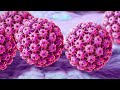
Şahin M, Ceylan Ö
International Journal of Women's Health 2025, 17:3489-3498
Published Date: 4 October 2025
Integrated Multi-Omics Analysis Constructs an Intratumoral Heterogeneity-Corrected Prognostic Signature for Cervical Cancer
Tang X, Zheng Q, Li X, Wang K
International Journal of General Medicine 2026, 19:593477
Published Date: 31 March 2026