
Back to Journals » Journal of Multidisciplinary Healthcare » Volume 18
Single-Authored Systematic Reviews and Meta-Analyses: A Bibliometric Analysis of Trends and Alignment with Evidence-Based Medicine Guidelines
Authors Shamsi A, Wang T, Bai T, Kadkhodaei Z, Heidari H, Dakhesh S
Received 5 June 2025
Accepted for publication 10 December 2025
Published 18 December 2025 Volume 2025:18 Pages 8099—8110
DOI https://doi.org/10.2147/JMDH.S545110
Checked for plagiarism Yes
Review by Single anonymous peer review
Peer reviewer comments 5
Editor who approved publication: Prof. Dr. Sue Jordan
Amrollah Shamsi,1 Ting Wang,2 Tong Bai,3 Zahra Kadkhodaei,4 Hadiseh Heidari,5 Sara Dakhesh6
1Clinical Research Development Center, The Persian Gulf Martyrs Hospital, Bushehr University of Medical Sciences, Bushehr, Iran; 2School of Library and Information Management, Emporia State University, Emporia, KS, USA; 3Independent Researcher, Chapel Hill, NC, USA; 4Department of Admissions, Bu-Ali Specialized Polyclinic, Social Security Organization, Kangan, Iran; 5Department of Information Science, Faculty of Education and Psychology, Alzahra University, Tehran, Iran; 6Department of Knowledge and Information Science, Faculty of Psychology and Education Sciences, Yazd University, Yazd, Iran
Correspondence: Sara Dakhesh, Department of Knowledge and Information Science, Faculty of Psychology and Education Sciences, Yazd University, Daneshgah Blvd, Safaeih, Yazd, Iran, Tel +983538200149, Email [email protected]
Background: Systematic reviews and meta-analyses play a key role in evidence-based medical decision-making. However, single authorship in these studies may affect the quality and validity of the results. This study aimed to investigate the trends and characteristics of these articles.
Methods: A bibliometric analysis was conducted using the Scopus database to identify systematic reviews and meta-analyses published between 2000 and 2023Article-, author-, and journal-level parameters were assessed. The study followed PRISMA 2020 and PRISMA-S guidelines to ensure transparency in search, screening, and reporting.
Results: Two thousand five hundred four articles were identified, with a trend of increasing publication. The average citations per document was 44. Two-thirds of the journals are hosted in Q1 and Q2. Also, 25% of the authors had more than one systematic review or meta-analysis article. Some authors had published several articles in the same journal. The United States, the United Kingdom, and Saudi Arabia had the highest contributions to these articles. Male authors accounted for 65.33% and female authors for 34.66%.
Conclusion: The persistence of single-authored reviews contradicts international guidelines that emphasize collaborative authorship for methodological rigor. Given that systematic reviews directly inform clinical guidelines and patient care, reinforcing collaborative authorship, along with stricter editorial standards and clearer ethical guidance, is essential to preserve the credibility and reliability of evidence synthesis in evidence-based medicine.
Keywords: systematic reviews, meta-analysis, single authorship, evidence-based medicine, Cochrane Library
Background
Systematic reviews and meta-analyses are essential methodologies in evidence-based health science. They combine findings from different studies to provide comprehensive insights, evaluate the effects of interventions, and inform clinical and policy decisions.1 Conducting high-quality systematic evaluations requires diverse capabilities. These include expertise in study identification and selection, bias risk assessment, statistical procedures for data synthesis, and tools to assess the certainty of evidence.2,3 These different tasks require collaboration among researchers with varied clinical and methodological expertise, also input from stakeholders and patients, to incorporate different perspectives.
The Cochrane Handbook of Systematic Reviews of Interventions,2 published by the Cochrane Collaboration, states that systematic reviews should be done by teams. The aim of this advice is to bring in various experts to achieve reliable outcomes. Despite the clear methodological rules, single-author systematic reviews have become increasingly prevalent. For example, Pacheco et al4 analyzed such articles indexed in MEDLINE and found that their annual growth rate averaged 6.5% between 2000 and 2020. This trend shows that more researchers want to work alone. Therefore, their work needs stricter methods and full transparency to ensure trustworthy results.
Systematic reviews directly inform clinical guidelines and patient care. Understanding the prevalence and characteristics of single-author contributions is essential for safeguarding the integrity of evidence used in medicine. The current study aims to systematically analyze the bibliometric characteristics of single-author systematic reviews and meta-analyses indexed in Scopus. It examines publication trends, citation impact, journal distribution and rankings, author productivity and gender, and geographical patterns of output to evaluate the extent to which single-author contributions align with established methodological standards and to highlight the challenges that publications pose for the rigor, transparency, and credibility of evidence synthesis in the health sciences.
Methodology
Database and Search Strategy
In this bibliometric study, the Scopus database served as the primary data source for extracting systematic reviews and meta-analyses. Scopus was selected due to its broad coverage of health sciences journals, integrated indexing of MEDLINE titles, and the availability of citation and author-level metrics within a single system, which facilitates bibliometric analysis. Its rigorous selection process, overseen by an independent advisory board, further ensures the quality of indexed content.4 The search focused on systematic reviews and meta-analyses published between 2000 and 2023, conducted during the last week of July 2024. Using the advanced document search feature, we applied the subject area field code to retrieve studies classified under the health science disciplines, including Medicine, Nursing, Veterinary, Dentistry, Health Professions, and Multidisciplinary. These types of studies are particularly prevalent in the health sciences.5
The following search formula was used, and the results were extracted in CSV format:
- (ISSN (14651858) OR TITLE (“systematic review” OR “meta analysis” OR “meta-analysis” OR “systematic and meta analysis” OR “systematic and meta-analysis”)) AND (SUBJAREA (medi OR nurs OR vete OR dent OR heal OR mult))
Since articles in the Cochrane Database of Systematic Reviews do not include the terms “systematic review” or “meta-analysis” in their titles, this journal was explicitly added to the search formula to ensure comprehensive coverage.
Screening and Data Cleaning
After retrieving the articles from the database, we identified and separated single-author articles. Because inconsistencies were observed in Scopus indexing, where some a multi-authored articles were misclassified as single-authored,6–8 we cross-verified all records with Web of Science, PubMed, and journal websites to confirm authorship and correct misclassification. To ensure consistency in screening, two trained researchers (TW, TB) underwent a pilot exercise phase using a random sample of 100 articles. The training was based on PRISMA 2020 guidance and involved calibration exercises, independent screening, and consensus meetings to refine the inclusion criteria. Following the training, TW and TB independently screened the articles. When disagreements arose, a third researcher (AS) reviewed the case to make the final decision. Bibliographic tables exported from Scopus were also cross-checked against the verified journal records to confirm the completeness of the data set. Articles lacking affiliation or author information were manually reviewed, and missing details were supplemented. Although Scopus classifies publications into multiple health science disciplines, the present study analyzed them collectively as a single corpus of health science systematic reviews and meta-analyses.
Articles were included if they were systematic reviews or meta-analyses published between 2000 and 2023, indexed in Scopus under the defined health science subject areas, and confirmed through cross-validation. Articles were excluded if their records lacked the author’s name or institutional affiliation, which prevented verification of single-authorship, were misclassified by Scopus, or did not meet criteria for systematic review or meta-analysis upon manual inspection. Eligibility was confirmed through abstract screening, which required the presence of keywords such as “systematic review” and “meta-analysis” in the titles, the transparency of data collection methods and analysis, and alignment of objectives and findings with systematic review methodology. To further validate single authorship, all the articles were searched in Google, PubMed, and journal websites. The full process is illustrated in the PRISMA diagram (Figure 1).
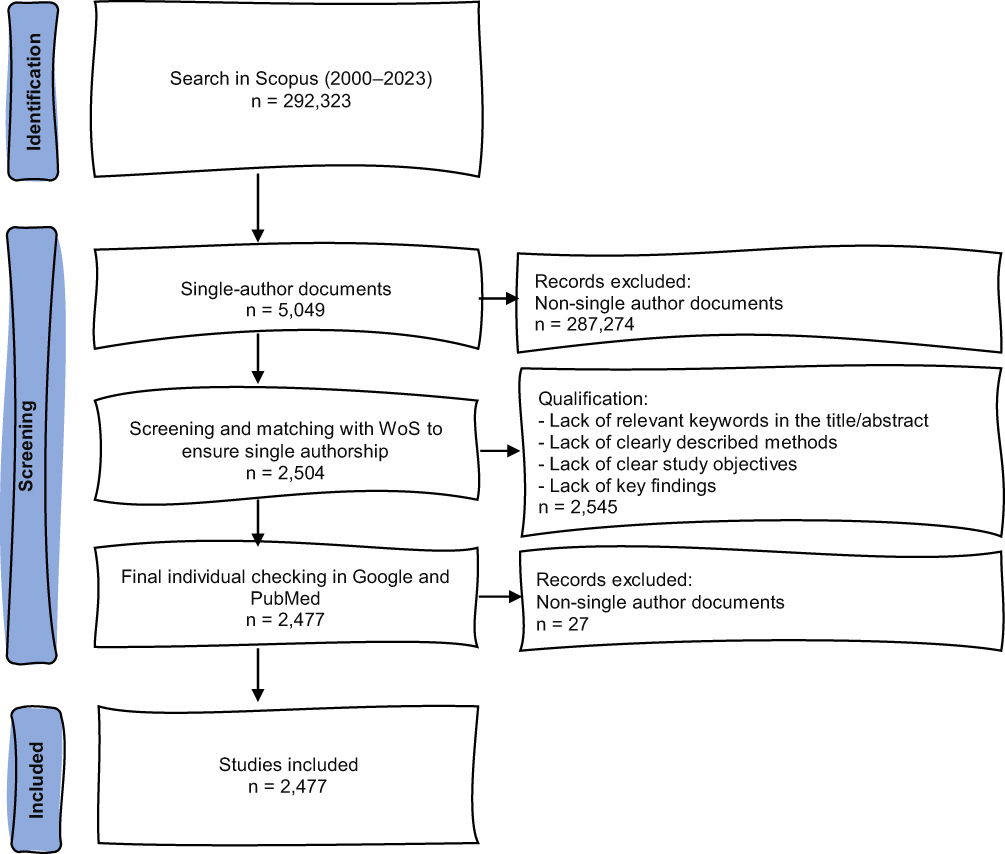 |
Figure 1 PRISMA flow diagram of the study selection process. |
Bibliometric Parameters
This study was analyzed at three levels: article, author, and journal. At the article-level, the unit of analysis was each individual publication, focusing on annual publication and citation trends, the most-cited articles, commonly used keywords, funding acknowledgements, and distribution of articles across journals. At the author level, we analyzed the leading countries by article output and the gender distribution of the authors. The journal level assessed the quartile ranking of journals based on the 2023 SJR metric. Therefore, in this study, the clinical trial number is not applicable.
Study Tools
This study did not employ any AI or machine learning tools for screening, data extraction, or analysis. All steps were carried out by human researchers. Microsoft Office 2018 software was used for descriptive analyses and data organization. To identify the gender of authors, the online tool Namsor (https://namsor.app), which infers gender from personal names based on linguistic and cultural patter, was employed. A classification accuracy threshold of ≥60% was applied, consistent with the standards established in previous studies.9,10 Cases where gender could not be assigned with this level of confidence were excluded from gender-based analyses. Given the study’s aim to map trends, authorship patterns, and journal characteristics, descriptive statistics were considered sufficient, as the objective was not to test causal relationships but to provide an overview of publication patterns. Although more specialized bibliometric tools (for example, VOSviewer, Bibliometrix) could provide network visualization or advanced statistical modeling, the present study prioritized descriptive mapping, for which Microsoft Office and Namsor provided sufficient accuracy and transparency.
Results
Initial Findings
A search for systematic review or meta-analysis articles in Scopus between 2000 and 2023 revealed 292,323 unscreened articles, of which 5,049 were single-author articles. Following the screening process, 2,477 articles met the inclusion criteria and were analyzed. Basic information about this set is presented in Table 1.
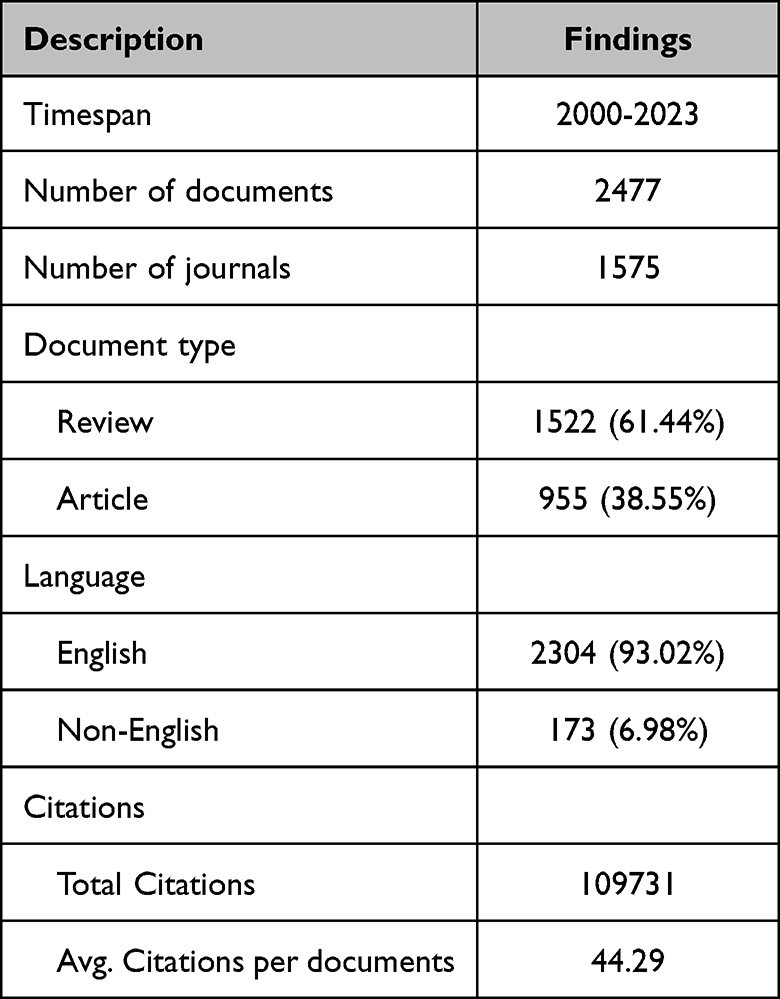 |
Table 1 Characteristics of Solo-Authored Systematic Reviews and/or Meta-Analyses |
Publications, Citations, and Frequency
Between 2000 and 2023, the number of systematic review and meta-analysis articles increased significantly, rising from 17 articles in 2000 to 223 articles in 2023. Additionally, the total citations of these articles exhibited a fluctuating trend during this period, peaking at 7,448 citations in 2015, while in 2023, they reached their lowest number, with 1,270 citations (Figure 2).
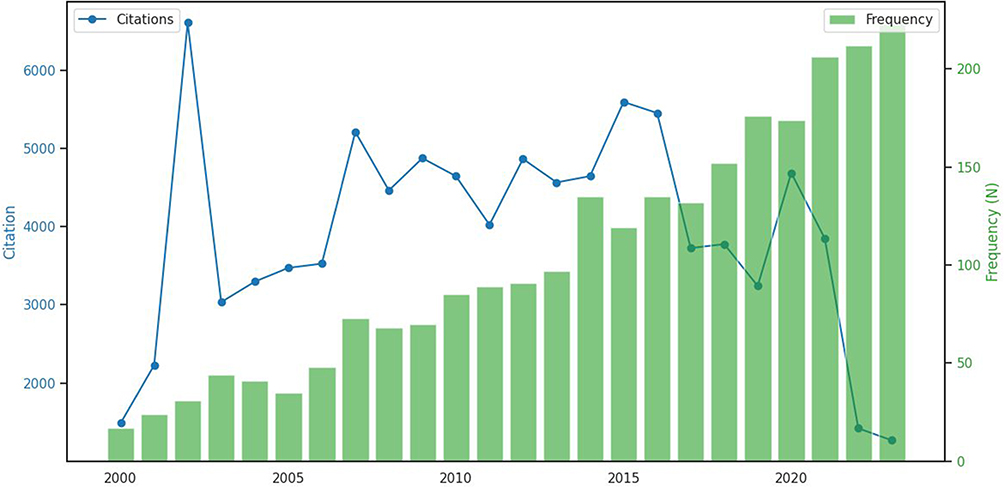 |
Figure 2 Publications and Citation Trends of Solo-Authored Systematic Reviews and/or Meta-Analyses. |
We also examined the frequency with which each author had written a systematic review and/or meta-analysis article as the single author. The findings showed that 1872 authors (75.57%) wrote such articles only once, 125 authors (5.04%) wrote twice, and 37 authors (1.49%) wrote three times as single authors. Further details can be seen in Figure 3.
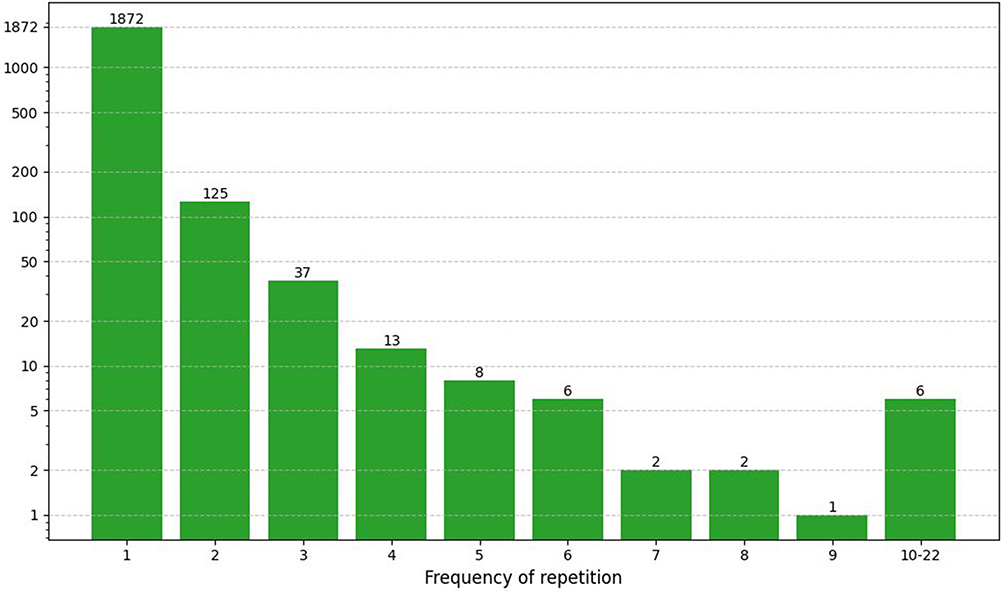 |
Figure 3 Frequency of Solo-Authored Publications in Systematic Reviews and/or Meta-Analyses. |
Top Journals
Among the 1,575 journals that published single-author systematic review and meta-analysis articles, the International Journal of Environmental Research and Public Health and PLOS ONE published the most, with 23 articles each. The Cochrane Database of Systematic Reviews was followed by the second-ranked journal, which featured 16 articles. Additionally, 1116 journals (70.85%) published such articles only once, and 284 journals (18.03%) published them twice. Table 2 shows the top ten journals with the highest number of articles. It is noteworthy that, despite its explicit guidance recommending team authorship, the Cochrane Database of Systematic Reviews appears among the leading journals publishing single-author systematic reviews and meta-analyses.
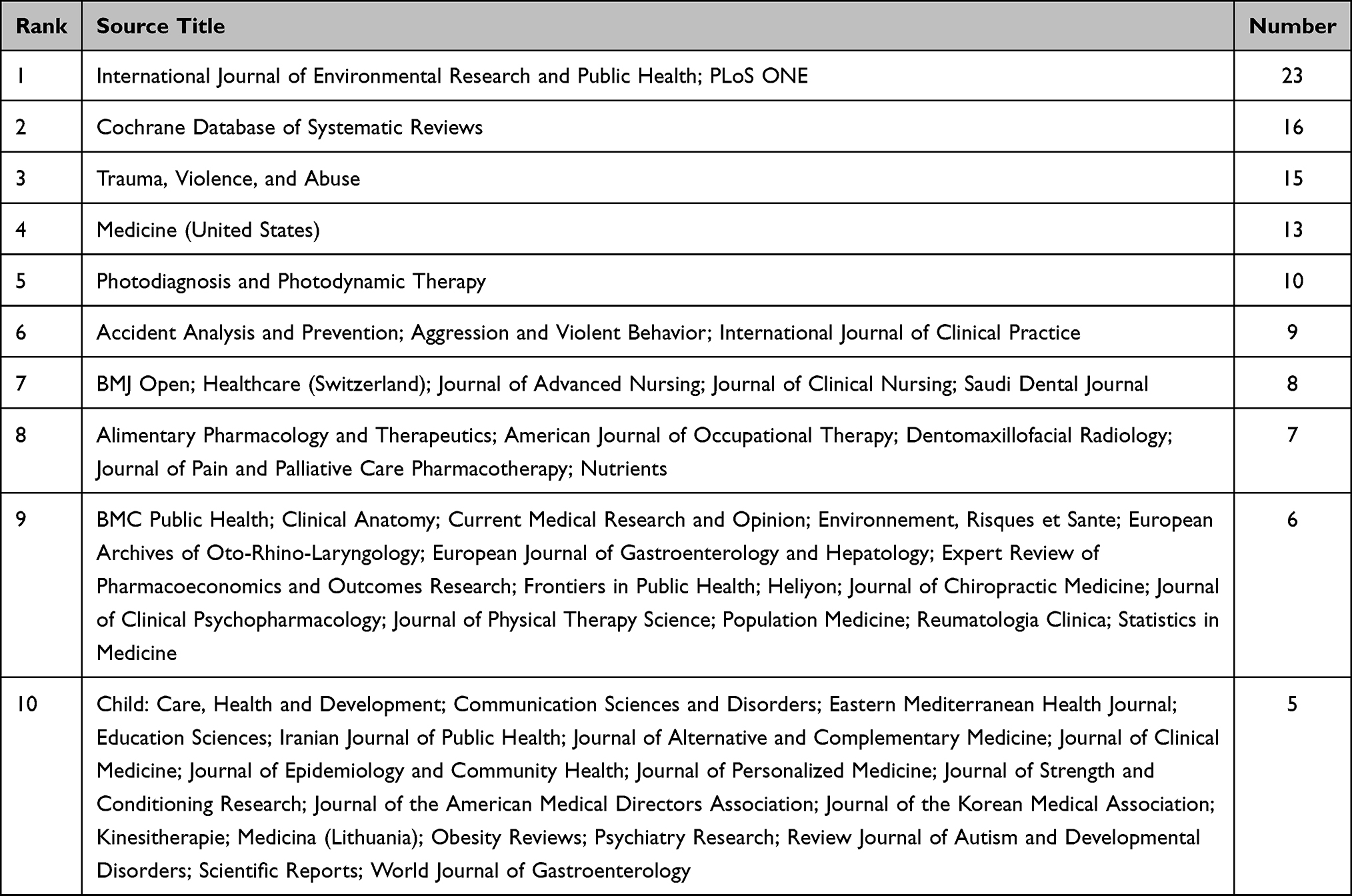 |
Table 2 Top ten Journals for Solo-Authored Systematic Reviews and/or Meta-Analyses |
Journal Rankings in SJR
In the analysis of journal rankings in SJR, data were successfully found for 1,376 journals (87.36%). Among these journals, 566 (35.93%) were in the first quartile (Q1), 399 (29.00%) in the second quartile (Q2), 244 (17.73%) in the third quartile (Q3), and 167 (12.14%) in the fourth quartile (Q4).
Most-Cited Articles
The single-author systematic review-meta-analysis articles with the highest number of citations are listed in Table 3, all of which have received at least one thousand citations.
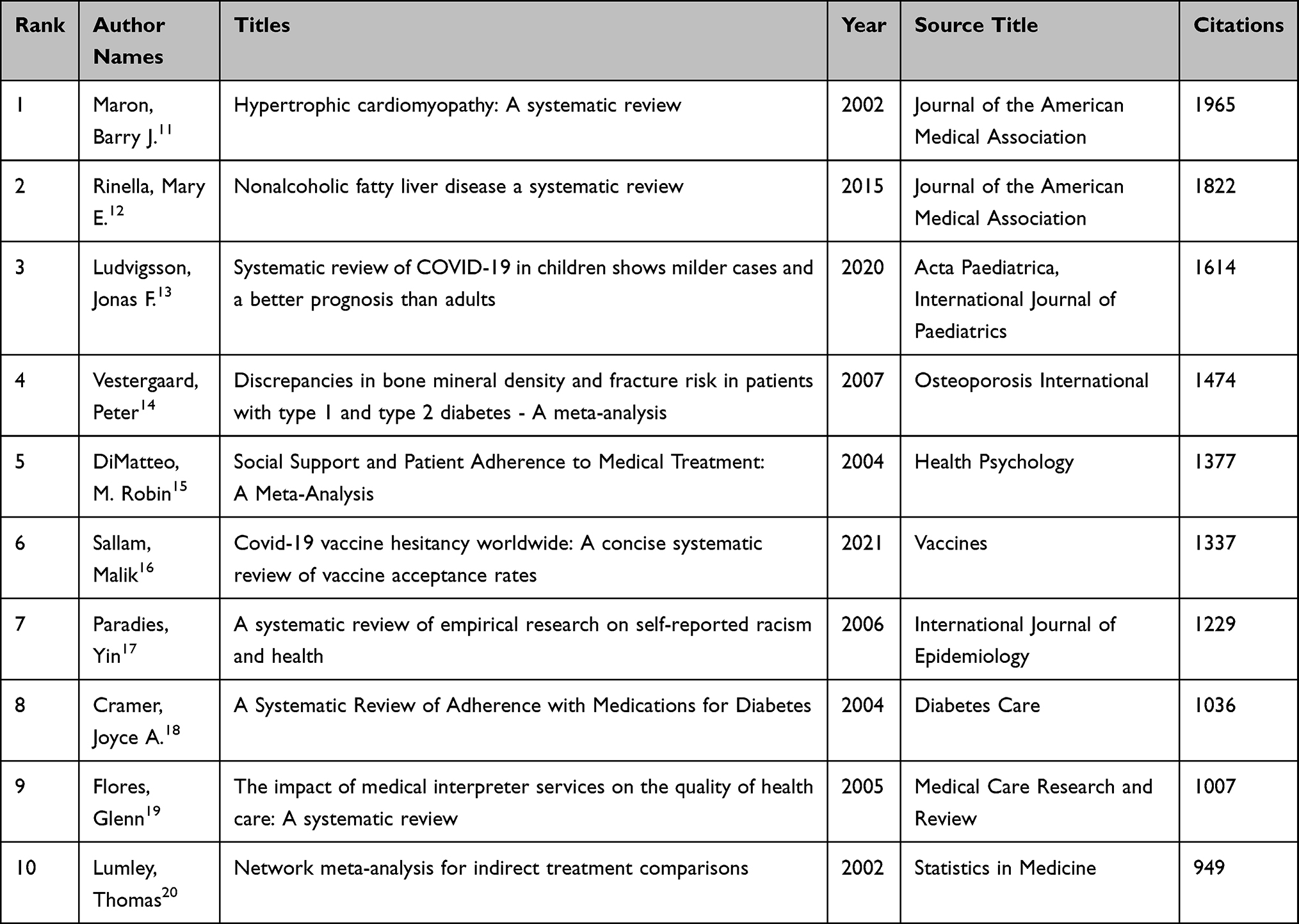 |
Table 3 Top 10 Most-Cited Solo-Authored Systematic Reviews and/or Meta-Analyses |
Funding Status
The analysis of all documents revealed that 318 articles (12.69%) included an acknowledgment section. The majority of these acknowledgments were attributed to funding (65.09%) (Table 4). Academic institutions were acknowledged in 118 reviews (37.10%), while individuals such as colleagues or mentors were recognized in 85 reviews (26.73%). It is worth noting that the number of types of acknowledgments presented in Table 4 was 509 due to some articles containing multiple acknowledgment statements. The acknowledgment data extracted from Scopus did not consistently provide sufficient detail to distinguish between public and private funding sources, which limits further interpretation.
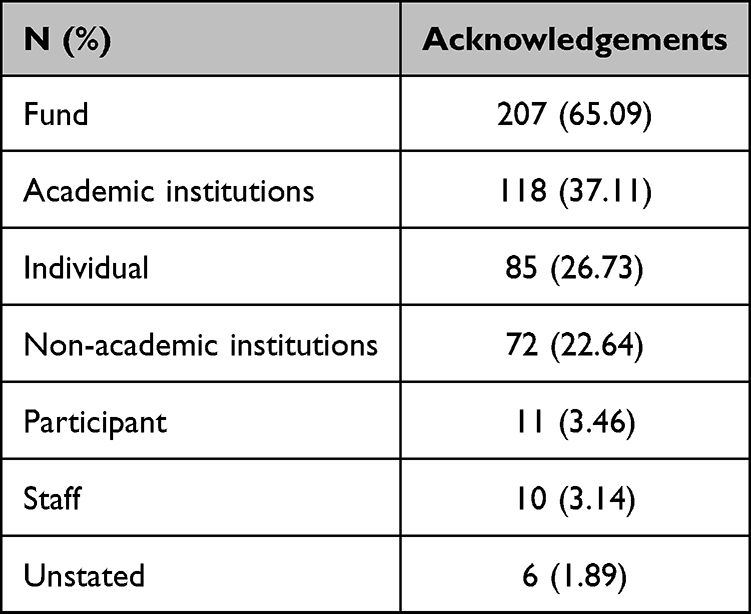 |
Table 4 Acknowledgement Content in Solo-Authored Systematic Reviews and/or Meta-Analyses |
Countries/Regions
A geographical analysis of the authors was conducted, revealing that 89 countries participated in publishing SRMA. Among them, the United States had the highest number of authors with 586 (23.65%), followed by the United Kingdom with 289 (11.66%), and Saudi Arabia with 162 (6.54%). More details are provided in Figure 4.
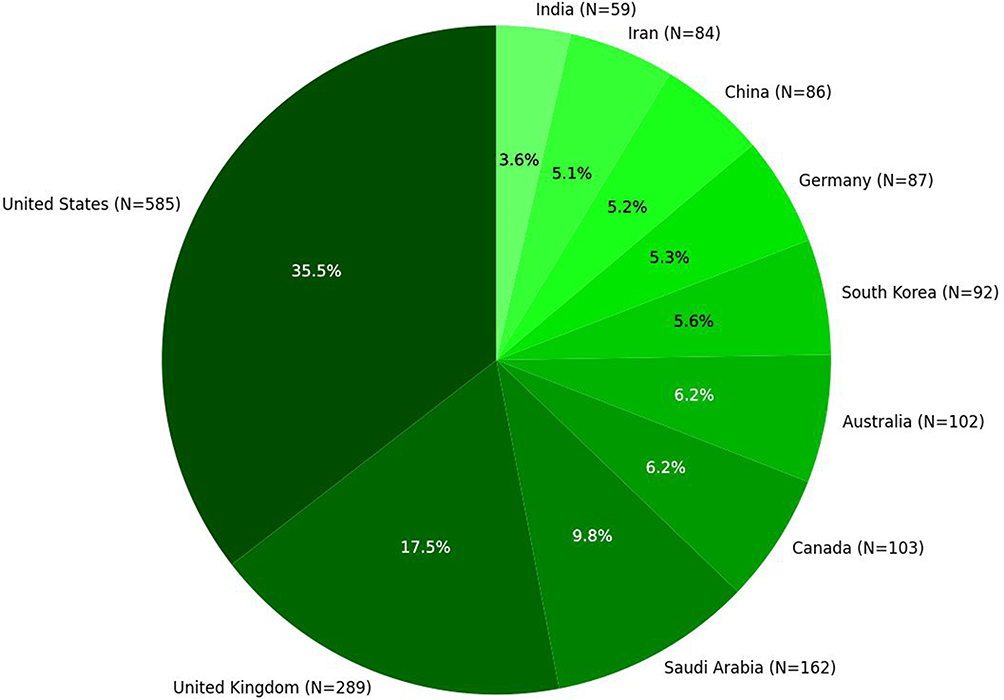 |
Figure 4 Top ten Countries in Solo-Authored Systematic Reviews and/or Meta-Analyses. |
Gender of Authors
In this study, the gender of 2311 authors (93.29%) out of a total of 2477 authors was determined. Of these, 1510 authors (65.33%) were male and 801 authors (34.66%) were female. The distribution of the number of male and female authors over the years 2000 to 2023 is presented in Figure 5.
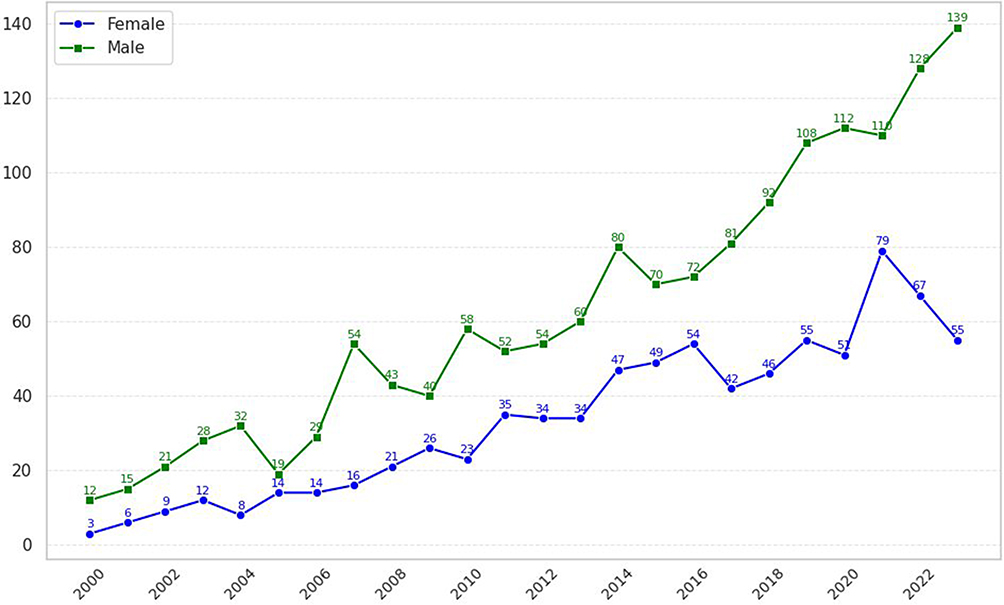 |
Figure 5 Annual distribution of female and male authors in solo-authored systematic reviews and/or meta-analyses. |
Discussion
Systematic reviews and meta-analyses are recognized as a cornerstone of evidence-based practice as they synthesize research findings, reduce bias, and inform clinical policy decision-making21–25 the methodological rigor of the studies depends on collaboration among multiple experts with complementary skills.26 Single-authored reviews deviate from this principle and may be at greater risk of inadequate search strategies, limited screening, lower reproducibility, and methodological bias.27–29 This study examined the extent to which researchers adhere to this principle by evaluating single-author studies in systematic reviews and meta-analyses through bibliometric methods.
Our findings indicated a continued increase in single-author publications over the study period, consistent with the trend reported by Pacheco et al.26 Despite official guidelines emphasizing team authorship, nearly one-quarter of the authors in the current dataset repeatedly employed a single-author approach, often within the same journal. This points to a disregard for established methodological standards and insufficient oversight by editorial boards. The presence of such articles in the Cochrane Database of Systematic Reviews is concerning, as they themselves provides authoritative methodological guidance that prohibits solo authorship. The acceptance of single-author reviews in high-impact, Q1-ranked journals further shows that the issue extends beyond individual practices to systemic lapses in editorial and institutional quality control. These findings stand in contrast to consistent with discussions about collaborative networks. Prior studies have shown that increasing co-authorship reflects the complexity of modern biomedical research and the growing recognition that reliable evidence synthesis benefits from interdisciplinary perspectives.27,28 However, it is worth noting that single-authored systematic reviews appear increasingly anomalous. At the same time, single authorship does not imply poor quality of the research. In narrowly defined topics or when undertaken by a highly experienced reviewer applying rigorous methods, such a review may still meet high standards.
The analysis of geographical distributions showed that the US and the UK had the highest numbers of single-author reviews. This may be because these countries produce a lot of research, and senior researchers there may feel their reputation alone is enough, making them less likely to follow collaborative guidelines. On the other hand, Saudi Arabia has also produced a high number of these articles. This high volume may be the result of national research policies that prioritize rapid quantitative growth. Such policies increase the pressure to publish and encourage researchers to conduct individual research. In other words, research evaluation systems and incentive structures at the national level can unintentionally foster practices that compromise methodological integrity. A number of studies showed that the increase in multi-authored papers has ignited discussions regarding authorship inflation, in which extensive author lists might not consistently indicate substantial contributions.29–31 Our findings illustrate the flip side of the coin, where minimal collaboration risks undermining methodological rigor. Both trends emphasize the importance of striking a balance between inclusiveness in authorship and maintaining high standards of research.
The gender analysis highlighted another critical aspect of single-author publications. Male researchers accounted for two-thirds of single-author reviews, although female participation has increased relative to earlier studies.32,33 It still suggested gradual progress toward gender equity, but persistent disparities remain. Since single-author systematic reviews are methodologically problematic, equity and fairness should be pursued within the framework of collaborative and team research.
Reducing these concerns requires a rational response within the research community. Real progress will come when the prevailing culture in the scientific community views single-author systematic reviews as the exception rather than the norm, requiring justification. Journals should adopt more rigorous editorial standards that reinforce this expectation. At the same time, research policies and evaluation systems should move away from rewarding publication count and instead encourage collaborative research. Clear guidance from organizations such as Committee on Publication Ethics (COPE) can help align these efforts. This ensures that systematic reviews and meta-analyses are conducted within collaborative frameworks to promote transparency, reliability, and validity of evidence synthesis in the health sciences.
Although the study did not focus on clinical outcomes, its importance lies in providing structural weaknesses that affect the scientific evidence used in medicine. Systematic reviews form the basis of clinical guidelines and patient care, and their validity depends on methodological rigor and collaboration in authorship. The increase in single-author reviews could weaken the strength of the evidence that informs medical decisions. By documenting publication trends, editorial practices, and national research drivers, this study highlights systematic issues that, if left unaddressed, may compromise the validity of evidence synthesis in the health sciences.
Limitations
This study had several limitations. It relied on the Scopus database, which, although it integrates MEDLINE records, may not capture all relevant systematic reviews and meta-analyses. A direct MEDLINE/PubMed search was not performed, but our dataset still retrieved more than 80% of the articles reported in a previous study, suggesting broad coverage. Some indexing inconsistencies within Scopus may have led to misclassification of multi-authored works as single-authored, although extensive cross-checking reduced the risk, though residual misclassification cannot be entirely ruled out. Although Scopus assigns publications to multiple health science subject areas, we analyzed them in aggregate to avoid fragmentation. Future research may disaggregate results into broader categories, such as Medicine, Nursing/Allied Health, Dentistry/Veterinary, and Multidisciplinary, to provide more granular insight. Finally, the study’s gender analysis using Namsor may not accurately account for all cultural and linguistic differences in naming conventions, which can lead to misclassifications.
Conclusion
This study highlights the increasing trend of publishing single-author systematic reviews and meta-analyses. This approach conflicts with international guidelines, such as those of the Cochrane Collaboration, which emphasize the importance of teamwork. This approach is independent of the author and journal level, suggesting that this phenomenon is widespread. The persistence of single authorship across different journals and author groups indicates that the issue is systemic rather than isolated. Because systematic reviews directly inform clinical guidelines and patient care, it is essential to reinforce the importance of collaborative authorship to preserve the credibility and reliability of evidence synthesis. Greater awareness among authors, stricter editorial standards, and stronger guidance from research ethics bodies could help ensure that systematic reviews meet the methodological rigor required for evidence-based medicine.
Data Sharing Statement
The data were extracted from the Scopus database using a predefined search query, as described in the methods section. Processed data are available upon reasonable request to the corresponding author.
Ethics Approval and Consent to Participate
Given the nature of this bibliometric study and its use of publicly available publication data, obtaining informed consent or formal ethics committee approval was not required. A clinical trial number is not applicable to this type of analysis.
Acknowledgment
The authors used DeepSeek solely for language polishing and translation of the original author-written text. All intellectual content, analysis, interpretation, and conclusions are solely the work of the human authors.
Funding
No funding was received for this work.
Disclosure
The authors declare that they have no competing interests.
References
1. Sriganesh K, Shanthanna H, Busse JW. A brief overview of systematic reviews and meta-analyses. Indian J Anaesthesia. 2016;60(9):689–694. doi:10.4103/0019-5049.190628
2. Higgins JPTTJ, Chandler J, Cumpston M, Li T, Page MJ. Cochrane Handbook for Systematic Reviews of Interventions (Version 6.5). Cochrane; 2024.
3. Page MJ, McKenzie JE, Bossuyt PM, et al. The PRISMA 2020 statement: an updated guideline for reporting systematic reviews. BMJ. 2021;372:n71.
4. Baas J, Schotten M, Plume A, Côté G, Karimi R. Scopus as a curated, high-quality bibliometric data source for academic research in quantitative science studies. Quant Sci Stud. 2020;1(1):377–386. doi:10.1162/qss_a_00019
5. Gopalakrishnan S, Ganeshkumar P. Systematic reviews and meta-analysis: understanding the best evidence in primary healthcare. J Fam Med Primary Care. 2013;2(1):9–14. doi:10.4103/2249-4863.109934
6. Hung J, Chen J, Chen O. The practice of social protection policies in China: a systematic review on how left-behind children’s mental health can be optimised. Perspect Public Health. 2025;145(4):220–229. doi:10.1177/17579139231205491
7. Tsabouri S, Ntritsos G, Koskeridis F, Evangelou E, Olsson P, Kostikas K. Omalizumab for the treatment of allergic rhinitis: a systematic review and meta-analysis. Rhinology. 2021;59(6):501–510. doi:10.4193/Rhin21.159
8. Zhang M, Wang M, Zhang C. Efficacy and safety of acellular dermal matrix versus connective tissue graft for root coverage of Miller’s Class I and II gingival recession: a systematic review and meta-analysis. Ann Palliative Med. 2022;11(7):2478–2491. doi:10.21037/apm-22-656
9. Sebo P, Clair C. Gender gap in authorship: a study of 44,000 articles published in 100 high-impact general medical journals. Eur J Internal Med. 2022;97:103–105. doi:10.1016/j.ejim.2021.09.013
10. Sebo P, Clair C. Twenty-year trends of female first authorship in a selection of primary healthcare journals. J Gen Intern Med. 2022;37(11):2898–2900. doi:10.1007/s11606-022-07391-x
11. Maron BJ. Hypertrophic cardiomyopathy: a systematic review. JAMA. 2002;287(10):1308–1320. doi:10.1001/jama.287.10.1308
12. Rinella ME. Nonalcoholic fatty liver disease: a systematic review. JAMA. 2015;313(22):2263–2273. doi:10.1001/jama.2015.5370
13. Ludvigsson JF. Systematic review of COVID-19 in children shows milder cases and a better prognosis than adults. Acta Paediatrica. 2020;109(6):1088–1095. doi:10.1111/apa.15270
14. Vestergaard P. Discrepancies in bone mineral density and fracture risk in patients with type 1 and type 2 diabetes--a meta-analysis. Osteoporosis Int. 2007;18(4):427–444. doi:10.1007/s00198-006-0253-4
15. DiMatteo MR. Social support and patient adherence to medical treatment: a meta-analysis. Health Psychol. 2004;23(2):207–218. doi:10.1037/0278-6133.23.2.207
16. Sallam M. COVID-19 vaccine hesitancy worldwide: a concise systematic review of vaccine acceptance rates. Vaccines. 2021;9(2):160. doi:10.3390/vaccines9020160
17. Paradies Y. A systematic review of empirical research on self-reported racism and health. Int J Epidemiol. 2006;35(4):888–901. doi:10.1093/ije/dyl056
18. Cramer JA. A systematic review of adherence with medications for diabetes. Diabetes Care. 2004;27(5):1218–1224. doi:10.2337/diacare.27.5.1218
19. Flores G. The impact of medical interpreter services on the quality of health care: a systematic review. Med Care Res Rev. 2005;62(3):255–299. doi:10.1177/1077558705275416
20. Lumley T. Network meta-analysis for indirect treatment comparisons. Stat Med. 2002;21(16):2313–2324. doi:10.1002/sim.1201
21. Shahbodaghi A, Shekofteh M. Systematic review and meta-analysis articles of Iran indexed in Scopus: scientometric indicators and authorship characteristics. Payavard Salamat. 2024;17(6):518–530.
22. Hansen C, Steinmetz H, Block J. How to conduct a meta-analysis in eight steps: a practical guide. Manage Rev Quarterl. 2022;72(1):1–19. doi:10.1007/s11301-021-00247-4
23. Koretz RL, Lipman TO. Understanding systematic reviews and meta-analyses [Formula: see text]. JPEN J Parenter Enteral Nutr. 2017;41(3):316–323. doi:10.1177/0148607116661841
24. P S. Systematic Reviews, Meta-Analysis, and Evidence-Based Medicine. Principles and Practice of Systematic Reviews and Meta-Analysis. P S, ed.:Springer: 2021. 1–10.
25. Cook DJ, Mulrow CD, Haynes RB. Systematic reviews: synthesis of best evidence for clinical decisions. Ann Internal Med. 1997;126(5):376–380. doi:10.7326/0003-4819-126-5-199703010-00006
26. Pacheco RL, Riera R, Santos GM, et al. Many systematic reviews with a single author are indexed in PubMed. J Clin Epidemiol. 2023;156:124–126. doi:10.1016/j.jclinepi.2023.01.007
27. Weston CM, Terkowitz MS, Thompson CB, Ford DE. Approaches to measuring trends in interdisciplinary research publications at one academic medical center. Academic Medicine. 2020;95(4):637–643. doi:10.1097/ACM.0000000000003084
28. Cheah PY, Parker M. Call for a fairer approach to authorship in publishing biomedical research. Communicat Med. 2025;5(1):99. doi:10.1038/s43856-025-00815-9
29. Alfonso F, Zelveian P, Monsuez JJ, et al. Authorship: from credit to accountability. Reflections from the editors’ network. Clin Res Cardiol. 2019;108(7):723–729. doi:10.1007/s00392-019-01436-8
30. Tarkang EE, Kweku M, Zotor FB. Publication practices and responsible authorship: a review article. J Public Health Africa. 2017;8(1):723. doi:10.4081/jphia.2017.723
31. Adeosun SO. Trends in authorship characteristics and collaboration in pharmacy practice publications: 2011-2020. Res Soc Admin Pharm. 2023;19(3):477–485. doi:10.1016/j.sapharm.2022.11.002
32. Kwiek M, Roszka W. Are female scientists less inclined to publish alone? The gender solo research gap. Scientometrics. 2022;127(4):1697–1735. doi:10.1007/s11192-022-04308-7
33. West JD, Jacquet J, King MM, Correll SJ, Bergstrom CT. The role of gender in scholarly authorship. PLoS One. 2013;8(7):e66212. doi:10.1371/journal.pone.0066212
 © 2025 The Author(s). This work is published and licensed by Dove Medical Press Limited. The
full terms of this license are available at https://www.dovepress.com/terms
and incorporate the Creative Commons Attribution
- Non Commercial (unported, 4.0) License.
By accessing the work you hereby accept the Terms. Non-commercial uses of the work are permitted
without any further permission from Dove Medical Press Limited, provided the work is properly
attributed. For permission for commercial use of this work, please see paragraphs 4.2 and 5 of our Terms.
© 2025 The Author(s). This work is published and licensed by Dove Medical Press Limited. The
full terms of this license are available at https://www.dovepress.com/terms
and incorporate the Creative Commons Attribution
- Non Commercial (unported, 4.0) License.
By accessing the work you hereby accept the Terms. Non-commercial uses of the work are permitted
without any further permission from Dove Medical Press Limited, provided the work is properly
attributed. For permission for commercial use of this work, please see paragraphs 4.2 and 5 of our Terms.
Recommended articles
Methodological Quality of Systematic Reviews on Treatments for Liver Cancer: A Cross-sectional Study
Cheng BZZ, Wang BH, Zhong CC, Zhang Y, Ho FF, Chung VC
Journal of Hepatocellular Carcinoma 2025, 12:2109-2121
Published Date: 16 September 2025