
Back to Journals » Drug Design, Development and Therapy » Volume 20
Metabolomics-Driven Precision Prevention and Treatment of Heart Failure with Traditional Chinese Medicine: From Mechanistic Insights to Metabolic Network Regulation
Authors Chen MT, Jiang Y, Yang SY, Cheng SQ, Wan ZX, Wu JW, Jiang H, Li YY, Luo G, Liu MN 
Received 26 February 2026
Accepted for publication 15 June 2026
Published 30 June 2026 Volume 2026:20 605498
DOI https://doi.org/10.2147/DDDT.S605498
Checked for plagiarism Yes
Review by Single anonymous peer review
Peer reviewer comments 2
Editor who approved publication: Prof. Dr. Tin Wui Wong
Ming-Tai Chen1–3,*, Yan Jiang4,*, Shi-Yun Yang4,*, Shi-Qi Cheng4, Zhen-Xun Wan4, Jin-Wen Wu4, Hang Jiang4, Yuan-Yuan Li2,5, Gang Luo4, Meng-Nan Liu4
1Faculty of Chinese Medicine and State Key Laboratory of Quality Research in Chinese Medicine, Macau University of Science and Technology, Taipa, Macau, 999078, People’s Republic of China; 2Chinese Medicine Guangdong Laboratory (Hengqin Laboratory), Guangdong-Macao In-Depth Cooperation Zone in Hengqin, Zhuhai, 519000, People’s Republic of China; 3Department of Cardiovascular Disease, Shenzhen Traditional Chinese Medicine Hospital, Shenzhen, Guangdong, 518033, People’s Republic of China; 4The Affiliated Traditional Chinese Medicine Hospital, Southwest Medical University, Luzhou, Sichuan, 646000, People’s Republic of China; 5The Second Affliated Hospital of Guangzhou University of Chinese Medicine, Guangzhou, 510006, People’s Republic of China
*These authors contributed equally to this work
Correspondence: Meng-Nan Liu, The Affiliated Traditional Chinese Medicine Hospital, Southwest Medical University, Luzhou, Sichuan, 646000, People’s Republic of China, Email [email protected]; Gang Luo, The Affiliated Traditional Chinese Medicine Hospital, Southwest Medical University, Luzhou, Sichuan, 646000, People’s Republic of China, Email [email protected]
Abstract: Heart failure (HF), as the terminal clinical stage of diverse cardiovascular diseases, involves complex pathological mechanisms. Conventional Western medicines, which typically target individual molecules or pathways, may have limitations in comprehensively halting disease progression and can be associated with adverse effects. In contrast, Traditional Chinese Medicine (TCM) employs a holistic treatment strategy based on a “multi-component, multi-target, multi-pathway” principle (eg, Shenfu Injection, Linggui Zhugan Decoction), which may align more closely with the multifaceted pathophysiology of HF. However, the specific mechanisms underlying the therapeutic benefits of TCM have remained largely unclear, and most existing evidence is correlative rather than causal. Metabolomics, with its inherent strengths for holistic and dynamic analysis, offers a methodological framework for investigating the comprehensive effects and potential mechanisms of TCM interventions in HF. This review outlines the evolution of metabolomics technology platforms and their complementary applications in tackling the chemical complexity of TCM formulations, interpreting in vivo metabolic responses, and revealing spatial metabolic heterogeneity. The convergence of these technologies provides a foundation for a research paradigm centered on “problem orientation, technology matching, data integration, and hypothesis generation for mechanism elucidation”. Furthermore, this paradigm has suggested potential synergistic mechanisms through which TCM regulates cardiac metabolism across multiple levels—from single active compounds and individual herbs to complex formulae. Collectively, these advances offer a useful reference for future research aimed at improving the precision and broader applicability of TCM in HF management, although most metabolomic findings remain associative and require validation through flux analysis, intervention studies, or clinical endpoint trials.
Keywords: metabolomics, heart failure, traditional Chinese medicine, multi-omics integration, metabolic network regulation
Introduction
Heart failure (HF), representing the final phase of numerous cardiac conditions, is a clinical syndrome where compromised cardiac contraction and/or relaxation fails to meet the body’s metabolic requirements. It constitutes a primary reason for the elevated morbidity post-myocardial infarction and rising patient mortality.1 Contemporary management of HF has evolved far beyond simple single-target approaches into a sophisticated, multi-modal, and guideline-directed medical therapy (GDMT). Current standard Western treatments encompass a broad arsenal including ARNI/ACEI/ARB, beta-blockers, mineralocorticoid receptor antagonists (MRA), and SGLT2 inhibitors. Furthermore, management is augmented by diuretics for congestion relief, iron supplementation when indicated, device therapies (such as CRT and ICD), and structured multidisciplinary care. While these comprehensive strategies significantly improve outcomes, challenges such as residual risk, polypharmacy, and dose-limiting adverse effects (eg, hyperkalemia, hypotension, and electrolyte disturbances) persist in certain populations, driving the pursuit of safer, adjunctive strategies.2–4
The core pathophysiology of chronic heart failure (CHF) centers on a self-perpetuating cycle of excessive neuroendocrine activation and ventricular remodeling—an intricate network involving multiple physiological systems and signaling pathways.5 Although modern GDMT targets multiple pathways concurrently, the holistic “multi-component, multi-target, multi-pathway” paradigm of Traditional Chinese Medicine (TCM) offers a unique perspective for systemic regulation. Research indicates that many active compounds from Chinese medicinal herbs can modulate neuroendocrine activity, curb inflammation,6–8 as well as offering further cardioprotection by enhancing myocardial energy metabolism and preventing cardiomyocyte apoptosis.9 Qili Qiangxin Capsule (proven effective in a multicenter RCT for CHF) significantly reduced NT‑proBNP and improved cardiac function.10 However, the precise mechanisms underlying these systemic effects often resemble a “black box”, posing a challenge for conventional investigative approaches.
The advent of metabolomics has furnished vital methodological support for systematically unraveling the global impact and mechanisms of TCM in HF management. This discipline contributes a molecular basis for TCM syndrome differentiation by discovering syndrome-associated biomarkers, thus refining the comprehension of the biological underpinnings of syndromes.11 Moreover, through systematic analysis of the synergy within formulas, it aids in uncovering their comprehensive regulatory networks.12 Ultimately, by verifying the beneficial effects of TCM interventions on definitive clinical endpoints, it robustly accelerates the clinical translation and practical application of TCM.13
This review aims to consolidate key breakthroughs in TCM research for HF from a metabolomics standpoint. We will emphasize strategies for employing integrated, multi-platform metabolomic technologies to methodically clarify the holistic mechanisms of Chinese medicines, with the goal of providing novel perspectives and a structured framework for future HF investigation.
Literature Search Strategy and Study Selection
This narrative review followed the Preferred Reporting Items for Systematic Reviews and Meta-Analyses (PRISMA 2020) guidelines to ensure transparency.14 A systematic literature search was performed in the PubMed and Web of Science databases from inception to January 2026. The search strategy employed Boolean operators to combine terms from three core domains: (1) heart failure (eg, “heart failure”, “cardiac remodeling”, “HF”); (2) metabolomics technologies (eg, “metabolomics”, “LC-MS”, “NMR”); and (3) traditional Chinese medicine (eg, “traditional Chinese medicine”, “TCM formula”, “natural compound”). The detailed search strategy is presented in Table S1.
The initial search identified 2360 records. After removing 425 duplicates, the remaining 1935 records were screened by title and abstract, of which 1250 were excluded because they were irrelevant to the topic, lacked metabolomics data, were non-clinical or non-human studies, or were inappropriate document types (eg, reviews, editorials). The full texts of the remaining 685 articles were then assessed for eligibility; 573 were further excluded due to inaccessible full texts, incomplete outcome measures, or missing key information. Finally, a total of 112 articles were included in this narrative review to provide a comprehensive overview of the current state of research in this field. The detailed study selection flow diagram is shown in Figure 1.
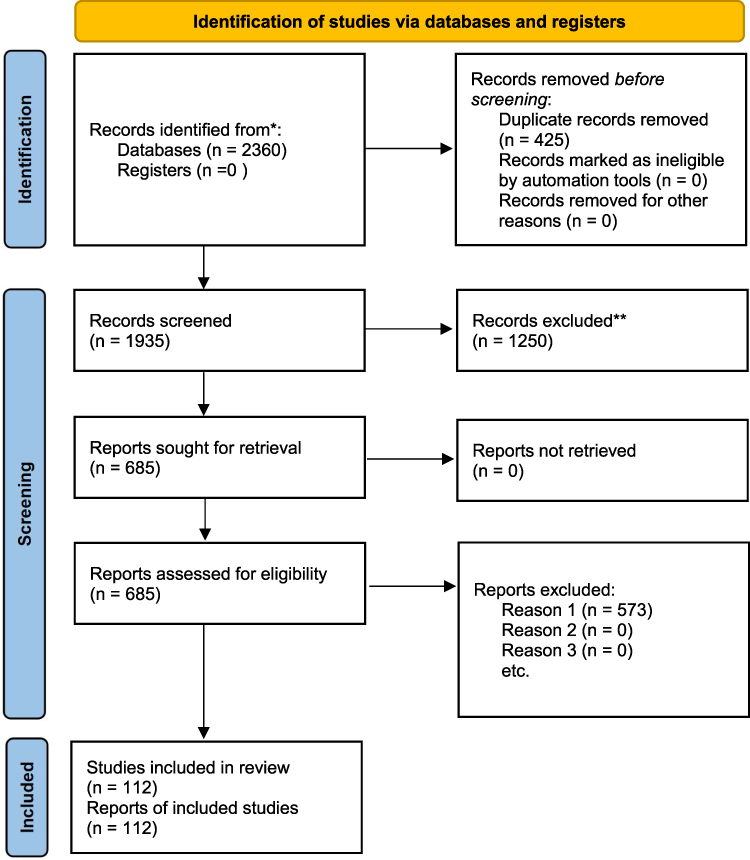 |
Figure 1 PRISMA 2020 flow diagram of study selection for this narrative review. |
Metabolomics Technology Platforms and Their Tailored Strategies in TCM HF Research
Analytical Platforms for Deciphering “Complex Chemical Composition”
Liquid Chromatography-Mass Spectrometry (LC-MS)
LC-MS has become a widely used platform in TCM metabolomics research, owing to its analytical capabilities.15 The evolution of this technology, from standalone separation techniques to highly efficient hyphenated systems, benefited from developments in the late 1980s with the maturation of soft ionization methods like electrospray ionization (ESI) and atmospheric pressure chemical ionization (APCI).16 These advances enabled the online coupling between liquid chromatography and mass spectrometric detection, thereby facilitating the efficient analysis of non-volatile and highly polar metabolites within complex biological matrices. This achievement contributed to the development of metabolomics.17 Subsequent technological innovations have continuously enhanced both separation and detection capabilities. The advent of ultra-high-performance liquid chromatography (UHPLC), which utilizes small-particle-size stationary phases and high-pressure systems, has improved separation efficiency and resolution.18 Concurrently, the introduction of high-resolution mass (HRMS) spectrometers, such as time-of-flight (TOF) and Orbitrap analyzers, has provided high mass accuracy and resolving power, which can aid in the identification of chemical constituents and their metabolites in intricate TCM systems.19 Leveraging UPLC-HRMS, investigators can simultaneously profile endogenous metabolites and exogenous TCM compounds in diverse samples, including cells, animal tissues, and clinical specimens.15 Implementing rigorous quality control (QC), standardized data processing, multivariate statistics, and pathway analysis enables the detection of differential metabolites and the preliminary interpretation of their biological roles. However, such pathway analyses are correlative and do not establish causality; they generate hypotheses that require experimental validation.20 This workflow provides a technical framework from chemical profiling to hypothesis generation for further mechanistic studies.
Ion Mobility Spectrometry-Mass Spectrometry (IMS-MS)
The application of IMS-MS represents an advance in multidimensional separation in metabolomics research. This technique incorporates the collision cross-section (CCS), an intrinsic physicochemical parameter determined by an ion’s size, shape, and charge, adding a third qualitative dimension for metabolite identification alongside retention time (RT) and mass-to-charge ratio (m/z).21 One of its useful features lies in its ability capability to resolve isomeric compounds. Notably, novel IMS configurations such as Trapped Ion Mobility Spectrometry (TIMS) and Travelling Wave Ion Mobility Spectrometry (TWIMS) effectively discriminate between TCM isomers (eg, saponins and alkaloids) that pose challenges for conventional LC-MS.22,23 For instance, in analyzing the chemical constituents of Gynostemma pentaphyllum (Jiaogulan), IMS-MS has been used to differentiate several co-eluting, structurally analogous saponins based on their distinct CCS values, providing an approach to address co-elution issues inherent in complex TCM matrices.24 Current cutting-edge developments are concentrated on enhancing resolution and achieving deeper integration of multidimensional data. High-resolution cyclic IMS (cIMS) technology, which enables ions to undergo multiple passes, can improve separation power compared with conventional techniques.25 Furthermore, combining standardized CCS measurement with artificial intelligence (AI)-based prediction algorithms is accelerating the transition towards automated and intelligent metabolite annotation.26 The continuous expansion of CCS databases may further support its role as a pivotal search parameter, on par with m/z and RT, potentially contributing to the accuracy and reliability of identifications.22
Liquid Chromatography-Nuclear Magnetic Resonance (LC-NMR)
LC-NMR combines the high separation efficiency of liquid chromatography with the non-destructive analytical capabilities of NMR. Evolving since the 1980s, an important development was the successful online coupling of the two modules, which enables an approach for the direct structural elucidation of components within complex mixtures.27 A useful feature of LC-NMR lies in its capacity for in-situ structural characterization of mixture constituents, yielding comprehensive structural data without the need for laborious isolation and purification steps. This is potentially valuable for distinguishing the numerous isomers prevalent in TCM systems.28,29 For example, operating in stopped-flow mode, LC-NMR can be used to double-bond configurations by analyzing parameters such as proton coupling constants, and has been used to study dihydroartemisinin epimer conversion.30 However, the application of LC-NMR confronts challenges, including relatively modest sensitivity, high instrumentation costs, and limited analytical throughput.31 To address these constraints, newer configurations like LC-solid phase extraction-nuclear magnetic resonance (LC-SPE-NMR) (incorporating online solid-phase extraction) can improve detection sensitivity through metabolite pre-concentration.32 Concurrently, advancements in microfluidic chip integration, improved cryogenic probes, and the deployment of higher magnetic field strengths may contribute to better sensitivity and resolution.33
Gas Chromatography-Mass Spectrometry (GC-MS)
In studying the metabolic mechanisms of HF, GC-MS is a useful tool due to its analytical capabilities for specific metabolites. HF is accompanied by profound metabolic remodeling, particularly involving impaired fatty acid oxidation and substrate switching.34–36 The development of GC-MS, especially the high separation efficiency brought by the invention of capillary columns and the precise qualitative ability achieved through its coupling with mass spectrometry, contributed to its widespread use for the early quantitative analysis of key energy metabolism products (eg, fatty acids, organic acids, ketone bodies) in myocardial tissue and plasma.36,37
Currently, GC-MS, with its high sensitivity and resolution for volatile and derivatizable non-polar small molecule metabolites, is suitable for characterizing changes in specific pathways such as fatty acid oxidation and branched-chain amino acid metabolism.38 Furthermore, it possesses well-established, cross-laboratory comparable Electron Ionization (EI) mass spectral libraries, which can aid in metabolite identification and verification. Although LC-MS has become the mainstream platform in metabolomics in recent years due to its broader polarity coverage, GC-MS remains a complementary technique for analyzing volatile metabolites, short-chain fatty acids, and similar compounds.39 The ongoing integration of GC-MS with high-resolution mass spectrometry, enabling more accurate non-targeted screening, may help to identify metabolic heterogeneity in HF and potential therapeutic response biomarkers.40
Presently, GC-MS-based metabolomics can provide information that links clinical manifestations of HF with its underlying metabolic mechanisms. With the further development of portable GC-MS devices and AI data analysis algorithms, this technology may have potential applications in the early warning, precise phenotyping, and efficacy evaluation of heart failure, although these possibilities require further investigation and validation in clinical settings.41
Deciphering “in vivo Metabolic Response”
Following the characterization of the chemical basis of TCM formulae, the central focus of research can shift towards elucidating their in vivo pharmacological effects and mechanisms of action in HF. Metabolomics provides a method for monitoring system-wide dynamic alterations within the endogenous metabolic network of a living organism, although the observed changes are correlative and do not by themselves demonstrate causality.
Capillary Electrophoresis-Mass Spectrometry (CE-MS)
A useful feature of CE-MS lies in the orthogonality and complementarity of its separation mechanism to that of LC-MS. While LC-MS primarily separates compounds based on their hydrophobicity, CE-MS achieves separation according to a molecule’s net charge and its conformation in solution (ie, its charge-to-mass ratio).42 This fundamental distinction makes CE-MS particularly suitable for analyzing substances that are challenging for LC-MS, such as highly polar small molecule metabolites (eg, amino acids, nucleotides) and intact biomacromolecules (eg, proteins, polysaccharides), thereby addressing a part of the analytical blind spot of mainstream LC-MS techniques.43 CE-MS-based metabolomics profiling can detect dynamic alterations in energy metabolism biomarkers in HF following TCM intervention, which may generate hypotheses for understanding how TCM might multi-targetedly regulate energy metabolism.42,44 However, CE-MS application is constrained by limitations including modest absolute sensitivity and susceptibility to variations in methodological reproducibility. Overcoming these challenges may require targeted improvements, such as the development of online enrichment strategies and the promotion of automated, standardized operational protocols.45
Nuclear Magnetic Resonance (NMR) Spectroscopy
NMR Spectroscopy, valued for its non-destructive nature, reproducibility, and capacity for absolute metabolite quantification, can serve as a useful analytical platform aligned with the holistic perspective of TCM research.46,47 An important development in the technology’s evolution occurred in the 1970s, marked by the implementation of Pulsed Fourier Transform (PFT) techniques and widespread adoption of high-field superconducting magnets. These advancements improved sensitivity and resolution, allowing for the acquisition of comprehensive molecular structural and dynamic information of metabolites.48,49 In HF metabolism studies, NMR technology, particularly via 1H-NMR metabolomics, can capture global alterations in the host’s metabolic network following TCM intervention. It is suitable for monitoring dynamic remodeling of key pathways such as energy metabolism, amino acid metabolism, and gut microbiota-host co-metabolism.50 One hypothesis in systems biology suggests that correction of metabolic disturbances often precedes and may underlie physiological improvement, serving as a sensitive indicator of early efficacy.51 Consistent with this hypothesis, an NMR-based metabolomic study in an HF model revealed that the restoration of key amino acid and energy metabolite levels following Shenmai Injection intervention occurred prior to observable improvements in cardiac functional parameters.50 This finding may provides clues for generating hypotheses about the early-effect targets of TCM formulae.52
Current advancements in NMR focus on overcoming its sensitivity limitations through the deployment of ultra-high-field magnets, refined cryogenic probes, and the development of hyperpolarization techniques like dynamic nuclear polarization. The integration of these technological improvements with multidimensional NMR experimental methods and automated analytical workflows may enable broader application of NMR in TCM metabolomics research.48,53,54
Platforms Addressing the Challenge of “Spatial Distribution and Cellular Heterogeneity”
While traditional metabolomics based on bodily fluids or tissue homogenates can provide information on the metabolic changes associated with TCM interventions on heart failure from a global perspective, it inevitably obscures the spatial heterogeneity of cardiac tissue. To clarify whether the therapeutic efficacy of TCM stems from broad regulation at the overall cellular level or precise targeting of specific cellular subpopulations, it is necessary to introduce metabolic visualization techniques possessing spatial resolution and single-cell precision.
Mass Spectrometry Imaging (MSI)
MSI represents a spatially resolved analytical technique that integrates mass spectrometry with visual mapping, enabling the direct acquisition of spatial distribution, relative abundance, and structural information of metabolites directly from their native locations within biological tissue sections, without the need for labeling. Originating in the late 1990s, the development of MSI was primarily propelled by innovations in soft ionization techniques, notably matrix-assisted laser desorption/ionization (MALDI) and desorption electrospray ionization (DESI).55–57 The technique operates by performing sequential point-by-point analysis of tissue sections, collecting mass spectral signals at each pixel, and subsequently converting the intensity of ions with specific mass-to-charge ratios (m/z) into two-dimensional or three-dimensional distribution images. This process allows for simultaneous visualization and analysis of hundreds of metabolites across the tissue sample.
In metabolomics research investigating TCM for HF treatment, an application of MSI lies in its capacity to visualize spatial heterogeneity within metabolic networks. Studies have demonstrated that intervention with Xinshoubao Tablets is associated with improved myocardial metabolic homeostasis. Spatial metabolomic imaging (MALDI-MSI) has shown that this drug is associated with changes in the distribution of lipid metabolites in the peri-infarct zone, providing spatial evidence for how TCM alleviates myocardial “energy starvation” and metabolic disorders.58,59 Furthermore, high spatial-resolution techniques like secondary ion mass spectrometry (SIMS), which achieves nanometer-scale resolution, can be used to localize the distribution of TCM active ingredients within subcellular structures such as mitochondria, providing correlative spatial information that links TCM intervention to observations the organelle level.60
To address the challenges MSI faces in HF research involving TCM—including limited quantitative accuracy, insufficient differentiation of isomeric metabolites, and difficulties in data interpretation—several strategies are required. These involve technological integration and innovation, multi-dimensional data fusion, and the establishment of standardized protocols.61–63
Single-Cell Metabolomics (SCM)
Leveraging its single-cell resolution, SCM offers a perspective technological perspective for investigating the multi-targeted and holistic effects of TCM in treating HF at the cellular scale. Building on analytical platforms such as chromatography-mass spectrometry couplings (eg, LC-MS, GC-MS) and microfluidics, SCM can provide broader metabolite coverage and higher analytical throughput, allowing for characterization of metabolic response heterogeneity across different myocardial cell subpopulations following TCM intervention at the single-cell level.64,65 This capability allows SCM to detect heterogeneous perturbations in key HF pathways—such as energy metabolism, lipid metabolism, and oxidative stress—at single-cell resolution, generating correlative data that may help to generate hypotheses about the mechanisms by which TCM formulations might influence myocardial energy metabolism.66–68 By accurately correlating metabolic phenotypes with specific cell types, the technology can be used to explore the cellular basis underlying TCM’s “multi-component, multi-target” actions. For example, studies have reported that formulas containing Astragalus (Huangqi) and Shenfucan are associated with changes in amino acid metabolism in cardiomyocytes and changes in the lipid-inflammatory state of macrophages.69,70 Despite challenges such as high technical complexity and limited throughput, the integration of SCM with microfluidics, ion mobility-MS, and machine learning may contribute to further developments in TCM HF research into the era of single-cell precision.71–73
Market Landscape and Industrial Prospects of Metabolomics Technology Platforms
Currently, mass spectrometry-based metabolomics research often uses mature commercial platforms provided by leading companies such as Thermo Fisher Scientific, Waters Corporation, and Bruker Corporation (eg, Orbitrap, Q-TOF, timsTOF systems). These platforms constitute an end-to-end technological foundation spanning from sample separation to data acquisition. Concurrently, to ensure the comparability and reproducibility of data generated across different platforms and laboratories, the metabolomics community is actively engaged in establishing and promoting unified reporting standards and best practices.74 At the technological frontier, the evolution of these platforms is clearly oriented towards the integration of multidimensional separation techniques, such as liquid chromatography-ion mobility-mass spectrometry (LC-IMS-MS), with intelligent detection capabilities.75 Therefore, a clear understanding of this technological landscape is essential for platform selection and ensuring long-term data comparability in TCM metabolomics research.
Innovations and Development Trends of Metabolomics Technology in TCM Heart Failure Research
Metabolomics technology has enabled TCM HF research to move toward multidimensional and more analyses, with ongoing developments in three areas: technological iteration, data intelligence, and clinical integration.
Evolution Trends of Technology Platforms
Metabolomics technology is transitioning from single detection modalities towards multidimensional and dynamic analytical frameworks. In terms of resolution and temporal dimensions, existing high-resolution techniques such as cIMS have shown powerful capabilities for isomer discrimination. However, opportunities remain for enhancing detection sensitivity and throughput. The evolution and convergence trends of technology platforms will be illustrated in Figure 2. Future efforts may focus on the development of dynamic multi-modal integrated technologies that organically combine spatial resolution, temporal resolution, and molecular specificity.76,77
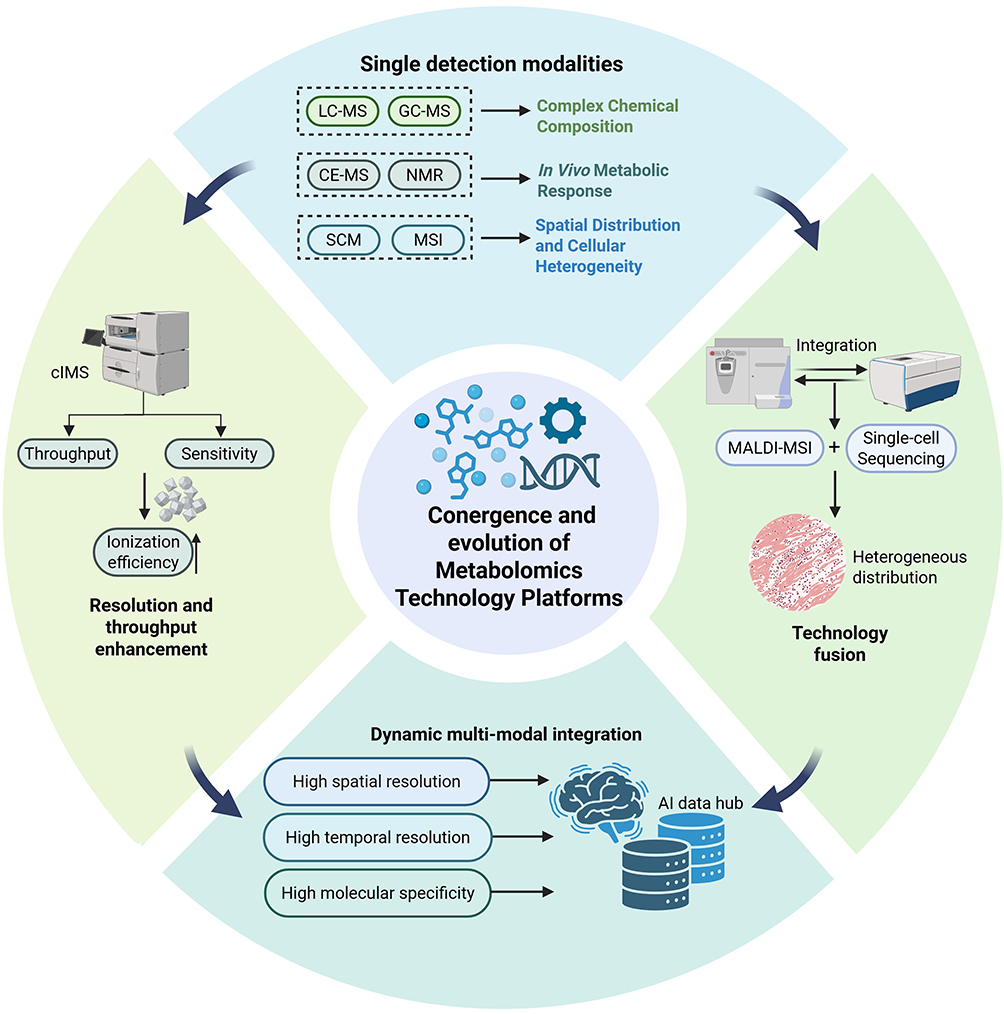 |
Figure 2 The convergence and evolution trends of technology platforms. Conceptual diagram illustrating the paradigm shift from isolated analytical techniques to an integrated technological ecosystem. Core targets include deciphering TCM formulas, monitoring in vivo responses, and resolving spatial heterogeneity. Upward arrows (↑) denote advancements in cIMS and performance metrics; convergent arrows (→) show MALDI‑MSI fusion with single‑cell sequencing; downward arrows (↓) represent integration into AI‑orchestrated systems for high‑resolution, dynamic analysis. The flow emphasizes directional synergy from discrete tools to unified application. Created with BioRender.com. |
Furthermore, the integration of spatial metabolomics with single-cell technologies, for instance, combining MALDI-MSI with single-cell sorting, can be used to investigate the distribution differences of TCM components within specific myocardial cell subpopulations (eg, fibroblasts and cardiomyocytes), providing correlative spatial information for heterogeneous cellular regulation78 Advancing such integrated technologies may require overcoming bottlenecks like the insufficient sensitivity for detecting low-abundance metabolites, which could be addressed by strategies such as utilizing nanomaterials to enhance ionization efficiency and boost signal intensity.79
Intelligent Pathways for Data Integration
At the level of data integration, future efforts may concentrate on constructing multi-omics correlation models and fostering deeper involvement of AI. The “multi-component, multi-target” mode of action of TCM and the systemic disease characteristics of HF mean that data from any single omics layer is likely insufficient for capturing the pathological mechanisms. The intelligent pathway for interpreting integrated multi-omics data is shown in Figure 3. Current research has begun to explore strategies for associating TCM improves cardiac function, inhibits ventricular remodeling, and ameliorates myocardial energy metabolism by integrating multidimensional data from metabolomics, transcriptomics, and network pharmacology. For instance, Wang et al combined machine learning with molecular pathway analysis to construct an anti-arrhythmic target network for the compound TCM Wenxin Keli, demonstrating the feasibility of AI-driven network pharmacology in cardiovascular disease research.71 To better explore multi-pathway synergistic effects in the future, it may be useful to flexibly adopt various integration strategies, including vertical, spatiotemporal, and network-based integration.80–83
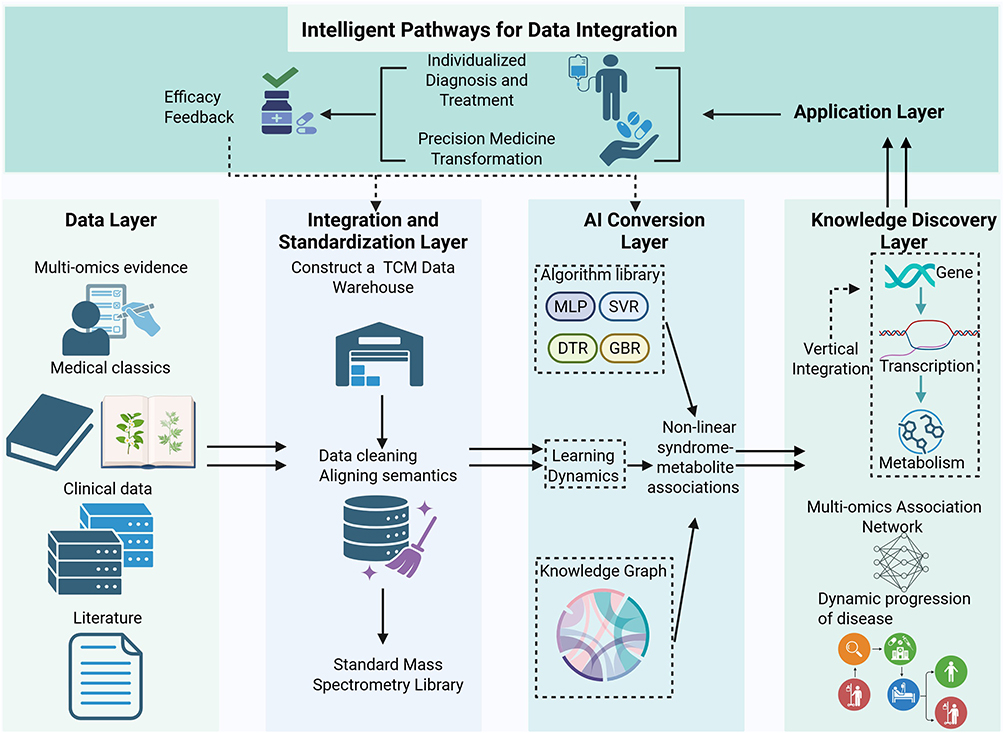 |
Figure 3 The intelligent pathway for interpreting integrated multi-omics data. The intelligent pathway for interpreting integrated multi-omics data is an intelligent framework bridging multi-omics data and clinical decision‑making. It follows a bottom‑up structure: first, the Data Layer aggregates multi‑omics, clinical, and library evidence; then, the AI Conversion Layer uncovers non-linear syndrome-metabolite links, the Knowledge Discovery Layer integrates networks and spatiotemporal dynamics, the Application Layer drives individualized diagnosis and precision medicine. Created with BioRender.com. |
Given the complexity of extracting insights from massive datasets, the introduction of AI may help to reduce workload and support TCM toward precision medicine. When dealing with vast multi-omics data, machine learning models can identify non-linear syndrome-metabolite associations beyond the reach of traditional statistical methods, thereby saving time and costs.84 For instance, Liu et al utilized algorithms including Multi-layer Perceptron (MLP), Support Vector Regression (SVR), Decision Tree Regression (DTR), and Gradient Boosting Regression (GBR) to construct a multi-target pharmacological prediction (mTPP) model, which identified 20 candidate compounds with potential drug-induced liver injury (DILI) effects.80,85
However, inconsistent standardization across different omics datasets constrains integration efficacy. Establishing TCM-specific data repositories—for instance, incorporating mass spectral libraries for compounds like berberine and astragaloside IV—constitutes a fundamental prerequisite for supporting reproducible analysis.86,87 This requirement, in turn, further reinforces the reliance on intelligent data integration tools. Such intelligent analytical capabilities are crucial for realizing the individualized diagnosis and treatment embodied in the TCM principle of “treating the same disease with different therapies”.
From Biomarker Validation to Clinical Translation
The clinical translation of TCM research in HF has long-faced challenges related to fragmented evidence chains and insufficient individualization in application. On one hand, translating metabolic biomarkers from discovery to clinical implementation must overcome multiple barriers, including validation of biological relevance, confirmation of clinical utility, and individual patient matching.36 On the other hand, the TCM concept of “treatment based on syndrome differentiation” requires translating population-level evidence into individualized treatment plans, yet traditional evaluation systems lack objective indicators for support.11 Therefore, a systematic three-tier “discovery-validation-application ”pipeline is needed to establish a complete pipeline from biomarker identification to precision diagnosis and treatment. The pathway from biomarker discovery to individualized application will be depicted in Figure 4.
 |
Figure 4 The pathway from biomarker discovery to individualized application. A three-stage bidirectional workflow integrating metabolomic biomarkers into clinical practice follows a forward translational structure: first, multicenter cohort studies are conducted to discover HF-associated biomarkers; then, randomized controlled trials are performed to validate the utility of biomarker-guided therapy; finally, dynamic metabolic parameters are applied to establish personalized treatment plans, with horizontal arrows (→) denoting forward translation and curved arrows (↻) representing bidirectional iteration between stages to emphasize an adaptive, cyclic clinical translation. Created with BioRender.com. |
In the discovery phase, it is important to validate the association between metabolites and hard endpoints through prospective cohorts (eg, multicenter registry studies), such as establishing causal links between acylcarnitine profiles and heart failure rehospitalization rates, to assess the clinical relevance of the biomarkers. In the validation phase, the focus shifts to confirming the efficacy of biomarker-guided therapy through randomized controlled trials (RCTs) and similar designs, laying the foundation for individualized application.51 In the application phase, innovating efficacy evaluation systems is crucial. For instance, incorporating dynamic metabolic parameters (eg, mitochondrial respiratory-chain flux) as surrogate endpoints could eventually complement traditional subjective scores, although technical challenges related to high intra-individual variability need to be overcome.62,63
Metabolic Regulatory Mechanisms of TCM Intervention in HF
Modern metabolomics technologies have generated correlative evidence that helps to map the metabolic regulatory mechanisms by which TCM treats HF.88 Multi-platform analytical strategies, represented by IMS, high-resolution LC-MS, and NMR, can capture dynamic changes of metabolites in living organisms and may bridge the holistic therapeutic efficacy of TCM with micro-level metabolic reprogramming processes. This integration provides a framework for interpreting the “multi-component, multi-target, holistic regulation” paradigm of TCM action. Utilizing these technological platforms, associations have been reported TCM intervention in HF can be elucidated across multiple dimensions, including energy metabolism, amino acid metabolism, fatty acid metabolism, and gut microbiota metabolism. These findings suggest a systems-level pattern through which TCM might alleviate myocardial energy starvation, oxidative stress, and fibrosis via potentially synergistic effects across multiple pathways.89–92 However, metabolomic data alone do not establish causality; targeted intervention studies, flux analysis, and clinical endpoint validation are needed to confirm mechanistic hypotheses.
Synergistic Regulation of HF Metabolic Network by Single Herb and Compound Formulae
Single herbs and compound formulae, as the core modalities of TCM in treating HF, are believed to exert their therapeutic effects through the synergistic actions of multiple components to regulate various HF-related metabolic pathways, thereby reflecting the concept of holistic regulation. Single herbs, such as Astragalus (Hugqi) and Aconite (Fuzi), directly target specific pathways like energy metabolism and amino acid metabolism through their distinctive active constituents. In contrast, compound formulae, through principled herb combination, may amplify synergistic effects and engage a broader metabolic network encompassing lipid metabolism, inflammatory response, and gut microbiota metabolism. The core mechanisms and associated metabolites involved in this synergistic regulation are summarized in Table 1.
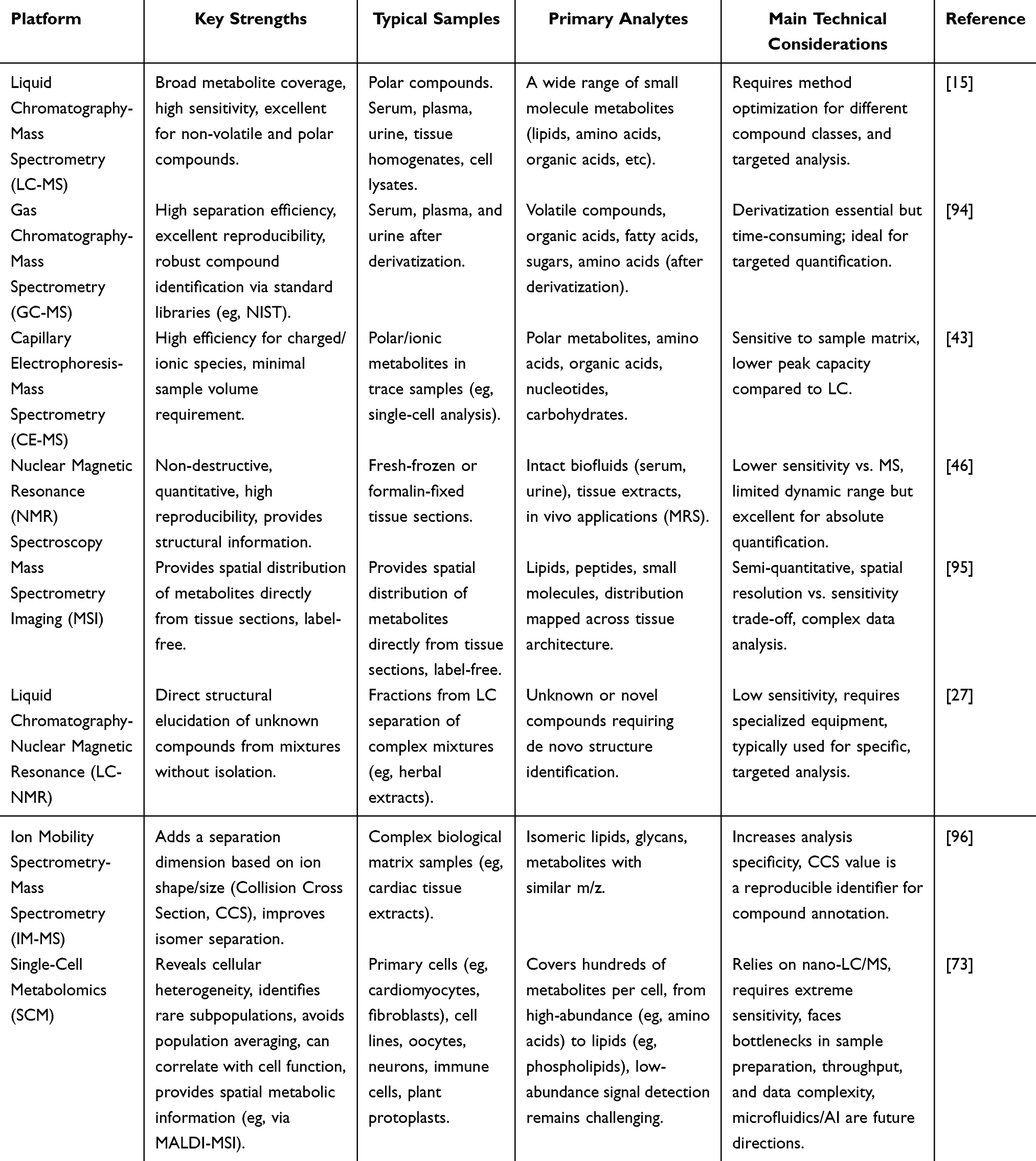 |
Table 1 Comparison of Key Metabolomics Technology Platforms in Heart Failure Research |
Metabolic Regulation by Single Herbs
As the fundamental therapeutic units in TCM for treating HF, single herbs have been shown to achieve focused modulation of HF-related metabolic pathways through their defined active constituents. Aconiti Lateralis Radix Praeparata (Fuzi), a key herb for restoring vitality, has been associated with significant improvement in cardiac function. This effect has been primarily associated with the regulation of the PI3K/AKT/Bnip3 signaling axis, which in animal studies has been suggested to suppresses excessive mitophagy, improve myocardial energy metabolism, and reduce oxidative stress damage. Metabolomic analyses have further indicated that Fuzi is associated with the levels of key metabolites such as tetrahydrooxycorticosterone and decaprenylubiquinone, suggesting involvement of pathways such as arachidonic acid metabolism. In vitro experiments have also reported that Fuziprotects can protect cardiomyocytes and help maintain mitochondrial functional integrity. This research systematically elucidates, from a modern scientific perspective, the underlying molecular mechanisms of Fuzi’s traditional efficacy of “restoring vitality and rescuing from collapse”, highlighting its unique advantage in multi-component, multi-target integrated regulation.97,98
Metabolic Regulation by Compound Formulae
Current research demonstrates that although different categories of TCM formulae exhibit distinct therapeutic characteristics, they may all function through multi-target and multi-level regulation of energy metabolism, amino acid metabolism, and lipid metabolism networks. This concerted action is associated with the HF state, offering metabolomic-level observations consistent with the “holistic regulation” advantage of TCM.(eg, Shengmai Yin/San for amino acid metabolism and anti-fibrosis, Shenfu Injection for energy metabolism restoration, and Qiangxin Bushen Decoction for ferroptosis inhibition).
Regarding energy metabolism, multiple studies have revealed the corrective effects of various TCM formulae are associated with changes in energy supply parameters in the failing heart. For instance, Shenfu Injection significantly restored the levels of nine key metabolites (eg, lactate, malate, and anserine) in myocardial tissue of rats with chronic HF models. These metabolites are enriched in core energy-producing pathways such as pyruvate metabolism, histidine metabolism, and the citric acid cycle.
At the level of amino acid metabolism and immune-inflammatory regulation, TCM formulae have been reported to affect specific pathways. Research on Shengmai Yin found that it was associated with restore levels of key metabolites like kynurenine, tryptophan, and 5-hydroxyindoleacetic acid, suggesting modulation of the tryptophan metabolism pathway and its associated inflammatory response network. This effectively has been hypothesized to link the regulation of amino acid metabolism to the inhibition of myocardial fibrosis.99 Yixin Fumai Lyophilized Powder, by being associated with by restoring metabolites such as L-valine, L-isoleucine, and taurine, may systemically influence multiple amino acid metabolic pathways, potentially contributing to in an overall amelioration of amino acid metabolism and energy supply disorders.100
At the more complex level of lipid metabolism and cellular fate regulation, Linggui Zhugan Decoction exhibits value. It can restore a wide range of differential metabolites (eg, LysoPCs, arachidonic acid, and phenylalanine) with a focus on intervening in glycerophospholipid and arachidonic acid metabolism pathways, thereby suggesting an effect on lipid disorders at the metabolic level in HF.101 Research on Qiangxin Bushen Decoction has provided further observations. Beyond associations with restored specific metabolites, it has been reported to activate the AMPK/FOXO1 pathway and to be associated with inhibiting ferroptosis and increase GPX4 expression, suggesting potential cross-level and multi-organ protection spanning from energy metabolism to cell death programs.102 The clinical study on Qishen Yiqi Dripping Pills provides an example of translational research from discovery to validation. Based on serum metabolomics findings from clinical patients, this formulation has been reported to be associated with restored metabolites such as lactate, phenylalanine, and proline, and modulates LysoPCs and glycerophospholipid metabolism networks, suggesting a holistic effect on the disordered patterns of amino acid, lipid, and energy metabolism in HF patients.103–105
From a metabolomics perspective, single herbs and compound formulae each exhibit distinct advantages in HF therapy. Single herbs provide targeted regulation through well-characterized active constituents. For instance, Astragalus (Huangqi) enhances energy supply by modulating branched-chain amino acid and taurine metabolism, while Aconite (Fuzi) improves myocardial contractility via purine metabolism regulation by its water-soluble alkaloids, reflecting focused bioactivity. In contrast, the compound formulae display broad-spectrum effects. Shenfu Injection has been shown to concurrently normalize multiple energy metabolism pathways, including pyruvate metabolism and the TCA cycle. Linggui Zhugan Decoction has been associated with changes in lipid profiles through glycerophospholipid metabolism, and Qiangxin Bushen Decoction has been reported to extend its associated regulatory scope from energy metabolism to ferroptosis inhibition, suggesting combined cardio-renal protection. This multi-component, multi-target, multi-pathway observed network is consistent with the holistic therapeutic principle of TCM at a metabolomic level.100–102,106 The targeted associations of single herbs and the systemic influences of compound formulae are thus seen as complementary, collectively forming an integrated metabolic intervention strategy for HF that warrants further mechanistic validation.107
Metabolic Regulatory Effects of Monomer Components
Building upon observations of TCM’s holistic regulation of HF metabolic networks, natural compounds serving as the active monomeric components of Chinese herbs achieve synergistic intervention from the macroscopic whole to microscopic precision by precisely targeting key metabolic pathways and signaling molecules, suggesting a potential for targeted intervention from a systems level to specific molecular targets.99,100 Based on their core targets of action in the pathological process of HF, representative monomer components are categorized into the following three types for elaboration. Their core mechanisms and associated metabolites are summarized in Table 2.
 |
Table 2 Metabolic Mechanisms of Selected TCM Interventions in Heart Failure Models |
Improving Myocardial Contraction and Energy Metabolism
This category of active monomers has been studied for its potential to address the core pathology of HF—“energy deficit”—by enhancing myocardial contractility and optimizing the energy metabolism of cardiomyocytes. Astragaloside IV has been reported to be associated with improved myocardial energy supply primarily through activating the AMPK/PGC-1α signaling pathway, thereby promoting mitochondrial biogenesis.59,108 Targeted metabolomics studies have reported that it is associated with upregulate the acylcarnitine profile and downregulate lysophosphatidylcholines. These changes involve the PPAR signaling pathway and glycolytic providing correlative metabolomic observations that are consistent with its potential role in improving cardiac energy metabolism.70,109
Conversely, Ginsenoside Rg3 has been reported to optimize energy supply in association with modulating amino acid metabolism and purine metabolism. Metabolomic pathway analysis reveals significant enrichment of the purine metabolism and TCA cycle pathways following its intervention. These findings, which are correlative, suggest that by enhancing mitochondrial function and influencing the energy metabolic system, this compound may contribute to the improvement of myocardial contractile function.110
Amino Acid Metabolism and Immune-Inflammatory Regulation
This category of active monomers exerts significant effects in inhibiting myocardial fibrosis and modulating immune responses, potentially through regulating the crosstalk between amino acid metabolism and immune-inflammatory processes. Notoginsenoside R1 demonstrates protective effects by being associated with modulating phospholipid metabolism and inflammatory responses. Based on UPLC-Q-TOF/MS-based metabolomics research, this component significantly reduces serum levels of lysophospholipids and arachidonic acid metabolites in heart failure rats. These changes involve the glycerophospholipid metabolism and arachidonic acid metabolism pathways, suggesting a potential mechanism for suppressing inflammation-mediated myocardial injury.
Lipid Metabolism and Cell Fate Regulation
This category of monomeric components has been studied for its potential to protect cardiomyocytes by regulating lipid metabolism homeostasis and by influencing cell death programs.
Hydroxysafflor Yellow A (HSYA) not only promotes angiogenesis by activating the HIF-1α-VEGFA-Notch1 signaling axis but also counteracts fibrosis in association with modulating lipid metabolism and directly inhibiting cardiac fibroblast activation. As a natural allosteric activator of malate dehydrogenase 1 (MDH1), it directly improves mitochondrial energy metabolism in cardiomyocytes, achieving multi-level protection spanning from energy metabolism to cell fate determination.111
Icariin has been reported to enhance mitochondrial function via the Apelin/Sirt3 signaling pathway. Metabolomic analyses have suggested its ability to be associated with restoration of the levels of L-arginine, uric acid, and sphingosine-1-phosphate, with pathway enrichment primarily in arginine biosynthesis and glutathione metabolism. These alterations are associated with changes in the cellular metabolic state and have been hypothesized to influence the decision-making process governing cell survival and death through inhibition of cardiomyocyte apoptosis.112
Monomer components offer certain features in HF treatment. Their targeted mechanisms involve specific pathways such as energy metabolism and oxidative stress, potentially enhancing therapeutic efficacy while possibly reducing the risk of off-target effects.69 These components possess well-defined chemical structures, clear structure–activity relationships, and quantifiable pharmacokinetic profiles and metabolic pathways, which align with international drug evaluation standards. Monomer components and compound formulae complement each other: monomers address individual variability, while formulae provide a foundation for holistic regulation. This multi-tiered model may support TCM’s role in more individualized approaches, may help integration with Western medicine through better understanding of mechanisms, and could contribute to TCM’s standardization and broader recognition, although these possibilities require further clinical validation.94,103,109
Discussion
This study systematically reviews the paradigm shift in HF research within TCM, driven by metabolomics technology. At its core, this shift lies in the transition of research focus from the discovery of single metabolite markers to the analysis of the remodeling patterns of the entire metabolic network under TCM intervention. The novelty of this review is the construction of an integrated “Technology-Strategy-Mechanism” framework that proceeds stepwise into greater depth: (1) By systematically elaborating the complementary application of multi-platform metabolomics technologies, it provides a methodological foundation for analyzing the complex system of TCM. (2) It proposes a “problem-oriented” integration strategy, providing a research blueprint for investigating HF-related metabolic disorders and potential mechanisms of TCM intervention across different spatial scales and biological levels. (3) Through systematic analysis of the multi-level metabolic regulatory network—from single compounds to single herbs and complex formulae—it presents metabolomics-derived evidence that is consistent with “multi-component, multi-target, holistic regulation” from multiple dimensions, including energy metabolism, oxidative stress, and inflammatory response.
While the aforementioned framework highlights the potential of metabolomics in advancing TCM HF research, it must be objectively recognized that the transition from a conceptual framework to mature application still faces a series of challenges. These challenges essentially stem from the interplay between technological bottlenecks and the inherent complexity of TCM itself: (1) Technically, cutting-edge technologies like IMS and SCM still have room for improvement in resolution and sensitivity, making it difficult to fully eliminate interference from complex biological matrices. Absolute quantification and deep coverage of metabolites remain significant challenges. (2) Heavy reliance on biofluids like serum and urine metabolomics data, while reflecting systemic metabolic responses of the organism, cannot distinguish whether metabolite changes stem from the direct action of TCM components on the heart or from indirect effects, such as through improved renal function, modulation of gut microbiota, or influence on the neuroendocrine system. This may lead to misinterpretation of the core pharmacodynamic mechanisms. (3) After TCM intervention, the concentrations of TCA cycle intermediates (eg, malate, succinate) have been reported to return to normal levels, but the temporal sequence of these concentrations increases remains unknown. This lack of temporal resolution limits the depth of mechanistic interpretation from “correlation” to “causation”.
However, it is precisely this recognition of the limitations that suggests directions for focused optimization in technological development and research design, potentially moving the field towards more reliable and refined goals: (1) Developing high-resolution cyclic ion mobility spectrometry, optimizing single-cell pre-processing workflows, and incorporating stable isotope labeling to enhance analytical performance. (2) In studies on the same individual, synchronously collecting and analyzing serum, cardiac tissue, urine, and even bile samples. By comparing metabolite change patterns across different sample types, the origin and propagation pathways of metabolic disturbances may be inferred. In animal experiments, simultaneously collecting coronary sinus blood and arterial blood allows for calculating the arteriovenous concentration difference of specific metabolites, directly quantifying myocardial uptake or release of the substance, thereby providing more direct evidence for “TCM-heart” interaction (3) In cell or animal models, while administering TCM, providing tracer substrates such as 13C-labeled glucose or 15N-labeled glutamine. Using LC-MS to track the incorporation rate and pattern of these labeled atoms into metabolites (eg, in the TCA cycle, amino acids, nucleotides) over time.
Conclusion
This review summarizes that metabolomics technology provides methodological support and a framework for investigating the complex mechanisms associated with TCM intervenes in HF. Confronted with HF as a complex clinical syndrome involving multiple systems and pathways, and considering the limitations of single-target Western drug therapies, the holistic regulatory approach of TCM—characterized by “multi-component, multi-target, multi-pathway” actions—shows potential advantages. However, its specific mechanisms of action had long been regarded as a “black box”. Metabolomics, leveraging its holistic and dynamic technical features, is compatible with holistic philosophy of TCM. By integrating multi-dimensional platform technologies such as LC-MS, IMS, NMR, MSI, and single-cell metabolomics, it has contributed to a systematic research strategy. This strategy spans from parsing complex chemical components and monitoring in vivo metabolic responses to visualizing spatial distribution and cellular heterogeneity.
This strategy has been applied in multi-level research involving “single compounds, single herbs, and compound formulae”. From various dimensions, including energy metabolism, amino acid metabolism, lipid metabolism, and gut microbiota metabolism, it has provided observations consistent with metabolic reprogramming mechanisms through which TCM interventions that may ameliorates cardiac function and curbs ventricular remodeling, involving the synergistic regulation of key processes such as myocardial energy supply, inhibition of oxidative stress and inflammatory responses, and intervention in cell fate decisions. Among these, active ingredients that regulate branched-chain amino acid and tryptophan metabolism or target acylcarnitine profiles (eg, astragaloside IV), as well as compound formulas (eg, Shenfu Injection, Linggui Zhugan Decoction), have shown potential in improving myocardial energy metabolism and inhibiting fibrosis, warranting further validation.
Despite existing challenges in areas such as technical sensitivity, clinical sample heterogeneity, and inferring causal mechanisms, the integrated research strategy driven by metabolomics provides a useful framework for further exploring the scientific essence of TCM in treating HF and for advancing its clinical precision and international integration. Realizing these possibilities will require rigorous validation that moves beyond correlation toward causation—through flux analysis to trace metabolic pathways, targeted intervention experiments (genetic or pharmacological) to test key pathways, temporal studies to determine the sequence of metabolic changes relative to phenotypic improvement, and clinical cohort studies with Mendelian randomization to assess causal associations.
Abbreviations
HF, Heart failure; TCM, Traditional Chinese Medicine; CHF, chronic heart failure; LC-MS, Liquid Chromatography-Mass Spectrometry; ESI, electrospray ionization; APCI, atmospheric pressure chemical ionization; UHPLC, ultra-high-performance liquid chromatography; TOF, time-of-flight; QC, quality control; IMS-MS, Spectrometry-Mass Spectrometry; CCS, collision cross-section; RT, retention time; TIMS, Trapped Ion Mobility Spectrometry; TWIMS, Travelling Wave Ion Mobility Spectrometry; cIMS, High-resolution cyclic IMS; LC-SPE-NMR, liquid chromatography-solid phase extraction-nuclear magnetic resonance; LC-NMR, Liquid Chromatography-Nuclear Magnetic Resonance; CE-MS, Capillary Electrophoresis-Mass Spectrometry; NMR, Nuclear Magnetic Resonance; PFT, Pulsed Fourier Transform; MSI, Mass Spectrometry Imaging; MALDI, Matrix-Assisted Laser Desorption/Ionization; DESI, Desorption Electrospray Ionization; SCM, Single-Cell Metabolomics; LC-IMS-MS, liquid chromatography-ion mobility-mass spectrometry; MLP, Multi-layer Perceptron; SVR, Support Vector Regression; DTR, Decision Tree Regression; GBR, Gradient Boosting Regression; mTPP, multi-target pharmacological prediction; DILI, drug-induced liver injury; RCTs, randomized controlled trials.
Acknowledgments
We gratefully acknowledge all team members who contributed to the literature research, discussions, and writing of this article. The graphical elements and literature supporting this review were developed using BioRender (https://biorender.com/) and sourced from the PubMed database (https://pubmed.ncbi.nlm.nih.gov/), respectively.
Author Contributions
All authors made a significant contribution to the work reported, whether that is in the conception, study design, execution, acquisition of data, analysis and interpretation, or in all these areas; took part in drafting, revising or critically reviewing the article; gave final approval of the version to be published; have agreed on the journal to which the article has been submitted; and agreed to be accountable for all aspects of the work.
Funding
This work was supported by the National Natural Science Foundation of China (82074378), the Project of Science & Technology Department of Sichuan Province (2026NSFSC1823), Youth Innovation Project of Sichuan Medical Association (Q20250014), the Research Fund of Chinese Medicine Guangdong Laboratory (HQL2025SU024), Macao Young Scholars Program (AMWQ2025010), Shenzhen High-level Hospital Construction Fund, the Project of Southwest Medical University (2024ZXYZX30, 2024ZKZ007, 2024ZXYZX39, 2024ZKY073) and Southwest Medical University Undergraduate Innovation and Entrepreneurship Project (S202510632123). The funder had no role in the study design, data analysis, or decision to publish.
Disclosure
The authors report no conflicts of interest in this work.
References
1. Ran J, Zhou P, Wang J, et al. Global, regional, and national burden of heart failure and its underlying causes, 1990-2021: results from the global burden of disease study 2021. Biomark Res. 2025;13(1):16. doi:10.1186/s40364-025-00728-8
2. Neuen BL, Young T, Heerspink HJL, et al. SGLT2 inhibitors for the prevention of kidney failure in patients with type 2 diabetes: a systematic review and meta-analysis. Lancet Diabetes Endocrinol. 2019;7(11):845–21. doi:10.1016/S2213-8587(19)30256-6
3. Gao Y, Wang R, Jiang J, Hu Y, Li H, Wang Y. ACEI/ARB and beta-blocker therapies for preventing cardiotoxicity of antineoplastic agents in breast cancer: a systematic review and meta-analysis. Heart Fail Rev. 2023;28(6):1405–1415. doi:10.1007/s10741-023-10328-z
4. Savarese G, Lindberg F, Christodorescu RM, et al. Physician perceptions, attitudes, and strategies towards implementing guideline-directed medical therapy in heart failure with reduced ejection fraction. A survey of the heart failure association of the ESC and the ESC council for cardiology practice. Eur J Heart Fail. 2024;26(6):1408–1418. doi:10.1002/ejhf.3214
5. Xu X, Yang Y, Zhou G, et al. Clinical efficacy of qili qiangxin capsule combined with western medicine in the treatment of chronic heart failure: a systematic review and meta-analysis. Evid Based Complement Alternat Med. 2021;2021:9761159. doi:10.1155/2021/9761159
6. Bozkurt B, Coats AJ, Tsutsui H, et al. Universal definition and classification of heart failure: a report of the heart failure society of America, heart failure association of the European society of cardiology, Japanese heart failure society and writing committee of the universal definition of heart failure. J Card Fail. 2021;27(4):387–413. doi:10.1016/j.cardfail.2021.01.022
7. Chen J, Wei X, Zhang Q, et al. The traditional Chinese medicines treat chronic heart failure and their main bioactive constituents and mechanisms. Acta Pharm Sin B. 2023;13(5):1919–1955. doi:10.1016/j.apsb.2023.02.005
8. Zhang Z, Chen F, Wan J, Liu X. Potential traditional Chinese medicines with anti-inflammation in the prevention of heart failure following myocardial infarction. Chin Med. 2023;18(1):28. doi:10.1186/s13020-023-00732-w
9. Li F-Y, Wang Y-H, Zhang C, et al. Ginsenoside Rg5 alleviates hypoxia-induced myocardial apoptosis by targeting STAT3 to promote Tyr705 phosphorylation. Chin Med. 2025;20(1):86. doi:10.1186/s13020-025-01128-8
10. Li X, Zhang J, Huang J, et al. A multicenter, randomized, double-blind, parallel-group, placebo-controlled study of the effects of qili qiangxin capsules in patients with chronic heart failure. J Am Coll Cardiol. 2013;62(12):1065–1072. doi:10.1016/j.jacc.2013.05.035
11. Wang X, Zhang A, Sun H, Wang P. Systems biology technologies enable personalized traditional Chinese medicine: a systematic review. Am J Chin Med. 2012;40(6):1109–1122. doi:10.1142/S0192415X12500826
12. Yongzhong C, Hui C, Luting Z, et al. Mechanism of jianxin granules in the treatment of heart failure based on proteomics and metabolomics. Chin Med. 2024;19(1):165. doi:10.1186/s13020-024-01009-6
13. Wang S, Gan J, Li J, et al. Shengmai Yin formula exerts cardioprotective effects on rats with chronic heart failure via regulating linoleic acid metabolism. Prostaglandins Other Lipid Mediat. 2022;158:106608. doi:10.1016/j.prostaglandins.2021.106608
14. Page MJ, McKenzie JE, Bossuyt PM, et al. The PRISMA 2020 statement: an updated guideline for reporting systematic reviews. BMJ. 2021;372:n71. doi:10.1136/bmj.n71
15. Zhang A, Sun H, Wang P, Han Y, Wang X. Modern analytical techniques in metabolomics analysis. Analyst. 2012;137(2). doi:10.1039/c1an15605e
16. Fenn JB, Mann M, Meng CK, Wong SF, Whitehouse CM. Electrospray ionization for mass spectrometry of large biomolecules. Science. 1989;246(4926):64–71. doi:10.1126/science.2675315
17. Gaudêncio SP, Bayram E, Lukić Bilela L, et al. Advanced methods for natural products discovery: bioactivity screening, dereplication, metabolomics profiling, genomic sequencing, databases and informatic tools, and structure elucidation. Mar Drugs. 2023;21(5):308. doi:10.3390/md21050308
18. Deschamps E, Calabrese V, Schmitz I, Hubert-Roux M, Castagnos D, Afonso C. Advances in ultra-high-resolution mass spectrometry for pharmaceutical analysis. Molecules. 2023;28(5):2061. doi:10.3390/molecules28052061
19. Li K, Tian A, Shu L, et al. Interpreting metabolic profiling of YIV906 in vivo: a Synergistic strategy combining LC-HRMS-based molecular networking and metabolomics thought integration. J Chromatogr A. 2025;1758:466181. doi:10.1016/j.chroma.2025.466181
20. Reel PS, Reel S, Pearson E, Trucco E, Jefferson E. Using machine learning approaches for multi-omics data analysis: a review. Biotechnol Adv. 2021;49:107739. doi:10.1016/j.biotechadv.2021.107739
21. Zhou Z, Luo M, Chen X, et al. Ion mobility collision cross-section atlas for known and unknown metabolite annotation in untargeted metabolomics. Nat Commun. 2020;11(1):4334. doi:10.1038/s41467-020-18171-8
22. Zhou Z, Xiong X, Zhu Z-J. MetCCS predictor: a web server for predicting collision cross-section values of metabolites in ion mobility-mass spectrometry based metabolomics. Bioinformatics. 2017;33(14):2235–2237. doi:10.1093/bioinformatics/btx140
23. Dodds JN, Solosky AM, Disselkoen SM, Joseph KM, Baker ES. Assessment of variable traveling wave profiles for small-molecule applications in ion mobility spectrometry-mass spectrometry (IMS-MS). J Am Soc Mass Spectrom. 2025;36(10):2126–2133. doi:10.1021/jasms.5c00140
24. Giles K, Ujma J, Wildgoose J, et al. A cyclic ion mobility-mass spectrometry system. Anal Chem. 2019;91(13):8564–8573. doi:10.1021/acs.analchem.9b01838
25. Zhang H, Luo M, Wang H, Ren F, Yin Y, Zhu Z-J. AllCCS2: curation of ion mobility collision cross-section atlas for small molecules using comprehensive molecular representations. Anal Chem. 2023;95(37):13913–13921. doi:10.1021/acs.analchem.3c02267
26. Luo M, Yin Y, Zhou Z, et al. A mass spectrum-oriented computational method for ion mobility-resolved untargeted metabolomics. Nat Commun. 2023;14(1):1813. doi:10.1038/s41467-023-37539-0
27. Menard NRC, Schug KA. A review of LC-NMR methods and applications for pharmaceutical and natural product analysis. J Sep Sci. 2025;48(11):e70304. doi:10.1002/jssc.70304
28. Verma A, Chattopadhaya A, Gupta P, et al. Integration of hyphenated techniques for characterizing and chemical profiling of natural products. Chem Biodivers. 2025;22(9):e202500234. doi:10.1002/cbdv.202500234
29. Varfaj I, Ianni F, Abualzulof GWA, et al. The last 10 years of research in the enantioseparation of pharmacologically relevant phytocannabinoids: an updated review. J Sep Sci. 2025;48(8):e70234. doi:10.1002/jssc.70234
30. Shapira B, Karton A, Aronzon D, Frydman L. Real-time 2D NMR identification of analytes undergoing continuous chromatographic separation. J Am Chem Soc. 2004;126(4):1262–1265. doi:10.1021/ja0389422
31. Wolfender J-L, Marti G, Thomas A, Bertrand S. Current approaches and challenges for the metabolite profiling of complex natural extracts. J Chromatogr A. 2015;1382:136–164. doi:10.1016/j.chroma.2014.10.091
32. Liu H, Xin M, Liu H, et al. Structural verification of phenolic compounds in the aqueous extract of Chrysanthemum morifolium using LC-DAD-SPE-NMR method. Food Chem. 2025;496(Pt 2):146722. doi:10.1016/j.foodchem.2025.146722
33. Chihomvu P, Ganesan A, Gibbons S, Woollard K, Hayes MA. Phytochemicals in drug Discovery-A confluence of tradition and innovation. Int J Mol Sci. 2024;25(16):8792. doi:10.3390/ijms25168792
34. Towards metabolomic-based precision approaches for classifying and treating heart failure - PubMed. Available from: https://pubmed.ncbi.nlm.nih.gov/39444924/.
35. Meng S, Yu Y, Yu S, et al. Advances in metabolic remodeling and intervention strategies in heart failure. J Cardiovasc Transl Res. 2024;17(1):36–55. doi:10.1007/s12265-023-10443-0
36. Hahn VS, Selvaraj S, Sharma K, Shah SH. Towards metabolomic-based precision approaches for classifying and treating heart failure. JACC Basic Transl Sci. 2024;9(9):1144–1158. doi:10.1016/j.jacbts.2024.04.008
37. Bora S, Adole PS, Vinod KV, Pillai AA. A validated and optimized method for separation and quantification of total fatty acids by gas chromatography–ion trap mass spectrometry in human plasma. J Chromatogr B. 2022;1210:123473. doi:10.1016/j.jchromb.2022.123473
38. Tsikas D. Underlying mechanisms of chromatographic H/D, H/F, cis/trans and isomerism effects in GC-MS. Metabolites. 2025;15(1):43. doi:10.3390/metabo15010043
39. Khaled SE, Hashem FA-M, Shabana MH, et al. A metabolomics approach for the evaluation of Ficus benghalensis female in vivo reproductive effects relative to its metabolite fingerprint as determined via UPLC-MS and GC-MS. J Ethnopharmacol. 2024;321:117519. doi:10.1016/j.jep.2023.117519
40. Wang H, Wang J, Zhu M, et al. GRSF1 protects against heart failure by maintaining BCAA homeostasis. Circulation. 2026;153(10):736–753. doi:10.1161/CIRCULATIONAHA.125.074700
41. Tufariello M, Pati S, Palombi L, Grieco F, Losito I. Use of multivariate statistics in the processing of data on wine volatile compounds obtained by HS-SPME-GC-MS. Foods. 2022;11(7):910. doi:10.3390/foods11070910
42. Chi Z, Yang L. Advances in chiral separation and analysis by capillary electrophoresis-mass spectrometry]. Se Pu. 2022;40(6):509–519. doi:10.3724/SP.J.1123.2021.11006
43. Zhang W, Ramautar R. CE-MS for metabolomics: developments and applications in the period 2018-2020. Electrophoresis. 2021;42(4):381–401. doi:10.1002/elps.202000203
44. Moreno-Gordaliza E, González-Nicolás MÁ, Lázaro A, Barbas C, Gómez-Gómez MM, López-Gonzálvez Á. Untargeted metabolomics analysis of serum and urine unveils the protective effect of cilastatin on altered metabolic pathways during cisplatin-induced acute kidney injury. Biochem Pharmacol. 2024;227:116435. doi:10.1016/j.bcp.2024.116435
45. Aerts JT, Andrén PE, Jansson ET. Zero-degree celsius capillary electrophoresis electrospray ionization for hydrogen exchange mass spectrometry. Anal Chem. 2023;95(2):1149–1158. doi:10.1021/acs.analchem.2c03893
46. Hu Y, Liu L, Yan G, et al. Nuclear magnetic resonance based metabolomics-A rising star in traditional Chinese medicine research. Pharmaceuticals. 2025;18(8):1186. doi:10.3390/ph18081186
47. Sugimoto N. Standardization and practical application of quantitative NMR (qNMR)]. Yakugaku Zasshi. 2024;144(4):353–357. doi:10.1248/yakushi.23-00151-2
48. Hirakawa K, Koike K, Kanawaku Y, et al. Short-time Fourier transform of free induction decays for the analysis of serum using proton nuclear magnetic resonance. J Oleo Sci. 2019;68(4):369–378. doi:10.5650/jos.ess18212
49. Kagawa A, Miyanishi K, Ichijo N, et al. High-field NMR with dissolution triplet-DNP. J Magn Reson. 2019;309:106623. doi:10.1016/j.jmr.2019.106623
50. Du Z, Wen R, Liu Q, et al. 1H NMR-based dynamic metabolomics delineates the therapeutic effects of Baoyuan decoction on isoproterenol-induced cardiac hypertrophy. J Pharm Biomed Anal. 2019;163:64–77. doi:10.1016/j.jpba.2018.09.049
51. Oexner RR, Ahn H, Theofilatos K, et al. Serum metabolomics improves risk stratification for incident heart failure. Eur J Heart Fail. 2024;26(4):829–840. doi:10.1002/ejhf.3226
52. Li L, Zhong S, Ye J, et al. Shenmai injection revives cardiac function in rats with hypertensive heart failure: involvement of microbial-host co-metabolism. BMC Complement Med Ther. 2025;25(1):24. doi:10.1186/s12906-024-04737-2
53. Pomyen Y, Wanichthanarak K, Poungsombat P, Fahrmann J, Grapov D, Khoomrung S. Deep metabolome: applications of deep learning in metabolomics. Comput Struct Biotechnol J. 2020;18:2818–2825. doi:10.1016/j.csbj.2020.09.033
54. Ribay V, Praud C, Letertre MPM, Dumez J-N, Giraudeau P. Hyperpolarized NMR metabolomics. Curr Opin Chem Biol. 2023;74:102307. doi:10.1016/j.cbpa.2023.102307
55. Liu Y, Zhang X, Yang S, et al. Integrated mass spectrometry imaging reveals spatial-metabolic alteration in diabetic cardiomyopathy and the intervention effects of ferulic acid. J Pharm Anal. 2023;13(12):1496–1509. doi:10.1016/j.jpha.2023.08.011
56. Spengler B. Mass spectrometry imaging of biomolecular information. Anal Chem. 2015;87(1):64–82. doi:10.1021/ac504543v
57. Palomino TV, Muddiman DC. Glycosaminoglycan mass spectrometry imaging by infrared matrix-assisted laser desorption electrospray ionization. J Am Soc Mass Spectrom. 2025;36(4):658–663. doi:10.1021/jasms.4c00435
58. Zhang F, Li Z, Zhang Y, et al. Xin-shu-bao tablets ameliorates ventricular remodeling against HFrEF via PPARγ/MFGE8 pathway based on MALDI-MSI and lipidomics. J Ethnopharmacol. 2025;347:119741. doi:10.1016/j.jep.2025.119741
59. Wang D, Qi W, Mao X, et al. Gui qi zhuang jin decoction ameliorates mitochondrial dysfunction in sarcopenia mice via AMPK/PGC-1α/Nrf2 axis revealed by a metabolomics approach. Phytomedicine. 2024;133:155908. doi:10.1016/j.phymed.2024.155908
60. Niehaus M, Soltwisch J, Belov ME, Dreisewerd K. Transmission-mode MALDI-2 mass spectrometry imaging of cells and tissues at subcellular resolution. Nat Methods. 2019;16(9):925–931. doi:10.1038/s41592-019-0536-2
61. Planque M, Igelmann S, Ferreira Campos AM, Fendt S-M. Spatial metabolomics principles and application to cancer research. Curr Opin Chem Biol. 2023;76:102362. doi:10.1016/j.cbpa.2023.102362
62. Tu A, Muddiman DC. Systematic evaluation of repeatability of IR-MALDESI-MS and normalization strategies for correcting the analytical variation and improving image quality. Anal Bioanal Chem. 2019;411(22):5729–5743. doi:10.1007/s00216-019-01953-5
63. Zhang F-R, Zhang Y, Yang J-C, Li X-Y, Yang H-J. Proteomics in prevention and treatment of post-myocardial infarction heart failure diseases with traditional Chinese medicine]. Zhongguo Zhong Yao Za Zhi. 2024;49(22):6008–6018. doi:10.19540/j.cnki.cjcmm.20240815.601
64. Hu R, Li Y, Yang Y, Liu M. Mass spectrometry-based strategies for single-cell metabolomics. Mass Spectrom Rev. 2023;42(1):67–94. doi:10.1002/mas.21704
65. Lee S, Vu HM, Lee J-H, Lim H, Kim M-S. Advances in mass spectrometry-based single cell analysis. Biology. 2023;12(3):395. doi:10.3390/biology12030395
66. Li Y, Yu J, Li R, Zhou H, Chang X. New insights into the role of mitochondrial metabolic dysregulation and immune infiltration in septic cardiomyopathy by integrated bioinformatics analysis and experimental validation. Cell Mol Biol Lett. 2024;29(1):21. doi:10.1186/s11658-024-00536-2
67. Chen X, Yuan T, Zheng D, et al. Cardiomyocyte mitochondrial mono-ADP-ribosylation dictates cardiac tolerance to sepsis by configuring bioenergetic reserve in male mice. Nat Commun. 2025;16(1):8119. doi:10.1038/s41467-025-62384-8
68. Wang Y, Huang X, Huo H, et al. Deletion of MAPL ameliorates septic cardiomyopathy by mitigating mitochondrial dysfunction. J Transl Med. 2024;22(1):1012. doi:10.1186/s12967-024-05836-x
69. Zhu X-X, Meng X-Y, Zhang A-Y, et al. Vaccarin alleviates septic cardiomyopathy by potentiating NLRP3 palmitoylation and inactivation. Phytomedicine. 2024;131:155771. doi:10.1016/j.phymed.2024.155771
70. Wang J, Pu X, Zhuang H, et al. Astragaloside IV alleviates septic myocardial injury through DUSP1-Prohibitin 2 mediated mitochondrial quality control and ER-autophagy. J Adv Res. 2025;75:561–580. doi:10.1016/j.jare.2024.10.030
71. Baysoy A, Bai Z, Satija R, Fan R. The technological landscape and applications of single-cell multi-omics. Nat Rev Mol Cell Biol. 2023;24(10):695–713. doi:10.1038/s41580-023-00615-w
72. Yang Q, Dai Y, Huang S, et al. MMEASE: enhanced analytical workflow for single-cell metabolomics. Nucleic Acids Res. 2025;53(W1):W390–W397. doi:10.1093/nar/gkaf363
73. Mao X, Xia D, Xu M, et al. Single-cell simultaneous metabolome and transcriptome profiling revealing metabolite-gene correlation network. Adv Sci. 2025;12(4):e2411276. doi:10.1002/advs.202411276
74. Alseekh S, Aharoni A, Brotman Y, et al. Mass spectrometry-based metabolomics: a guide for annotation, quantification and best reporting practices. Nat Methods. 2021;18(7):747–756. doi:10.1038/s41592-021-01197-1
75. Eldrid C, Thalassinos K. Developments in tandem ion mobility mass spectrometry. Biochem Soc Trans. 2020;48(6):2457–2466. doi:10.1042/BST20190788
76. Lv J, Pan C, Cai Y, et al. Plasma metabolomics reveals the shared and distinct metabolic disturbances associated with cardiovascular events in coronary artery disease. Nat Commun. 2024;15(1):5729. doi:10.1038/s41467-024-50125-2
77. Yu F, McLean B, Badiwala M, Billia F. Heart Failure and Drug Therapies: a Metabolic Review. Int J Mol Sci. 2022;23(6):2960. doi:10.3390/ijms23062960
78. Zhang Y, Chen P, Geng H, et al. Development of a single-cell spatial metabolomics method for the characterization of cell-cell metabolic interactions. Anal Chem. 2025;97(14):7986–7994. doi:10.1021/acs.analchem.5c00384
79. Ajoolabady A, Pratico D, Dunn WB, Lip GYH, Ren J. Metabolomics: implication in cardiovascular research and diseases. Obes Rev. 2024;25(12):e13825. doi:10.1111/obr.13825
80. Wang T, Lu M, Du Q, et al. An integrated anti-arrhythmic target network of compound Chinese medicine Wenxin Keli revealed by combined machine learning and molecular pathway analysis [corrected]. Mol Biosyst. 2017;13(5):1018–1030. doi:10.1039/c7mb00003k
81. Luo L, Wang H, Huang G, et al. Pharmacological mechanisms of Tinglizi against chronic heart failure determined by network pharmacology and molecular docking. Evid Based Complement Alternat Med. 2022;2022:2152399. doi:10.1155/2022/2152399
82. Gao K, Xu D, Mu F, et al. Systems pharmacology to explore the potential mechanism of ginseng against heart failure. Rejuvenation Res. 2025;28(2):54–66. doi:10.1089/rej.2024.0051
83. Meng L, Lian K, Zhang J, Li L, Hu Z. Evolution of research on artificial intelligence for heart failure: a bibliometric and visual analysis. J Multidiscip Healthc. 2025;18:2941–2956. doi:10.2147/JMDH.S525739
84. Zhou E, Shen Q, Hou Y. Integrating artificial intelligence into the modernization of traditional Chinese medicine industry: a review. Front Pharmacol. 2024;15:1181183. doi:10.3389/fphar.2024.1181183
85. Liu K, Chen X, Ren Y, et al. Multi-target-based polypharmacology prediction (mTPP): an approach using virtual screening and machine learning for multi-target drug discovery. Chem Biol Interact. 2022;368:110239. doi:10.1016/j.cbi.2022.110239
86. Xiao W, Zhang M, Zhao D, et al. TCMKD: from ancient wisdom to modern insights-A comprehensive platform for traditional Chinese medicine knowledge discovery. J Pharm Anal. 2025;15(6):101297. doi:10.1016/j.jpha.2025.101297
87. Wang N, Yu -C-C, Yang H, Wang Z, Liu J. Preliminary exploration of multi-omics data fusion methods for high-dimensional small-sample datasets in traditional Chinese medicine]. Zhongguo Zhong Yao Za Zhi. 2025;50(1):278–284. doi:10.19540/j.cnki.cjcmm.20241005.601
88. Zhou G, Zhang J, Guo H, et al. Discovery and validation of potential serum biomarkers for heart failure by untargeted metabolomics. Cardiovasc Ther. 2024;2024(1):7004371. doi:10.1155/2024/7004371
89. Liu T, Chen X, Sun Q, et al. Valerenic acid attenuates pathological myocardial hypertrophy by promoting the utilization of multiple substrates in the mitochondrial energy metabolism. J Adv Res. 2025;68:241–256. doi:10.1016/j.jare.2024.02.008
90. Schiattarella GG, Sannino A, Esposito G, Perrino C. Diagnostics and therapeutic implications of gut microbiota alterations in cardiometabolic diseases. Trends Cardiovasc Med. 2019;29(3):141–147. doi:10.1016/j.tcm.2018.08.003
91. Zhou Z, Li M, Zhang Z, et al. Overview of Panax ginseng and its active ingredients protective mechanism on cardiovascular diseases. J Ethnopharmacol. 2024;334:118506. doi:10.1016/j.jep.2024.118506
92. Huang Q, Yao Y, Wang Y, et al. Ginsenoside Rb2 inhibits p300-mediated SF3A2 acetylation at lysine 10 to promote Fscn1 alternative splicing against myocardial ischemic/reperfusion injury. J Adv Res. 2024;65:365–379. doi:10.1016/j.jare.2023.12.012
93. Körber A, Anthony IGM, Heeren RMA. Mass spectrometry imaging. Anal Chem. 2025;97(29):15517–15549. doi:10.1021/acs.analchem.4c05249
94. Fiehn O. Metabolomics by gas chromatography-mass spectrometry: combined targeted and untargeted profiling. Curr Protoc Mol Biol. 2016;114(1):30.4.1–30.4.32. doi:10.1002/0471142727.mb3004s114
95. McCabe JW, Hebert MJ, Shirzadeh M, et al. THE IMS paradox: a perspective on structural ION mobility-mass spectrometry. Mass Spectrom Rev. 2021;40(3):280–305. doi:10.1002/mas.21642
96. Zhao Z, Hu Z, Li L. Cardiac energy metabolic disorder and gut microbiota imbalance: a study on the therapeutic potential of Shenfu Injection in rats with heart failure. Front Microbiol. 2025;16:1509548. doi:10.3389/fmicb.2025.1509548
97. Liu W, Zou X, Zheng Y, et al. Aconiti Lateralis Radix Praeparata ameliorates heart failure via PI3K/AKT/Bnip3 pathway. Front Pharmacol. 2025;16:1526653. doi:10.3389/fphar.2025.1526653
98. Schwarz MJ, Offenbaecher M, Neumeister A, et al. Evidence for an altered tryptophan metabolism in fibromyalgia. Neurobiol Dis. 2002;11(3):434–442. doi:10.1006/nbdi.2002.0563
99. Yuan G-Y, Liu Z-L, Lai Q, et al. HPLC-QTOF/MS-based metabolomics to explore the molecular mechanisms of yiqi fumai lyophilized injection in heart failure mice. J Sep Sci. 2021;44(13):2545–2563. doi:10.1002/jssc.202001269
100. Wang X, Gao Y, Tian Y, et al. Integrative serum metabolomics and network analysis on mechanisms exploration of ling-gui-zhu-gan decoction on doxorubicin-induced heart failure mice. J Ethnopharmacol. 2020;250:112397. doi:10.1016/j.jep.2019.112397
101. Han S, Zhang H, Qian J, et al. Qiangxin bushen decoction attenuates cardiorenal syndrome type II via AMPK/FOXO1-mediated ferroptosis pathway: a multi-omics and experimental study. Phytomedicine. 2025;147:157247. doi:10.1016/j.phymed.2025.157247
102. Li H, Zhu J, Xu Y-W, et al. Notoginsenoside R1-loaded mesoporous silica nanoparticles targeting the site of injury through inflammatory cells improves heart repair after myocardial infarction. Redox Biol. 2022;54:102384. doi:10.1016/j.redox.2022.102384
103. Lü X, Guo C, Xu Y, Jin X, Wang Y. A proposed mechanism by which qishen yiqi dropping pill improves cardiac energy metabolism in rats with heart failure based on metabolomics and network pharmacology. Dbkxxb. 2022;57(5):1387–1395. doi:10.16438/j.0513-4870.2022-0092
104. Li Y, Dong P, Dai L, Wang S. Untargeted and targeted metabolomics reveal the active peptide of eupolyphaga sinensis walker against hyperlipidemia by modulating imbalance in amino acid metabolism. Molecules. 2023;28(20):7049. doi:10.3390/molecules28207049
105. Hao P, Jiang F, Cheng J, Ma L, Zhang Y, Zhao Y. Traditional Chinese medicine for cardiovascular disease: evidence and potential mechanisms. J Am Coll Cardiol. 2017;69(24):2952–2966. doi:10.1016/j.jacc.2017.04.041
106. Gao T, Wang R, Zhang H, Zhao F. Network pharmacology combined with metabolomics reveals the mechanism of Fuzi decoction against chronic heart failure in rats. J Chromatogr B Analyt Technol Biomed Life Sci. 2022;1210:123435. doi:10.1016/j.jchromb.2022.123435
107. Zare-Zardini H, Hedayati-Goudarzi M-T, Alizadeh A, Sadeghian-Nodoushan F, Soltaninejad H. A review of cardioprotective effect of ginsenosides in chemotherapy-induced cardiotoxicity. Biomed Eng Online. 2024;23(1):128. doi:10.1186/s12938-024-01322-z
108. Wang X, Chen X, Wang Y, et al. Astragaloside IV alleviates inflammation and improves myocardial metabolism in heart failure mice with preserved ejection fraction. Front Pharmacol. 2024;15:1467132. doi:10.3389/fphar.2024.1467132
109. Liu M, Li Y, Tang Y, Zheng L, Peng C. Synergistic effect of aconiti lateralis radix praeparata water-soluble alkaloids and ginseng radix et rhizoma total ginsenosides compatibility on acute heart failure rats. J Chromatogr B Analyt Technol Biomed Life Sci. 2020;1137:121935. doi:10.1016/j.jchromb.2019.121935
110. Ge C, Meng D, Peng Y, et al. The activation of the HIF-1α-VEGFA-Notch1 signaling pathway by Hydroxysafflor yellow A promotes angiogenesis and reduces myocardial ischemia-reperfusion injury. Int Immunopharmacol. 2024;142(Pt A):113097. doi:10.1016/j.intimp.2024.113097
111. Ni T, Lin N, Huang X, et al. Icariin ameliorates diabetic cardiomyopathy through apelin/sirt3 signalling to improve mitochondrial dysfunction. Front Pharmacol. 2020;11:256. doi:10.3389/fphar.2020.00256
112. Li Z, Long Y, Sun X, et al. Decoding the anti-heart failure effects of Xinbao Pills: aMPKα1 activation and active compound screening. Phytomedicine. 2025;145:157016. doi:10.1016/j.phymed.2025.157016
 © 2026 The Author(s). This work is published and licensed by Dove Medical Press Limited. The
full terms of this license are available at https://www.dovepress.com/terms
and incorporate the Creative Commons Attribution
- Non Commercial (unported, 4.0) License.
By accessing the work you hereby accept the Terms. Non-commercial uses of the work are permitted
without any further permission from Dove Medical Press Limited, provided the work is properly
attributed. For permission for commercial use of this work, please see paragraphs 4.2 and 5 of our Terms.
© 2026 The Author(s). This work is published and licensed by Dove Medical Press Limited. The
full terms of this license are available at https://www.dovepress.com/terms
and incorporate the Creative Commons Attribution
- Non Commercial (unported, 4.0) License.
By accessing the work you hereby accept the Terms. Non-commercial uses of the work are permitted
without any further permission from Dove Medical Press Limited, provided the work is properly
attributed. For permission for commercial use of this work, please see paragraphs 4.2 and 5 of our Terms.
Recommended articles

Metabolomics Combined with Network Pharmacology-Based Strategy to Reveal the Underlying Mechanism of Zhenhuang Submicron Emulsion in Treating Oropharyngeal Mucositis Complications of Radiation Therapy for Head and Neck Cancer
Chen W, Li C, Jin D, Shi Y, Zhang M, Bo M, Qian D, Wang M, Li G
Drug Design, Development and Therapy 2022, 16:3169-3182
Published Date: 17 September 2022
Application of Metabolomics and Traditional Chinese Medicine for Type 2 Diabetes Mellitus Treatment
Li J, Zhu N, Wang Y, Bao Y, Xu F, Liu F, Zhou X
Diabetes, Metabolic Syndrome and Obesity 2023, 16:4269-4282
Published Date: 28 December 2023
Efficacy and Safety of Kuoxin Formula in the Treatment of Dilated Cardiomyopathy-Related Heart Failure: Study Protocol of a Randomized, Double-Blind, Placebo-Controlled, Multi-Center Clinical Trial
Wu Q, An S, Lee R, Gao D, Zhou Y, Peng L, Hu C, Yao L, Zhou C, Zhou L, Gao J, Cao M, Mao M, Li G, Deng B, Xu Y, Wang Y
International Journal of General Medicine 2024, 17:1909-1921
Published Date: 6 May 2024
Discovering the Molecular Secrets of Traditional Chinese Medicine: An Interpretation of Herbal Therapeutics Using Systems Biology
Zhang H, Zhuang X, Lin A, Zhou C, Wei W, Wang X, Wang G
International Journal of General Medicine 2026, 19:553639
Published Date: 6 February 2026