
Back to Journals » International Journal of Nanomedicine » Volume 21
Biomimetic Polymer-Based Nanomaterials for Immune-Responsive Hepatocellular Carcinoma Therapy

Received 20 February 2026
Accepted for publication 21 April 2026
Published 17 June 2026 Volume 2026:21 604316
DOI https://doi.org/10.2147/IJN.S604316
Checked for plagiarism Yes
Review by Single anonymous peer review
Peer reviewer comments 3
Editor who approved publication: Dr Yan Shen
Jun Zhang,1 Jingru Ma2
1Department of Radiotherapy, The Second Hospital of Jilin University, Changchun, Jilin, 130000, People’s Republic of China; 2Department of Laboratory Medicine, The Second Hospital of Jilin University, Changchun, 130000, People’s Republic of China
Correspondence: Jingru Ma, Clinical Laboratory, The Second Hospital of Jilin University, Changchun, 130000, People’s Republic of China, Email [email protected]
Abstract: Hepatocellular carcinoma (HCC) is a leading cause of cancer-related deaths because of its late diagnosis, tumor heterogeneity, compromised liver function, and the poor efficacy of conventional treatment strategies. Although immune checkpoint inhibitors and adoptive immune therapy have shown promising results in some patients, these therapies are also less effective overall due to many factors. Biomimetic polymer nanomaterials have recently been explored as novel tools to address these challenges by combining synthetic polymeric carriers with biologically inspired elements, including cell membrane modification, receptor-targeting ligands, and smart designs. This review focuses on the therapeutic potential of the biomimetic polymer-based nanomaterials for hepatocellular carcinoma by covering their liver immunological characteristics, design principles, various types, and immune-modulating mechanisms with preclinical evidence, challenges, limitations, and future perspectives. Studies show that these nanoplatforms enable sustained circulation, evade the immune system, selectively accumulate in tumors, and provide controlled release of immunotherapeutic agents. Biomimetic approaches promote antigen presentation, immune modulation, and immune cell infiltration into the tumor microenvironment. Preclinical evidence shows that nanomaterial-based cancer vaccine therapy, immune cell reprogramming, and combination therapies work in synergy with checkpoint inhibitors to overcome immunosuppression, activate T cells, and suppress tumor growth. Regardless of these promising outcomes, factors such as complexity in fabrication, batch preparation variability, scalability, and biosafety over a long period of time make it difficult to translate them into the clinical environment. There is a need to overcome these challenges by optimal design, standardized preparation, and biosafety evaluation for the clinical translation of biomimetic nanoplatforms.
Keywords: liver cancer, hepatocellular carcinoma, immunotherapy, nanotechnology, biomimetic polymer
Introduction
Liver cancer is a major concern for the global healthcare system due to viral infections, lifestyle, and the fact that it is often diagnosed at a late stage, and it is marked by low five-year survival rates and the ineffectiveness of conventional treatments such as surgery, chemotherapy, radiation, and targeted systemic therapies because of their toxicity, recurrence, and resistance.1,2 The conventional treatment modalities are also ineffective in advanced cases due to the heterogeneity of the tumor and the compromised function of the liver, thus emphasizing the need for more effective therapies.3 The microenvironment of HCC is dominated by IL-10/TGF-β-rich tolerogenic networks, PD-1 checkpoint engagement and nutrient competition, creating a profoundly immunosuppressive niche that limits the effective antitumor immunity.4,5 The liver resident Kupffer cells and the sinusoidal endothelial cells enforce the baseline tolerance by producing anti inflammatory cytokines and checkpoint ligands. In HCC, these cells remain tolerogenic, secrete IL-10 and TGF-β, and highly express PD-L1.4,5 The recruited macrophages polarize to an M2-like phenotype, secrete IL-10, TGF-β and chemokines that further recruit Tregs and dampen CD8+ T cell and NK-cell cytotoxicity. The immune-suppressive cells also upregulate PD-L1 and ligands for TIM-3, enforcing the exhaustion of lymphocytes.4,5 In the advanced HCC, the immune checkpoint inhibitors have shown promise but with limited response rates. For example, the first-line drug atezolizumab significantly improved the survival, with an objective response rate of 27%. Similarly, nivolumab has produced an objective response rate of 20%.5 However, the majority of patients do not benefit, underscoring the immunosuppressive HCC microenvironment. However, recent nano-tech in cancer immunotherapy has revolutionized the treatment strategies for HCC by harnessing the power of the immune system to target and eliminate cancer cells, and immune checkpoint inhibitors (ICIs) like PD 1/PD L1 and CTLA-4 inhibitors promote efficacy and improved survival rates in carefully selected patients. However, the rates of response are modest because of the immunosuppressive nature of the tumor microenvironment and the lack of biomarkers.6–8 Other immunotherapeutic modalities, like adoptive cell therapies and cancer vaccines, are also being explored to overcome the immune tolerance mechanisms in HCC.9 Problems such as systemic side effects, the absence of specificity for targeting, and high clearance rates are still existing challenges in the comprehensive application of immunotherapy in the clinic, which has led to the emergence of nanomedicine to enhance immune modulation and specificity.10
Biomimetic polymer nanomaterials are a new type of therapeutic agent that can leverage the versatility of synthetic polymers in combination with bioinspired designs such as cell membrane surface modification or the use of nature-derived surface ligands to facilitate immune evasion, prolonged circulation, and targeted accumulation in the tumor microenvironment.11,12 Polymer nanoparticles, as well as stimulus-responsive carriers like pH, redox, and enzyme-responsive nanocarriers, are current trends for their potential in enhancing drug delivery and minimizing systemic side effects and immune responses in cancer immunotherapy.13 Biomimetic surface modifications, for example, the incorporation of red blood cell, macrophage, or tumor cell membranes onto polymeric cores, have been demonstrated to offer enhanced immune evasion, improved biocompatibility, and extended circulation times compared to conventional surface modifications like PEGylation, while also enabling specific homing to the tumor.14 Preclinical studies of tumor microenvironment-responsive nano-modulators have also further shown the promotion of immunogenic cell death and strong T cell activation by combining polymeric nanocarriers with photothermal or immunoadjuvant approaches in HCC models.15–17 Furthermore, multifunctional biomimetic nanoplatforms are also designed for tumor photothermal and immunotherapeutic remodeling of immunosuppressive microenvironments through macrophage membrane modification and gas modulation.18–21 Comprehensive reviews of biomimetic nanomedicines highlight their potential to replicate the natural functions of cells, evade the risk of premature elimination, and optimize drug delivery for synergistic immunotherapy, although there are still challenges in large-scale manufacturing, stability, and translation to clinical applications.22,23 The combination of biomimetic polymer nanomaterials with immune therapies provides a promising approach to overcome the shortcomings of traditional therapies and enhance the efficacy, specificity, and safety of liver cancer therapy, making it a front-line area of focus in precision oncology research.24–26 The schematic illustration of biomimetic polymer-based nanomaterials and their immune modulation is shown in Figure 1. Moreover, biomimetic polymer-based nanomaterials for immune-responsive liver cancer therapy are also given in Table 1.
 |
Figure 1 The schematic illustration of different biomimetic polymer-based nanomaterials and their immune modulation.26 |
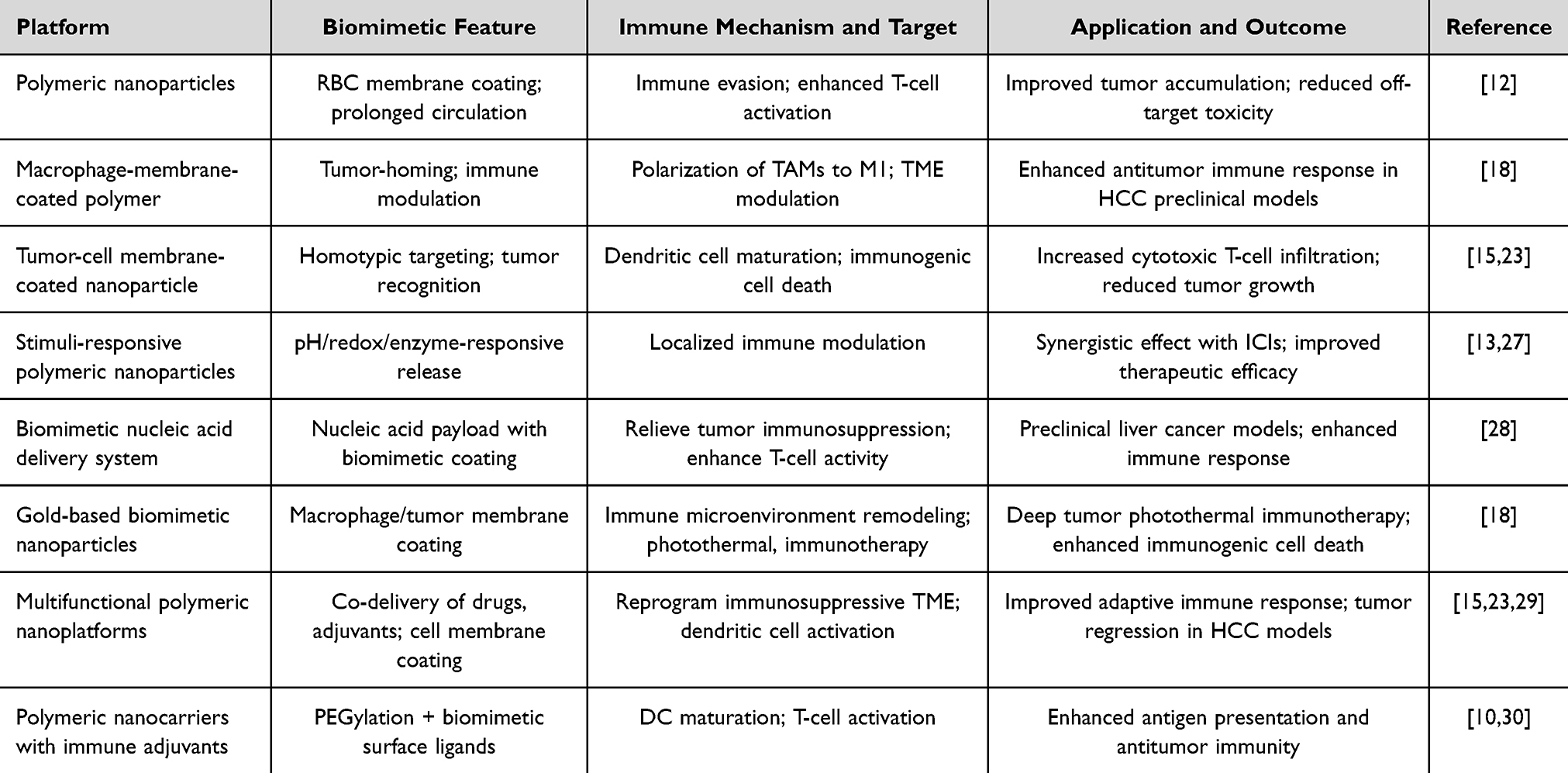 |
Table 1 Tabular Representation of the Biomimetic Polymer-Based Nanomaterials for Immune-Responsive Hepatocellular Carcinoma Therapy |
Even with the promise of immunotherapy in the treatment of liver cancer, its clinical utility is greatly impeded by the existing hurdles in the hepatic immune microenvironment, such as the intense immunosuppression mediated by tumor-associated macrophages, regulatory T cells, and myeloid-derived suppressor cells, which cumulatively suppress the activation and infiltration of antitumor T cells, while other factors such as cytokine dysregulation, hypoxia, and anatomic barriers prevent the entry of immune cells and immunotherapeutic agents into the tumor sites.31,32 The previously mentioned natural hurdles are further exacerbated by the poor targeting and resistance mechanisms of immunotherapeutic agents in HCC patients.33 Nanomedicine has attracted great attention to overcome these challenges by facilitating targeted delivery of immunomodulatory drugs, improving penetration of the tumor, and reprogramming the immunosuppressive tumor microenvironment through controlled release, co-delivery of payloads, and modulation of immune cells.27,30 Specifically, biomimetic polymer nanomaterials that combine polymeric carriers with biologically inspired components such as cell membrane surface modification, receptor-targeting ligands, and responsiveness to external stimuli offer a rational approach to enhance biocompatibility, resist premature immune elimination, and provide targeted delivery to cancer and immune cells, thus potentiating both innate and adaptive antitumor immunity with minimized systemic toxicity.12,28 The HCC often overexpresses the glypican-3 (GPC3), a GPI-anchored oncofetal proteoglycan, and the high affinity ligands include monoclonal antibodies, peptides, or aptamers against GPC3, used in ADCs, imaging and CAR-T therapy.34 In contrast, asialoglycoprotein receptor (ASGPR) on hepatocytes recognizes Gal/GalNAc residues, where the ligands include galactose, lactose, lactobionic acid (glycans) or multivalent GalNAc clusters.35 Biomimetic systems have great potential to replicate natural biological surfaces to promote long circulation, specific homing, and immune modulation, making them highly desirable for overcoming hepatic immune tolerance and improving the efficacy of immunotherapy.33,36 In view of these benefits, this review systematically discusses the challenges to effective immunotherapy in the liver tumor microenvironment, explains the rationale for using biomimetic polymer-based nanoplatforms, and introduces the latest progress in their design, mechanisms, and therapeutic effects. This also overviews the challenges in translation, including scalability, and future directions for combining biomimetic nanotechnology with immune strategies to promote hepatocellular carcinoma therapy.33,37,38
Liver Immunological Characteristics
The liver is a special immunological organ that has the dual function of maintaining immune tolerance and immune surveillance. Due to its continuous exposure to antigens and microbial products from the gut via the portal circulation, the hepatic immune system has developed unique strategies to prevent excessive inflammation and autoimmunity.39,40 This tolerogenic microenvironment is maintained by liver sinusoidal endothelial cells, hepatocytes, Kupffer cells, and resident antigen-presenting cells that express antigens with low co-stimulatory signals, resulting in T cell energy or the generation of regulatory T cells (Tregs) and immunosuppressive cytokines interleukin-10 (IL-10) and transforming growth factor-β (TGF-β). Figure 2 illustrates the function of these immune cells in HCC. The liver contains a variety of immune cells, including Kupffer cells, dendritic cells, natural killer (NK) cells, natural killer T (NKT) cells, and conventional CD4+ and CD8+ T lymphocytes, which work in concert to maintain immune surveillance against transformed cells.41–44
 |
Figure 2 Role of the immune cells, including Kupffer cells, dendritic cells, natural killer (NK) cells, natural killer T (NKT) cells, and conventional CD4+ and CD8+ T lymphocytes in HCC.41 |
Kupffer cells help to fight against circulating antigens but often display a tolerogenic phenotype characterized by PD-L1 expression and IL-10 secretion, which limits effective T cell activation.45 Hepatic dendritic cells have reduced antigen-presenting capacity and preferentially promote T cell tolerance through the production of indoleamine-2,3-dioxygenase and anti-inflammatory cytokines.46 Although NK and NKT cells represent major effector populations involved in tumor cell elimination, their cytotoxic activity is frequently impaired in chronic liver disease and hepatocellular carcinoma (HCC), thereby weakening immune surveillance and facilitating tumor progression.47
Immunosuppressive Tumor Microenvironment (TME) for HCC
The growth and development of HCC are closely linked to the creation of a highly immunosuppressive tumor microenvironment that supports immune evasion and resistance to immunotherapy. Regulatory T cells (Tregs) are found to be significantly increased in HCC tissues and peripheral blood, where they inhibit the function of cytotoxic T lymphocytes by secreting IL-10 and TGF-β, and by inducing T cell exhaustion phenotypes, which ultimately result in poor prognosis.3,48,49 Another study shows that Myeloid-derived suppressor cells (MDSCs) are another predominant population of immunosuppressive cells in HCC, which are attracted to the tumor microenvironment by tumor-derived chemokines and growth factors like vascular endothelial growth factor and granulocyte macrophage colony-stimulating factor. These cells help suppress effector T cells and NK cells by producing arginase-1, reactive oxygen species, and nitric oxide, while also supporting Treg cell expansion and angiogenesis.50,51 Tumor-associated macrophages (TAMs), of Kupffer cell and infiltrating monocyte lineages, offers polarized M2-like phenotype that improves tumor growth, angiogenesis, metastasis, and immunosuppression. TAMs produce cytokines like IL-6, IL-1β, and tumor necrosis factor-α, as well as chemokines like CCL2, which further recruit immunosuppressive leukocytes, thus potently amplifying the immunosuppressive circuitry in the TME.52,53 In the same way, aberrant cytokine signaling and immune checkpoint activation further impair antitumor immunity. High expression of IL-10 and TGF-β suppresses the activation of effector lymphocytes, whereas overexpression of programmed death-1 (PD-1), programmed death ligand-1 (PD-L1), and cytotoxic T lymphocyte antigen-4 (CTLA-4) enhances T cell exhaustion and immune evasion.1,54 Thus, a hostile immune milieu is created that impairs the spontaneous rejection of tumors and the clinical efficacy of immune checkpoint blockers and other immunotherapies in HCC patients.
Implications for Nanomaterial-Based Immunotherapy
The strong immunosuppressive environment of the hepatic tumor microenvironment is a significant challenge to successful immunotherapy, and thus, approaches are needed that can activate antitumor immunity with a focus on minimizing systemic toxicity. Nanomaterials-based immunotherapeutic systems provide distinct advantages for targeted delivery, controlled release, and spatial regulation of immunomodulatory agents in the tumor and lymphoid tissues, as indicated in Figure 3.30,55 pH, redox, or enzyme-responsive nanocarriers for the controlled release of therapeutic agents can selectively target immunosuppressive cell types such as TAMs and MDSCs, promote antigen presentation, and restore cytotoxic T-cell activity with fewer side effects.56,57 Biomimetic nanomaterials provide improved biocompatibility and immune evasion by cell membrane modification and receptor-mediated targeting, which helps in extended circulation and preferential accumulation of the nanomaterials in the hepatic TME.11,28 These advanced nanoplatforms give new opportunities to reprogram the immunosuppressive microenvironment, improve immune cell infiltration, and synergize with immune checkpoint inhibitors, vaccines, and adoptive cell therapies, thereby representing a promising approach for overcoming therapeutic resistance in liver cancer.
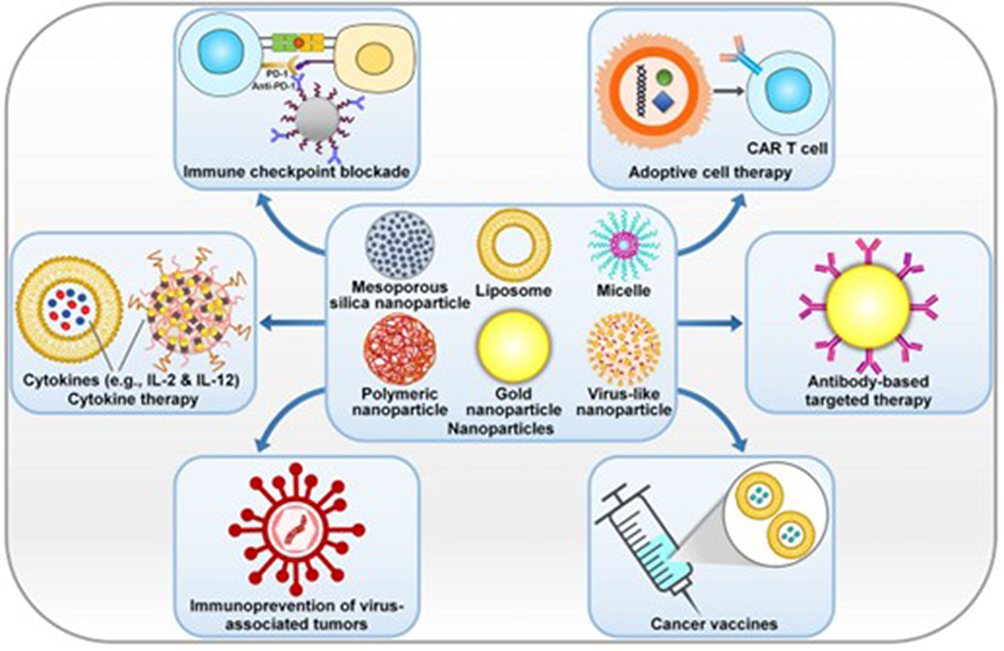 |
Figure 3 Schematic representation of nanomaterial-based immunotherapy strategies. Nanoparticles, including liposomes, polymeric, mesoporous silica, and virus-like particles, deliver immunomodulatory agents for cytokine therapy, checkpoint blockade, and adoptive cell therapy, antibody-based targeting, vaccines, and prevention of virus-associated tumors.55 |
Design Principles of Biomimetic Polymer-Based Nanomaterials
The biomimetic polymeric nanoparticles for HCC are being engineered to mimic the biological cues and physicochemical properties to enhance the targeting and immune modulation of the hepatic tumors. These designs are discussed below with their representative examples.
Polymer Selection and Functionalization
The development of efficient biomimetic polymer nanomaterials requires the selection of polymers that can deliver therapeutic loads while preserving biodegradability, biocompatibility, and low immunogenicity. Synthetic polymers like poly (lactic-co-glycolic acid) (PLGA), polyethylene glycol (PEG), and relevant block copolymers have degradation rates, surface properties, and controlled release profiles that can be tailored for immunomodulatory purposes.58,59 These materials can also be functionalized with ligands for targeting and materials such as PEG to increase circulation times and evade phagocytic clearance. Natural polymers such as chitosan, alginate, and hyaluronic acid have inherent biocompatibility and targeting ability, for instance, the ability of hyaluronic acid to target cells through binding to CD44 receptors that are overexpressed on tumor and immune cells.60–63 A schematic illustration of polymer selection and surface functionalization strategies for immune-responsive nanocarriers is shown in Figure 4.
 |
Figure 4 Schematic illustration of polymer selection and surface functionalization strategies for immune-responsive nanocarriers.63 |
These approaches to functionalization depend on the chemical coupling of immune-stimulatory ligands or responsive elements that help to enable site-specific cargo release in response to tumor-associated cues, including low pH and high oxidative stress levels.13 By combining the natural and synthetic polymers, these hybrid materials exploit the enhanced structural tunability offered by the synthetic polymer while preserving the biological recognition properties of natural polymers. The small sized nanoparticles exploit the enhanced permeability for tumor accumulation. Similarly, the optimization of their shape and charge enhances uptake by Kupffer cells against the tumor cells. The positively charged or pH responsive polymers allow the endosomal escape and controlled release in the acidic tumor environments. For example, a pH sensitive PLGA nanoparticle delivering a STAT3 inhibitor reprogrammed the TAMs from M2 to M1, enhanced the response of CD8+ T cells, and significantly inhibited the growth of HCC in mice.64 Additionally, the polymer cores stabilized by the lipid layers combine polymer versatility with the biocompatibility of liposomes, for example, the lipid polymer nanoparticles delivering mRNA or checkpoint inhibitors for HCC.
Biomimetic Strategies
Biomimetic approaches promote nanomaterials with high performance by integrating biological cues or surfaces that resemble natural cells to better evade the immune response, target, and treat. Cell membrane wrapping is one of the most important approaches, in which biodegradable polymers such as PLGA or PEGylated platforms are coated with membranes isolated from tumor cells, immune cells, or erythrocytes, which confer nanoparticles with self-like signatures to evade innate immunity and promote tumor tropism.26,65 This method resembles natural surfaces, allowing nanoparticles to circulate for a longer period and specifically interact with tumor cells and immune cells. Another important biomimetic approach is ligand-receptor mimicry, in which receptors or peptides that specifically bind to certain cell surface markers are attached to polymeric carriers to target specific uptake or interaction with immune cells.66 Moreover, extracellular matrix-inspired designs incorporate components such as collagen or matrix-sensitive linkers into polymeric backbones, which allow nanomaterials to migrate through the dense stromal tissue and release their payload in response to enzymes overexpressed in the TME.67
Coating the polymeric cores with cancer cell or immune cell membranes enhances the targeting, eg, the mesoporous silica nanoparticles cloaked with the GPC3 targeted CAR-T cell membranes selectively homed to the HCC cells, killing the tumor cells in mice.68 Similarly, the platelet membrane camouflaged silica nanoparticles co-loaded with sorafenib and anti PD-1 antibody enhanced the hepatic tumor targeting, activated cytotoxic T cells and suppressed the growth of tumor.69 The polymers can also be imprinted with peptides or antibodies, eg, magnetic poly (ethylene-co-vinyl alcohol) nanoparticles imprinted with a PD-1 peptide bound NK-cell PD-1 and blocked its immunosuppressive signal.69
Immune-Responsive Features
To effectively modulate tumor immunity, biomimetic polymer nanomaterials are frequently engineered with stimuli-responsive features that respond to the biochemical environment of tumors or immune tissues. pH-responsive systems exploit the acidic extracellular pH of tumors to trigger conformational changes or cleavage of acid-labile bonds, ensuring release of immunotherapeutic cargo specifically at the tumor site.13,58 Enzyme-responsive polymers incorporate peptide sequences cleaved by tumor-associated proteases such as matrix metalloproteinases (MMPs), enabling localized activation of nanoparticles and release of adjuvants or antigens, as shown in Figure 5.70
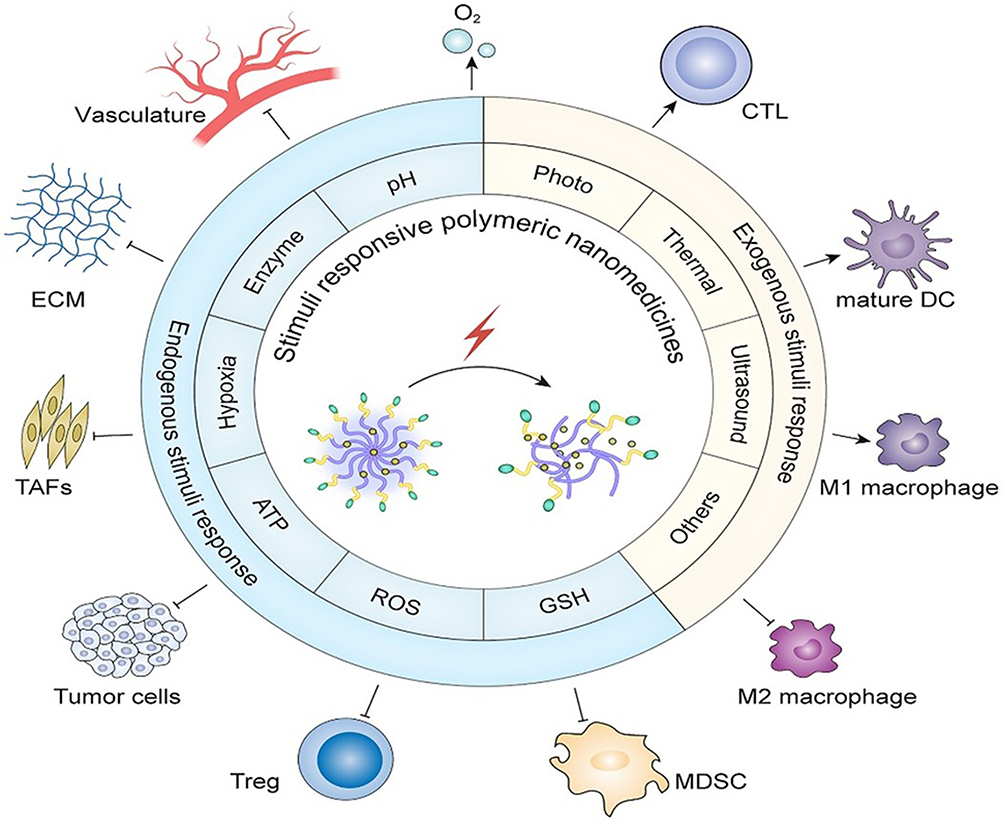 |
Figure 5 Schematic representation of stimuli-responsive polymeric nanomedicines modulating the tumor microenvironment.67 |
Redox-sensitive materials take advantage of the high concentration of glutathione or reactive oxygen species in tumors to cleave disulfide bonds or ROS-sensitive bonds, leading to disassembly and controlled release of the payload.58,71 Recently, dual and multi-stimuli responsive nano-platforms that combine more than one stimulus (such as pH and ROS) have been designed to give more precise control over immune activation and release kinetics. These intelligent design elements can enhance the bioavailability of the payload in the target tissue, minimize systemic toxicity, and potentially work in combination with immune checkpoint inhibitors to boost antitumor immunity.13,59,72 Drugs like the STAT3 inhibitors or the innate adjuvant loaded in targeted nanoparticles shift the TAMs toward M1 and alleviate the immunosuppression.64 The biomimetic nanoparticles carrying tumor antigens or danger signals are taken up by dendritic cells and boost the antigen cross-presentation and T cell priming. The delivery of cytokines or checkpoint blockers by nanoparticles directly expands the cytotoxic lymphocytes. The CAR-T membrane nanoparticles and platelet nanoparticles led to enhanced T-cell infiltration and tumor killing.68,69
Types of Biomimetic Polymer-Based Nanomaterials
Biomimetic polymer nanomaterials have been identified as a cutting-edge approach in current cancer therapy, where the principles of nature-inspired design are utilized to address the shortcomings of traditional nanomedicines. Biomimetic polymer nanomaterials combine the versatility of synthetic polymers with biological information from cell membranes, peptides, or other naturally occurring molecules to enhance biocompatibility, targeted delivery, and immune modulation.60,73 Specifically, immune evasion, prolonged systemic circulation, and enhanced tumor targeting are achieved in polymer carriers modified or coated with biomimetic components such as cell membranes, thereby addressing important challenges associated with rapid clearance and off-target effects.26,74 Biomimetic nanoplatforms for HCC immunotherapy include membrane coated nanoparticles, polymersomes, and ligand-functionalized polymer nanoparticles. Representative payloads include neoantigen peptides, mRNAs, CpG/STING agonists and siRNA.75,76 Current developments in biomimetic nano delivery systems for cancer immunotherapy have been aimed at designing complex core-shell structures, in which a synthetic polymeric core is masked by membranes derived from erythrocytes, immune cells, or cancer cells, thus taking advantage of the complementary properties of both materials to improve tumor accumulation and trigger antitumor immune responses.77 Apart from cancer therapy, self-assembly approaches based on peptides have also been investigated for designing functional nanostructures with the ability to modulate the immune microenvironment and promote antigen presentation, thus further expanding the applications of biomimetic polymer systems in immunotherapy. Furthermore, recent progress in multifunctional biomimetic designs involving ferroptosis induction pathways, ultrasound-assisted penetration, or dual membrane types indicates promising synergistic therapeutic effects and possible clinical development routes.78,79 Although there has been considerable progress, the translation of these biomimetic systems into the clinic is still limited by the challenges of scalability and reproducibility in manufacturing, as well as complex biological interactions. The biomimetic nanoparticles inherit cell membrane proteins or display the targeting ligands to home to tumors and immune cells, eg, the platelet or cancer cell membrane coated nanoparticles present the CD47/self-markers and tumor antigens, accumulating in the tumor microenvironment. The surface modifications engage the receptors to trigger endocytosis and the payloads such as TLR/STING agonists, cytokines (eg. IFN-γ), or siRNA against CSF-1R, skew TAMs from M2 to M1, elevating IL-12/TNF and the expression of MHC-II.28
Cell Membrane Camouflaged Polymeric Nanoparticles
The idea of cell membrane camouflaged polymeric nanoparticles was born as a biomimetic approach to overcome the biological constraints of traditional nanocarriers, including rapid immune clearance, non-specific distribution, and poor biocompatibility. Traditional nanoparticle formulations, although successful in drug loading and release, commonly failed in vivo due to opsonization and uptake by the mononuclear phagocytic system. The tumor, immune, and red blood cell membranes each carry distinct immunosuppressive markers that affect the immunity and targeting of cancer. The tumor cells overexpress the PD-L1 and CD47 on their surface to engage the T cell PD-1 or macrophage SIRPα respectively.80,81 A bulky glycocalyx rich in glycoprotein further shields the tumor antigens, and the tumor derived exosomes bearing the PD-L1 or the suppressive miRNAs reprogram immune cells. In contrast, the erythrocyte membranes naturally lack MHC and bear CD47 so the red blood cell coated nanoparticles escape the clearance and circulate for longer time.82,83 The leukocyte derived membranes present self markers (CD47, integrins) and chemokine receptors, prolonging circulation and homing to inflammation. These membrane features are repurposed for therapy where the cancer cell membrane coated nanoparticles retain tumor antigens for homotypic targeting, while the red blood cell or immune cell membrane camouflage the particles, evade phagocytosis and accumulate in tumors.82,83 This study is generally considered the pioneering work in the field of cell membrane camouflaging technology and initiated the development of a new generation of biomimetic nanomaterials. Cell membrane camouflaged polymeric nanoparticles represent an advanced class of biomimetic nanomaterials that merge synthetic polymer cores with natural cell membranes to mimic the biological functions of native cells. These systems have shown remarkable immune evasion, prolonged circulation time, and targeted delivery in cancer immunotherapy and drug delivery applications.26,84 For example, the use of cancer cell membranes to coat polymeric nanoparticles improves homotypic targeting, where the nanoparticles show a preference to bind to tumors of the same type because of protein recognition in the cell membranes, thus improving tumor accumulation and efficacy. Additionally, the use of immune cell membranes, such as macrophage or leukocyte membranes, improves immune modulation by taking advantage of natural interactions between immune cells, while also improving infiltration into tumors and preventing rapid clearance from the body.66,84,85 The combination of synthetic polymer carrier properties, such as controlled release and biodegradability, with natural biological properties of cell membranes, has been shown to be more effective in preventing off-target toxicity while improving antitumor effects.77 Recent studies explored hybrid membrane sources and engineered cell surfaces to fine-tune targeting and immune engagement, broadening the applicability of these nanocarriers in personalized tumor therapies and multifunctional nano-platforms.86
Biomimetic Polymer Micelles and Vesicles
Biomimetic polymer micelles and vesicles were designed to imitate the phenomenon of self-assembly and structural organization found in biological membranes. The early research work was conducted on amphiphilic block copolymers that could self-assemble into micelles and vesicles in aqueous solutions. The early applications of these biomimetic polymers were assessed for their ability to enhance the solubility of drugs. Biomimetic polymer micelles and vesicles are formed by the self-assembly of amphiphilic block copolymers into supramolecular nanostructures with hydrophilic shells and hydrophobic cores, mimicking natural vesicles in morphology and function.87,88 Polymeric micelles can efficiently encapsulate hydrophobic drugs or immunomodulators, improves a solubility and stability, and offer controlled release profiles that are sensitive to the tumor microenvironment, such as pH, redox potential, or enzymes, making them suitable for targeted cancer therapy and immunotherapy. At present, biomimetic polymer micelles and vesicles are being actively researched for targeted drug delivery, gene therapy, and immunotherapy. More sophisticated designs include the use of pH-, redox-, or enzyme-responsive polymers. Targeting has been improved by the addition of peptides, antibodies, or cell-derived materials. Recent developments in micelle research involve responsive and targeting polymeric micelles that can modulate the immunosuppressive tumor microenvironment, facilitate immune checkpoint blockade delivery, and enable vaccine or antigen presentation strategies in HCC and other cancers.87,89 Conversely, polymer vesicles with bilayer architecture resemble biological membranes but provide enhanced mechanical strength and the ability to encapsulate both hydrophilic and hydrophobic cargoes in separate compartments, making them more versatile for co-delivery of drugs, genes, or immune modulators. These vesicular carriers ensure improved pharmacokinetics, reduced systemic toxicity, and enhanced tumor accumulation, especially when designed with targeted ligands or switchable functional groups that can trigger specific release at pathological sites.88,90 Recent research has shown the potential of multi-responsive polymersomes that can be triggered by pH, temperature, light, or redox signals for precise delivery and controlled immune modulation, thus taking them one step ahead towards application.72 Future studies should aim at enhancing the large-scale synthesis of biomimetic polymer assemblies. The incorporation of multi-functional properties, such as imaging and therapy, will improve the clinical relevance of biomimetic polymer assemblies. Personalized and disease-specific biomimetic designs will further improve therapeutic efficacy. Long-term safety and regulatory issues must be addressed for clinical translation.
Bioinspired Hybrid Nanoplatforms
The initial research combined polymers with biomolecules such as proteins, lipids, and polysaccharides to improve biocompatibility. These platforms were developed to address the lack of immune evasion and target traditional nanocarriers. The idea developed as nanotechnology and biomaterial design progressed. The hybrid bioinspired nano-platforms are combined with multiple material components, for example, polymers, lipids, and proteins, to form a complex environment that produces the best properties of each material for enhanced therapeutic efficacy. Polymer lipid hybrid nanoparticles (PLHNPs) leverage the strength and carrying capacity of polymers together with the biocompatibility and membrane-like properties of lipids to enhance drug loading, circulation half-life, and selective tissue targeting.91,92 Hybrid nanoparticles can be designed to encapsulate a broad range of therapeutic agents, including small molecules, peptides, nucleic acids, and imaging probes, and can be surface-modified with targeting ligands or bioinspired materials for active targeting and immune interaction.91,93 Polymer protein conjugates show covalent or supramolecular binding between polymers and biologically relevant proteins or antigens, stabilizing therapeutic proteins by promoting their biodistribution and immunogenic presentation, making them suitable for antigen-specific delivery and vaccine platforms. Beyond simple combinations, multi-component biomimetic architectures that integrate cell membrane coatings, vesicular elements, and hybrid polymer lipid or polymer protein cores provide synergistic advantages: precise tumor targeting, modulation of immunosuppressive elements in the microenvironment, and controlled cargo release. Currently, bioinspired hybrid nanoplatforms are being investigated for drug delivery, immunotherapy, and diagnostics. These nanoplatforms can have multiple functional components that allow for targeting, controlled release, and immune modulation. Cell membrane surface modification, peptide modification, and stimulus-responsive systems are commonly used. These types of nanoplatforms have demonstrated improved therapeutic effects and overcome systemic toxicity in preclinical models.94–96 These cutting-edge hybrid nano-platforms represent next-generation nanomedicine strategies that bridge biological mimicry and engineered functionality to achieve robust antitumor immunotherapeutic outcomes.
Immune-Modulating Mechanisms and Therapeutic Applications of Biomimetic Polymer-Based Nanomaterials in Liver Cancer
Hepatocellular carcinoma (HCC) has been known for many years as one of the most aggressive and lethal types of cancer. Until recently, the treatment modalities were largely restricted to surgical resection, chemotherapy, and local therapies, which offered only a modest improvement in survival. The immune-tolerant microenvironment of the liver, which is crucial for maintaining metabolic and immune homeostasis, has also made it difficult to develop effective immunotherapeutic strategies for this disease.97,98 Recently, the development of immunotherapy has brought a paradigm shift in the treatment of HCC; nevertheless, its therapeutic potential is still limited by immune suppression in the tumor microenvironment, lack of drug targeting specificity, and systemic toxicity.1 To overcome these limitations, biomimetic polymer-based nanomaterials have attracted considerable interest. By combining synthetic polymers with biological components like cell membranes, peptides, and proteins, these nanomaterials can overcome immune clearance, improve tumor accumulation, and actively regulate immune responses, such as macrophage polarization and T-cell activation.99,100 Preclinical studies have shown enhanced therapeutic efficacy and minimized off-target toxicity with these biomimetic systems.
Antigen Presentation and Nanomaterial-Assisted Cancer Vaccines
Effective antigen modulation is a basic need for the induction of a strong antitumor immune response in hepatocellular carcinoma (HCC), and that is always disrupted by impaired dendritic cell (DC) function and immune tolerance in the hepatic microenvironment. Biomimetic polymer nanomaterials are recognized as highly effective for improving the delivery of tumor-associated antigens (TAAs) and enhancing DC maturation, thus integrating innate and adaptive immunity.77,101 Polymeric nanovaccines prepared from biodegradable materials like PLGA, polypeptides, and polysaccharides allow the simultaneous delivery of antigens and immunoadjuvants, protecting TAAs from degradation and promoting sustained antigen release in lymphoid tissues.26,102 Biomimetic approaches, such as cancer cell membrane-coated polymeric nanoparticles and antigen-coated polymersomes, are highly similar to tumor antigens and promote uptake by antigen-presenting cells through homologous targeting and receptor-mediated endocytosis.103,104 The engineered polymersomes with tunable size, charge and membrane fluidity facilitate uptake by the APCs. Co-delivered innate agonists trigger the endosomal pH changes and escape, activating the inflammasome pathways. The mannose decorated polymersomes co-encapsulating the OVA antigen and a TLR7/8 agonist greatly enhanced the maturation of dendritic cells and CD8+ T cell cytokine release.76 Similarly, a cationic nano-octopus polymersome loaded with antigen achieved efficient cytosolic delivery and STING activation which resulted in antigen specific CD8+ T cells and durable antitumor immunity.105 These approaches have been shown to greatly enhance the presentation of major histocompatibility complex (MHC) class I and II molecules, resulting in increased cross-priming of CD8+ cytotoxic T cells and the establishment of long-term immune memory.106 More recent work has also shown that nanomaterial-based cancer vaccines can modulate the immunosuppressive liver microenvironment by enhancing DC migration and cytokine production, thus improving the efficacy of the vaccine while reducing systemic toxicity. Figure 6 shows the different types of nanostructures and their role in cancer vaccine designing and action.107,108
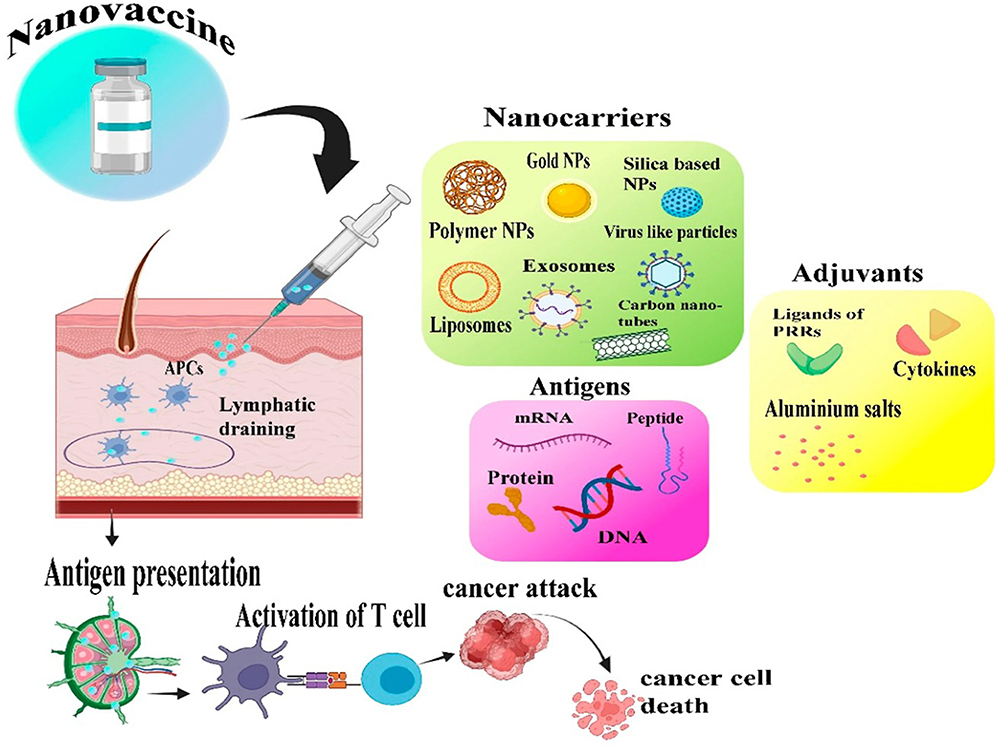 |
Figure 6 Different types of nanostructures and their role in designing cancer vaccines and regulating their action.109 |
Modulation of Innate Immunity and Combination Immunotherapy
At the mechanistic level, polymeric biomimetic nanomaterials interact with innate immunity by activating major signaling pathways like Toll-like receptor (TLR), NF-κB, and STAT pathways in macrophages, resulting in the upregulation of pro-inflammatory gene expression and M1 polarization. The reprogramming of TAMs further promotes dendritic cell maturation and antigen presentation, thus establishing a functional link between innate and adaptive immunity. The reprogramming of TAMs further promotes dendritic cell maturation and antigen presentation, thus establishing a functional link between innate and adaptive immunity. On the other hand, nanocarrier-mediated activation of NK cells further increases perforin- and granzyme-mediated cytotoxicity, thus contributing to early tumor eradication and immune priming. In combination immunotherapy, polymeric nanoplatforms carrying chemotherapeutic agents trigger immunogenic cell death (ICD), which is further marked by the exposure of calreticulin and the release of damage-associated molecular patterns such as HMGB1 and ATP, thus synergistically potentiating macrophage and NK-cell activation.110,111 Innate immune cells are crucial for the antitumor immune response in HCC, but their activities are often dysregulated toward immunosuppression. Biomimetic nanomaterials based on polymers provide unprecedented opportunities for the selective modulation of innate immunity by reprogramming tumor-associated macrophages (TAMs) and activating natural killer (NK) cells.101 Stimuli-responsive polymeric nanoparticles designed for the delivery of small molecules, nucleic acids, or immunomodulators have been demonstrated to successfully reverse the polarization state of TAMs from the pro-tumorigenic M2 type to the antitumor M1 type, thus promoting phagocytosis, antigen presentation, and the production of pro-inflammatory cytokines.10,112 In addition, immune cell membrane-coated nanoplatforms and ligand-modified polymeric carriers enable targeted activation of NK cells and macrophages, thus improving innate immune monitoring and killing of tumor cells.102 Such strategies proved beneficial when employed in combination immunotherapies, in which polymeric nanocarriers are used to co-deliver chemotherapeutic agents and immunomodulators for synergistic killing of tumor cells and relief from immunosuppression.104 It is pertinent to note that biomimetic nanomaterials have shown excellent synergy with immune checkpoint inhibitors against the PD-1/PD-L1 and CTLA-4 pathways in HCC models by promoting immune cell infiltration and relieving immunexhaustion.26,112
Regulation of Adaptive Immunity and Theranostic Nanoplatforms
Adaptive immune responses, especially T cell activation and infiltration, play a crucial role in maintaining long-term antitumor immunity but are highly impaired in liver cancer due to immune exhaustion and limited tumor infiltration. Biomimetic polymer nanomaterials have been engineered to improve adaptive immune responses by stimulating T cell priming, improving tumor infiltration, and maintaining effector functions.113,114 By functionalizing immune-responsive groups, such as pH- or redox-sensitive polymers, these nanoplatforms introduce site-specific delivery of immunotherapeutic agents in the tumor microenvironment to overcome barriers, as shown in Figure 7.115 Concurrently, theranostic biomimetic nanomaterials that combine diagnostic imaging and immunotherapy attract great attention for personalized treatment of liver cancer. Polymeric nanoplatforms that are co-formulated with imaging agents enable real-time imaging of immune activation, biodistribution, and treatment response, thereby providing immune-responsive diagnostic feedback for optimizing treatment.103 These multifunctional platforms provide a holistic approach for modulating adaptive immunity and also facilitate precision immunotherapy, making biomimetic polymer nanomaterials highly versatile and practical platforms for advanced liver cancer therapy.106,116 Moreover, nanoplatforms have shown the potential to reprogram immunosuppressive niches and macrophage phenotypes, which help in the activation of T cells, a major advancement over the previous non-targeted strategies.117
Moving forward, future research should aim at enhancing the specificity of targeting using novel ligands (antibodies, aptamers), incorporation of adaptive immunity biomarkers for feedback-controlled therapy, designing biodegradable and biocompatible materials to reduce cytotoxicity, and development of standardized regulatory guidelines and scalable manufacturing protocols to facilitate the translation of these innovative theranostic platforms into the clinic. The immune-modulating mechanisms and therapeutic applications of biomimetic polymer-based nanomaterials in liver cancer immunotherapy are listed in Table 2.
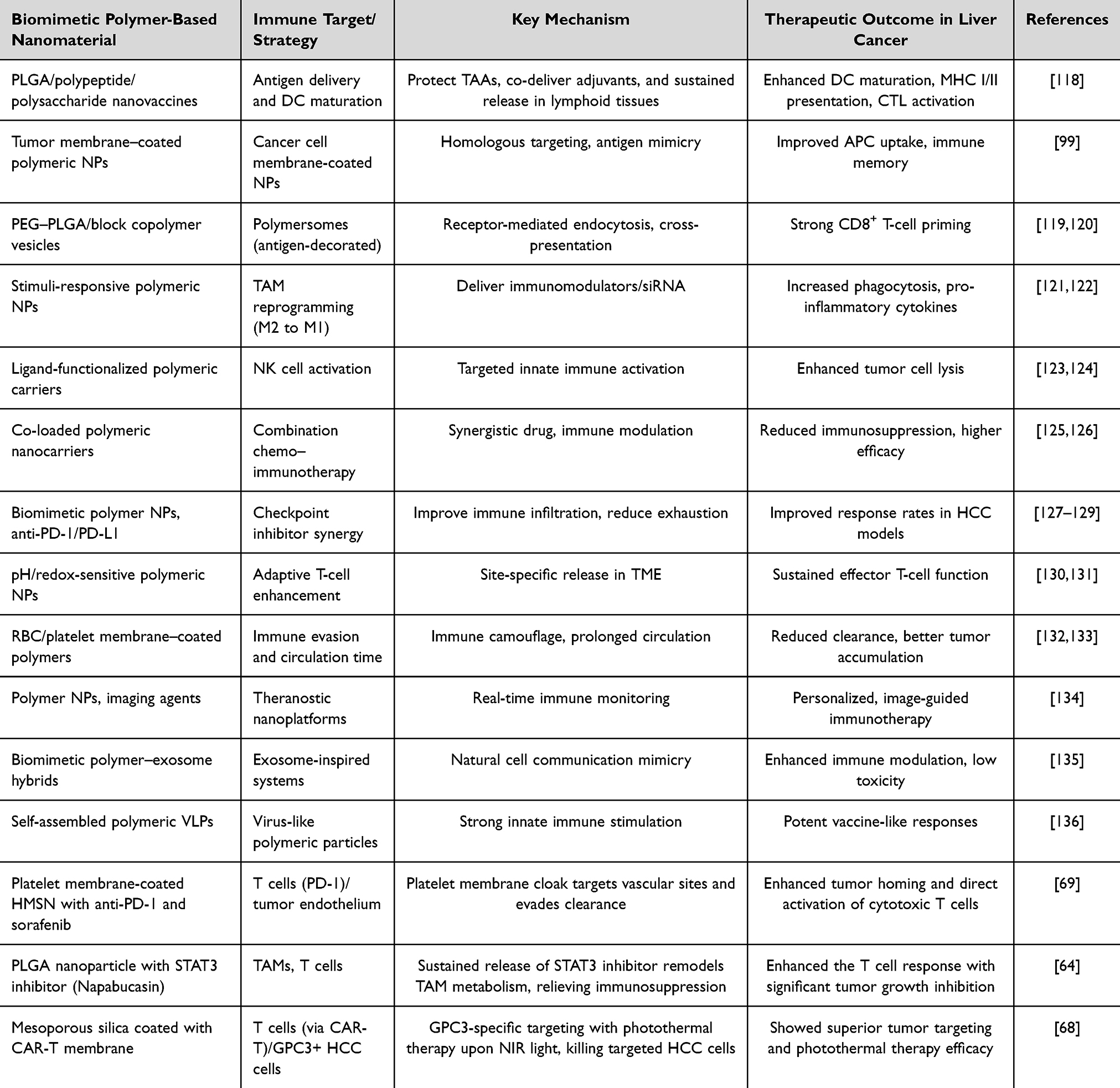 |
Table 2 Immune-Modulating Mechanisms and Therapeutic Applications of Biomimetic Polymer-Based Nanomaterials in the Immunotherapy of Hepatocellular Carcinoma |
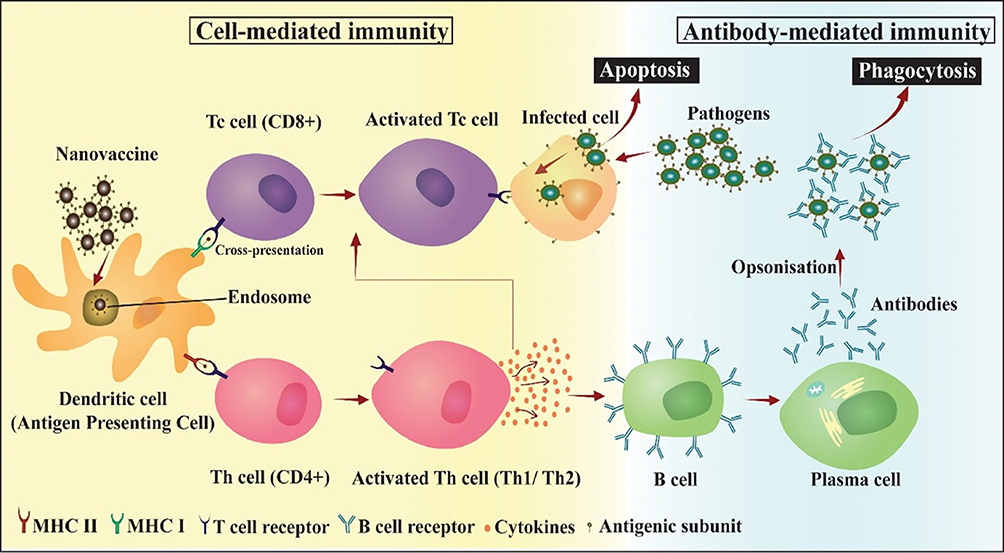 |
Figure 7 Activation of adaptive immunity by nanovaccines through functionalizing immune responsive groups, such as pH or redox-sensitive polymers, these nanoplatforms introduce site-specific delivery of immunotherapeutic agents in the tumor microenvironment to overcome barriers.116 |
Preclinical Evidence, Challenges, and Limitations of Biomimetic Polymer-Based Nanomaterials in Liver Cancer Immunotherapy
Preclinical and Emerging Clinical Evidence
Biomimetic polymer-based nanomaterials have demonstrated substantial preclinical efficacy in enhancing anticancer immune responses and optimizing delivery to tumor tissues. In vitro studies show that cell membrane-based and biomimetic nanocarriers can promote dendritic cell activation and foster T cell priming by presenting antigens in a manner that closely resembles natural immunological interactions, thereby improving immune recognition and effector function.60,137 These platforms also improved biodistribution and targeted uptake in cancer cell lines compared to non-biomimetic controls, suggesting improved delivery efficiency and reduced off-target effects.84 The biomimetic polymeric nanocarriers exhibit unique pharmacokinetic characteristics which shape their immune therapeutic application in HCC. These particles are typically administered intravenously and rapidly distribute to high flow organs and the reticuloendothelial system in liver.138 In liver, the Kupffer macrophages and the sinusoidal endothelial cells take up the nanoparticles, while smaller fractions can traverse fenestrations and reach the hepatocytes. The polymer cores undergo enzymatic hydrolysis and yield the metabolites.23 The biomimetic coatings may also add targeting ligands to favor binding on the tumor or immune cells.138 In vivo studies on murine models of hepatocellular carcinoma and other solid cancers have shown increased immune effector cell infiltration, decreased tumor growth, and increased survival rates when biomimetic nanomaterials are used alone or in combination with other immunotherapeutic approaches.139,140 For instance, approaches that combine biomimetic surface modification with pH- or enzyme-sensitive release properties have demonstrated persistent levels of tumor accumulation and activation of antitumor immune responses without causing significant systemic toxicity.31 While clinical data are still scarce in the context of liver cancer, preliminary translational studies suggest that nanomedicines, including biomimetic nano systems, may be used safely to promote immune engagement and function as efficient carriers for immunotherapeutic agents in solid tumors.55,141 Pharmacokinetic studies of these nanomaterials have shown that they have a prolonged circulation half-life, a preference for tumor localization via the enhanced permeability and retention (EPR) effect, and a controlled release profile that matches the pathological microenvironment.77,142
Challenges and Current Limitations
However, with promising preclinical data, there are multiple challenges that currently hinder the translation of biomimetic polymer-based nanomaterials into the clinic. The first significant challenge is the complexity of biomimetic fabrication, which involves a number of steps such as membrane extraction, polymer synthesis, surface functionalization, and controlled assembly that are not easily scalable.11,143 The complexity problem raises issues of reproducibility across different batches, where small variations in the biological membrane composition and polymer properties result in large variations in their biological properties.32,144 Secondly, the polymeric nanomaterials have some significant concerns regarding their chronic toxicity and biosafety. They often induce oxidative stress, inflammation, complement activation and immune responses and may cause DNA damage. These nanoparticles may accumulate in liver, spleen, lung and kidney.138 The biodegradable polymers (eg. PLGA) break down into low toxicity metabolites, but very high doses or non degradable polymers can bioaccumulate and sustain local inflammation. Comprehensive safety testing should include chronic PK, target-organ histopathology, immunotoxicity, genotoxicity and reproductive toxicity assessments.23,138 Further scalability and manufacturing are also significant issues, as most of the techniques that have been developed in the lab are not easily scalable to GMP-compliant manufacturing scales. Manufacturing of the biomimetic polymer nanoparticles faces major scale-up and reproducibility challenges because the lab scale methods suffer high batch to batch variability. Their scale up demands strict control of mixing, temperature, polymer molecular weight and other formulation parameters. Changes in the raw materials and biomimetic inputs pose further limitations. The analytical quality control must track key attributes, residual solvents, endotoxin and sterility.145,146 The cost of purification, sterilization, and quality control of large batches of materials also makes commercialization challenging.147–149 Long-term biosafety is also a major issue with these systems. Although many biomimetic nanocarriers are found to be biocompatible in the short term, long-term studies for exposure, immunogenicity, and the potential for off-target immune activation are not well explored. Biomimetic materials are potentially able to activate or induce immune tolerance depending on host variability and conditions, which would require extensive in vivo studies for safety and tolerability evaluations.150 There are also translational and regulatory hurdles. The hybrid nature of biomimetic materials, which are composed of synthetic polymers and biological molecules, poses a problem for existing regulations, which lack guidelines on how to evaluate nanobiological materials. Much information is needed by the regulatory agencies regarding toxicology, pharmacokinetics, and immunogenicity, and the lack of standardized protocols for evaluation is another factor that hinders translation to the clinical environment.32,151 The regulatory authorities have to devise the manufacturing protocols to control the large-scale production. Additionally, the cost and complexity of clinical trials in different patient populations are also translational hurdles for the rapid translation of preclinical leads to drugs.12,55,141 The major challenges in the clinical translation of biomimetic polymer-based nanomaterials for liver cancer immunotherapy are highlighted in Table 3.
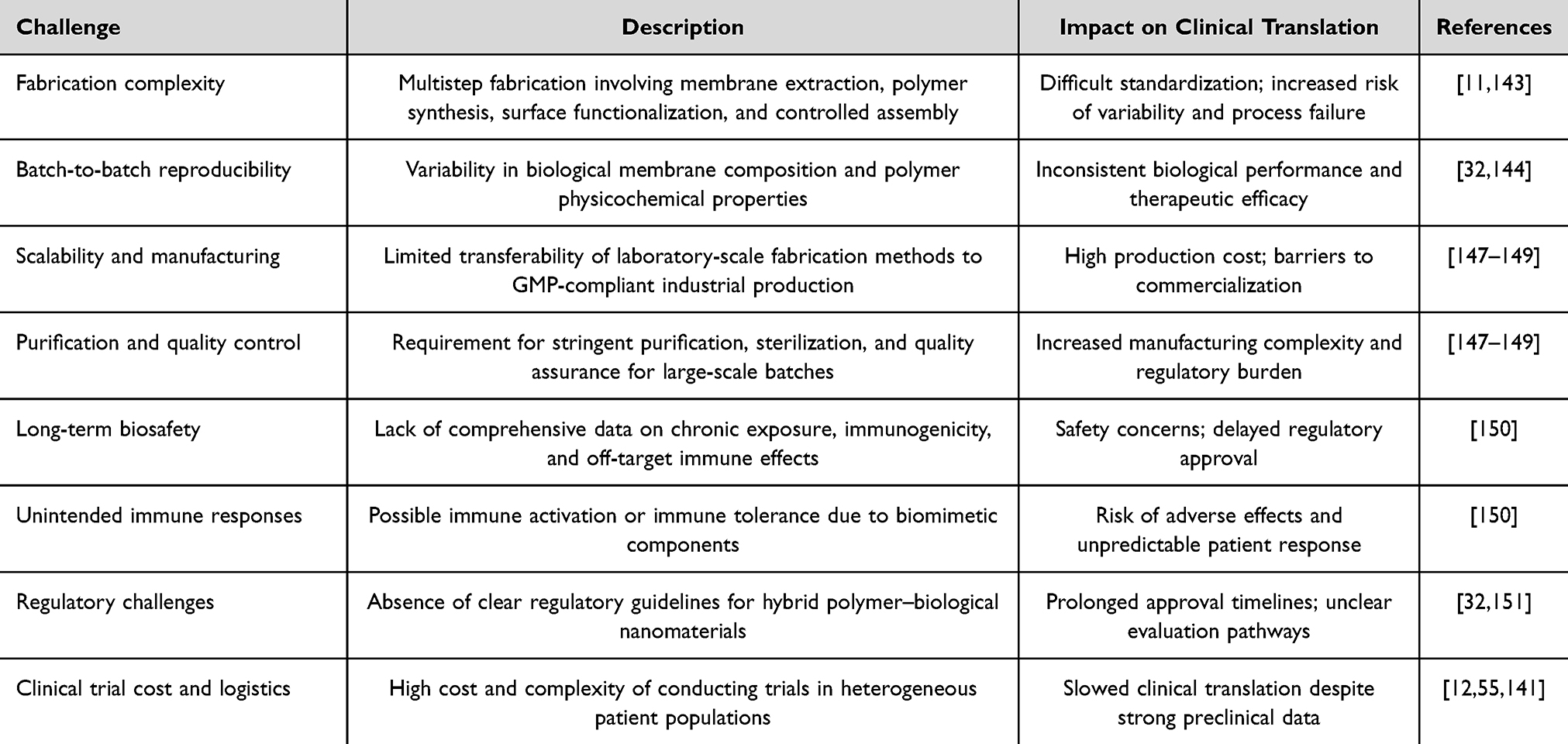 |
Table 3 Key Challenges in the Clinical Translation of Biomimetic Polymer-Based Nanomaterials for the Immunotherapy of Hepatocellular Carcinoma |
Future Perspectives
Personalized immunotherapies are soon to be on the rise in liver cancer, particularly in the form of neoantigen-based vaccines. The first clinical trials of personalized cancer vaccines in HCC have shown promising results of tumor regression when administered in combination with immune checkpoint inhibitors, suggesting better immune activation and targeted therapy based on the tumor signature of each patient.152,153 Moreover, AI and single-cell sequencing are being combined for the development of multitargeted drugs that are personalized according to the unique tumor heterogeneity of each patient, indicating a paradigm shift towards precision immunotherapeutic approaches in liver cancer.154 Smart nano-delivery systems that can be triggered by tumor microenvironmental signals (such as pH, biomarkers, or light) are being developed for multimodal therapy of liver cancer. Dual-responsive nanoplatforms have shown accurate targeting and synergistic multimodal therapy combining chemotherapy, photothermal therapy (PTT), and photodynamic therapy (PDT) in HCC models, resulting in improved therapeutic outcomes with minimal side effects.155 Stimuli-responsive nanocarriers with diverse functionalities are also designed to modify the TME, reduce hypoxia, and induce immune activation, further enhancing intelligent and patient-centric platforms for cancer treatment.156 The integration of nanotechnology with gene and cell therapies has immense potential for the management of liver cancer. Strategies such as gene therapy using nanocarriers are being investigated to modulate immune effector cells (like natural killer cells) or to induce the secretion of therapeutic cytokines to improve antitumor immunity.157 Nanoplatforms for CRISPR/Cas9 gene editing are also being investigated for highly specific genetic modification, although concerns like delivery efficiency and off-target effects remain research priorities.158 These convergent platforms are soon going to combine precision nanomedicine with the next generation of gene and cell therapy. The advanced translation of nanoplatforms for the treatment of liver cancer is also gaining momentum with improved design strategies that provide a better therapeutic index. Recent studies have highlighted the importance of scalable manufacturing, standardized clinical evaluation, and comprehensive safety profiling to move nanomedicine innovations from the laboratory to the clinic.159 Advances in precision liposomal carriers and theranostic nanoparticles are promising better tumor targeting and integrated diagnostic/therapeutic capabilities, providing a basis for future translation.160
Summary and Outlook
The efficiency of liver cancer therapy for HCC is still limited by the immunosuppressive nature of the tumor microenvironment, lower tumor targeting specificity, and systemic toxicity. Biomimetic polymer-based nanomaterials provide various strategies to overcome these issues by mimicking biological surfaces, enhancing biocompatibility, and leading to precise immune modulation. Approaches like cell membrane cloaking, stimulus-responsive release, and multifunctional hybrid assembly have already been demonstrated to enhance tumor accumulation, controlled therapeutic release, and activation of antitumor immunity in preclinical HCC models. These materials, involves camouflaged nanoparticles, micelles, vesicles, and hybrid nanostructures, also have promising results for potential synergy with traditional immunotherapies like vaccines, checkpoint inhibitors, and combination therapies. By combining polymer design, surface engineering, and immune-responsive nanotechnology, biomimetic nanomaterials provide the best platform for targeted delivery and controlled activation of immunotherapeutic agents with reduced off-target toxicity. However, their suitable preclinical results make it difficult to translate them into the clinic due to the complexity of their fabrication methods, lack of reproducibility, biosafety issues, and regulatory issues. Overcoming these hurdles requires scalable manufacturing, evaluation protocols, and design approaches based on precision. The biomimetic polymer nanoplatforms offer a highly effective and flexible approach for the improvement of immunotherapy in liver cancer. Further development and standardization of these nanoplatforms will provide a breakthrough in the development of safe, targeted, and personalized immunotherapies for HCC. The translational roadmap for future research in this area includes rigorous preclinical and safety studies and scalable manufacturing. The key preclinical work should delineate mechanistic pharmacokinetics in HCC models, detailed biodistribution, immunogenicity assessment, and optimization of dose and delivery route with co-delivered antigens and immune checkpoint inhibitors. Regulatory measures including GLP toxicology and early-phase clinical trials can streamline a bright future of biomimetic polymer-based nanomaterials for immune-responsive HCC therapy.
Data Sharing Statement
All data are available within the manuscript.
Author Contributions
All authors made a significant contribution to the work reported, whether that is in the conception, study design, execution, acquisition of data, analysis and interpretation, or in all these areas; took part in drafting, revising or critically reviewing the article; gave final approval of the version to be published; have agreed on the journal to which the article has been submitted; and agree to be accountable for all aspects of the work.
Funding
There is no source of funding.
Disclosure
The authors declare there is no conflicts of interest in this work.
References
1. Llovet JM, Castet F, Heikenwalder M, et al. Immunotherapies for hepatocellular carcinoma. Nat Rev Clin Oncol. 2022;19(3):151–23. doi:10.1038/s41571-021-00573-2
2. Ruli JTM, Pollack ED, Lodh A, Evers IIICD, Price CA, Shoreibah M. Immune checkpoint inhibitors in hepatocellular carcinoma and their hepatic-related side effects: a review. Cancers. 2024;16(11):2042. doi:10.3390/cancers16112042
3. Sangro B, Sarobe P, Hervás-Stubbs S, Melero I. Advances in immunotherapy for hepatocellular carcinoma. Nat Rev Gastroenterol Hepatol. 2021;18(8):525–543. doi:10.1038/s41575-021-00438-0
4. Oura K, Morishita A, Tani J, Masaki T. Tumor immune microenvironment and immunosuppressive therapy in hepatocellular carcinoma: a review. Int J Mol Sci. 2021;22(11):5801. doi:10.3390/ijms22115801
5. Chen C, Wang Z, Ding Y, Qin Y. Tumor microenvironment-mediated immune evasion in hepatocellular carcinoma. Review. Front Immunol. 2023. doi:10.3389/fimmu.2023.1133308
6. Akbulut Z, Aru B, Aydın F, Yanıkkaya Demirel G. Immune checkpoint inhibitors in the treatment of hepatocellular carcinoma. Front Immunol. 2024;15:1379622. doi:10.3389/fimmu.2024.1379622
7. Rizzo A, Brunetti O, Brandi G. Hepatocellular carcinoma immunotherapy: predictors of response, issues, and challenges. Int J Mol Sci. 2024;25(20):11091. doi:10.3390/ijms252011091
8. Nie Y, Li D, Peng Y, et al. Metal organic framework coated MnO2 nanosheets delivering doxorubicin and self-activated DNAzyme for chemo-gene combinatorial treatment of cancer. Int J Pharm. 2020;585:119513. doi:10.1016/j.ijpharm.2020.119513
9. Desert R, Gianonne F, Saviano A, et al. Improving immunotherapy for the treatment of hepatocellular carcinoma: learning from patients and preclinical models. Npj Gut and Liver. 2025;2(1):8. doi:10.1038/s44355-025-00018-y
10. Bhatt J, Jain S, Gupta S, Bhatia DD. Nanomedicine revolutionizing cancer immunotherapy: recent advancements in nanotechnological strategies and applications. Nanoscale Adv. 2025;7(22):7086–7108. doi:10.1039/D5NA00390C
11. Han X, Gong C, Yang Q, Zheng K, Wang Z, Zhang W. Biomimetic nano-drug delivery system: an emerging platform for promoting tumor treatment. Int J Nanomed. 2024;571–608. doi:10.2147/IJN.S442877
12. Mohammad IS, Kursunluoglu G, Patel AK, et al. Better together: biomimetic nanomedicines for high performance tumor therapy. Beilstein J Nanotechnol. 2025;16(1):1246–1276. doi:10.3762/bjnano.16.92
13. Yu Z, Shen X, Yu H, Tu H, Chittasupho C, Zhao Y. Smart polymeric nanoparticles in cancer immunotherapy. Pharmaceutics. 2023;15(3):775. doi:10.3390/pharmaceutics15030775
14. Panigrahi LL, Samal P, Sahoo SR, et al. Nanoparticle-mediated diagnosis, treatment, and prevention of breast cancer. Nanoscale Adv. 2024;6(15):3699–3713. doi:10.1039/D3NA00965C
15. Kong F, Xia T, Zhu X, et al. Tumor-microenvironment responsive nanomodulator for near infrared photothermal immunotherapy of hepatocellular carcinoma. J Nanobiotechnol. 2025;23(1):417. doi:10.1186/s12951-025-03440-9
16. Chang Y, Lv Y, Wei P, et al. Multifunctional glyco-nanofibers: siRNA induced supermolecular assembly for codelivery in vivo. Adv Funct Mater. 2017;27(44):1703083. doi:10.1002/adfm.201703083
17. Peng X, Liu Z, Luo C, et al. PSMD12 promotes hepatocellular carcinoma progression by stabilizing CDK1. Front Immunol. 2025;16. doi:10.3389/fimmu.2025.1581398
18. Huang H, Xie Z, Li N, et al. Biomimetic gold nano-modulator for deep-tumor NIR-II photothermal immunotherapy via gaseous microenvironment remodeling strategy. J Nanobiotechnol. 2025;23(1):1–20. doi:10.1186/s12951-025-03304-2
19. Ma K, Chen Z, Liang K, Pei Y, Pei Z. A near-infrared light-driven Janus nanomotor for deep tumor penetration and enhanced tumor immunotherapy. Chem Commun. 2024;60(71):9550–9553. doi:10.1039/D4CC03445G
20. Hu X, Shen Z, Hao H, et al. NIR II light-driven nanomotor synergistically enhances immunogenic cell death through photothermal and chemodynamic therapy for melanoma immunotherapy. J Colloid Interface Sci. 2025;694:137688. doi:10.1016/j.jcis.2025.137688
21. Wang X, Sun K, Dong J, et al. Carrier-free nanoparticles based on natural products trigger dual “synergy and attenuation” for enhanced phototherapy of liver cancer. Mater Today Bio. 2025;35:102278. doi:10.1016/j.mtbio.2025.102278
22. Qiu S, Zhu F, Tong L. Application of targeted drug delivery by cell membrane-based biomimetic nanoparticles for inflammatory diseases and cancers. Eur J Med Res. 2024;29(1):523. doi:10.1186/s40001-024-02124-8
23. Vijayan V, Unagolla JM, Panchal D, John JE, Menon SS, Menon JU. Biomimetic nanoparticles for targeted therapy of liver disease. RSC Pharmaceut. 2025;2(4):667–682. doi:10.1039/D5PM00044K
24. Luo F, Yu Y, Li M, et al. Polymeric nanomedicines for the treatment of hepatic diseases. J Nanobiotechnol. 2022;20(1):488. doi:10.1186/s12951-022-01708-y
25. Soman S, Kulkarni S, Kulkarni J, et al. Metal–organic frameworks: a biomimetic odyssey in cancer theranostics. Nanoscale. 2025;17(20):12620–12647. doi:10.1039/D5NR00794A
26. Zhong Z, Deng W, Wu J, et al. Cell membrane coated nanoparticles as a biomimetic drug delivery platform for enhancing cancer immunotherapy. Nanoscale. 2024;16(18):8708–8738. doi:10.1039/D4NR00284A
27. Hu J, Arvejeh PM, Bone S, Hett E, Marincola FM, Roh K-H. Nanocarriers for cutting-edge cancer immunotherapies. J Transl Med. 2025;23(1):447. doi:10.1186/s12967-025-06435-0
28. Yu H, Wu M, Chen S, Song M, Yue Y. Biomimetic nanoparticles for tumor immunotherapy. Front Bioeng Biotechnol. 2022;10:989881. doi:10.3389/fbioe.2022.989881
29. Abubakar AS, Ahmad B, Ahmad N, et al. Physicochemical evaluation, structural characterization, in vitro and in vivo bioactivities of water-soluble polysaccharides from Luobuma (Apocynum L.) tea. Food Chem. 2024;460:140453. doi:10.1016/j.foodchem.2024.140453
30. Kiaie SH, Salehi-Shadkami H, Sanaei MJ, et al. Nano-immunotherapy: overcoming delivery challenge of immune checkpoint therapy. J Nanobiotechnol. 2023;21(1):339. doi:10.1186/s12951-023-02083-y
31. Liao X, Zhou J, Feng L, et al. Responsive biomaterials for therapeutic strategies of hepatocellular carcinoma. Front Bioeng Biotechnol. 2025;13:1673134. doi:10.3389/fbioe.2025.1673134
32. Gao Z, Wan D, Luo M, Wei X. Application of nanomedicines in tumor immunotherapy. J Mol Cell Biol. 2024;16(12):mjae055. doi:10.1093/jmcb/mjae055
33. Lotfabadi AS, Abadi B, Rezaei N. Biomimetic nanotechnology for cancer immunotherapy: state of the art and future perspective. Int J Pharm. 2024;654:123923. doi:10.1016/j.ijpharm.2024.123923
34. Grega SD, Zheng DX, Zheng Q-H. Imaging ligands targeting glypican-3 receptor expression in hepatocellular carcinoma. Am J Nucl Med Mol Imaging. 2022;12(4):113.
35. Ji G, Li Y, Zhang Z, Li H, Sun P. Recent advances of novel targeted drug delivery systems based on natural medicine monomers against hepatocellular carcinoma. Heliyon. 2024;10(2). doi:10.1016/j.heliyon.2024.e24667
36. Yan W, Cao Y, Yin Q, Li Y. Biomimetic nucleic acid drug delivery systems for relieving tumor immunosuppressive microenvironment. Pharmaceutics. 2024;16(8):1028. doi:10.3390/pharmaceutics16081028
37. Zheng C, Li M, Ding J. Challenges and opportunities of nanomedicines in clinical translation. Bio Integr. 2021;2(2):57. doi:10.15212/bioi-2021-0016
38. Shi Y, Lammers T. Combining nanomedicine and immunotherapy. Acc Chem Res. 2019;52(6):1543–1554. doi:10.1021/acs.accounts.9b00148
39. Jenne CN, Kubes P. Immune surveillance by the liver. Nat Immunol. 2013;14(10):996–1006. doi:10.1038/ni.2691
40. Crispe IN. The liver as a lymphoid organ. Ann Rev Immunol. 2009;27(1):147–163. doi:10.1146/annurev.immunol.021908.132629
41. Xie D, Liu Y, Xu F, et al. Immune microenvironment and immunotherapy in hepatocellular carcinoma: mechanisms and advances. Front Immunol. 2025;16:1581098. doi:10.3389/fimmu.2025.1581098
42. Luo Z, Jiang M, Cheng N, et al. Remodeling the hepatic immune microenvironment and demolishing T cell traps to enhance immunotherapy efficacy in liver metastasis. J Control Release. 2024;373:890–904. doi:10.1016/j.jconrel.2024.07.057
43. Doherty DG. Immunity, tolerance and autoimmunity in the liver: a comprehensive review. J Autoimmun. 2016;66:60–75. doi:10.1016/j.jaut.2015.08.020
44. Highton A, Schuster I, Degli-Esposti M, Altfeld M. The Role of Natural Killer Cells in Liver Inflammation. Springer; 2021:519–533.
45. Triantafyllou E, Gudd CL, Mawhin M-A, et al. PD-1 blockade improves Kupffer cell bacterial clearance in acute liver injury. J Clin Invest. 2021;131(4). doi:10.1172/JCI140196.
46. Lurje I, Hammerich L, Tacke F. Dendritic cell and T cell crosstalk in liver fibrogenesis and hepatocarcinogenesis: implications for prevention and therapy of liver cancer. Int J Mol Sci. 2020;21(19):7378. doi:10.3390/ijms21197378
47. Tavakoli S, Samareh-Salavati M, Rahnama MA, et al. Natural killer cell therapy in hepatocellular carcinoma: a comprehensive review. Discover Oncol. 2025;16(1):1348. doi:10.1007/s12672-025-03138-2
48. Fu J, Xu D, Liu Z, et al. Increased regulatory T cells correlate with CD8 T-cell impairment and poor survival in hepatocellular carcinoma patients. Gastroenterology. 2007;132(7):2328–2339. doi:10.1053/j.gastro.2007.03.102
49. Bicer F, Kure C, Ozluk AA, El-Rayes BF, Akce M. Advances in immunotherapy for hepatocellular carcinoma (HCC). Current Oncol. 2023;30(11):9789–9812. doi:10.3390/curroncol30110711
50. Rodríguez PC, Ochoa AC. Myeloid-derived suppressor cells in cancer: mechanisms and therapeutic perspectives. In: Cancer Immunotherapy: Paradigms, Practice and Promise. Springer; 2012:315–333.
51. Schol P, van Elsas MJ, Middelburg J, et al. Myeloid effector cells in cancer. Cancer Cell. 2024;42(12):1997–2014.
52. Cheng K, Cai N, Zhu J, Yang X, Liang H, Zhang W. Tumor-associated macrophages in liver cancer: from mechanisms to therapy. Cancer Commun. 2022;42(11):1112–1140. doi:10.1002/cac2.12345
53. Qin R, Ren W, Ya G, et al. Role of chemokines in the crosstalk between tumor and tumor-associated macrophages. Clin Exp Med. 2023;23(5):1359–1373.
54. Abdul-Rahman T, Ghosh S, Badar SM, et al. The paradoxical role of cytokines and chemokines at the tumor microenvironment: a comprehensive review. Eur J Med Res. 2024;29(1):124.
55. Wang M, Yu F, Zhang Y. Present and future of cancer nano-immunotherapy: opportunities, obstacles and challenges. Mol Cancer. 2025;24(1):26.
56. Yang Z, Gao D, Zhao J, et al. Thermal immuno-nanomedicine in cancer. Nat Rev Clin Oncol. 2023;20(2):116–134.
57. Peng S, Xiao F, Chen M, Gao H. Tumor-microenvironment-responsive nanomedicine for enhanced cancer immunotherapy. Adv Sci. 2022;9(1):2103836. doi:10.1002/advs.202103836
58. Kim CH, Lee ES, Ko H, et al. Stimuli-responsive polymeric nanomedicine for enhanced cancer immunotherapy. Chem Mater. 2024;36(3):1088–1112. doi:10.1021/acs.chemmater.3c02472
59. Lan J, Li H, Xue J, Duan Y, Sun J, Niu M. The immune microenvironment in liver cancer: from analysis to targeting. Adv Sci. 2025;12(47):e18487. doi:10.1002/advs.202518487
60. Hu T, Huang Y, Liu J, Shen C, Wu F, He Z. Biomimetic cell-derived nanoparticles: emerging platforms for cancer immunotherapy. Pharmaceutics. 2023;15(7):1821. doi:10.3390/pharmaceutics15071821
61. B-l Y, Zheng R, X-j R, Z-h Z, H-j C. Chitosan-coated doxorubicin nano-particles drug delivery system inhibits cell growth of liver cancer via p53/PRC1 pathway. Biochem Biophys Res Commun. 2018;495(1):414–420. doi:10.1016/j.bbrc.2017.10.156
62. Alsulays BB, Aodah AH, Ahmed MM, Anwer MK. Preparation and evaluation of chitosan coated PLGA nanoparticles encapsulating ivosidenib with enhanced cytotoxicity against human liver cancer cells. Int J Nanomed. 2024;Volume 19:3461–3473. doi:10.2147/IJN.S452989
63. Ou W, Jiang L, Thapa R, et al. Combination of NIR therapy and regulatory T cell modulation using layer-by-layer hybrid nanoparticles for effective cancer photoimmunotherapy. Theranostics. 2018; 8(17):4574.
64. Song Z, Chen H, Wang X, et al. Napabucasin-loaded PLGA nanoparticles trigger anti-HCC immune responses by metabolic reprogramming of tumor-associated macrophages. J Transl Med. 2024;22(1):1125. doi:10.1186/s12967-024-05917-x
65. Lin J, Li W, Aboushanab AR, Sun J. Cancer cell membrane-coated NPs as a biomimetic strategy for precision tumor therapy. Pharmaceutics. 2025;17(10):1322. doi:10.3390/pharmaceutics17101322
66. Guo H, Guo M, Xia Z, Shao Z. Membrane-coated nanoparticles as a biomimetic targeted delivery system for tumour therapy. Biomat Transl. 2024;5(1):33. doi:10.12336/biomatertransl.2024.01.004
67. Su Y, Jin G, Zhou H, et al. Development of stimuli responsive polymeric nanomedicines modulating tumor microenvironment for improved cancer therapy. Med Rev. 2023;3(1):4–30. doi:10.1515/mr-2022-0048
68. Ma W, Zhu D, Li J, et al. Coating biomimetic nanoparticles with chimeric antigen receptor T cell-membrane provides high specificity for hepatocellular carcinoma photothermal therapy treatment. Theranostics. 2020;10(3):1281. doi:10.7150/thno.40291
69. Da X, Cao B, Mo J, et al. Inhibition of growth of hepatocellular carcinoma by co-delivery of anti-PD-1 antibody and sorafenib using biomimetic nano-platelets. BMC Cancer. 2024;24(1):273. doi:10.1186/s12885-024-12006-1
70. Li Y, Zhang X, Liu X, Pan W, Li N, Tang B. Intelligent stimuli-responsive nano immunomodulators for cancer immunotherapy. Chem Sci. 2021;12(9):3130–3145. doi:10.1039/D0SC06557A
71. Huang Q, Tong F, Chen J, et al. Tumor microenvironment-responsive nanomedicines for potentiating cancer immunotherapy. Adv Sci. 2025;12(40):e13567. doi:10.1002/advs.202513567
72. Jamirad G, Seif M, Montazeri A. Fine-tuning hydrophilic–hydrophobic balance in stimuli-responsive PEG-PNIPAM micelles for controlled drug delivery. J Mol Liq. 2025;436:128239. doi:10.1016/j.molliq.2025.128239
73. Wen Z, Song ZZ, Cai MZ, et al. Biomimetic nanomaterials based on peptide in situ self-assembly for immunotherapy applications. Wiley Interdiscip Rev Nanomed Nanobiotechnol. 2025;17(1):e70005. doi:10.1002/wnan.70005
74. Zhang Y, Zhang X, Li H, Liu J, Wei W, Gao J. Membrane-coated biomimetic nanoparticles: a state-of-the-art multifunctional weapon for tumor immunotherapy. Membranes. 2022;12(8):738. doi:10.3390/membranes12080738
75. Graván P, Marchal JA, Galisteo-González F. Improving tumor treatment: cell membrane-coated nanoparticles for targeted therapies. Mater Today Bio. 2025;32:101716. doi:10.1016/j.mtbio.2025.101716
76. Lim J-W, Lee S-E, Park H, et al. Mannose-decorated polymersomes loaded with antigens and TLR7/8 agonists targeting antigen-presenting cells for enhancing vaccine efficacy. Mater Adv. 2025;6(17):5948–5958. doi:10.1039/D5MA00115C
77. Yang J, Li X, Li T, Mei J, Chen Y. Recent advances in biomimetic nanodelivery systems for cancer Immunotherapy. Mater Today Bio. 2025;32:101726. doi:10.1016/j.mtbio.2025.101726
78. Guo J, Pan X, Wu Q, et al. Bio-barrier-adaptable biomimetic nanomedicines combined with ultrasound for enhanced cancer therapy. Signal Transduction Targeted Ther. 2025;10(1):137. doi:10.1038/s41392-025-02217-8
79. Wang B, Li J, Guo D, et al. The application progress of cell membrane biomimetic nanoparticles in cancer diagnosis and treatment1. Prog Biophys Mol Biol. 2025;197:21–33. doi:10.1016/j.pbiomolbio.2025.05.004
80. Guo X, Fu Y, Baran N, Ma W. CD47-targeted therapy in cancer immunotherapy: at a crossroads of promise and challenge. Oncol Res. 2025;33(11):3375–3385. doi:10.32604/or.2025.071708
81. Liu C, Liu D, Zheng X, et al. Munc13-4 mediates tumor immune evasion by regulating the sorting and secretion of PD-L1 via exosomes. Nat Commun. 2025;16(1):9080. doi:10.1038/s41467-025-64149-9
82. Tsamesidis I, Dryllis G, Fortis SP, et al. Smart red blood cell carriers: a nanotechnological approach to cancer drug delivery. Current Issues Mol Biol. 2025;47(9):711. doi:10.3390/cimb47090711
83. Zeng Y, Li S, Zhang S, Wang L, Yuan H, Hu F. Cell membrane coated-nanoparticles for cancer immunotherapy. Acta Pharmaceutica Sinica B. 2022;12(8):3233–3254. doi:10.1016/j.apsb.2022.02.023
84. Zhang S, Zhang X, Gao H, et al. Cell membrane-coated biomimetic nanoparticles in cancer treatment. Pharmaceutics. 2024;16(4):531. doi:10.3390/pharmaceutics16040531
85. Alimohammadvand S, Zenjanab MK, Mashinchian M, Shayegh J, Jahanban-Esfahlan R. Recent advances in biomimetic cell membrane–camouflaged nanoparticles for cancer therapy. Biomed Pharmacother. 2024;177:116951. doi:10.1016/j.biopha.2024.116951
86. Tikhonov A, Kachanov A, Yudaeva A, et al. Biomimetic nanoparticles for basic drug delivery. Pharmaceutics. 2024;16(10):1306.
87. Cheng L, Yu J, Hao T, Wang W, Wei M, Li G. Advances in polymeric micelles: responsive and targeting approaches for cancer immunotherapy in the tumor microenvironment. Pharmaceutics. 2023;15(11):2622.
88. Wan Z, Zheng R, Moharil P, et al. Polymeric micelles in cancer immunotherapy. Molecules. 2021;26(5):1220.
89. Guo K. Application of polymeric micelles for cancer treatment: a review. Highlights Sci Eng Technol. 2023;45:160–169. doi:10.54097/hset.v45i.7361
90. Negut I, Bita B. Polymersomes as innovative, stimuli-responsive platforms for cancer therapy. Pharmaceutics. 2024;16(4):463. doi:10.3390/pharmaceutics16040463
91. Hassan AA, Ramadan E, Kristó K, Regdon JG, Sovány T. Lipid-polymer hybrid nanoparticles as a smart drug delivery system for peptide/protein delivery. Pharmaceutics. 2025;17(6):797. doi:10.3390/pharmaceutics17060797
92. Persano F, Gigli G, Leporatti S. Lipid-polymer hybrid nanoparticles in cancer therapy: current overview and future directions. Nano Express. 2021;2(1):012006. doi:10.1088/2632-959X/abeb4b
93. Salel S, Iyisan B. Polymer–lipid hybrid nanoparticles as potential lipophilic anticancer drug carriers. Discover Nano. 2023;18(1):114. doi:10.1186/s11671-023-03897-3
94. Mohanty A, Uthaman S, Park I-K. Utilization of polymer-lipid hybrid nanoparticles for targeted anti-cancer therapy. Molecules. 2020;25(19):4377. doi:10.3390/molecules25194377
95. Liu Y, Xie X, Chen H, et al. Advances in next-generation lipid-polymer hybrid nanocarriers with emphasis on polymer-modified functional liposomes and cell-based-biomimetic nanocarriers for active ingredients and fractions from Chinese medicine delivery. Nanomed Nanotechnol Biol Med. 2020;29:102237. doi:10.1016/j.nano.2020.102237
96. Naskar A, Cho H, Lee S, K-s K. Biomimetic nanoparticles coated with bacterial outer membrane vesicles as a new-generation platform for biomedical applications. Pharmaceutics. 2021;13(11):1887. doi:10.3390/pharmaceutics13111887
97. Balogh J, Victor III D, Asham EH, et al. Hepatocellular carcinoma: a review. J Hepatocell Carcinoma. 2016;Volume 3:41–53. doi:10.2147/JHC.S61146
98. Ringelhan M, Pfister D, O’Connor T, Pikarsky E, Heikenwalder M. The immunology of hepatocellular carcinoma. Nat Immunol. 2018;19(3):222–232. doi:10.1038/s41590-018-0044-z
99. Fang RH, Kroll AV, Gao W, Zhang L. Cell membrane coating nanotechnology. Adv Mater. 2018;30(23):1706759. doi:10.1002/adma.201706759
100. Wang Y, Zhang P, Wei Y, et al. Cell-membrane-display nanotechnology. Adv Healthcare Mater. 2021;10(1):2001014. doi:10.1002/adhm.202001014
101. Yu X, Chen X, Yang Y, Tian Y, Jia J, Tong X. Nanomaterial assisted natural killer cell therapy. Front Immunol. 2025;16:1558701. doi:10.3389/fimmu.2025.1558701
102. Xu Z, Zhou H, Li T, et al. Application of biomimetic nanovaccines in cancer immunotherapy: a useful strategy to help combat immunotherapy resistance. Drug Resist Updates. 2024;75:101098. doi:10.1016/j.drup.2024.101098
103. Liu H, Ma N. Novel strategies for nanovaccine application in breast cancer treatment. Front Pharmacol. 2025;16:1691991. doi:10.3389/fphar.2025.1691991
104. Feng Y, Tang Q, Wang B, et al. Targeting the tumor microenvironment with biomaterials for enhanced immunotherapeutic efficacy. J Nanobiotechnol. 2024;22(1):737.
105. Wang Z, Su Y, Zhang S, et al. Octopus-inspired polymeric nanovaccine enables high antigen loading and robust T cell activation for cancer immunotherapy. J Control Release. 2026;390:114562. doi:10.1016/j.jconrel.2025.114562
106. Khatua R, Bhar B, Dey S, Jaiswal C, Mandal BB. Advances in engineered nanosystems: immunomodulatory interactions for therapeutic applications. Nanoscale. 2024;16(27):12820–12856.
107. Li Y, Fang M, Yu H, et al. Neoantigen enriched biomimetic nanovaccine for personalized cancer immunotherapy. Nat Commun. 2025;16(1):4783. doi:10.1038/s41467-025-59977-8
108. Ahmad N, Alomar SY, Albalawi F, et al. Anticancer potentiality of green synthesized Mg-Co ferrites nanoparticles against human breast cancer MCF-7 cells. J King Saud Univ Sci. 2023;35(5):102708. doi:10.1016/j.jksus.2023.102708
109. Udayakumar S, Pandiarajan S, Jessy Mercy D, et al. Revolutionizing cancer vaccine: the power of advanced nanotechnology. Chemistry. 2025;7(3):97. doi:10.3390/chemistry7030097
110. Zhang X, Wei Z, Yong T, et al. Cell microparticles loaded with tumor antigen and resiquimod reprogram tumor-associated macrophages and promote stem-like CD8+ T cells to boost anti-PD-1 therapy. Nat Commun. 2023;14(1):5653. doi:10.1038/s41467-023-41438-9
111. Khan S, Sarfraz A, Prakash O, Khan F. Machine learning-based QSAR modeling, molecular docking, dynamics simulation studies for cytotoxicity prediction in MDA-MB231 triple-negative breast cancer cell line. J Mol Struct. 2024;1315:138807. doi:10.1016/j.molstruc.2024.138807
112. Dress RJ, Ho WW, Ho V, et al. A novel polymersome nanocarrier promotes anti-tumour immunity by improved priming of CD8+ T cells. Immunology. 2025;175(1):21–35. doi:10.1111/imm.13903
113. Chen Z, Yue Z, Wang R, Yang K, Li S. Nanomaterials: a powerful tool for tumor immunotherapy. Front Immunol. 2022;13:979469. doi:10.3389/fimmu.2022.979469
114. Fan D, Cao Y, Cao M, Wang Y, Cao Y, Gong T. Nanomedicine in cancer therapy. Signal Transduction Targeted Ther. 2023;8(1):293. doi:10.1038/s41392-023-01536-y
115. Kashyap BK, Singh VV, Solanki MK, Kumar A, Ruokolainen J, Kesari KK. Smart nanomaterials in cancer theranostics: challenges and opportunities. ACS Omega. 2023;8(16):14290–14320. doi:10.1021/acsomega.2c07840
116. Bhardwaj P, Bhatia E, Sharma S, Ahamad N, Banerjee R. Advancements in prophylactic and therapeutic nanovaccines. Acta Biomater. 2020;108:1–21. doi:10.1016/j.actbio.2020.03.020
117. Yang C, Li S, Wang L. Engineered iron oxide nanoplatforms: reprogramming immunosuppressive niches for precision cancer theranostics. Mol Cancer. 2025;24(1):225. doi:10.1186/s12943-025-02443-2
118. Zhang Y, Chen J, Shi L, Ma F. Polymeric nanoparticle-based nanovaccines for cancer immunotherapy. Mater Horizons. 2023;10(2):361–392. doi:10.1039/D2MH01358D
119. Scott EA, Stano A, Gillard M, Maio-Liu AC, Swartz MA, Hubbell JA. Dendritic cell activation and T cell priming with adjuvant-and antigen-loaded oxidation-sensitive polymersomes. Biomaterials. 2012;33(26):6211–6219. doi:10.1016/j.biomaterials.2012.04.060
120. Zhu D, Hu C, Fan F, et al. Co-delivery of antigen and dual agonists by programmed mannose-targeted cationic lipid-hybrid polymersomes for enhanced vaccination. Biomaterials. 2019;206:25–40. doi:10.1016/j.biomaterials.2019.03.012
121. Fang RH, C-MJ H, Luk BT, et al. Cancer cell membrane-coated nanoparticles for anticancer vaccination and drug delivery. Nano Lett. 2014;14(4):2181–2188. doi:10.1021/nl500618u
122. Li X, Guo X, Ling J, et al. Nanomedicine-based cancer immunotherapies developed by reprogramming tumor-associated macrophages. Nanoscale. 2021;13(9):4705–4727. doi:10.1039/D0NR08050K
123. Lee W-H, Loo C-Y, Leong C-R, Young PM, Traini D, Rohanizadeh R. The achievement of ligand-functionalized organic/polymeric nanoparticles for treating multidrug resistant cancer. Expert Opin Drug Delivery. 2017;14(8):937–957. doi:10.1080/17425247.2017.1247804
124. Frick SU, Domogalla MP, Baier G. Surface-functionalized nanomaterials for a drug-delivery system in cancer immunotherapy. ACS Nano. 2016;10(10). doi:10.1021/acsnano.5b07973
125. Chen Y, Sun J, Huang Y, Lu B, Li S. Improved cancer immunochemotherapy via optimal co-delivery of chemotherapeutic and immunomodulatory agents. Mol Pharmaceut. 2018;15(11):5162–5173. doi:10.1021/acs.molpharmaceut.8b00717
126. Costa JMC, Aguiar CEO, Oliveira MMGL, et al. Update on the pathogenesis and clinical management of Helicobacter pylori gastric infection and associated diseases. World J Gastrointestinal Pathophysiol. 2025;16(4):111432. doi:10.4291/wjgp.v16.i4.111432
127. Ge Y, Zhou Q, Pan F, Wang R. Utilizing nanoparticles to overcome anti-PD-1/PD-L1 immunotherapy resistance in non-small cell lung cancer: a potential strategy. Int J Nanomed. 2025;Volume 20:2371–2394. doi:10.2147/IJN.S505539
128. Mei Y, Tang L, Zhang L, et al. A minimally designed PD-L1-targeted nanocomposite for positive feedback-based multimodal cancer therapy. Mater Today. 2022;60:52–68. doi:10.1016/j.mattod.2022.09.009
129. He M, Yang T, Wang Y, et al. Immune checkpoint inhibitor-based strategies for synergistic cancer therapy. Adv Healthcare Mater. 2021;10(9):2002104. doi:10.1002/adhm.202002104
130. Zhang S, Wang H. Targeting the lung tumour stroma: harnessing nanoparticles for effective therapeutic interventions. J Drug Targeting. 2025;33(1):60–86. doi:10.1080/1061186X.2024.2410462
131. Liu Y, Wang Y, Gemingnuer A, Wang H, Meng X. Tumor-responsive nanomedicines for cancer therapy: design principles and therapeutic advances. Biomed Mater. 2025;20(5):052001. doi:10.1088/1748-605X/adf387
132. Yang Z, Gao D, Guo X, et al. Fighting immune cold and reprogramming immunosuppressive tumor microenvironment with red blood cell membrane-camouflaged nanobullets. ACS Nano. 2020;14(12):17442–17457. doi:10.1021/acsnano.0c07721
133. Chen Y, Cheng K. Advances of biological-camouflaged nanoparticles delivery system. Nano Res. 2020;13(10):2617–2624. doi:10.1007/s12274-020-2931-5
134. Singh D, Bedi N. Nano-Immunoconjugates in Immune Checkpoint Blockade: a Dual Approach to Precision Immunotherapy and Real-Time Imaging. Asia-Pacific J Clin Oncol. 2025;22:369–380. doi:10.1111/ajco.70036
135. Abudurexiti M, Zhao Y, Wang X, et al. Bio-inspired nanocarriers derived from stem cells and their extracellular vesicles for targeted drug delivery. Pharmaceutics. 2023;15(7):2011. doi:10.3390/pharmaceutics15072011
136. Dold NM, Zeng Q, Zeng X, Jewell CM. Self-assembled synthetic polymer complexes for delivery of immunomodulatory nucleic acids. Acta Biomaterialia. 2017;68:168–177. doi:10.1016/j.actbio.2017.12.040
137. Xia Z, Mu W, Yuan S, Fu S, Liu Y, Zhang N. Cell membrane biomimetic nano-delivery systems for cancer therapy. Pharmaceutics. 2023;15(12):2770. doi:10.3390/pharmaceutics15122770
138. Gao F, Feng X, Li X. Recent advances in polymeric nanoparticles for the treatment of hepatic diseases. Review. Front Pharmacol. 2025. doi:10.3389/fphar.2025.1528752
139. Azimizonuzi H, Ghayourvahdat A, Ahmed MH, et al. A state-of-the-art review of the recent advances of theranostic liposome hybrid nanoparticles in cancer treatment and diagnosis. Can Cell Inter. 2025;25(1):26.
140. Sui C, Wu H, Li X, et al. Cancer immunotherapy and its facilitation by nanomedicine. Biomarker Res. 2024;12(1):77.
141. Wahab S, Ghazwani M, Hani U, et al. Nanomaterials-based novel immune strategies in clinical translation for cancer therapy. Molecules. 2023;28(3):1216. doi:10.3390/molecules28031216
142. Mengyuan H, Aixue L, Yongwei G, et al. Biomimetic nanocarriers in cancer therapy: based on intercellular and cell-tumor microenvironment communication. J Nanobiotechnol. 2024;22(1):604. doi:10.1186/s12951-024-02835-4
143. Li J, Zeng H, Li L, Yang Q, He L, Dong M. Advanced generation therapeutics: biomimetic nanodelivery system for tumor immunotherapy. ACS Nano. 2023;17(24):24593–24618. doi:10.1021/acsnano.3c10212
144. Issaka E, Amu-Darko JNO. Biomimetic nanoparticles for cancer therapy: a review of recent advances, applications, and bottlenecks. Biomed Mat Devices. 2025;3(1):193–215. doi:10.1007/s44174-024-00179-z
145. Mahmud MM, Pandey N, Winkles JA, Woodworth GF, Kim AJ. Toward the scale-up production of polymeric nanotherapeutics for cancer clinical trials. Nano Today. 2024;56:102314. doi:10.1016/j.nantod.2024.102314
146. Herdiana Y, Wathoni N, Shamsuddin S, Muchtaridi M. Scale-up polymeric-based nanoparticles drug delivery systems: development and challenges. OpenNano. 2022;7:100048. doi:10.1016/j.onano.2022.100048
147. Noble GT, Stefanick JF, Ashley JD, Kiziltepe T, Bilgicer B. Ligand-targeted liposome design: challenges and fundamental considerations. Trends Biotechnol. 2014;32(1):32–45. doi:10.1016/j.tibtech.2013.09.007
148. Li S, Wang W, Yu X. A perspective of engineered lipids and liposomes: chemical design and functional application based on therapeutic safety. Chem Mater. 2023;35(12):4587–4597. doi:10.1021/acs.chemmater.3c00842
149. Wang S, Wang Y, Jin K, et al. Recent advances in erythrocyte membrane-camouflaged nanoparticles for the delivery of anti-cancer therapeutics. Expert Opin Drug Delivery. 2022;19(8):965–984. doi:10.1080/17425247.2022.2108786
150. Khan IA, Yu T, Yang M, Liu J, Chen Z. A systematic review of toxicity, biodistribution, and biosafety in upconversion nanomaterials: critical insights into toxicity mitigation strategies and future directions for safe applications. BME Front. 2025;6:0120. doi:10.34133/bmef.0120
151. Shao Z, Zhan B, Du Y, et al. Biomimetic nanoparticles in gastrointestinal cancer therapy: multimodal strategies, targeted delivery, and clinical perspectives. Ind Crops Prod. 2025;232:121283. doi:10.1016/j.indcrop.2025.121283
152. Aggeletopoulou I, Pantzios S, Triantos C. Personalized immunity: neoantigen-based vaccines revolutionizing hepatocellular carcinoma treatment. Cancers. 2025;17(3):376. doi:10.3390/cancers17030376
153. Cai Z, Su X, Qiu L, et al. Personalized neoantigen vaccine prevents postoperative recurrence in hepatocellular carcinoma patients with vascular invasion. Mol Cancer. 2021;20(1):164. doi:10.1186/s12943-021-01467-8
154. Wang H, Yang Y, Zhang J, et al. Integrating single-cell RNA sequencing and artificial intelligence for multitargeted drug design for combating resistance in liver cancer. NPJ Precision Oncol. 2025;9(1):309. doi:10.1038/s41698-025-00952-3
155. Li L-S, Zhao X-J, Chen P-W, Cheng D, Liu -B-B, Zhao M-X. Dual-responsive smart nano-platform targeting peptide modifications synergistically enhances multimodal therapy for liver cancer. Mater Chem Phys. 2024;326:129863. doi:10.1016/j.matchemphys.2024.129863
156. Deng X, Liu X, Zhao L. Multifunctional nanoplatforms for tumor microenvironment remodeling: toward precision and intelligent cancer therapy. Mater Today Bio. 2025;35:102385. doi:10.1016/j.mtbio.2025.102385
157. Jiang H, Fu H, Min T, Hu P, Shi J. Magnetic-manipulated NK cell proliferation and activation enhance immunotherapy of orthotopic liver cancer. J Am Chem Soc. 2023;145(24):13147–13160. doi:10.1021/jacs.3c02049
158. Cosma M, Mocan T, Sabau LI, Pop T, Mosteanu O, Mocan L. A narrative review on functionalized nanoparticles for the treatment and early detection of hepatocellular carcinoma. Appl Sci. 2025;15(14):7649. doi:10.3390/app15147649
159. Rahiman N. Updates and current states on liposomal vehicles for tumor targeting: precision therapy in the spotlight. Cancer Nanotechnol. 2025;16(1):12. doi:10.1186/s12645-025-00314-5
160. Yang C, Ding Y, Mao Z, Wang W. Nanoplatform-mediated autophagy regulation and combined anti-tumor therapy for resistant tumors. Int J Nanomed. 2024;Volume 19:917–944. doi:10.2147/IJN.S445578
 © 2026 The Author(s). This work is published and licensed by Dove Medical Press Limited. The
full terms of this license are available at https://www.dovepress.com/terms
and incorporate the Creative Commons Attribution
- Non Commercial (unported, 4.0) License.
By accessing the work you hereby accept the Terms. Non-commercial uses of the work are permitted
without any further permission from Dove Medical Press Limited, provided the work is properly
attributed. For permission for commercial use of this work, please see paragraphs 4.2 and 5 of our Terms.
© 2026 The Author(s). This work is published and licensed by Dove Medical Press Limited. The
full terms of this license are available at https://www.dovepress.com/terms
and incorporate the Creative Commons Attribution
- Non Commercial (unported, 4.0) License.
By accessing the work you hereby accept the Terms. Non-commercial uses of the work are permitted
without any further permission from Dove Medical Press Limited, provided the work is properly
attributed. For permission for commercial use of this work, please see paragraphs 4.2 and 5 of our Terms.
Recommended articles

Trial Designs for Integrating Novel Therapeutics into the Management of Intermediate-Stage Hepatocellular Carcinoma
Su YY, Liu YS, Hsiao CF, Hsu C, Chen LT
Journal of Hepatocellular Carcinoma 2022, 9:517-536
Published Date: 2 June 2022
Understanding the Role of Metabolic Syndrome as a Risk Factor for Hepatocellular Carcinoma
Chavez-Tapia NC, Murúa-Beltrán Gall S, Ordoñez-Vázquez AL, Nuño-Lambarri N, Vidal-Cevallos P, Uribe M
Journal of Hepatocellular Carcinoma 2022, 9:583-593
Published Date: 5 July 2022
Macrotrabecular-Massive Hepatocellular Carcinoma: Light and Shadow in Current Knowledge
Sessa A, Mulé S, Brustia R, Regnault H, Galletto Pregliasco A, Rhaiem R, Leroy V, Sommacale D, Luciani A, Calderaro J, Amaddeo G
Journal of Hepatocellular Carcinoma 2022, 9:661-670
Published Date: 27 July 2022
Development and Validation of a Novel Nomogram Integrated with Hypoxic and Lactate Metabolic Characteristics for Prognosis Prediction in Hepatocellular Carcinoma
Qiu X, Dong L, Wang K, Zhong X, Xu H, Xu S, Guo H, Wei X, Chen W, Xu X
Journal of Hepatocellular Carcinoma 2024, 11:241-255
Published Date: 2 February 2024
Immunotherapy Efficacy in Advanced Hepatocellular Carcinoma in a Diverse and Underserved Population in the United States
Bteich F, Desai K, Zhang C, Kaur A, Levy RA, Bioh L, Wang A, Sultana S, Kaubisch A, Kinkhabwala M, Bellemare S, Fidvi S, Kanmaniraja D, Berkenblit R, Moon JY, Adedimeji A, Tow CY, Saenger Y
Journal of Hepatocellular Carcinoma 2024, 11:257-269
Published Date: 3 February 2024