
Back to Journals » Advances in Medical Education and Practice » Volume 17
“I Believe in You”: Student Experiences of Faculty Empathy in Health Sciences Education
Authors Alhur AA  , Fregni F, Alsahmmari MM, Naqui C, Sims DA
Received 15 October 2025
Accepted for publication 20 January 2026
Published 3 February 2026 Volume 2026:17 567525
DOI https://doi.org/10.2147/AMEP.S567525
Checked for plagiarism Yes
Review by Single anonymous peer review
Peer reviewer comments 2
Editor who approved publication: Dr Sateesh Arja
Anas Ali Alhur,1,2 Felipe Fregni,3 Muneef M Alsahmmari,1 Cristina Naqui,4 Danica Anne Sims5,6
1Department of Health Informatics, College of Public Health and Health Informatics, University of Hail, Hail, Saudi Arabia; 2Department of Health Information Management and Technology, Imam Abdulrahman Bin Faisal University, Dammam, Saudi Arabia; 3Department of Physical Medicine and Rehabilitation, Massachusetts General Hospital and Spaulding Rehabilitation Hospital, Harvard Medical School, Boston, MA, USA; 4Maternity and Pediatrics Unit, Hospital General de Granollers, Barcelona, Spain; 5Department of Education, University of Oxford, Oxford, UK; 6Biomedical Engineering and Healthcare Technology Research Centre, Faculty of Health Sciences, University of Johannesburg, Johannesburg, South Africa
Correspondence: Anas Ali Alhur, Email [email protected]
Background: Faculty empathy, defined as perceptions of the students about the capacity of academic teaching staff’s to recognize, understand, and respond sensitively to students’ academic and emotional needs within non-clinical educational settings, remains underexplored in health sciences education. While empathy has been widely examined in clinical training, far less is known about how empathic behaviors enacted by faculty in classroom contexts shape students’ motivation, engagement, and academic identity. Thus, this study aimed to explore undergraduate health sciences students’ perceptions of faculty empathy, identify its impact on their academic engagement and well-being, and examine specific behaviors students perceived as empathetic or non-empathetic.
Methods: A qualitative descriptive study was conducted with 16 undergraduate students (N = 16) from four academic programs at the University of Hail, Saudi Arabia. Participants submitted reflective essays describing personal experiences with faculty empathy or its absence. Data were analyzed using Braun and Clarke’s six-phase thematic analysis framework, following manual coding and pre-established trustworthiness strategies, including peer debriefing and audit trails.
Results: Sixteen undergraduate health sciences students, representing four academic programs and diverse academic stages from first year to internship, contributed reflective essays. Analysis revealed four interrelated themes: (1) Empathy as a Catalyst for Academic Motivation, (2) The Emotional Consequences of Empathic Failure, (3) Faculty as Role Models and Academic Anchors, and (4) The Transformative Power of Supportive Communication. Students described both the empowering impact of empathetic faculty and the emotional harm caused by neglectful behaviors. Empathy fostered motivation, belonging, and self-efficacy, while its absence led to distress and disengagement.
Conclusion: The findings demonstrate that faculty empathy expressed through encouragement, recognition, and respectful engagement plays a decisive role in shaping students’ academic experiences in non-clinical settings. Conversely, empathic failure may contribute to disengagement and emotional distress. These results underscore the need to intentionally integrate empathic practices into faculty development and institutional teaching cultures.
Keywords: faculty empathy, health sciences education, student reflections, academic engagement
Background
In higher education, empathy has traditionally been examined within clinical or patient-care contexts, often conceptualized as a professional competency required for effective healthcare delivery.1–4 However, considerably less attention has been given to faculty empathy in academic (non-clinical) settings. Faculty empathy, as explored in this study, refers to students’ perceived experiences of empathic behaviors demonstrated by academic teaching staff, including responsiveness to academic challenges, emotional awareness, and respectful engagement. This construct is conceptualized as a relational pedagogical practice rather than an inherent personality trait, emphasizing its relevance within non-clinical educational environments.5–8 Conceptualizing empathy as a relational and dynamic process, rather than a fixed personal trait, allows for examination of how everyday faculty–student interactions shape learning environments and academic trajectories.9
In this study, empathy is conceptualized not merely as an individual trait but as a relational and dynamic process involving both cognitive and affective dimensions. It encompasses perspective-taking (cognitive empathy), emotional resonance (affective empathy), and the enactment of behaviors that convey recognition, validation, and support.10–12 Thus, empathy in education is understood as the capacity of faculty to attune to students’ experiences and respond in ways that foster trust, engagement, and psychological safety. This conceptualization shifts the focus away from empathy as a fixed personality characteristic and positions it as a teachable, observable, and context-dependent pedagogical practice.13
Throughout clinical education, empathy has long been emphasized as a cornerstone of patient care and professional practice.14–16 However, its importance in preclinical, didactic, and advisory settings remains underexplored. Such contexts are often undervalued for empathic behavior, despite evidence that empathy enhances student engagement, fosters psychological safety, and improves educational performance.17–19 Empathic faculty behaviors have been shown to improve motivation, academic persistence, and overall performance, underscoring the importance of incorporating empathy into all aspects of teaching.20 Yet institutional expectations of empathic practice continue to be disproportionately directed toward clinicians, while classroom-based educators who exert a comparable influence on students’ intellectual and emotional development receive far less attention.21
International teaching frameworks, including those of the Association for Medical Education in Europe (AMEE), the Association of American Medical Colleges (AAMC), and the United Kingdom’s General Medical Council (GMC), explicitly identify empathy and related constructs such as emotional intelligence, relational trust, and inclusive communication as foundational competencies for educators.22–24 Despite this recognition, much of the scholarship has examined empathy only as a clinical skill or through faculty self-assessments, with limited exploration of how students themselves perceive and experience empathy in academic settings.
A growing body of evidence from the Middle East and North Africa (MENA) region highlights both the potential and challenges of integrating empathy into health professions education. Studies conducted in Saudi Arabia and neighboring countries have shown that nursing interns typically display moderate levels of empathy, while medical and dental students often exhibit gender-based differences. Personality traits such as agreeableness and openness have also been found to predict empathy levels.25–28 Additional studies emphasize the interplay between empathy, burnout, and academic motivation, documenting a negative correlation between stress and empathic capacity.29–31 Systematic reviews further suggest that targeted educational interventions including communication training, mindfulness, early clinical exposure, and technology-enhanced learning can strengthen empathy, though the evidence of long-term impact remains limited.32–34
Despite this growing body of literature, significant gaps remain. In particular, few studies have examined how students in the MENA region subjectively interpret and internalize faculty empathy in classroom-based academic settings. This represents a critical omission, given that faculty behaviors whether supportive or dismissive can profoundly shape students’ sense of belonging, resilience, and evolving professional identity.35–38 Addressing this gap is especially urgent in Saudi Arabia, where health professions education continues to expand rapidly in alignment with national health transformation goals.
Research Objectives
This study seeks to explore how undergraduate students enrolled in health sciences programs in Saudi Arabia perceive and experience faculty empathy. The specific objectives are to:
- Explore how health sciences students perceive faculty empathy within the context of their academic journey.
- Examine how empathetic faculty behaviors influence students’ academic engagement, motivation, and social integration.
- Identify specific practices and behaviors that students recognize as empathetic, meaningful, and supportive in academic settings.
Methodology
This study employed a qualitative descriptive design informed by constructivist epistemology, which assumes that meaning is co-constructed through individuals’ lived experiences, cultural contexts, and social interactions.12–14 This approach was particularly suited to examining students’ reflections on faculty empathy, a phenomenon situated in the relational and emotional dimensions of the academic environment. Constructivism shaped both the design and interpretation of the study by encouraging the researcher to treat students’ reflections as situated narratives rather than objective accounts, thereby highlighting how empathy is perceived, experienced, and internalized within academic contexts.7–10,35
Within this framework, empathy was conceptualized not as a fixed or innate trait but as a relational and dynamic process. It was understood as co-created through student-faculty interactions and comprising cognitive (perspective-taking), affective (emotional resonance), and behavioral (supportive action) dimensions.7–10,35 This view aligns with scholarship suggesting that professional identity and motivation are shaped through responsive pedagogical relationships that validate student experiences and foster belonging.1–3
The researcher engaged reflexively and interpretively with participant narratives, maintaining sensitivity to the situated nature of students’ experiences. Reflexivity included journaling and iterative questioning to avoid imposing pre-defined categories and to ensure that themes emerged from participants’ accounts.
Data analysis followed Braun and Clarke’s six-phase thematic analysis framework: (1) familiarization with the data, (2) generation of initial codes, (3) searching for themes, (4) reviewing themes, (5) defining and naming themes, and (6) producing the final report.13,14,28 This iterative and reflective method is well aligned with constructivist inquiry, as it emphasizes meaning-making rather than quantification. The analysis was additionally guided by pedagogical theory emphasizing inclusive, student-centered teaching and the importance of emotional support, mentoring, and open dialogue (Supplementary Table 2).12,18
To enhance methodological transparency, this study adhered to the Standards for Reporting Qualitative Research (SRQR) checklist.29 A detailed version of the SRQR is provided in Supplementary Table 1.
Researcher Positionality and Reflexivity
Examining researcher positionality and reflexivity is essential for understanding the influence of personal perspectives and biases on the research process.39 The principal investigator, a faculty member at the same institution where the study was conducted, acknowledged potential power asymmetries with participants. To minimize this risk, none of the participants were currently enrolled in the researcher’s courses or under their academic supervision, a precaution that helped reduce social desirability bias and protect student anonymity.
Throughout the analytic process, the researcher maintained a reflexive journal to document thoughts, assumptions, and emotional responses to the data. This continuous reflexivity enabled critical examination of how the researcher’s positionality and professional background shaped interpretation. Analytic rigor was further enhanced through peer debriefing and independent coding with a co-analyst, thereby reducing interpretive bias. These strategies are consistent with established practices for enhancing the trustworthiness and credibility of qualitative research.22,28,39
Context and Participants
The study was conducted at the College of Public Health and Health Informatics, University of Hail, Saudi Arabia, which offers four undergraduate programs: Public Health, Occupational Health and Safety, Health Services Management, and Health Informatics and Information Management. Using purposive maximum variation sampling, 16 undergraduate students (N = 16) were selected to ensure diversity in gender, academic level, and program affiliation. The final sample included equal representation from all four programs (n = 4 each), a balanced gender distribution (8 females and 8 males), and participants aged between 19 and 24 years, ranging from first-year students to those at the internship stage.
Participants were recruited through official course announcements and program-specific WhatsApp groups managed by student representatives. These platforms were chosen to maximize outreach while preserving voluntary participation. Recruitment materials emphasized the anonymous and confidential nature of the study and clarified that participation would not affect students’ academic evaluation or standing. This sampling strategy, combined with participant diversity, was intended to strengthen the transferability of findings to other health sciences educational contexts. Participants self-identified primarily as Muslim and represented diverse ethnic backgrounds typical of the northern region of Saudi Arabia; these characteristics were considered during analysis to support contextual sensitivity but were not treated as analytic variables.
Procedures for Data Collection
Reflective Essay Protocol, Recruitment and Submission
Reflective essays were chosen as the primary method of data collection because they offer a rich and insightful means of capturing students’ lived experiences and emotional interpretations. Reflective writing differs from structured surveys or interviews in that participants can express their experiences in their own words, which provides deeper insight into how faculty empathy is perceived, internalized, and remembered over time. Studies have shown that reflective essays are effective tools for exploring identity, motivation, and relational dynamics in educational settings because they facilitate personal meaning-making and self-awareness.
An essay of approximately 400–600 words describing a meaningful personal experience involving a faculty member was required of students during their academic journey in the health sciences. In addition, they were encouraged to reflect on both positive and negative encounters, particularly those during which empathy was demonstrated or lacking. In order to ensure clarity, cultural appropriateness, and sensitivity to student experiences, the prompts were reviewed by two faculty experts in qualitative inquiry prior to distribution.
Afterwards, students were asked to respond to the following open-ended questions.
Describe a significant instance in which a faculty member either demonstrated empathy or exhibited a lack of it.
- In what ways did this experience influence your motivation for academic engagement or learning?
- How did this experience shape your perspective on your academic trajectory or professional identity?
As a means of promoting authenticity and reducing response bias, students were instructed to write freely and honestly, without using model answers. Reflection prompts were administered in both Arabic and English, allowing participants to express experiences in their preferred language and thereby enhancing cultural and interpretive validity. The Arabic submissions were translated into English by two independent bilingual translators with graduate-level training in health sciences. To ensure the semantic accuracy of the essays, 25% of them were back-translated in order to resolve discrepancies.
All essays were submitted electronically via a secure university platform or official Email accounts and were subsequently anonymized by the principal investigator. Participants were recruited through official course announcements as well as program-specific WhatsApp groups coordinated by student representatives.
Translation
Essays could be written in either Arabic or English. Eight of the sixteen submissions were written in Arabic and subsequently translated into English for analysis. Two bilingual translators, each with graduate-level English proficiency and academic training in health sciences, independently translated all Arabic essays. To ensure semantic accuracy, 25% of the essays underwent back-translation. However, participants were not re-contacted to review the translations, which represents a limitation as it precluded member checking of translated content. Discrepancies identified during back-translation prompted re-examination of the full translated dataset to ensure conceptual and semantic consistency. This process strengthened analytic rigor by confirming that translated texts accurately reflected the meanings conveyed in the original Arabic submissions (Supplementary Figure 1).
Anonymization and Data Management
The principal investigator anonymized all essays upon receipt, assigning numerical identifiers. No personal information (eg, names, student IDs, or course titles) was collected. To mitigate bias, the investigator excluded data from students he had directly taught or assessed. All documents were securely stored on a password-protected institutional server.
Analysis Corpus
For consistency, data analysis was conducted on the English-language versions of the essays, regardless of the original submission language. While this ensured comparability across the dataset, it may have limited the preservation of cultural nuances expressed in the original Arabic texts. This limitation is acknowledged in the discussion.
Workflow Diagram
The work flow gaigram (Figure 1) presents a visual presentation of the data collection workflow, summarizing the steps of recruitment, submission, translation, anonymization, and analysis.
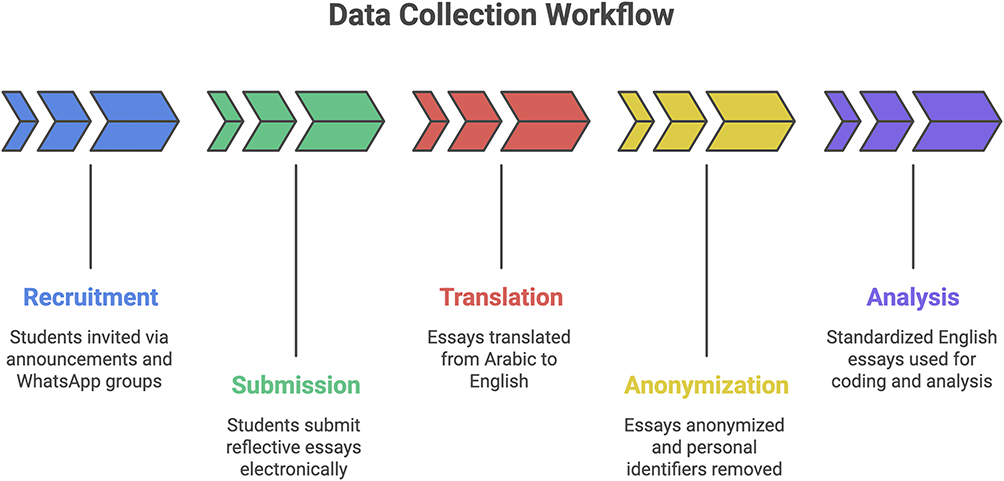 |
Figure 1 Workflow for Reflective Essay Data Collection. |
Data Analysis
Data analysis was conducted by two researchers trained in qualitative methods. Initial independent coding was followed by iterative consensus meetings to align interpretive perspectives, with discrepancies resolved through reflexive dialogue. Coding proceeded iteratively, with regular analytic meetings to compare interpretations and refine themes. Disagreements were resolved through reflexive dialogue and consensus-building rather than statistical measures of agreement, consistent with constructivist qualitative methodology. A thematic analysis was employed following Braun and Clarke’s six-phase framework, recognized for its flexibility and rigor in identifying and interpreting patterns of meaning in qualitative data.28
Thematic analysis was particularly suited to the constructivist epistemology guiding this study and its emphasis on student narratives, as it enabled detailed examination of participants’ lived experiences and interpretations of complex interpersonal dynamics, including empathy. Unlike content analysis, which often quantifies codes, thematic analysis prioritizes depth, context, and latent meaning, aligning with the study’s objective to explore emotional, motivational, and identity-related phenomena. Data saturation was determined when iterative review of subsequent reflections yielded no new conceptual codes or distinct themes, indicating sufficient depth and thematic completeness within the dataset. The six analytical phases were implemented as follows:
- Familiarization – The researchers independently reviewed the full set of student reflections (N = 16) multiple times, documenting initial observations and emotional tone.
- Generating Initial Codes – Open, inductive coding was performed manually on a line-by-line basis in Microsoft Excel to capture emergent concepts without predefined categories.
- Identifying Themes – Codes were clustered into conceptual groups and preliminary themes through collaborative discussion.
- Reviewing Themes – Themes were iteratively refined to ensure internal coherence and distinctiveness, using constant comparison across participants.
- Defining and Naming Themes Each theme was explicitly defined and supported by at least two illustrative quotes.
- Producing the Report The final analytical narrative was constructed by integrating thematic findings with verbatim student quotes to capture voice and nuance.
The decision not to use qualitative analysis software such as NVivo allowed for manual, in-depth engagement with the data, reflexive memoing, and continuous validation of themes. However, this approach limited certain capabilities, such as rapid retrieval, visualization, and collaborative annotation an important consideration for future multi-researcher projects.
To ensure reliability and transparency, an audit trail of coding decisions, theme revisions, and reflexive notes was maintained throughout the process. Two researchers conducted the analysis: the principal investigator and an independent qualitative assistant with no teaching or evaluative relationship with participants. Importantly, neither analyst was involved in data collection or in the academic supervision of the students, thereby reducing potential power imbalances and social desirability bias.
Trustworthiness
The study adhered to Lincoln and Guba’s (1985) trustworthiness criteria to ensure credibility and transparency (Table 1). Thematic saturation was reached after the 14th reflection, with no new codes emerging in the final two.
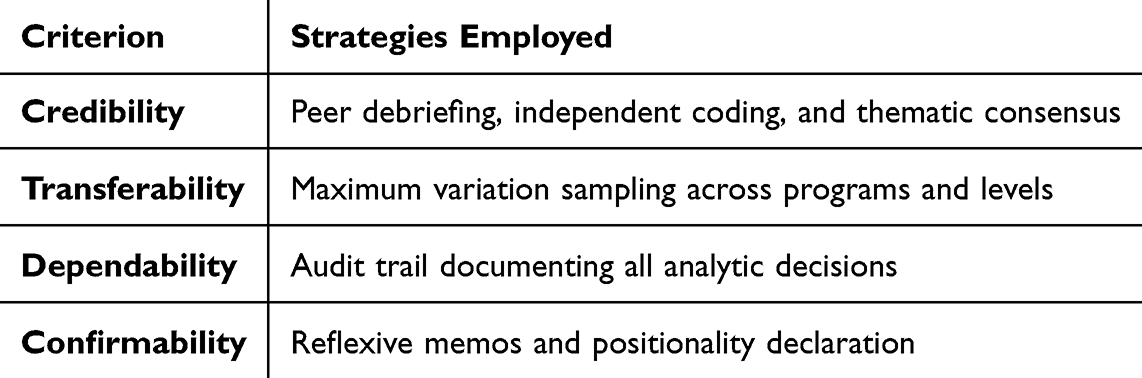 |
Table 1 Trustworthiness Criteria and Strategies Used in the Study |
Ethical Considerations
Ethical approval for this study was granted by the Institutional Review Board (IRB) of the University of Hail, Saudi Arabia (Approval No: H-2024-360). All participants provided written informed consent prior to participation. The consent form outlined the study’s objectives, the voluntary nature of participation, confidentiality protections, and the possible use of anonymized quotations in academic publications (Supplementary Figure 2). In accordance with the approved IRB protocol, submission of the reflective essay served as confirmation of this prior consent, ensuring continued voluntary participation throughout the process.
To maintain confidentiality, all essays were anonymized immediately upon receipt. Each participant was assigned a numerical code (eg, Student 1, Student 2), and no personal identifiers such as names, student numbers, or course titles were collected. Participants were informed that anonymized quotations and coded demographic information might appear in publications and consented to the publication of these anonymized excerpts. All data were securely stored on a password-protected institutional server accessible only to the research team and managed in compliance with institutional and international ethical research standards.
Result
A total of 16 undergraduate students participated in the study. Participant demographics, including gender, program, age, and academic level, are summarized in Table 2.
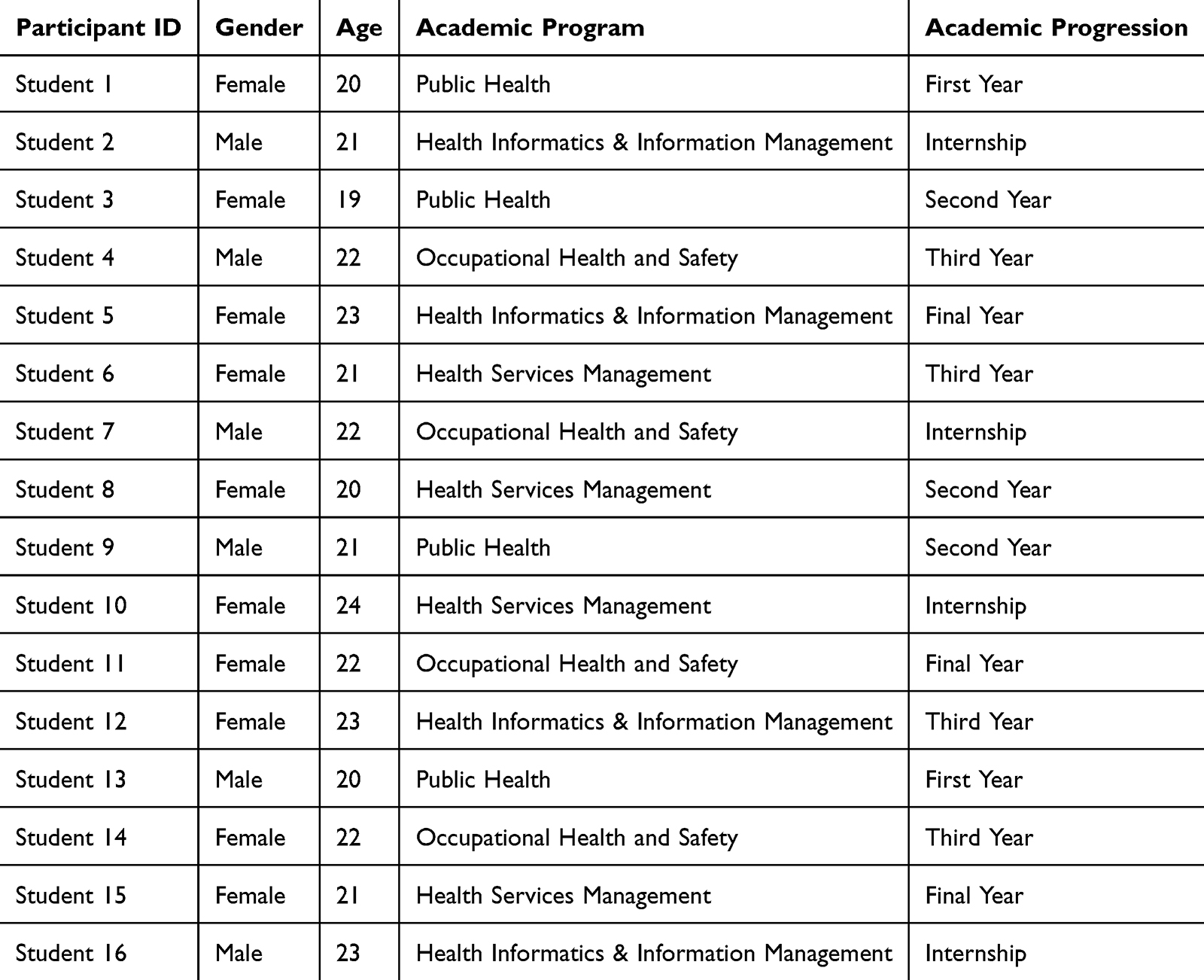 |
Table 2 Participant Demographic Characteristics (N = 16) |
To illustrate the thematic structure, Figure 2 presents a coding tree diagram depicting the four core themes and their subthemes (Figure 2).
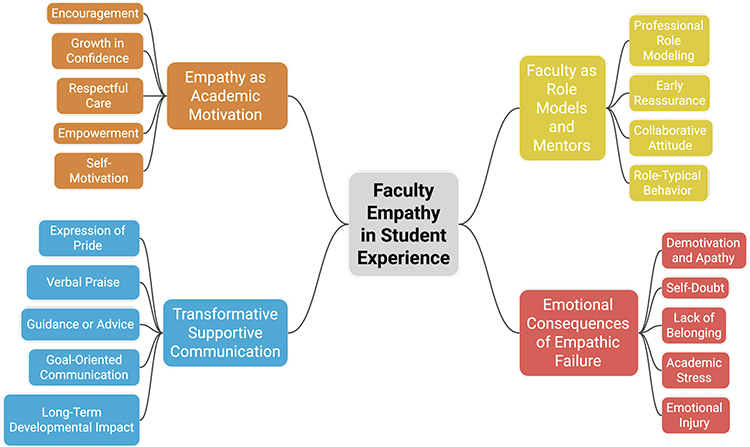 |
Figure 2 Coding Tree Diagram of Themes and Subthemes on Faculty Empathy in Student Experience. |
Theme 1: Empathy as a Catalyst for Academic Motivation
Expressions of empathy from faculty whether through words of encouragement, gestures of trust, or recognition of effort emerged as powerful motivators for students across disciplines and academic levels. Students described empathy as not merely supportive but transformative, often reframing how they viewed themselves, their discipline, and their capacity to succeed.
One student explained how empathy reshaped her perspective on the value of her field:
The empathy and encouragement from faculty truly had a positive effect on us. It lifted my morale, improved my grades, and made me realize that Public Health and Health Informatics are not negative fields. Before this, I often felt discouraged when people spoke negatively about my major, but the way my professor motivated us helped me see the value of what we are learning. His belief in the importance of our field gave me pride and purpose in continuing my studies, and for the first time, I felt that my career choice had dignity and meaning (Student 3).
Simple affirmations also carried disproportionate weight in motivating persistence. One student recalled:
When a professor sees your effort and says, ‘I believe in you,’ it’s enough to push you through even difficult exams. I remember feeling completely exhausted before a midterm, but those words kept replaying in my head. Every time I wanted to give up, I reminded myself of that encouragement. It gave me the confidence to sit down, focus, and eventually succeed. I passed because I could not let down that belief in me. It’s amazing how one simple sentence can change your mindset and keep you going when you feel like quitting (Student 14).
Empathy also promoted confidence through structured encouragement. A student described how ongoing reassurance transformed her learning habits:
Dr. X inspired us to respect our time and the subject. His consistent encouragement—like giving chapter-end quizzes and acknowledging our progress—helped me build a study habit. At first, I was too shy to ask questions, but because he always reassured us that no question was ‘too small,’ I eventually gained the courage to speak up when I didn’t understand something. Each time he answered kindly, I felt less embarrassed and more respected. That experience made me feel valued as a learner, and I noticed that my confidence grew with each interaction (Student 5).
Public recognition was especially powerful in reinforcing students’ academic identity. One student reflected:
When my professor praised me in front of the class for my project, I felt more confident than ever. I wasn’t used to receiving recognition, so when he highlighted my work, it gave me a sense of pride I hadn’t felt before. That moment gave me the strength to keep working harder, and it showed me that my contributions mattered—not only to me but also in the eyes of others. I started to believe that I could be successful in this field (Student 7).
Empathy also validated students during times of stress. A student who was overwhelmed before an exam shared:
One professor noticed my stress before an exam and told me, ‘Don’t worry, your effort will pay off.’ At the time, I was overwhelmed and thought I couldn’t make it through. But that small gesture of reassurance gave me energy to study through the night. It wasn’t just about the exam—it made me feel like someone believed in my potential when I doubted myself. That belief gave me the push I needed to keep moving forward, even beyond that one test (Student 2).
Together, these narratives demonstrate how empathetic faculty behaviors—whether brief affirmations, structured encouragement, or recognition of effort—function as catalysts for academic motivation, cultivating resilience, pride, and a stronger sense of academic identity.
Yet, just as empathy strengthened motivation, students also described how its absence could be equally powerful leading not to growth, but to disillusionment and disengagement.
Theme 2: The Emotional Consequences of Empathic Failure
While empathy was described as a motivator, its absence was equally powerful in undermining students’ confidence, motivation, and sense of belonging. Students repeatedly emphasized that lack of empathy—through broken promises, dismissive comments, or silence—did not simply cause momentary frustration but had long-lasting emotional consequences that threatened persistence in higher education.
Breach of trust was particularly damaging. One student shared:
At the end of the term, I was shocked to find I had failed Chemistry again. The professor denied his previous promise to give us additional support and feedback before the exam. I felt betrayed, as if all my effort and trust were meaningless. It was more than just failing a subject—it felt like the professor had abandoned us when we needed help the most. I was mentally crushed and even considered leaving the university to join the military because I believed I had no future in this field. For days, I thought, ‘Why try if my effort doesn’t matter to anyone? (Student 1).
Careless remarks also had deep and enduring impacts. A student recounted:
A professor once told me I wasn’t fit for the health field. That comment stayed with me for weeks and planted doubt in my mind about whether I should continue at all. I was seriously thinking of leaving the major altogether. Later, another professor encouraged me and reminded me that my effort mattered. Because of that encouragement, I worked harder and eventually got a B+ instead of a D+. That contrast taught me how powerful empathy—or the lack of it—can be in shaping a student’s academic direction. One negative comment almost pushed me out, while one supportive voice brought me back (Student 9).
Dismissive communication silenced curiosity and discouraged engagement. One student explained:
When I asked for extra explanation, my professor told me I was wasting time. I felt humiliated in front of others and stopped asking questions altogether. From that day, I kept my doubts to myself even when I didn’t understand the material. It wasn’t just about one lecture—it changed how I approached learning for the rest of the semester. I sat quietly, afraid of being embarrassed again, and it hurt my performance in every subject. I realized later that I had lost the courage to participate (Student 6).
Even silence was internalized as rejection. As one student recalled:
The professor ignored my Email when I was struggling with my research project. I had spent days working on it and felt completely stuck. When my message went unanswered, it made me feel invisible, as if my challenges didn’t matter at all. It wasn’t just disappointing—it made me question whether faculty really cared about students beyond grades. For the first time, I felt like I was on my own, and that sense of being abandoned was worse than the academic struggle itself (Student 13).
Taken together, these reflections reveal the destructive potential of empathic failure. When empathy is absent, students experience not only academic obstacles but also emotional alienation, diminished confidence, and in some cases, thoughts of leaving higher education entirely.
Despite these painful accounts, students also emphasized that when empathy was present, faculty could become more than instructors—they served as anchors and role models, shaping how students envisioned their future professional selves.
Across academic levels and programs, students consistently emphasized that empathy from faculty was a decisive factor in strengthening their motivation, resilience, and academic confidence. Acts of encouragement, trust, and recognition were described as critical in shaping how they approached their studies and sustained their efforts under pressure (Figure 2).
Empathy was often reported as reframing students’ perceptions of their discipline and countering external discouragement. For example, one student noted that supportive words from a professor not only improved morale and grades but also fostered pride in pursuing a field that was sometimes viewed negatively:
The empathy and encouragement from faculty truly had a positive effect on us… His belief in the importance of our field gave me pride and purpose in continuing my studies (Student 3).
Simple but meaningful affirmations were described as especially powerful motivators during periods of academic difficulty. A brief statement of belief from a professor, such as “I believe in you”, was recalled as the turning point that enabled one student to persist through exhaustion and succeed in exams:
Every time I wanted to give up, I reminded myself of that encouragement… It’s amazing how one simple sentence can change your mindset (Student 14).
Structured encouragement and inclusive classroom practices also played a significant role in fostering confidence. Students described how consistent feedback, recognition of progress, and reassurance created an environment where participation felt safe. One reflected,
At first, I was too shy to ask questions, but because [the professor] always reassured us that no question was ‘too small,’ I eventually gained the courage to speak up… my confidence grew with each interaction (Student 5).
Public acknowledgment was particularly impactful, validating students’ sense of worth and academic identity. When faculty recognized their contributions in front of peers, students reported renewed pride and determination:
When my professor praised me in front of the class for my project, I felt more confident than ever… That moment gave me the strength to keep working harder and showed me that my contributions mattered (Student 7).
Finally, empathy also manifested in quiet but timely gestures of reassurance that helped students cope with stress and self-doubt. A simple acknowledgment of effort before a high-stakes exam gave one student the energy to persist: “That small gesture of reassurance… made me feel like someone believed in my potential when I doubted myself (Student 2).”
Taken together, these accounts demonstrate that empathetic faculty behaviors—whether through affirmations, recognition, or structured support—serve as catalysts for academic motivation. They not only sustain effort in moments of difficulty but also reinforce students’ sense of belonging, resilience, and evolving professional identity.
Theme 3: Faculty as Role Models and Academic Anchors
Students repeatedly described faculty as role models whose actions—whether empathic or indifferent—were internalized as lessons for their own academic and professional futures. Empathy, when modeled consistently, provided an anchor of stability and guidance, shaping not only students’ immediate confidence but also their long-term vision of what it means to be a professional in health sciences.
One student highlighted how empathetic behaviors translated into values worth emulating:
When I saw my professor listening carefully to every student, even when questions seemed repetitive or simple, I realized that respect and patience are what make a good teacher. I want to carry that same attitude if I ever become a faculty member myself. It wasn’t just about the lecture—it was about learning how to treat people with dignity (Student 11).
Empathy also provided a moral compass during difficult times. A student explained:
There were times when I thought about giving up, but seeing my professor always support us, even when we struggled, showed me that persistence and care go hand in hand. His empathy made me want to not just survive university but to become someone who can help others in the same way. That made me rethink what kind of professional I want to be in the future (Student 4).
These accounts reflect the “hidden curriculum,” where values and professional identity are shaped not by formal teaching but by everyday interactions. In this way, empathy functioned as an anchor, guiding students toward becoming compassionate professionals themselves.
Beyond shaping values and identity, students also emphasized that small yet powerful moments of empathy could act as turning points—transforming doubt into determination and despair into resilience.
Theme 4: The Transformative Power of Supportive Communication
Perhaps the most striking accounts centered on the transformative effects of supportive communication. Students consistently described how a single phrase, gesture, or moment of recognition could alter their self-perception, spark resilience, and sustain them through academic challenges. Empathy was not abstract—it was experienced as tangible words that carried motivational force.
One student recalled the impact of a professor’s belief in her abilities:
I was going through a very hard time, overwhelmed with personal and academic stress. One day, my professor told me, ‘I believe in you.’ That sentence may seem simple, but for me, it was life-changing. Every time I felt like giving up, I remembered those words. They reminded me that someone saw potential in me when I couldn’t see it myself. That belief gave me the energy to keep moving forward, even when everything felt impossible (Student 14).
Another student emphasized how public recognition fostered resilience and pride:
When my professor praised me in front of the class for my project, I felt more confident than ever. I wasn’t used to receiving recognition, so when he highlighted my work, it gave me a sense of pride I had never felt before. That moment gave me the strength to keep working harder and showed me that my contributions mattered, not only to me but also to others. It changed how I saw myself as a student and as a future professional (Student 7).
Supportive communication also functioned as reassurance during vulnerable moments. A student described how a professor’s brief encouragement restored his confidence before an exam:
One professor noticed my stress before an exam and told me, ‘Don’t worry, your effort will pay off.’ At that time, I was exhausted and close to giving up. But those words stayed with me. They gave me the strength to study through the night and, more importantly, reminded me that someone believed in my effort. That belief made me push harder, and I ended up performing better than I expected. It wasn’t just about passing the exam—it was about believing in myself again (Student 2).
Taken together, the results above show that supportive communication is not simply “encouragement”; it is transformative. For students, empathy expressed through words of affirmation became turning points—moments that shifted academic identity, restored confidence, and anchored resilience.
A word cloud (Figure 3) further visualizes the frequency of codes, highlighting the central role of motivation and encouragement. Other recurring terms, such as supportive communication, trust, role_model, and belonging, underscore the relational dimensions of empathy, while terms like failure and stress reflect its absence (Figure 3).
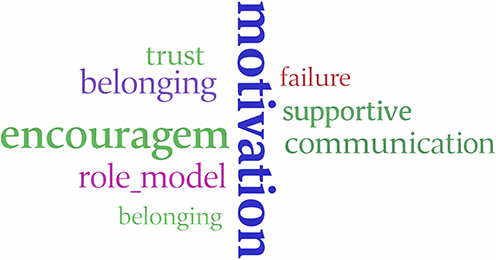 |
Figure 3 Word Cloud of Frequently Used Codes in Student Reflections on Faculty Empathy. |
A conceptual model in the form of a Venn diagram (Figure 4) contrasts the outcomes of empathy and neglect. Empathic faculty behaviors (eg, encouragement, role modeling, belonging) were associated with positive outcomes, while neglectful behaviors (eg, discouragement, broken trust, withdrawal thoughts) contributed to negative experiences. Shared consequences included emotional impact and shifts in academic identity, demonstrating how both supportive and dismissive behaviors profoundly shape student motivation and self-concept (Figure 4). To further support the thematic findings, Table 3 summarizes the four main themes that emerged from the analysis, along with a brief description of each and a representative student quote. This table serves as a condensed overview of how students experienced faculty empathy and its impact on their academic development.
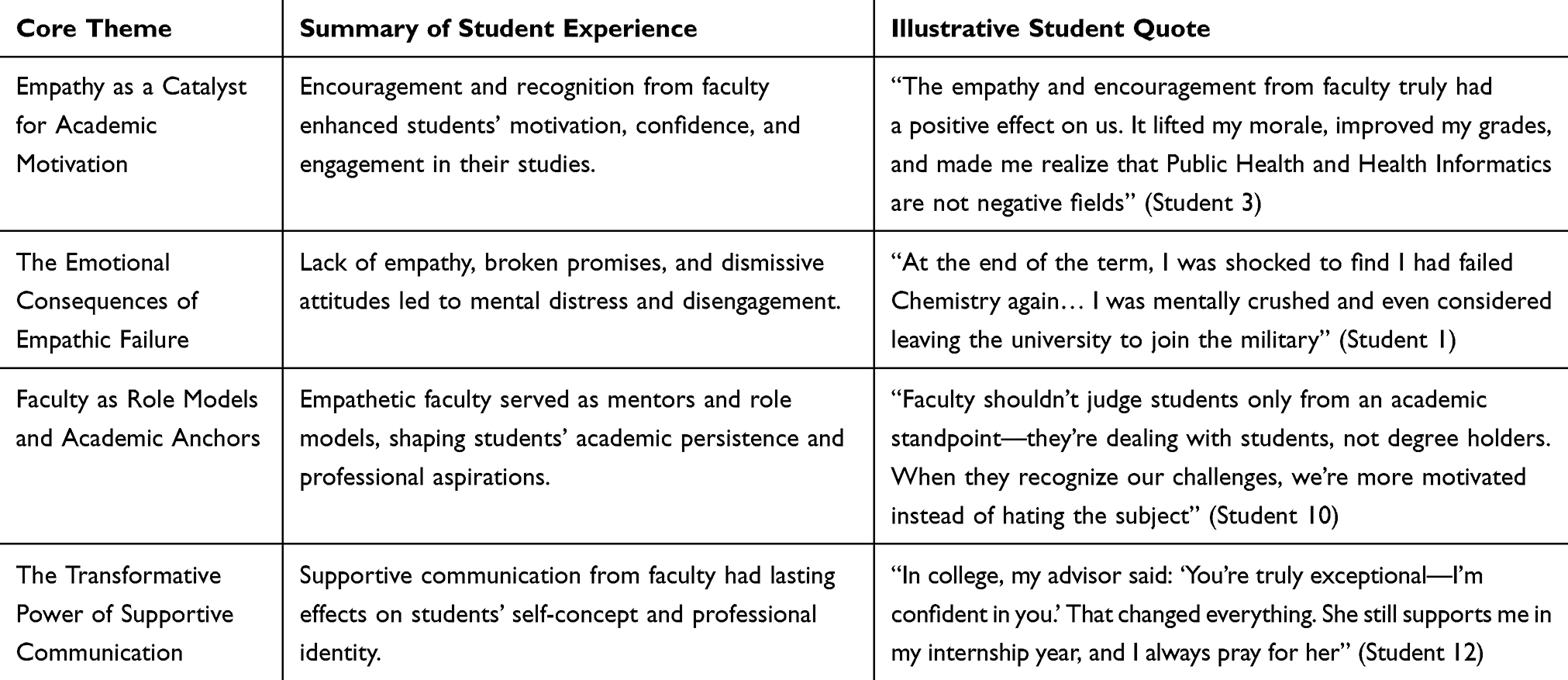 |
Table 3 Core Themes and Illustrative Student Quotes from Reflections |
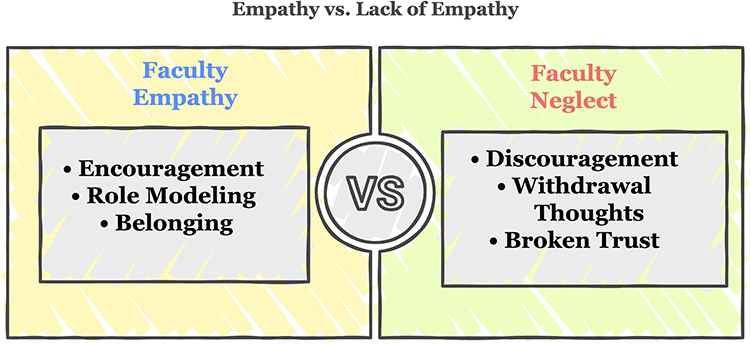 |
Figure 4 Conceptual Model of Student-Perceived Effects of Faculty Empathy vs Neglect. |
Discussion
This qualitative study examined how undergraduate students in health sciences education perceive and experience faculty empathy within academic (non-clinical) contexts. Empathy as a catalyst for academic motivation, the emotional consequences of empathic failure, faculty as role models and academic anchors, and the transformative power of supportive communication emerged as four interconnected themes. All of these themes emphasize the impact of faculty behavior-whether empathic or neglectful-on students’ emotional well-being, academic engagement, and evolving professional identity.
Although no consistent differences were observed across gender, academic program, or year of study, variation in students’ reflections suggests that academic stage and disciplinary context may shape how faculty empathy is perceived and internalized. Early-stage students often emphasized reassurance and validation, whereas students at advanced stages highlighted mentorship and professional affirmation. This diversity enriches interpretation but also introduces variability that should be considered when transferring findings to other educational contexts.
Novelty of the study lies in its focus on student-perceived empathy in non-clinical academic settings within Saudi Arabia—a context where most previous research has concentrated on clinical training or faculty self-assessment. By centering student narratives, this study provides culturally specific insights that broaden the understanding of empathy in higher education.
Empathy expressed through encouragement, recognition, and respectful communication emerged as a powerful motivator across programs and academic levels. Small gestures—such as praise, validating comments, or simply being heard—helped reshape students’ academic self-concept and enhanced confidence. These findings are consistent with earlier work by Bozeman and Feeney on relational mentoring,29 Cavanagh on learner-centered teaching,30 and Hojat et al on empathy’s association with improved learning outcomes.31 Conversely, lack of empathy—manifested in dismissive attitudes, broken promises, or indifference—was linked to disengagement, self-doubt, and, in some cases, thoughts of withdrawal. This aligns with Shimazu and Schaufeli’s conclusion that emotional support strengthens resilience,32 and Edmondson’s framework of psychological safety.33
Students also described faculty as role models, whose conduct shaped their professional identity and aspirations. This reflects the “hidden curriculum,” where informal interactions transmit enduring values. These observations resonate with Austin34 and Åkerlind,35 who showed that students model academic values and career goals after faculty behavior. Notably, brief but meaningful expressions of empathy—such as “I believe in you”—often served as turning points, strengthening students’ belief in their capabilities in line with Bandura’s self-efficacy theory’s construct of verbal and social persuasion.36
While empathy has long been studied in clinical contexts, this study demonstrates that empathic support is equally critical in academic classrooms. Educational frameworks (AAMC, AMEE, GMC) emphasize emotionally intelligent teaching,37,38,40 yet there remains limited exploration of how these competencies manifest outside clinical training, particularly in the MENA region. Interestingly, no consistent differences were observed across gender, program, or year level, suggesting that empathy’s impact is broadly shared and perhaps universal in health sciences education.
From a pedagogical perspective, these findings align with evidence that empathic engagement supports cognitive and emotional learning processes. While neuroscientific research suggests that empathy is mediated by neural networks associated with perspective-taking and emotional resonance, the present study emphasizes the educational implications of empathy as a relational practice enacted through everyday faculty behaviors.41 Saudi and regional evidence also shows that faculty recognize the importance of psychological support but require more training to address student needs effectively.42 Burnout has been identified as a factor that may erode empathy,43,44 further underscoring the value of institutional strategies that promote well-being. Importantly, empathy and burnout are discussed here as related but distinct phenomena, avoiding the repetition seen in earlier drafts.
Intervention research also supports practical approaches to cultivating empathy. Learner-centered activities in Pakistan improved empathy in later clinical years,37 and curriculum reforms in Singapore showed promising results across multiple health disciplines.45 Meta-analyses confirm that structured interventions (eg, communication skills, simulation, arts-based learning) can moderately enhance both cognitive and affective empathy.46 Newer modalities such as VR simulations also show promise.47–52
These findings suggest that empathy is not a fixed trait but a dynamic, trainable skill. Faculty should adopt intentional practices—such as encouragement, honoring commitments, and inclusive communication—while institutions should embed empathy into professional development, feedback systems, and curricula. By doing so, health sciences education can create learning environments that support both intellectual growth and emotional well-being.
Strengths and Limitations
This study contributes to the growing body of research on empathy in higher education, yet several limitations must be acknowledged. It was conducted in a single Saudi institution with a small sample size (N = 16), limiting generalizability. Data were derived from reflective essays, which are subjective and vulnerable to recall bias, while translation of Arabic submissions—though verified—may have resulted in some cultural nuance being lost. Faculty perspectives were not included, which could have enriched the analysis through triangulation. Nevertheless, the use of purposive sampling, gender balance, and thematic rigor—guided by Braun and Clarke’s framework and Lincoln and Guba’s trustworthiness criteria28,29 —strengthened the study’s credibility.
Future research should expand to multi-institutional, mixed-methods, and longitudinal designs, including both faculty and student perspectives. The development of assessment tools specific to academic empathy in non-clinical contexts, combined with the integration of VR simulations and student-led feedback, may further our understanding. Interventions tailored to cultural contexts in the MENA region, supported by robust evaluation, will be essential for embedding empathy within health sciences education at scale. Although findings offer rich insight, variation across academic stages and disciplines may influence how empathy is perceived, potentially limiting transferability to other institutional contexts.
Conclusion
This study highlights the profound influence of faculty empathy, as perceived by students, on academic motivation, emotional resilience, and professional identity formation within non-clinical health sciences education. Empathy, when enacted through everyday teaching practices, emerges as a relational and teachable competency rather than an innate disposition. Embedding empathic engagement within faculty development initiatives may therefore foster learning environments that support both academic success and student well-being.
Importantly, the findings highlight that empathy in academic settings can be as consequential as in clinical contexts. While brief gestures such as recognition or encouragement may seem minor, students often identified these as pivotal moments in their educational journeys. These insights suggest practical implications for policy and practice, including embedding empathy training into faculty development programs, integrating relational pedagogy into curriculum design, and fostering institutional cultures that value supportive communication.
The universality of student experiences across gender, discipline, and academic level in this study underscores empathy as a foundational element of effective education. Faculty empathy emerged as a pedagogically significant and institutionally actionable construct, influencing students’ academic motivation, emotional resilience, and professional identity. Embedding empathic engagement within faculty development initiatives may therefore enhance both educational quality and student well-being.
Disclosure
The authors report no conflicts of interest in this work.
References
1. Alharbi ST, Alsowayigh MM, Bindawas SM. Burnout in healthcare education programs and English as a medium of instruction: a mixed-methods study in Saudi universities. Front Med Lausanne. 2025;12:1619177. doi:10.3389/fmed.2025.1619177
2. Alharbi AS, Almalki HM, Alzahrani MK. Measuring empathy among dental students and interns: a cross-sectional study in Saudi Arabia. Int J Dent. 2021;2021:5584423. doi:10.1155/2021/5584423
3. Alotaibi AF, Alosaimi FD, Alrashed AA, Alyami MM. Burnout syndrome among critical care health providers in Saudi Arabia. PLoS One. 2024;19(2):e0298765. doi:10.1371/journal.pone.0298765
4. Alqahtani SS, Alselami S, Alnajjar H. Faculty’s lived experiences in recognizing nursing students’ psychological support needs in Saudi Arabia. BMC Med Educ. 2025;25(1):1055. doi:10.1186/s12909-025-02115-8
5. Alshahrani MS, Al-Qahtani SM, Bamashmous MO. The level of empathy among medical students at the University of Tabuk, Saudi Arabia. Cureus. 2024;16(1):e52089. doi:10.7759/cureus.52089
6. Alsaggaf MA, Wali SO, Merdad RA. Empathy among Saudi residents at a tertiary academic center: a cross-sectional study. Saudi Med J. 2022;43(9):965–16. doi:10.15537/smj.2022.43.9.20220346
7. Ahmed KE, El-Sayed SH, Alqarni AS, Bassuni EM, Ali FS, Hashim SMA. Empathy and self-awareness among nursing interns at College of Nursing, Abha, King Khalid University. Int J Nov Res Healthc Nurs. 2019;6(1):1–7.
8. Austin AE. Preparing the next generation of faculty: graduate school as socialization to the academic career. J High Educ. 2002;73(1):94–122. doi:10.1080/00221546.2002.11777132
9. Åkerlind GS. Growing and developing as a university teacher—variation in meaning. Stud High Educ. 2008;33(4):373–387. doi:10.1080/03075070802211876
10. Bandura A. Self-Efficacy: The Exercise of Control. New York, NY: W.H. Freeman; 1997.
11. Benmaamar S, Bourkhime H, El Harch I, El Rhazi K. The level and determinants of empathy among medical students from Arabic-speaking countries: a systematic review. GMS J Med Educ. 2024;41(2):Doc15. doi:10.3205/zma001749
12. Bozeman B, Feeney MK. Toward a useful theory of mentoring. Adm Soc. 2007;39(6):719–739. doi:10.1177/0095399707304119
13. Braun V, Clarke V. Using thematic analysis in psychology. Qual Res Psychol. 2006;3(2):77–101. doi:10.1191/1478088706qp063oa
14. Braun V, Clarke V. Reflecting on reflexive thematic analysis. Qual Res Sport Exerc Health. 2019;11(4):589–597. doi:10.1080/2159676X.2019.1628806
15. Cavanagh M. Students’ experiences of active engagement through cooperative learning activities in lectures. Active Learn High Educ. 2011;12(1):23–33. doi:10.1177/1469787410387724
16. Charmaz K. Constructing Grounded Theory.
17. Creswell JW, Poth CN. Qualitative Inquiry and Research Design: Choosing Among Five Approaches.
18. Edmondson A. Psychological safety and learning behavior in work teams. Adm Sci Q. 1999;44(2):350–383. doi:10.2307/2666999
19. Haver A, Caputi P, Akerjordet K. Enhancing emotional intelligence and mental well-being for stress management in nursing education: a qualitative study. BMC Nurs. 2025;24(1):718. doi:10.1186/s12912-025-00718-7
20. Hojat M, Vergare MJ, Maxwell K, et al. The devil is in the third year: a longitudinal study of erosion of empathy in medical school. Acad Med. 2009;84(9):1182–1191. doi:10.1097/ACM.0b013e3181b17e55
21. Kowalski M, Janssen AL, Van Der Berg H. Impact of empathy interventions on cognitive, affective, and behavioral empathy among nursing students: a systematic review. Front Nurs. 2025;12(2):123–135. doi:10.2478/fon-2025-0020
22. Lincoln YS, Guba EG. Naturalistic Inquiry. Newbury Park, CA: SAGE Publications; 1985.
23. Mahrous RM, Bugis BA, Sayed SH. Emotional intelligence, academic motivation, and achievement among health science students in Saudi Arabia: a self-deterministic approach. J Korean Acad Nurs. 2023;53(6):571–583. doi:10.4040/jkan.23123
24. Menezes P, Guraya SY, Guraya SS. A systematic review of educational interventions and their impact on empathy and compassion of undergraduate medical students. Front Med Lausanne. 2021;8:758377. doi:10.3389/fmed.2021.758377
25. Müller AM, Ngiam NSP, Dunn M, et al. Developing empathy in healthcare professions students: protocol of a mixed-methods non-controlled longitudinal intervention study. Front Med Lausanne. 2024;11:1452516. doi:10.3389/fmed.2024.1452516
26. Ngo HL, Sokolovic N, Jenkins JM. Teaching cognitive and affective empathy in medicine: a systematic review and meta-analysis of randomized controlled trials. Med Educ Online. 2025;30(1):2501263. doi:10.1080/10872981.2025.2501263
27. Nazir M, Alhareky M, Alqahtani A, et al. Measuring empathy among dental students and interns: a cross-sectional study from Dammam, Saudi Arabia. Int J Dent. 2021;2021:5584423. doi:10.1155/2021/5584423
28. Nowell LS, Norris JM, White DE, Moules NJ. Thematic analysis: striving to meet the trustworthiness criteria. Int J Qual Methods. 2017;16(1):1–13. doi:10.1177/1609406917733847
29. O’Brien BC, Harris IB, Beckman TJ, Reed DA, Cook DA. Standards for reporting qualitative research (SRQR): a synthesis of recommendations. Acad Med. 2014;89(9):1245–1251. doi:10.1097/ACM.0000000000000388
30. Park KH, Kim DH, Kim SK, et al. The relationships between empathy, stress and social support among medical students. Int J Med Educ. 2015;6:103–108. doi:10.5116/ijme.55e6.0d44
31. Ramollari K, Kontodimopoulos N. Empathy in future nurses: insights for healthcare management from a Greek student sample. Healthcare. 2025;13(16):2054. doi:10.3390/healthcare13162054
32. Samarasekera DD, Lee SS, Yeo SP, Ponnamperuma G. Development of student empathy during medical education: changes and the influence of context and training. Korean J Med Educ. 2022;34(1):17–26. doi:10.3946/kjme.2022.210
33. Alhur A. Redefining healthcare with artificial intelligence (AI): the contributions of ChatGPT, Gemini, and Co-Pilot. Cureus. 2024;16(4):e57795. doi:10.7759/cureus.57795
34. Shimazu A, Schaufeli WB. Is workaholism good or bad for employee well-being? the distinctiveness of workaholism and work engagement among Japanese workers. Ind Health. 2009;47(5):495–502. doi:10.2486/indhealth.47.495
35. Sinclair SL, Monk G. Discursive empathy: a new foundation for therapeutic practice. Br J Guid Couns. 2005;33(3):333–349. doi:10.1080/03069880500179303
36. Alhur A, Hedesh R, Alshehri M, et al. Incorporating technology in pharmacy education: students’ preferences and learning outcomes. Cureus. 2023;15(12):e50158. doi:10.7759/cureus.50158
37. Swanwick T, Forrest K, O’Brien BC, eds.. Understanding Medical Education: Evidence, Theory and Practice.
38. Tariq N, Tayyab A, Jaffery T, Masrur A. Enhancing empathy in medical students by focused learner-centered activities. J Coll Physicians Surg Pak. 2023;33(1):83–87. doi:10.29271/jcpsp.2023.01.83
39. Olmos-Vega FM, Stalmeijer RE, Varpio L, Kahlke R. A practical guide to reflexivity in qualitative research. Med Teach. 2022;44(1):1–11. doi:10.1080/0142159X.2022.2057287
40. Tinto V. Leaving College: Rethinking the Causes and Cures of Student Attrition.
41. Thomas L. Building Student Engagement and Belonging in Higher Education at a Time of Change. London, UK: Paul Hamlyn Foundation; 2012.
42. Alhur AA, Alsaeed W, Albalawi B, et al. Pharmacy students’ attitudes towards AI in pharmaceutical practices. J Pioneering Med Sci. 2025;14:132–137. doi:10.47310/jpms2025140721
43. Yasien S, Almuzaini F. The relationship between empathy and personality traits in Saudi medical students. J Educ Health Promot. 2022;11(1):150. doi:10.4103/jehp.jehp_1072_21
44. Alhur AA, Alfaar H, Alkhalifa H, et al. The human side of medication errors: perspectives of healthcare professionals and patients. J Pioneering Med Sci. 2025;14:138–143. doi:10.47310/jpms2025140722
45. Johnson EM, Smith AB. A transition course to reverse empathy decline in medical students. Teach Learn Med. 2025;37(2):178–189. doi:10.1080/10401334.2024.2394567
46. Alhur A, Alhur AA, Al-Rowais D, et al. Enhancing patient safety through effective interprofessional communication: a focus on medication error prevention. Cureus. 2024;16(4):e57991. doi:10.7759/cureus.57991
47. Kassutto S, Tsao S, Bennett NL. From luddite to luminary: implementing technology in healthcare education. Med Educ. 2024;58(1):11–13. doi:10.1111/medu.15199
48. Abuzaid MM, Elshami W, Hamd ZY, Ibham M. Experiences in burnout and empathy among undergraduate radiography students. Radiography. 2025;31(3):102934. doi:10.1016/j.radi.2025.102934
49. Sa AE-H, Mohamed SA, Ibrahim AK. The role of empathy in the relationship between emotional support and caring behavior among nursing interns. BMC Nurs. 2024;23(1):445. doi:10.1186/s12912-024-02115-8
50. Minor S, Stumbar SE. Advising medical students after the Dobbs decision. Acad Med. 2023;98(8):871–872. doi:10.1097/ACM.0000000000005204
51. Lee SH, Park JK, Wang L. Exploring nursing students’ experiences of empathy and user experience in virtual reality-based empathy education: a systematic review. JMIR Serious Games. 2025;13(1):e62688. doi:10.2196/62688
52. Rodriguez CA, Kim HJ, Patel N. Empathy in future nurses: insights for healthcare management. Int J Nurs Stud. 2025;148:104598. doi:10.1016/j.ijnurstu.2025.104598
 © 2026 The Author(s). This work is published and licensed by Dove Medical Press Limited. The
full terms of this license are available at https://www.dovepress.com/terms
and incorporate the Creative Commons Attribution
- Non Commercial (unported, 4.0) License.
By accessing the work you hereby accept the Terms. Non-commercial uses of the work are permitted
without any further permission from Dove Medical Press Limited, provided the work is properly
attributed. For permission for commercial use of this work, please see paragraphs 4.2 and 5 of our Terms.
© 2026 The Author(s). This work is published and licensed by Dove Medical Press Limited. The
full terms of this license are available at https://www.dovepress.com/terms
and incorporate the Creative Commons Attribution
- Non Commercial (unported, 4.0) License.
By accessing the work you hereby accept the Terms. Non-commercial uses of the work are permitted
without any further permission from Dove Medical Press Limited, provided the work is properly
attributed. For permission for commercial use of this work, please see paragraphs 4.2 and 5 of our Terms.