
Back to Journals » Psychology Research and Behavior Management » Volume 19
Socio-Pedagogical Support for Students with Special Educational Needs in Inclusive Mainstream Schools: A Systematic Review
Authors Wang W
Received 29 October 2025
Accepted for publication 31 December 2025
Published 14 January 2026 Volume 2026:19 577631
DOI https://doi.org/10.2147/PRBM.S577631
Checked for plagiarism Yes
Review by Single anonymous peer review
Peer reviewer comments 3
Editor who approved publication: Dr Gabriela Topa
Wei Wang1,2
1Jing Hengyi School of Education, Hangzhou Normal University, Hangzhou, 311121 People’s Republic of China; 2Zhejiang Philosophy and Social Science Laboratory for Research in Early Development and Childcare, Hangzhou Normal University, Hangzhou, 311121, People’s Republic of China
Correspondence: Wei Wang, Jing Hengyi School of Education, Hangzhou Normal University, Yuhangtang Road 2318, Hangzhou, 311121, People’s Republic of China, Email [email protected]
Abstract: This systematic review, conducted in accordance with PRISMA guidelines, synthesizes fourteen empirical literatures (2010– 2025) through an extensive inclusion/exclusion criteria search from PubMed, Scopus, and Web of Science to analyze the dual role of teachers in (1) delivering evidence-based instructional practices and (2) orchestrating support systems for students with special educational needs (SEN) in inclusive classrooms. The study critically evaluates how social-pedagogical support encompassing teacher collaboration, teaching assistant partnerships, and family engagement mediates academic outcomes, psychological adaptation, and social integration. The findings demonstrate that teachers serve as pivotal agents of inclusion, leveraging scaffolded instruction, differentiated pedagogy, and assistive technologies to personalize students’ learning experiences. While such practices significantly improve academic performance and socio-emotional development, systemic barriers (eg, insufficient professional training, resource limitations, and high student-teacher ratios) constrain optimal implementation. The review advances the field by proposing a conceptual framework that links teacher practices, support mechanisms, and SEN student success while highlighting urgent policy gaps in educator preparedness and resource allocation.
Keywords: special educational needs, SEN, social-pedagogical support, teaching, social competency, review
Introduction
Inclusive education has become a global priority, reinforced by international frameworks such as the Salamanca Statement1 and Sustainable Development Goal 4, which call for equitable learning opportunities for children with special educational needs (SEN).2 SEN encompasses a wide range of physical, cognitive, emotional, and mental health challenges that require additional support for successful learning.3 Evolving perspectives from medical, to social, to biopsychosocial models have shaped current approaches that emphasize both individual needs and contextual barriers to participation.4,5
Comprehensive school systems are now widely endorsed as optimal settings for inclusion, yet practices differ significantly across contexts due to varying socio-political and institutional frameworks.6 Definitions of SEN continue to broaden to include behavioural difficulties and intersectional factors such as socio-economic disadvantage or migration background.7,8 Despite policy advancements, teachers frequently encounter limited training, resource constraints, and inadequate socio-emotional support structures that hinder effective inclusion.9 Research increasingly emphasizes that meaningful inclusion requires both differentiated instruction and strong social support that fosters belonging, peer interaction, and emotional resilience.10 Existing reviews have tended to focus narrowly on examining teacher attitudes, single impairment categories, or specialized settings, resulting in fragmented insights and limited generalizability.11,12 To address this gap, the present systematic review synthesizes evidence on how pedagogical and social supports operate together in mainstream schools to enhance academic, social, and emotional outcomes for children with diverse SEN profiles. By examining practices relevant to learning disabilities, physical impairments, and mental health needs, this review provides a more holistic and actionable understanding of inclusion.
This synthesis responds to growing international demand for updated, evidence-based guidance to strengthen teacher preparation and school-wide support systems. The findings aim to inform future educational policy, promote responsive instructional strategies, and support the advancement of inclusive environments where children with SEN can meaningfully participate and thrive. Despite substantial global advocacy for inclusive education, the demand for an updated, evidence-driven synthesis has become increasingly urgent. In the past decade, mainstream schools worldwide have experienced a rapid rise in the number of students formally identified with special educational needs (SEN), accompanied by heightened expectations for teachers to manage complex learning, social, and emotional needs within general classrooms. However, recent international reports continue to show a persistent implementation gap: policies promote inclusion, but teachers often lack the pedagogical training, socio-emotional support frameworks, and institutional resources needed to implement them effectively. Existing reviews typically examine either instructional practices or social support structures in isolation, and few analyses integrate these two domains within the context of inclusive mainstream school systems. Therefore, this systematic review is both timely and necessary, offering a comprehensive synthesis that unifies pedagogical strategies, social-emotional supports, and collaborative practices. By mapping how these components jointly influence academic, social, and emotional outcomes for SEN learners, this review provides a clearer evidence base for improving teacher preparation, strengthening school-wide support systems, and informing future policy development to achieve genuinely inclusive learning environments.
Literature Review
Children with SEN
A growing body of research supports the academic and social benefits of integrating students with special educational needs (SEN) into mainstream classrooms. Inclusive education is now widely recognized both as a human rights priority and a pedagogically practical approach that ensures equitable access to quality learning.2,3,13 Studies consistently show that students with SEN achieve comparable or improved academic outcomes in inclusive settings, where diverse peer interaction and differentiated instruction foster engagement and self-efficacy.14–16 Meta-analyses indicate that inclusion typically yields neutral or positive academic impacts, which are strengthened by responsive instructional practices and structured support mechanisms.17–19 Moreover, teachers’ self-efficacy has been linked to enhanced academic self-concept, emotional well-being, and social inclusion for SEN learners.20
Inclusive classrooms also provide crucial social benefits, improving communication skills, peer relationships, and students’ sense of belonging.21,22 Such environments contribute to stronger mental health and long-term resilience, benefiting both SEN and non-SEN students.23,24 Achieving high-quality inclusion requires shifts in pedagogy and sustained investment in teacher preparation, professional development, and classroom resources.25,26 As global commitments to equity strengthen, inclusive practice is increasingly viewed as a hallmark of educational quality and social justice.
Teachers’ Instructional Responses to SENs
Teachers play a foundational role in realizing inclusive education for students with special educational needs (SEN), supporting their academic, social, behavioural, and emotional development.27,28 Effective inclusion depends on general education teachers’ capacity to differentiate instruction, foster positive classroom climates, and implement targeted interventions.29,30 High-quality inclusive instruction balances academic rigour and socio-emotional responsiveness through scaffolding, flexible grouping, peer interaction, and the establishment of clear expectations and emotional support.19,31,32 Tailored instruction is essential for preventing marginalization and enhancing engagement among students with intellectual disabilities,30 while positive relationships and trust further strengthen inclusive pedagogies.33
Despite well-established best practices, teachers frequently report insufficient preparation to address diverse learning needs, particularly in addressing behavioural and individualized support challenges.34,35 Although some countries have expanded SEN components in teacher education,36,37 limited practical training often hinders classroom application.38 Additionally, lower expectations for students with SEN may restrict their access to higher-order learning.39,40 While special education settings offer individualized attention, they may also reduce peer interaction and reinforce diagnostic labels,41,42 underscoring the need for approaches that combine personalized support with social and academic inclusion.
Facilitating social participation remains a challenge, as students with SEN often experience reduced peer interactions and a higher risk of exclusion.21,43,44 Special educators commonly use structured peer-support programs,45,46 whereas general teachers struggle to integrate such strategies within regular instruction.47,48 Instructional variation across countries further demonstrates the need for stronger professional and structural support to enable diverse, inquiry-based learning opportunities within inclusive classrooms.36,49,50
Social and Pedagogical Support for Students with SEN
Social and pedagogical support represents an integrated framework of instructional and interpersonal strategies tailored to meet the academic, emotional, and social needs of students with special educational needs (SEN) in inclusive educational settings. This dual approach bridges pedagogical assistance, such as differentiated instruction and curricular adaptation, with social interventions aimed at enhancing emotional well-being, behavioural regulation, and peer engagement.19,41 By encompassing both academic and developmental domains, social-pedagogical support promotes the holistic growth of SEN students and enables their meaningful participation within learning communities.13,51
These supports are exceptionally vital for cultivating equitable learning environments where all learners, regardless of ability, can thrive. Avramidis52 emphasizes that structured pedagogical strategies, when combined with emotional scaffolding, significantly increase both academic performance and social interaction among SEN students. This is particularly crucial during the formative years when foundational social-emotional skills are still developing.53 Despite academic strengths, many children with complex developmental conditions, including autism spectrum disorder and intellectual disabilities, continue to face profound difficulties in peer relationships, which often inhibit their broader integration into inclusive classrooms.54
International evidence supports the effectiveness of whole-school, preventive support models such as the Promoting Alternative Thinking Strategies (PATHS) program, which has demonstrated improvements in students’ emotional competence and reductions in disruptive behaviour.55–57 These efforts align with the multi-tiered systems of support (MTSS) framework, increasingly adopted in inclusive education policy to address varying levels of student need.58,59
Social-pedagogical support also reflects the rights-based educational vision outlined by the United Nations,2 which emphasizes the need for accessible, equitable, and inclusive learning environments for all individuals. Nevertheless, the systematic application of social pedagogy remains underdeveloped in many national education systems, particularly within mainstream schooling contexts.60 This shortfall is compounded by gaps in teacher training and limited institutional capacity to implement inclusive pedagogical practices.38,61 Moreover, students with SEN often face barriers related to underdeveloped communication skills, emotional self-regulation, and moral reasoning, which are the critical competencies for social participation. These challenges reflect a broader tension between biological development and social adaptation, particularly when school systems lack coherent links between therapeutic, academic, and family support.54,62–64 Without targeted interventions that foster empathy, self-awareness, and normative social behaviours, many SEN students remain at risk of marginalization. The study’s evidence shows that teachers’ attitudes and perceived behavioural control are the strongest predictors of their intention to include students with SEBD. This supports the present findings that teachers’ confidence and beliefs significantly shape their instructional decisions in inclusive classrooms.65 The importance of relational and emotional support is echoed by Pastore and Luder,66 who established that high-quality teacher–student emotional relationships are central to social–emotional inclusion. This complements our findings that teachers’ emotional responsiveness strongly influences SEN students’ classroom engagement.
Accordingly, this systematic review will investigate the current landscape of social and pedagogical support for students with SEN in comprehensive, inclusive schools. It aims to critically examine instructional adaptations, documentation tools, collaborative strategies, and technological interventions while also highlighting persistent implementation challenges and future directions for research and policy.
Research Questions
What are the roles of teachers in instructional practices and support mechanisms for children with SEN in inclusive classrooms?
How does social and pedagogical support influence the academic and social development of children with SEN?
Method
This systematic review adhered to the PRISMA 2020 guidelines to ensure methodological transparency and rigour. It examined how teachers’ instructional practices and social-pedagogical support influence the academic and social development of students with special educational needs (SEN) in inclusive classrooms. Key indicators were identified to assess academic, emotional, and social outcomes. Academically, cognitive engagement, individualized instruction, and the use of interactive technologies are linked to enhanced learning. Social development was supported through peer interaction, inclusive group tasks, and a positive classroom environment. Emotionally, the presence of psychological safety, consistent reinforcement, and collaborative support from teachers, parents, and peers contributed to improved self-esteem and resilience. Together, these factors emphasize the importance of integrated pedagogical and emotional support in fostering the holistic development of SEN students within inclusive educational environments.
Eligibility Criteria
The present review focused on research that investigates the influence of teachers’ instructional practices and the provision of social-pedagogical support on the academic and social outcomes of students with special educational needs (SEN) in inclusive classroom settings. Studies were included based on the following criteria: (i) published between 2010 and 2025 to ensure the review reflects current developments and pedagogical innovations in inclusive education, particularly the evolving role of teachers in supporting SEN students; (ii) empirical research or case studies offering practical and evidence-based insights; (iii) written in English; (iv) published in peer-reviewed academic journals; (v) centred on students with SEN; and (vi) employed either quantitative (cross-sectional or longitudinal), qualitative, or experimental methodologies. Exclusion criteria comprised: (i) mixed-methods studies, as their integration of qualitative and quantitative data could compromise methodological consistency and complicate synthesis procedures, such as meta-analysis or thematic analysis, thereby affecting the review’s analytical clarity and feasibility; (ii) theses and dissertations; and (iii) studies not appearing in peer-reviewed journals. This rigorous selection process enhances the validity, reliability, and focus of the systematic review, ensuring a coherent synthesis of evidence regarding teacher-mediated instructional and support mechanisms in inclusive educational contexts.
Data Source and Search
The central objective of this systematic review was to investigate the multifaceted roles of teachers in delivering instructional practices and establishing support mechanisms for students with special educational needs (SEN) within inclusive classroom environments. Additionally, the review sought to evaluate the influence of social and pedagogical support on the academic achievement and social integration of SEN learners. To ensure methodological rigour and transparency, this review adhered to the PRISMA (Preferred Reporting Items for Systematic Reviews and Meta-Analyses) guidelines.67,68 The PRISMA framework guided the systematic identification, screening, and selection of literature through three critical stages: locating relevant research, assessing content quality, and determining eligibility based on predefined inclusion criteria.69
A thorough search of major academic databases, including PubMed, Web of Science (WoS), Scopus, and ProQuest, was conducted to retrieve peer-reviewed studies published between January 2014 and November 2024. The search strategy was designed around key concepts derived from the research objectives, using combinations of terms such as (“teacher roles in instructional practices” OR “support systems for SEN students”) AND (“social inclusion” OR “pedagogical strategies”) AND (“inclusive education models” OR “mainstream classroom integration”) AND (“academic achievement” OR “social engagement”). Only studies available in full-text and published in English were considered.
Following the database search, titles and abstracts were screened for relevance. Studies that met the inclusion criteria underwent a detailed full-text review. The study selection process was systematically documented using the PRISMA flow diagram (Figure 1), consistent with the procedures outlined by Page et al.68 To ensure the credibility of the findings, particular attention was paid to assessing potential biases arising from sampling techniques, measurement tools, and the study design.
 |
Figure 1 The PRISMA flow chart examination process for selected studies.68 |
By focusing on high-quality, peer-reviewed literature, this review aimed to provide robust insights into how teacher-led instructional and social-pedagogical strategies contribute to improved educational and social outcomes for students with SEN in inclusive settings. The synthesised findings aim to inform future educational policies, teacher training programs, and inclusive classroom practices that prioritise equity, accessibility, and learner well-being.
Quality Appraisal of Included Studies
To ensure methodological rigour and consistency, the quality of the included studies was assessed using a combination of well-established appraisal tools tailored to different research designs. For the predominantly quantitative studies, the Effective Public Health Practice Project (EPHPP) Quality Assessment Tool for Quantitative Studies was employed, as it provides a comprehensive framework for evaluating study design, data collection methods, and risk of bias;70 (see Table 1). This tool was chosen to ensure that all quantitative studies met the inclusion criteria and demonstrated acceptable methodological quality. For qualitative research, the appraisal criteria developed by Wallace et al71 were used to evaluate essential aspects, including ethical integrity, data credibility, and analytical transparency (see Table 2). These criteria enabled a systematic, standardized evaluation of trustworthiness, relevance, and depth of qualitative findings. In studies that included experimental designs, the APTA Critical Appraisal Tool for Experimental Intervention Studies was used to assess internal validity, intervention fidelity, and outcome measurement;72 (see Table 3). This tool is specifically designed to evaluate controlled trials in educational and health-related contexts.
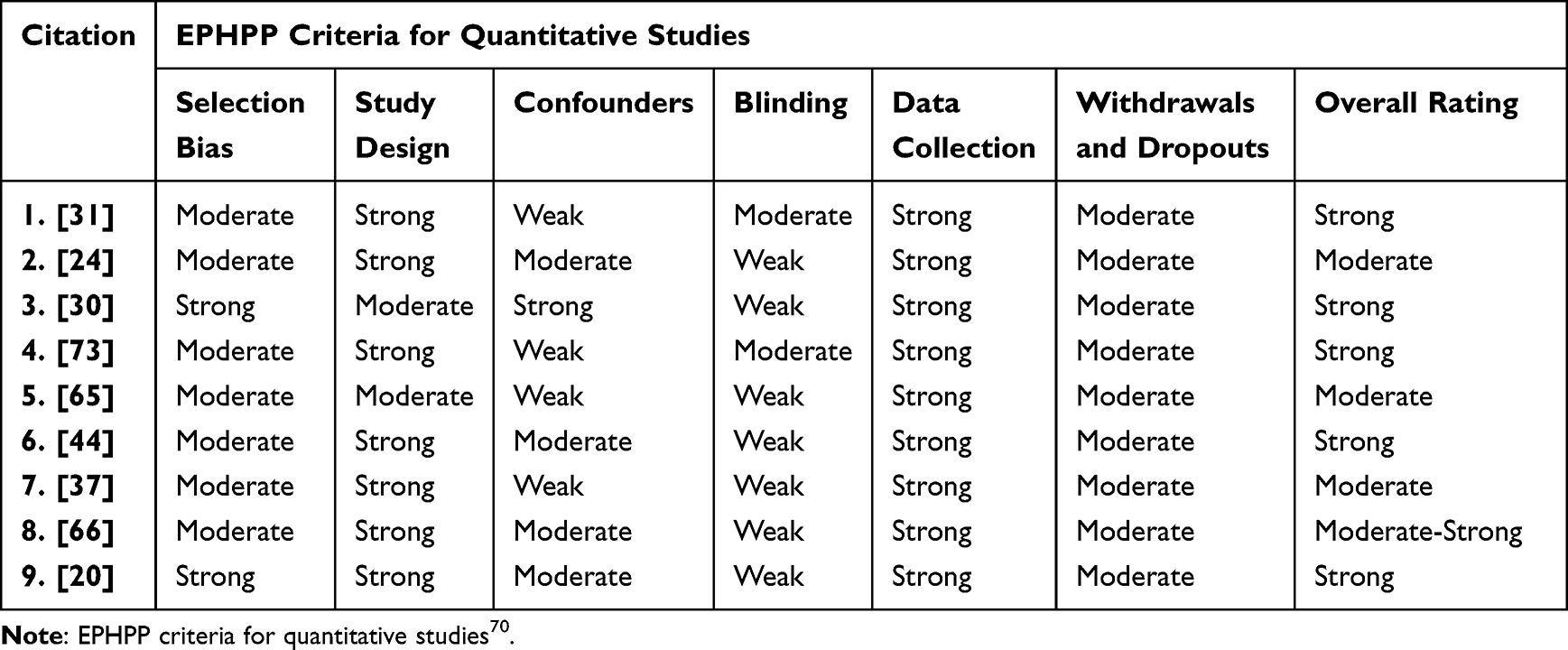 |
Table 1 Quality Appraisal of Quantitative Study (n=4) |
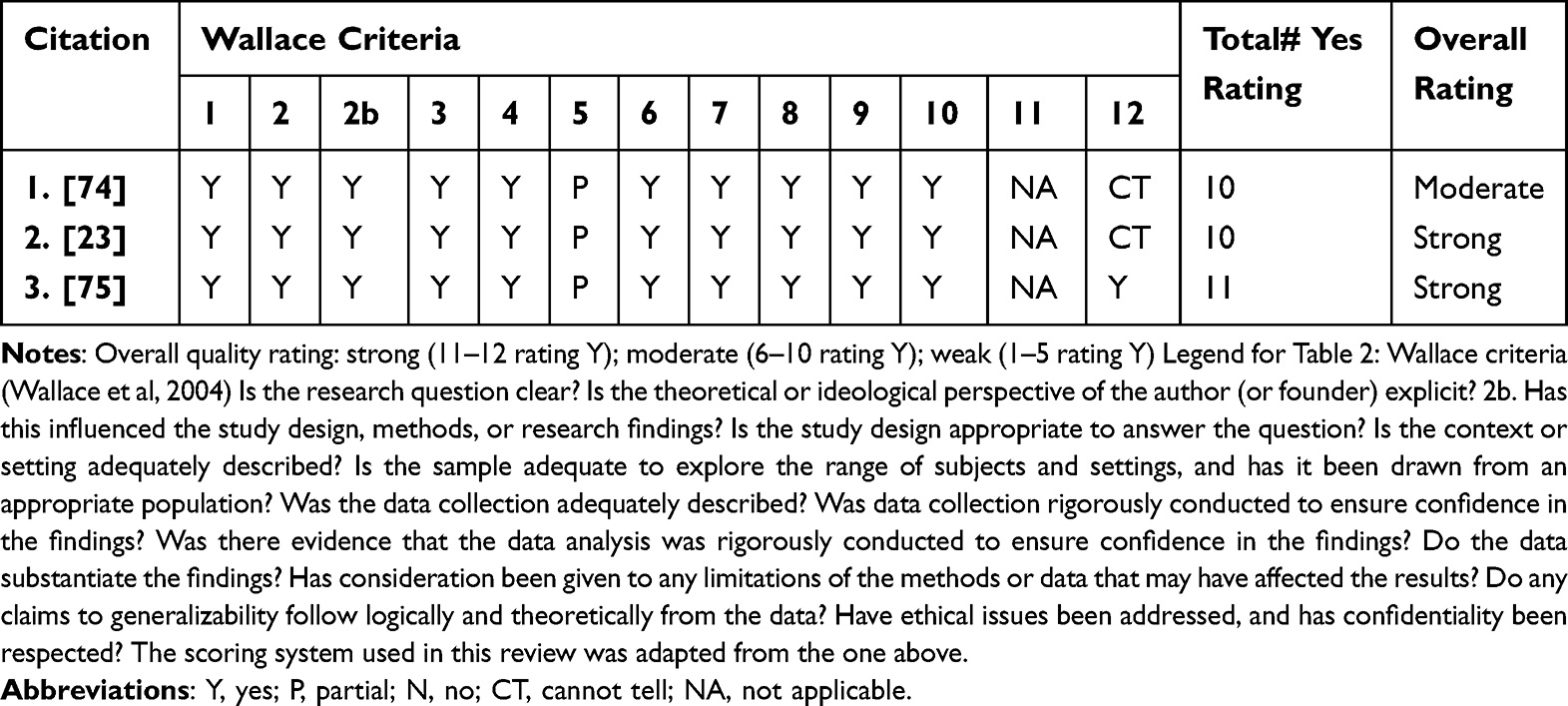 |
Table 2 Quality Appraisal for Qualitative Studies (n=3) |
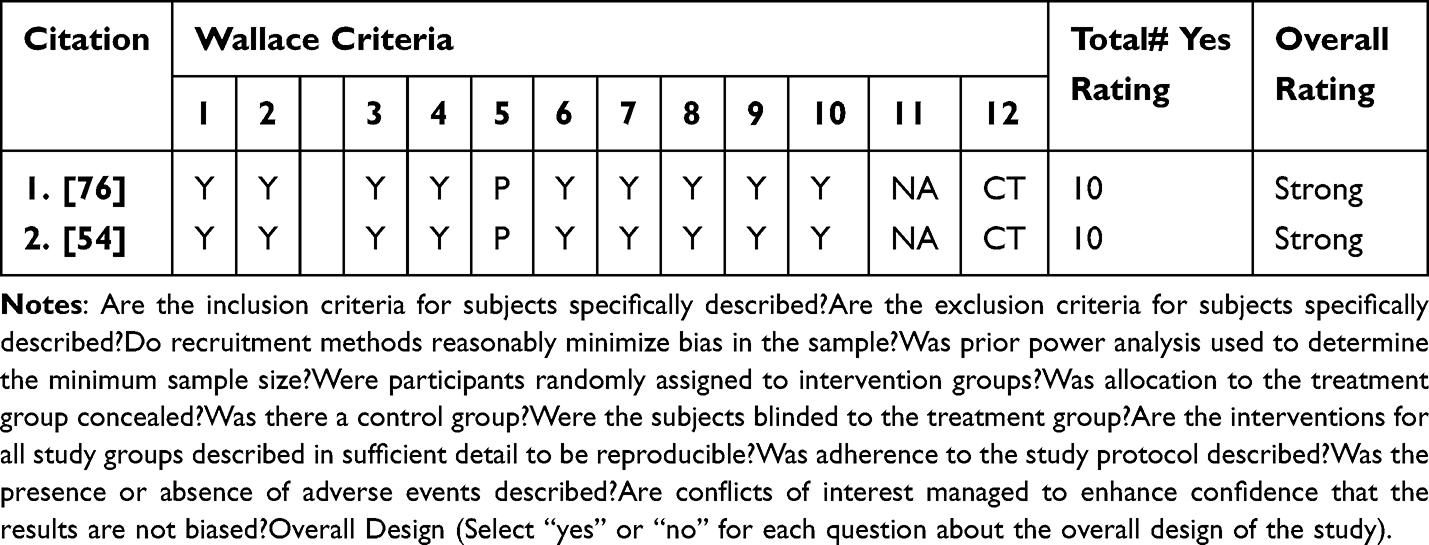 |
Table 3 APTA Critical Appraisal Tool for Experimental Intervention Studies (n=2)72 |
To enhance the reliability and validity of the quality assessment process, two independent reviewers conducted a cross-verification of the quality ratings. Discrepancies were resolved through consensus discussions to ensure the consistency and transparency of the appraisal process. This rigorous multi-tool evaluation framework strengthened the integrity of the systematic review and enhanced the credibility of its findings.
Results
Following the comprehensive assessment, fourteen studies were selected for in-depth examination, encompassing diverse research designs, geographical locations, and methodological approaches (See supplementary Table 1). These studies provide valuable insights into teachers’ roles in supporting students with special educational needs (SEN) and the influence of social-pedagogical support on students’ academic and social outcomes. The selected studies span quantitative, qualitative, and experimental designs, each offering a unique perspective on inclusive education practices. Nine of the fourteen studies employed quantitative approaches, gathering data from primary and secondary schools. For instance, Radford et al31 conducted a quantitative study in England, using data collected from various school settings to analyze teacher-pupil interactions. Similarly, Zurbriggen et al24 conducted a quantitative study in Austria, focusing on students’ attitudes toward the social inclusion of peers with disabilities. The survey by Klang et al30 in Sweden used a Mann–Whitney U-test to analyze data from 254 teachers in mainstream schools and 392 in special education settings, revealing differences in educators’ expectations for SEN students across classroom environments. Another quantitative study assessed teachers’ professional competencies in supporting SEN students, emphasizing the critical role of instructional methods and collaboration in enhancing educational outcomes. Studies reinforce the centrality of teachers’ attitudes, self-efficacy, and relational competencies in shaping inclusive educational experiences. Across diverse contexts, strong teacher beliefs,37,65 positive relationship quality,66 supportive classroom climates,44 and high student-specific efficacy20 consistently emerge as pivotal mechanisms through which inclusive practices translate into improved academic and socio-emotional outcomes for SEN students. These patterns strongly validate the core themes identified in this review.
Three studies used qualitative methods to explore teachers’ instructional practices, challenges, and professional development needs when working with SEN students. For example, qualitative research conducted in the UK, Norway, and the Philippines examined various aspects of teaching, including instructional challenges, teacher perceptions, and strategies for professional growth. These studies provided a deeper understanding of the contextual factors influencing teachers’ roles and the barriers they face in implementing inclusive practices. Two studies employed experimental designs to investigate the integration of innovative technologies and social-pedagogical support programs for SEN students. For instance, Turan and Atila76 explored the use of augmented reality (AR) technology as an intervention tool to enhance the learning experiences of students with specific learning difficulties. The findings demonstrated that AR technology had a positive impact on students’ engagement and comprehension. Another experimental study focused on implementing social-pedagogical support programs, highlighting their effectiveness in promoting social integration, improving academic performance, and fostering emotional well-being among SEN students.
The participant groups across the included studies ranged from small qualitative cohorts to large-scale surveys involving hundreds of respondents. For example, Klang et al30 surveyed 254 teachers from mainstream schools and 392 from special education settings in Sweden, providing a holistic view of the challenges and opportunities in SEN education. The diverse participant profiles, which included students, teachers, and parents, contributed to a comprehensive understanding of the educational needs and support mechanisms required to ensure inclusive learning environments for SEN students.
Most importantly, this systematic review synthesized evidence from fourteen studies to explore1 the roles of teachers in instructional practices and support mechanisms for students with special educational needs (SEN) in inclusive classrooms and2 the influence of social and pedagogical support on SEN students’ academic and social development. The selected studies, encompassing quantitative, qualitative, and experimental designs across diverse international contexts, provide a rich and multifaceted understanding of inclusive education practices.
Several studies emphasized the pivotal role of teachers in shaping effective instructional strategies tailored to the diverse needs of SEN learners. Radford et al31 clarified the complementary roles of teachers and teaching assistants in scaffolding student independence, highlighting the importance of coordinated support within mainstream settings. Klang et al30 found significant discrepancies in instructional approaches between mainstream and special education teachers, with expectations for SEN students differing across settings. Similarly, Maher et al74 examined instructional assessment practices in physical education, underscoring the need for differentiated methods to monitor progress. Nilsen23 explored teachers’ perceptions in Norway and found that, despite inclusion policies, many teachers felt unprepared and unsupported in addressing the learning needs of students with SEN.
Two experimental studies investigated innovative teaching interventions. Turan and Atila76 demonstrated that augmented reality technology enhanced engagement and comprehension among students with specific learning difficulties, while Zhansulu et al73 evaluated a socio-pedagogical support model that improved social skills, academic performance, and emotional development among SEN students. Social and pedagogical support was a recurring theme in several studies. Zurbriggen et al24 found that personalized instruction and a favorable classroom climate significantly predicted greater social participation among students with SEN. Bystrova et al,54 drawing on a Russian context, emphasised that challenges in peer interaction and emotional regulation remain significant barriers to full inclusion despite institutional efforts to address these issues. Likewise, Allam and Martin75 identified systemic challenges, including resource scarcity and teacher overload, that hinder the implementation of holistic support strategies. Qualitative insights from23,74,75 highlight insufficient training and a lack of ongoing professional development as significant barriers to effective inclusion. These findings underscore the need for systemic capacity-building to support educators in providing both instructional and emotional scaffolding.
Discussion
This systematic review aimed to address two central questions:1 What are the roles of teachers in instructional practices and support mechanisms for children with special educational needs (SEN) in inclusive classrooms? and2 How do social and pedagogical supports influence the academic, emotional, and social development of these learners? Synthesising evidence from fourteen peer-reviewed studies, the review demonstrates that teachers play pivotal roles not only in delivering differentiated instruction but also in fostering inclusive environments through pedagogical innovation, collaboration, emotional support, and the use of adaptive technology. The findings underscore the need for a holistic and responsive pedagogical framework that supports both academic and social development in inclusive educational settings.
Roles of Teachers in Supporting Children with SEN in Inclusive Education
Instructional Differentiation and Scaffolding for Learning
The synthesis of the reviewed studies demonstrates that teachers’ central instructional responsibility in inclusive classrooms is to differentiate learning experiences and scaffold tasks so that students with special educational needs (SEN) can access the curriculum equitably. Across diverse learning contexts, teachers adapt instructional materials, modify task complexity, and employ varied pedagogical tools to align instruction with individual learning profiles and developmental readiness. This emphasis on scaffolding as a structured yet flexible support system is consistently reflected in studies showing that breaking tasks into manageable components, offering guided practice, and gradually releasing responsibility strengthen SEN learners’ independence and academic engagement.30,31,76
Findings also indicate that the effectiveness of instructional differentiation depends heavily on teachers’ beliefs and confidence, as well as the classroom’s socio-emotional climate. Teachers with higher levels of self-efficacy and positive attitudes toward inclusion are more likely to personalize instruction, use adaptive strategies, and provide responsive scaffolds that meet individual learner needs.20,37 Conversely, limited training, insufficient resources, and institutional constraints often hinder teachers’ ability to consistently differentiate instruction, resulting in disparities in instructional quality and learner outcomes.23,75 These tensions underscore that differentiation, while pedagogically essential, is not uniformly practiced across inclusive settings.
Comparison with existing socio-pedagogical and instructional literature supports and extends these interpretations. There is strong consensus that scaffolding is foundational to inclusive pedagogy, enabling structured cognitive, emotional, and social support within everyday learning activities.77,78 Studies focusing on instructional arrangements similarly confirm that tailored grouping, curriculum adjustment, and personalized instruction are robust predictors of both social participation and academic success among students with SEN.79 These conclusions align closely with the findings reviewed, which show that personalised instruction contributes not only to academic access but also to greater social integration and classroom connectedness.24
The current synthesis further highlights an emerging dimension of differentiation through technology-enhanced scaffolding. Digital tools, such as augmented reality, provide compensatory learning supports that strengthen students’ conceptual understanding and engagement—an aspect less prominent in earlier socio-pedagogical literature.80,81 This suggests a shift in the field toward multimodal and technology-mediated differentiation that expands teachers’ capacity to address diverse learning needs.76 At the same time, curriculum adaptation remains critical, reflecting broader research emphasizing the necessity of structural and pedagogical flexibility in inclusive education.32
A notable divergence arises when considering the systemic conditions enabling differentiation. While broader literature stresses the importance of institutional supports such as professional development, collaborative planning, and leadership involvement,82,83 several reviewed studies indicate that these supports are inconsistently available. Teachers frequently report insufficient time, inadequate resources, and a lack of specialist assistance, which undermine their ability to implement sustained, high-quality differentiation.23,75 This mismatch highlights an implementation gap between the theoretical expectations of inclusive pedagogy and the practical realities teachers face.
Teachers as Social–Emotional Supporters and Relationship Builders
The synthesis of the reviewed studies demonstrates that teachers play a foundational role as social–emotional supporters and relationship builders for learners with special educational needs (SEN) in inclusive classrooms. Across the reviewed evidence, teachers cultivate positive classroom climates, provide emotional reassurance, foster a sense of belonging, and maintain relational stability, all of which enable SEN learners to participate socially and engage academically. Many studies converge on the idea that emotionally supportive teacher–student relationships are central for inclusion, with favorable climate, trust, empathy, and relational attunement emerging as strong predictors of students’ social participation, emotional well-being, and self-concept.20,24,66 Teachers’ warmth and relational sensitivity further buffer the social isolation often experienced by students with disabilities, strengthening their emotional security and willingness to participate in learning.44,54 At the same time, teacher beliefs and attitudes significantly shape their relational engagement, as higher inclusive efficacy promotes more positive interactions, while negative attitudes reduce emotional availability and relational support.37,65
The literature synthesis also reveals that social–emotional support extends beyond teacher–student interactions to include teachers’ broader role in shaping inclusive peer cultures. Teachers foster social acceptance through modelling respectful interactions, facilitating cooperative activities, and preventing stigma, thereby enhancing the social participation of SEN learners.73,74 These relational efforts become critical in contexts where SEN learners are physically present but socially peripheral, as teachers’ proactive encouragement and mediation help bridge the gap between access and meaningful participation.23,75 Evidence also suggests that teachers’ emotional labor is intensified when institutional constraints—such as large class sizes or insufficient support staff—limit their capacity to provide individualized relational attention, reinforcing the need for systemic supports to sustain emotionally responsive teaching.30,31
When compared with prior and existing socio-pedagogical literature, the reviewed findings show both alignment and extensions. Broadly, earlier scholarship underscores that socio-emotional support is an indispensable dimension of inclusive pedagogy, highlighting teachers’ roles in nurturing a sense of belonging, emotional stability, and interpersonal competence among learners with SEN.77,78,81 Consistent with the current synthesis, previous studies describe emotional attunement, relational proximity, and socio-educational guidance as central to enabling successful participation and mitigating exclusionary risks.80,82 The reviewed findings also parallel research showing that teacher modelling and relational responsiveness significantly enhance social skills and peer inclusion,84 supporting the claim that inclusion is as much a relational process as it is an instructional one.
However, the present review adds nuance by highlighting the psychological mechanisms through which teachers’ relational practices influence SEN learners’ outcomes. The evidence linking teacher self-efficacy with students’ emotional well-being and social self-concept broadens earlier socio-pedagogical interpretations by revealing how teachers’ internal dispositions shape the emotional climate they create.20 This extends the existing literature, which primarily focuses on external socio-pedagogical strategies rather than teachers’ psychological preparedness.85 Additionally, findings from the reviewed research reveal that relational support is often constrained by systemic pressures, including workload, inadequate training, and limited collaborative structures a dimension less emphasized in older literature but increasingly noted in recent studies examining the sustainability of inclusion,83,86 which underscore that teachers’ roles as social–emotional supporters and relationship builders are not peripheral but central to the functioning of inclusive classrooms. These relational responsibilities work in tandem with instructional strategies to promote academic engagement, emotional resilience, and social participation among SEN learners. However, the capacity to enact these roles effectively remains dependent on systemic supports, professional development, and institutional cultures that recognize relational work as an essential component of inclusive education rather than an additional burden. This interplay between teacher agency and structural conditions highlights the need for policies that reinforce relational competence as a core dimension of teacher preparation and inclusive school development.
Collaborators, Advocates, and Inclusive Environment Managers
The synthesis revealed that teachers play a central role in building collaborative structures, advocating for learners’ needs, and shaping inclusive classroom climates that enable meaningful participation by students with SEN. Across the reviewed studies, collaboration emerged as a foundation of effective inclusion. Teachers coordinated with teaching assistants to clarify instructional responsibilities and ensure consistent scaffolding for SEN learners, reducing role ambiguity and enhancing learner independence.31 Multidisciplinary collaboration with psychologists, specialists, and social workers was also essential in providing socio-pedagogical support that addressed emotional, behavioral, and academic needs.54,73 Consistent findings further highlighted that productive teacher–family partnerships strengthened continuity of support beyond the classroom, enabling teachers to better advocate for individualized adaptations and care.23
The review also demonstrated that teachers serve as advocates by shaping classroom norms and pushing for equitable participation. Creating positive social climates was shown to increase students’ sense of belonging and social participation, especially when teachers combined personalized instruction with proactive emotional support.24,66 Teachers with stronger self-efficacy were more likely to advocate for students’ inclusion, leading to improvements in academic self-concept, emotional well-being, and peer acceptance.20,37 Conversely, negative attitudes or low behavioral intention to include SEN learners reinforced exclusionary practices, highlighting the importance of advocacy-oriented teacher beliefs.65
Teachers also acted as managers of inclusive environments by adapting curricular and instructional arrangements to accommodate diverse needs. Evidence from physical education and mainstream classrooms showed that teachers adjusted assessment procedures, modified task demands, and created supportive peer structures to facilitate participation.30,74 These practices aligned with broader environmental management strategies, such as reducing peer stigma and promoting equitable social climates, which students identified as key determinants of perceived inclusion.44
Compared with existing scholarship, the findings align closely with the socio-pedagogical literature, which emphasizes the need for holistic support systems in inclusive education. Prior studies similarly conclude that teacher collaboration with families and specialists is indispensable for addressing the multifaceted needs of SEN students.77,81 The current review reinforces arguments that socio-pedagogical support must be continuous, coordinated, and individualized, mirroring earlier analyses of emotional and social support structures in inclusive settings.78,80 Moreover, the emphasis on teachers as environmental managers aligns with recent findings showing that effective inclusion depends on instructional arrangements that simultaneously respond to academic and social demands.79
Notably, the review also expands the literature by showing that advocacy is not only an attitudinal characteristic but an actionable practice embedded in day-to-day interactions, influencing learners’ emotional stability and peer relationships. This aligns with studies emphasizing attitudes and teacher readiness as significant determinants of inclusion, but it adds evidence that advocacy manifests directly in instructional personalization and climate-building.85,87 Additionally, the finding that inclusive climate management hinges on teachers’ self-efficacy and relationship-building extends psychological perspectives, suggesting that inclusion is unsustainable without strong emotional and interpersonal competencies.86,88
The current synthesis also supports emerging evidence that structured social-skills teaching and curriculum adaptation are critical components of managing inclusive environments, particularly when they are implemented collaboratively.32,84 Furthermore, the challenges identified in the reviewed studies, such as inconsistent collaboration, limited specialist support, and ambiguous roles, align with ongoing concerns documented in longitudinal qualitative research on England’s SEN system,83 which theme demonstrates that teachers’ collaborative practices, advocacy roles, and climate-management strategies are pivotal to effective SEN inclusion. These findings reinforce and extend existing scholarship, emphasizing that inclusive education is most successful when teachers operate not merely as instructional deliverers but as relational leaders, coordinators of support networks, and architects of socially just learning environments.
Role of Social-Pedagogical Support in Enhancing Academic, Emotional, and Social Outcomes for Children with SEN
The synthesis of the fourteen reviewed studies highlights the critical role of social and pedagogical supports in fostering the comprehensive development of children with special educational needs (SEN). Social and pedagogical support mechanisms are foundational to improving the academic performance, emotional well-being, and social integration of children with SEN. The studies reviewed present diverse yet complementary perspectives on the nature, implementation, and outcomes of these supports.
Cognitive Skill Development
A consistent finding across the reviewed literature is that structured scaffolding and role clarity in instructional support improve students’ independent learning and cognitive task mastery. Studies show that when teachers and teaching assistants offer intentional scaffolding modelling, guided practice, and gradual release of responsibility, children with SEN demonstrate better comprehension, problem-solving ability, and independence in academic tasks.31 Evidence from mainstream classrooms further shows that differentiated instructional practices targeting intellectual disabilities strengthen foundational academic skills by breaking down tasks and providing repeated structured practice.30 These results align with prior socio-pedagogical literature arguing that structured support systems are central to strengthening cognitive development, particularly when learners consistently receive guided mediation of tasks and opportunities for independent application.32,77,81
The integration of technology-enhanced learning tools, particularly augmented reality (AR), has also been shown to improve academic performance, especially for learners with specific learning difficulties. Findings demonstrate that AR supports conceptual understanding in science by offering visual, interactive representations that reduce cognitive load and enhance retention.76 Similarly, personalised instructional arrangements, including adapted content and multimodal teaching materials, were associated with improved academic engagement and task completion rates among SEN learners.24,73 These results support existing research suggesting that socio-pedagogical support is strengthened when instructional content is adapted to learners’ cognitive profiles, allowing them to access the curriculum through flexible, multimodal pathways.32,78,79 Previous literature also confirms that digital and interactive tools can compensate for processing deficits by enabling learners to manipulate information visually and kinesthetically.88
Findings further reveal that positive teacher beliefs, self-efficacy, and high-quality teacher–student relationships indirectly support academic development by enhancing students’ academic self-concept and motivation. Studies show that teachers’ confidence in supporting SEN learners predicts improvements in academic self-concept, which is strongly associated with better academic outcomes.20 Evidence from inclusive classrooms indicates that when students perceive a favorable climate characterised by emotional support, respect, and safety, they become more engaged in academic tasks and more willing to participate in cognitively demanding activities.44,66 These findings correspond with prior studies showing that socio-pedagogical support functions not only through instructional methods but also through emotional and motivational pathways, with teacher attitudes and relational quality shaping students’ cognitive engagement and academic persistence.85,86
Despite these benefits, the review also highlights ongoing barriers that can undermine academic outcomes, including negative teacher attitudes, insufficient training, and ambiguous expectations surrounding inclusion support. Several studies report that when teachers feel unprepared or unsupported, instructional adaptation is inconsistent, limiting cognitive gains for students with SEN.23,37,75 This challenge has also been reported in wider literature, which identifies teacher preparedness as a decisive factor in the effectiveness of socio-pedagogical support for academic development.80,82,83 Research also shows that students with social, emotional, and behavioural difficulties may receive fewer cognitively enriching learning opportunities due to teacher stress or low expectations, further exacerbating disparities in academic achievement.65 This is consistent with long-standing evidence suggesting that cognitive outcomes depend not only on instructional support but also on whether teachers hold high expectations and frequently and consistently implement adaptive teaching.84,87
Social Skill Well-Being
The synthesis of the reviewed studies highlights that social and pedagogical support plays a pivotal role in fostering social skills, emotional well-being, and overall inclusion for children with special educational needs (SEN). Across the literature, three interrelated patterns emerge: the promotion of positive peer interactions and social participation; the enhancement of emotional well-being through supportive teacher–student relationships; and the creation of inclusive classroom climates that buffer against social isolation and marginalization.
A key finding is that teachers function as mediators of social engagement, structuring interactions and facilitating peer inclusion. Evidence indicates that children with SEN develop stronger social competencies when teachers actively scaffold social interactions and embed collaborative learning opportunities in classroom routines.24,54 These studies demonstrate that social participation is not an automatic by-product of inclusion but is contingent on teacher-facilitated processes, including group assignments, peer modeling, and guided social problem-solving. This aligns with prior research suggesting that socio-pedagogical interventions are most effective when teachers intentionally structure the social environment to cultivate empathy, cooperation, and communication skills.77,78,84
The emotional and well-being dimensions of support were consistently highlighted, with teachers’ relational behaviors exerting a significant influence on students’ self-esteem, confidence, and affective engagement. Studies show that when teachers demonstrate warmth, responsiveness, and individualized attention, children with SEN report higher levels of emotional security and resilience, which in turn facilitate participation in both academic and social activities.20,66 This mirrors findings from previous literature, which emphasize that the quality of teacher–student relationships is a critical predictor of psychological well-being and social inclusion, particularly in contexts where children may face stigma or low peer acceptance.83,85,86 Moreover, positive teacher beliefs and self-efficacy toward inclusion amplify these effects, reinforcing the notion that teacher attitudes are instrumental in shaping not only social outcomes but also emotional resilience.
Another prominent theme is the creation of inclusive classroom climates to support social integration and well-being. The reviewed studies report that children perceive greater inclusion and belonging when classrooms are structured to normalize diversity and actively celebrate differences.23,44 Inclusive climates reduce social isolation, encourage peer acceptance, and mitigate the adverse psychosocial effects of marginalization. This is consistent with broader socio-pedagogical research indicating that well-managed, inclusive learning environments provide both a buffer against emotional difficulties and a scaffold for the development of prosocial behaviors.80–82 Additionally, curriculum adaptations and structured social skill programs embedded within classroom practices further enhance well-being and peer interactions.32,87
While the benefits of social and pedagogical support are clear, several studies note barriers that limit optimal outcomes. Teachers’ lack of training in social-emotional strategies, unclear role definitions, and limited collaboration with support staff can impede the development of social competencies and emotional well-being among students with SEN.31,75 Similarly, negative teacher attitudes or low expectations for social engagement may inadvertently reinforce exclusion, despite formal inclusion policies.37,65 Previous literature corroborates these findings, emphasizing that adequate social and emotional support requires not only structural accommodations but also sustained teacher commitment, professional development, and a culture of inclusivity.79,83,88
Emotional Intelligence Well-Being
The synthesis of the reviewed studies underscores that social and pedagogical support is central to the emotional well-being of children with special educational needs (SEN). Across diverse educational contexts, teachers’ active engagement, relational practices, and inclusive pedagogical strategies emerged as key mechanisms shaping children’s emotional experiences and resilience. These findings reveal that emotional well-being is not a passive outcome of inclusion but is actively constructed through supportive teacher–student interactions, individualized scaffolding, and a nurturing classroom climate.
A prominent theme is the influence of teacher–student relationships on emotional security and self-efficacy. Children with SEN consistently experienced enhanced emotional well-being when teachers demonstrated empathy, attentiveness, and belief in students’ potential.20,66 These relational dynamics fostered confidence, reduced anxiety, and promoted a sense of belonging. This aligns with previous research asserting that the quality of teacher relationships is a fundamental determinant of psychological and emotional outcomes, especially for students who are at risk of social marginalization.83,85,86 Moreover, teacher self-efficacy, when explicitly targeted toward individual students, amplified these benefits, highlighting the importance of personalized approaches in promoting emotional resilience.
The reviewed literature also highlights the role of inclusive classroom climates and social participation in supporting emotional well-being. Classrooms characterized by positive social climates, collaborative peer interactions, and structured inclusion were associated with reduced feelings of isolation and increased emotional engagement.23,24,44 This supports the argument that emotional well-being is intertwined with social connectedness, in which supportive peer networks, mediated by teachers, reinforce positive affective experiences. Previous studies corroborate these findings, emphasizing that socio-pedagogical support that prioritizes belonging and mutual respect enhances students’ capacity to manage stress and navigate complex social environments.77,78,84
Furthermore, the studies indicate that structured pedagogical interventions, including scaffolding and targeted support, can mitigate emotional challenges associated with learning difficulties. For instance, Radford et al31 demonstrated that clear teacher and teaching assistant roles in scaffolding learning promoted independence and confidence, which indirectly contributed to emotional stability. Similarly, Maher et al74 observed that well-designed instructional practices in physical education increased children with SEN’s engagement and positive emotional experiences. These insights resonate with prior literature suggesting that curriculum adaptations and individualized support can buffer stress, enhance motivation, and improve overall emotional well-being.32,81,87
Despite these positive outcomes, barriers were evident as well. Teachers’ limited training in emotional support, inconsistent implementation of inclusive practices, and prevailing negative attitudes toward specific disabilities impeded the emotional benefits of inclusion.37,65,75 Such constraints echo earlier findings that adequate emotional support requires not only structural inclusion but also teacher preparedness, continuous professional development, and a school culture committed to emotional and social equity.80,82,88
Study Limitations and Future Studies
This study must be interpreted in consideration of several limitations that may have influenced the comprehensiveness and generalizability of the findings. Firstly, despite efforts to use comprehensive search strategies, some relevant publications might have been overlooked due to limitations in keyword selection or restricted access to specific journals. Additionally, the review was confined to English-language publications, potentially excluding significant research published in other languages and limiting the global applicability of the findings.
Another limitation is the exclusion of papers lacking sufficient methodological details, which may have restricted the scope of the review. Furthermore, conducting systematic reviews on students with special educational needs (SEN) presents inherent challenges due to the diversity of this population. Even when studies use similar terminology, variations in diagnostic criteria across and within countries can make it difficult to compare findings and draw consistent conclusions. Future research should address the limitations identified in this review to strengthen the evidence base for supporting students with SEN. First, researchers should consider expanding their search strategies to include non-English-language publications to capture a broader global perspective. Ensuring access to a broader range of journals and databases also mitigates potential publication bias.
Further studies should focus on establishing standardized criteria for defining and diagnosing SEN across different countries and educational systems. This would enhance comparability between studies and provide a more consistent foundation for evidence-based practices. Researchers could also explore population-specific interventions, tailoring support strategies to meet the diverse needs of different SEN subgroups, thereby improving the relevance and applicability of findings. Finally, future systematic reviews could incorporate mixed-method approaches to capture both quantitative and qualitative insights, offering a more comprehensive understanding of the experiences and outcomes of SEN students. Collaborations between researchers from various countries can facilitate cross-cultural comparisons and contribute to the development of universally applicable frameworks for inclusive education.
Conclusion
This review advances current understanding of inclusive education by demonstrating that the quality of pedagogical and social support is not merely an instructional concern but a decisive factor shaping the long-term educational trajectories of children with SEN. Across diverse school contexts, the included studies collectively underscore that inclusion succeeds when teachers are empowered as designers of equitable learning environments supported through ongoing professional learning, collaborative school structures, and policy conditions that allow differentiation to flourish in practice. Beyond reinforcing the value of inclusive approaches, the review identifies significant gaps that future research and practice must address. There remains a notable inconsistency in how teachers are prepared to implement inclusive pedagogies, particularly in relation to emotional support and learner autonomy. Likewise, the scarcity of longitudinal and context-specific research limits our ability to evaluate sustained academic and socio-emotional outcomes for SEN students. Strengthening the evidence base will require rigorous mixed-method and intervention studies that trace how support strategies evolve and how students’ needs are met over time. Hence, the review affirms that inclusion is both a moral and professional mandate: the social and emotional well-being of SEN learners cannot be separated from their academic success. To move toward truly inclusive systems, stakeholders must invest in teacher competencies, ensure access to resources, and position collaboration among families, specialists, and school leadership as a foundational pillar of support. By doing so, educational systems will not only uphold the rights of children with SEN but also cultivate learning spaces where every student can participate fully, confidently, and meaningfully.
Implications of the Review
The findings of this systematic review provide important insights that can inform both educational practice and policy development, ultimately supporting children with special educational needs (SEN) in inclusive settings.
Practical Implications
To foster more effective, inclusive classrooms, ongoing professional development for teachers is essential. Educators require continuous training to enhance their skills in delivering adaptive, personalized instruction tailored to the diverse learning needs of SEN students. This training should also emphasize the importance of maintaining comprehensive and dynamic documentation of support strategies to ensure interventions remain relevant and responsive over time. Furthermore, integrating innovative technologies such as augmented reality into pedagogical practices can significantly improve student engagement and understanding, offering cognitive and motivational benefits. Creating nurturing and supportive classroom climates is equally critical, where teachers foster not only academic progress but also social inclusion and emotional well-being. Collaboration between general and special education teachers must be strengthened to promote cohesive support, shared responsibilities, and effective communication. Additionally, the active involvement of parents and the wider community should be encouraged to reinforce learning and development beyond the classroom environment.
Policy Implications
From a policy perspective, the findings underscore the need for comprehensive frameworks that professionalise and empower educators specialising in inclusive education. Policies should prioritize sustained investment in teacher training programs that equip educators with adaptive instructional skills and technological competencies. An adequate allocation of resources, including specialized materials, assistive technologies, and appropriate infrastructure, is vital to supporting the diverse needs of SEN students. Furthermore, education policies must advocate for the development of holistic support systems that integrate social-pedagogical approaches and facilitate collaboration among teachers, families, and community stakeholders. These systems should ensure that academic, social, and emotional domains are addressed in a balanced manner. Policymakers are encouraged to embed these evidence-based practices into inclusive education legislation and guidelines, fostering environments where every SEN learner can thrive academically and socially within mainstream education.
Data Sharing Statement
No new data were generated or used in this study.
Author Contributions
The author made a significant contribution to the study design, execution, acquisition of data, analysis and interpretation, or in all these areas; took part in drafting, revising or critically reviewing the article; gave final approval of the version to be published; have agreed on the journal to which the article has been submitted; and agree to be accountable for all aspects of the work.
Funding
No financial support was obtained for this study.
Disclosure
The author declares no potential conflicts of interest.
References
1. UNESCO. The Salamanca Statement and Framework for Action on Special Needs Education: Adopted by the World Conference on Special Needs Education; Access and Quality. Salamanca, Spain: UNESCO; 1994.
2. United Nations. (2015). Transforming our world: the 2030 Agenda for Sustainable Development. Available from: https://sdgs.un.org/2030agenda.
3. UNESCO.2017.A Guide for Ensuring Inclusion and Equity in Education.Geneva;UNESCO IBE;https://unesdoc.unesco.org/ark:/48223/pf000.
4. World Health Organization. (2002). Towards a common language for functioning, disability and health: ICF. Available from: https://cdn.who.int/media/docs/default-source/classification/icf/icfbeginnersguide.pdf.
5. Shakespeare T. Disability: The Basics. Routledge; 2018.
6. Ainscow M. Promoting inclusion and equity in education: lessons from international experiences. Nord. J. Stud. Educ. Policy. 2020;6(1):7–17. doi:10.1080/20020317.2020.1729587
7. Brussino O. (2020). Teaching and learning for inclusion: the role of teachers and teacher education in addressing the diverse needs of students (OECD Education Working Papers No. 227). OECD Publishing. 10.1787/5d5fdfca-en.
8. Mitic M, Riddell S. Inclusion of migrant and refugee children in education: a review of policy and practice in selected EU countries. Educ Inq. 2020;11(1):1–17. doi:10.1080/20004508.2019.1705515
9. Sharma U, Forlin C, Loreman T. Impact of training on pre‐service teachers’ attitudes and concerns about inclusive education in Vietnam. Int. J. Incl. Educ. 2018;22(9):971–985. doi:10.1080/13603116.2017.1412506
10. Qi J, Ha AS. Peer support and inclusive education: a systematic review of the literature. Intl. J. Disabil. Dev. Educ. 2022;69(3):879–897. doi:10.1080/1034912X.2020.1731436
11. Avramidis E, Norwich B. Teachers’ attitudes towards integration/inclusion: a review of the literature. Eur. J. Spec. Needs Educ. 2002;17(2):129–147. doi:10.1080/08856250210129056
12. Kauffman JM, Hornby G. Inclusive Education: The Pitfalls and the Possibilities. Sense Publishers; 2020.
13. Schwab S. The impact of classroom characteristics and teacher attitudes on inclusive education. Eur. J. Spec. Needs Educ. 2019;34(3):361–376.
14. Hehir T, Grindal T, Freeman B, Lamoreau R, Borquaye Y, Burke S. A Summary of the Evidence on Inclusive Education. Abt Associates; 2016.
15. Cosier M, Causton-Theoharis J, Theoharis G. Does access matter? Time in general education and achievement for students with disabilities. Remed Spec Educ. 2013;34(6):323–332. doi:10.1177/0741932513485448
16. Skerbetz MD. Inclusion through belonging: a review of research on social support in inclusive education. preventing school failure: alternative education for children and youth. 2021;65(1):13–21. doi:10.1080/1045988X.2020.1828395
17. Oh-Young C, Filler J. A meta-analysis of the effects of placement on academic and social skill outcomes of children with disabilities. Res Practice for Persons With Severe Disabilities. 2015;40(4):267–280.
18. Ruijs NM, Peetsma TT. Effects of inclusion on students with and without special educational needs reviewed. Educ Res Rev. 2009;4(2):67–79. doi:10.1016/j.edurev.2009.02.002
19. Florian L, Black-Hawkins K. Exploring inclusive pedagogy. Br Educ Res J. 2011;37(5):813–828. doi:10.1080/01411926.2010.501096
20. Eren E, Yada A, Schwab S, Savolainen H. Teacher student-specific self-efficacy and its impact on students’ academic self-concept, emotional well-being and social inclusion. Teaching Teacher Educ. 2025;165:105152. doi:10.1016/j.tate.2025.105152
21. Koster M, Nakken H, Pijl SJ, van Houten E. Social participation of students with special needs in regular primary education in the Netherlands. Intl. J. Disabil. Dev. Educ. 2010;57(1):59–75. doi:10.1080/10349120903537905
22. Bossaert G, Colpin H, Pijl SJ, Petry K. Truly included? A literature study focusing on the social dimension of inclusion in education. Int. J. Incl. Educ. 2013;17(1):60–79. doi:10.1080/13603116.2011.580464
23. Nilsen S. Inside but still on the outside? Teachers’ experiences with the inclusion of pupils with special educational needs in general education. Int. J. Incl. Educ. 2020;24(9):980–996. doi:10.1080/13603116.2018.1503348
24. Zurbriggen CL, Hofmann V, Lehofer M, Schwab S. Social classroom climate and personalized instruction as predictors of students’ social participation. Int. J. Incl. Educ. 2023;27(11):1223–1238. doi:10.1080/13603116.2021.1882590
25. Morningstar ME, Shogren KA, Lee H, Born K. Transition planning for students with intellectual disability, autism, or multiple disabilities: data from the national longitudinal transition study-2. Intellectual and Developmental Disabilities. 2017;55(1):1–16. doi:10.1352/1934-9556-55.1.1
26. Forlin C, Sharma U, Loreman T. Developing Effective Teachers for Inclusive Education: Using Inclusive Pedagogy to Enhance Teaching and Learning for All. Routledge; 2013.
27. Florian L, Spratt J. Enacting inclusion: a framework for interrogating inclusive practice. Eur. J. Spec. Needs Educ. 2013;28(2):119–135. doi:10.1080/08856257.2013.778111
28. Sharma U, Sokal L. The impact of a teacher education course on pre‐service teachers’ beliefs about inclusion: an international comparison. Res. Spec. Educ. Needs. 2015;15(4):276–284. doi:10.1111/1471-3802.12043
29. Alquraini T, Gut D. Critical components of successful inclusion for students with severe disabilities: a literature review. Int. J. Spec. Educ. 2012;27(1):42–59.
30. Klang N, Göransson K, Lindqvist G, Nilholm C, Hansson S, Bengtsson K. Instructional practices for pupils with an intellectual disability in mainstream and special educational settings. Int. J. Disabil. Dev. Educ. 2020;67(2):151–166. doi:10.1080/1034912X.2019.1679724
31. Radford J, Bosanquet P, Webster R, Blatchford P. Scaffolding learning for Independence: clarifying teacher and teaching assistant roles for children with special educational needs. Learn Instruction. 2015;36:1–10. doi:10.1016/j.learninstruc.2014.10.005
32. Bessarab A, Turubarova A, Antonenko I, Kirillova A, Lupinovych S, Haliieva O. Curriculum adaptation for children with special educational needs: best practices in inclusive education. Am. J. Psychiatr. Rehabil. 2025;28(1):493–499.
33. Perry KE, Donohue KM, Weinstein RS. Teaching practices and the promotion of achievement and adjustment in first grade. J school psychol. 2007;45(3):269–292. doi:10.1016/j.jsp.2007.02.005
34. Webster R, Blatchford P. Worlds apart? The nature and quality of the educational experiences of pupils with a statement for special educational needs in mainstream primary schools. Br Educ Res J. 2015;41(2):324–342. doi:10.1002/berj.3144
35. Bruggink M, Goei SL, Koot HM. Teachers’ capacities to meet students’ additional support needs in mainstream primary education. Teachers and Teaching. 2016;22(4):448–460. doi:10.1080/13540602.2015.1082727
36. Göransson K, Hellblom-Thibblin T, Axdorph E. A conceptual approach to teaching mathematics to students with intellectual disability. Scand J Educ Res. 2016;60(2):182–200. doi:10.1787/epa-2003-en.in
37. You S, Kim EK, Shin K. Teachers’ belief and efficacy toward inclusive education in early childhood settings in Korea. Sustainability. 2019;11(5):1489. doi:10.3390/su11051489
38. Mintz J. The role of research in teacher education for inclusion. Eur. J. Spec. Needs Educ. 2020;35(1):5–19.
39. Karvonen M, Wakeman SY, Browder DM, Rogers MAS, Flowers C. Academic curriculum for students with significant disabilities: special education teacher perspectives a decade after IDEA 1997. 2011.
40. de Boer A, Pijl SJ, Minnaert A. Regular primary schoolteachers’ attitudes towards inclusive education: a review of the literature. Int. J. Incl. Educ. 2011;15(3):331–353. doi:10.1080/13603110903030089
41. Kurth J, Mastergeorge AM. Individual education plan goals and services for adolescents with autism: impact of age and educational setting. J. Spec. Educ. 2010;44(3):146–160. doi:10.1177/0022466908329825
42. Giangreco MF. “How can a student with severe disabilities be in a fifth-grade class when he can’t do fifth-grade level work?” misapplying the least restrictive environment. Res Practice for Persons With Severe Disabilities. 2021;46(1):13–17.
43. Schwab S, Hessels MG, Gebhardt M. Predicting academic achievement and grade retention with teacher and parent ratings in children with ADHD. J Psychoeducat Assess. 2015;33(8):682–690.
44. Schwab S, Sharma U, Loreman T. Are we included? Secondary students’ perception of inclusion climate in their schools. Teaching Teacher Educ. 2018;75:31–39. doi:10.1016/j.tate.2018.05.016
45. Dobbins N, Higgins K, Pierce T, Tandy RD, Tincani M. An analysis of social skills instruction provided in teacher education and in-service training programs for general and special educators. Remed Spec Educ. 2010;31(5):358–367. doi:10.1177/0741932509338363
46. De Leeuw RR, de Boer A, Minnaert A. What do Dutch general education teachers do to facilitate the social participation of students with SEBD? Int. J. Incl. Educ. 2020;24(11):1194–1217. doi:10.1080/13603116.2018.1514081
47. Vlachou A, Stavroussi P, Didaskalou E. Special teachers’ educational responses in supporting students with special educational needs (SEN) in the domain of social skills development. Intl. J. Disabil. Dev. Educ. 2016;63(1):79–97. doi:10.1080/1034912X.2015.1111305
48. Pavri S. General and special education teachers’ preparation needs in providing social support: a needs assessment. Teacher Education and Spec Educ. 2004;27(4):433–443. doi:10.1177/088840640402700410
49. Restorff DE, Abery BH. Observations of academic instruction for students with significant intellectual disability: three states, thirty-nine classrooms, one view. Remed Spec Educ. 2013;34(5):282–292. doi:10.1177/0741932512474995
50. Kishida Y, Kemp C. The engagement and interaction of children with autism spectrum disorder in segregated and inclusive early childhood center-based settings. Topics in Early Childhood Spec Educ. 2009;29(2):105–118. doi:10.1177/0271121408329172
51. Kozleski EB. The cultural work of inclusive education. Learning Disabilities Res Pract. 2011;26(2):85–91.
52. Avramidis E. Teachers’ attitudes towards inclusion and inclusive practices: a systematic literature review. Int. J. Incl. Educ. 2021;25(8):921–939. doi:10.1080/13603116.2019.1622804
53. Hassani S, Schwab S. Social participation of students with special educational needs in inclusive education: a review of the international literature. Educ. Res. Int. 2021;1–15. doi:10.1155/2021/2138437
54. Bystrova B, Larionova V, Brown M. Socialization challenges for children with SEN in inclusive settings: a Russian perspective. J. Int. Spec. Needs Educ. 2021;24(1):33–45. doi:10.9782/JISNE-D-20-00005
55. Greenberg MT, Kusché CA. Preventive intervention for school-age deaf children: the PATHS curriculum. J. Deaf Stud. Deaf Educ. 1998;3(1):49–63. doi:10.1093/oxfordjournals.deafed.a014340
56. Domitrovich CE, Bradshaw CP, Greenberg MT, et al. Integrated models of school-based prevention: logic and theory. Psychol Schools. 2010;47(1):71–88. doi:10.1002/pits.20452
57. Ratcliffe B, Wong M, Dossetor D, Hayes S. Teaching social-emotional skills to school-aged children with Autism Spectrum Disorder: a treatment versus control trial in 41 mainstream schools. Res Autism Spectrum Disord. 2014;8(12):1722–1733. doi:10.1016/j.rasd.2014.09.010
58. Sugai G, Horner RH. Responsiveness-to-intervention and school-wide positive behavior supports. Handbook of Positive Behavior Support. 2009;535–550.
59. McIntosh K, Goodman S. Integrated Multi-Tiered Systems of Support: Blending RTI and PBIS. Guilford Press; 2016.
60. Järvis M, Leino K, Vehkakoski T. Social pedagogy and inclusive education: mapping the links. Int. J. Incl. Educ. 2022;26(9):951–969.
61. Florian L, Young K, Rouse M. Preparing teachers for inclusive education. Cambridge J Educat. 2017;47(4):523–536.
62. Syn’ov A. Psychological and pedagogical problems of social adaptation of children with developmental disorders. Spec Educ J. 2008;6(1):5–18.
63. Shishmentsev I. (2017). Vihovannya kultury lyudskyh vzayemyn u rozumovo vidstalyh starshoklasnykiv zasobamy ukrayinskoyi literatury [Upbringing Culture of Human Relations of Mentally Retarded Senior Students by Means of Ukrainian Literature][Unpublished PhD Thesis]. National Pedagogical Dragomanov University.
64. Derzhavina NV, Ivashova NV, Nikolaeva SN. Psychological and pedagogical support of inclusive education: a theoretical model. Psychol. Educ. 2021;26(1):5–17.
65. MacFarlane K, Woolfson LM. Teacher attitudes and behavior toward the inclusion of children with social, emotional and behavioral difficulties in mainstream schools: an application of the theory of planned behavior. Teaching Teacher Educ. 2013;29:46–52. doi:10.1016/j.tate.2012.08.006
66. Pastore G, Luder R.2021.April.Teacher-student-relationship quality in inclusive secondary schools: theory and measurement of emotional aspects of teaching.Frontiers in Education.Vol. 6;643617.Frontiers Media SA.
67. Mohamed Shaffril HA, Samsuddin SF, Abu Samah A. The ABC of systematic literature review: the basic methodological guidance for beginners. Qual Quantity. 2021;55:1319–1346. doi:10.1007/s11135-020-01059-6
68. Page MJ, McKenzie JE, Bossuyt PM, et al. The PRISMA 2020 statement: an updated guideline for reporting systematic reviews. BMJ. 2021;372.
69. Rehman N, Huang X, Mahmood A, et al. Emerging trends and effective strategies in STEM teacher professional development: a systematic review. Humanit Soc Sci Commun. 2025;12:32. doi:10.1057/s41599-024-04272-y
70. Ciliska D, Miccouci S, Dobbins M. Effective Public Health Practice Project. Quality Assessment Tool for Quantitative Studies. Hamilton, On: Effective Public Health Practice Project; 1998.
71. Wallace A, Croucher K, Quilgars D, Baldwin S. Meeting the challenge: developing systematic reviewing in social policy. Policy & Politics. 2004;32(4):455–470. doi:10.1332/0305573042009444
72. Davies CC, Levenhagen K, Ryans K, Perdomo M, Gilchrist L. An Executive Summary of the APTA Academy for Oncologic Physical Therapy Clinical Practice Guideline: interventions for Breast Cancer–Related Lymphedema. Rehabil. Oncol. 2020;38(3):103–109. doi:10.1097/01.REO.0000000000000223
73. Zhansulu S, Batima T, Temirov K, Shalgynbayeva K, Shamurat O, Mukhamedzhanov B. Supporting children with special educational needs as a socio-pedagogical problem. Cypriot J. Educ. Sci. 2022;17(7):2262–2273. doi:10.18844/cjes.v17i7.7692
74. Maher A, van Rossum T, Morley D. Assessing the learning of pupils with special educational needs and disabilities in mainstream school physical education. Br Educ Res J. 2023;49(1):110–125. doi:10.1002/berj.3832
75. Allam FC, Martin MM. Issues and challenges in special education: a qualitative analysis from teachers’ perspective. Southeast Asia Early Childhood. 2021;10(1):37–49. doi:10.37134/saecj.vol10.1.4.2021
76. Turan Z, Atila G. Augmented reality technology in science education for students with specific learning difficulties: its effect on students’ learning and views. Res. Sci. Technol. Educ. 2021;39(4):506–524. doi:10.1080/02635143.2021.1901682
77. Stoyanova D, Vassileva V. (2022). Socio-pedagogical approaches for non-formal education of children and students with special educational needs. In
78. Beazidou E. Socio-pedagogical practices towards inclusive education implemented by teachers in their classrooms. Int. j. soc. pedagog. 2023;12(1):1–11. doi:10.14324/111.444.ijsp.2023.v12.x.015
79. Gaitas S, Sarabando T, Alves C, Martins MA, Leite G, Laranjeira R. Teacher instructional arrangements for supporting social and academic needs of students with special educational needs in regular classrooms. Eur. J. Spec. Needs Educ. 2025;40(3):473–488. doi:10.1080/08856257.2024.2380593
80. Grabowska B. Social and pedagogical support of students with disabilities in higher education institutions. Mod. High. Educ. Rev. 2020;5:62–71.
81. Mamicheva O, Dmytriieva I, Omelchenko M, Silchenko V, Bobrova H, Say D. Socio-Pedagogical and Psychological Aspects of Accompanying Students With Special Needs in the Context of the Development of Inclusive Education. 2022.
82. Sadyrbayeva BA, Yertargynkyzy D. Review of scientific literature on social pedagogical support for children with special educational needs. Gumilyov J Pedagogy. 2025;152(3):303–318. doi:10.32523/3080-1710-2025-152-3-303-318
83. Saxton J, Matthews J, Winterburn I, et al. Exploring the experiences and outcomes of children and young people receiving support for special educational needs over time in England: a qualitative study. Front Educ. 2025;10:1564583. doi:10.3389/feduc.2025.1564583
84. Kefala G, González JMM, Ariza MDH. Teaching social skills to children with special educational needs in a Greek sample. Int J. 2025;15:e2025153.
85. Gal C, Ryder CH, Amsalem SR, On O. Shaping inclusive classrooms: key factors influencing teachers’ attitudes toward inclusion of students with special needs. Educ Sci. 2025;15(5):541. doi:10.3390/educsci15050541
86. Woolfson LM. Is inclusive education for children with special educational needs and disabilities an impossible dream? Br J Educ Psychol. 2025;95(3):725–737. doi:10.1111/bjep.12701
87. Julvianti C, Gmaries GG, Vidyayanti NQ. The role of teachers in learning for children with special needs in elementary schools. J Rev Pendidikan Dasar. 2025;11(1):73–85.
88. Liu X, Potmesil M. A review of research on the development of inclusive education in children with special educational needs over the past 10 years: a visual analysis based on CiteSpace. In: Frontiers in Education. Vol. 9. Frontiers Media SA. 2025:1475876.
 © 2026 The Author(s). This work is published and licensed by Dove Medical Press Limited. The
full terms of this license are available at https://www.dovepress.com/terms
and incorporate the Creative Commons Attribution
- Non Commercial (unported, 4.0) License.
By accessing the work you hereby accept the Terms. Non-commercial uses of the work are permitted
without any further permission from Dove Medical Press Limited, provided the work is properly
attributed. For permission for commercial use of this work, please see paragraphs 4.2 and 5 of our Terms.
© 2026 The Author(s). This work is published and licensed by Dove Medical Press Limited. The
full terms of this license are available at https://www.dovepress.com/terms
and incorporate the Creative Commons Attribution
- Non Commercial (unported, 4.0) License.
By accessing the work you hereby accept the Terms. Non-commercial uses of the work are permitted
without any further permission from Dove Medical Press Limited, provided the work is properly
attributed. For permission for commercial use of this work, please see paragraphs 4.2 and 5 of our Terms.