
Back to Journals » Breast Cancer: Targets and Therapy » Volume 17
N2 Neutrophils and Tumor Progression in Breast Cancer: Molecular Pathways and Implications
Authors Obeagu EI 
Received 26 May 2025
Accepted for publication 22 July 2025
Published 23 July 2025 Volume 2025:17 Pages 639—651
DOI https://doi.org/10.2147/BCTT.S542787
Checked for plagiarism Yes
Review by Single anonymous peer review
Peer reviewer comments 3
Editor who approved publication: Professor Pranela Rameshwar
Emmanuel Ifeanyi Obeagu1,2
1Department of Biomedical and Laboratory Science, Africa University, Mutare, Zimbabwe; 2Department of Medical Laboratory Science, Kampala International University, Ishaka, Uganda
Correspondence: Emmanuel Ifeanyi Obeagu, Department of Biomedical and Laboratory Science, Africa University, Mutare, Zimbabwe, Email [email protected]
Abstract: Neutrophils, traditionally viewed as first-line defenders in innate immunity, are increasingly recognized for their dualistic roles in cancer. In breast cancer, a distinct subset known as N2 neutrophils exhibits pro-tumorigenic activity, facilitating angiogenesis, immune suppression, and metastasis. This narrative review synthesizes current evidence on the molecular mechanisms underlying N2 polarization—focusing on key pathways such as TGF-β, STAT3/6, and hypoxia-mediated signaling—and their implications in breast cancer progression. We further explore how N2 neutrophils interact with other immune cells within the tumor microenvironment to promote an immunosuppressive milieu. A unique contribution of this review lies in its integration of emerging single-cell and flow cytometry data to underscore neutrophil plasticity and subtype-specific differences in neutrophil activity across breast cancer variants. Therapeutic strategies targeting N2 neutrophils are critically examined, including small-molecule inhibitors, cytokine blockade, and neutrophil-targeted nanomedicine. However, major challenges persist—most notably the difficulty in selectively depleting or reprogramming N2 neutrophils without compromising essential antimicrobial functions. Additionally, the lack of validated N2-specific markers in clinical samples limits translational progress. Addressing these gaps is crucial for the development of safe, effective immunomodulatory therapies in breast cancer.
Keywords: N2 neutrophils, breast cancer, tumor progression, immune modulation, molecular pathways
Introduction
Neutrophils, as part of the innate immune system, have long been recognized for their role in combating infections and tissue damage. However, their involvement in cancer biology, particularly breast cancer, is more complex. Neutrophils can exhibit functional plasticity, shifting between pro-inflammatory and immunosuppressive states.1,2 This plasticity is largely influenced by the tumor microenvironment (TME), which shapes the polarization of neutrophils into two distinct phenotypes: N1 and N2. While N1 neutrophils are typically associated with tumor suppression, N2 neutrophils are involved in promoting tumor progression, metastasis, and immune evasion.3,4 The polarization of neutrophils into N1 or N2 phenotypes is driven by a variety of factors present in the TME, including cytokines, growth factors, and signaling molecules. N1 neutrophils are generally induced by pro-inflammatory cytokines such as interferon-gamma (IFN-γ) and TNF-α, which promote a cytotoxic phenotype capable of attacking tumor cells. Conversely, N2 neutrophils are often driven by anti-inflammatory cytokines such as IL-4, IL-13, and GM-CSF, which result in a pro-tumor phenotype. These polarized neutrophils exhibit distinct functional characteristics, with N1 neutrophils promoting antitumor immunity through oxidative burst, phagocytosis, and the production of cytotoxic molecules, while N2 neutrophils facilitate tumor growth and metastasis through immunosuppressive and pro-angiogenic mechanisms.5–7
In breast cancer, the TME plays a pivotal role in determining neutrophil polarization. Tumors often create an immunosuppressive microenvironment that favors the accumulation of N2 neutrophils. These cells are implicated in various processes that contribute to tumor progression, including suppression of antitumor immune responses, promotion of angiogenesis, extracellular matrix remodeling, and the recruitment of other immunosuppressive cells such as regulatory T cells (Tregs). N2 neutrophils are also known to secrete a range of cytokines, including IL-10 and TGF-β, that dampen the activity of cytotoxic T cells and natural killer (NK) cells, further enhancing immune evasion and promoting tumor survival.8 The role of N2 neutrophils in breast cancer progression is not limited to immune suppression. These cells have been shown to directly contribute to tumor cell invasion and metastasis. By secreting proteolytic enzymes, N2 neutrophils facilitate the degradation of the extracellular matrix, allowing tumor cells to migrate and invade surrounding tissues. Additionally, N2 neutrophils promote angiogenesis by secreting factors such as vascular endothelial growth factor (VEGF), which helps establish the blood supply necessary for tumor growth and metastasis. The combination of immune evasion, enhanced migration, and angiogenesis positions N2 neutrophils as key facilitators of breast cancer metastasis, making them an important target for therapeutic intervention.9
Although N2 neutrophils are implicated in breast cancer progression, their plasticity presents both challenges and opportunities for therapeutic strategies. The ability of neutrophils to shift between N1 and N2 phenotypes complicates efforts to target them effectively. For instance, during cancer progression, the polarization state of neutrophils may fluctuate, with N1 neutrophils potentially converting to N2 neutrophils in response to changes in the TME. This plasticity necessitates a deeper understanding of the molecular mechanisms driving neutrophil polarization and how these mechanisms can be targeted to favor an antitumor response.10 Recent advances in understanding the molecular pathways involved in N2 neutrophil polarization have highlighted potential therapeutic strategies. These include the inhibition of key signaling molecules that promote N2 polarization, such as IL-4, IL-13, and GM-CSF, or the use of agents that can reprogram N2 neutrophils into N1-like cells. Additionally, combining neutrophil-targeting strategies with other therapies, such as immune checkpoint inhibitors or chemotherapy, may enhance the overall therapeutic response in breast cancer. These approaches hold promise for not only improving the effectiveness of existing treatments but also for providing new avenues for targeted therapies aimed at the TME.11
Beyond breast cancer, N2 neutrophils have been increasingly recognized for their protumorigenic roles in other malignancies, including pancreatic, lung, and colorectal cancers. In pancreatic ductal adenocarcinoma, for instance, tumor-infiltrating neutrophils exhibit an N2-like phenotype that supports desmoplasia and immune evasion through TGF-β and CXCL5 signaling. Similarly, in non-small cell lung cancer, N2 neutrophils promote tumor growth and angiogenesis by secreting matrix metalloproteinases and vascular endothelial growth factor (VEGF). Colorectal tumors also exploit N2 neutrophils to facilitate metastatic spread via enhanced IL-8-driven chemotaxis and NET (neutrophil extracellular trap) formation. These findings across various cancer types underscore the broader relevance of N2 neutrophils in tumor progression and highlight their potential as a shared therapeutic target. This cross-cancer perspective reinforces the importance of characterizing N2 neutrophils in breast cancer within the wider landscape of neutrophil plasticity in oncology.12 Breast cancer remains the most commonly diagnosed malignancy and a leading cause of cancer-related mortality among women worldwide. According to the Global Cancer Observatory (GLOBOCAN) 2024 estimates, over 2.4 million new breast cancer cases were diagnosed globally, accounting for approximately 11.7% of all new cancer diagnoses, with more than 700,000 deaths attributed to the disease in 2024 alone. In 2025, this burden is projected to rise, particularly in low- and middle-income countries where access to early detection and targeted therapies remains limited. Clinically, breast cancer is a heterogeneous disease comprising distinct molecular subtypes—such as hormone receptor-positive, HER2-enriched, and triple-negative breast cancer (TNBC)—each with unique prognostic and therapeutic implications. This heterogeneity extends beyond receptor status to include variations in immune infiltration, metastatic potential, and treatment response. Understanding this complexity is essential for tailoring effective interventions, particularly as immunological factors such as tumor-associated neutrophils (TANs) are increasingly recognized as key contributors to disease progression and therapeutic resistance across subtypes.13
Aim
The aim of this review is to provide a comprehensive overview of the role of N2 neutrophils in breast cancer progression and metastasis, with a focus on their molecular pathways and implications for therapeutic targeting.
Rationale
The tumor microenvironment (TME) is a complex and dynamic ecosystem that significantly influences cancer progression, metastasis, and response to treatment. Neutrophils, a crucial component of the immune system, are increasingly recognized as key regulators of the TME. While traditionally thought to be solely involved in inflammation and pathogen defense, neutrophils in the TME exhibit a more complex role, where they can polarize into distinct phenotypes: N1 (antitumorigenic) and N2 (protumorigenic). Among these, N2 neutrophils have garnered considerable attention due to their pro-tumor functions, which include promoting immunosuppression, facilitating metastasis, supporting angiogenesis, and enhancing tumor growth.
Review Methodology
This review article was structured based on a comprehensive search and analysis of relevant literature pertaining to the role of N2 neutrophils in breast cancer progression and metastasis, with an emphasis on molecular pathways and therapeutic implications. The methodology used to gather and analyze data involved the following steps:
Literature Search
A systematic search of peer-reviewed scientific literature was conducted through multiple databases, including PubMed, Google Scholar, Scopus, and Web of Science. Keywords such as “N2 neutrophils”, “tumor microenvironment”, “breast cancer progression”, “metastasis”, and “neutrophil polarization” were used to identify relevant articles. The search was limited to articles published in English between 2010 and 2024 to ensure the inclusion of the most recent and relevant studies. Articles included were primarily original research articles, reviews, clinical studies, and meta-analyses, with a focus on both experimental and clinical data.
Inclusion and Exclusion Criteria
Studies that explored the role of neutrophils, specifically N2 neutrophils, in cancer, with a focus on breast cancer, were included. Studies investigating the mechanisms of neutrophil polarization, their interaction with other immune cells within the tumor microenvironment, and their impact on metastasis and treatment outcomes were prioritized. Animal model studies, in vitro cell-based experiments, and human clinical studies were all considered. Studies not directly related to neutrophils or breast cancers, as well as articles not focused on N2 polarization or its therapeutic implications, were excluded.
Neutrophil Polarization and Tumor Microenvironment
Neutrophil polarization in the tumor microenvironment (TME) plays a crucial role in determining the immune landscape and influencing tumor progression. Neutrophils are a significant component of the innate immune system, and their activation and polarization within the TME are influenced by various signals from the tumor and surrounding stromal cells. Upon recruitment to the tumor site, neutrophils can undergo polarization into two distinct phenotypes: N1 (antitumor) and N2 (protumor). These two phenotypes exhibit vastly different functions that can either enhance or inhibit tumor growth, metastasis, and immune surveillance.12–14 The polarization of neutrophils is primarily driven by the cytokines and growth factors present in the TME. The N1 phenotype is typically induced by pro-inflammatory cytokines, such as IFN-γ and TNF-α, which trigger the activation of antitumor mechanisms like oxidative burst, cytotoxicity, and phagocytosis. In contrast, the N2 phenotype is promoted by anti-inflammatory cytokines such as IL-4, IL-13, and GM-CSF, which support immune suppression, tumor progression, and angiogenesis. The predominance of N2 neutrophils in the TME is frequently associated with tumor promotion, immune evasion, and increased metastatic potential.15–17 In the TME, neutrophils interact with a variety of other cell types, including cancer cells, stromal cells, and other immune cells, creating a complex network of signaling pathways that further shape their polarization. For instance, N2 neutrophils can release factors like IL-10 and TGF-β that suppress cytotoxic T-cell responses and promote the recruitment of regulatory T cells (Tregs). Additionally, N2 neutrophils are involved in extracellular matrix remodeling and angiogenesis, facilitating the formation of new blood vessels to support tumor growth and providing a path for metastatic spread. These interactions emphasize the dual nature of neutrophils in the TME, where their polarization determines whether they act as tumor-suppressive or tumor-promoting agents (Table 1).3,18,19
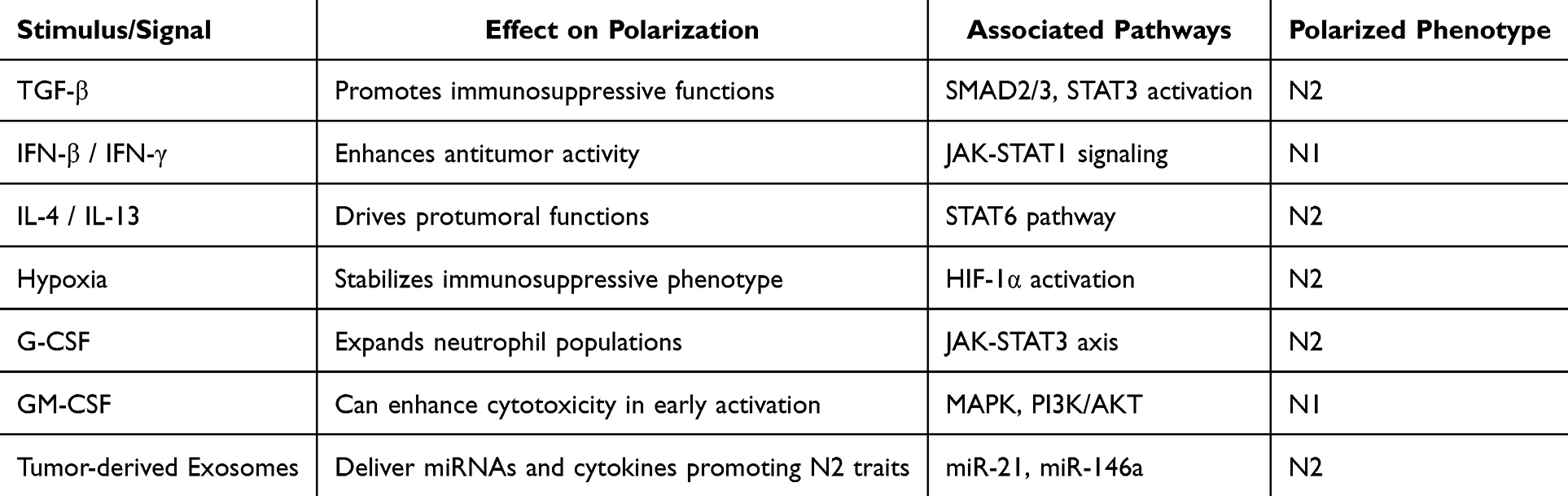 |
Table 1 Mechanisms of N1/N2 Neutrophil Polarization |
Molecular Pathways Driving N2 Neutrophil Polarization in Breast Cancer
N2 neutrophil polarization in the context of breast cancer is a complex process driven by a variety of molecular pathways within the tumor microenvironment (TME). These pathways facilitate the conversion of neutrophils from their resting state to a pro-tumorigenic, immunosuppressive phenotype that supports tumor progression, immune evasion, and metastasis (Table 2).
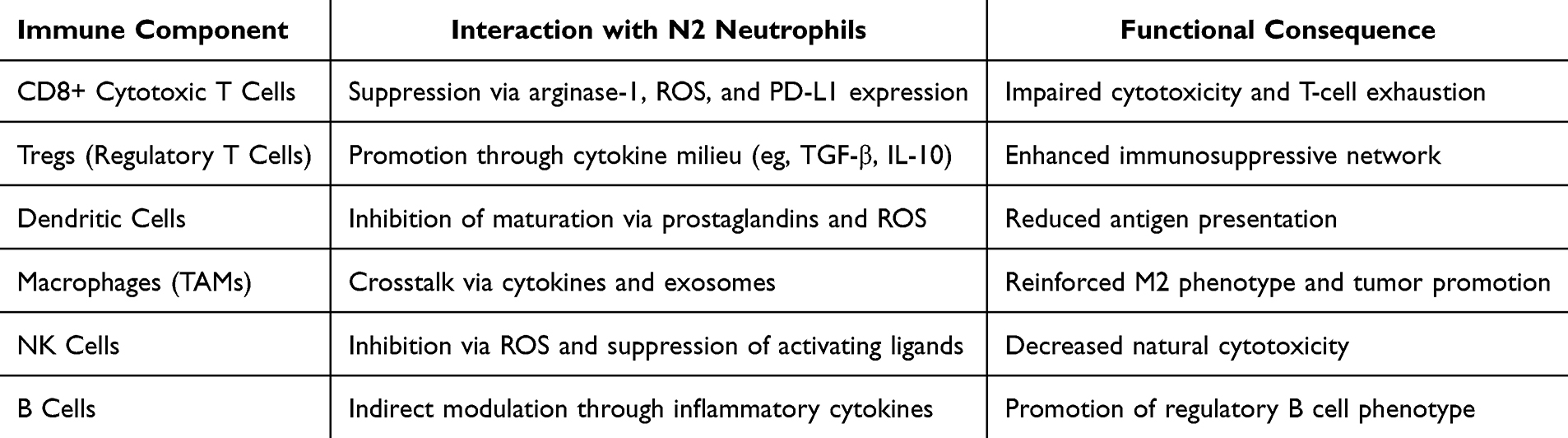 |
Table 2 Interactions Between N2 Neutrophils and Immune Components in the Tumor Microenvironment |
Cytokine and Growth Factor Signaling
One of the primary drivers of N2 neutrophil polarization is the cytokine and growth factor environment within the TME. Key cytokines such as IL-4, IL-13, and GM-CSF play a pivotal role in the induction of N2 polarization. These cytokines activate intracellular signaling cascades that promote the secretion of immunosuppressive factors and alter neutrophil function. For example, IL-4 and IL-13 activate the STAT6 pathway, which has been shown to enhance the expression of genes associated with N2 polarization, including those involved in tissue remodeling, angiogenesis, and immune suppression. GM-CSF, produced by tumor cells and other immune cells, activates the PI3K-AKT and MAPK pathways, which also contribute to the expansion of N2 neutrophils.20,21
TGF-β Signaling
Transforming growth factor-beta (TGF-β) is a crucial mediator of N2 neutrophil polarization. TGF-β is abundant in the TME and can directly influence neutrophil behavior by activating the SMAD-dependent signaling pathway. This signaling pathway regulates the expression of genes associated with immune suppression, including those responsible for the recruitment of regulatory T cells (Tregs) and the inhibition of cytotoxic T cell responses. TGF-β also promotes extracellular matrix remodeling and angiogenesis, processes that are essential for tumor progression and metastasis. The presence of TGF-β in the TME has been shown to skew neutrophil polarization towards an N2 phenotype, thereby facilitating tumor immune evasion and enhancing metastatic spread.22,23
Hypoxia-Induced Pathways
Hypoxia, a common feature of rapidly growing tumors, significantly contributes to N2 neutrophil polarization. The low oxygen levels in the TME activate hypoxia-inducible factors (HIFs), particularly HIF-1α. HIF-1α induces the expression of various cytokines and chemokines, including VEGF and IL-8, which support N2 polarization and promote neutrophil recruitment to the tumor site. In addition, hypoxia-induced activation of NF-κB signaling has been shown to enhance the expression of immunosuppressive factors such as IL-10, which further drives N2 polarization. Hypoxia-induced signaling pathways not only promote N2 neutrophil differentiation but also contribute to the overall immunosuppressive nature of the TME, enhancing tumor growth and metastasis.24
Tumor-Derived Exosomes and Microvesicles
Tumor-derived exosomes and microvesicles have been identified as important mediators of N2 neutrophil polarization. These small vesicles carry tumor-derived molecules such as cytokines, microRNAs, and proteins that can influence neutrophil behavior. For example, exosomes secreted by breast cancer cells contain factors like TGF-β and VEGF, which can directly influence neutrophil polarization towards an N2 phenotype. Tumor exosomes also carry microRNAs that can modulate gene expression in neutrophils, promoting their pro-tumor functions, including immune suppression, extracellular matrix remodeling, and angiogenesis. The interaction between tumor-derived exosomes and neutrophils represents a critical mechanism through which breast cancer cells actively manipulate the immune system to favor tumor progression.25,26
Crosstalk with Other Immune Cells
Neutrophils do not act in isolation within the TME but interact with other immune cells, such as macrophages, dendritic cells, and T cells, which can further drive N2 polarization. For instance, tumor-associated macrophages (TAMs) are a significant source of pro-inflammatory cytokines like IL-6 and TNF-α, which can influence neutrophil recruitment and polarization. TAMs also produce immunosuppressive factors like TGF-β and IL-10, which promote N2 polarization. Additionally, the interaction between N2 neutrophils and Tregs further enhances the immunosuppressive environment, limiting antitumor immunity and contributing to tumor immune evasion. This crosstalk between neutrophils and other immune cells highlights the complexity of the immune response in breast cancer and the pivotal role of N2 neutrophils in modulating tumor progression.27,28
Metabolic Reprogramming
Metabolic changes in the TME also influence neutrophil polarization. In tumors, there is a shift towards aerobic glycolysis (the Warburg effect), which alters the metabolic profile of immune cells, including neutrophils. This metabolic reprogramming promotes an immunosuppressive phenotype, supporting N2 polarization. High lactate levels, common in tumors with glycolytic activity, can inhibit the activation of pro-inflammatory pathways and promote the development of N2 neutrophils. In addition, metabolic reprogramming affects the activity of key enzymes such as inducible nitric oxide synthase (iNOS) and arginase-1, which play roles in immune suppression and tissue remodeling. The metabolic microenvironment thus serves as a key determinant of neutrophil function and polarization within the tumor.29
Role of N2 Neutrophils in Tumor Progression and Metastasis
N2 neutrophils play a critical role in tumor progression and metastasis in various cancers, including breast cancer. Unlike their antitumor N1 counterparts, which are involved in direct tumor cell killing and promoting immune responses, N2 neutrophils adopt a pro-tumorigenic and immunosuppressive phenotype that facilitates tumor growth, immune evasion, and metastasis. This shift in neutrophil polarization within the tumor microenvironment (TME) is a complex process driven by multiple factors including cytokines, growth factors, hypoxia, and the dynamic interactions between immune and tumor cells. Understanding the mechanisms through which N2 neutrophils contribute to tumor progression and metastasis provides valuable insights into potential therapeutic strategies aimed at modulating the immune system for improved cancer treatment.30,31
Promotion of Tumor Growth
N2 neutrophils contribute to tumor growth by supporting angiogenesis, the process through which new blood vessels are formed to supply oxygen and nutrients to the growing tumor. They secrete pro-angiogenic factors such as VEGF (vascular endothelial growth factor) and IL-8, which promote endothelial cell migration, vessel formation, and tumor vasculature. In addition to these pro-angiogenic effects, N2 neutrophils also help remodel the extracellular matrix (ECM), creating a microenvironment that supports tumor cell proliferation and survival. They secrete matrix metalloproteinases (MMPs), which degrade ECM components, allowing tumor cells to invade surrounding tissues. The ability of N2 neutrophils to influence both angiogenesis and ECM remodeling helps drive the growth and expansion of tumors.19
Immunosuppressive Effects on Antitumor Immunity
N2 neutrophils play a key role in immune suppression within the TME. Through the secretion of cytokines such as IL-10 and TGF-β, N2 neutrophils inhibit the activity of cytotoxic T cells and natural killer (NK) cells, both of which are essential for effective antitumor immune responses. They can also promote the recruitment and expansion of regulatory T cells (Tregs), which further dampen immune responses. By suppressing the activation of immune effector cells, N2 neutrophils effectively create an environment where the tumor can grow unchecked by the immune system. This immunosuppressive role is a major mechanism by which N2 neutrophils facilitate tumor progression.32
Facilitation of Tumor Cell Invasion and Migration
N2 neutrophils contribute to tumor metastasis by promoting tumor cell invasion and migration. Their secretion of MMPs not only assists in ECM degradation but also helps to create a more permissive environment for tumor cells to detach from the primary tumor, migrate through tissues, and enter the bloodstream or lymphatic system. In addition to ECM degradation, N2 neutrophils release chemokines such as CCL2, CCL5, and CXCL8 that recruit other immune cells and tumor cells, thereby enhancing metastasis. Through these mechanisms, N2 neutrophils enable the dissemination of tumor cells to distant organs and tissues, contributing to the development of metastatic lesions.27
Induction of a Pro-Inflammatory Microenvironment
Although N2 neutrophils are typically associated with immunosuppressive functions, they can also induce a chronic pro-inflammatory state in the TME, which further promotes tumor progression. This persistent inflammation contributes to the production of various cytokines and growth factors, creating a favorable environment for tumor cell proliferation and survival. By secreting cytokines such as TNF-α and IL-1β, N2 neutrophils can activate various inflammatory pathways, leading to tumorigenic signaling cascades, including the activation of NF-κB and STAT3 pathways, which are crucial for cell survival, proliferation, and immune evasion. The inflammatory environment induced by N2 neutrophils accelerates tumor progression and facilitates the transition to more aggressive tumor phenotypes.26,33
Contribution to Metastatic Niche Formation
Once tumor cells have disseminated to distant organs, N2 neutrophils continue to play a role in establishing metastatic niches. Upon arrival at secondary sites, circulating tumor cells interact with the local immune microenvironment, which is often enriched with N2 neutrophils. These neutrophils can facilitate the formation of pre-metastatic niches by secreting factors that alter the local tissue architecture, recruit immune cells, and support tumor cell colonization. For example, N2 neutrophils can produce pro-fibrotic cytokines that promote the deposition of extracellular matrix proteins, which create a supportive scaffold for tumor cells. Additionally, their role in modulating the immune landscape ensures that the metastatic tumor is not rejected by the host’s immune system.30
Resistance to Chemotherapy and Targeted Therapy
N2 neutrophils may contribute to resistance to chemotherapy and targeted therapies by fostering an immunosuppressive and protective environment within the TME. The immunosuppressive cytokines and factors secreted by N2 neutrophils can blunt the efficacy of therapeutic agents that rely on the activation of the immune system, such as immune checkpoint inhibitors. Moreover, the pro-survival factors produced by N2 neutrophils can help tumor cells evade the cytotoxic effects of chemotherapy and targeted therapies. Their role in promoting tumor cell survival and immune evasion highlights the need to consider N2 neutrophils when developing therapeutic strategies aimed at overcoming resistance to conventional treatments.34
Interaction with Other Immune Cells
N2 neutrophils do not act alone but instead interact with a variety of immune cells within the TME, amplifying their effects on tumor progression and metastasis. For example, N2 neutrophils can recruit and activate myeloid-derived suppressor cells (MDSCs), which further contribute to immune suppression. Additionally, their interactions with tumor-associated macrophages (TAMs) can create a feedback loop that promotes N2 polarization and the secretion of additional tumor-promoting factors. These interactions with other immune cells exacerbate the immunosuppressive environment and facilitate tumor growth, metastasis, and therapy resistance.35
Neutrophil Plasticity and Subtype-Specific Responses in Breast Cancer
Neutrophils were traditionally considered terminally differentiated and short-lived cells with limited functional diversity. However, recent advances in single-cell technologies and high-dimensional flow cytometry have redefined this view, revealing a remarkable degree of neutrophil plasticity. Single-cell RNA sequencing (scRNA-seq) studies have identified transcriptionally distinct neutrophil subsets within the tumor microenvironment (TME), varying in cytokine responsiveness, immunoregulatory capacity, and maturation state. For example, Zilionis et al utilized scRNA-seq in lung and breast tumors to reveal a continuum of neutrophil activation states, ranging from pro-inflammatory to immunosuppressive phenotypes, highlighting the fluid nature of neutrophil identity in cancer. Similarly, Shaul et al demonstrated, through high-parameter flow cytometry and RNA-seq, that tumor-associated neutrophils (TANs) exhibit both pro- and anti-tumor functions, depending on local cues such as TGF-β, hypoxia, and interferon signaling.26,30
In breast cancer, emerging evidence suggests that neutrophil phenotypes are not only dynamic but also subtype-specific. Triple-negative breast cancer (TNBC), characterized by its immunogenicity and high mutational burden, is associated with a pronounced infiltration of neutrophils exhibiting N2-like features, including upregulation of arginase-1, CXCR4, and PD-L1. These neutrophils actively suppress CD8+ T-cell responses and support metastatic progression. In contrast, luminal subtypes tend to show lower neutrophil density and a more balanced neutrophil-to-lymphocyte ratio, with some TANs displaying pro-inflammatory, N1-like traits. These differences are partly driven by distinct chemokine and cytokine profiles secreted by tumor cells and the stromal microenvironment. Importantly, these subtype-specific variations in neutrophil behavior may influence prognosis and therapeutic response, particularly to immunotherapy.34,35
Therapeutic Implications of Targeting N2 Neutrophils
Recent advances in understanding the role of N2 neutrophils in breast cancer have spurred the development of targeted therapeutic strategies aimed at modulating their protumorigenic functions. Among the most promising clinical interventions are CXCR2 inhibitors, such as Reparixin, which block the chemokine receptor responsible for neutrophil recruitment and trafficking into the tumor microenvironment. Early-phase clinical trials of Reparixin have demonstrated potential benefits in reducing neutrophil infiltration, thereby limiting tumor progression and metastasis, particularly in aggressive breast cancer subtypes like triple-negative breast cancer (TNBC). However, translating these strategies into effective therapies faces significant challenges. Systemic inhibition of CXCR2 and other neutrophil-related pathways risks impairing the essential host defense functions of neutrophils, increasing patients’ susceptibility to infections and potentially exacerbating immunosuppression. Furthermore, the broad role of neutrophils in tissue homeostasis raises concerns about off-target toxicities and unintended consequences of prolonged neutrophil modulation.36,37 Another key challenge lies in the heterogeneity and plasticity of neutrophil populations. Therapies that non-selectively deplete neutrophils may disrupt beneficial N1 populations, which possess antitumor properties. This complicates dosing strategies and highlights the urgent need for selective approaches that specifically target the N2 phenotype without compromising immune competence. Additionally, early clinical trials have occasionally reported mixed or negative results, which may introduce bias or dampen enthusiasm for further development. These setbacks underscore the importance of robust biomarkers for patient stratification and real-time monitoring of neutrophil phenotypes during treatment. Future directions include combining N2-targeted agents with immune checkpoint inhibitors or other immunotherapies to synergistically enhance antitumor immunity while mitigating compensatory immunosuppressive mechanisms. Emerging platforms such as neutrophil-targeted nanomedicine offer promise for improving drug delivery specificity and minimizing systemic side effects (Table 3).38–40 Below are several potential therapeutic implications and strategies for targeting N2 neutrophils in breast cancer treatment:
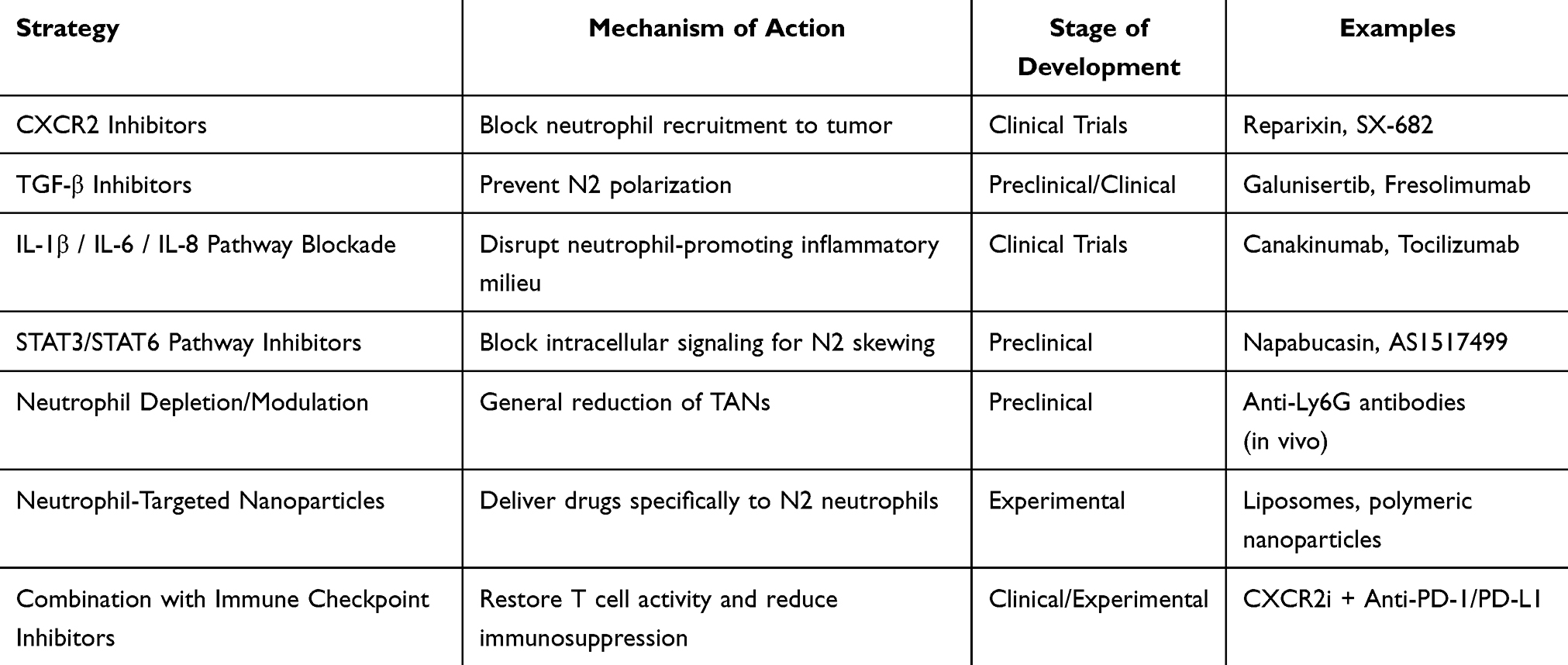 |
Table 3 Summary of Therapeutic Strategies Targeting N2 Neutrophils in Breast Cancer |
Modulating Neutrophil Polarization
One of the most direct approaches to targeting N2 neutrophils is through the modulation of neutrophil polarization. By inhibiting the signals that drive the polarization of neutrophils toward the N2 phenotype, it may be possible to reduce their pro-tumor functions and promote their anti-tumor N1 counterpart. Various factors contribute to N2 polarization, including cytokines such as IL-10, TGF-β, and GM-CSF, as well as signaling pathways such as STAT3, NF-κB, and PI3K. Targeting these pathways with small molecule inhibitors or neutralizing antibodies could effectively shift the balance from N2 to N1 neutrophils, thereby enhancing antitumor immunity. Inhibitors of STAT3, for instance, have been shown to suppress N2 polarization and reduce the tumor-promoting effects of neutrophils.37,38
Inhibiting Neutrophil Recruitment and Retention
N2 neutrophils accumulate in the tumor microenvironment through the secretion of chemokines like CCL2, CCL5, and CXCL8, which recruit neutrophils to the site of the tumor. Targeting these chemokine-receptor interactions could help reduce the infiltration of N2 neutrophils into the tumor and minimize their contributions to tumor progression. For example, antagonists of the CXCR2 receptor, which binds to CXCL8, have shown promise in preclinical models of cancer by preventing the recruitment of both neutrophils and other immune cells to the tumor site. Similarly, blocking other chemokine pathways such as CCR5/CCL5 may prevent the homing of N2 neutrophils, thus impeding the progression of the disease.39
Targeting Pro-Tumorigenic Factors Secreted by N2 Neutrophils
N2 neutrophils secrete various pro-tumorigenic factors, such as VEGF, MMPs, and IL-10, that promote angiogenesis, extracellular matrix remodeling, and immune suppression. Targeting these factors with specific inhibitors or antibodies could reduce the pro-tumor effects of N2 neutrophils. For instance, the inhibition of VEGF with agents like bevacizumab has been used in clinical settings to block angiogenesis and limit tumor growth. Similarly, targeting MMPs with synthetic inhibitors could reduce the ability of neutrophils to degrade the extracellular matrix, thereby limiting tumor cell invasion and metastasis. By targeting these secreted factors, it is possible to disrupt key aspects of the tumor microenvironment that are manipulated by N2 neutrophils.40
Immunotherapy and Combination Strategies
Immunotherapy, particularly immune checkpoint inhibitors, has revolutionized cancer treatment, but its success has been limited in some cancers due to the immunosuppressive microenvironment created by N2 neutrophils. Targeting N2 neutrophils in combination with immune checkpoint inhibitors could improve the efficacy of immunotherapy. For example, combining PD-1/PD-L1 inhibitors with strategies that deplete or block N2 neutrophils may enhance the activation of cytotoxic T cells and natural killer (NK) cells, leading to more effective tumor destruction. Other immune modulators, such as cytokine therapies targeting IL-12 or IFN-γ, could potentially enhance the polarization of neutrophils toward the N1 phenotype, further enhancing the effectiveness of immunotherapies.41,42
Gene Editing Approaches
Advanced gene-editing technologies, such as CRISPR/Cas9, offer the potential to directly modify the genetic programming of neutrophils and their interactions with the tumor microenvironment. This approach could be used to target specific genes involved in neutrophil polarization, recruitment, or function. For example, knocking down the expression of genes critical for N2 polarization, such as STAT3 or IL-10 receptors, could reduce the pro-tumor functions of neutrophils in breast cancer. Gene editing could also be used to reprogram neutrophils to favor an anti-tumor phenotype, effectively reversing the immunosuppressive role of N2 neutrophils.43
Targeting Neutrophil-Derived Extracellular Vesicles
Neutrophils release extracellular vesicles (EVs) that carry pro-inflammatory and pro-tumorigenic cargo, including cytokines, microRNAs, and other signaling molecules. These EVs play a critical role in promoting metastasis and tumor progression. Therapeutically targeting neutrophil-derived EVs or their cargo may help reduce the tumor-promoting effects of N2 neutrophils. Developing agents that inhibit the release or uptake of these vesicles by tumor cells could provide an additional strategy for preventing metastasis and tumor progression. For example, blocking the binding of EVs to tumor cells or targeting specific microRNAs within the EVs could attenuate their impact on cancer progression.44
Targeting the Tumor Microenvironment
A more global approach to targeting N2 neutrophils in breast cancer involves modulating the overall tumor microenvironment. As N2 neutrophils are influenced by various environmental cues such as hypoxia, acidity, and cytokine profiles, strategies aimed at normalizing the TME could reduce the polarization of neutrophils toward the N2 phenotype. Agents that target hypoxia (eg, hypoxia-inducible factor inhibitors) or alter the acidic nature of the TME could help shift the balance of neutrophil polarization. Moreover, targeting the stromal cells that interact with neutrophils, such as tumor-associated macrophages (TAMs), could have a synergistic effect in altering neutrophil behavior and improving therapeutic outcomes.45
N2 Neutrophils, Therapy Resistance, and Prognosis in Breast Cancer
Emerging evidence has increasingly implicated N2 neutrophils as critical mediators of therapy resistance and adverse clinical outcomes in breast cancer. These protumorigenic neutrophils contribute to an immunosuppressive tumor microenvironment that undermines the efficacy of conventional treatments such as chemotherapy, radiotherapy, and targeted therapies. Mechanistically, N2 neutrophils secrete an array of factors including reactive oxygen species (ROS), arginase-1, and neutrophil extracellular traps (NETs), which collectively suppress cytotoxic T cell function and promote tumor cell survival under therapeutic stress.46 Several recent clinical and preclinical studies have demonstrated correlations between elevated N2 neutrophil infiltration and poor patient prognosis. For example, high neutrophil-to-lymphocyte ratios (NLR), often reflective of increased N2 activity, have been consistently associated with reduced overall survival and increased metastatic risk, particularly in aggressive subtypes such as triple-negative breast cancer (TNBC). Additionally, N2 neutrophils have been shown to secrete factors that induce epithelial-mesenchymal transition (EMT) and stemness features in tumor cells, further driving resistance to chemotherapy and facilitating metastatic dissemination.45,47 Importantly, N2 neutrophils can blunt responses to immune checkpoint inhibitors by fostering an immunosuppressive milieu that limits T cell infiltration and activation. This is exemplified by recent findings indicating that high intratumoral levels of CXCR2+ N2 neutrophils correlate with poor response rates to PD-1/PD-L1 blockade. These insights highlight the potential of targeting N2 neutrophils to overcome therapeutic resistance and improve clinical outcomes.48
Therapeutic Challenges
While targeting N2 neutrophils presents a promising approach to mitigating tumor progression in breast cancer, several therapeutic challenges must be addressed before these strategies can be effectively translated into clinical benefit. One major concern is the risk of treatment resistance and immune compensation. Given the plasticity of neutrophils and their context-dependent behavior, selective targeting of N2 phenotypes may inadvertently trigger compensatory mechanisms in other immune cells or promote alternative pro-tumor pathways. For instance, depletion of neutrophils or blockade of pathways such as CXCR2 or TGF-β may be met with increased recruitment of immunosuppressive macrophages or regulatory T cells, ultimately maintaining an immunosuppressive microenvironment despite neutrophil inhibition.46 Moreover, early failures or limited efficacy in preclinical or Phase I/II clinical trials may skew scientific perception and hinder future research in this domain. Negative results—particularly if not adequately published or contextualized—can introduce confirmation bias, whereby subsequent studies disproportionately focus on pathways or interventions with prior positive outcomes, while disregarding alternative strategies that may be more effective in specific subtypes or combination regimens. For example, preliminary trials using CXCR2 inhibitors like Reparixin have shown mixed results, potentially due to inadequate patient stratification or compensatory immune responses, yet these complexities are often underreported.49 Another challenge is balancing therapeutic efficacy with safety, as systemic neutrophil depletion or broad pathway inhibition may compromise host defense against infections or impair wound healing. This concern necessitates the development of precise, context-aware strategies—such as nanoparticle delivery systems, tumor-targeted cytokine blockade, or exosome-based interventions—that modulate N2 function without affecting the broader neutrophil population.47 To mitigate these pitfalls, future research must incorporate adaptive clinical trial designs, include robust biomarkers for neutrophil subtype identification, and emphasize transparent reporting of both successful and unsuccessful outcomes. A more nuanced understanding of the tumor-specific and systemic consequences of N2 modulation will be essential for designing safe and effective immunotherapeutic strategies.45
Future Directions
As our understanding of N2 neutrophils in breast cancer deepens, emerging translational strategies are beginning to reshape the therapeutic landscape. One promising approach lies in the combination of N2 neutrophil-targeting agents with immune checkpoint inhibitors (ICIs). N2 neutrophils contribute to an immunosuppressive tumor microenvironment (TME) through the expression of PD-L1, secretion of arginase-1, and promotion of T-cell dysfunction. Preclinical models have shown that inhibiting neutrophil recruitment or polarization—via CXCR2 blockade or TGF-β inhibition—can enhance the efficacy of ICIs by restoring T-cell activity and increasing tumor immunogenicity. This combinatorial strategy could be especially beneficial in immunologically “cold” tumors such as triple-negative breast cancer (TNBC), where monotherapies often fail due to stromal exclusion of effector lymphocytes.48 Another innovative avenue is neutrophil-targeted nanomedicine, which offers the potential for precise delivery of therapeutics while minimizing systemic toxicity. Nanoparticles engineered to recognize surface markers unique to pro-tumor neutrophils, or to respond to the oxidative microenvironment created by N2 cells, can deliver small molecules, RNA interference agents, or immune modulators directly to the tumor site. For example, lipid nanoparticles and polymeric micelles have been employed to deliver CXCR2 antagonists or siRNAs targeting neutrophil-promoting cytokines with enhanced stability and controlled release. This targeted approach holds particular promise in overcoming the challenge of neutrophil heterogeneity, by enabling selective modulation of the tumor-promoting subset while preserving antimicrobial and homeostatic functions of normal neutrophils.50 Furthermore, advances in single-cell omics and spatial transcriptomics will likely guide the development of personalized neutrophil-targeting therapies by revealing patient-specific immune signatures and neutrophil phenotypes across breast cancer subtypes. Integration of these insights with real-time imaging and biomarker monitoring could allow for adaptive, precision-based interventions.5,51
Controversies and Unresolved Questions
Despite growing recognition of the protumorigenic functions of N2 neutrophils in breast cancer, several critical controversies and unanswered questions persist. One of the most debated issues concerns the plasticity of neutrophil phenotypes. While the N1/N2 polarization model provides a useful conceptual framework, emerging evidence suggests that neutrophil states exist along a dynamic continuum influenced by tumor type, stage, and microenvironmental cues. This fluidity challenges the binary classification and complicates efforts to identify stable, targetable N2-specific markers. Another unresolved question is whether N2 neutrophils can revert to an antitumor N1 phenotype under certain therapeutic or microenvironmental conditions. Some studies have suggested that pharmacologic agents or cytokine modulation might reprogram neutrophils toward tumor-suppressive functions, but definitive proof in human breast cancer remains limited.
Furthermore, the role of N2 neutrophils appears to be highly context-dependent. For instance, their contribution to tumor progression may differ between breast cancer subtypes such as triple-negative versus luminal cancers, potentially due to distinct cytokine milieus and immune landscapes. Additionally, systemic factors including patient comorbidities, treatment regimens, and microbiome composition might influence neutrophil behavior, further complicating generalizations across patient populations. The interplay between N2 neutrophils and other immune cells also remains incompletely understood. While their immunosuppressive interactions with T cells and macrophages are well documented, the potential for cross-talk that could paradoxically enhance antitumor immunity under specific conditions is an emerging area of interest. These controversies highlight the necessity for comprehensive, high-resolution studies—particularly longitudinal analyses using single-cell technologies—to dissect neutrophil heterogeneity and function in vivo. Addressing these unresolved questions is crucial to developing refined, context-specific interventions that harness neutrophil plasticity for therapeutic benefit in breast cancer.
Limitations of Current Evidence
Despite significant advances in characterizing the role of N2 neutrophils in breast cancer, several limitations constrain the translational relevance of current findings. A major gap lies in the lack of well-defined and universally accepted markers that reliably distinguish N2 neutrophils from their N1 counterparts, particularly in human tissues. Most studies rely on functional or transcriptional signatures derived from murine models, which do not fully capture the complexity and plasticity of human neutrophils within the tumor microenvironment. Additionally, the majority of evidence stems from preclinical models or in vitro assays, with limited validation in patient-derived samples or clinical cohorts. The dynamic and context-dependent nature of neutrophil polarization further complicates the delineation of stable N2 phenotypes. Single-cell RNA sequencing and flow cytometry studies have begun to shed light on intratumoral neutrophil heterogeneity; however, these techniques are still underutilized in large-scale, subtype-specific investigations of breast cancer. Moreover, current therapeutic strategies targeting neutrophils often lack specificity and carry the risk of impairing essential host defense mechanisms, underscoring the need for safer and more selective approaches. Importantly, few clinical trials have directly evaluated N2-targeted therapies in breast cancer patients. The absence of longitudinal data and clinical endpoints related specifically to N2 modulation hinders our ability to assess efficacy, safety, and resistance patterns. As such, future research must prioritize the development of human-specific N2 markers, integrate multi-omics approaches to resolve neutrophil phenotypes, and design prospective clinical studies that evaluate the therapeutic value of targeting N2 neutrophils across different breast cancer subtypes.
Conclusion
N2 neutrophils represent a pivotal yet complex component of the breast cancer tumor microenvironment, driving tumor progression, immune evasion, and therapy resistance through diverse molecular pathways. While significant advances have been made in characterizing their protumorigenic functions, critical challenges remain in selectively targeting these cells without impairing essential immune defenses. Moving forward, cutting-edge technologies such as single-cell RNA sequencing, spatial transcriptomics, and integrative multi-omics approaches promise to revolutionize our understanding of neutrophil heterogeneity and plasticity at unprecedented resolution. These tools will enable the identification of novel, context-specific biomarkers and unravel the spatial and temporal dynamics of neutrophil subpopulations within breast tumors. Such insights are essential for designing precise, personalized therapeutic strategies that can effectively reprogram or inhibit N2 neutrophils while preserving beneficial immune functions. Ultimately, leveraging these emerging methodologies will be key to translating the biological complexity of neutrophils into clinical innovations that improve prognosis and treatment outcomes for breast cancer patients.
Disclosure
The authors report no conflicts of interest in this work.
References
1. Maier-Begandt D, Alonso-Gonzalez N, Klotz L, et al. Neutrophils—biology and diversity. Nephrol Dial Transplant. 2024;39(10):1551–1564. doi:10.1093/ndt/gfad266
2. Simpson P. Clinical implications and future research of neutrophils in health and disease. Immunome Res. 2024;20(3):1–2.
3. Zhang J, Gu J, Wang X, et al. Engineering and targeting neutrophils for cancer therapy. Adv Mater. 2024;36(19):2310318. doi:10.1002/adma.202310318
4. Obeagu EI, Obeagu GU. Exploring neutrophil functionality in breast cancer progression: a review. Medicine. 2024;103(13):e37654. doi:10.1097/MD.0000000000037654
5. Obeagu EI. From inflammation to invasion: neutrophils in cervical cancer pathogenesis. Ann Med Surg. 2024:10–97.
6. Obeagu EI, Obeagu GU. Neutrophil phenotypes in prolonged labor: implications for therapeutic strategies. Medicine. 2024;103(46):e40611. doi:10.1097/MD.0000000000040611
7. Obeagu EI. The balance between N1 and N2 neutrophils implications for breast cancer immunotherapy: a narrative review. Ann Med Surg. 2025;87:10–97. doi:10.1097/MS9.0000000000003361
8. Obeagu EI. Stress, neutrophils, and immunity: a dynamic interplay. Ann Med Surg. 2025;87:10–97.
9. Obeagu EI, Rizvi SA. Inflammatory signaling pathways in neutrophils: implications for breast cancer therapy. Ann Med Surg. 2025;87:10–97. doi:10.1097/MS9.0000000000003251
10. Obeagu EI, Ezeala CC. Neutrophils as key regulators of tumor microenvironment in breast cancer: a focus on N1 and N2 polarization. Ann Med Surg. 2025;87:10–97. doi:10.1097/MS9.0000000000003269
11. Akinsipe T, Mohamedelhassan R, Akinpelu A, et al. Cellular interactions in tumor microenvironment during breast cancer progression: new frontiers and implications for novel therapeutics. Front Immunol. 2024;15:1302587. doi:10.3389/fimmu.2024.1302587
12. Awasthi D, Sarode A. Neutrophils at the crossroads: unraveling the multifaceted role in the tumor microenvironment. Int J Mol Sci. 2024;25(5):2929. doi:10.3390/ijms25052929
13. Sharma R, Aashima, Nanda M, et al. Mapping cancer in Africa: a comprehensive and comparable characterization of 34 cancer types using estimates from GLOBOCAN 2020. Front Public Health. 2022;10:839835. doi:10.3389/fpubh.2022.839835
14. Tumbath S, Jiang L, Li X, et al. β-Lapachone promotes the recruitment and polarization of tumor-associated neutrophils (TANs) toward an antitumor (N1) phenotype in NQO1-positive cancers. Oncoimmunology. 2024;13(1):2363000. doi:10.1080/2162402X.2024.2363000
15. Fridlender ZG, Granot Z. Neutrophils in the tumor microenvironment–when a company becomes a crowd. Cell Mol Immunol. 2024;21(4):313–314. doi:10.1038/s41423-024-01147-9
16. Wu G, Pan B, Shi H, et al. Neutrophils’ dual role in cancer: from tumor progression to immunotherapeutic potential. Int Immunopharmacol. 2024;140:112788. doi:10.1016/j.intimp.2024.112788
17. Wen J, Liu D, Zhu H, Shu K. Microenvironmental regulation of tumor-associated neutrophils in malignant glioma: from mechanism to therapy. J Neuroinflammation. 2024;21(1):226. doi:10.1186/s12974-024-03222-4
18. Zhang M, Qin H, Wu Y, Gao Q. Complex role of neutrophils in the tumor microenvironment: an avenue for novel immunotherapies. Cancer Biol Med. 2024;21(10):849–863.
19. Mi X, Duan Y, Sun J, et al. The ketogenic diet modulates tumor-associated neutrophil polarization via the AMOT-YAP/TAZ axis to inhibit colorectal cancer progression. Pharmacol Res. 2024;210:107494. doi:10.1016/j.phrs.2024.107494
20. Huang X, Nepovimova E, Adam V, et al. Neutrophils in Cancer immunotherapy: friends or foes? Mol Cancer. 2024;23(1):107. doi:10.1186/s12943-024-02004-z
21. Liang B, Yuan Y, Jiang Q, Ma T, Liu X, Li Y. How neutrophils shape the immune response of triple-negative breast cancer: novel therapeutic strategies targeting neutrophil extracellular traps. Biomed Pharmacother. 2024;178:117211. doi:10.1016/j.biopha.2024.117211
22. Luyang H, Zeng F, Lei Y, He Q, Zhou Y, Xu J. Bidirectional role of neutrophils in tumor development. Mol Cancer. 2025;24(1):22. doi:10.1186/s12943-025-02228-7
23. Yang C, Li L, Ye Z, et al. Mechanisms underlying neutrophils adhesion to triple-negative breast cancer cells via CD11b-ICAM1 in promoting breast cancer progression. Cell Commun Signaling. 2024;22(1):340. doi:10.1186/s12964-024-01716-5
24. Zhang J, Yu D, Ji C, et al. Exosomal miR-4745-5p/3911 from N2-polarized tumor-associated neutrophils promotes gastric cancer metastasis by regulating SLIT2. Mol Cancer. 2024;23(1):198. doi:10.1186/s12943-024-02116-6
25. Al Qutami F, AlHalabi W, Vijayakumar A, et al. Characterizing the inflammatory profile of neutrophil-rich triple-negative breast cancer. Cancers. 2024;16(4):747. doi:10.3390/cancers16040747
26. Correia BF, Grosa D, Salvador R, et al. Neutrophils matter: new clinical insights on their role in the progression of metastatic breast cancer. bioRxiv. 2025:2025–2104.
27. He Y, Qu Y, Jin S, Zhang Y, Qin L. ALDH3A1 upregulation inhibits neutrophils N2 polarization and halts oral cancer growth. Oral Dis. 2024;30(7):4231–4242. doi:10.1111/odi.14863
28. Rui XU, Zehao WA, Jiong WU. Advances in the role of tumor-associated neutrophils in the development of breast cancer. China Oncol. 2024;34(9):881–889.
29. Lin Q, Zong S, Wang Y, et al. Breast cancer-derived CAV1 promotes lung metastasis by regulating integrin α6β4 and the recruitment and polarization of tumor-associated neutrophils. Int J Bio Sci. 2024;20(14):5695. doi:10.7150/ijbs.94153
30. Hu C, Long L, Lou J, et al. CTC-neutrophil interaction: a key driver and therapeutic target of cancer metastasis. Biomed Pharmacother. 2024;180:117474. doi:10.1016/j.biopha.2024.117474
31. Jia J, Wang Y, Li M, et al. Neutrophils in the premetastatic niche: key functions and therapeutic directions. Mol Cancer. 2024;23(1):200. doi:10.1186/s12943-024-02107-7
32. Qin J, Wei F, Ren X. Neutrophils in the era of single-cell RNA sequencing: functions and targeted therapies in cancer. Cancer Biol Med. 2024;20(12):903. doi:10.20892/j.issn.2095-3941.2024.0012
33. Yu X, Li C, Wang Z, et al. Neutrophils in cancer: dual roles through intercellular interactions. Oncogene. 2024;43(16):1163–1177. doi:10.1038/s41388-024-03004-5
34. Lin J, He XL, Zhang WW, Mo CF. Metabolic reprogramming of tumor-associated neutrophils in tumor treatment and therapeutic resistance. Front Cell Develop Biol. 2025;13:1584987. doi:10.3389/fcell.2025.1584987
35. Zhu M, Jia R, Zhang X, Xu P. The success of the tumor immunotherapy: neutrophils from bench to beside. Front Immunol. 2025;16:1524038. doi:10.3389/fimmu.2025.1524038
36. Ma Y, Wei J, He W, Ren J. Neutrophil extracellular traps in cancer. MedComm. 2024;5(8):e647. doi:10.1002/mco2.647
37. Lu S, Mi Z, Liu P, et al. Repolarizing neutrophils via MnO2 nanoparticle-activated STING pathway enhances Salmonella-mediated tumor immunotherapy. J Nanobiotechnol. 2024;22(1):443. doi:10.1186/s12951-024-02726-8
38. Toghraie FS, Bayat M, Hosseini MS, Ramezani A. Tumor-infiltrating myeloid cells; mechanisms, functional significance, and targeting in cancer therapy. Cell Oncol. 2025:1–32.
39. Zhao P, Li M, Wang J, Li J, Lin Y. Targeting the immune microenvironment: a novel strategy for treating infected bone defects with hydrogels. Chin Chem Lett. 2025;111319. doi:10.1016/j.cclet.2025.111319
40. Gao Q, Yan Y, Zhang J, et al. Autologous cryo-shocked neutrophils enable targeted therapy of sepsis via broad-spectrum neutralization of pro-inflammatory cytokines and endotoxins. Front Chem. 2024;12:1359946. doi:10.3389/fchem.2024.1359946
41. Liu Y, Sun Q, Guo J, et al. Dual ferroptosis induction in N2-TANs and TNBC cells via FTH1 targeting: a therapeutic strategy for triple-negative breast cancer. Cell Rep Med. 2025;6(1):101915. doi:10.1016/j.xcrm.2024.101915
42. Ricci AD, Rizzo A, Schirizzi A, et al. Tumor immune microenvironment in intrahepatic cholangiocarcinoma: regulatory mechanisms, functions, and therapeutic implications. Cancers. 2024;16(20):3542. doi:10.3390/cancers16203542
43. Bi W, Li X, Jiang Y, et al. Tumor-derived exosomes induce neutrophil infiltration and reprogramming to promote T-cell exhaustion in hepatocellular carcinoma. Theranostics. 2025;15(7):2852. doi:10.7150/thno.104557
44. Chen X, Wang N, Jing C, et al. The TGF-β/MMP9/RAGE axis induces sRAGE secretion by neutrophils and promotes oral carcinogenesis. Biochem Biophys Rep. 2024;38:101676. doi:10.1016/j.bbrep.2024.101676
45. Gysemans C, Beya M, Pedace E, Mathieu C. Exploring neutrophil heterogeneity and plasticity in health and disease. Biomedicines. 2025;13(3):597. doi:10.3390/biomedicines13030597
46. Ugolini A, De Leo A, Yu X, et al. Functional reprogramming of neutrophils within the brain tumor microenvironment by hypoxia-driven histone lactylation. Cancer Discov. 2025:OF1–27.
47. Ding S, Kim YJ, Huang KY, Um D, Jung Y, Kong H. Delivery-mediated exosomal therapeutics in ischemia–reperfusion injury: advances, mechanisms, and future directions. Nano Convergence. 2024;11(1):18. doi:10.1186/s40580-024-00423-8
48. Chandrasekar V, Panicker AJ, Dey AK, et al. Integrated approaches for immunotoxicity risk assessment: challenges and future directions. Discov Toxicol. 2024;1(1):9. doi:10.1007/s44339-024-00010-w
49. Santacroce E, D’Angerio M, Ciobanu AL, et al. Advances and challenges in sepsis management: modern tools and future directions. Cells. 2024;13(5):439.
50. Kaplish D, Vagha JD, Meshram RJ, Lohiya S. A comprehensive review of inhaled nitric oxide therapy: current trends, challenges, and future directions. Cureus. 2024;16(2).
51. Seong H, Izutsu R, Osaki M, Okada F. Cancer prevention: past challenges and future directions. Genes Environ. 2025;47(1):4. doi:10.1186/s41021-025-00326-y
 © 2025 The Author(s). This work is published and licensed by Dove Medical Press Limited. The
full terms of this license are available at https://www.dovepress.com/terms
and incorporate the Creative Commons Attribution
- Non Commercial (unported, 4.0) License.
By accessing the work you hereby accept the Terms. Non-commercial uses of the work are permitted
without any further permission from Dove Medical Press Limited, provided the work is properly
attributed. For permission for commercial use of this work, please see paragraphs 4.2 and 5 of our Terms.
© 2025 The Author(s). This work is published and licensed by Dove Medical Press Limited. The
full terms of this license are available at https://www.dovepress.com/terms
and incorporate the Creative Commons Attribution
- Non Commercial (unported, 4.0) License.
By accessing the work you hereby accept the Terms. Non-commercial uses of the work are permitted
without any further permission from Dove Medical Press Limited, provided the work is properly
attributed. For permission for commercial use of this work, please see paragraphs 4.2 and 5 of our Terms.