
Back to Journals » Psychology Research and Behavior Management » Volume 19
Multidimensional Strategies for Building and Sustaining Hope in Schizophrenia Recovery: A Scoping Review of Qualitative Studies
Authors Widianti E  , Suryani S , Sunjaya DK , Iskandar S, Hazmi HB , Hidayati NO
Received 6 May 2026
Accepted for publication 6 July 2026
Published 17 July 2026 Volume 2026:19 622485
DOI https://doi.org/10.2147/PRBM.S622485
Checked for plagiarism Yes
Review by Single anonymous peer review
Peer reviewer comments 2
Editor who approved publication: Professor Mei-Chun Cheung
Efri Widianti,1,2 Suryani Suryani,2 Deni Kurniadi Sunjaya,3 Shelly Iskandar,4 Helmy Bin Hazmi,5 Nur Oktavia Hidayati2
1Faculty of Medicine, Universitas Padjadjaran, Bandung, West Java, Indonesia; 2Department of Mental Health Nursing, Faculty of Nursing, Universitas Padjadjaran, Bandung, West Java, Indonesia; 3Department of Public Health, Faculty of Medicine, Universitas Padjadjaran, Bandung, West Java, Indonesia; 4Department of Psychiatry, Faculty of Medicine, Universitas Padjadjaran, Bandung, West Java, Indonesia; 5Department of Community Medicine and Public Health, Faculty of Medicine and Health Sciences, Universiti Malaysia Sarawak, Samarahan, Sarawak, Malaysia
Correspondence: Efri Widianti, Faculty of Medicine, Universitas Padjadjaran, Bandung, West Java, 45363, Indonesia, Tel +62817217512, Email [email protected]
Background: For individuals suffering from schizophrenia, hope is a vital part of their treatment process. Hope prevents despair caused by a mental condition, which can lead to relapse or even death.
Objective: This scoping review aims to synthesize qualitative evidence on the multidimensional strategies that foster and sustain hope among individuals with schizophrenia throughout the recovery process.
Methods: This study utilized a scoping review method following the PRISMA-ScR framework. Literature searches were conducted on 4 electronic databases, namely Pubmed, Scopus, EBSCOhost, and ScienceDirect, with the publication period limited from January 2014 to December 2024, in English and full text. This study is confined to qualitative research findings. The primary keywords for this article are "Schizophrenia”, "Psychotic Disorders”, "Strategies”, "Enhancing”, "Maintaining”, "Hope”, and "Mental Health Recovery”. This scoping review employs theme analysis.
Results: Eight qualitative studies met the inclusion criteria. The thematic synthesis identified six interconnected themes that highlight the strategies employed by schizophrenia survivors to cultivate hope in their recovery journey. These themes encompass the crucial role of social support in fostering hope, medication adherence and education as a pathway to stability, the role of environment in building hope, self-management in building hope, enhancement of spirituality, and the significance of setting life goals along with meaningful engagement.
Conclusion: A comprehensive mapping of the methods utilized by individuals with schizophrenia can provide a basis for healthcare providers to create suitable support models, thereby fostering and sustaining hope for recovery among schizophrenia survivors.
Keywords: hope, building, maintaining, recovery, schizophrenia
Introduction
Schizophrenia is a serious mental disorder marked by distortions in thought, perception, emotion, speech, self-control, and behavior.1 According to the World Mental Health Report 2022, the number of people with schizophrenia worldwide reaches 24 million, or about 1 in 200 adults (aged 20 and above).2 The proportion of schizophrenia is reported to be smaller than that of depression and anxiety disorders, but the serious disability it causes is the highest.3
People with schizophrenia face challenges in their lives, where phases of remission and relapse occur alternately.4 While there are alternating phases of remission and relapse, recent evidence indicates that individuals living with schizophrenia can recover and lead fulfilling and productive lives.5–8
The recovery process for individuals with schizophrenia represents a new approach in mental health services.9 Hope is a fundamental element that aids in the recovery process.10,11 Hope plays an important part in the recovery process for individuals with schizophrenia, as hope is a guiding light that dispels emotions of despair.12 A study conducted in Korea discovered that in people with schizophrenia, hope has a deeper emotional and spiritual dimension, specifically the yearning for a meaningful life.13
Hope is generally defined as a positive motivational state that enables individuals to identify meaningful goals, develop pathways to achieve those goals, and maintain the motivation to pursue them despite challenges. According to Snyder’s Hope Theory, hope consists of two interrelated cognitive components: agency thinking, which reflects the motivation and determination to pursue goals, and pathways thinking, which refers to an individual’s perceived ability to generate alternative routes toward goal attainment.14 In the context of schizophrenia, hope extends beyond symptom reduction and encompasses the belief that recovery, personal growth, and a meaningful life remain achievable despite the ongoing challenges associated with the illness.15 In this review, Snyder’s Hope Theory is used as an interpretive lens to facilitate understanding of the identified recovery strategies, rather than as a predefined conceptual framework guiding study selection or thematic analysis.
Hope is significant for schizophrenia survivors in terms of overcoming setbacks in the recovery process, happiness, hope of a brighter future, and vigor, particularly in the early stages of recovery.16 Hope also boosts motivation and lowers feelings of helplessness and despair that can occur in people with schizophrenia. Hope may instill positive energy in a person’s life and provide the confidence required to attain personal goals.13,17 According to research findings, high levels of hope are associated with beneficial outcomes in people with schizophrenia, such as reduced hospitalization, higher medication adherence, and improved quality of life.18–21 Qualitative research/studies on hope in people with schizophrenia have been conducted in several countries. Previous evidence has summarized hope-enhancing interventions for individuals with schizophrenia based on Snyder’s Hope Theory. However, that review primarily focused on intervention approaches grounded in a theoretical framework rather than on the lived experiences and multidimensional strategies described by individuals with schizophrenia themselves.22 Despite the growing body of qualitative evidence, no previous scoping review has comprehensively synthesized qualitative findings on the multidimensional strategies used by individuals with schizophrenia to foster and sustain hope throughout the recovery process. Therefore, this scoping review aims to synthesize qualitative evidence on the multidimensional strategies that foster and sustain hope among individuals with schizophrenia throughout the recovery process.
Methods
Research Methodology
This study employs a scoping review research methodology. In this study, a scoping review is utilized to find comprehensive and thorough literature acquired from multiple sources using various research approaches relevant to the research issue.23 This study was carried out in steps, beginning with the selection of a research topic, followed by a search for relevant literature using keywords and inclusion criteria, article sorting, and data extraction and analysis. The search strategy for this study used the PRISMA Extension for Scoping Reviews (PRISMA-ScR) to select articles about people with schizophrenia’s efforts to build and sustain hope during the recovery process.
Identification Problem
This study employs the Population/Concept/Context (PCC) framework template to identify issues and formulate review queries. The literature search is guided by the initial research question: “What strategies do schizophrenia survivors employ to build and sustain hope for recovery?”
Eligibility Criteria
The article search criteria for this study included a group of schizophrenia survivors with an emphasis on strategies for building and sustaining hope during the recovery process. The research environment is focused on the recovery process, and the articles included in this review are qualitative. Only articles published between January 2014 and December 2024 were included to ensure that the review synthesized recent evidence relevant to contemporary recovery-oriented mental health care. Exclusion criteria include quantitative studies, feasibility studies, research procedures, conference proceedings, theses/dissertations, and abstracts. Furthermore, publications produced in languages other than English, as well as those with incomplete texts, are not considered.
Search Strategy
A comprehensive literature search was conducted in four major electronic databases: PubMed, Scopus, EBSCOhost, and ScienceDirect. These databases were selected because they provide broad coverage of peer-reviewed literature in medicine, nursing, psychology, and mental health, thereby maximizing the identification of relevant qualitative studies. The search was limited to articles published between January 2014 and December 2024 to capture contemporary evidence on hope and recovery in schizophrenia. Boolean operators (“AND” and “OR”) were applied to combine search terms across databases. The search strategy included the following English keywords: (“schizophrenia” OR “psychotic disorder”), (“strategies to maintain hope”), (“strategies to enhance hope”), and (“recovery” OR “recovery process”).
Study Selection
The study selection process is conducted using a team-based method, starting with filtering articles from the database. All search results are managed using the reference program Mendeley for efficiency and duplicate removal. The initial studies were filtered based on title relevance, and those that met the criteria proceeded to the abstract and full-text stages. All researchers evaluate compliance with inclusion criteria and methodological integrity. Data extraction in this study used tables by grouping similar data to address the research objectives. This study follows the PRISMA-ScR guidelines (Figure 1).24
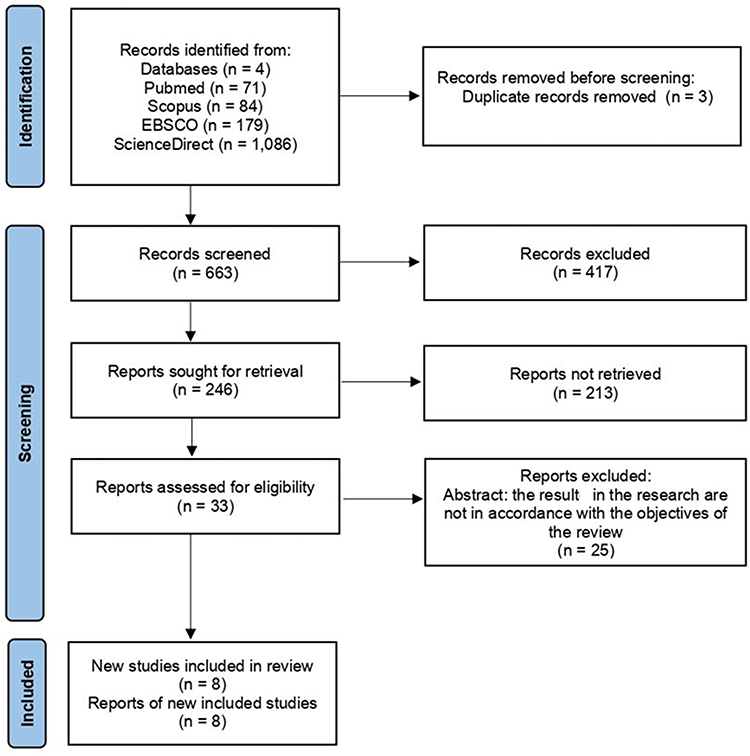 |
Figure 1 PRISMA flow diagram. |
Quality Appraisal
In a scoping review, researchers conduct a quality assessment to evaluate the risk of bias and examine the quality of articles in order to enhance the methodological integrity of the research.25 The authors used the Joanna Briggs Institute (JBI Critical Appraisal Tool) for Qualitative Research to assess the quality of the articles. The authors used articles with a quality rating above 75% that are relevant to the topic.26 The findings of the quality assessment are represented in Table 1.
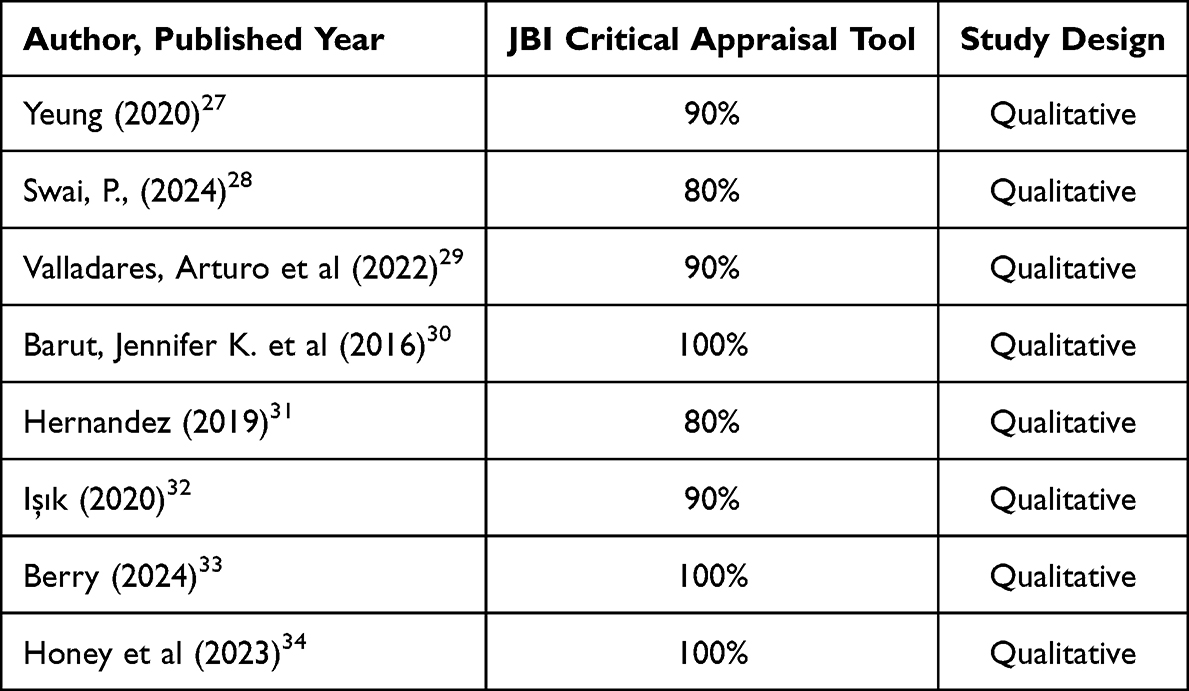 |
Table 1 JBI Critical Appraisal Tool |
Data Extraction
Researchers extract information from the selected studies and organize it into a table that includes the author’s name, publication year, research origin, research objectives, methodological design, sampling methods, and strategies. Table 2 presents the results of the data extraction.
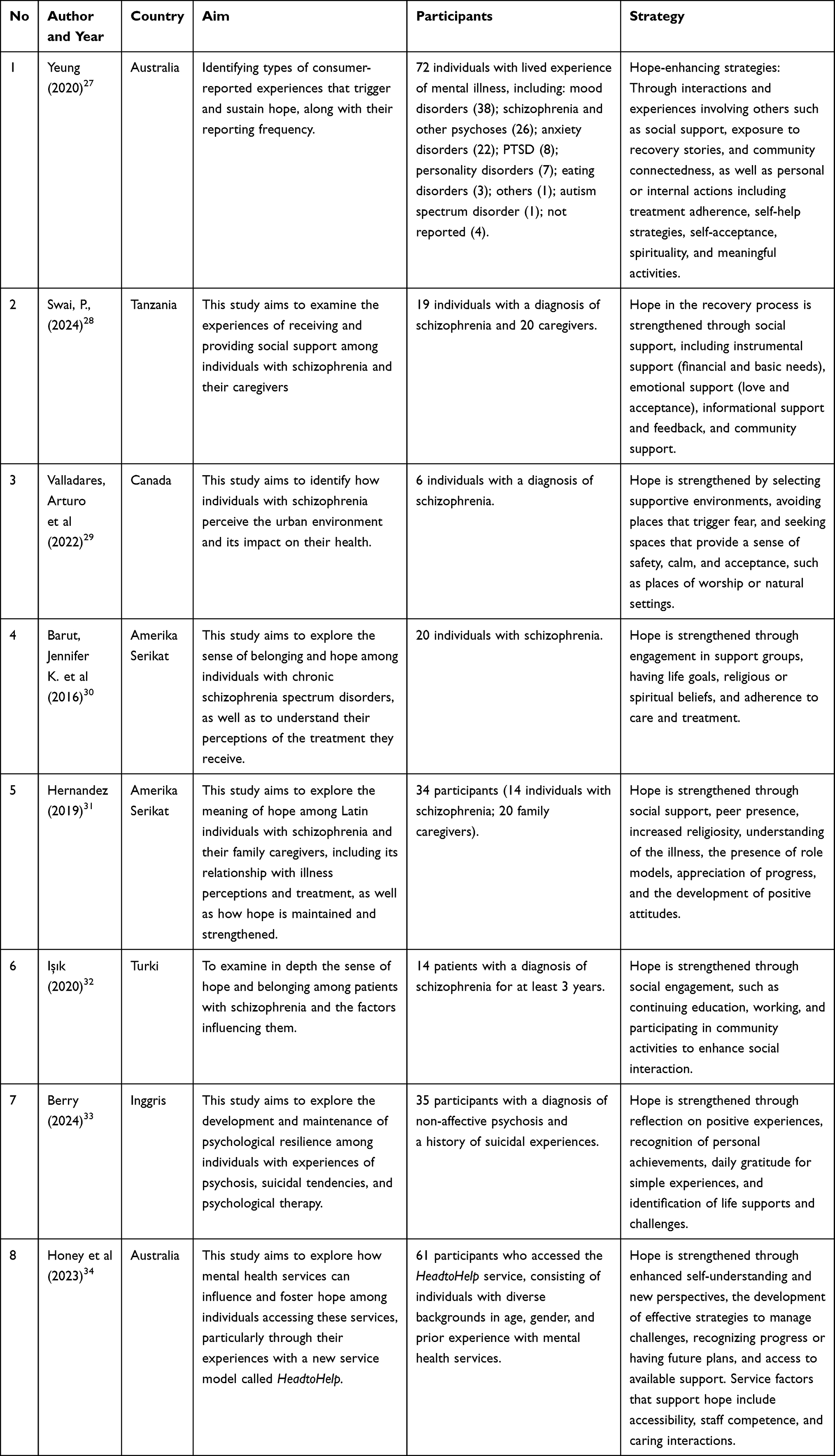 |
Table 2 Extraction Data |
Data Analysis
Data analysis employs a descriptive methodology, starting with data classification and continuing with the synthesis of research findings from the reviewed articles. A thematic approach is used to assist the analysis process. The JBI scope review guidelines recommend the use of basic qualitative content analysis, which is a descriptive method that utilizes open coding to group concepts or characteristics into broader categories.24 Previous guidelines, including those from JBI, have not explicitly specified the specifics of basic qualitative content analysis and acknowledge that various analytical methods can be used.25
Results
Based on the study selection process, eight studies met the inclusion and exclusion criteria and were included in this review (Table 3). The included studies were published between 2016 and 2024, consistent with the predefined eligibility criteria. All included studies employed qualitative research designs and were conducted in Australia, Tanzania, Canada, the United States, Türkiye, and the United Kingdom. According to the eight publications analyzed, multiple psychosocial, clinical, and structural mechanisms contribute to the development of optimism among schizophrenia survivors. The thematic analysis identified six key strategies used by survivors to boost hope during the recovery process: (1) social support, (2) medication adherence and education as a pathway to stability, (3) the role of environment in building hope, (4) self-management in building hope, (5) enhancement of spirituality, and (6) life goal setting and meaningful engagement.
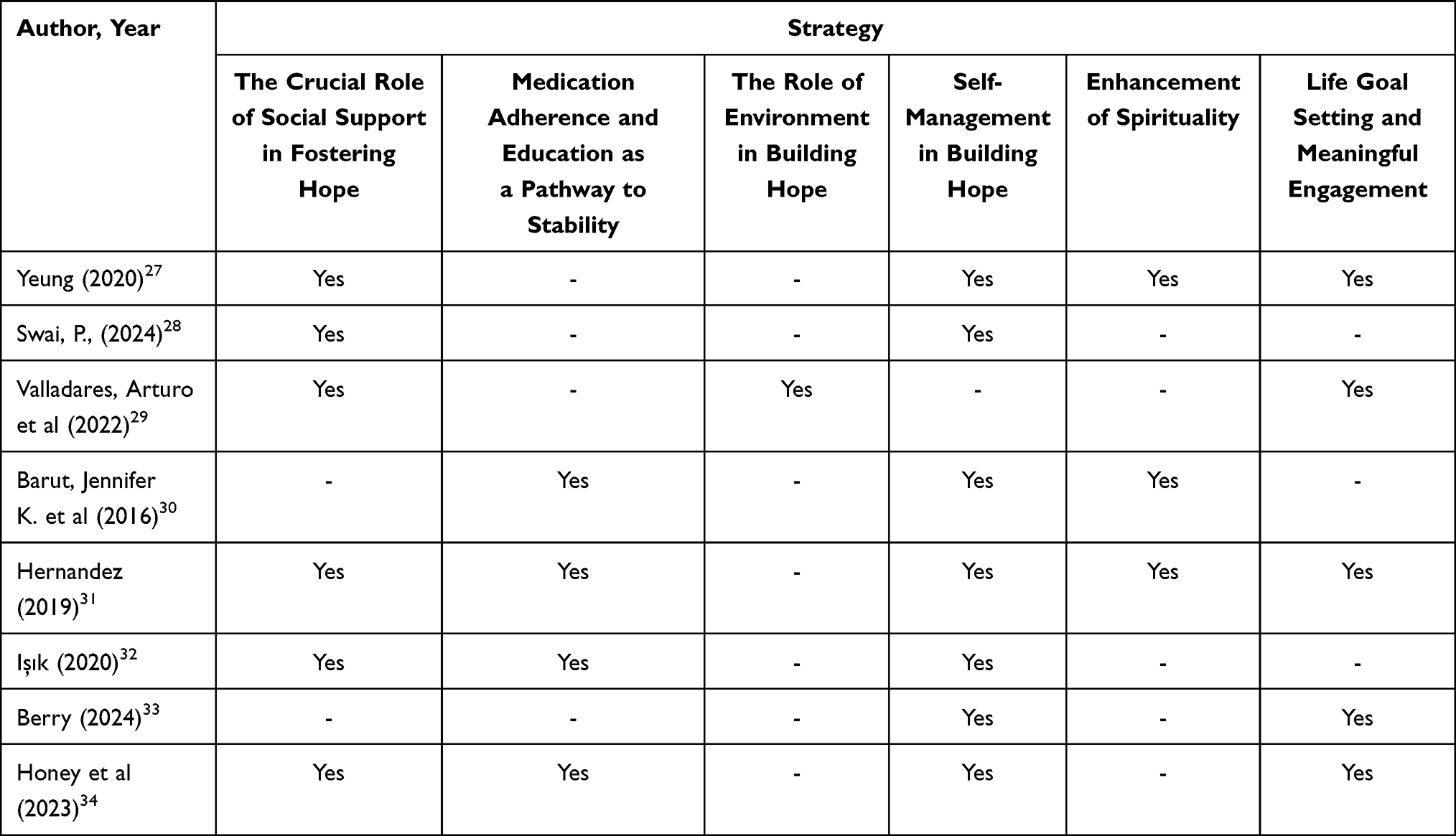 |
Table 3 Strategies for Schizophrenia Survivors to Foster and Enhance Hope for Recovery |
The Crucial Role of Social Support in Fostering Hope
Based on the literature review, social support is the most consistent component in promoting hope in individuals with schizophrenia Six out of eight studies indicate that support plays a key part in the recovery process. Research reveals that hope grows with positive changes, including social support,27 while other research emphasizes the relevance of social roles and a sense of belonging in creating future orientation.31
In line with this, there is a highlight that social support contributes to the reconstruction of identity and enhances individuals’ sense of empowerment. Supportive social interactions enable individuals to re-engage in meaningful social roles, reduce feelings of isolation, and strengthen their confidence in the possibility of recovery.29 Furthermore, social support is significantly associated with higher levels of hope and better psychosocial adaptation, indicating that individuals who feel supported are more likely to maintain optimism and functional engagement in daily life.32 Support from healthcare professionals—through empathetic communication, active involvement in care, and validation of patients’ experiences—enhances individuals’ sense of control and reinforces their belief that recovery is achievable.34
Additionally, research conducted in Tanzania suggests that support, especially from family, is highly influential, as it incorporates emotional, financial, and basic needs fulfillment aspects.28 Overall, support from family, friends, and healthcare experts acts as the key foundation in retaining hope while also increasing self-identity and confidence in the healing process.
Medication Adherence and Education as a Pathway to Stability
According to the analysis, four articles show that commitment to therapy has an essential role in instilling hope in people with schizophrenia. Hope is associated with increased therapeutic adherence, symptom control, and improved social functioning. Individuals with high levels of hope are more likely to comply with treatment and achieve optimal psychosocial adaptation.32 However, even if medication adherence is maintained, prolonged symptoms might lead to pessimism about the future.30 These findings highlight the importance of integrating psychosocial interventions alongside pharmacological treatment to sustain and strengthen hope during the recovery process.30 This finding is supported by our previous scoping review, which identified psychoeducation and several recovery-oriented psychosocial interventions as effective approaches for enhancing hope among individuals with schizophrenia. Together, these findings suggest that pharmacological treatment should be complemented by psychosocial interventions to promote sustainable recovery and maintain hope.22 Furthermore, improved understanding of the condition through health education helps survivors and their families feel more hopeful.31 Even minor symptom improvement, as well as supportive service system support, are critical variables in preserving stability and hope.34 Thus, hope is not only the outcome of effective treatment, but it also contributes to the long-term viability of therapy.
The Role of Environment in Building Hope
Findings from the study indicate that the physical environment plays a significant role in shaping hope among individuals with schizophrenia.29 Participants described how selecting and engaging with supportive environments, such as quiet spaces, natural settings, and places of worship, contributed to feelings of safety, calmness, and acceptance.29 Conversely, environments perceived as threatening or overstimulating were associated with increased fear and discomfort, which could hinder the development of hope.29
The ability to navigate and choose environments that promote emotional security reflects an important adaptive strategy in the recovery process.29 Overall, the physical environment influences how individuals experience daily life and supports the development and maintenance of hope.29
Self-Management in Building Hope
Self-management is identified as an important internal strategy in strengthening hope among individuals with schizophrenia.27 It involves developing coping strategies, enhancing self-understanding, practicing self-acceptance, and reflecting on personal experiences to maintain a positive outlook.27 Psychological resilience is further developed through gaining a sense of control, fostering autonomy, and accepting ongoing symptoms as part of the recovery process.30 A sense of hope also emerges as individuals perceive their condition as dynamic and transform positive past experiences into future-oriented expectations.30
Recognizing personal achievements and practicing gratitude contribute to increased resilience and a stronger sense of hope.33 Identifying personal strengths, available supports, and life challenges further helps individuals navigate the recovery process.34 Recovery is also supported by various forms of social support, including instrumental, emotional, informational, and appraisal support, which influence self-management.28 Caregivers play a role by providing guidance and practical assistance, although gaps in support remain.28 Hope is additionally shaped through interpersonal relationships, particularly within supportive family environments that encourage motivation and positive outlooks.31 A sense of belonging and social acceptance further strengthens hope and recovery.32 Engagement in meaningful and productive activities, such as employment, enhances purpose and reinforces hope.32 Overall, self-management supports emotional regulation, adaptation, and the sustainability of hope over time.34
Enhancement of Spirituality
Three articles highlight that, although spirituality is not always the primary approach, it helps schizophrenia survivors feel more hopeful. Religious and spiritual practices serve as valuable coping strategies and significant sources of hope.27 Hernandez’s research indicates that religion and spirituality play important contextual roles, providing comfort, uplifting spirits, and enhancing self-confidence in challenging situations.31 Meanwhile, Barut found that while faith can be the main source of renewed hope in times of despair, a loss of connection with God may diminish that hope.30
Life Goal Setting and Meaningful Engagement
Five of the eight articles indicate a significant correlation between hope and the establishment of life goals among schizophrenia survivors. Hope often stems from the presence of realistic and incremental goals, even in the form of simple daily activities that provide something to look forward to.27 This is further supported by evidence that engagement in social roles and meaningful activities contributes to identity reconstruction, enabling individuals to perceive themselves as having purpose and direction in life.29 Consistently, personally meaningful life values strengthen future orientation and motivation throughout the recovery process.31 Moreover, the presence of life goals serves as a protective factor against suicidal ideation, as goals provide both direction and a reason to persevere in the face of distress.33 Meanwhile, the development of life goals is not always purely intrapersonal but is often facilitated by supportive therapeutic relationships and responsive mental health services, which help individuals gradually rebuild a sense of direction.34
From a theoretical perspective, these findings align with the goals component of Snyder’s hope theory, while also suggesting the need for conceptual expansion. In the context of schizophrenia, life goals appear to be adaptive, gradual, and relationally constructed. Thus, goal-setting among individuals with schizophrenia reflects not only future orientation but also an ongoing process of meaning-making and identity reconstruction supported by social and systemic contexts.
Discussion
The recovery process in schizophrenia is widely recognized as complex and highly individualized, with hope emerging as a central and dynamic component. This scoping review identified several key strategies that contribute to strengthening hope, including social support, treatment adherence and education, environmental and self-management factors, spirituality, and goal setting with meaningful engagement. Although these themes were generated inductively through thematic analysis, they can be meaningfully interpreted using Snyder’s Hope Theory as an interpretive lens. Snyder conceptualizes hope as a cognitive construct consisting of goals, pathways thinking, and agency thinking.35 These findings complement our previous scoping review on Snyder’s Hope Theory-based interventions by demonstrating that hope in schizophrenia recovery extends beyond structured intervention programs. While the previous review emphasized intervention strategies designed to enhance hope, the present review synthesizes qualitative evidence illustrating how individuals with schizophrenia develop and sustain hope through multidimensional personal, social, clinical, and spiritual experiences during the recovery process.22 However, the application of this theory in schizophrenia recovery suggests that hope is not purely cognitive but also deeply influenced by social and contextual factors.36
Goal setting and meaningful engagement represent the goals component, reflecting an individual’s capacity to establish meaningful and future-oriented objectives. Hope tends to emerge when individuals are able to construct realistic expectations and maintain a sense of direction, even through small and gradual achievements.27 This suggests that recovery is not necessarily defined by symptom remission, but by the ability to pursue personally meaningful goals.29 Notably, engagement in meaningful roles contributes to identity reconstruction and enhances overall life satisfaction.29 Hernandez et al further emphasize that goal-setting promotes independence and supports developmental progress.31 Berry et al also indicate that the presence of clear life goals may act as a protective factor against suicidal ideation.33
The pathways thinking component is reflected in strategies related to treatment adherence, education, environmental support, and self-management. Treatment adherence, including consistent medication use and engagement with professional services, has been shown to improve symptom stability and functional outcomes.30 However, adherence is often influenced by the individual’s understanding of the illness, highlighting the importance of psychoeducation in fostering long-term engagement.28 This suggests that knowledge is not only informational but also empowering, as it enables individuals to actively participate in their recovery process.32 Access to responsive mental health services further facilitates understanding of recovery pathways and enhances perceived control over one’s condition.34 Environmental factors, particularly supportive and non-stigmatizing contexts, also play a crucial role in maintaining emotional stability and reinforcing hope.29 Self-management strategies, such as self-acceptance and adaptive coping, enable individuals to navigate ongoing challenges and sustain a positive outlook.33 Although medication adherence is an essential component of recovery, it should not be viewed as the sole determinant of hope or recovery outcomes. Approximately 30–40% of individuals with schizophrenia experience treatment-resistant schizophrenia (TRS), in which clinically significant symptoms persist despite adequate trials of antipsychotic medication. For these individuals, pharmacological treatment alone may be insufficient to restore functioning or sustain hope.37 Consequently, comprehensive recovery-oriented care should integrate psychosocial interventions, psychoeducation, cognitive and behavioral therapies, rehabilitation programs, family involvement, and peer support alongside pharmacological management. Such multidimensional approaches may strengthen hope by promoting autonomy, social participation, and meaningful engagement even when complete symptom remission cannot be achieved.22
The agency thinking component emerges as a particularly critical factor in the context of schizophrenia recovery. Social support from family, peers, and healthcare professionals significantly enhances motivation, self-efficacy, and belief in the possibility of recovery.34 However, this finding suggests that agency is not solely an internal attribute but is co-constructed through interpersonal relationships and social validation.27 Supportive interactions contribute to a sense of competence and encourage active engagement in meaningful activities.32 Peer relationships, in particular, provide shared experiences and role models that reinforce recovery-oriented beliefs.31 Therapeutic relationships with healthcare professionals also play an essential role, as empathetic communication can foster trust and strengthen motivation.27
In addition to supporting individuals with schizophrenia, recovery-oriented care should also address the needs of family caregivers. The findings of this review highlight the central role of family support in fostering hope; however, caregivers themselves often experience substantial emotional burden, psychological distress, and uncertainty while providing long-term care.38 Therefore, mental health services should incorporate psychoeducation and psychological support for caregivers to improve their understanding of schizophrenia, strengthen coping skills, and reduce caregiver burden. Better-informed and psychologically supported caregivers are more likely to provide consistent emotional support, facilitate treatment adherence, and create a recovery-oriented home environment that sustains hope for individuals with schizophrenia.39
In addition to the strategies identified in this review, complementary psychosocial interventions may further strengthen recovery-oriented care for individuals with schizophrenia. One promising approach is visual art therapy, which provides opportunities for non-verbal emotional expression, self-exploration, and social interaction.40 A recent systematic review and meta-analysis demonstrated that visual art therapy may improve psychiatric symptoms and emotional well-being, thereby supporting functional recovery. Although art therapy was not identified among the studies included in this scoping review, its recovery-oriented focus suggests that it may complement hope-enhancing strategies by promoting self-expression, meaning-making, and active engagement in recovery.41 Future studies are warranted to examine how art therapy may contribute specifically to fostering hope among individuals living with schizophrenia.
Spirituality represents an additional dimension that contributes to the development and maintenance of hope. It provides individuals with meaning, comfort, and a framework for interpreting their experiences, particularly during periods of distress.27 This suggests that spirituality may function as both a coping mechanism and a source of resilience in the recovery process.31 Barut et al further highlight that spirituality can serve as a primary source of hope, although disruptions in spiritual beliefs may negatively impact psychological well-being.30
Although the included studies consistently identified hope as an important component of recovery, several findings suggest that the effectiveness of hope-enhancing strategies may vary across individuals and recovery contexts. For example, while social support was widely recognized as a facilitator of hope, not all individuals have access to supportive family relationships or community networks. Likewise, although spirituality was described as a source of meaning and resilience for many participants, disruptions in spiritual beliefs or negative spiritual experiences may instead contribute to emotional distress. Furthermore, medication adherence alone may not be sufficient for individuals with treatment-resistant schizophrenia, highlighting the importance of individualized and multidimensional recovery approaches.37 These variations suggest that hope is shaped by personal, interpersonal, cultural, and clinical factors rather than by any single intervention.
These findings indicate that hope in schizophrenia recovery is multidimensional, relational, and context-dependent. The effectiveness of hope-enhancing strategies may vary depending on individual characteristics, illness severity, and duration of the disorder.42 This suggests that standardized approaches may be insufficient, and that recovery-oriented interventions should be tailored to the unique needs of each individual.43 Therefore, integrating psychosocial, clinical, and spiritual approaches may provide a more comprehensive framework for strengthening hope.44 Such integration has the potential to not only improve recovery outcomes but also reduce the risk of relapse and enhance long-term quality of life.44 Overall, these findings indicate that hope in schizophrenia recovery is multidimensional, relational, and context-dependent. The effectiveness of hope-enhancing strategies may vary depending on individual characteristics, illness severity, and duration of the disorder.22 This suggests that standardized approaches may be insufficient, and recovery-oriented interventions should be tailored to each individual’s unique needs, values, and recovery goals. Therefore, integrating psychosocial, clinical, family-centered, and spiritual approaches may provide a more comprehensive framework for strengthening hope.22 Beyond informing individual clinical practice, these findings also support the development of person-centered and recovery-oriented mental health services that promote autonomy, meaningful participation, and long-term recovery for individuals living with schizophrenia.
Strength and Limitation
This review has several limitations that should be considered when interpreting the findings. First, most of the included studies were conducted in high-income countries, including Australia, Canada, the United States, and the United Kingdom, where mental health services are generally well established and recovery-oriented care is more widely available. Consequently, the identified hope-enhancing strategies may not be directly transferable to low- and middle-income countries, rural communities, or settings with limited access to psychiatrists, psychologists, community mental health services, or structured psychosocial support. Differences in healthcare infrastructure, cultural beliefs, family involvement, and resource availability may substantially influence how hope is developed and sustained among individuals with schizophrenia. Therefore, caution should be exercised when generalizing these findings across different healthcare systems and sociocultural contexts. Second, although this review primarily focused on individuals with schizophrenia, one included study involved participants with a broader range of mental health conditions, including mood disorders, anxiety disorders, post-traumatic stress disorder, personality disorders, eating disorders, and autism spectrum disorder. Although data relevant to schizophrenia were extracted and interpreted carefully, the inclusion of mixed diagnostic populations may have reduced the specificity of some findings regarding hope-enhancing strategies for schizophrenia survivors.
Despite these limitations, this review provides a comprehensive synthesis of qualitative evidence regarding strategies that foster and sustain hope during schizophrenia recovery. The systematic search strategy, transparent screening process, rigorous quality appraisal, and thematic synthesis enhance the credibility of the findings and provide a valuable foundation for developing recovery-oriented interventions and guiding future research across diverse clinical settings.
Implication of Study
The strategies identified in this scoping review demonstrate a significant positive impact on individuals’ perceptions of hope and meaning in life among patients with schizophrenia. These findings highlight the urgency of developing nursing intervention models that not only focus on managing clinical symptoms but also on fostering sustainable hope as a foundation for long-term recovery.
Furthermore, the strategies identified in this study can serve as a key foundation for developing effective and sustainable hope-enhancing interventions for individuals with schizophrenia, designed in a holistic and strength-based manner. Interventions that integrate spiritual, social, and psychological dimensions are needed, as these have been shown to effectively strengthen hope during the recovery process.
Thus, this study provides important contributions to the development of more personalized nursing interventions and practices in the context of schizophrenia care.
Conclusion
Hope is a fundamental and multidimensional component of recovery among individuals with schizophrenia. This scoping review demonstrates that hope is strengthened through the interaction of personal, relational, clinical, environmental, and spiritual factors rather than through a single intervention alone. The identified strategies—including social support, treatment adherence and psychoeducation, supportive environments, self-management, spirituality, and meaningful goal setting—collectively contribute to sustaining recovery by enhancing motivation, resilience, and engagement in meaningful life roles.
Interpreted through Snyder’s Hope Theory, these findings suggest that hope develops through the dynamic interaction of meaningful goals, adaptive pathways, and sustained agency, while also being shaped by social relationships and recovery contexts. This highlights that hope in schizophrenia extends beyond an individual cognitive process and should be understood as a multidimensional and recovery-oriented construct.
These findings have important implications for clinical practice and mental health service development. Recovery-oriented interventions should adopt person-centered, multidisciplinary, and empowerment-based approaches that integrate psychosocial support, psychoeducation, family involvement, and opportunities for meaningful participation alongside pharmacological treatment. Future research should further explore how hope-enhancing strategies can be adapted across diverse cultural settings and healthcare systems, particularly in resource-limited contexts.
Acknowledgments
The authors gratefully acknowledge the invaluable academic support provided by Universitas Padjadjaran.
Funding
This research was supported by the Universitas Padjadjaran Internal Research.
Disclosure
The authors confirm that they have no relevant financial, professional, or personal conflicts of interest that could have influenced the conduct or reporting of the research presented in this manuscript.
References
1. Tandon R, Gaebel W, Barch DM, et al. Definition and description of schizophrenia in the DSM-5. Schizophr Res. 2013;150(1):3–13. doi:10.1016/j.schres.2013.05.028
2. World Health Organization. World mental health report: transforming mental health for IGO. 2022.
3. Institute of health metrics and evaluation (IHME). Global health data exchange (GHDx).
4. Jääskeläinen E, Juola P, Hirvonen N, et al. A systematic review and meta-analysis of recovery in schizophrenia. Schizophr Bull. 2013;39(6):1296–1306. doi:10.1093/schbul/sbs130
5. Bellack AS. Scientific and consumer models of recovery in schizophrenia: concordance, contrasts, and implications. Schizophr Bull. 2006;32(3):432–442. doi:10.1093/schbul/sbj044
6. Liberman RP. Recovery From Disability: Manual of Psychiatric Rehabilitation. American Psychiatric Pub; 2009.
7. Lysaker PH, Buck KD. Is recovery from schizophrenia possible? An overview of concepts, evidence, and clinical implications. Prim Psychiatry. 2008;15(6):60–65.
8. Lysaker PH, Roe D, Buck KD. Recovery and wellness amidst schizophrenia: definitions, evidence, and the implications for clinical practice. J Am Psychiatr Nurses Assoc. 2010;16(1):36–42. doi:10.1177/1078390309353943
9. Slade M, Leamy M, Bacon F, et al. International differences in understanding recovery: systematic review. Epidemiol Psychiatr Sci. 2012;21(4):353–364. doi:10.1017/S2045796012000133
10. Acharya T, Agius M. The importance of hope against other factors in the recovery of mental illness. Psychiatry Danub. 2017;29(suppl. 3):619–622.
11. Hipolito MMS, Carpenter-Song E, Whitley R. Meanings of recovery from the perspective of people with dual diagnosis. J Dual Diagn. 2011;7(3):141–149. doi:10.1080/15504263.2011.592392
12. Deegan PE. Recovery: the lived experience of rehabilitation. Psychosoc Rehabil J. 1988;11(4):11.
13. Noh C, Choe K, Yang B. Hope from the perspective of people with schizophrenia (Korea). Arch Psychiatr Nurs. 2008;22(2):69–77. doi:10.1016/j.apnu.2007.10.002
14. Snyder CR. Handbook of Hope: Theory, Measures, and Applications. Academic Press; 2000.
15. Snyder CR. Hope Theory: rainbows in the Mind. Psychol Inq. 2002;13(4):249–275. doi:10.1207/S15327965PLI1304_01
16. Libman-Sokołowska M, Nasierowski T. The importance of hope in coping with schizophrenia. Psychiatr Pol. 2013;47(5):933–946. doi:10.12740/PP/18147
17. Young SL, Ensing DS. Exploring recovery from the perspective of people with psychiatric disabilities. Psychiatr Rehabil J. 1999;22(3):219. doi:10.1037/h0095240
18. Hasson-Ohayon I, Kravetz S, Meir T, Rozencwaig S. Insight into severe mental illness, hope, and quality of life of persons with schizophrenia and schizoaffective disorders. Psychiatry Res. 2009;167(3):231–238. doi:10.1016/j.psychres.2008.04.019
19. Littrell KH, Herth KA, Hinte LE. The experience of hope in adults with schizophrenia. Psychiatr Rehabil J. 1996;19(4):61. doi:10.1037/h0095421
20. Lysaker PH, Campbell K, Johannesen JK. Hope, awareness of illness, and coping in schizophrenia spectrum disorders: evidence of an interaction. J Nerv Ment Dis. 2005;193(5):287–292. doi:10.1097/01.nmd.0000161689.96931.0f
21. Vrbova K, Prasko J, Ociskova M, et al. Quality of life, self-stigma, and hope in schizophrenia spectrum disorders: a cross-sectional study. Neuropsychiatr Dis Treat. 2017;13:567–576. doi:10.2147/NDT.S122483
22. Widianti E, Suryani S, Sunjaya DK, Iskandar S. Hope-enhancing interventions in schizophrenia survivors: a snyder’s hope theory-based scoping review. J Multidiscip Healthc. 2026;19:602913. doi:10.2147/JMDH.S602913
23. Arksey H, O’Malley L. Scoping studies: towards a methodological framework. Int J Soc Res Methodol. 2005;8(1):19–32. doi:10.1080/1364557032000119616
24. Tricco AC, Lillie E, Zarin W, et al. PRISMA extension for scoping reviews (PRISMA-ScR): checklist and explanation. Ann Intern Med. 2018;169(7):467–473. doi:10.7326/M18-0850
25. Pollock D, Evans C, Jia RM, et al. How-to”: scoping review? J Clin Epidemiol. 2024;176:111572. doi:10.1016/j.jclinepi.2024.111572
26. Viswanathan M, Ansari MT, Berkman ND, et al. Assessing the risk of bias of individual studies in systematic reviews of health care interventions. Agency for healthcare research and quality methods guide for comparative effectiveness reviews. AHRQ Methods Effect Health Care. 2012.
27. Yeung WS, Hancock N, Honey A, Wells K, Scanlan JN. Igniting and maintaining hope: the voices of people living with mental illness. Community Ment Health J. 2020;56(6):1044–1052. doi:10.1007/s10597-020-00557-z
28. Swai P, Desjardins M, Minja A, et al. Social support and managing schizophrenia in Tanzania: perspectives from treatment-engaged individuals and relative caregivers. SSM-Mental Health. 2024;5:100312. doi:10.1016/j.ssmmh.2024.100312
29. Valladares A, Bornstein L, Botero N, Gold I, Sayanvala F, Weinstock D. From scary places to therapeutic landscapes: voices from the community of people living with schizophrenia. Health Place. 2022;78:102903. doi:10.1016/j.healthplace.2022.102903
30. Barut JK, Dietrich MS, Zanoni PA, Ridner SH. Sense of belonging and hope in the lives of persons with schizophrenia. Arch Psychiatr Nurs. 2016;30(2):178–184. doi:10.1016/j.apnu.2015.08.009
31. Hernandez M, Barrio C, Gaona L, Helu-Brown P, Hai A, Lim C. Hope and schizophrenia in the Latino family context. Community Ment Health J. 2019;55(1):42–50. doi:10.1007/s10597-018-0354-5
32. Işık I, Ergün G. Hope and belonging in patients with schizophrenia: a phenomenological study. Perspect Psychiatr Care. 2020;56(2):235–242. doi:10.1111/ppc.12418
33. Berry N, Peters S, Haddock G, et al. How individuals with psychosis develop and maintain resilience to suicidal experiences through psychological therapy: a qualitative study. BMC Psychiatry. 2024;24(1):874. doi:10.1186/s12888-024-06071-w
34. Honey A, Hancock N, Barton R, et al. How do mental health services foster hope? Experience of people accessing services. Community Ment Health J. 2023;59(5):894–903. doi:10.1007/s10597-022-01073-y
35. Corrigan JA, Schutte NS. The relationships between the hope dimensions of agency thinking and pathways thinking with depression and anxiety: a meta-analysis. Int J Appl Posit Psychol. 2023;8(2):211–255. doi:10.1007/s41042-023-00099-1
36. Weis R, Speridakos EC. A meta-analysis of hope enhancement strategies in clinical and community settings. Psychol Well-Being. 2011;1(1):5. doi:10.1186/2211-1522-1-5
37. Howes OD, McCutcheon R, Agid O, et al. Treatment-resistant schizophrenia: treatment response and resistance in psychosis (TRRIP) working group consensus guidelines on diagnosis and terminology. Am J Psychiatry. 2017;174(3):216–229. doi:10.1176/appi.ajp.2016.16050503
38. Kate N, Grover S, Kulhara P, Nehra R. Relationship of quality of life with coping and burden in primary caregivers ofpatients with schizophrenia. Int J Soc Psychiatry. 2014;60(2):107–116. doi:10.1177/0020764012467598
39. NICE Clinical Guidelines. Psychosis and Schizophrenia in Adults: Prevention and Management. National Institute for Health and Care Excellence (NICE); 2014. Available from: https://www.ncbi.nlm.nih.gov/books/NBK555203/.
40. Isaacs AN, Brooks H, Lawn S, Mohammadi L, Vicary E, Sutton K. Effectiveness of personal recovery facilitators in adults with schizophrenia and other psychoses: a systematic review of reviews and narrative synthesis. Schizophr Res. 2022;246:132–147. doi:10.1016/j.schres.2022.06.018
41. Du SC, Li CY, Lo YY, et al. Effects of visual art therapy on positive symptoms, negative symptoms, and emotions in individuals with schizophrenia: a systematic review and meta-analysis. Healthcare. 2024;12(11). doi:10.3390/healthcare12111156
42. Schrank B, Bird V, Rudnick A, Slade M. Determinants, self-management strategies and interventions for hope in people with mental disorders: systematic search and narrative review. Soc Sci Med. 2012;74(4):554–564. doi:10.1016/j.socscimed.2011.11.008
43. Mahmoud AS, Ali SI, Hafez Elbaz AM. Relation between the level of hope and functional recovery among patients with schizophrenia. Port Said Scientific J Nurs. 2021;8(3):106–125. doi:10.21608/pssjn.2021.65362.1090
44. Liu WI, Hsieh WL, Lai CT, Liu CC, Tai YM, Liu CY. Effectiveness of a needs-tailored nurse-led recovery program for community-dwelling people with schizophrenia: a cluster-randomized controlled trial. BMC Nurs. 2024;23(1):329. doi:10.1186/s12912-024-01986-x
 © 2026 The Author(s). This work is published and licensed by Dove Medical Press Limited. The
full terms of this license are available at https://www.dovepress.com/terms
and incorporate the Creative Commons Attribution
- Non Commercial (unported, 4.0) License.
By accessing the work you hereby accept the Terms. Non-commercial uses of the work are permitted
without any further permission from Dove Medical Press Limited, provided the work is properly
attributed. For permission for commercial use of this work, please see paragraphs 4.2 and 5 of our Terms.
© 2026 The Author(s). This work is published and licensed by Dove Medical Press Limited. The
full terms of this license are available at https://www.dovepress.com/terms
and incorporate the Creative Commons Attribution
- Non Commercial (unported, 4.0) License.
By accessing the work you hereby accept the Terms. Non-commercial uses of the work are permitted
without any further permission from Dove Medical Press Limited, provided the work is properly
attributed. For permission for commercial use of this work, please see paragraphs 4.2 and 5 of our Terms.