
Back to Journals » Risk Management and Healthcare Policy » Volume 19
Mitigating Systemic Risks in Aging Services: An Evolutionary Game Analysis of Fiscal Policy, Service Quality, and Workforce Supply
Authors Shen X, Zhang X, Wang H
Received 27 December 2025
Accepted for publication 7 March 2026
Published 28 March 2026 Volume 2026:19 592071
DOI https://doi.org/10.2147/RMHP.S592071
Checked for plagiarism Yes
Review by Single anonymous peer review
Peer reviewer comments 2
Editor who approved publication: Dr Gulsum Kaya
Xiaohong Shen,1 Xin Zhang,2 Han Wang3
1School of International Education and Healthcare, Jiaxing Nanyang Polytechnic Institute, Jiaxing, People’s Republic of China; 2School of Business, Applied Technology College of Soochow University, Suzhou, People’s Republic of China; 3Faculty of Teacher Traning, Xishuangbanna Vocational and Technical College, Jinghong, People’s Republic of China
Correspondence: Xin Zhang, Email [email protected]
Introduction: Rapid population aging imposes escalating fiscal and operational pressures on public health and long-term care systems, increasing the likelihood of supply-demand imbalances and workforce shortages. Understanding how government agencies, aging service institutions, and the professional education system interact is essential for mitigating systemic risks and ensuring sustainable service provision.
Methods: This study develops a tripartite evolutionary game model that integrates talent supply dynamics into a comprehensive risk-governance framework. The model links workforce development with institutional performance and fiscal sustainability. System stability and evolutionary trajectories were examined through MATLAB simulations under multiple policy scenarios involving subsidies, incentives, and professional education reform.
Results: Simulation results reveal that exclusive reliance on government subsidies may heighten long-term fiscal pressures and weaken systemic resilience. In contrast, a market-oriented self-organizing mechanism helps maintain service quality while reducing dependence on public funding. The analysis also identifies a bidirectional feedback loop: institutional demand can stimulate educational reform, while an adequately trained workforce lowers marginal service costs. Nevertheless, insufficient practice-oriented education may create a talent bottleneck that destabilizes the system even when financial support is present.
Discussion: The findings indicate that the sustainability of aging care systems depends more on dynamic incentive structures that align workforce development with service quality evaluation than on static fiscal expansion. Strengthening the coordination of education, institutional performance incentives, and government regulation can mitigate market failure risks and foster more equitable resource allocation.
Keywords: healthcare risk management, policy optimization, fiscal sustainability, evolutionary game theory, workforce supply chain, long-term care governance
Introduction
With profound changes in global demographic structures, sustainable elderly care has emerged as a significant challenge for social security and public service systems across countries.1 Sustainable aging services refers to achieving long-term balance in fiscal expenditures, resource allocation, service capacity, and social equity within the elderly care system, while meeting the multi-level and diversified service needs of the older adults population.2 This issue is not only vital to the well-being of older adults but also critical to ensuring intergenerational equity and the resilience of the broader social system.3 According to the United Nations’ World Social Report 2023, the global population aged 65 and above is expected to double by the middle of this century, making the protection of rights and provision of services for older people a key pathway toward a sustainable future.4,5 In light of this trend, building a fair, efficient, and self-regulating system of aging services has become a pressing issue for both academia and policymakers worldwide.6,7
As the most populous developing country in the world, China is entering a deeply aging society at an unprecedented pace.8 From a long-term perspective, the degree of population aging continues to rise.9,10 As shown in Figure 1, the proportion of the population aged 65 and above increased from 8.1% to 15.4%, marking the onset of a rapid aging phase.11 This transformation not only signifies an accelerated shift in population structure but also places unprecedented pressure on the aging services service system.12 From a demographic perspective (Figure 2), the proportion of the working-age population aged 15–64 has been declining year by year.13 In contrast, the share of the population aged 65 and above continues to grow. Meanwhile, the number of people aged 65 and over has surged from fewer than 100 million in 2007 to more than 210 million in 2023, more than doubling over this period.14
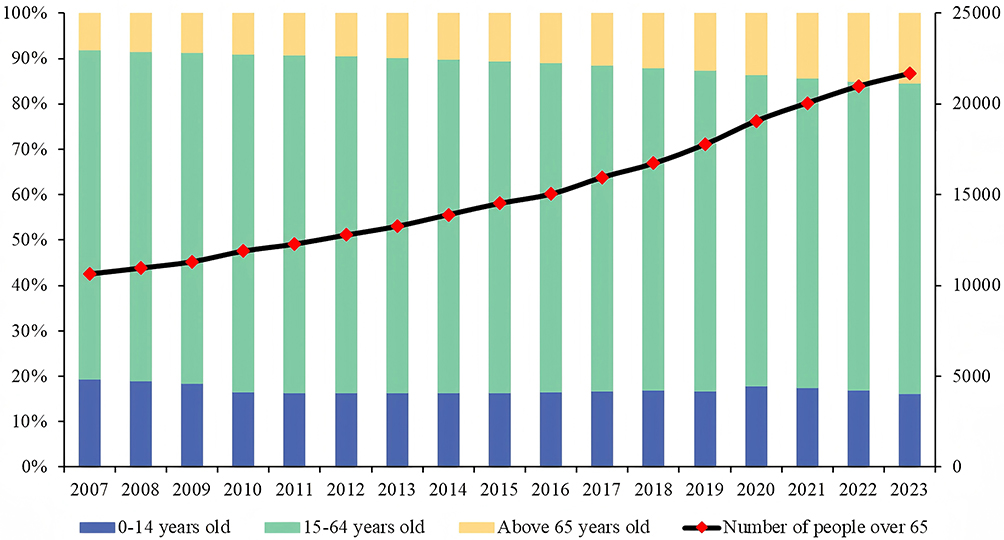 |
Figure 1 China’s aging rate (2007–2023). X-axis: Year, Y-axis: aging rate. |
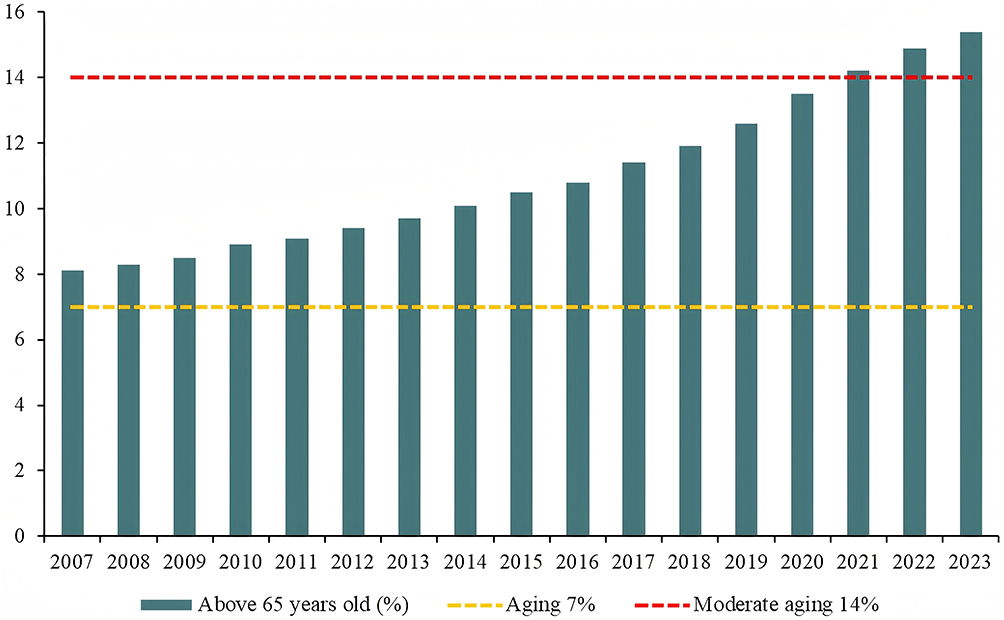 |
Figure 2 Population proportions and elderly population in China (2007–2023). X-axis: Year, Y-axis: aging rate, Secondary axis: Population size. |
This trend in China has not only intensified the burden of population support but also posed significant challenges to the traditional family-based model of aging services.15 In particular, rural areas are experiencing a convergence of insufficient resource provision and population decline, with a concentration of the elderly population.16 Still, care services are limited, resulting in significant regional disparities in the development of aging services security.17 As a result, achieving effective resource allocation, institutional equity, and enhanced service capacity within the aging services system has become a key issue in China’s current aging services reform.6 Although the government has introduced a series of policy documents in recent years, challenges such as mismatches between service supply and demand, uneven resource distribution, and inadequate institutional adaptability continue to hinder the sustainable development of the aging services system.18
Current research on aging services has spanned multiple domains, including demographic transition trends, the transformation of care models, the allocation of community and institutional care resources, nature-based healing and mental health, and labor substitution in long-term and informal care.12,17,18 The research horizon continues to expand, and empirical depth is steadily increasing. However, most of these studies remain focused on institutional analysis or macro-level policy evaluations, with relatively limited exploration of the micro-level mechanisms and behavioral logic underlying sustainable aging services. There is a lack of systematic studies on how key actors, such as governments, aging services institutions, and aging services education providers, achieve collaborative development and co-governance of resources through dynamic interactions. Therefore, it is urgently necessary to adopt a multi-agent evolutionary perspective to reveal the internal mechanisms and constraint pathways of the sustainable aging services system, thereby providing a theoretical foundation for the design of institutions and the optimization of policies.
In response to this demographic shift, this study examines how strategic interactions among the government, aging service institutions, and professional education systems shape the sustainability of the care sector. We develop a tripartite evolutionary game model that captures dynamic decision-making in resource allocation, service provision, and talent cultivation. By integrating payoff structures, incentive costs, talent supply, and fiscal constraints into a unified analytical framework, the model identifies stable evolutionary paths and equilibrium conditions under alternative institutional arrangements. This dynamic perspective highlights how coordinated system resilience may emerge through incentive alignment rather than fiscal expansion alone. The findings provide policy guidance for designing governance mechanisms that balance workforce development, service quality, and fiscal sustainability, while offering transferable insights for other developing countries facing rapid population aging.
Literature Review
Against the backdrop of rapid population aging, aging services has become a global challenge, with “sustainable aging services” increasingly recognized as a core concept for addressing this issue. While traditional aging services focuses primarily on basic physiological support, sustainable aging services emphasizes equitable resource allocation, institutional efficiency, and the long-term stability of the care system, all of which are grounded in safeguarding the well-being of older people.19 As aging services needs grow increasingly diverse, the care system is shifting from a “care-centered” model to one that prioritizes quality of life and mental health through integrated care approaches.20 Moreover, recent research highlights that the identification and intervention of geriatric syndromes such as frailty have become key entry points for promoting sustainable aging services at the individual level.21 Within this framework, enhancing community participation, promoting intergenerational integration, building green environments, and strengthening psychological support are identified as critical pathways toward achieving “healthy aging” and “sustained well-being”.22
The government plays multiple critical roles in advancing the construction of a sustainable aging services system. On one hand, it provides institutional guarantees and resource support for aging services services through social security systems and fiscal investment.18 On the other hand, the guiding power of public policy is reflected in institutional supply, regulatory norms, and the governance of regional equity. For instance, community-based home care policies have significantly contributed to optimizing household consumption structures and alleviating care burdens among middle-aged and elderly families.18 Furthermore, the government also serves as a standard-setter for service quality and a coordinator of regional resources.23 This role is particularly vital in rural or remote areas, where government action is crucial for promoting spatial equity and improving the accessibility of care institutions, thereby reducing regional disparities in aging services.24 Additionally, government-led long-term care insurance systems can effectively offset the costs of informal caregiving and improve the welfare of low-income families.25
As key implementers of sustainable aging services services, aging services institutions serve as the core platforms for ensuring the quality of life and care experiences of older adults. Factors such as the efficiency of resource allocation, service quality, staffing levels, and facility environments within institutions have a significant impact on the physical and mental health of elderly residents.26 Institutional scale, type of operation, and regional characteristics are significantly associated with service ratings, care duration, and quality performance.27 Moreover, soft factors such as institutional culture, staff behavior, and organizational leadership also exert a profound influence on service quality, with relationship-centred care emerging as a key pathway for enhancing service outcomes.28 Rural aging services institutions face challenges such as insufficient resource alignment and severe spatial imbalance, highlighting the urgent need to improve service adaptability through regional cooperation and institutional coordination.23,29 Therefore, aging services institutions should not only act as service providers but also proactively engage in institutional innovation, talent attraction, and optimization of care models.
Professional education in aging services serves as a critical human resource mechanism for achieving the long-term goals of sustainable aging services. At present, the sector faces challenges such as workforce shortages, low occupational identity, and insufficient skill reserves, all of which require systemic educational provision to be effectively addressed.30 Frontline care workers, such as caregivers, have long been burdened by high work stress, limited support resources, and elevated levels of occupational burnout, highlighting the urgent need for education and training to enhance their professional skills and psychological resilience.30 Meanwhile, advanced professional forces represented by geriatric specialist nurses have played a significant role in improving the quality of elderly medical care.31 In addition, technology-integrated aging services training programs, such as the GERONTECH initiative, have not only increased young people’s interest in the eldercare sector but also offered innovative solutions to the mismatch between supply and demand in the caregiving workforce.32 In promoting sustainable aging services, the role of the education system should extend beyond talent cultivation to become an integral part of the innovation ecosystem in aging services.
Although existing studies have yielded substantial findings in areas such as the supply-demand dynamics of aging services services, spatial equity, health interventions, and care systems, most of this research remains focused on the institutional level or adopts a single-actor perspective, lacking a systematic exploration of the micro-level behavioral mechanisms and multi-actor coordination pathways underlying sustainable aging services. Current research often overlooks the behavioral choices, incentive structures, and institutional response mechanisms involved in the dynamic resource interactions among governments, aging services institutions, and educational systems.33,34 Moreover, in evaluating care quality, a lack of dynamic analysis remains regarding the synergistic effects between caregiver behavior mechanisms and age-friendly environments.26,35
Therefore, this study aims to develop a tripartite game model that incorporates the government, aging services institutions, and professional education in aging services, from the perspectives of system dynamics and evolutionary game theory. It aims to explore the behavioral evolution mechanisms and collaborative pathways for sustainable aging services under different institutional incentive scenarios, thereby providing theoretical support and policy insights for optimizing aging services systems and innovating service governance.
Materials and Methods: Three-Party Evolutionary Game Model
Model Assumptions
We assume a tripartite evolutionary game framework in which the government, aging service institutions, and professional aging service education constitute the key strategic actors within a sustainable aging services system. It is assumed that the government serves as the institutional regulator and policy designer, influencing system dynamics through fiscal subsidies, service supervision, and talent incentive mechanisms. Aging service institutions are assumed to act as primary service providers, making strategic decisions that balance economic returns with social responsibility under given policy constraints. Meanwhile, the professional education system is assumed to function as the core supplier of skilled labor, supporting system sustainability through talent cultivation, knowledge provision, and service innovation. The interactions among these actors are assumed to shape the coordinated evolutionary trajectory of the aging services system.36
The parameter definitions are presented in Table 1.
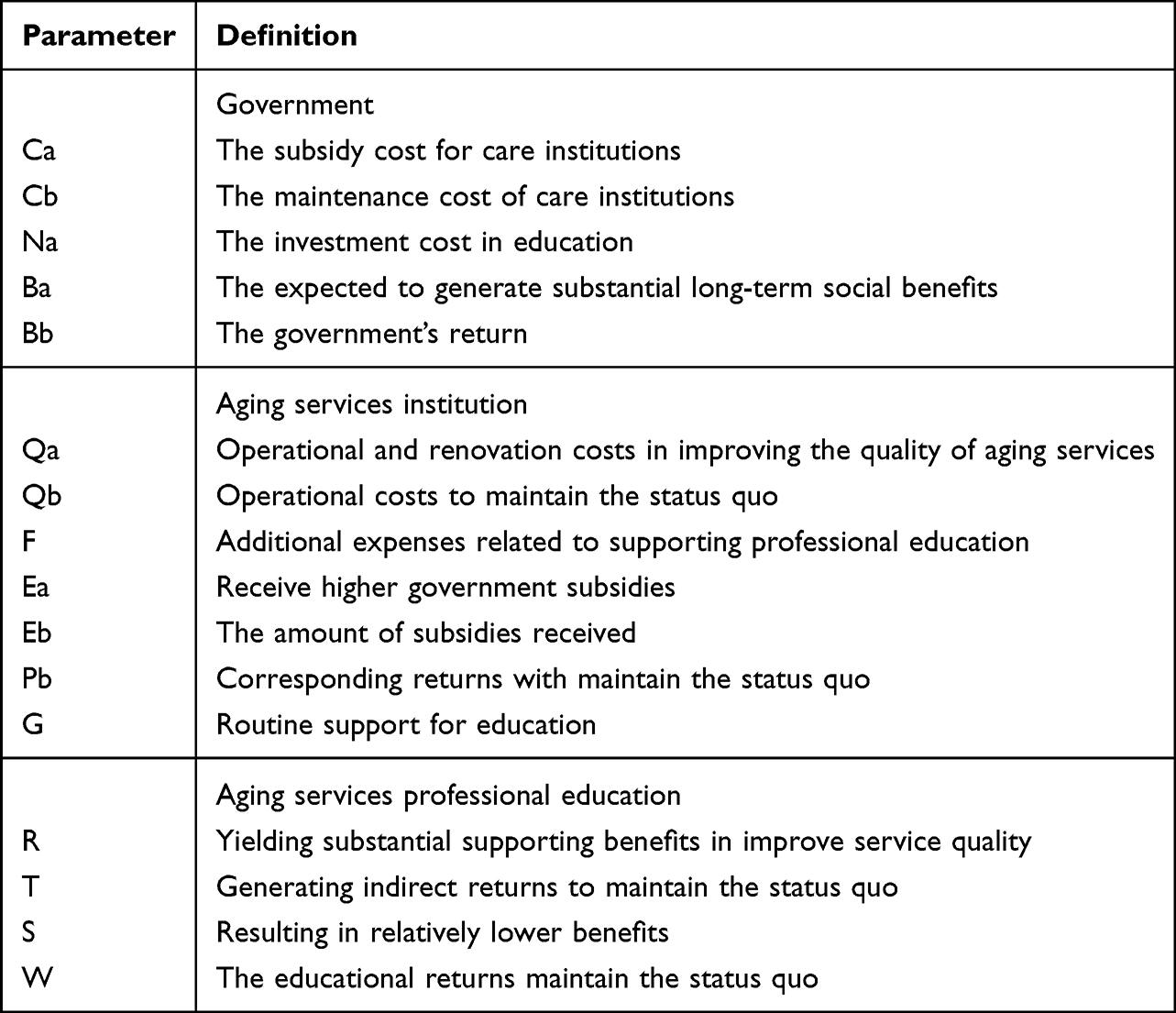 |
Table 1 The Parameter Definitions |
Game Participants
Government
In the process of constructing a sustainable aging services system, the government, as the core guiding actor, plays a decisive role in shaping the evolutionary direction of aging services institutions and the education system through its strategic choices. The first strategy involves implementing subsidy policies, providing financial support to aging services institutions to incentivize improvements in service quality, while simultaneously increasing investment in professional aging services education to enhance the cultivation of practice-oriented talent. Although this strategy entails relatively high short-term fiscal expenditures, such as the subsidy cost for care institutions Ca and the investment cost in education Na, the expected to generate substantial long-term social benefits Ba, including improved quality of life for older people, reduced burdens on family caregivers, decreased public healthcare costs, and the overall advancement of the aging services service sector. This strategy reflects the government’s role in promoting the high-quality and professionalization of the care and education systems through a “subsidy-driven enhancement” approach, thereby achieving both the sustainability and equity of aging services services.24,37
Another strategy is to withhold subsidies, whereby the government maintains only the minimum level of support for aging services institutions and the education system, such as the maintenance cost of care institutions Cb and routine educational investment Nb, in order to control fiscal expenditures. Under this approach, the government’s return Bb is relatively low, mainly reflected in the basic maintenance of aging services services and short-term assurance of social stability. However, this low-investment strategy may result in a lack of motivation among care institutions to improve service quality and insufficient practical support for the development of professional talent. Over the long term, this can lead to the accumulation of structural issues such as declining care quality, inadequate talent supply, and uneven distribution of resources between urban and rural areas. Although the short-term cost of this strategy appears low, it carries the “deferred cost” of future governance risks. It is detrimental to the sustainable optimization of the aging services service system (Figure 3).
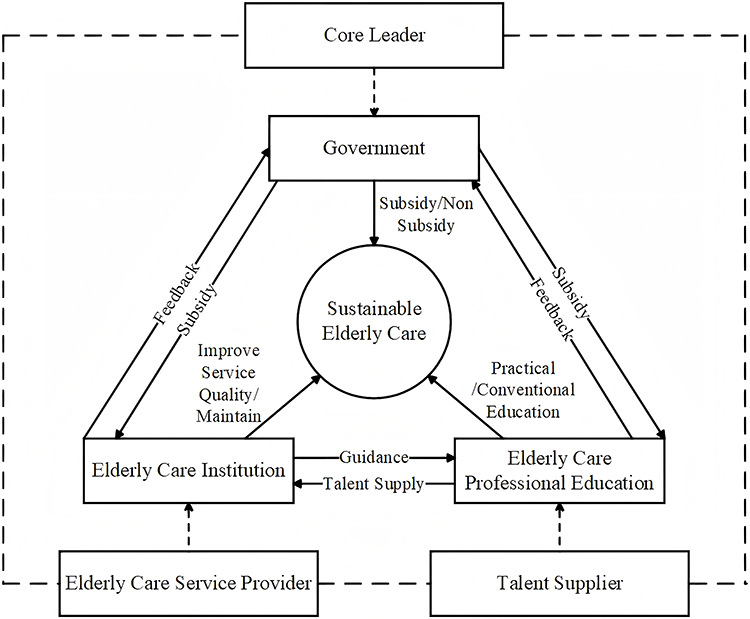 |
Figure 3 Tripartite evolutionary game framework. |
Aging Services Institution
In the tripartite evolutionary game, aging services institutions, as the core providers of services, play a decisive role in improving the quality of aging services through their strategic choices. Suppose an institution opts to enhance service quality. In that case, it must bear higher operational and renovation costs (such as those associated with facility upgrades, staffing, and personalized services, denoted as cost Qa), and also assume additional expenses related to supporting professional education (such as the cost F of collaborating with practice-oriented education programs). However, this strategy can yield greater direct service returns Pa, including increased occupancy rates, optimized pricing structures, and enhanced reputation effects. Moreover, institutions may receive higher government subsidies Ea as external incentives. Under a coordinated system, quality improvement by aging services institutions not only strengthens their market competitiveness but also helps establish professional training bases, promotes alignment between talent supply and demand, and fosters a virtuous cycle within the aging services service ecosystem.26,38
Conversely, suppose an aging services institution chooses to maintain the status quo. In that case, its cost expenditures, such as operational costs Qb and routine support for education G, remain relatively low and structurally stable, with minimal operational risks. However, the corresponding returns Pb are also limited, and under policy trends that favor “rewarding excellence and supporting high-quality performers”, the amount of subsidies received Eb is relatively reduced. Moreover, maintaining the status quo may fail to meet the growing demand for high-quality aging services services, leading to service delays, client attrition, and the accumulation of reputational risks. In the context of deepening population aging, evolving policy guidance, and rising public expectations, this strategy may offer short-term stability but lacks long-term sustainable competitive advantages (Figure 3).
Aging Services Professional Education
Within the tripartite evolutionary game framework, professional aging services education, as the provider of talent, plays a critical role in influencing both service quality and the efficiency of talent matching through its strategic choices. If the education system opts for practice-oriented education, its pedagogical model emphasizes hands-on training, situational simulations, and institutional collaboration, thereby enhancing students’ adaptability to real-world care environments. This approach is efficient in meeting the demand for high-quality, multidisciplinary talent when aging services institutions aim to improve service quality, thus yielding substantial supporting benefits R. Even if institutions choose to maintain the status quo, practice-oriented education can still enhance graduates’ competitiveness and employability, generating indirect returns T. Furthermore, such educational practices promote university-industry cooperation and joint project development, strengthening the social service functions of educational institutions and aligning with the current trends of industry-education integration and the modernization of vocational education.32,39
By contrast, if professional aging services education institutions opt for conventional education, although the training costs are lower and the curriculum system remains stable, students often lack frontline practical experience, making it challenging for the institutions to meet their demand for “ready-to-work” talent. When aging services institutions pursue higher service quality, the alignment efficiency and employment returns of conventional education decline significantly, resulting in relatively lower benefits S. Even when institutions maintain the status quo, the educational returns W remain limited, making it hard to establish a differentiated advantage. Under the current policy emphasis on school-enterprise collaboration and competency-based training, conventional education faces the risk of diminishing marginal returns. Therefore, professional aging services education institutions must align their training models with institutional needs and policy directives to enhance their adaptability within the aging services service system (Figure 3).
Game Decision Tree and Payoff Matrix
To more clearly depict the interaction logic and strategic choices among the government, aging services institutions, and professional aging services education within a sustainable aging services system, this study constructs a corresponding tripartite evolutionary game decision tree based on the previously defined game parameters and behavioral mechanism analysis, as shown in Figure 4. The decision tree systematically illustrates the choice paths of each participant under different strategy combinations, along with their associated benefits and costs. It reflects the dynamic evolutionary process among the three parties within the “subsidy–service quality enhancement–education model” interactive mechanism.
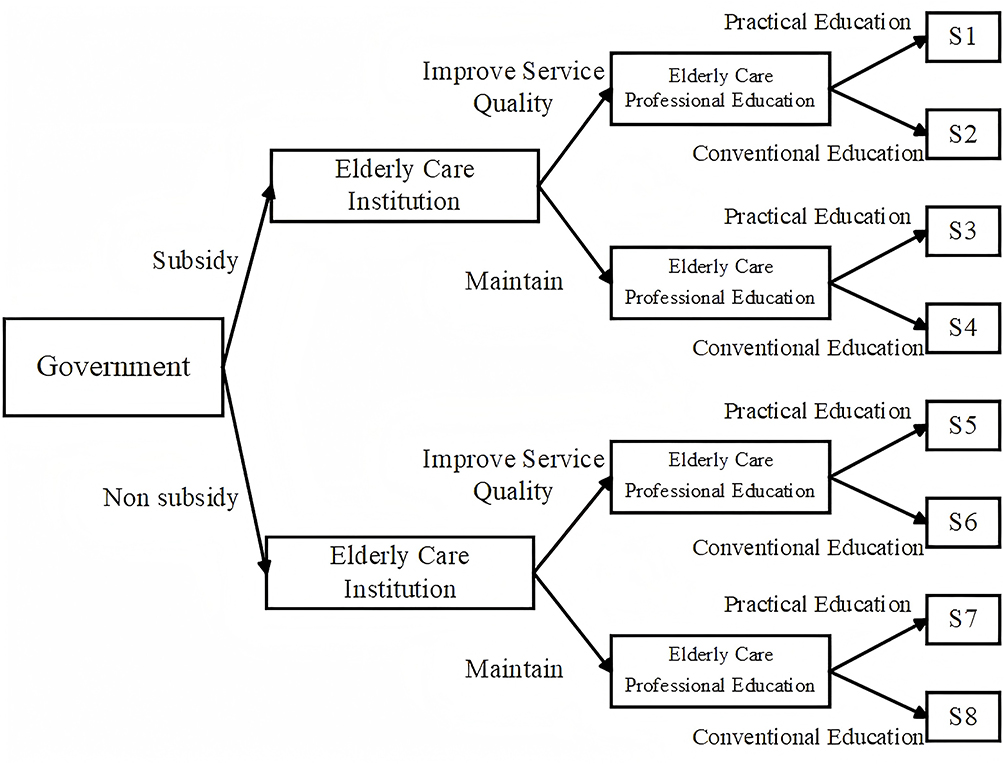 |
Figure 4 Decision tree of the three-party evolutionary game. |
Based on the clearly defined strategy spaces and key parameter settings for the three parties, and in conjunction with the previously constructed tripartite evolutionary game decision tree (Figure 4), the payoff outcomes for the government, aging services institutions, and professional aging services education under different strategy combinations can be further derived. This enables the construction of a complete tripartite game payoff matrix (Table 2). The matrix systematically reflects the variations in payoffs and costs associated with different strategies adopted by each actor, providing a comprehensive representation of the benefit distribution patterns throughout the tripartite game process.
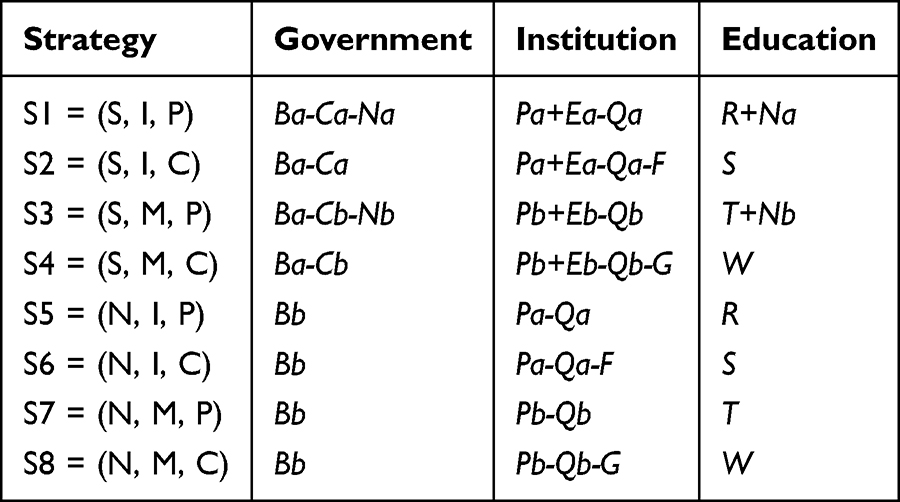 |
Table 2 Payoff Matrix of Game Participants |
Model Analysis
Based on the strategy combinations and corresponding payoff matrix of the tripartite game, this section further constructs the expected payoff functions for the three actors, government, aging services institutions, and professional aging services education, in order to clarify their expected returns under different strategy probability distributions. By introducing replicator dynamic equations, the analysis reveals the evolution paths of the three parties’ strategies under conditions of bounded rationality and learning mechanisms, thereby identifying potential Evolutionarily Stable Strategies (ESS).40–43
Government Expectation Analysis
Let x denote the probability that the government chooses to provide subsidies, and (1−x) the probability of choosing not to subsidize. The expected payoff from adopting the subsidy strategy is denoted as  , while the expected payoff from adopting the non-subsidy strategy is denoted as
  . The government’s average expected payoff is denoted as
  .
.



The replicator dynamic equation for the government and its first-order derivative concerning x are given as follows:


According to the stability theorem of differential equations, the probability associated with the government reaches a stable state when:  and
and  , Let
, Let  , then
  . Based on the parameter settings discussed earlier, we know that
  , therefore
  holds, indicating that
  is a monotonically increasing function of z. Let
  , then we obtain:
  . When
  ,
,  and
and  , the government cannot determine its strategy; When
  ,
,  . If
. If  , then
  is the government’s Evolutionarily Stable Strategy (ESS);When
  ,
,  . If
. If  , then
  is the government’s Evolutionarily Stable Strategy (ESS).
The phase diagram of the government’s evolutionary strategy is shown in Figure 5.
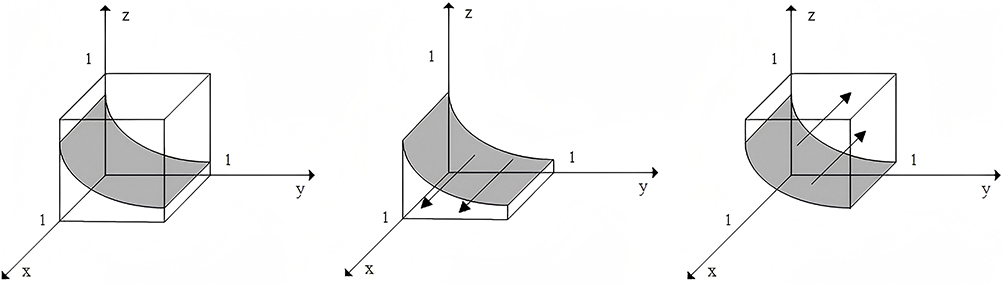 |
Figure 5 Phase diagram of the government’s evolutionary strategy. |
Aging Services Institution Expectation Analysis
Let y denote the probability that aging services institutions choose to improve service quality, and (1−y) the probability of choosing to maintain the status quo. The expected payoff from improving service quality is denoted as  , while the expected payoff from maintaining the status quo is denoted as
  . The average expected payoff of the aging services institution is denoted as
  .
.



The replicator dynamic equation for aging services institutions and its first-order derivative concerning y are given as follows:


According to the stability theorem of differential equations, the probability associated with aging services institutions reaches a stable state when:  and
and  . Let
. Let  , then
  . Based on the parameter settings discussed earlier, we know that
  , therefore
  holds, indicating that
  is a monotonically decreasing function of z. Let
  , then we obtain:
  . When
  ,
,  and
and  , the aging services institution cannot determine its strategy; When
  ,
,  . If
. If  , then
  is the aging services institution’s Evolutionarily Stable Strategy (ESS); When
  ,
,  . If
. If  , then
  is the aging services institution’s Evolutionarily Stable Strategy (ESS).
The phase diagram of aging services institution’s evolutionary strategy is shown in Figure 6.
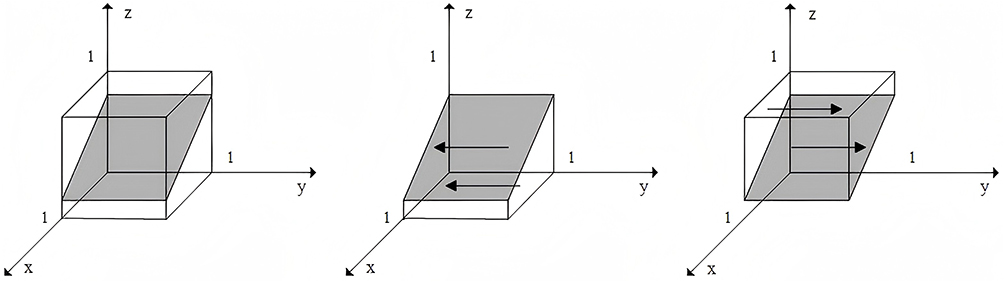 |
Figure 6 Phase diagram of aging services institution’s evolutionary strategy. |
Aging Services Professional Education Expectation Analysis
Let z denote the probability of adopting practice-oriented education in professional aging services education, and (1−z) the probability of adopting conventional education. The expected payoff from practice-oriented education is denoted as  , the expected payoff from conventional education as
  , and the average expected payoff of professional aging services education is denoted as
  .
.



The replicator dynamic equation for professional aging services education and its first-order derivative concerning z are given as follows:


According to the stability theorem of differential equations, the probability associated with professional aging services education reaches a stable state when:  and
and  . Let
. Let  , then
  . Based on the parameter settings discussed earlier
  , therefore
  holds, indicating that
  is a monotonically increasing function of x. Let
  , then we obtain:
  . When
  ,
,  and
and  , the aging services professional education cannot determine its strategy; When
  ,
,  . If
. If  , then
  is the aging services professional education’s Evolutionarily Stable Strategy (ESS); When
  ,
,  . If
. If  , then
  is the aging services professional education’s Evolutionarily Stable Strategy (ESS).
The phase diagram of aging services professional education’s evolutionary strategy is shown in Figure 7.
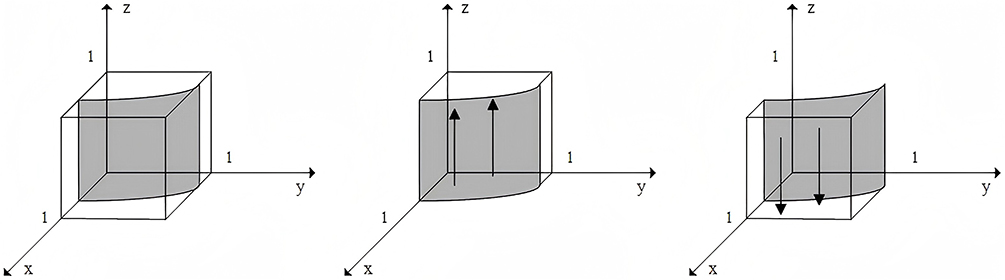 |
Figure 7 Phase diagram of aging services professional education’s evolutionary strategy. |
Evolutionarily Stable Strategy
Since the mixed strategy equilibrium in asymmetric dynamic games is not evolutionarily stable, only the pure strategy equilibrium points of the evolutionary game system are analyzed. Let  ,
,  , and
, and  be the strategy variables, then the evolutionary game system has eight pure strategy equilibrium points, namely: E1 (1, 1, 1), E2 (1, 1, 0), E3 (1, 0, 1), E4 (1, 0, 0), E5 (0, 1, 1), E6 (0, 1, 0), E7 (0, 0, 1) and E8 (0, 0, 0). The first Lyapunov method (indirect method) is employed to determine the stability of these equilibrium points.40,44 The first step is to construct the Jacobian matrix:
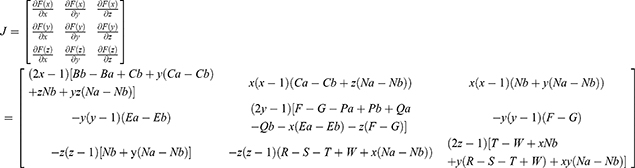
According to the first Lyapunov method (indirect method), if all three eigenvalues are negative, the equilibrium point is evolutionarily stable; if all three eigenvalues are positive, the point is unstable; if one or two eigenvalues are positive, the point is a saddle point. The stability of each equilibrium point is shown in Table 3.
 |
Table 3 Analysis of Equilibrium Point Stability |
Within the tripartite game framework, the attainment of equilibrium strategies depends on the dynamic evolution among the government, aging services institutions, and professional aging services education. According to the sign analysis of the eigenvalues of the Jacobian matrix, all equilibrium points are identified as saddle points. This indicates that, throughout the strategic interactions among the different actors, the system undergoes continuous adjustments to its strategy rather than naturally converging on a stable optimal strategy.
Results: Numerical Simulation Analysis
To verify the effectiveness of the evolutionary stability analysis and to further explore the dynamic evolution characteristics of each party’s strategies, it is necessary to conduct a systematic analysis of key parameter variations. Specifically, by adjusting core parameters in the replicator dynamic equations, the impact of such changes on equilibrium outcomes can be examined, thereby revealing the sensitivity of different game participants during strategic adjustments and identifying their optimization pathways. This provides theoretical support for improving environmental governance, tourism development, and policies related to social sustainability. Simulations are conducted using MATLAB R2022a.
Based on the preceding theoretical analysis, the simulation parameters for modeling the strategic evolution process in the game framework, which involves the government, aging services institutions, and professional aging services education, are presented in Table 4.
 |
Table 4 Simulation Parameter Values |
As shown in Table 2, E1 (1, 1, 1) is a saddle point. When the conditions  ,
,  , and
, and  are simultaneously satisfied, this saddle point meets the criteria of Lyapunov’s First Method and thus constitutes an Evolutionarily Stable Strategy (ESS).
Initial Evolutionary Pathway
Under the theoretical framework of sustainable aging services, the tripartite evolutionary game equilibrium point (1, 1, 1) shown in Figure 8 is not only the stable outcome of strategic dynamics but also represents the system’s optimal state under the coordinated interaction of institutions, services, and talent. Under the model assumptions, This equilibrium point suggests that the government actively subsidizes the aging services system, aging services institutions proactively improve service quality, and professional aging services education institutions adopt practice-oriented teaching models. This strategic combination aligns precisely with the core principles of sustainable aging services, namely, establishing a fair, inclusive, high-quality, and sustainable care system through long-term institutional guarantees, enhanced service capacity, and the support of high-quality professionals. Through continual trial and error and adaptation during the evolutionary process, the three key actors achieve coordinated convergence toward this systemic goal, demonstrating that under appropriate policy incentives and benefit coordination mechanisms, the aging services system possesses endogenous stability and sustainable development potential.
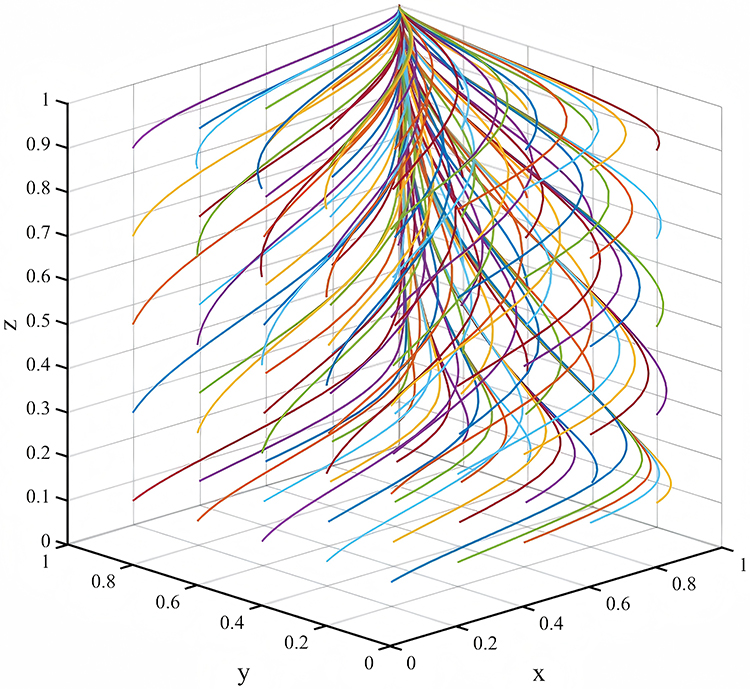 |
Figure 8 Initial evolutionary pathway (1, 1, 1). |
From the perspective of evolutionary game theory, the formation of this equilibrium is driven by the combined effect of a positive incentive chain and the logic of maximizing overall system welfare. Under the current model settings, government subsidies provide external incentives that lower the marginal cost of service upgrades for aging services institutions, making it rational for them to choose to improve service quality. High-quality services, in turn, generate greater demand for skilled professionals, compelling educational institutions to adopt practice-oriented teaching approaches. The improvement in education quality further feeds back into enhanced service standards and policy effectiveness, forming a closed-loop evolutionary pathway. This trend of multi-party cooperation and mutual benefit represents the optimal embodiment of systemic coordination and dynamic equilibrium, precisely the goal of sustainable aging services system design.
Sensitivity Analysis of Initial Value Variations
According to the sensitivity analysis results shown in Figure 9, the initial strategic choice of aging services institutions has a significant impact on the evolutionary path of professional aging services education. Under the model assumptions, when institutions initially tend to improve service quality, the education system evolves more rapidly toward a practice-oriented model. This linkage effect suggests that the demand side of services has a significant impact on the supply side of talent. High—quality aging services services require greater support from personnel with practical skills, prompting educational institutions to adjust their training approaches toward practice-oriented models. This mechanism aligns with the “demand–supply linkage” logic of sustainable aging services, wherein quality upgrades in the service system in turn stimulate educational reform, enabling dynamic alignment between education and industry.
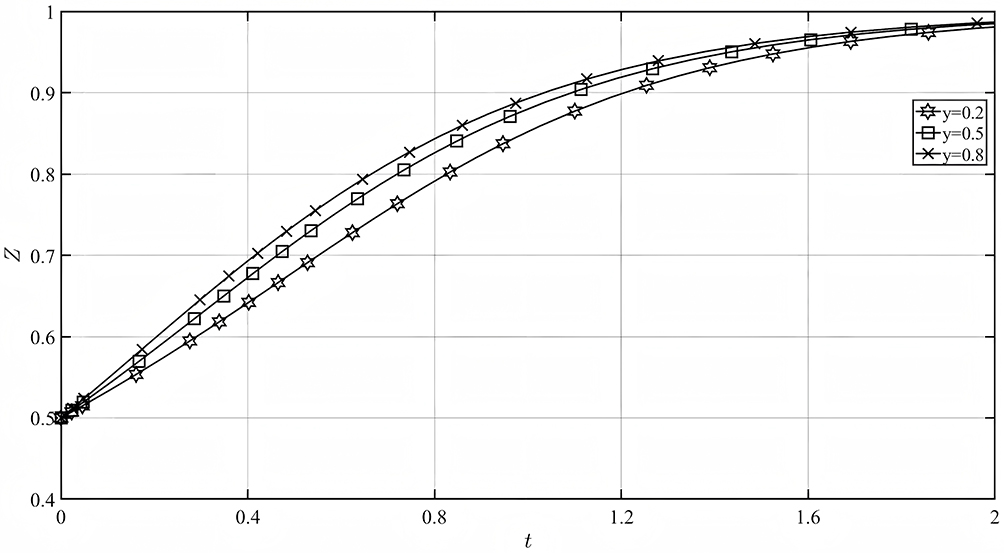 |
Figure 9 Impact of institutional initial values on education outcomes. |
As shown in Figure 10, changes in the strategic choices of professional aging services education also exert a feedback effect on aging services institutions. When the education system leans toward practice-oriented education, the evolution of institutions toward improving service quality accelerates. This is because practice-oriented education supplies higher-quality professionals who are more attuned to frontline service demands, significantly reducing institutions’ costs related to talent matching and training, thereby enabling and motivating them to upgrade service quality. Moreover, individuals with practical experience can adapt to their roles more quickly, enhancing service efficiency and user satisfaction, which in turn increases the institutions’ overall returns. This service improvement pathway, driven by the education system, reflects the “talent support–service response” positive feedback mechanism inherent in a sustainable aging services system, and further confirms the strategic guiding role of the education system within the tripartite interaction framework.
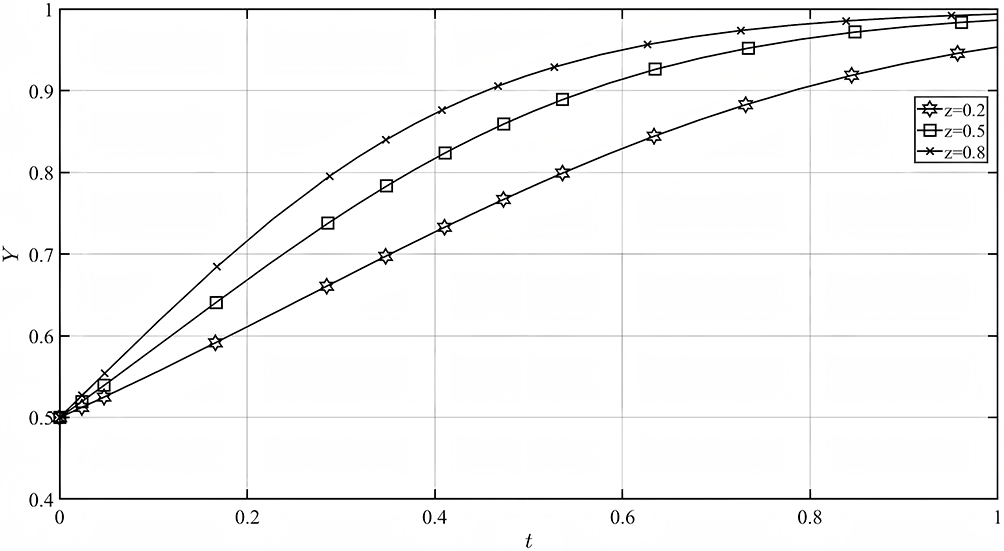 |
Figure 10 Impact of educational initial values on institutional outcomes. |
Since variations in the initial probability of government strategies have a relatively limited influence on the evolutionary paths of aging services institutions and professional aging services education, their regulatory effect on system evolution is marginally weak. Under different initial value settings, the tripartite system still tends to converge stably, with evolutionary trajectories displaying approximately monotonic curves and lacking evident bifurcations or sensitive dependence on initial conditions. Therefore, to avoid redundancy, this study does not separately present the evolutionary process resulting from initial changes in government strategies.
This phenomenon suggests that, under the current game parameter settings and system mechanisms, government actions. However, possessing guiding functions, exert a minimal short-term dynamic impact on aging services institutions and education providers through minor adjustments in the initial strategic phase. The behavioral evolution of care institutions and educational actors is more dependent on their internal linkage mechanisms and adaptive feedback. This also suggests that in formulating sustainable aging services policies, the government should place greater emphasis on constructing long-term incentive structures and institutional environments to strengthen its substantive guiding role in the evolutionary process.
Sensitivity Analysis of Parameter Variations
Sensitivity to Changes in Government Payoffs
The simulation results in Figures 11 and 12 indicate that as the government’s payoff Ba from subsidizing aging services institutions gradually declines, the system’s evolutionary equilibrium shifts from the initial state of (1, 1, 1) to (0, 1, 1). Under the model assumptions, even though the government ultimately opts to abandon the subsidy strategy, aging services institutions still choose to improve service quality, and professional aging services education continues to maintain a practice-oriented model. This strategic configuration suggests that the decline in the government’s marginal benefit within the game does not undermine the willingness of the other two parties to cooperate. The system continues to evolve, focusing on service enhancement and high-quality talent development, while demonstrating strong structural resilience and policy independence.
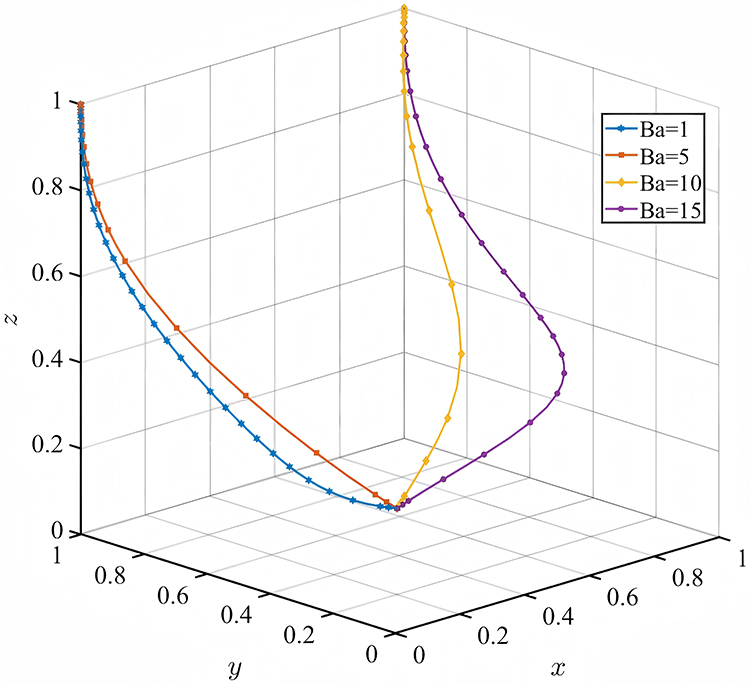 |
Figure 11 Sensitivity analysis of changes in government payoffs (3D). |
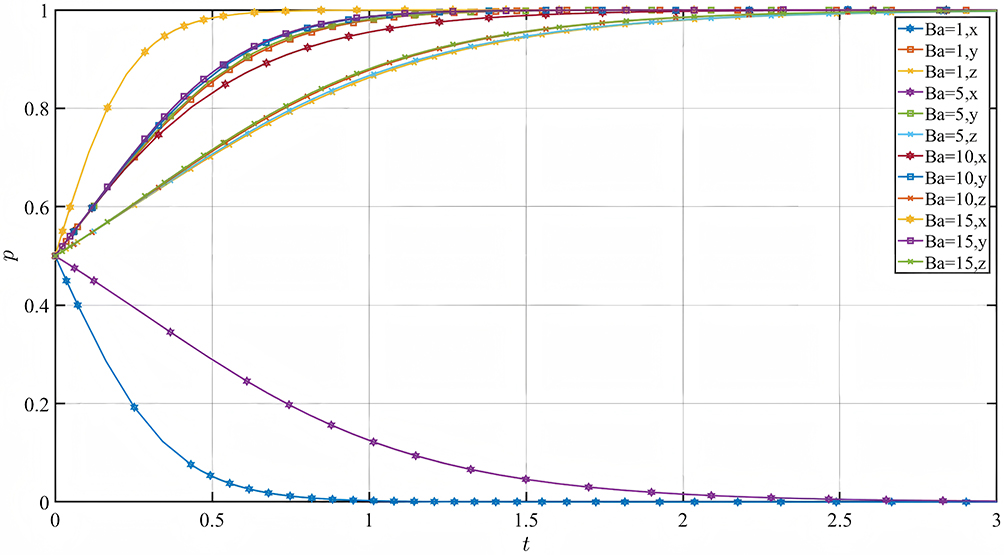 |
Figure 12 Sensitivity analysis of changes in government payoffs (2D). |
From a theoretical perspective, this phenomenon can be attributed to the “bidirectional reinforcement feedback mechanism” between aging services institutions and professional education. On one hand, after receiving an influx of practice-oriented talent, aging services institutions experience significant improvements in service quality, operational performance, and social reputation. This creates an internal incentive that drives them to continue enhancing service quality, even in the absence of government subsidies. On the other hand, professional aging services education remains committed to the practice-oriented pathway due to the persistent demand for such talent from the service system. This “service–talent coordination mechanism”, which operates independently of government intervention, establishes a locally self-sustaining evolutionary structure. As a result, even when the marginal returns from government strategy decline, the system can still maintain an optimal state of service and education, thereby achieving endogenous evolutionary stability within a sustainable aging services system.
Sensitivity to Changes in Aging Services Institution Costs
As shown in Figure 13, when the cost parameter Qa associated with improving service quality for aging services institutions continues to rise, the system’s evolutionary equilibrium shifts from the original state of (1, 1, 1) to (1, 0, 1). In this new state, aging services institutions opt for the “maintain the status quo” strategy. At the same time, the government continues to provide subsidies, and professional aging services education maintains a practice-oriented teaching model. This evolutionary pathway indicates that when cost pressures increase significantly and exceed the institution’s acceptable threshold, even the presence of external incentives is insufficient to offset the high expenditures associated with ongoing service upgrades. As a result, institutions ultimately choose to avoid high-cost strategies in order to prevent an imbalance between returns and risks. The trend observed in the strategy evolution curves in Figure 14 further confirms the sensitivity of institutional behavior: at higher levels of Qa, the motivation of institutions to enhance service quality declines markedly.
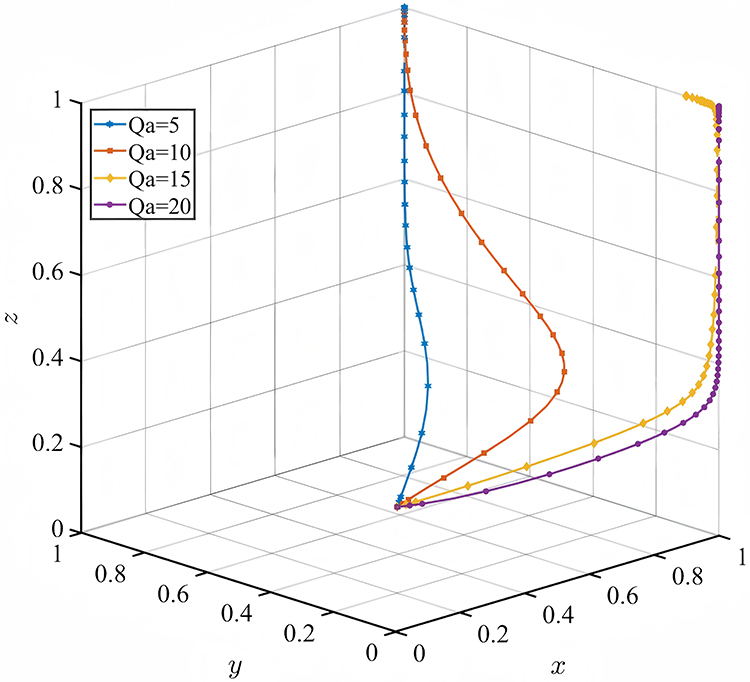 |
Figure 13 Sensitivity analysis of changes in aging services institution costs (3D). |
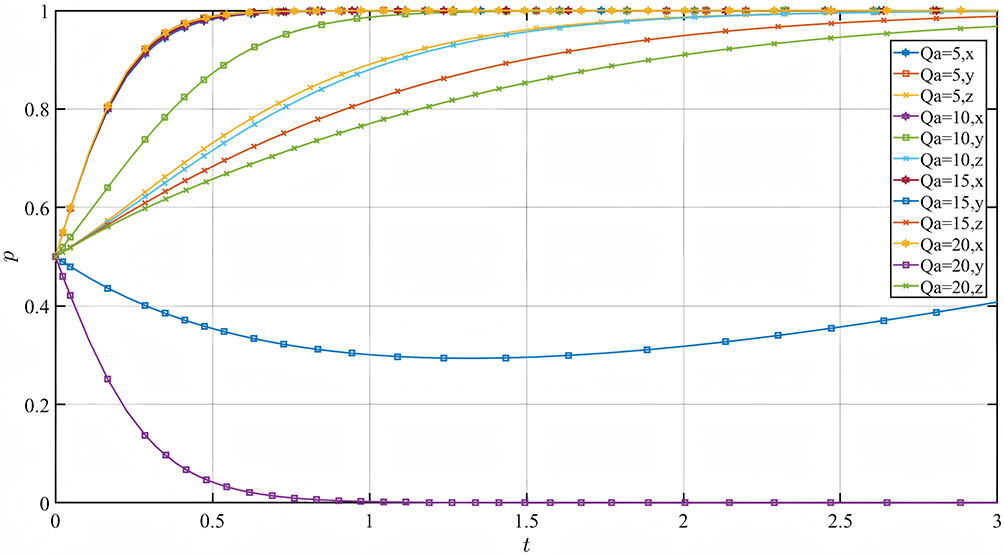 |
Figure 14 Sensitivity analysis of changes in aging services institution costs (2D). |
Although aging services institutions abandon service quality improvement under high-cost conditions, professional aging services education continues to adhere to a practice-oriented strategy, indicating that the education system maintains a certain degree of independence and inertia in its pursuit of talent quality. However, this disconnection between education and service provision is detrimental to the effective alignment and transformation of professional practice resources, which, in the long run, undermines the robust functioning of a sustainable aging services system. Therefore, under such circumstances, the government should promptly adjust its subsidy mechanisms or introduce phased incentive policies in response to the dynamic operational costs of the aging services market. This would ensure that care institutions retain both the capacity and willingness to enhance service quality within acceptable cost thresholds, thereby maintaining the co-evolutionary relationship between the service delivery system and the talent cultivation system, and securing the practical realization of sustainable aging services strategic objectives.
Sensitivity to Returns from Service Quality Improvement in Aging Services Institutions
As shown in Figure 15, when the return Pa from improving service quality in aging services institutions declines, the system’s evolutionary equilibrium shifts from (1, 1, 1) to (1, 0, 1). In this state, aging services institutions abandon the “improve service quality” strategy and instead choose to “maintain the status quo.” At the same time, the government continues to provide subsidies, and professional aging services education maintains a practice-oriented teaching model. The fundamental reason for this shift lies in the fact that, when the benefits from service upgrades are insufficient to cover the associated input costs (such as labor, facilities, and training), aging services institutions lack adequate incentives to sustain high-quality services, thus prompting a strategic shift toward lower-cost, more controllable return options. The steep decline in the evolutionary curve in the two-dimensional Figure 16 further indicates that a low-return environment rapidly diminishes the momentum for service improvement, thereby hindering the coordinated development of the entire system.
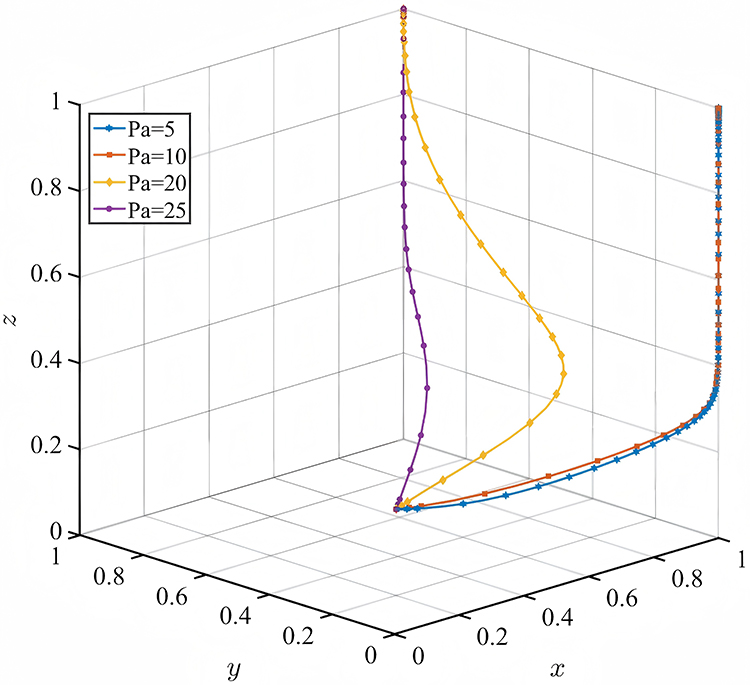 |
Figure 15 Sensitivity analysis of returns for aging services institutions (3D). |
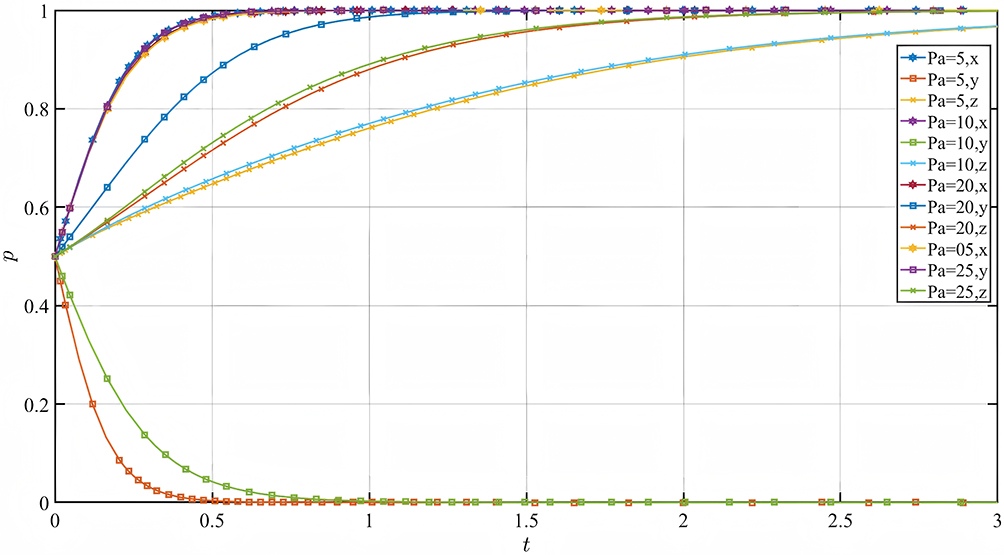 |
Figure 16 Sensitivity analysis of returns for aging services institutions (2D). |
Conversely, when Pa continues to rise, aging services institutions tend to adopt the strategy of improving service quality, which in turn accelerates the evolution of professional aging services education toward practice-oriented teaching. This result highlights that aging services institutions are key drivers in the aging services value chain, and their level of return directly affects the practicality and relevance of educational supply. To ensure the sustainable development of the aging services system, it is essential to accelerate the establishment of a market-oriented and diversified service provision mechanism, encouraging the participation of social capital and innovative models in aging services services. This will help expand the market share of high-quality institutions and promote survival of the fittest through market competition, thereby enhancing overall service quality. In turn, this will foster a virtuous cycle between the talent cultivation system and the service system, ultimately achieving dynamic balance and coordinated optimization between the supply and demand sides of aging services services.
Sensitivity to Changes in Returns from Practice-Oriented Professional Aging Services Education
As observed from the evolutionary results in Figure 17, when the return parameter R from practice-oriented professional aging services education gradually declines, the system’s stable equilibrium shifts from the original state of (1, 1, 1) to (1, 1, 0). This suggests that professional aging services education providers are gradually abandoning the practice-oriented education strategy and shifting to conventional education. In contrast, the government and aging services institutions continue to maintain their strategies of providing subsidies and improving service quality. This shift reflects the directly decisive role that the level of return plays in the strategic choices of aging services education. A decline in returns weakens the motivation of educational institutions to implement practice-oriented training, making them more inclined to adopt conventional education approaches with lower input costs and more controllable risks. This result also illustrates that within the aging services talent development system, relying solely on market mechanisms is insufficient to ensure the sustained supply of high-quality professionals.
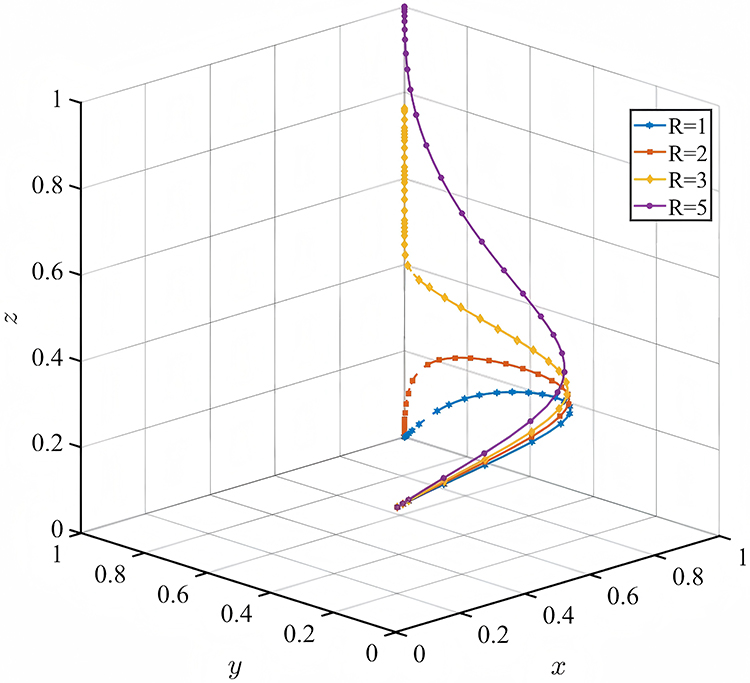 |
Figure 17 Sensitivity analysis of changes in returns from professional aging services education (3D). |
As shown by the evolutionary curve in the two-dimensional Figure 18, the evolution speed of the practice-oriented education strategy significantly slows down as the value of R decreases. Under low-return scenarios, it quickly approaches an exit state. This creates a “delayed feedback effect” on aging services institutions, due to the insufficient supply of practice-oriented talent, the marginal benefit of improving service quality may gradually decline, which in the long term will weaken institutions’ willingness to continue upgrading services. Therefore, in promoting the development of sustainable aging services, the government should regard professional aging services education as a critical supporting component and incorporate it into fiscal subsidies or policy incentive mechanisms. By reasonably designing incentive schemes for practice-oriented education and optimizing input-output relations, the government can ensure the stable functioning of the aging services talent cultivation system, establish a positive service–talent feedback loop, and enhance the overall level of coordinated evolution within the system.
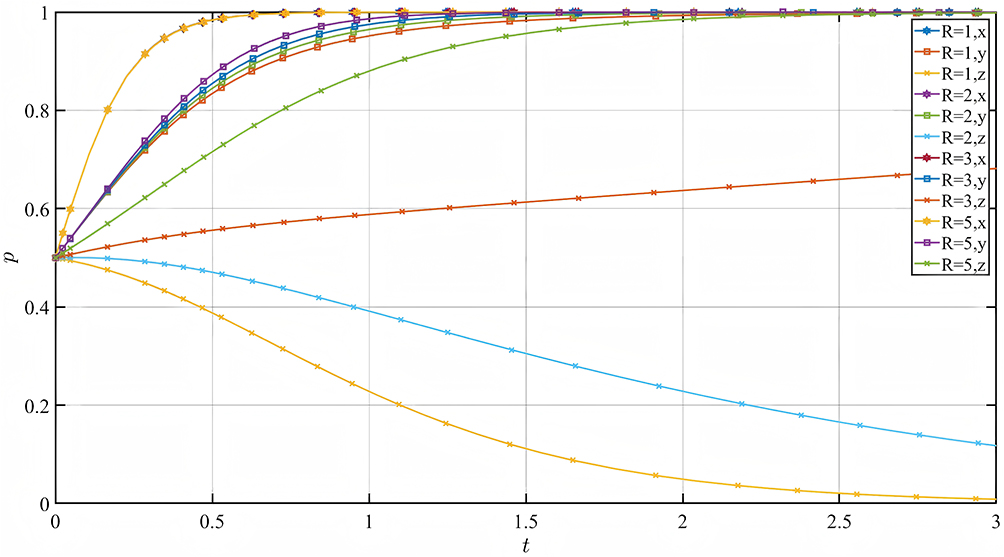 |
Figure 18 Sensitivity analysis of changes in returns from professional aging services education (2D). |
Discussion and Conclusion
New Knowledge Contribution
With the intensification of population aging, aging services has become an increasingly primary global concern. However, existing research primarily focuses on macro-level issues, such as coverage, quality, and resource allocation of aging services services. At the same time, relatively little attention has been paid to how aging services systems can achieve long-term, coordinated development, the issue of “sustainable aging services.” Chang et al34 analyzed the utilization of community medical services by older adults in Taiwan’s long-term care institutions, emphasizing the importance of service security; however, they did not further explore pathways for long-term systemic development. Chen et al18 highlighted the impact of community-based home care services on household consumption behavior, providing empirical evidence of policy effects, but did not delve into the logic of sustainability. Dent et al19 emphasized the importance of frailty management in older adults, advocating for personalized interventions and integrated care models; however, they did not address structural reform mechanisms within the aging services system. Guo et al20 focused on the positive effects of community gardens on the mental health of older adults, providing valuable insights into their spatial and environmental aspects. Building on this foundation, the present study introduces the concept of “sustainable aging services”, emphasizing the long-term interplay among policy stability, resource coordination, and talent support systems, to develop a sustainable, collaborative, and balanced aging services support mechanism.
In terms of research methodology, existing literature predominantly adopts macro-level approaches such as cross-sectional statistical analysis, policy evaluation, or spatial analysis, with relatively few studies starting from the perspective of micro-level game logic to systematically uncover the behavioral interaction mechanisms among multiple stakeholders. Li et al23 analyzed the imbalance in aging services resource allocation in rural China using the TOPSIS method and spatial coupling models. However, they did not address the internal evolutionary logic among actors. Özkaytan et al29 examined integrated medical service models in rural long-term care institutions, focusing on institutional construction, yet lacking analysis of stakeholder behavioral mechanisms. Steensma et al22 emphasized the importance of implementation barriers while evaluating nature-based healing interventions; however, their study was limited to the physical and spatial dimensions of healthcare environments. Zheng et al26 empirically investigated the relationship between service satisfaction and depression in aging services institutions, providing a basis for improving care quality; however, they did not reveal the underlying interactive driving mechanisms. In contrast, this study constructs a tripartite evolutionary game model involving the government, aging services institutions, and professional aging services education, simulating each actor’s strategic choices and evolutionary trends under real-world incentives. From the perspectives of policy incentives, market behavior, and talent supply, the study offers theoretical support for understanding the micro-level behavioral logic underpinning sustainable aging services.
This study reveals a strong interconnection mechanism between aging services institutions and professional aging services education: the decision of institutions to improve service quality significantly promotes the reform of practice-oriented teaching in the education sector, and vice versa. Moreover, the government plays a pivotal role in implementing subsidy policies, providing guidance on resources, and constructing market-oriented institutions. Harrison et al27 found that higher star ratings for aging services institutions are closely related to their governance structures, indicating that government incentive mechanisms influence institutional performance. Huang et al30 noted that the occupational characteristics of care assistants are closely linked to their physical and mental well-being, underscoring the importance of the education system in shaping talent supply. Korfhage and Fischer-Weckemann25 analyzed the long-term impact of public long-term care insurance on the behavior of family caregivers, highlighting the enduring influence of institutional arrangements on decision-making. Wong et al32 confirmed, through an intervention experiment, that professional education significantly enhances young people’s willingness to enter the aging services industry. In contrast, existing research has not fully integrated the relationships among institutions, markets, and education. This study clarifies the internal mechanism of co-evolution among government, institutions, and education, providing theoretical guidance and practical implications for optimizing China’s aging services service system.
Practical Implications
For policymakers involved in aging services, the following recommendations are proposed: First, a differentiated and dynamic fiscal subsidy mechanism should be established. Simulation results indicate that government subsidy strategies play a significant role in guiding aging services institutions to improve service quality and promoting a professional orientation in aging services education. When government subsidies are insufficient, care institutions and educational organizations struggle to sustain high-quality investments, ultimately leading to stagnation in the system’s evolution. Therefore, it is recommended that the government set tiered subsidy standards based on the service level of care institutions and the type of education, and adjust subsidy intensity promptly to ensure that the aging services market maintains positive evolution within a controllable cost range. Second, the coordination mechanism between aging services institutions and professional education should be strengthened. The analysis shows a positive interaction between service quality improvement in care institutions and the practice orientation of professional aging services education. Practice-oriented education effectively meets institutions’ real-world demand for high-quality talent, while improved service quality, in turn, stimulates reform on the supply side of education. Thus, the government should promote the construction of platforms for industry–education integration, supporting aging services institutions in serving as training bases throughout the talent development process, and forming a closed-loop “service–education” feedback system. Finally, efforts should be made to develop a market-oriented aging services service mechanism that stimulates the internal motivation of care institutions. The game simulations show that an increase in institutional returns is a key driver behind their decision to optimize service quality. The government is advised to relax market access restrictions, guide private capital investment, and establish service quality evaluation and incentive systems to foster a fair and competitive institutional environment. This would enable high-quality institutions to achieve higher market returns, thereby promoting the survival of the fittest and enhancing the overall sustainability and resilience of the aging services service supply system.
For aging services institution managers, the following recommendations are proposed: First, actively improve service quality to enhance the institution’s core competitiveness. Research shows that when aging services institutions choose to upgrade service quality, they not only receive higher government subsidies and market returns but also foster a positive interaction with the practice-oriented direction of professional aging services education, thereby facilitating precise alignment between talent supply and institutional demand. Therefore, managers should increase investment in areas such as nursing services, medical support, psychological care, and living environments, and strive to build differentiated and branded aging services service models. Second, strengthen deep collaboration with professional institutions specializing in aging services education. Analysis results indicate that when institutions aim to improve service quality, they rely more heavily on the supply of professionally trained talent with practical experience. It is recommended that managers co-establish training bases with universities and vocational colleges, participate in curriculum design and teaching evaluation, and enhance the alignment between workplace practices and talent development. This would help establish a long-term and stable channel for high-quality talent input. Finally, focus on cost control and performance management to improve operational efficiency. Simulation results show that improving service quality is accompanied by rising costs; without systematic operational control, this may weaken the institution’s capacity for sustainable development. Therefore, managers should adopt digital tools to refine service process management, optimize human resource allocation, and strengthen internal incentive and evaluation mechanisms. This approach will achieve coordinated improvement in both cost control and service quality, thereby enhancing the institution’s resilience and adaptability in the aging services market.
For researchers of sustainable aging services, the following recommendations are proposed: First, broaden the research perspective by shifting from a narrow focus on “aging services” to a more comprehensive and systematic framework of “sustainable aging services.” Most current studies concentrate on service supply and demand, institutional operations, or individual well-being, with relatively limited exploration of the coordination mechanisms among policy, market, and talent within the aging services service system. Future research is advised to build upon traditional approaches by integrating multidimensional indicators such as Environmental, Social, and Governance (ESG), and to pay closer attention to the balance between equity, resilience, and the long-term resource-carrying capacity of aging services services. Second, strengthen the modeling and empirical validation of micro-level behavioral mechanisms. This study reveals the interactive logic among policy incentives, service choices, and talent cultivation through a tripartite evolutionary game involving the government, aging services institutions, and professional aging services education, highlighting the complex adaptive characteristics of the aging services service system. Future studies are encouraged to combine multi-agent modeling approaches, such as evolutionary game theory and system dynamics, with micro-level survey data and empirical regression tools to enhance model predictive power and policy interpretation. Finally, place greater emphasis on the interactive coordination mechanisms among the key actors in aging services. This study finds a mutually reinforcing relationship between service quality improvement in care institutions and the practice-oriented direction of professional education, while government subsidy models and expected returns directly influence market behavior. Researchers are recommended to focus on the strategy evolution processes of different stakeholders within dynamic institutional environments, and to explore how institutional design and policy mixes can guide the efficient allocation of resources across the policy–market–talent dimensions. Such efforts will provide theoretical support and practical pathways for promoting high-quality and sustainable development of aging services systems.
Limitations and Future Outlook
Although this paper develops a tripartite evolutionary game model, encompassing government, aging services institutions, and professional aging services education to investigate the mechanisms of sustainable aging services systematically, several limitations remain. First, the model does not fully account for the heterogeneity of the actors involved, such as regional disparities in fiscal capacity, variations in institutional organization, and differences in university educational resources, which constrain its explanatory power in complex real-world contexts. Second, the study has not yet validated the simulation outcomes with empirical data; without such evidence, the resulting policy recommendations lack robust support. Future research should incorporate heterogeneous characteristics among actors and undertake empirical tests using regional elderly care data and educational resource distribution data, thereby enhancing the model’s practical applicability and the generalizability of the findings.
Conclusion
Based on the theoretical connotation of sustainable aging services, this study constructs an evolutionary game model involving three key participants: the government, aging services institutions, and professional aging services education. It systematically analyzes the interaction mechanisms and evolutionary pathways among the three parties in their strategic choices. The study finds that under the strategic combination of moderate government subsidies, proactive service quality improvement by aging services institutions, and a practice-oriented approach in professional education, the system is more likely to reach a stable equilibrium conducive to sustainable aging services. Numerical simulations further reveal a positive feedback mechanism between the service behavior of care institutions and the instructional approach of aging services education. At the same time, changes in government returns and the willingness to provide subsidies may significantly disrupt the system’s equilibrium state. Additionally, sensitivity analysis indicates that the strongest linkage exists between professional education and care institutions, making it a key pathway for enhancing the overall quality of the aging services system. Therefore, promoting the establishment of a collaborative governance mechanism, guided by the government, led by institutions, and supported by education is essential for achieving high-quality, sustainable aging services. This study offers valuable theoretical foundations and practical insights for deepening the understanding of the internal logic of aging services systems, enhancing policy design, and optimizing resource allocation.
Based on the research findings, this study proposes the following policy recommendations: First, the government should improve its incentive mechanisms and formulate precise subsidy strategies. The study demonstrates that government subsidies play a pivotal role in guiding aging services institutions to enhance service quality and encouraging professional aging services education to adopt a practice-oriented approach. When the government’s willingness to decline or subsidize weakens, the system’s equilibrium is prone to shift, hindering overall improvement in service levels. Therefore, it is recommended that the government establish a differentiated subsidy mechanism based on performance and service quality, ensuring targeted and effective subsidies to guide the stable and positive evolution of the aging services system. Second, the market-oriented operational capacity and quality incentive mechanisms of aging services institutions should be strengthened. Model analysis reveals that the strategic behavior of care institutions in improving service quality has a significant influence on the evolutionary direction of education models. When the returns from quality improvement increase or costs remain manageable, institutions are more motivated to collaborate with the education system, forming a positive incentive cycle. Thus, it is advised to promote mechanisms such as survival of the fittest, third-party evaluation and certification systems, and the inclusion of diverse stakeholders to encourage institutions to proactively improve service delivery and enhance the overall efficiency of the aging services sector. Finally, reforms in professional aging services education should be advanced to strengthen the orientation toward practice-based teaching. The analysis reveals that the shift toward practice-oriented education fosters feedback that enhances service quality in institutions, thereby facilitating a virtuous cycle between education and care provision. To this end, it is essential to promote in-depth collaboration between universities and aging services institutions, improve the construction of training bases, and advance “industry–education integration” and “teaching collaboration” to enhance the professionalism and alignment of talent supply, thereby providing strong intellectual and human resource support for the sustainable development of the aging services service system.
Data Sharing Statement
All data generated or analyzed in this study are available from the corresponding author upon reasonable request.
Funding
This research was funded by The Second Batch of Teaching Reform Project of “14th Five-Year Plan” for Higher Vocational Education in Zhejiang Province: “Research and Exploration of Higher Vocational Elderly Service Talent Cultivation System under the Mode of ‘Four Drivers and Four Integration’”, Project No.: jg20240362.
Disclosure
The authors declare no conflicts of interest in this work.
References
1. Cheng T, Liu C, Yang H, Wang N, Liu Y. From service capacity to spatial equity: exploring a multi-stage decision-making approach for optimizing elderly-care facility distribution in the city centre of Tianjin, China. Sustain Cities Soc. 2022;85:104076. doi:10.1016/j.scs.2022.104076
2. Liu Z, Xu X. Financial elderly care security and community satisfaction: the moderating effect of internet usage. Int Rev Financ Anal. 2025;104383. doi:10.1016/j.irfa.2025.104383
3. Stolt R, Blomqvist P, Winblad U. Privatization of social services: quality differences in Swedish elderly care. Soc Sci Med. 2011;72(4):560–26. doi:10.1016/j.socscimed.2010.11.012
4. Chen X, Leng S, Yu Z, Sun R. Global aging exacerbates heat exposure risk across diverse socioeconomic pathways. Geogr Sustain. 2025;100318. doi:10.1016/j.geosus.2025.100318
5. Gian M, Obydenkova SV, van der Meer Y. Key aspects in the social dimension of sustainability for assessment and reporting. Sustain Prod Consum. 2025;57:183–197. doi:10.1016/j.spc.2025.05.013
6. He J, Sui D, Li L, Lv X. Fueling the development of elderly care services in China with digital technology: a provincial panel data analysis. Heliyon. 2025;11(3):e41490. doi:10.1016/j.heliyon.2024.e41490
7. Li M, Peng P, Zhu H, et al. Assessing the gap: resource efficiency of institutionalised elderly care in urban and rural China. Public Health. 2025;238:45–52. doi:10.1016/j.puhe.2024.11.017
8. Li L, Wang Y, Wang E, Zhang H, Wang C, Li Y. Towards a greener aging society: a dynamic and multilevel analysis of consumption carbon emissions among China’s aging population. Sustain Cities Soc. 2024;102:105217. doi:10.1016/j.scs.2024.105217
9. Wang Z. The impact of aging on the adjustment of China’s economic growth pattern: a study based on the endogenous growth model. Int Rev Financ Anal. 2025;104:104353. doi:10.1016/j.irfa.2025.104353
10. Jing Z, Li Z, Zheng P. Population aging and corporate innovation performance: evidence from China. Int Rev Econ Finance. 2025;101:104199. doi:10.1016/j.iref.2025.104199
11. Zhang P, Yang H, Chen C, Wang T, Jia X. The impact of population aging on corporate digital transformation: evidence from China. Technol Forecast Soc Change. 2025;214:124070. doi:10.1016/j.techfore.2025.124070
12. Guo Y, Wang J. Practices for rural population aging in China: land-based pension. Habitat Int. 2024;151:103136. doi:10.1016/j.habitatint.2024.103136
13. Chen Y, Zhang K. Impact of population aging on Chinese residents’ consumption: empirical analysis based on impact of digital inclusive finance. Finance Res Lett. 2025;82:107490. doi:10.1016/j.frl.2025.107490
14. Zhong H, Wang X. Spatial mobility of China’s population in the digital economy. J Asian Econ. 2025;99:101941. doi:10.1016/j.asieco.2025.101941
15. Zhou Z, Wang L, Dong Y. Research on innovative design of community mutual aid elderly care service platform based on Kano model. Heliyon. 2023;9(5):e15546. doi:10.1016/j.heliyon.2023.e15546
16. Ai Y, Chu S, Wang J, Xu N. Enhancing elderly care services through integrated sentiment analysis and knowledge reasoning: a deep learning approach. Int J Cogn Comput Eng. 2025;6:477–494. doi:10.1016/j.ijcce.2025.04.003
17. Bao M, Ma R, Chao J. Efficiency and equity of elderly care service resource allocation in China, 2014–2022. Health Policy Technol. 2025;14(3):101016. doi:10.1016/j.hlpt.2025.101016
18. Chen R, Jiang Y, Li X. Community-based elderly home care services policy and household consumption enhancement: evidence from China. Int Rev Econ Finance. 2024;96:103620. doi:10.1016/j.iref.2024.103620
19. Dent E, Hanlon P, Sim M, et al. Recent developments in frailty identification, management, risk factors and prevention: a narrative review of leading journals in geriatrics and gerontology. Ageing Res Rev. 2023;91:102082. doi:10.1016/j.arr.2023.102082
20. Guo J, Yanai S, Xu G. Community gardens and psychological well-being among older people in elderly housing with care services: the role of the social environment. J Environ Psychol. 2024;94:102232. doi:10.1016/j.jenvp.2024.102232
21. Mack KM. Frailty as a lens to produce optimal outcomes: geriatric nursing’s role in integration into systems of care. Geriatr Nurs. 2025. doi:10.1016/j.gerinurse.2025.04.001
22. Steensma R, van den Bogerd N, Dijkstra K, et al. How to implement nature-based interventions in hospitals, long-term care facilities for elderly, and rehabilitation centers: a scoping review. Urban For Urban Green. 2025;103:128587. doi:10.1016/j.ufug.2024.128587
23. Li M, Ao Y, Peng P, et al. Resource allocation of rural institutional elderly care in China’s new era: spatial-temporal differences and adaptation development. Public Health. 2023;223:7–14. doi:10.1016/j.puhe.2023.07.005
24. Li M, Peng P, Zhu H, Ao Y, Zhou Z. Exploring the equitable spatial planning on the accessibility of institutional elderly care in megacity: a study based on Chengdu, China. Sustain Cities Soc. 2024;117:105998. doi:10.1016/j.scs.2024.105998
25. Korfhage T, Fischer-Weckemann B. Long-run consequences of informal elderly care and implications of public long-term care insurance. J Health Econ. 2024;96:102884. doi:10.1016/j.jhealeco.2024.102884
26. Zheng X, Otsen B, Zhao L, et al. Living environment, service quality satisfaction and depression among Chinese older adults in elderly caring social organizations. J Affect Disord. 2024;366:25–35. doi:10.1016/j.jad.2024.08.132
27. Harrison SL, Harries D, Lin Y, Caughey GE, Miller C, Inacio MC. Star ratings in long-term care facilities in Australia: facility characteristics associated with high ratings and changes in ratings over time. J Am Med Dir Assoc. 2024;25(11):105272. doi:10.1016/j.jamda.2024.105272
28. Haunch K, Thompson C, Arthur A, et al. Understanding the staff behaviours that promote quality for older people living in long term care facilities: a realist review. Int J Nurs Stud. 2021;117:103905. doi:10.1016/j.ijnurstu.2021.103905
29. Özkaytan Y, Schulz-Nieswandt F, Zank S. Acute health care provision in rural long-term care facilities: a scoping review of integrated care models. J Am Med Dir Assoc. 2023;24(10):1447–1457.e1. doi:10.1016/j.jamda.2023.06.013
30. Huang S, Yau SY, Lee YKL, Song J, Guo Y, Dong D. Job characteristics, personal characteristics and well-being of nursing assistants in long-term care facilities: a mixed methods systematic review and narrative synthesis. Int J Nurs Stud. 2025;161:104934. doi:10.1016/j.ijnurstu.2024.104934
31. Mueller C, Burggraf V, Crogan NL. Growth and specialization of gerontological nursing. Geriatr Nurs. 2020;41(1):14–15. doi:10.1016/j.gerinurse.2020.01.013
32. Wong AKC, Bayuo J, Wong HY, et al. The effects of the connecting all generations through the Gerontech (CARETech) program on motivating young people to enter the elderly care sector. J Adolesc Health. 2024;75(5):801–808. doi:10.1016/j.jadohealth.2024.06.015
33. Takahashi R, Nakazawa Y, Miyashita M, et al. Enhancing end–of–life care quality and achieving a good death for the elderly in Japan. Arch Gerontol Geriatr. 2024;124:105471. doi:10.1016/j.archger.2024.105471
34. Chang H-T, Lin M-H, Hwang IH, et al. Utilization and patterns of community healthcare services for senior residents in long-term care facilities in Taiwan: a nationwide study. J Chin Med Assoc. 2013;76(1):42–47. doi:10.1016/j.jcma.2012.09.008
35. Harrison SL, Harries D, Fu HM, et al. Long-term care staffing: associations with facility characteristics, residents’ experience, and quality measures. J Am Med Dir Assoc. 2025;26(7):105686. doi:10.1016/j.jamda.2025.105686
36. Zhao D, Wang J, Li Y-K, Tang J-H, Zhang S-W. How to promote the transition of fuel vehicle enterprises under dual credit policy? An improved tripartite evolutionary game analysis with time delay. Energy. 2024;293:130696. doi:10.1016/j.energy.2024.130696
37. Yang L, Li R. Government governance, family financial support, and financial well-being of the elderly: evidence from CHARLS Data. Finance Res Lett. 2025;74:106807. doi:10.1016/j.frl.2025.106807
38. Thuong LT, Cuc DTK, My TT. Nursing students’ knowledge, attitudes, and willingness to care for the elderly: a cross-sectional study in Vietnam. Geriatr Nurs. 2025;63:274–279. doi:10.1016/j.gerinurse.2025.03.062
39. Shie A-J, Xu E-M, Ye -Z-Z, Ruan J-Q, Yang G, Lee C-H. Kansei-oriented and artificial intelligence-driven framework for mutual aid elderly care service optimization. Adv Eng Inf. 2025;67:103489. doi:10.1016/j.aei.2025.103489
40. Huang Y, Fang Z, Wang K. How to subsidize ecotourism in a tourism supply chain? An examination with a three-party evolutionary game model. J Clean Prod. 2024;477:143878. doi:10.1016/j.jclepro.2024.143878
41. Xu J, Zhao Y, Li X, et al. TEG-DI: dynamic incentive model for federated learning based on tripartite evolutionary game. Neurocomputing. 2025;621:129259. doi:10.1016/j.neucom.2024.129259
42. Deng J, Su C, Zhang Z-M, Wang X-P, Ma J-Y, Wang C-P. Evolutionary game analysis of chemical enterprises’ emergency management investment decision under dynamic reward and punishment mechanism. J Loss Prev Process Ind. 2024;87:105230. doi:10.1016/j.jlp.2023.105230
43. Lu X, Yang C, Ma W, Yang H. Evolutionary game analysis on governments and developers’ behavioral strategies: impact of dynamic incentives for green building. Energy Build. 2025;336:115631. doi:10.1016/j.enbuild.2025.115631
44. Liu W, Long S, Xie D, Liang Y, Wang J. How to govern the big data discriminatory pricing behavior in the platform service supply chain?An examination with a three-party evolutionary game model. Int J Prod Econ. 2021;231:107910. doi:10.1016/j.ijpe.2020.107910
 © 2026 The Author(s). This work is published and licensed by Dove Medical Press Limited. The
full terms of this license are available at https://www.dovepress.com/terms
and incorporate the Creative Commons Attribution
- Non Commercial (unported, 4.0) License.
By accessing the work you hereby accept the Terms. Non-commercial uses of the work are permitted
without any further permission from Dove Medical Press Limited, provided the work is properly
attributed. For permission for commercial use of this work, please see paragraphs 4.2 and 5 of our Terms.
© 2026 The Author(s). This work is published and licensed by Dove Medical Press Limited. The
full terms of this license are available at https://www.dovepress.com/terms
and incorporate the Creative Commons Attribution
- Non Commercial (unported, 4.0) License.
By accessing the work you hereby accept the Terms. Non-commercial uses of the work are permitted
without any further permission from Dove Medical Press Limited, provided the work is properly
attributed. For permission for commercial use of this work, please see paragraphs 4.2 and 5 of our Terms.