
Back to Journals » International Journal of Nanomedicine » Volume 20
Intelligent Nanomedicine Systems Utilizing Diverse Nanoparticles for Osteosarcoma Therapy: A Review
Authors Cai J, Yang H, He Z, Wu C 
Received 15 August 2025
Accepted for publication 14 November 2025
Published 25 November 2025 Volume 2025:20 Pages 14115—14130
DOI https://doi.org/10.2147/IJN.S560865
Checked for plagiarism Yes
Review by Single anonymous peer review
Peer reviewer comments 3
Editor who approved publication: Prof. Dr. RDK Misra
Jie Cai,1 Hulin Yang,1 Zongxian He,1 Chenghu Wu2
1Department of Orthopedics, The First People’s Hospital of Xiaoshan District, Xiaoshan Affiliated Hospital of Wenzhou Medical University, Hangzhou, 311200, People’s Republic of China; 2Department of Biomedical Engineering, Wenzhou Medical University, Wenzhou, 325035, People’s Republic of China
Correspondence: Chenghu Wu, Email [email protected]
Abstract: Osteosarcoma and other solid tumor therapies remain urgent clinical challenges. Currently, treatment mainly relies on surgical resection. However, surgery often requires extensive removal of bone and surrounding tissues, which can easily lead to impaired limb function, affect patients’ immune and metabolic functions, and increase the risk of recurrence. Smart nanomedicine offers new hope for the treatment of solid tumors. Nanoparticles can enable targeted drug delivery and personalized treatment, reduce damage to normal tissues, and help prevent dysfunction and disability. Postoperative adjuvant nanomedicines can help eliminate residual tumor cells, lower the recurrence rate, control distant metastasis, and improve survival rates. Additionally, nanoparticle-based immunotherapy has shown promising prospects. By integrating artificial intelligence and big data platforms, the development of smart nanomedicine systems can become more efficient, reliable, and tailored to the specific needs of osteosarcoma therapy. However, there are still biosafety, ethical, and regulatory challenges in clinical translation. In the future, it is necessary to further optimize the targeting and biocompatibility of nanocarriers, strengthen research on tumor metabolism, and improve regulatory systems to promote the clinical application and commercial development of multifunctional nanoparticles.
Keywords: nanoparticles, drug delivery, immune regulation, metabolic regulation, artificial intelligence, nanomedicine
Introduction
Osteosarcoma (OS) is one of the most common and highly aggressive primary malignant bone tumors, mainly affecting adolescents and children under the age of nineteen.1,2 Clinically, patients often present with symptoms such as joint pain, localized swelling, and pathological fractures, all of which significantly impair their quality of life.3,4 Diagnosis primarily relies on imaging techniques, especially X-rays and computed tomography (CT) scans, which are crucial for determining the tumor’s location, size, and extent, thereby guiding subsequent treatment decisions.5,6
Currently, the standard treatment for OS involves a combination of surgical resection and systemic chemotherapy.7,8 Commonly used chemotherapeutic agents, such as cisplatin, doxorubicin, and high-dose methotrexate, have been shown to significantly improve patient survival rates.9 Notably, surgery alone results in a relatively low success rate and a high risk of tumor recurrence, whereas integrating chemotherapy before and after surgery has increased long-term survival rates to approximately 70%.10,11 Nevertheless, chemotherapy is associated with substantial toxic side effects, and the strong multidrug resistance exhibited by OS cells limits the effectiveness of conventional therapies, posing significant challenges to further improving long-term survival.12,13
The multidrug resistance of OS and the immunosuppressive tumor microenvironment hinder the efficacy of traditional surgical and chemotherapeutic approaches, underscoring the urgent need for novel therapeutic strategies.14–16 In recent years, advances in nanotechnology have offered new hope for the treatment of OS.17 Nanoparticle drug delivery systems possess excellent drug-loading capacity, enhanced targeting ability, and reduced side effects, making them important tools for improving chemotherapy efficacy, enabling precise targeted therapy, and facilitating immunotherapy.18–20 Nanomedicine platforms based on immune modulation and metabolic regulation can not only improve drug accumulation and release at tumor sites but also enhance the body’s immune response against tumor progression and recurrence.21–23
The development of nanodrug delivery systems is expected to integrate artificial intelligence (AI) technologies. AI-driven algorithms are capable of analyzing large datasets derived from high-throughput experiments, published literature, and clinical trials to identify optimal nanoparticle compositions, predict biological interactions, and forecast therapeutic outcomes.24 By integrating artificial intelligence with big data platforms, the development of smart nanomedicine systems can be made more efficient, reliable, and personalized to address the specific needs of osteosarcoma therapy.25,26 At the same time, as nanomedicine progresses, critical considerations regarding medical ethics, biosafety, and the rigorous supervision and regulation of nanotherapeutic systems must be addressed to ensure safety and clinical feasibility.27,28
In summary, this review aims to provide a comprehensive and up-to-date overview of intelligent nanomedicine treatment systems for osteosarcoma. We summarize recent advances in the design, classification, and application of these systems, with particular emphasis on material types, targeting strategies, and stimulus-responsive mechanisms. The article discusses the unique advantages and current challenges of intelligent nanomedicine, offering clear directions and practical recommendations for future therapeutic research. By integrating advanced AI tools and robust management strategies, intelligent nanomedicine is poised to usher in a new era of precision and multifaceted therapy, ultimately offering patients more effective and safer treatment options. Our goal is to promote the clinical translation of these innovative therapies and facilitate the effective implementation of nanomedicine in osteosarcoma treatment.
Smart Nanomedicines Antitumor Effect
Nanomedicine Delivery Strategies
OS is a malignant bone tumor most commonly found in children and adolescents. Traditional treatment methods include surgical resection, chemotherapy, and radiotherapy.29,30 However, conventional chemotherapeutic agents face significant challenges such as non-specific distribution, systemic toxicity, and drug resistance, which severely compromise treatment efficacy and negatively impact patients’ quality of life.31 Nanoparticle-based drug delivery systems have shown great potential in overcoming these obstacles in OS treatment.
Enhanced Permeability and Retention (EPR) Effect
Nanoparticle drug delivery systems offer numerous advantages. Firstly, nanoparticles enhance the targeting ability of therapeutics: through passive targeting via the EPR effect, or active targeting by surface modification with specific ligands such as antibodies and peptides, nanoparticles preferentially accumulate in tumor tissues, thereby increasing drug concentration at the tumor site.32
While the EPR effect has been widely recognized as a key mechanism for passive targeting of nanoparticles in preclinical tumor models, its clinical relevance in human solid tumors, including osteosarcoma, remains controversial.33 The EPR effect is highly heterogeneous among patients and tumor types, and factors such as dense extracellular matrix, high interstitial fluid pressure, and poor vascularization in osteosarcoma can significantly limit nanoparticle accumulation.11 Moreover, the variability of the EPR effect in human tumors often leads to inconsistent therapeutic outcomes, highlighting the need for alternative or complementary targeting strategies.34
Active Targeting
EPR effect can lead to nanoparticle accumulation in tumors, but its specificity is limited.35 To address this, active targeting strategies have been developed to improve the selectivity of nanomedicine delivery. These strategies involve modifying the surface of nanoparticles with ligands, antibodies, or peptides that specifically bind to receptors overexpressed on osteosarcoma cells, such as folate receptor, transferrin receptor, or CD44. Active targeting enhances cellular uptake and tumor accumulation of therapeutic agents, while minimizing off-target effects and systemic toxicity.34,36 Recent advances, including dual-targeting and stimuli-responsive systems, further increase the precision and efficacy of drug delivery in osteosarcoma therapy.
Delivery Vectors
Nanoparticle carriers can reduce drug distribution in normal tissues, lowering toxicity to vital organs such as the heart and liver, and thus minimizing overall adverse side effects.37 Additionally, certain nanoparticle systems allow for the co-delivery of multiple drugs or siRNA, which can help reverse multidrug resistance in tumor cells and overcome chemotherapy resistance.38
Common types of nanomedicines used in tumor treatment drug delivery mainly include four categories as shown in Figure 1.39 Liposomes, for example, liposomal doxorubicin (Doxil®), have demonstrated superior antitumor efficacy and reduced cardiotoxicity in OS animal models.40 Polymeric nanoparticles, such as those modified with polymers like poly lactic-co-glycolic acid (PLGA), can encapsulate chemotherapeutic drugs like cisplatin and methotrexate to achieve controlled release and targeted delivery.41 Metallic/inorganic nanoparticles, including gold nanoparticles and iron oxide nanoparticles, not only function as drug carriers but also serve roles in tumor imaging and photothermal or magnetic hyperthermia therapy.42 Smart responsive nanoparticles, such as pH-responsive and enzyme-responsive nanoparticles, can provide precise drug release within the tumor microenvironment.43
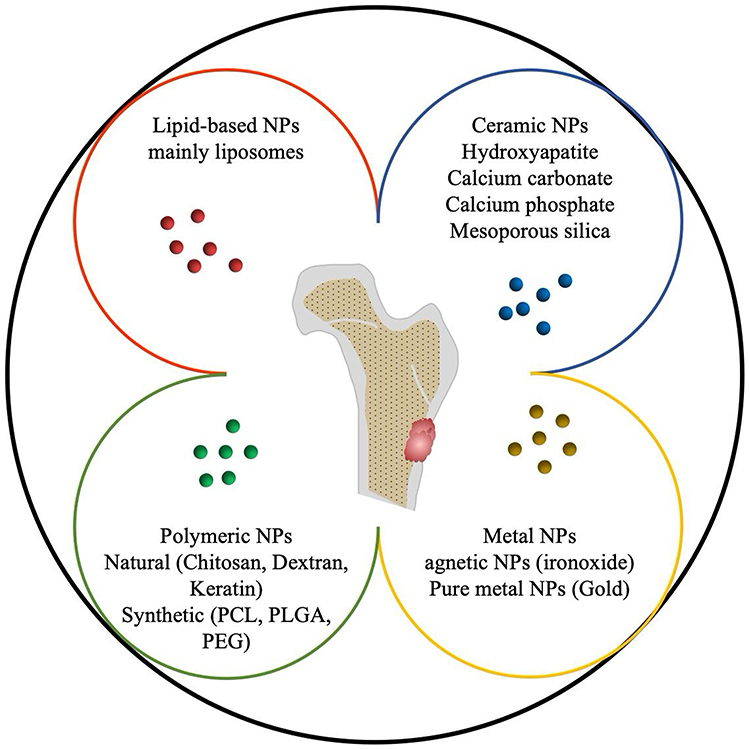 |
Figure 1 Schematic representation of nanoparticle types developed for tumor therapy. Nanoparticles utilized in osteosarcoma research are broadly classified into four categories: lipid-based, ceramic, polymeric, and metal nanoparticles. |
Through these multifunctional characteristics, nanoparticle-based drug delivery systems represent a novel and effective strategy to enhance OS therapy by improving drug targeting, reducing systemic toxicity, overcoming drug resistance, and enabling precise controlled release in Figure 2.
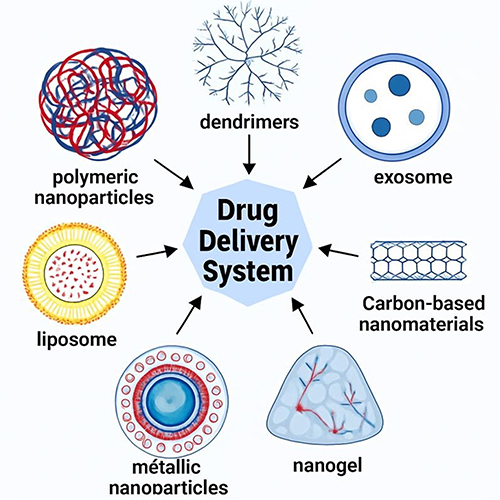 |
Figure 2 Schematic illustration of various nanoparticle types employed as drug delivery carriers in osteosarcoma therapy. Nanoparticles offer a promising platform for drug delivery in cancer treatment. Liposomes, dendrimers, metallic nanoparticles (such as gold and silver), and polymeric nanoparticles facilitate precise and targeted delivery of chemotherapeutic agents. (copyright acquired from Zhu et al).44 |
In the context of osteosarcoma nanoparticle-based therapeutics, nanocarriers can be broadly classified into three principal categories: inorganic nanoparticles, lipid nanoparticles, and polymer nanoparticles.45 Each class exhibits distinct physicochemical properties, therapeutic advantages, and inherent limitations, shown in Table 1. Here, we delineate and compare the major differences among these nanocarrier systems in the nanomedicine treatment of osteosarcoma.
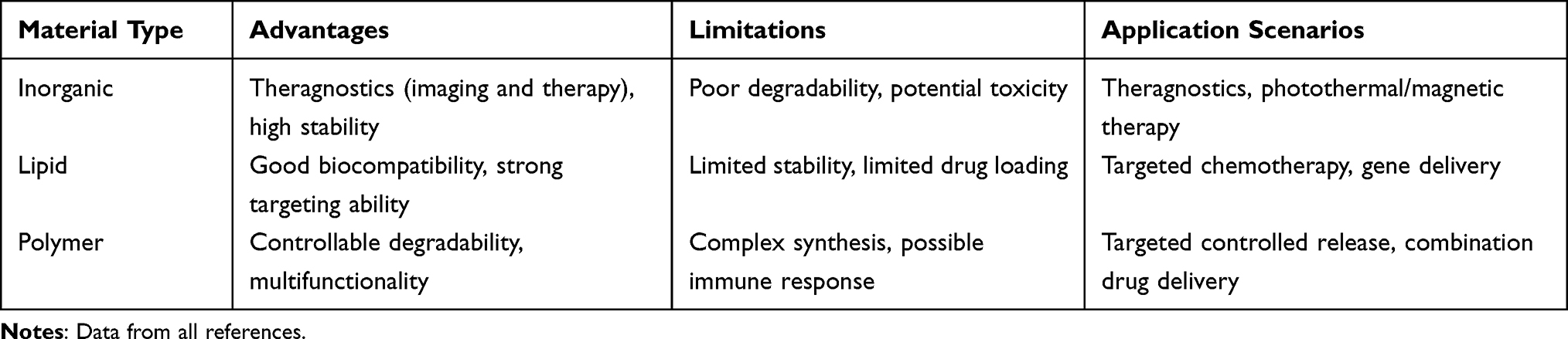 |
Table 1 A Comparison of the Applications of the Three in the Nanomedicine Treatment of OS |
Inorganic nanoparticles—including silica nanoparticles (SiO2), gold nanoparticles (Au NPs), iron oxide nanoparticles (Fe3O4), and hydroxyapatite (HA)—have been extensively investigated for osteosarcoma applications.45 These materials offer the unique advantage of integrating diagnostic and therapeutic functionalities; for example, gold and iron oxide nanoparticles facilitate both imaging modalities (MRI, CT, photothermal imaging) and therapeutic interventions such as photothermal and magnetic hyperthermia therapy.40 In addition, inorganic nanoparticles are characterized by high structural stability, resistance to degradation, and the capacity for controlled drug release.45 Their surfaces are amenable to functionalization, enabling the conjugation of targeting ligands or therapeutic agents.26 Nevertheless, their clinical translation is hindered by poor biodegradability, which may result in prolonged retention and potential safety concerns, as well as possible immunogenicity and cytotoxicity, raising issues regarding biocompatibility.46
Lipid nanoparticles, including liposomes, solid lipid nanoparticles (SLNs), and nanoemulsions, are widely employed in osteosarcoma nanomedicine owing to their excellent biocompatibility, which stems from their structural resemblance to cellular membranes.47 These carriers exhibit robust drug encapsulation capabilities, accommodating both hydrophilic and hydrophobic chemotherapeutic agents.48 Surface modification with targeting ligands enables active targeting of osteosarcoma cells, while the lipid composition can be tailored to achieve sustained and controlled drug release.20 However, lipid nanoparticles are susceptible to environmental factors such as temperature and pH, which may compromise their stability during storage and transport.49 Additionally, certain liposomal formulations may exhibit limited drug loading capacity.
Polymer nanoparticles—such as PLGA, polyvinyl alcohol (PVA), sodium hyaluronate, gelatin, and chitosan—are also prominent in osteosarcoma nanomedicine.47 These systems offer tunable biodegradability, allowing for the design of carriers that degrade within the physiological environment and thereby minimize long-term retention.42 Polymer nanoparticles are highly versatile, with surfaces that can be readily engineered for targeted delivery, controlled release, and combination therapy.38 They also provide effective protection for encapsulated drugs against premature degradation. However, the synthesis and functionalization of certain polymeric materials can be complex, and some synthetic polymers may elicit immune responses, potentially limiting their biocompatibility.
Numerous studies have demonstrated the practical application of these nanomaterials in osteosarcoma therapy.35 For example, gold nanoparticles have been utilized for photothermal ablation of osteosarcoma, while concurrently serving as carriers for chemotherapeutic agents, thereby enabling a theranostic approach.43 Liposomal formulations encapsulating drugs such as cisplatin or doxorubicin can be functionalized with osteosarcoma-targeting peptides to enhance tumor-specific drug accumulation.11 Polymer nanoparticles, such as PLGA loaded with paclitaxel and surface-modified with hyaluronic acid, have been shown to prolong drug release and mitigate adverse effects through targeted delivery to osteosarcoma cells.5 A comprehensive summary of these characteristics is provided in Table 1.
In summary, inorganic nanocarriers are particularly suited for applications requiring integrated imaging and therapy, albeit with considerations for biosafety. Lipid-based carriers are optimal for scenarios necessitating high biocompatibility and targeted drug delivery, while polymeric systems are advantageous for controlled release, combination therapy, and applications where biodegradability is paramount in osteosarcoma treatment.
Targeted Regulation
Immune Regulation
OS is a highly malignant bone tumor for which traditional treatments such as surgery and chemotherapy have limited efficacy, and the disease is prone to recurrence and metastasis.50 In recent years, tumor immunotherapy has become a major research focus; however, the immune microenvironment of OS is complex and exhibits significant immunosuppression, which restricts the effectiveness of immunotherapeutic approaches. Nanoparticle-based immune modulation strategies have brought promising breakthroughs to OS treatment.51
Nanoparticles can be used for the targeted delivery of immune modulators in Figure 3. They can encapsulate and deliver immune checkpoint inhibitors (eg, anti-PD-1/PD-L1 antibodies), cytokines (such as IL-2), and Toll-like receptor (TLR) agonists, thereby enhancing the ability of immune cells to recognize and eliminate tumor cells.52,53 In terms of regulating the tumor immune microenvironment, nanoparticles can deliver siRNA, miRNA, or small-molecule drugs to suppress immunosuppressive factors such as transforming growth factor (TGF)-β and indoleamine 2,3-dioxygenase (IDO), reversing the immunosuppressive environment and promoting the infiltration and activation of immune cells such as T cells and natural killer cells.54,55 For antigen delivery and vaccine development, nanoparticles serve as platforms for delivering tumor antigens to dendritic cells, facilitating antigen uptake and presentation to induce specific anti-tumor immune responses, thereby enabling efficient tumor vaccine delivery.56,57 In combination therapy, nanoparticles enable the co-delivery of chemotherapeutic drugs with immune modulators, enhancing immunogenic cell death and further activating anti-tumor immunity.58
 |
Figure 3 Schematic diagram illustrating how nanoparticles modulate immune regulation and influence tumor immunity. |
Overall, nanoparticle-based immunomodulation offers a multifaceted and promising strategy to overcome the immunosuppressive barriers of OS and improve the efficacy of immunotherapy.
Metabolic Regulation
OS cells exhibit highly active and aberrant metabolic characteristics, including enhanced glycolysis (the Warburg effect), lactate accumulation, and disrupted lipid metabolism.59 These metabolic alterations not only promote tumor growth and metastasis but also contribute to resistance against conventional therapies.46 In recent years, nanoparticle-based metabolic regulation strategies have offered new avenues for the precision treatment of OS in in Figure 4.60
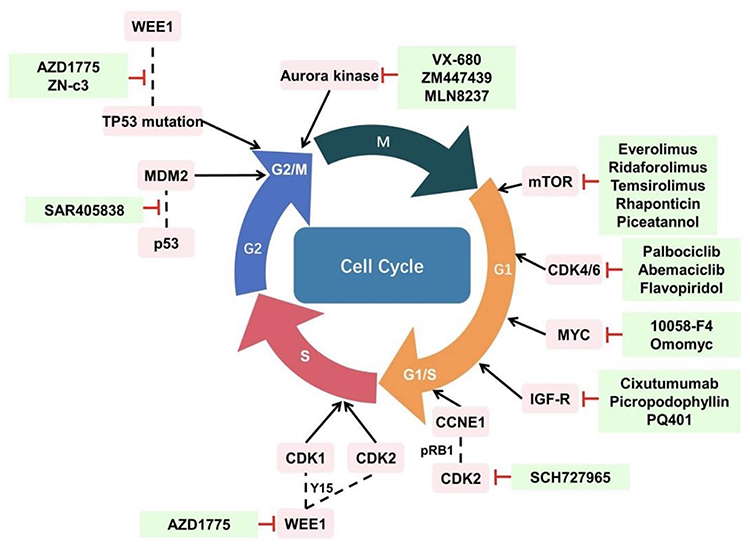 |
Figure 4 Schematic representation of targeted osteosarcoma therapies utilizing nanomedicine-mediated metabolic regulation. Cyclin E1 (CCNE1) complexes with CDK2 to phosphorylate pRB1, thereby regulating the G1/S cell cycle transition and promoting tumorigenesis. CDK2 inhibitors such as SCH727965 (dinaciclib) and SNS-032 have shown efficacy in CCNE1-positive cancer models. WEE1 inhibitors are proposed to modulate CCNE1 activity by blocking Y15 phosphorylation in CDK1 and CDK2, leading to premature S-phase entry, cell cycle dysregulation, and apoptosis. (copyright acquired from Li et al).61 |
Delivery of metabolic inhibitors: Nanoparticles can be engineered to load and deliver metabolic inhibitors such as glycolysis inhibitors (eg, 2-deoxyglucose, 3-bromopyruvate), lactate dehydrogenase inhibitors, and fatty acid synthase inhibitors directly to tumor sites. These agents disrupt the energy metabolism of tumor cells, thereby suppressing tumor growth and metastasis. Modulation of tumor microenvironment metabolism, by delivering antioxidants or drugs that regulate redox balance, nanoparticles can improve the acidic and hypoxic conditions within the tumor microenvironment.62,63 This, in turn, enhances immune cell functionality and inhibits tumor progression. Combination therapy, nanoparticles enable the co-delivery of metabolic inhibitors alongside chemotherapeutic agents and immunomodulators, thereby amplifying antitumor effects and overcoming drug resistance.64 Here are some examples of nanoparticle-based metabolic regulation approaches. Firstly, glycolysis inhibitor nanodelivery, PLGA nanoparticles loaded with 2-deoxyglucose have been shown to significantly reduce glucose uptake and lactate production in OS models, effectively inhibiting tumor growth.65 Secondly, lactate dehydrogenase inhibitor nanodelivery, liposomes or polymeric nanoparticles delivering lactate dehydrogenase inhibitors can decrease lactate accumulation in the tumor microenvironment, thereby alleviating immunosuppressive conditions.47 Thirdly, redox-regulating nanoparticles, for example, metal nanoparticles can alleviate tumor hypoxia and promote reactive oxygen species generation, enhancing the sensitivity of tumors to chemotherapy and radiotherapy.66
Together, these nanoparticle-enabled metabolic modulation strategies offer promising therapeutic potential for improving the efficacy of OS treatment by targeting the tumor’s unique metabolic vulnerabilities.
Nanomedicine Therapy Systems
Moreover, smart nanoparticles can achieve stimuli-responsive drug release based on the tumor microenvironment further enhancing treatment precision.31
Endogenous Stimulus-Responsive System
Endogenous stimulus-responsive systems are nanocarriers designed to release drugs in response to specific internal cues within the tumor microenvironment. In osteosarcoma, these cues include acidic pH, elevated enzyme activity, increased glutathione levels, and hypoxia.67 By exploiting these features, such systems enable targeted drug release at the tumor site, improving therapeutic efficacy and reducing off-target effects. For instance, pH-sensitive nanoparticles remain stable in circulation but release their payload in the acidic environment of osteosarcoma, while enzyme-responsive carriers disassemble in the presence of tumor-associated proteases.33 These smart delivery platforms offer a promising approach to enhance the precision and safety of osteosarcoma treatment.
Exogenous Stimulus-Responsive System
Exogenous stimulus-responsive systems are nanocarriers engineered to release drugs or activate therapies in response to externally applied physical or chemical triggers.68 In osteosarcoma treatment, such triggers include light (eg, near-infrared irradiation), ultrasound, magnetic fields, and temperature changes. Upon exposure to these stimuli, the nanocarriers undergo structural or chemical changes that enable controlled drug release or therapeutic activation at the tumor site.69 For example, gold nanoparticles can be activated by near-infrared light to induce localized hyperthermia, while magnetic nanoparticles can be guided and triggered by an external magnetic field for site-specific drug delivery. These systems provide precise spatial and temporal control over therapy, enhancing treatment efficacy and minimizing systemic side effects in osteosarcoma.
Challenges and Future Perspectives
Research Gaps and Future Directions
Although nanoparticles offer significant advantages in the treatment of OS, their clinical translation faces multiple challenges. One major obstacle is potential safety concerns that hinder clinical progress.70 For example, nanoparticle drugs often suffer from poor stability and tend to degrade in the biological environment, impairing effective drug delivery.71 In particular, some nanoparticles may experience structural damage or premature drug release while circulating in the bloodstream.72 This premature release leads to reduced drug concentration at the OS site, weakening the tumoricidal effect and diminishing treatment efficacy.73 Moreover, drugs released prematurely into circulation expose healthy tissues and vital organs such as the liver, kidneys, and heart to toxic concentrations, increasing adverse reactions and systemic side effects.74
The original design intent of nanoparticle drug delivery is to increase drug accumulation specifically at the tumor site for precise treatment.75 Premature drug release compromises this targeting advantage and may lead to rapid clearance of the drug by the liver and kidneys, shortening its half-life and further diminishing therapeutic benefit.76 For instance, metallic nanoparticles like silver or gold can induce cytotoxicity in healthy tissues due to oxidative stress or accumulation in organs such as the liver and spleen.77 Chemotherapeutic drugs carried in liposomes or polymeric nanoparticles can cause systemic toxicities such as bone marrow suppression and liver or kidney damage if released too early in the bloodstream without effectively killing tumor cells.67
To address these challenges, future research must focus on improving nanoparticle drug synthesis and scalable manufacturing processes. Due to the complex microstructure and composition of nanoparticles, preparation involves multiple intricate steps, making reproducibility and scale-up from laboratory to industrial production extremely difficult.78 Continuous control over nanoparticle properties is essential throughout production. Compared to conventional small molecules, nanoparticle characterization requires comprehensive assessment of physicochemical properties such as chemical composition, average particle size, polydispersity, shape, and morphology.69,79
The development of AI offers a promising solution to these challenges in Figure 5. For example, at the 2025 World Artificial Intelligence Conference (WAIC), the Shanghai Institute of Artificial Intelligence and the University of Texas MD Anderson Cancer Center jointly launched NanoSafari—the world’s first AI-driven nanoparticle drug design platform. NanoSafari aims to build an open global ecosystem for nanomedicine research, laying a solid foundation for ushering nanoparticle drug design into an intelligent era. This integration of AI can enhance design, reproducibility, and quality control, accelerating the clinical translation of nanoparticle therapies for OS.2,80
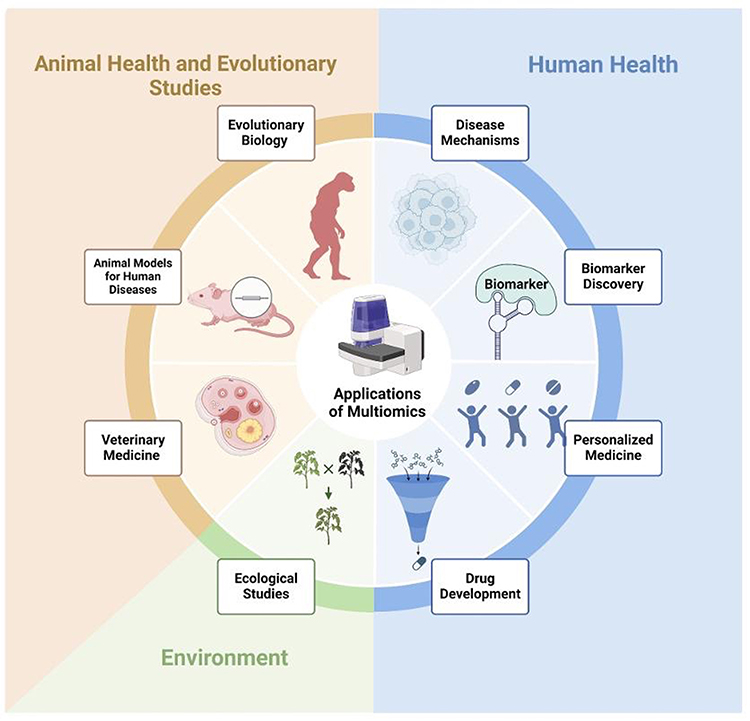 |
Figure 5 Illustrative diagram of AI-integrated multiomics and computational tool applications across diverse sectors. Integration of multiomics data—including genomics, transcriptomics, proteomics, metabolomics, and epigenomics—provides a comprehensive view of biological processes and disease mechanisms. This approach has advanced research in multiple fields, facilitating the elucidation of disease pathways, biomarker discovery, and the development of personalized medicine and novel therapeutics. (copyright acquired from Mansoor et al).80 |
AI is increasingly being integrated into nanomedicine research to accelerate the design, optimization, and translation of smart nanotherapeutics.24 AI-driven algorithms can analyze large datasets from high-throughput experiments, literature, and clinical trials to identify optimal nanoparticle compositions, predict biological interactions, and forecast therapeutic outcomes.24,41 For example, machine learning models can assist in selecting the most effective material combinations and surface modifications for targeted drug delivery, while deep learning can be used to analyze imaging data for nanoparticle biodistribution and tumor response.49,81 The cloud platform exemplifies this approach by providing a virtual environment where researchers can simulate and optimize nanoparticle behavior under various physiological conditions, thereby improving reproducibility and reducing experimental variability. Furthermore, AI can enhance quality control by automating the detection of batch-to-batch inconsistencies and predicting potential safety issues before clinical translation.68 By integrating AI and big data platforms, the development of smart nanomedicine systems can become more efficient, reliable, and tailored to the specific needs of osteosarcoma therapy.
Ultimately, improving nanoparticle stability, controlling drug release, and achieving scalable, reproducible manufacturing with AI-assisted design are critical steps to overcoming current obstacles and harnessing the full clinical potential of nanoparticle-based OS treatments.
Challenges in Clinical Translation and Regulation
Despite the rapid development of nanomedicine, substantial gaps remain in clinical commercialization and regulatory oversight.82 Currently, there is no universal regulatory standard for nanomedicines. The wide diversity of nanodrugs and the absence of unified definitions or classifications mean that each type of nanomaterial often requires unique analytical methods, and their pharmacokinetic properties can vary significantly.83 This lack of consistent regulatory frameworks worldwide leads to regulatory fragmentation, complicating global nanodrug development and approval processes.45,84 In addition, commercialization faces several challenges. Regulatory and approval pathways for nanomedicines are still emerging, and most regulatory agencies review nanotechnology-based products on a case-by-case basis, making the approval process more complicated and less predictable in Figure 6.85
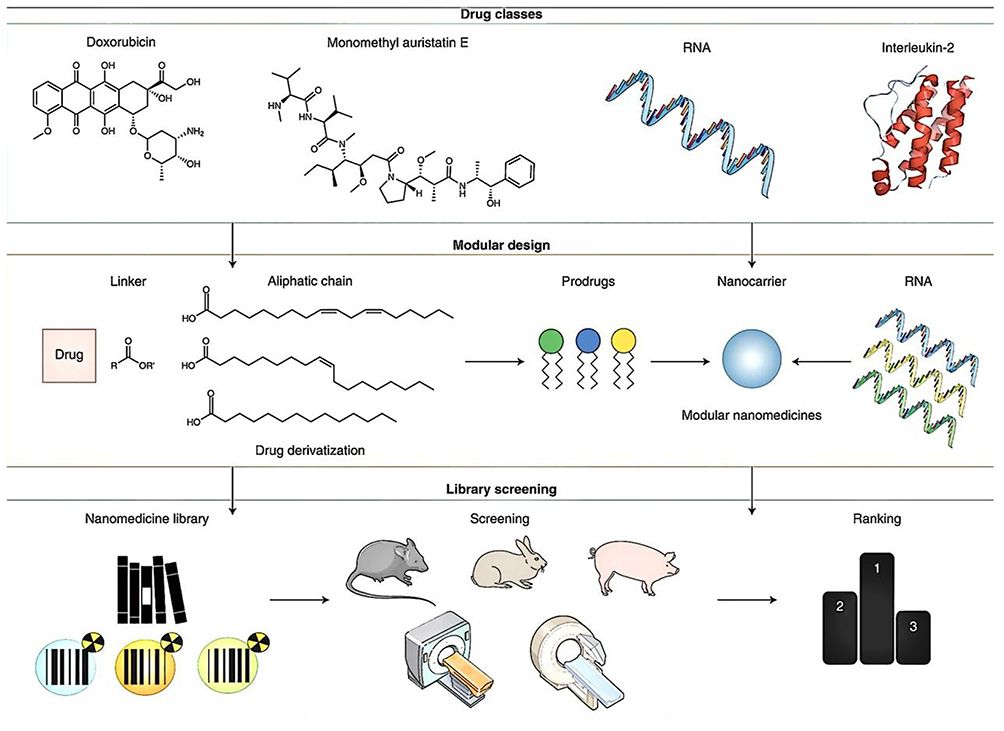 |
Figure 6 Schematic diagram of nanoparticle-based smart drug selection in osteosarcoma nanomedicine. Rational drug selection is critical for clinical and commercial success. Strategies include loading nanocarriers with a range of anticancer agents, such as chemotherapeutics, toxins, biologics, and nucleic acids. Prodrugs can be modified for improved compatibility with nanocarriers, for example, by attaching aliphatic chains to enhance incorporation into lipid-based systems. Nanomedicines can also be tailored to encapsulate payloads with similar properties, such as RNA or small molecule prodrugs. High-throughput screening and advanced analytical techniques facilitate the identification of nanomedicine candidates with optimal in vivo performance. (copyright acquired from van der Meel et al).67 |
For successful commercialization, nanomedicine formulations must demonstrate clear advantages over existing therapies in terms of dosing frequency, administration route, efficacy, and toxicity; otherwise, the higher costs of nanodrugs are difficult to justify, and clinicians and patients are unlikely to switch from conventional drugs as shown in Table 2.86 Currently, some nanoparticle-based therapies for osteosarcoma have entered clinical trial stages. For example, liposomal Doxil and nanoparticle albumin-bound paclitaxel (Abraxane) have been approved for use in various solid tumors and have also been investigated in clinical studies involving osteosarcoma patients.68 In addition, several novel nanoparticle drug delivery systems, such as those based on gold nanoparticles, polymeric nanoparticles, or magnetic nanoparticles—are undergoing early-phase clinical trials or preclinical studies to evaluate their safety and efficacy in the treatment of osteosarcoma.41 Furthermore, the synthesis and functionalization of nanoparticles typically require complex and expensive procedures, resulting in high production costs that undermine scalability and large-scale manufacturing.87 These challenges in unified regulation, complex approval and oversight, and high production costs collectively contribute to the slow clinical translation and commercialization of nanomedicine in OS and other clinical field.
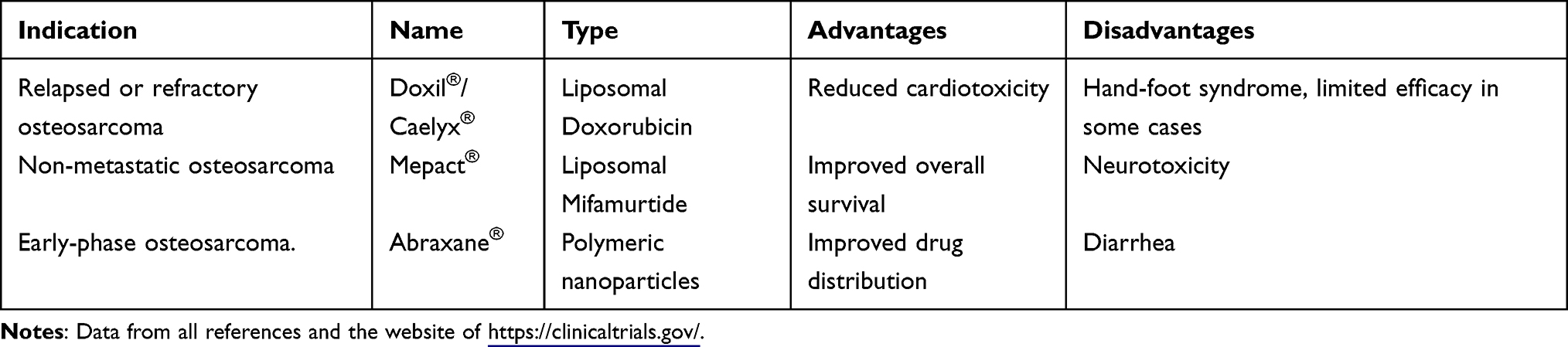 |
Table 2 A Summary of Research Trials of Nanomedicine for Osteosarcoma |
Ethical Considerations in Nanomedicine
The rapid development of nanomedicine has raised significant ethical concerns that must be carefully addressed.88 A major issue is the potential toxicity and long-term effects of nanoparticles on human health, including unpredictable immune responses, organ accumulation, and possible genotoxicity.89
Safety and toxicity are among the most critical ethical considerations in the development and clinical application of nanomedicine, particularly for metal-based nanoparticles such as silver and gold.47 While these nanoparticles offer promising therapeutic and diagnostic benefits, studies have demonstrated their potential to induce cytotoxicity, oxidative stress, genotoxicity, and immunogenic responses.62 For example, in vitro studies have shown that silver nanoparticles at concentrations above 10 μg/mL can significantly reduce cell viability and increase reactive oxygen species (ROS) production in human cell lines62 Similarly, the size and surface chemistry of gold nanoparticles influence their toxicity; animal studies have reported dose-dependent cytotoxicity and organ accumulation, particularly in the liver and spleen, following systemic administration.68 Prolonged exposure to high doses of metal nanoparticles has been associated with organ dysfunction, altered blood parameters, and inflammatory responses.85 These findings underscore the necessity for rigorous and standardized toxicity assessments—including both acute and chronic exposure studies—prior to clinical translation.11 Additionally, the environmental impact of nanoparticle production, use, and disposal remains largely unknown, raising concerns about ecological safety.90
From a bioethical perspective, new nanomedicines must undergo comprehensive preclinical and clinical trials to evaluate both short-term and long-term safety.20 The propensity of nanoparticles to accumulate in lymphoid organs may result in local overexposure, while untested excipients may cause unexpected toxicity.91 The complex structure of nanomedicines and the lack of well-defined structure-activity relationships make it challenging to predict biological outcomes.2 Significant differences in pharmacokinetics and tissue distribution between animal models and humans further weaken the correlation between preclinical and clinical trial results.33 Preclinical toxicology studies often fail to accurately predict adverse reactions in clinical patients, as small animal models are insufficient for forecasting human immune responses, including potentially life-threatening allergic reactions.92 Therefore, transparent communication of risks and benefits to patients and ensuring informed consent are crucial ethical requirements.35
Table 3 summarizes the latest ongoing clinical trials and highlights that the development of nanomedicine remains challenging, primarily due to the inherent complexity of experimental procedures and the stringent regulatory requirements imposed by relevant authorities.93 Therefore, transparency in communicating risks and benefits to patients and obtaining informed consent are critical ethical requirements.94 However, the development of nanotherapies for malignant tumors like osteosarcoma faces a series of unique challenges.11 Firstly, the special microenvironment of bone tissue—characterized by high mineralization, dense bone matrix, and limited vascularization—restricts the penetration and drug release efficiency of nanoparticles.33 Secondly, osteosarcoma tumors often exhibit high interstitial pressure and a complex extracellular matrix, which further hinder the uniform distribution and deep penetration of nanomedicines.34 Moreover, osteosarcoma predominantly affects children and adolescents and is classified as a rare disease, resulting in specific regulatory challenges in clinical trial design, patient recruitment, and long-term safety evaluation.8 For example, pediatric patients have different drug tolerances and developmental stages, and ethical approval processes are more stringent, all of which pose additional hurdles for the clinical translation of nanomedicines.81
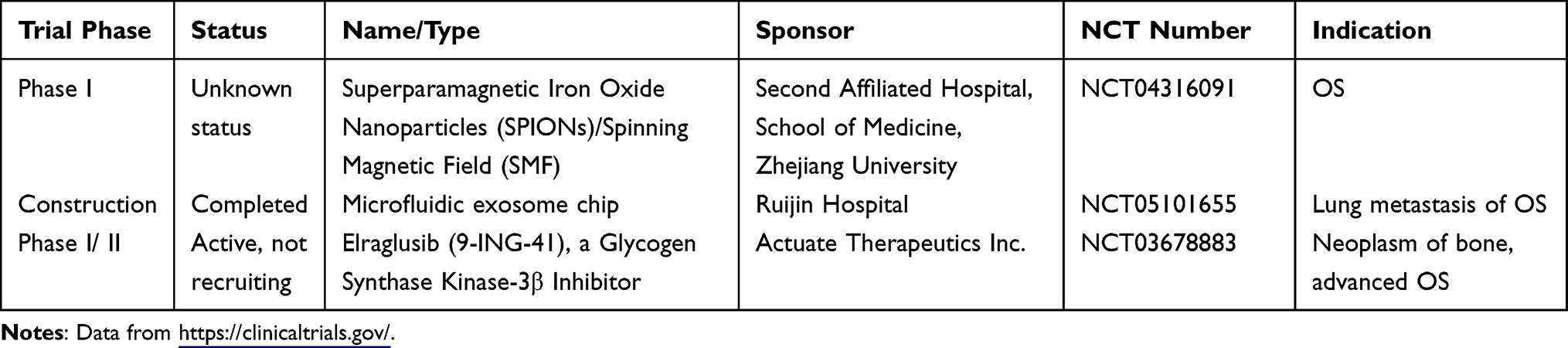 |
Table 3 Summary of Clinical Trial Stages of Nanoparticle-Based Therapies for Osteosarcoma |
In summary, although nanoparticle-based therapies show great potential in the treatment of osteosarcoma, their clinical application still needs to overcome barriers such as the bone microenvironment, high intratumoral pressure, low drug delivery efficiency, and regulatory challenges related to pediatric and rare diseases.94 Future research should focus on optimizing the design of nanocarriers to improve their targeting and penetration in bone tissue, as well as strengthening multicenter and international clinical collaborations to promote the clinical translation of nanotherapies for osteosarcoma.95
Moreover, promoting the development of biodegradable and biocompatible nanoparticles is encouraged to minimize potential harm to both patients and the environment in Figure 7.
 |
Figure 7 Schematic illustration of conventional and emerging treatment strategies for osteosarcoma, highlighting commonly used nanoparticles as drug carriers. The diagram depicts controlled drug release strategies triggered by various stimuli, nanoparticle modifications for targeted delivery, and co-delivery of chemotherapeutics using nanoplatforms. (copyright acquired from Kortam et al).48 |
To sum up, the growing advancement of nanomedicine presents significant opportunities for the treatment of osteosarcoma but also raises important ethical and safety concerns. Addressing issues related to toxicity, long-term health effects, and environmental impact is essential for the responsible development and clinical translation of these innovative therapies. Rigorous preclinical and clinical evaluations,
Summary and Conclusion
The biological characteristics of solid tumors such as OS suggest that conventional surgical methods may lead to tumor recurrence due to residual tumor cells, and single-agent chemotherapy often fails to achieve complete remission. In response, multiple strategies aimed at activating the immune system have been developed in recent years. Nanotechnology presents new opportunities for the diagnosis and treatment of OS, as nanoparticles can penetrate tumor barriers and enable targeted drug delivery, thereby enhancing drug accumulation at the tumor site and improving the efficacy of chemotherapy or radiotherapy.
By integrating AI and big data platforms, the development of smart nanomedicine systems can become more efficient, reliable, and tailored to the specific needs of osteosarcoma therapy. These intelligent systems surpass traditional nanoparticles by offering precise targeting, improved safety, and the potential for personalized treatment. However, challenges remain, including issues related to manufacturing, long-term safety, clinical translation, medical ethics, and biodegradability. Establishing comprehensive evaluation and regulatory frameworks, as well as systematically analyzing the advantages and disadvantages of nanomedicines, is essential for advancing nanoparticle-based therapies.
Future research should focus on developing novel strategies that integrate nanotechnology—such as enhancing drug targeting, reducing carrier toxicity, and utilizing artificial intelligence for nanodrug design—to improve OS diagnosis and treatment outcomes. By leveraging the unique properties of nanoparticles, promoting the integration of diagnosis and therapy, and strengthening preclinical research, a solid foundation can be established for the clinical application of intelligent nanoparticle systems. This integrated approach holds great promise for significantly improving the prognosis and therapeutic efficacy for patients with OS.
Data Sharing Statement
All data in the review are presented in the manuscript. Data sharing not applicable to this article as no datasets were generated or analysed during the current study.
Ethics Approval and Consent to Participate
This review does not include experimental manipulations and does not require ethical approval.
Consent for Publication
All the authors approved the publication.
Author Contributions
All authors made a significant contribution to the work reported, whether that is in the conception, study design, execution, acquisition of data, analysis and interpretation, or in all these areas; took part in drafting, revising or critically reviewing the article; gave final approval of the version to be published; have agreed on the journal to which the article has been submitted; and agree to be accountable for all aspects of the work.
Funding
There is no funding to report.
Disclosure
All the authors confirm that there is no conflict of interest.
References
1. Zhang Y, Jiang S, Lv J, Feng W, Yu Y, Zhao H. Osteosarcoma immune microenvironment: cellular struggle and novel therapeutic insights. Front Immunol. 2025;16:1584450. doi:10.3389/fimmu.2025.1584450
2. Yu S, Yao X. Advances on immunotherapy for osteosarcoma. Mol Cancer. 2024;23(1):192. doi:10.1186/s12943-024-02105-9
3. Zhang Y, Wang Y, Zhang X, et al. Nanohydroxyapatite-stabilized pickering-emulsion-incorporated hydrogel prevents postoperative osteosarcoma recurrence and promotes bone repair. Nano Lett. 2025;25(26):10487–10496. doi:10.1021/acs.nanolett.5c01949
4. Yue X, Cui J, Ren S, et al. NK-cell-derived extracellular vesicles engineered to carry senolytics eliminate chemotherapy-induced senescent osteosarcoma cells. J Extracell Vesicles. 2025;14(7):e70123. doi:10.1002/jev2.70123
5. Yu C, Peng Y, Yu T, et al. Dual-functional nanoparticles to reverse osteoblast senescence and enhance calcium supplementation for alleviating senile osteoporosis. Adv Healthc Mater. 2025;14:e2501164. doi:10.1002/adhm.202501164
6. Yanzhang R, Yan M, Yang Z, et al. Ginger extract inhibits c-MET activation and suppresses osteosarcoma in vitro and in vivo. Cancer Cell Int. 2025;25(1):130. doi:10.1186/s12935-025-03759-1
7. Yan M, Xiao B, Yosick A, Liu B, Awad HA. Dose-dependent osteoimmunomodulatory effects of amorphous calcium phosphate nanoparticles promote 3D-printed scaffold-mediated bone regeneration. Bioact Mater. 2025;51:197–210. doi:10.1016/j.bioactmat.2025.05.010
8. Jiang ZY, Liu JB, Wang XF, Ma YS, Fu D. Current status and prospects of clinical treatment of osteosarcoma. Technol Cancer Res Treat. 2022;21:15330338221124696. doi:10.1177/15330338221124696
9. Lu X, Zhang X, Zhang F, et al. SPON2 facilitates osteosarcoma development by inducing M2 macrophage polarization through activation of the NF-kappaB/VEGF signaling axis. Cell Death Discov. 2025;11(1):352. doi:10.1038/s41420-025-02626-2
10. Xie D, Hu C, Zhu Y, et al. Sequential therapy for osteosarcoma and bone regeneration via chemodynamic effect and cuproptosis using a 3D-printed Scaffold with TME-responsive hydrogel. Small. 2025;21(5):e2406639. doi:10.1002/smll.202406639
11. Pan Q, Wu W, Jing D, et al. Immune-modulating dual-targeted nanomaterials for low-temperature photothermal-photodynamic-chemodynamic therapy of osteosarcoma targeting tumor and endothelial cells. ACS Nano. 2025;19(34):30786–30809. doi:10.1021/acsnano.5c00223
12. Rong X, Xiao S, Geng W, et al. Sono-activable and biocatalytic 3D-printed scaffolds for intelligently sequential therapies in osteosarcoma eradication and defect regeneration. Nat Commun. 2025;16(1):6150. doi:10.1038/s41467-025-61377-x
13. Pan Y, Yang X, Zeng Z, et al. (124)I-labelled BMSC-derived extracellular vesicles deliver CRISPR/Cas9 ribonucleoproteins with a GFP-reporter system to inhibit osteosarcoma proliferation and metastasis. J Extracell Vesicles. 2025;14(7):e70130. doi:10.1002/jev2.70130
14. Mu H, Zhang Q, Zuo D, et al. Methionine intervention induces PD-L1 expression to enhance the immune checkpoint therapy response in MTAP-deleted osteosarcoma. Cell Rep Med. 2025;6(3):101977. doi:10.1016/j.xcrm.2025.101977
15. Ma Z, Zhang Z, Zhou X, et al. A novel, targeted, injectable magnetic composite for self‐regulating mild hyperthermia treatment of bone tumors with improved safety. Adv Funct Mater. 2025.
16. Ma Y, Lai P, Sha Z, et al. TME-responsive nanocomposite hydrogel with targeted capacity for enhanced synergistic chemoimmunotherapy of MYC-amplified osteosarcoma. Bioact Mater. 2025;47:83–99. doi:10.1016/j.bioactmat.2025.01.006
17. Lin H, Jin X, Cao Y, et al. Self‐adaptive hydrogel with cascade microenvironments‐responsiveness to inhibit osteosarcoma progression and augment bone reconstruction. Adv Funct Mater. 2025.
18. Li Z, Xiao X, Pu X, et al. Bone-targeting nucleic acid delivery polymer vector for effective therapy of bone metastasis. ACS Nano. 2025;19(17):17014–17027. doi:10.1021/acsnano.5c04743
19. Li M, Gao Z, Lv H, et al. Multilayered nanoarchitectonics of poly(ethylene glycol) nanoparticles with tunable stiffness modulate bio-nano interactions and targeted drug delivery. ACS Nano. 2025;19(24):22240–22252. doi:10.1021/acsnano.5c03978
20. Li L, Rong G, Gao X, et al. Bone-targeted fluoropeptide nanoparticle inhibits NF-kappaB signaling to treat osteosarcoma and tumor-induced bone destruction. Adv Sci. 2025;12(1):e2412014. doi:10.1002/advs.202412014
21. Jin Q-R, Zhou T-J, Yao Y-T, et al. Icaritin-incorporated dual-sensitizing hydrogel for osteosarcoma doxorubicin treatment and bone regeneration. Chin Chem Lett;2025. 111539. doi:10.1016/j.cclet.2025.111539
22. Ji X, Qian X, Luo G, et al. Engineered macrophage nanoparticles enhance microwave ablation efficacy in osteosarcoma via targeting the CD47-SIRPalpha Axis: a novel Biomimetic immunotherapeutic approach. Bioact Mater. 2025;47:248–265. doi:10.1016/j.bioactmat.2025.01.012
23. Huang Z, Zhu J, Hu J, et al. Activation of HTR2B suppresses osteosarcoma progression through the STAT1-NLRP3 inflammasome pathway and promotes OASL1+ macrophage production to enhance antitumor immunity. Adv Sci. 2025;12:e15276. doi:10.1002/advs.202415276
24. Fan Q, He Y, Liu J, et al. Large language model-assisted genotoxic metal-phenolic nanoplatform for osteosarcoma therapy. Small. 2025;21(5):e2403044. doi:10.1002/smll.202403044
25. Huang K, Li Q, Lin H, et al. Cartilage-penetrating framework nucleic acid nanoparticles ameliorate osteoarthritis by promoting drug delivery and chondrocyte uptake. Adv Sci. 2025;12(26):e2502661. doi:10.1002/advs.202502661
26. Chu X, Mi B, Xiong Y, et al. Bioactive nanocomposite hydrogel enhances postoperative immunotherapy and bone reconstruction for osteosarcoma treatment. Biomaterials. 2025;312:122714. doi:10.1016/j.biomaterials.2024.122714
27. Zheng Z, Zeng Y, Bao X, et al. OTULIN confers cisplatin resistance in osteosarcoma by mediating GPX4 protein homeostasis to evade the mitochondrial apoptotic pathway. J Exp Clin Cancer Res. 2024;43(1):330. doi:10.1186/s13046-024-03249-8
28. Zhang Y, Mou H, Huang Q, et al. Engineering of phytic acid-coated Prussian nanoparticles for combined nitric oxide and low-temperature photothermal therapy of osteosarcoma. Chem Eng J. 2024;491.
29. Liu W, Li L, Bai X, et al. Osteosarcoma cell-derived migrasomes promote macrophage M2 polarization to aggravate osteosarcoma proliferation and metastasis. Adv Sci. 2025;12(17):e2409870. doi:10.1002/advs.202409870
30. Du H, Wu D, Zhang T, et al. Ziyuglycoside II suppressed the progression of osteosarcoma by coordinating estrogen-related receptor gamma and p53 signaling pathway. Chin J Nat Med. 2025;23(3):354–367. doi:10.1016/S1875-5364(25)60847-8
31. Wu JLY, Ji Q, Blackadar C, et al. The pathways for nanoparticle transport across tumour endothelium. Nat Nanotechnol. 2025;20(5):672–682. doi:10.1038/s41565-025-01877-5
32. Fang RH, Gao W, Zhang L. Targeting drugs to tumours using cell membrane-coated nanoparticles. Nat Rev Clin Oncol. 2023;20(1):33–48. doi:10.1038/s41571-022-00699-x
33. Shanmugavadivu A, Lekhavadhani S, Miranda PJ, Selvamurugan N. Current approaches in tissue engineering-based nanotherapeutics for osteosarcoma treatment. Biomed Mater. 2024;19(2):022003. doi:10.1088/1748-605X/ad270b
34. Gong M, Huang Y, Feng H, et al. A nanodrug combining CD47 and sonodynamic therapy efficiently inhibits osteosarcoma deterioration. J Control Release. 2023;355:68–84. doi:10.1016/j.jconrel.2023.01.038
35. Wu F, Song C, Yin H, et al. Metal phenolic networks-driven bufalin homodimeric prodrug nano-coassemblies for ferroptosis-augmented tumor therapy. J Control Release. 2025;383:113814. doi:10.1016/j.jconrel.2025.113814
36. Yang YY, Zheng Y, Liu JJ, et al. Natural chlorogenic acid planted nanohybrids with steerable hyperthermia for osteosarcoma suppression and bone regeneration. Adv Healthc Mater. 2023;12(23):e2300325. doi:10.1002/adhm.202300325
37. Zhou K, Yang C, Shi K, et al. Activated macrophage membrane-coated nanoparticles relieve osteoarthritis-induced synovitis and joint damage. Biomaterials. 2023;295:122036. doi:10.1016/j.biomaterials.2023.122036
38. Hosseini SM, Mohammadnejad J, Najafi-Taher R, Zadeh ZB, Tanhaei M, Ramakrishna S. Multifunctional carbon-based nanoparticles: theranostic applications in cancer therapy and diagnosis. ACS Appl Bio Mater. 2023;6(4):1323–1338. doi:10.1021/acsabm.2c01000
39. Kang J, Li Y, Qin Y, et al. In situ deposition of drug and gene nanoparticles on a patterned supramolecular hydrogel to construct a directionally osteochondral plug. Nanomicro Lett. 2023;16(1):18. doi:10.1007/s40820-023-01228-w
40. Zhang X, Li D, Wang W, et al. A novel NIR-II FL/ PA imaging-guided synergistic photothermal-immune therapy: biomineralizing nanosystems integrated with anti-tumor and bone repair. Mater Today Bio. 2024;26:101052. doi:10.1016/j.mtbio.2024.101052
41. Zhang H, Montesdeoca N, Tang D, et al. Tumor-targeted glutathione oxidation catalysis with ruthenium nanoreactors against hypoxic osteosarcoma. Nat Commun. 2024;15(1):9405. doi:10.1038/s41467-024-53646-y
42. Ye L, Yu C, Xia J, et al. Multifunctional nanomaterials via cell cuproptosis and oxidative stress for treating osteosarcoma and OS-induced bone destruction. Mater Today Bio. 2024;25:100996. doi:10.1016/j.mtbio.2024.100996
43. Yao J, He Q, Zheng X, Shen S, Hui J, Fan D. An injectable hydrogel system with mild photothermal effects combined with ion release for osteosarcoma‐related bone defect repair. Adv Funct Mater. 2024;34(30). doi:10.1002/adfm.202315217
44. Zhu J, Lee H, Huang R, et al. Harnessing nanotechnology for cancer treatment. Front Bioeng Biotechnol. 2024;12:1514890. doi:10.3389/fbioe.2024.1514890
45. Selmani A, Kovacevic D, Bohinc K. Nanoparticles: from synthesis to applications and beyond. Adv Colloid Interface Sci. 2022;303:102640. doi:10.1016/j.cis.2022.102640
46. Cheng M, Kong Q, Tian Q, et al. Osteosarcoma-targeted Cu and Ce based oxide nanoplatform for NIR II fluorescence/magnetic resonance dual-mode imaging and ros cascade amplification along with immunotherapy. J Nanobiotechnology. 2024;22(1):151. doi:10.1186/s12951-024-02400-z
47. Guan Y, Zhang W, Mao Y, Li S. Nanoparticles and bone microenvironment: a comprehensive review for malignant bone tumor diagnosis and treatment. Mol Cancer. 2024;23(1):246. doi:10.1186/s12943-024-02161-1
48. Kortam S, Lu Z, Zreiqat H. Recent advances in drug delivery systems for osteosarcoma therapy and bone regeneration. Communicat Mater. 2024;5(1). doi:10.1038/s43246-024-00612-2
49. Tian JM, Dong YH, Li Z, Zhou Y, Huang J. Androgen-induced AR-BRD4 transcriptional regulatory complex promotes malignant proliferation of osteosarcoma cells. Cell Death Discov. 2025;11(1):272. doi:10.1038/s41420-025-02541-6
50. Xiao C, Wang R, Fu R, et al. Piezo-enhanced near infrared photocatalytic nanoheterojunction integrated injectable biopolymer hydrogel for anti-osteosarcoma and osteogenesis combination therapy. Bioact Mater. 2024;34:381–400. doi:10.1016/j.bioactmat.2024.01.003
51. Wang W, Kang W, Zhang X, et al. Microenvironment-responsive targeted nanomedicine for a collaborative integration of tumor theranostics and bone defect repair. Adv Healthc Mater. 2024;13(27):e2400715. doi:10.1002/adhm.202400715
52. Wang H, Chen Y, Wei R, et al. Synergistic chemoimmunotherapy augmentation via sequential nanocomposite hydrogel-mediated reprogramming of cancer-associated fibroblasts in osteosarcoma. Adv Mater. 2024;36(15):e2309591. doi:10.1002/adma.202309591
53. Lu H, Li Z, Duan Z, et al. Photothermal catalytic reduction and bone tissue engineering towards a three-in-one therapy strategy for osteosarcoma. Adv Mater. 2024;36(40):e2408016. doi:10.1002/adma.202408016
54. Liu YJ, Dong SH, Hu WH, et al. A multifunctional biomimetic nanoplatform for image-guideded photothermal-ferroptotic synergistic osteosarcoma therapy. Bioact Mater. 2024;36:157–167. doi:10.1016/j.bioactmat.2024.02.007
55. Lei M, Cai W, Zou L, et al. ZIF-8 coated gold nanospheres: a multi-responsive drug delivery system promoting the killing effect of photothermal therapy against osteosarcoma cells. Nano Res. 2023;17(3):1772–1784. doi:10.1007/s12274-023-5979-1
56. Guan H, Wang W, Jiang Z, et al. Magnetic aggregation-induced bone-targeting nanocarrier with effects of Piezo1 activation and osteogenic-angiogenic coupling for osteoporotic bone repair. Adv Mater. 2024;36(13):e2312081. doi:10.1002/adma.202312081
57. Gu C, Chen P, Tian H, et al. Targeting initial tumour-osteoclast spatiotemporal interaction to prevent bone metastasis. Nat Nanotechnol. 2024;19(7):1044–1054. doi:10.1038/s41565-024-01613-5
58. Bussin B, MacDuff MGG, Ngo W, et al. Discovering nanoparticle Corona ligands for liver macrophage capture. Nat Nanotechnol. 2025;20(7):914–925. doi:10.1038/s41565-025-01903-6
59. Gao Y, Wang Z, Jin X, et al. Enhanced osteosarcoma immunotherapy via CaCO(3) nanoparticles: remodeling tumor acidic and immune microenvironment for photodynamic therapy. Adv Healthc Mater. 2024;13(23):e2400538. doi:10.1002/adhm.202400538
60. Chen X, Wang L, Zhang J, Yan H, Wang S, Xiao J. Controlled release of ceria and ferric oxide nanoparticles via collagen hydrogel for enhanced osteoarthritis therapy. Adv Healthc Mater. 2024;13(32):e2401507. doi:10.1002/adhm.202401507
61. Li S, Zhang H, Liu J, Shang G. Targeted therapy for osteosarcoma: a review. J Cancer Res Clin Oncol. 2023;149(9):6785–6797. doi:10.1007/s00432-023-04614-4
62. Han X, Xiang D, Li J, et al. ROS responsive nanoparticles mediated inhibition of monocarboxylic acid transporters to enhance chemoimmunotherapy by overcoming low immune response in osteosarcoma. Nano Today. 2024;54.
63. Zheng B, Zhang R, Kuang F, et al. Schottky heterojunction CeO(2)@MXene nanosheets with synergistic type I and type II PDT for anti-osteosarcoma. J Mater Chem B. 2024;12(7):1816–1825. doi:10.1039/D3TB02835F
64. He M, Li T, Wang A, et al. MARCH8/NSUN6/ROS-mediated DNA damage positive feedback loop regulates cisplatin resistance in osteosarcoma. Cell Death Differ. 2025. doi:10.1038/s41418-025-01544-1
65. van der Meel R, Sulheim E, Shi Y, Kiessling F, Mulder WJM, Lammers T. Smart cancer nanomedicine. Nat Nanotechnol. 2019;14(11):1007–1017. doi:10.1038/s41565-019-0567-y
66. Hui T, Gao M, Kuang F, et al. Two-dimensional Ti3C2@Porphyridium nanobiohybrids with self-oxygenation capability for enhanced hypoxic photodynamic therapy. ACS Appl Nano Mater. 2024;7(2):1919–1928. doi:10.1021/acsanm.3c05198
67. Zenhausern R, Jang B, Schrader Echeverri E, et al. Lipid nanoparticle screening in nonhuman primates with minimal loss of life. Nat Biotechnol. 2025. doi:10.1038/s41587-025-02711-y
68. Wang X, Zhu K, Hu J, Zhang C. Advances and challenges in the treatment of osteosarcoma. Prog Biophys Mol Biol. 2025;197:60–74. doi:10.1016/j.pbiomolbio.2025.07.001
69. Xu R, Zhu S, Zhang W, et al. A dual approach with organoid and CRISPR screening reveals ERCC6 as a determinant of cisplatin resistance in osteosarcoma. Adv Sci. 2025;12(28):e2500632. doi:10.1002/advs.202500632
70. Bigham A, Fasolino I, Borsacchi S, et al. A theragenerative bio-nanocomposite consisting of black phosphorus quantum dots for bone cancer therapy and regeneration. Bioact Mater. 2024;35:99–121. doi:10.1016/j.bioactmat.2024.01.018
71. Bian Y, Zhao K, Hu T, Tan C, Liang R, Weng X. A Se nanoparticle/MgFe-LDH composite nanosheet as a multifunctional platform for osteosarcoma eradication, antibacterial and bone reconstruction. Adv Sci. 2024;11(33):e2403791. doi:10.1002/advs.202403791
72. Yuan P, Min Y, Zhao Z. Multifunctional nanoparticles for the treatment and diagnosis of osteosarcoma. Biomater Adv. 2023;151:213466. doi:10.1016/j.bioadv.2023.213466
73. Yang F, Duan S, Liu J, et al. Antitumor effects of cannabidiol (CBD) on osteosarcoma by targeting TNF-alpha/NF-kappaB/CCL5 signaling axis. Phytomedicine. 2025;145:157066. doi:10.1016/j.phymed.2025.157066
74. Xu Y, Du L, Han B, et al. Black phosphorus quantum dots camouflaged with platelet-osteosarcoma hybrid membrane and doxorubicin for combined therapy of osteosarcoma. J Nanobiotechnology. 2023;21(1):243. doi:10.1186/s12951-023-02016-9
75. Wu W, Yu X, Sun J, et al. Zeolitic Imidazolate Framework (ZIF-8) decorated iron oxide nanoparticles loaded doxorubicin hydrochloride for osteosarcoma treatment - in vitro and in vivo preclinical studies. Int J Nanomed. 2023;18:7985–7999. doi:10.2147/IJN.S438771
76. Ma L, Zhou J, Wu Q, et al. Multifunctional 3D-printed scaffolds eradiate orthotopic osteosarcoma and promote osteogenesis via microwave thermo-chemotherapy combined with immunotherapy. Biomaterials. 2023;301:122236. doi:10.1016/j.biomaterials.2023.122236
77. Yu K, Chen Y, Zhang L, et al. Cancer-erythrocyte membrane-mimicking Fe(3)O(4) nanoparticles and DHJS for ferroptosis/immunotherapy synergism in tumors. ACS Appl Mater Interfaces. 2023;15(38):44689–44710. doi:10.1021/acsami.3c07379
78. Nie J, Wang S, Zhong Y, Yang F, Liu J, Liu Z. Identifying PSIP1 as a critical R-loop regulator in osteosarcoma via machine-learning and multi-omics analysis. Cancer Cell Int. 2025;25(1):159. doi:10.1186/s12935-025-03775-1
79. Kahn JS, Minevich B, Michelson A, et al. Encoding hierarchical 3D architecture through inverse design of programmable bonds. Nat Mater. 2025;24(8):1273–1282. doi:10.1038/s41563-025-02263-1
80. Mansoor S, Hamid S, Tuan TT, Park JE, Chung YS. Advance computational tools for multiomics data learning. Biotechnol Adv. 2024;77:108447. doi:10.1016/j.biotechadv.2024.108447
81. Wu C, Gong S, Duan Y, et al. A tumor microenvironment-based prognostic index for osteosarcoma. J Biomed Sci. 2023;30(1):23. doi:10.1186/s12929-023-00917-3
82. Xu M, Wei J, Feng X, et al. LncDARS-AS1 regulates ATP1A1 stability and enhances Na + /K + ATPase activity to promote osteosarcoma metastasis. Adv Sci. 2025;12:e03486. doi:10.1002/advs.202503486
83. Zhang Y, Shen G, Zhang D, et al. N(6)-Methyladenosine modification mediated by METTL3 promotes DNA-PKcs expression to induce anlotinib resistance in osteosarcoma. Clin Transl Med. 2025;15(2):e70228. doi:10.1002/ctm2.70228
84. Liu Y, Kang L, Luo J, et al. Targeting AKT as a promising strategy for SOX2-positive, chemoresistant osteosarcoma. Bone Res. 2025;13(1):25. doi:10.1038/s41413-024-00395-9
85. Sun L, Liu H, Ye Y, et al. Smart nanoparticles for cancer therapy. Signal Transduct Target Ther. 2023;8(1):418. doi:10.1038/s41392-023-01642-x
86. Dordevic S, Gonzalez MM, Conejos-Sanchez I, et al. Current hurdles to the translation of nanomedicines from bench to the clinic. Drug Deliv Transl Res. 2022;12(3):500–525. doi:10.1007/s13346-021-01024-2
87. Joyce P, Allen CJ, Alonso MJ, et al. A translational framework to DELIVER nanomedicines to the clinic. Nat Nanotechnol. 2024;19(11):1597–1611. doi:10.1038/s41565-024-01754-7
88. Larkins MC. Demographic and treatment analysis of periosteal osteosarcoma. Cancer Rep. 2024;7(12):e70086. doi:10.1002/cnr2.70086
89. Wang G, Tang S, Chai L, et al. The efficacy and safety of pegylated liposomal doxorubicin-based neoadjuvant chemotherapy in children with osteosarcoma: a retrospective real-world study. Cancer Innov. 2025;4(2):e162. doi:10.1002/cai2.162
90. Huang Z, Li N, Gao Z, et al. Cuproptosis improves CAR-T cell therapy in osteosarcoma. Cell Biomaterials;2025. 100148. doi:10.1016/j.celbio.2025.100148
91. Liu R, Liu Q, Wang Y, et al. Enhanced antitumor immunity of VNP20009-CCL2-CXCL9 via the cGAS/STING axis in osteosarcoma lung metastasis. J Immunother Cancer. 2025;13(7):e012269. doi:10.1136/jitc-2025-012269
92. Liu B, Li W, Zhang W, et al. PKMYT1 kinase ameliorates cisplatin sensitivity in osteosarcoma. Signal Transduct Target Ther. 2025;10(1):165. doi:10.1038/s41392-025-02250-7
93. Zheng J, Wang Q, Chen J, et al. Tumor mitochondrial oxidative phosphorylation stimulated by the nuclear receptor RORgamma represents an effective therapeutic opportunity in osteosarcoma. Cell Rep Med. 2024;5(5):101519. doi:10.1016/j.xcrm.2024.101519
94. Rothzerg E, Pfaff AL, Koks S. Innovative approaches for treatment of osteosarcoma. Exp Biol Med. 2022;247(4):310–316. doi:10.1177/15353702211067718
95. Shoaib Z, Fan TM, Irudayaraj JMK. Osteosarcoma mechanobiology and therapeutic targets. Br J Pharmacol. 2022;179(2):201–217. doi:10.1111/bph.15713
 © 2025 The Author(s). This work is published and licensed by Dove Medical Press Limited. The
full terms of this license are available at https://www.dovepress.com/terms
and incorporate the Creative Commons Attribution
- Non Commercial (unported, 4.0) License.
By accessing the work you hereby accept the Terms. Non-commercial uses of the work are permitted
without any further permission from Dove Medical Press Limited, provided the work is properly
attributed. For permission for commercial use of this work, please see paragraphs 4.2 and 5 of our Terms.
© 2025 The Author(s). This work is published and licensed by Dove Medical Press Limited. The
full terms of this license are available at https://www.dovepress.com/terms
and incorporate the Creative Commons Attribution
- Non Commercial (unported, 4.0) License.
By accessing the work you hereby accept the Terms. Non-commercial uses of the work are permitted
without any further permission from Dove Medical Press Limited, provided the work is properly
attributed. For permission for commercial use of this work, please see paragraphs 4.2 and 5 of our Terms.
Recommended articles

Camptothecin-Loaded and Manganese Dioxide-Coated Polydopamine Nanomedicine Used for Magnetic Resonance Imaging Diagnosis and Chemo-Photothermal Therapy for Lung Cancer

Su M, Chen Y, Jia L, Zhang Z
International Journal of Nanomedicine 2022, 17:6687-6705
Published Date: 28 December 2022
Mucoadhesive-to-Mucopenetrating Nanoparticles for Mucosal Drug Delivery: A Mini Review
Zheng B, Liu D, Qin X, Zhang D, Zhang P
International Journal of Nanomedicine 2025, 20:2241-2252
Published Date: 20 February 2025
Bosentan Delivery via Nano Metal-Organic Framework nanoMIL-89 Restores Vascular Homeostasis in Pulmonary Arterial Hypertension

Al-Badr MA, Abunada HH, Gill R, Fayed HS, Al Haj Zen A, Al-Ghouti MA, Rahman MM, Mohamed NA, Abou-Saleh H
International Journal of Nanomedicine 2025, 20:11045-11060
Published Date: 10 September 2025
Nanocomposites to Overcoming Sorafenib Resistance in Hepatocellular Carcinoma Therapy
Liu J, Zhou S, Wei Y, Du J, Jia F, Dong W, Cao Y, Shi Z, Mu H, Chen L, Yu S
International Journal of Nanomedicine 2025, 20:15723-15767
Published Date: 26 December 2025
Decoy Nanoparticles and Protein Corona Modulation: A Novel Frontier in Sepsis Treatment
Denisova ER, Volkova DS, Streltsova VV, Kopytov SA, Krivosheev AS, Panfilova EV, Yan N, Kostyushev D, Ganjalikhani-Hakemi M, Pokrovsky VS, Lopus M, Golovin AV, Zamyatnin Jr AA, Celia C, Parodi A
International Journal of Nanomedicine 2026, 21:593748
Published Date: 27 April 2026