
Back to Journals » Orthopedic Research and Reviews » Volume 17

Effects on Prolonged Screen Time on Postural Health and Visual Health in Children and Adolescents: A Scoping Review
Authors Ellis Sandoval N, Peña Martinez MI, Fernandez Cea AB, Hernandez Rincon EH
Received 26 January 2025
Accepted for publication 6 August 2025
Published 19 November 2025 Volume 2025:17 Pages 553—562
DOI https://doi.org/10.2147/ORR.S519541
Checked for plagiarism Yes
Review by Single anonymous peer review
Peer reviewer comments 2
Editor who approved publication: Professor Clark Hung
Video abstract of “Effect on postural and visual health of prolonged screen time” [519541].
Views: 311
Natalia Ellis Sandoval,1 Maria Isabel Peña Martinez,1 Ana Belen Fernandez Cea,1 Erwin Hernando Hernandez Rincon2
1Universidad de La Sabana, Chía, Cundinamarca, Colombia; 2Department of Family Medicine and Public Health, Universidad de La Sabana, Chía, Colombia
Correspondence: Erwin Hernando Hernandez Rincon, Department of Family Medicine and Public Health, Universidad de La Sabana, Chía, Colombia, Email [email protected]
Purpose: To explore the long-term impact of prolonged screen exposure on postural and visual health in children and adolescents.
Patients and Methods: A scoping review was conducted in December 2024 using PubMed, Scopus, and BIREME, focusing on articles from 2019 to 2024 in English and Spanish. The studies were categorized into visual and postural health domains and synthesized through graphs and tables. A total of 27 articles were analyzed. The snowball method was used to complement the literature search.
Results: The studies revealed a 55.3% increase in the use of portable electronic devices following the COVID-19 pandemic. Reported consequences included eye strain, computer vision syndrome, and musculoskeletal pain, especially in the cervical and lumbar regions. These effects were more prevalent in urban populations in Asia.
Conclusion: Prolonged screen time significantly affects children’s visual and postural health. These findings highlight the need for public health policies to guide and regulate screen use in young populations and to educate parents, caregivers, and healthcare professionals.
Keywords: screen time, posture, visual impairments, preschoolers
Introduction
The effects of the contemporary age and the COVID-19 pandemic, which encouraged communication through portable electronic devices such as smartphones and tablets, could be considered alarming due to their prolonged use.1 This has generated negative consequences for the well-being of the pediatric population, particularly concerning posture, leading to musculoskeletal pain, especially in the cervical and lumbar regions, caused by prolonged sitting.2 In visual health, it results in symptoms such as eye strain, irritation, blurred vision, and the so-called computer vision syndrome.3
These circumstances proportionally affect the stages of neurodevelopment and the formation of human intelligence as described by Piaget.4 Early exposure to screens has been identified as a cause of addictive habits, difficulties in falling asleep, incomplete neurological development, and the inability to cultivate social skills in children.5 For this reason, research conducted by pediatric societies and French psychiatrist Serge Tisseron has led to the development of the “3-6-9-12” campaign, which provides recommendations for the age-appropriate introduction of screens to prevent visual and postural health consequences.6
Visual impairment is one of the leading causes of long-term limitations in childhood worldwide, with significant impacts on education and socioeconomic development.7 The visual system develops primarily during childhood, making monitoring essential at these stages. Several studies have demonstrated a close relationship between screen exposure time and increased myopia, highlighting the absence of protective factors such as exposure to natural light, which is significantly reduced. Additionally, using different electronic devices involves muscle fatigue in the neck, shoulders, wrists, hands, and trunk, causing changes in thoracolumbar kyphosis and lumbar lordosis.8
While technology offers undeniable benefits, it is crucial to understand the risks of excessive and poorly managed use, especially during critical stages of physical and cognitive development. This article aims to explore the effects of prolonged use of smartphones and tablets on children’s posture and visual health, analyze the mechanisms behind these effects, and propose strategies to mitigate their consequences.9 This topic is highly relevant, as the increasing use of these devices has not been accompanied by adequate regulation. This serves as a point of reflection on the lives of the future generation, as well as their visual and physical health. Through a review of the available literature, this article seeks to provide a comprehensive perspective on how the daily use of these devices can affect the well-being of young people and what preventive actions can be taken to minimize their impacts.10
Moreover, prolonged screen exposure has been associated not only with physical symptoms but also with neurodevelopmental concerns, including attention deficits, behavioral changes, irritability, and delayed language acquisition. These cognitive and behavioral impacts are particularly concerning during early developmental stages. In addition, socioeconomic factors play a role in screen time habits, with differences observed between urban and rural populations in terms of access to technology, parental supervision, and screen use patterns. While children in urban areas may experience higher exposure and associated risks, those in rural settings might face other barriers related to digital education and healthcare access. Preventive measures such as ergonomic interventions, scheduled screen breaks, and adherence to screen use recommendations by age group are essential strategies to mitigate the visual, postural, and cognitive impacts of excessive screen time.
Materials and Methods
In December 2024, a scoping review was conducted following the protocol established by the Joanna Briggs Institute11 and documented under the Preferred Reporting Items for Systematic Reviews and Meta-Analyses (PRISMA, Figure 1).12 The aim of this study is to describe postural problems and visual alterations resulting from prolonged screen exposure in the pediatric population over the long term.
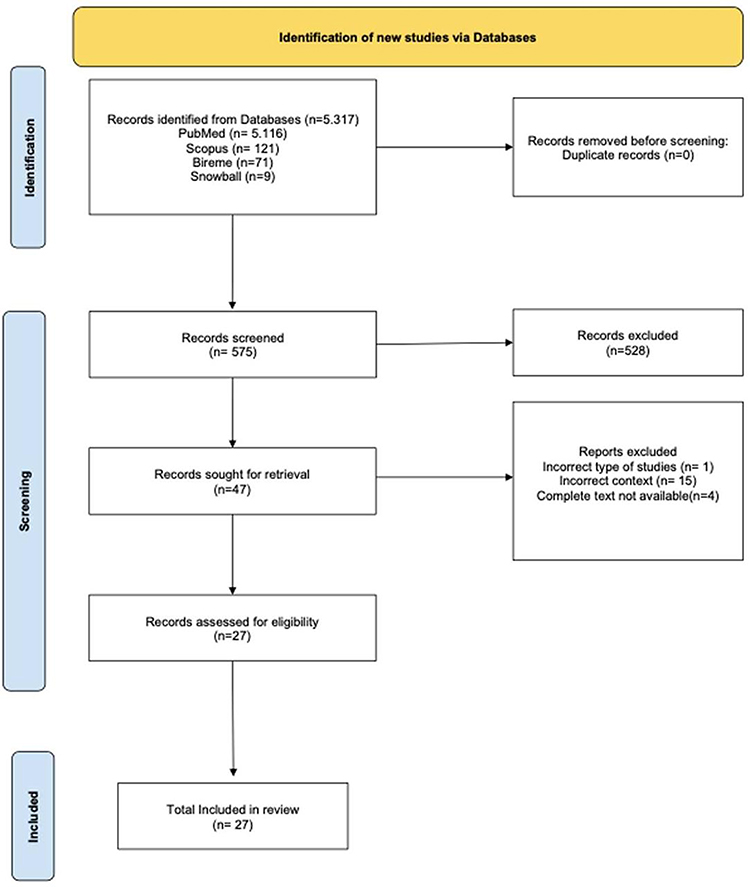 |
Figure 1 PRISMA 2020 flow diagram illustrating the identification, screening, and inclusion process of studies in the scoping review. |
Search Strategy
The search was performed using the electronic databases PubMed, SCOPUS, and BIREME (Medline and Lilacs), based on the exploratory question: What is the evidence on the effects of prolonged use of smartphones and tablets on children’s body posture and visual health? The search applied terms (DeCS and MeSH) such as screen time, posture, visual alterations, and preschoolers. Table 1 summarizes the search strategy for each database.
 |
Table 1 Search Strategy |
Study Selection
The initial preselection of articles was carried out by two independent reviewers, based on inclusion criteria established beforehand, with screening performed by title and abstract. Duplicate articles were excluded using the Rayyan digital tool.13 Subsequently, the most relevant articles for the study’s objectives were selected. A third independent reviewer resolved disagreements regarding the articles inclusion by finalizing the selection through a comprehensive review of the full texts. Finally, the snowball method was applied to complete the selection of sources to be analyzed during the study.
Inclusion and Exclusion Criteria
These criteria were defined according to the population, concept, and context variables (PCC strategy) proposed by the Joanna Briggs Institute.11 Included study types consisted of observational studies, systematic reviews, narrative reviews, experimental studies, and meta-analyses. Excluded studies included case reports, qualitative studies, and others. The inclusion and exclusion criteria are detailed in Table 2.
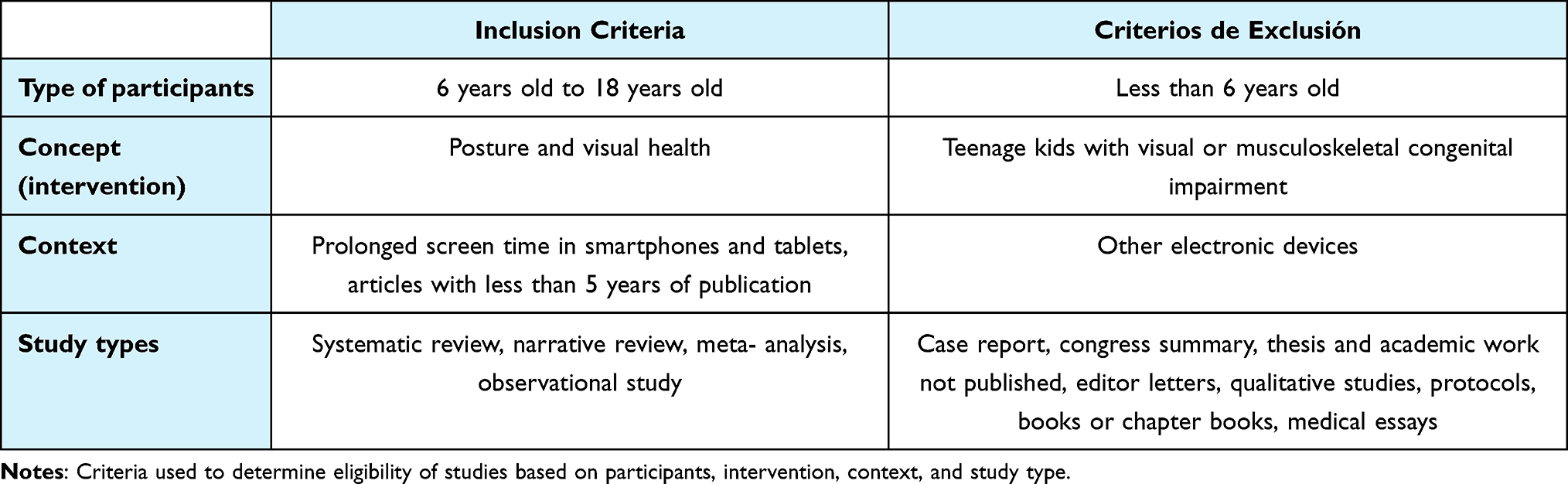 |
Table 2 Inclusion and Exclusion Criteria |
Data Extraction and Tabulation
Data extraction was carried out through a narrative synthesis of each selected article, categorizing them into two groups defined by the reviewers: visual health and postural health.
Data Compilation, Summary, and Reporting
Finally, an analysis of the information from each article was conducted, defining concepts and terms associated with visual health, postural health, and screen time in the pediatric population to address the study’s objective. The information was compiled and summarized in corresponding tables and graphs. Articles unrelated to the study’s objective were excluded.
Results
In this study, three databases were explored, identifying 5317 articles using the search strategy. Subsequently, a certain inclusion criteria was applied based on the study type, population, and publication year, resulting in 575 articles with no duplicates. Next, title and abstract screening excluded 528 articles, leaving 47. From these, full-text screening was conducted, excluding articles due to predominant reasons such as context, incorrect study type, and lack of free full-text availability, resulting in a total of 18 articles. To supplement the references for this study, the snowball search methodology was applied, obtaining 9 additional articles, with a final total of 27 articles addressing the exploratory question. The selection process is illustrated in Figure 1.
In interpreting the results, significant patterns were identified that express a prevalence and impact of prolonged use of electronic devices on the visual and postural health of the studied population. These findings, as mentioned later, are related to cultural trends and the level of technological exposure depending on the region. The most prevalent study type was cross-sectional (n=12, 44.4%), followed by systematic reviews and observational studies (n=4, 14.8%). Additionally, review articles, narrative reviews, and management guidelines were found (n=2, 7.4%). Lastly, meta-analyses accounted for (n=1, 3.7%). Regarding the geographical distribution of the articles, the predominant continent was Asia, with the most frequent countries being Iran, China, Hong Kong, Turkey, among others (n=15, 55.5%), followed successively by Europe (n=5, 18.5%), the Americas (n=4, 14.8%), Oceania (n=2, 7.4%), and finally Africa (n=1, 3.7%). This geographical distribution is presented in (Figure 2). Considering the inclusion criteria, publications from the last 5 years were obtained, with the most prevalent years being 2022, 2023, and 2024 (n=7, 25.9%), followed by 2021 (n=3, 11.1%) and 2019 (n=1, 3.7%). Table 3 summarizes the key findings across the reviewed studies, highlighting the distribution of methodologies, geographic trends, and reported outcomes.
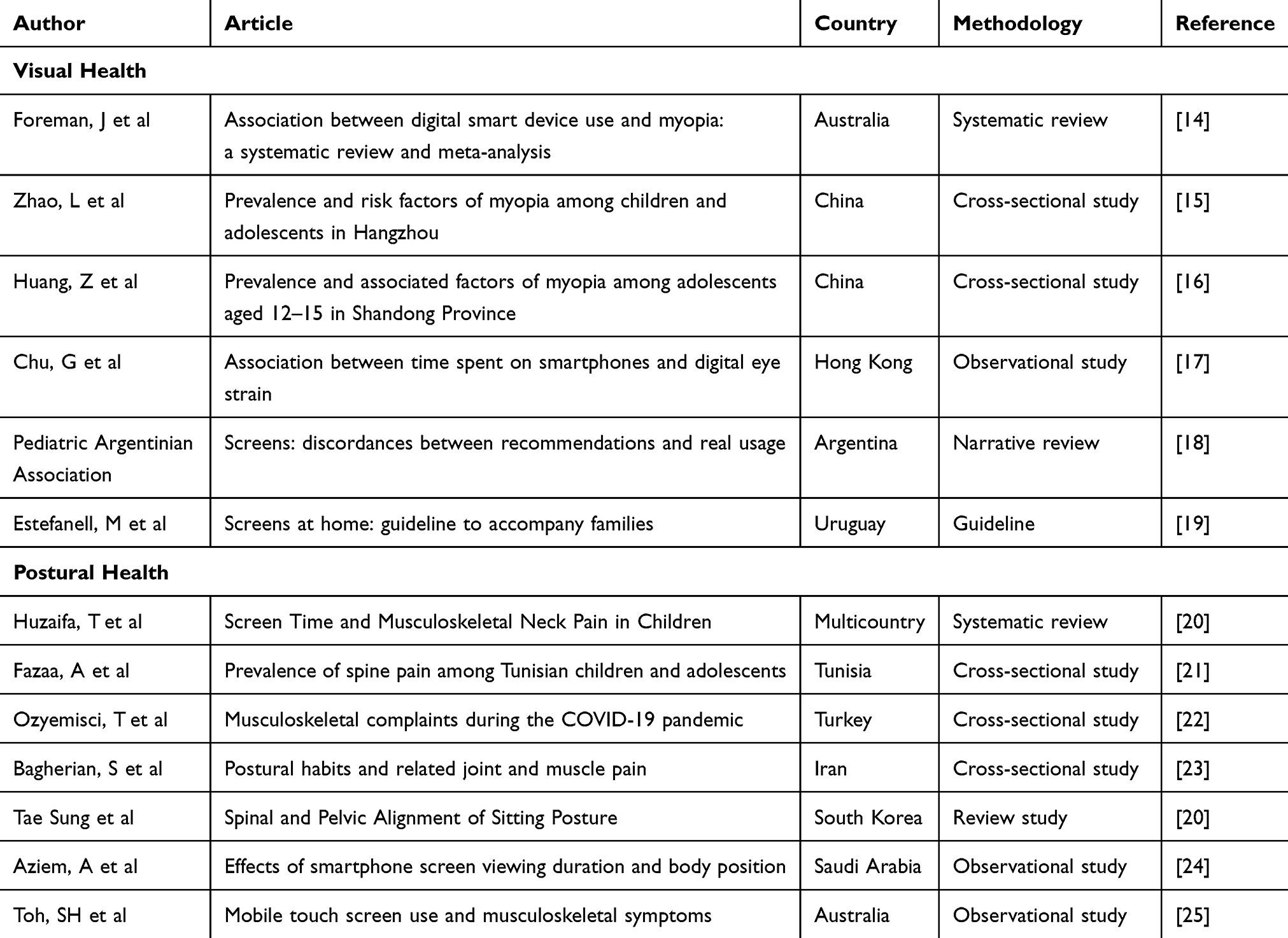 |
Table 3 Summary of Included Studies |
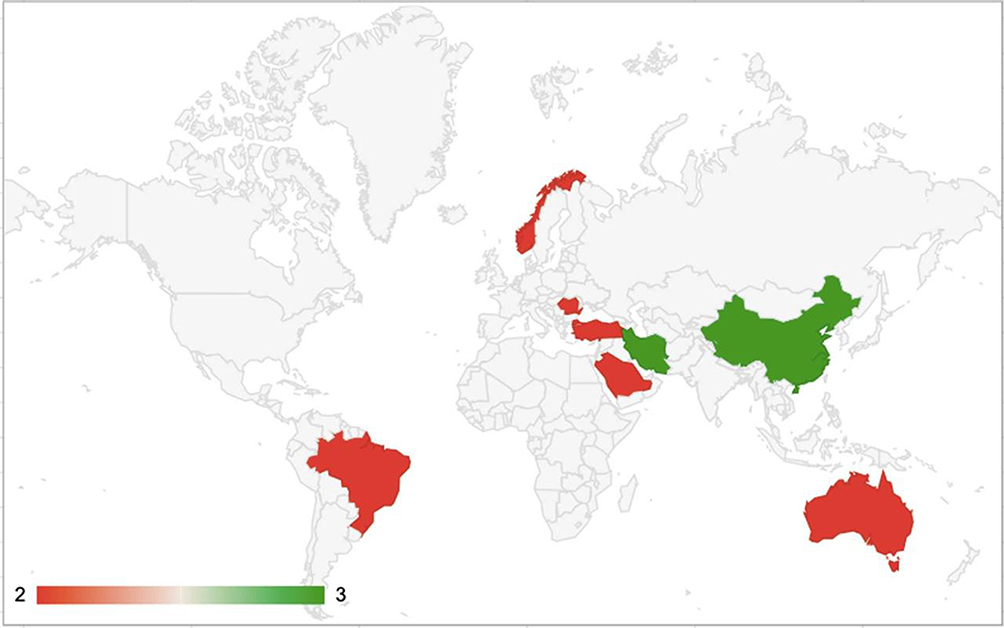 |
Figure 2 Geographical distribution of the included studies (n = 27), showing country representation and intensity of publications. |
The classification of the articles was categorized into two groups: visual health and postural health. In the first category, seven articles (n=7) focused on identifying risk factors, the development of visual pathologies, and unhealthy lifestyles associated with screen time. On the other hand, in the postural health category, eleven articles (n=11) were found, focusing on the association between screen time, the postures adopted during use, and harmful side effects for proper musculoskeletal development. Despite the majority of articles focusing on postural health, there were a total of nine articles that fit both criteria of the analyzed data (n=9).
Regarding visual health, the literature review highlighted how screen exposure can not only be a risk factor for developing ophthalmological pathologies but also a direct cause. A meta-analysis conducted in Australia highlighted a 30% increased risk of developing myopia associated with smart device use and an 80% increase with computer use.14 Additionally, an article conducted in Hangzhou, China, showed a prevalence of 55.3% due to the same cause in the same population and added an increase in diagnosis as age and academic level advance, along with a higher frequency in women and urban residents.15 Another study conducted in Shandong, China, found a prevalence of 71.34% for the development of myopia associated with device exposure, without discounting the importance of the genetic component.16
Visual impairment is not limited to refractive defects; a study in Hong Kong demonstrated a strong association between screen use and ocular fatigue. These symptoms were present in 40%, with the predominant symptom being ocular fatigue in 60.2% of the population studied who used their smartphone for more than 1 hour.17
Furthermore, a narrative review conducted in Argentina mentioned how screen exposure is becoming increasingly frequent in younger children, considering that the recommendations provided for appropriate screen use are not being applied.18 On the other hand, a guide created in Uruguay by UNICEF not only provides recommendations for screen time and age of introduction but also emphasizes the importance of active and conscious supervision.19
Regarding postural health in relation to prolonged use of electronic devices, Sung et al, Fazaa et al, and Ozyemisci et al share their perspectives on the emergence of musculoskeletal pain secondary to poor posture, additionally causing a reduction in lumbar lordosis during prolonged sitting and in spine-pelvic alignment. The latter author associates this prolonged use after the COVID-19 pandemic due to virtual education during that time.20–22 On the other hand, Abdel-Aziem et al and Toh et al link these devices to effects on the upper body, caused by head flexion, neck flexion, cranio-cervical angles, and gaze angles in both sitting and standing positions.24,25
Finally, the increase in these diagnoses has been exponential over the past five years following the COVID-19 pandemic, as highlighted by Mokhtarinia et al in a cross-sectional study showing that smartphone addiction increased by 53.3% compared to the pre-pandemic period. Additionally, complaints associated with their use were mainly reported in the eyes (39.7%) and neck (39.1%).26 Moreover, the significant relationship between screen time and its harmful effects on children’s visual and musculoskeletal health was confirmed in three publications. The first article, a cross-sectional study conducted in Hong Kong, demonstrated statistically significant results showing that this relationship between prolonged screen time and the presence of visual and locomotor symptoms is not coincidental.10 The second publication detailed the symptoms in both systems, with the most commonly reported musculoskeletal symptoms being neck and shoulder pain (74%), associated with which 80% experienced at least some form of visual discomfort, with a mean visual symptom score of 2.4 out of 9 possible symptoms.25 The third analyzed study shared the previously mentioned findings regarding the proportional and significant increase in prolonged screen exposure and the presence of these symptoms.27 As mentioned by Thorud et al, not only screen time is a factor, but also the short distance between the device and the pediatric patient, which can exacerbate clinical manifestations.9
Focusing on the symptomatology history, another narrative review by Arafa et al detailed the effects associated with prolonged screen time, poor posture, and inadequate ergonomics, which can cause spinal asymmetry and nonspecific low back pain in children and adolescents aged 6–19 years exposed to screens for more than three hours a day.28
Additionally, a new ophthalmological condition associated with the previously described factors was identified, called “computer vision syndrome”, associated with smartphones in 77.1% of cases.29 The extended use of electronic devices affects convergence abilities, accommodation, tear film, and could even increase the intraocular pressure. This syndrome not only affects vision but also the musculoskeletal system, causing pain in the cervical region, shoulders, wrist joint, thumb, and lumbar region.30
Discussion
This review has gathered relevant evidence on the effects of prolonged screen use on visual and postural health, with a focus on the pediatric population.10 After detailed analysis of the 27 selected articles, clear trends were observed in the increased use of screens and its close relationship with the aforementioned health issues. This study aims to provide a clearer perspective on the findings following the COVID-19 pandemic, with a net focus on visual and postural health. Some reviewed articles also address general lifestyle aspects such as obesity, sedentary behavior, and sleep hygiene.
Visual Health and Screen Use
In the visual health category, studies confirm that prolonged screen exposure is a risk factor and even a cause of visual pathologies.13 Among these, myopia stands out, showing alarming prevalence, particularly in urban environments and among women.15 These findings align with the growing global concern about myopia, which has increased due to lifestyle changes and dependence on technology.16
This visual impairment is not limited to refractive errors but also includes eye fatigue and computer vision syndrome.17 Additionally, the reviewed literature explored guidelines for screen use in the pediatric population, highlighting that such guidelines are not yet strictly implemented.18
Postural Health and Musculoskeletal Impact
In the postural health category, studies demonstrate a relationship between prolonged use of electronic devices and the onset of musculoskeletal symptoms, as the posture adopted during their use is a determining factor for these disorders.2 Symptoms predominantly affect the upper body, such as head and neck flexion, with discrepancies noted in cranio-cervical angles and gaze alignment.24 Poor posture may also lead to reduced lumbar lordosis due to prolonged sitting periods.20
Direct Relationship Between Visual and Postural Health
This study underscores the importance of early identification and intervention, confirming the relationship between children’s visual and motor development. It emphasizes the importance of proper ocular system maturation to ensure positive progress in fine and gross motor skills, particularly posture.31 This relationship has been amplified by the learning model implemented during the COVID-19 pandemic, which relied on virtual platforms to complete academic syllabi.
Direct connection was found between both study groups through a previously mentioned pathology, computer vision syndrome, which includes both visual clinical manifestations and musculoskeletal involvement. This syndrome has been increasing in recent years, as screens are no longer limited to workplaces but are also found in homes through devices like smartphones, laptops, or tablets, often unmonitored or unrestricted in most households.29 During the isolation period, smartphone use averaged 6.8 hours per day.26
For this reason, the Screens at Home guide proposes methods to assist families in safe internet use according to the child’s age group.19
Global Trends and Findings
In terms of the geographical distribution of the reviewed publications, Asia was the most represented continent, with high incidence in countries such as China and Iran. The results highlight the importance of this issue in urban and technologically advanced contexts. Additionally, data confirm the intensification of this dilemma over the past five years, particularly since the COVID-19 pandemic. Furthermore, there is a notable lack of articles originating from Latin America.
Although this review presents a comprehensive synthesis of the current literature, most of the included studies were conducted in Asian countries. This regional concentration may limit the generalizability of findings to other contexts, such as Latin America, Africa, and rural populations worldwide. Future research should aim to expand the geographical scope to provide a more globally representative understanding of screen time impacts.
Additionally, the predominance of cross-sectional studies among the reviewed literature limits the ability to establish causality between prolonged screen use and health outcomes. Longitudinal studies are needed to assess the long-term effects of screen exposure on children’s physical, visual, and neurodevelopmental health.
Finally, the need for effective interventions and policy action is evident. Beyond parental supervision, schools, healthcare providers, and public institutions must collaborate to develop guidelines and educational strategies that address screen use in a holistic manner. Public health campaigns and national policies promoting digital wellness, screen time limits, and ergonomic awareness should be a priority, especially in the post-pandemic era.
Study Limitations
The limitations of this study include the prevalence of cross-sectional studies, which preclude definitive causal relationships due to the lack of longitudinal studies that could establish this criterion. There is also notable variability in measurement methods and studied populations, limiting the global applicability of the findings. Another limitation was restricted access to full-text articles, potentially excluding relevant information.
Recommendations
Future research should explore strategies to mitigate these long-term consequences, emphasizing adherence to established protocols and promoting their dissemination for patient and healthcare professional education.19 Protective factors such as outdoor exposure, frequent breaks, corrective postural exercises during device use, and optimal distance between the user and the device should be emphasized.10
Longitudinal methodologies are recommended for future studies to evaluate the short, medium, and long-term effects on vulnerable populations, primarily children in urban environments, and propose new interventions to support children’s growth and development in a society with constant technological advancements.
Conclusion
This review confirms the increase in screen time and its gradual growth among children and adolescents, closely linked to the COVID-19 pandemic. One of the most significant findings was the identification of computer vision syndrome, encompassing both musculoskeletal symptoms and ophthalmological changes. The importance of this study lies in highlighting the harmful effects of screen exposure on children’s lifestyles. Reports revealed musculoskeletal symptoms such as pain in the cranio-cervical and lumbar regions, increased head and neck flexion, reduced lumbar lordosis, and spine-pelvic alterations.
Ophthalmological changes were also identified, including accommodation and convergence issues, eye fatigue, and an increased risk of myopia. These conditions are not only caused by excessive device use, but also act as risk factors for more severe visual impairments, particularly in urban environments and among girls.
In response to these findings, several age-based screen time guidelines have been proposed; however, the general lack of awareness among families and institutions highlights the critical need for timely and effective implementation of public health policies. These should aim to promote healthy digital habits, ergonomic practices, and preventive education to reduce the long-term visual, postural, and neurodevelopmental consequences of screen overexposure in the pediatric population.
Author Contributions
All authors made a significant contribution to the work reported, whether that is in the conception, study design, execution, acquisition of data, analysis and interpretation, or in all these areas; took part in drafting, revising or critically reviewing the article; gave final approval of the version to be published; have agreed on the journal to which the article has been submitted; and agree to be accountable for all aspects of the work.
Funding
Research derived from the MED-342-2023 project of the research group Family Medicine and Population Health, of the Universidad de La Sabana.
Disclosure
The authors report no conflicts of interest in this work.
References
1. UNICEF. Aumenta la preocupación por el bienestar de los niños y los jóvenes ante el incremento del tiempo que pasan frente a las pantallas [Internet]. 2021 [cited december 22, 2024]. cited december 22, 2024: https://www.unicef.org/es/comunicados-prensa/aumenta-la-preocupaci%C3%B3n-por-el-bienestar-de-los-ni%C3%B1os-y-los-j%C3%B3venes-ante-el.
2. OMS. Trastornos musculoesqueléticos [Internet]. 2021 [cited december 22, 2024]. cited december 22, 2024: https://www.who.int/es/news-room/fact-sheets/detail/musculoskeletal-conditions.
3. García Álvarez PE, García Lozada D. Factores asociados con el síndrome de visión por el uso de computador. Investigación Andina. 2010; 12(20):42–52
4. Cogburn M, Scott H. Piaget. TREASURE ISLAND, FL: STATPEARLS PUBLISHING; 2023 [cited december 22, 2024]. cited december 22, 2024: https://pubmed.ncbi.nlm.nih.gov/28846231/.
5. Parekh V, Goswami P. El impacto del tiempo frente a pantallas en el desarrollo infantil y adolescente: una revisión. Int J Contemporary Pediatrics. 2023;10:1161–1165.
6. Publicaciones colectivas 3-6-9-12. Apprivoiser LES Pantallas [Internet]. 2020 [cited 2024 dic 22]. cited 2024 dic 22: https://play-smart.ch/wp-content/uploads/2020/11/3-6-9-12-Spanish.pdf.
7. Chen W, Li R, Yu Q, et al. Detección temprana de la discapacidad visual en niños pequeños mediante un sistema de aprendizaje profundo basado en teléfonos inteligentes. Nat Med. 2023;2023:1.
8. En T, Yoo WG. Alineación espinal y pélvica en la postura sentada asociada con el uso de teléfonos inteligentes en adolescentes con dolor lumbar. Int J Environ Res Public Health. 2021; 18(16):8369.
9. Thorud HMS, Mork R, Bjørset CO, et al. Lectura dificultosa y dolor musculoesquelético en escolares: el papel del estilo de vida y el uso de gafas: un estudio transversal. BMC Pediatric. 2022;22(1):416.
10. Tsang SMH, Lee PH, Cheung JP. El uso excesivo de dispositivos electrónicos en niños y adolescentes se asocia con síntomas musculoesqueléticos, síntomas visuales, salud psicosocial y calidad de vida: un estudio transversal. Front Public Health. 2023;11. doi:10.3389/fpubh.2023.1178769
11. Peters MD, Godfrey C, McInerney P, Munn Z, Tricco AC, Khalil HRDA. En: manual del JBI para la síntesis de evidencia. JBI. 2024;2024:1
12. Tricco AC, Lillie E, Zarin W, et al. Extensión PRISMA para revisiones de alcance (PRISMA-ScR): lista de verificación y explicación. Ann Intern Med. 2018;2018:1.
13. Ouzzani M, Hammady H, Fedorowicz Z, Elmagarmid A. Rayyan: una aplicación web y móvil para revisiones sistemáticas. Syst Rev. 2016;2016:1
14. Foreman J, Salim AT, Praveen A, et al. Asociación entre el uso de dispositivos inteligentes digitales y la miopía: una revisión sistemática y un metanálisis. Lancet Digit Health. 2021;3:e806–e818. doi:10.1016/S2589-7500(21)00135-7
15. Zhao L, Jiang X, Zhang W, et al. Prevalencia y factores de riesgo de miopía en niños y adolescentes de Hangzhou. Sci Rep. 14(1):24615
16. Huang Z, Song D, Tian Z, Wang Y, Tian K. Prevalencia y factores asociados de la miopía en adolescentes de 12 a 15 años en la provincia de Shandong, China: un estudio transversal. Sci Rep. 2024;14(1):17289
17. Chu GCH, Chan LYL, Do CW, et al. Asociación entre el tiempo dedicado a teléfonos inteligentes y la fatiga visual digital: un estudio observacional prospectivo de un año en niños y adolescentes de Hong Kong. Environ Sci Pollut Res Int. 2023;30:58428–58435. doi:10.1007/s11356-023-26258-0
18. Melamud A, Waisman I. Pantallas: discordancias entre las recomendaciones y el uso real. Pediatría Arch Argent. 2019; 117(5):349–51.
19. UNICEF. Pantallas en casa: una guía para padres y madres sobre el uso de pantallas en niños y adolescentes [Internet]. 2020 [cited december 22, 2024]. Disponible en: https://www.unicef.org/panama/media/4386/file/Pantallas%20en%20Casa.pdf.
20. En T, Jung JH, Jung KS, Cho HY. Alineación espinal y pélvica de la postura sentada asociada con el uso de teléfonos inteligentes en adolescentes con dolor lumbar. Int J Environ Res Public Health. 2021; 18(16):8369
21. Ozyemisci Taskiran O, Topaloglu M, Giray E, et al. Molestias musculoesqueléticas y factores asociados en escolares de 6 a 13 años en Estambul durante la pandemia de COVID-19: un estudio transversal. Sage J. 2023; 74(3):811–21
22. Fazaa A, Cherif I, Miladi S, et al. Prevalencia del dolor de columna vertebral en niños y adolescentes tunecinos y factores relacionados. Pediatr Rheumatol. 2024; 22(1):84
23. Bagherian S, Ghasempoor K, Baker JS. Hábitos y dolor articular y muscular relacionado en estudiantes en edad escolar: un estudio transversal. Epidemiol Health Syst J. 2023;3:4
24. Abdel-Aziem AA, Abdel-Ghafar MA, Ali OI, Abdelraouf OR. Efectos del tiempo de visualización de la pantalla del teléfono inteligente y la posición corporal en la postura de la cabeza y el cuello en niños de primaria. Sage J. 2022;35(1):185–93
25. Toh SH. Estudio longitudinal prospectivo sobre el uso de dispositivos móviles con pantalla táctil y los síntomas musculoesqueléticos y la salud visual en adolescentes. ELSEVIER [Internet]. 2020 [cited december 22, 2024]. cited december 22, 2024: https://www.sciencedirect.com/science/article/abs/pii/S0003687019302352?via%3Dihub.
26. Mokhtarinia HR, Heydari Torkamani M, Farmani O, Biglarian A, Gabel CP. Adicción a los teléfonos inteligentes en niños: patrones de uso y molestias musculoesqueléticas durante la pandemia de COVID-19 en Irán. BMC Pediatric. 2022;22. doi:10.1186/s12887-022-03748-7
27. Falkenberg HK, Johansen TR, Thorud HMS. Cefalea, fatiga visual y síntomas musculoesqueléticos relacionados con el uso de teléfonos inteligentes y tabletas en adolescentes sanos. Scand J Optom Vis Sci. 2020;13(2):8–14
28. Arafa A, Yasui Y, Kokubo Y, et al. Estilos de vida en la infancia y la adolescencia: factores contribuyentes, consecuencias para la salud y posibles intervenciones. Am J Lifestyle Med. 2024. doi:10.1177/15598276241245941
29. Pavel IA, Savu B, Chiriac CP, Bogdănici CM. Cambios oculares y musculoesqueléticos en la población pediátrica mediante el uso de gadgets. Romanian Soc Ophthalmol. 2022; 66(3):257
30. Pavel IA, Bogdanici CM, Donica VC, et al. Síndrome de visión por computadora: una patología oftálmica de la era moderna. Medicina. 2023; 59(2):412.
31. Sánchez-González MC, Palomo-Carrión R, De-Hita-Cantalejo C, Romero-Galisteo RP, Gutiérrez-Sánchez E, Pinero-Pinto E. Sistema visual y desarrollo motor en niños: una revisión sistemática. Acta Ophthalmol. 2022;100:e1356–e1369. doi:10.1111/aos.15111
 © 2025 The Author(s). This work is published and licensed by Dove Medical Press Limited. The
full terms of this license are available at https://www.dovepress.com/terms
and incorporate the Creative Commons Attribution
- Non Commercial (unported, 4.0) License.
By accessing the work you hereby accept the Terms. Non-commercial uses of the work are permitted
without any further permission from Dove Medical Press Limited, provided the work is properly
attributed. For permission for commercial use of this work, please see paragraphs 4.2 and 5 of our Terms.
© 2025 The Author(s). This work is published and licensed by Dove Medical Press Limited. The
full terms of this license are available at https://www.dovepress.com/terms
and incorporate the Creative Commons Attribution
- Non Commercial (unported, 4.0) License.
By accessing the work you hereby accept the Terms. Non-commercial uses of the work are permitted
without any further permission from Dove Medical Press Limited, provided the work is properly
attributed. For permission for commercial use of this work, please see paragraphs 4.2 and 5 of our Terms.