
Back to Journals » Nutrition and Dietary Supplements » Volume 18
Development and Sensory Evaluation of Herbal-Fortified Cookies: Formulation, Proximate Composition, and Acceptability
Authors Septriana M  , Li J, Zhang XD, Lailatul F , Onny P , Ao M, Liu Q
Received 6 February 2026
Accepted for publication 6 May 2026
Published 29 May 2026 Volume 2026:18 590210
DOI https://doi.org/10.2147/NDS.S590210
Checked for plagiarism Yes
Review by Single anonymous peer review
Peer reviewer comments 2
Editor who approved publication: Prof. Dr. Ara Kirakosyan
Maya Septriana,1 Jingkun Li,1 Xin De Zhang,1 Fadliyah Lailatul,2 Priskila Onny,3 Meiying Ao,1 Qian Liu1
1Discipline of Chinese and Western Integrative Medicine, Integrated Chinese and Western Medicine Institute for Children’s Health & Drug Innovation, Jiangxi University of Chinese Medicine, Nanchang, Jiangxi, People’s Republic of China; 2Department of Health, Faculty of Vocational Studies, Universitas Airlangga, Surabaya, Indonesia; 3Study Program of Acupuncture and Herbal Medicine, Darma Cendika Catholic University, Surabaya, Indonesia
Correspondence: Meiying Ao, Discipline of Chinese and Western Integrative Medicine, Integrated Chinese and Western Medicine Institute for Children’s Health & Drug Innovation, Jiangxi University of Chinese Medicine, Nanchang, Jiangxi, 33004, People’s Republic of China, Email [email protected] Qian Liu, Discipline of Chinese and Western Integrative Medicine, Integrated Chinese and Western Medicine Institute for Children’s Health & Drug Innovation, Jiangxi University of Chinese Medicine, Nanchang, Jiangxi, 33004, People’s Republic of China, Email [email protected]
Background: Nutritional deficiencies are common in children with neurological condition and may adversely affect their life quality and developmental trajectory. Herbal-fortified functional foods represent a promising strategy to increase nutritional density in paediatric nutrition; however, their palatability and nutritional adequacy require systematic evaluation prior to any clinical consideration.
Objective: This proof-of-concept study aimed to develop cookies fortified with Traditional Chinese Medicine (Polygonatum sibiricum [Huang Jing], Cornus officinalis [Shan Zhu Yu], Eucommia ulmoides [Du Zhong], Gastrodia elata [Tian Ma], and Angelica sinensis [Dang Gui]) and evaluate their initial sensory acceptability, proximate composition, and preliminary visual shelf-life stability.
Methods: Three cookie formulations were developed in Trial I using herbal decoction 10 mL per batch. Sensory evaluation was conducted with 40 healthy child participants (aged > 6 years; 22 males, 18 females), using a five-point hedonic scale to assess five attributes: visual appearance (colour), texture softness, texture crumbliness, flavour intensity, and aftertaste quality, as well as overall acceptability. The most acceptable formulation was selected for Trial II and subjected to proximate analysis following AOAC methods to determine moisture, ash, protein, fat, carbohydrate content, and total energy.
Results: Among the three formulations, Sample Group 2 demonstrated the highest overall acceptability scores: texture (77.5%), flavor (87.5%) and aftertaste (85%). Proximate analysis of the optimized formulation revealed: moisture 4.04%, ash 1.13%, protein 9.75%, fat 22.05%, carbohydrate 63.03%, and energy content 489.5 kcal/100g. The protein content (9.75%) was higher than that of conventional cookies, and the energy density may support the elevated nutritional requirements of children. Visual shelf-life assessment indicated acceptable appearance and texture over 90 days of room temperature storage.
Conclusion: This proof-of-concept study demonstrates the technical feasibility of producing herbal-fortified cookies with acceptable sensory attributes and a favourable proximate composition. These findings provide a preliminary foundation for future research; however, acceptability testing in the target clinical population, comprehensive safety and standardisation assessments, objective microbiological shelf-life studies, and properly designed clinical efficacy trials are required before any clinical application can be considered.
Keywords: herbal-fortified cookies, functional food development, sensory evaluation, proximate composition, pediatric nutrition, traditional Chinese medicine herbs
Introduction
Functional foods, which contain bioactive substances that confer health benefits beyond basic nutrientshave emerged as a viable approach to supporting adequate nutritional intake in vulnerable population.1,2 For children, functional foods may offer practical advantages over standard pharmaceutical supplementation in several respects, including palatability, ease of administration, potential for improved compliance, and compatibility with daily dietary habits.3 It’s important to pay close attention to sensory qualities, nutritional value, safety, and age-appropriate preparation when developing functional foods for children.4
Traditional Chinese Medicine (TCM) has historically used herbal remedies to promote health and manage various conditions.5 Preclinical investigations have shown anti-inflammatory and antioxidant effects in TCM medicines. In the rat models, Polygonatum sibiricum (Huang Jing) has a neuroprotective effect and reduces inflammation.6 Antioxidant activity and BDNF modulation by Cornus officinalis protected stress-induced brain damage models.7 Angelica sinensis is useful as an antioxidant, and Gastrodia elata inhibited oxidative stress and inflammation.8
Notwithstanding these encouraging preclinical results, several critical factors must be considered when integrating herbal components into pediatric food products. The bioavailability and pharmacokinetics of herbal substances might vary considerably across dietary matrices and traditional decoctions.9 Secondly, the standardization of herbal extracts, quality control, and the risk of contamination with heavy metals or pesticides are essential safety issues.10,11 Third, the possibility for allergenicity, interactions between herbs and drugs, and suitable doses for children need thorough assessment.12,13 The sensory attributes of herbal components—frequently marked by bitter or astringent tastes—may adversely affect acceptance, especially in children.14
Now, there is a paucity of research on the development and assessment of herbal-fortified functional foods tailored exclusively for children. Although several commercial products include herbal components, only a limited number have been subjected to comprehensive sensory assessment and nutritional analysis. Moreover, the majority of current research is on adult populations, and information about pediatric acceptability and safety is limited.15,16 No studies have been published that precisely assess the sensory characteristics and nutritional content of cookies enriched with the combination of Polygonatum sibiricum, Cornus officinalis, Eucommia ulmoides, Gastrodia elata, and Angelica sinensis.
Due to their broad popularity among children, extended shelf life, simplicity of consumption, and potential for nutritional fortification, cookies are an appealing vehicle for the development of functional foods.17 Cookies’ familiar shape may improve compliance in pediatric groups, and their low moisture content stabilizes bioactive chemicals and inhibits microbial development.18
Study Rationale and Objectives
With the increasing prevalence of health-related nutritional challenges in children, innovative approaches to support adequate dietary intake and overall health are increasingly needed. Given the potential bioactive properties of TCM herbs and the absence of thoroughly evaluated herbal-fortified paediatric food products, this proof-of-concept study aimed to develop and characterise herbal-fortified cookies as a possible nutrient-dense snack option. The specific objectives were to: Develop cookie formulations incorporating a standardized decoction of five TCM herbs (Polygonatum sibiricum, Cornus officinalis, Eucommia ulmoides, Gastrodia elata, and Angelica sinensis); Evaluate the sensory acceptability of different formulations using hedonic scaling; Determine the proximate composition (moisture, ash, protein, fat, carbohydrate, and energy content) of the optimized formulation; and conduct a preliminary shelf-life assessment under room temperature storage conditions. It is important to note that this study represents a preliminary product development and characterization phase.
Material and Methods
Study Design
This study complies with the Declaration of Helsinki for research involving human participants. Ethical approval was obtained from the ethics committee of the Faculty of Vocational Studies, Universitas Airlangga, with approval number 258.KKEP.11.2024. The consent was given to and signed by a parent, as the participants were still children. However, before the parents sign, the child involved will be informed about what will be done. If the child agrees, the parent will represent them in filling out and signing.
This study used a Single Blind Study, in which participants were not informed of which cookie formulation they were evaluating. Participants evaluated three cookie formulations, identified only by codes 1, 2 and 3. A total of 40 participants were recruited according to the inclusion criteria. This research was conducted in two sequential phases: - Trial I: involved the development and sensory evaluation of three cookie formulations (Sample Groups 1, 2, and 3) to identify the most acceptable formulation. Trial II: involved proximate composition analysis and preliminary shelf-life assessment of the optimized formulation chosen from Trial I.
Herbal Ingredient Selection
Five TCM herbs were selected based on traditional use for liver-kidney tonification and preclinical evidence of neuroprotective properties: - Polygonatum sibiricum (Huang Jing) - Cornus officinalis (Shan Zhu Yu) - Eucommia ulmoides (Du Zhong) - Gastrodia elata (Tian Ma) - Angelica sinensis (Dang Gui). All herbs were food-grade, purchased from Kangmei Pharmaceutical Co., Ltd.
Herbal Decoction Preparation
A standardized decoction was prepared using the following protocol: Herbs were combined in equal proportions (10 g each, total 50 g), herbs were soaked in 500 mL of distilled water for 30 minutes, the mixture was boiled for 45 minutes, then simmered for an additional 30 minutes, the decoction was filtered through sterile gauze, the filtrate was concentrated to a final volume of 100 mL using rotary evaporation at 60°C and the concentrated decoction was stored at 4°C in sterile amber bottles and used within 7 days.
Each batch of cookies incorporated 10 mL of the concentrated herbal decoction, equivalent to approximately 5 g of dried herbs per batch (approximately 0.5 g dried herbs per cookie, assuming 10 cookies per batch). This dosage was selected based on traditional pediatric dosing guidelines and safety considerations for food applications.
Cookie Formulation
Three formulations were developed in Trial I with varying proportions of ingredients to optimize sensory properties while maintaining the herbal content constant (Table 1). The process of making cookies is: Margarine and sugar were creamed together until light and fluffy. The egg was added and mixed thoroughly. After that, the herbal decoction and milk powder were incorporated. Dry ingredients (flour, salt, baking soda, vanilla) were sifted and gradually folded into the wet mixture. The dough was rested for 15 minutes at room temperature. Dough was rolled to a 5 mm thickness and cut into uniform shapes (5 cm diameter). Cookies were baked at 180°C for 12–15 minutes until golden brown. Cookies were cooled on wire racks and stored in airtight containers. Each formulation was prepared in triplicate batches to ensure consistency.
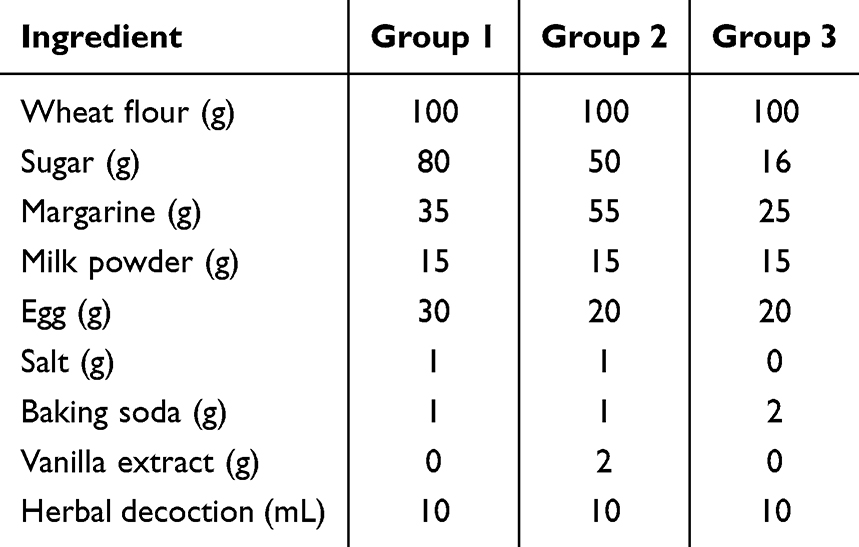 |
Table 1 Composition of Ingredients |
Participant Recruitment and Characteristics
Sensory evaluation was conducted with 40 healthy child participants (aged >6 years; 22 males, 18 females). Participants were selected based on the following criteria: Inclusion Criteria: aged 6 years and over, no known food allergies or sensitivities, no current use of drugs altering taste perception, willingness to provide informed consent (via parent/guardian), and no history of adverse responses to herbal products. Exclusion criteria: diagnosed taste or smell impairments, current acute illness, and known sensitivities to any study ingredients.
Before beginning the study, we obtained informed consent from parents. Informed consent contains the background, objectives, procedures, benefits, risks, data confidentiality, the right to participate or refuse, and approval to participate in the research. Because the subjects are children, informed consent must be obtained from their parents. The final participant group comprised 22 girls and 18 boys. All participants were healthy; conducting initial acceptability testing in healthy children was considered appropriate at this preliminary product development phase on ethical and practical grounds.
Sensory Evaluation Protocol
The sensory test used a five-point hedonic scale. Participants rated each product using the following scale: 1 = dislike extremely, 2 = dislike, 3 = neither like nor dislike, 4 = like, and 5 = like extremely. The sensory attributes assessed were: visual appearance (colour), texture softness, texture crumbliness, flavour intensity, aftertaste quality, and overall acceptability.
Sensory evaluation was conducted in a dedicated sensory laboratory with controlled lighting and temperature (22 ± 2°C). The evaluation followed a randomized complete block design with the following procedures:
- Pre-evaluation briefing: Participants received instructions on the 5-point hedonic scale and evaluation procedures
- Sample presentation: Three cookie samples (Sample Groups 1, 2, and 3) were presented simultaneously in random order, coded with three-digit random numbers
- Evaluation attributes: Participants evaluated five attributes using a 5-point hedonic scale (1 = dislike extremely, 2 = dislike, 3 = neither like nor dislike, 4 = like, 5 = like extremely): color, texture (softness and crumbliness), flavor, aftertaste, and overall acceptability
- Palate cleansing: after trying each sample, the tongue will be cleaned. This cleaning is done by rinsing the mouth to ensure there are no remaining sample residues, drinking water, waiting 30–60 seconds, and then eating the next sample
- Commercial acceptability: Participants indicated whether they would purchase the product (yes/no)
Each participant evaluated all three samples in a single session lasting approximately 30 minutes. Participants were blinded to formulation details. Evaluation forms were collected immediately after completion.
Data Recording
Sensory scores were recorded on standardized evaluation forms. For each attribute, the percentage of participants rating the sample as like or like extremely (scores 4–5) was calculated as the acceptability percentage. Commercial acceptability was calculated as the percentage of participants indicating willingness to purchase.
Proximate Composition Analysis
The formulation with the highest overall acceptability from Trial I (Sample Group 2) was selected for detailed proximate analysis. Analyses were completed in triplicate using Association of Official Analytical Chemists (AOAC) standard techniques.19 Moisture Content: Determined by oven drying technique (AOAC 925.10). Samples (5 g) were dried at 105°C until constant weight. Moisture content was calculated as: Moisture (%) = [(Initial weight - Final weight) / Initial weight] × 100. Ash Content: Determined by incineration process (AOAC 923.03). Samples (2 g) were burnt in a muffle furnace at 550°C for 6 hours. Ash content was estimated as: Ash (%) = (Ash weight / Sample weight) × 100. Protein Content: Determined by the Kjeldahl method (AOAC 991.20). Total nitrogen was measured and converted to protein using a conversion factor of 6.25: Protein (%) = Total nitrogen (%) × 6.25. Fat Content: Determined by Soxhlet extraction method (AOAC 963.15) using petroleum ether as solvent. Samples (5 g) were extracted for 6 hours. Fat content was calculated as: Fat (%) = (Fat weight / Sample weight) × 100. Carbohydrate Content: Calculated by difference: Carbohydrate (%) = 100 - (Moisture % + Ash % + Protein % + Fat %). Energy Content: Calculated using Atwater factors: Energy (kcal/100g) = (Protein % × 4) + (Fat % × 9) + (Carbohydrate % × 4). All analyses were performed in triplicate, and results are reported as mean ± standard deviation.
Preliminary Shelf-Life Assessment
Preliminary shelf-life stability was assessed through visual observation texture on days 0, 15, 30, 45, 60, 75, and 90 days. Cookies were packaged in sealed polyethylene bags and stored at room temperature (25 ± 2°C, 60 ± 5% relative humidity). Visual assessment was conducted weekly by three trained observers who evaluated: - Color changes - Texture changes (softening or excessive hardening) - Visible mold growth - Off-odors. This represents a preliminary assessment only. Comprehensive shelf-life testing would require microbiological analysis, moisture migration studies, lipid oxidation measurements, and sensory evaluation at multiple time points.
Statistical Analysis
The data collected in this study were hedonic scales. Hedonic scales are ordinal data. Due to their ordinal nature, non-parametric statistics were used for data analysis. Before the analysis, a normality test was performed using the Shapiro–Wilk test. To analyze the differences between the three formulations (groups 1, 2, and 3), the Kruskal–Wallis test was used. After differences were found in certain parameters, the Mann–Whitney test was used to determine the most different groups. Differences were considered significant if the p-value was <0.05.
For proximate composition data, descriptive statistics (mean ± standard deviation) were obtained from triplicate observations. The coefficient of variation (CV) was measured to assess measurement accuracy. All statistical analyses were performed using IBM SPSS version 23.0 statistical software. Statistical significance was assumed at p < 0.05.
Sample Size Justification: The sample size of 40 participants for sensory evaluation was based on practical considerations and is compatible with standards for basic product development studies.20 However, this sample size may be inadequate for spotting slight changes between formulations. A formal power analysis was not undertaken for this exploratory inquiry. Future research should employ greater sample sizes with explicit power estimations based on the impact sizes established in this initial study.
Results
Normality Testing
Shapiro–Wilk tests demonstrated that sensory assessment ratings were not normally distributed for most characteristics across the three formulations (p < 0.05 for 12 of 15 attribute-formulation combinations), indicating the validity of non-parametric statistical approaches (Table 2).
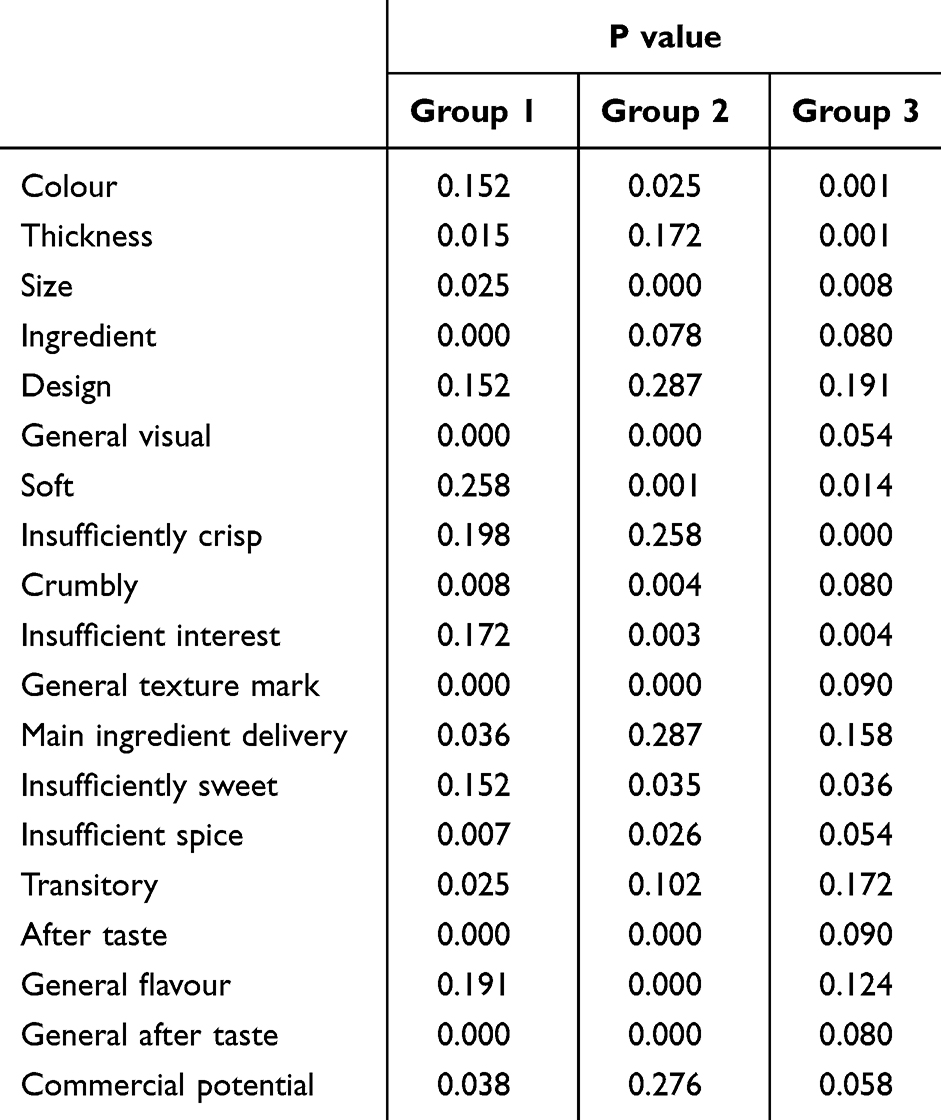 |
Table 2 Normality Test Result |
Sensory Evaluation – Trial I
Figure 1 presents the organoleptic evaluation scores of the three cookie formulations. Overall, the results indicate variations in sensory attributes among the groups. Thickness scores were relatively consistent across all groups, while color scores varied, with Group 2 showing higher values compared to Groups 1 and 3. Group 1 demonstrated slightly higher scores for size and ingredient-related attributes, whereas Groups 2 and 3 showed lower scores in these parameters. Visual appearance and design were relatively similar across all groups, indicating consistent acceptability. In terms of texture, Group 2 showed higher scores for softness, while Group 3 performed better in overall texture. Group 2 also achieved the highest score for main ingredient delivery, suggesting better perception of the herbal component. Sweetness and flavor-related attributes were relatively comparable across groups, with only minor variations observed. Transitory taste scores ranged from approximately 3.5 to 4, indicating acceptable initial flavor perception. However, all groups showed low scores for aftertaste, suggesting an area for improvement in formulation.
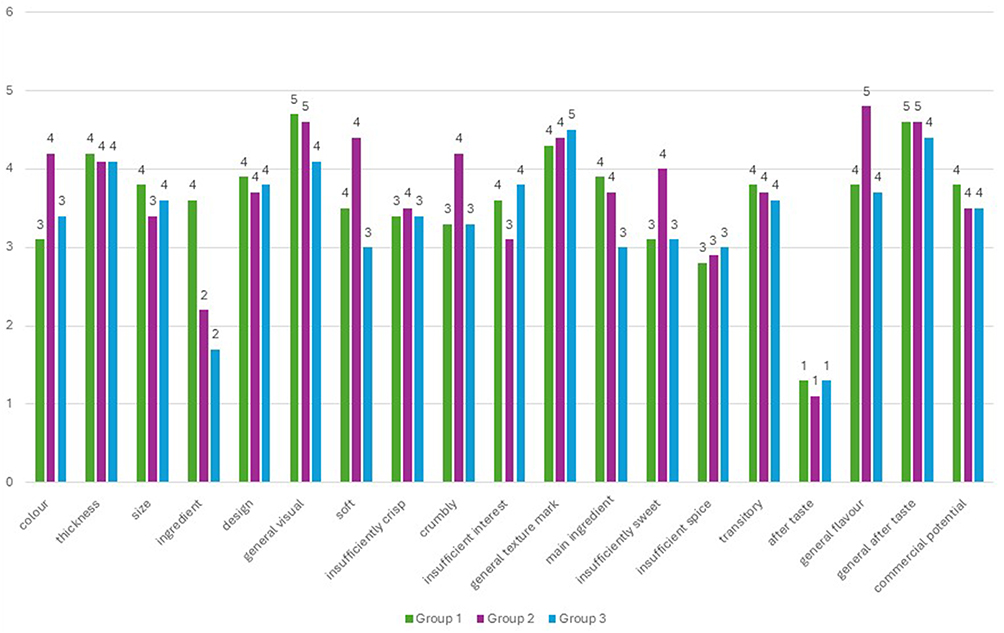 |
Figure 1 Sensory Evaluation – Trial I. |
Figure 1 shows how this second experiment painted a more nuanced Figure of the product’s strengths and weaknesses. Following Trial I, the most preferred cookies (Sample group 2) were re-evaluated by a wider panel of 40 children to better assess their sensory qualities and economic viability. The cookies’ color, thickness, size, and design received stable scores of 3–4. These evaluations indicate that the target demographic liked the cookies appearance. The texture and taste were strikingly different. The cookies were soft and sweet, as the testers scored softness and insufficient sweetness near 5. In contrast, crumbly and insufficient interest scored around 3, indicating opportunities for improvement. The major herbal ingredient was delivered well, scoring 4.5, indicating that the herbal components’ distinct flavor was present and well-integrated into the cookie matrix.
Results were blended for taste. The more distinct aftertaste scored almost 1.5, whereas the general flavor and general aftertaste scored nearly 5. This suggests that formulation changes may be needed to improve the aftertaste without sacrificing the product’s excellent flavor character. Despite this drawback, the product’s commercial potential was scored around 4, indicating that the cookies are viable for development and market introduction. The second testing showed a product with good softness, general flavor, and economic promise, but it also identified shortcomings that can be addressed in future research and development.
Sensory Evaluation – Trial II
Figure 2, sensory evaluation, Trial II, scores of formulated cookies. Values are mean ±standard deviation, n= 40. Color, thickness, size, ingredient, design, and general appearance had an average score of 3 to 4, indicating a product with good color, thickness, size, composition, and general appearance, although there is still room for improvement. Texture (insufficiently soft, crisp, crumbly, general texture interest, main ingredient delivery) varied between 3 and 4.5. The highest scores were for insufficiently soft and main ingredient delivery (around 4.5), indicating that the softness and delivery of the main ingredient were perceived well by the panelists. Insufficiently sweet, insufficient spice, aftertaste, general flavor, general aftertaste: Insufficiently sweet and general aftertaste scored quite high (close to 5), indicating that the sweetness and aftertaste were highly appreciated. Insufficient spice was relatively low (around 2.5), indicating a lack of spice/seasoning sensation. Aftertaste was also quite low (around 1), indicating that the product’s overall flavor was still weak. Commercial potential was 4, indicating that the product has good market potential.
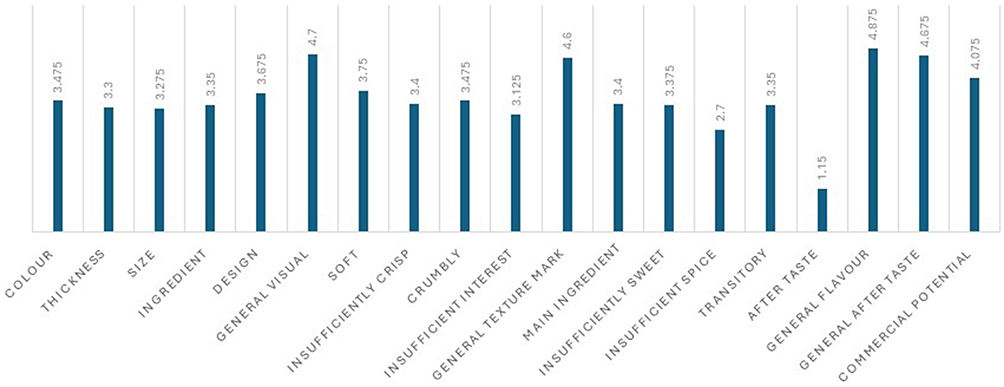 |
Figure 2 Sensory Evaluation – Trial II. |
The advantages of this product are its soft, sweet taste and highly appreciated aftertaste. The disadvantages include a generally weak flavor, a lack of spices, and some texture aspects that still need improvement. Its commercial potential is considered quite high, with a score of 4, so the product has potential for further development with formula improvements, particularly in enhancing the flavor and seasoning.
Comparison of Sensory Evaluation Scores Among Cookie Formulations
The data in Table 2 indicate that some variables are not normally distributed, so the comparison of sensory evaluation scores among cookie formulations used the Kruskal–Wallis test. Table 3 shows that the test used is the Kruskal–Wallis test. The purpose of using the Kruskal–Wallis is to compare more than 2 independent groups. Of the 19 data categories, 5 significant categories were found. Table 2 shows different groups in visual observation that is, color (p=0.034), soft (p=0.015), crumbly (p=0.026), sweet (p=0.049), and general flavor (p=0.024). The Kruskal–Wallis test only indicates whether there is a statistical difference; other tests are needed to identify different groups. The next test used is the Mann–Whitney test. The Mann–Whitney test is used to compare groups 1 and 2, 2 and 3, and 1 and 3.
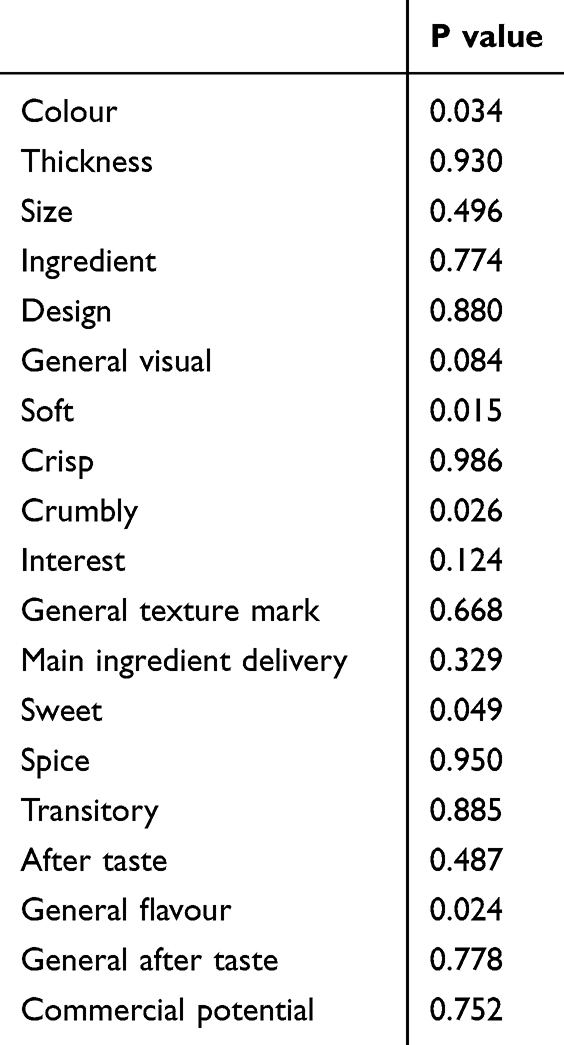 |
Table 3 Significant Differences in Sensory Score Among Cookie Samples |
In Table 4, the results of sensory evaluation showed significant differences among the groups for all assessed parameters (p < 0.05), including color, softness, crumbly texture, sweet and general flavour. Post-hoc analysis indicated that significant differences were consistently observed between group 1 and group 2, as well as between group 2 and group 3 (p < 0.05). In contrast, no significant differences were found between group 1 and group 3 across all parameters. These findings suggest that group 2 exhibited the most distinct sensory characteristics compared to the other groups.
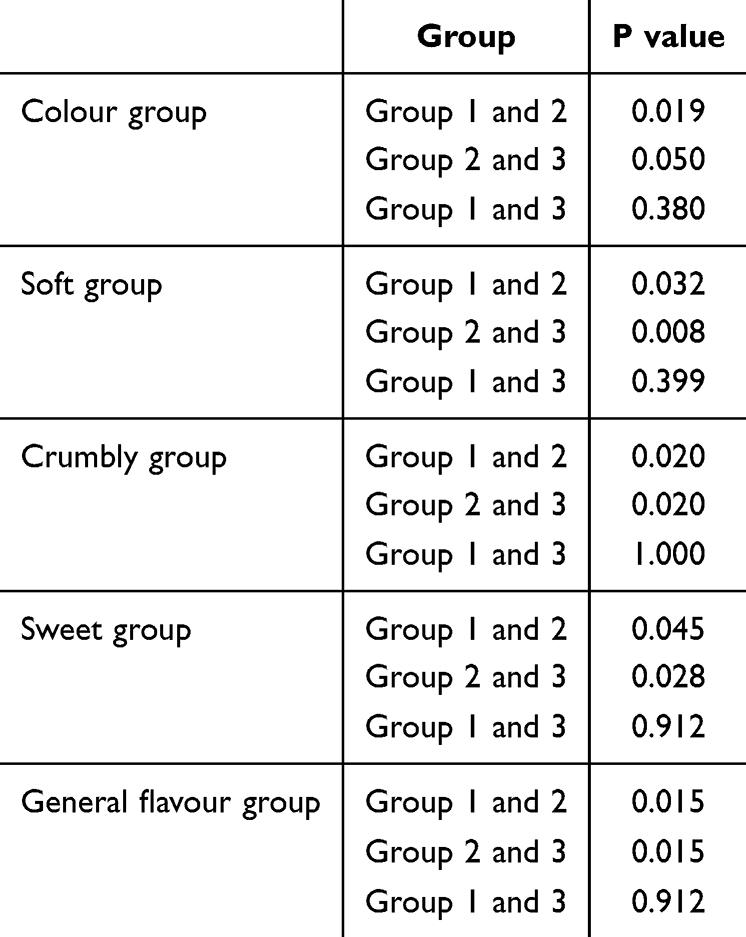 |
Table 4 Significant Differences Among the Groups |
Proximate Composition Analysis
Table 5 presents the proximate composition of the optimized formulation (Sample Group 2) compared to the Recommended Daily Allowances (RDA) for children aged 4–8 years.21 The coefficient of variation (CV) for all measurements was under 5%, indicating high measurement accuracy. Table 5 depicts the macronutrient distribution, indicating that carbs comprise the biggest share (63.03%), followed by fat (22.05%) and protein (9.75%). Figure 3 illustrates the energy distribution, with carbs accounting for 51.6%, fats for 40.6%, and proteins for 7.8% of total energy.
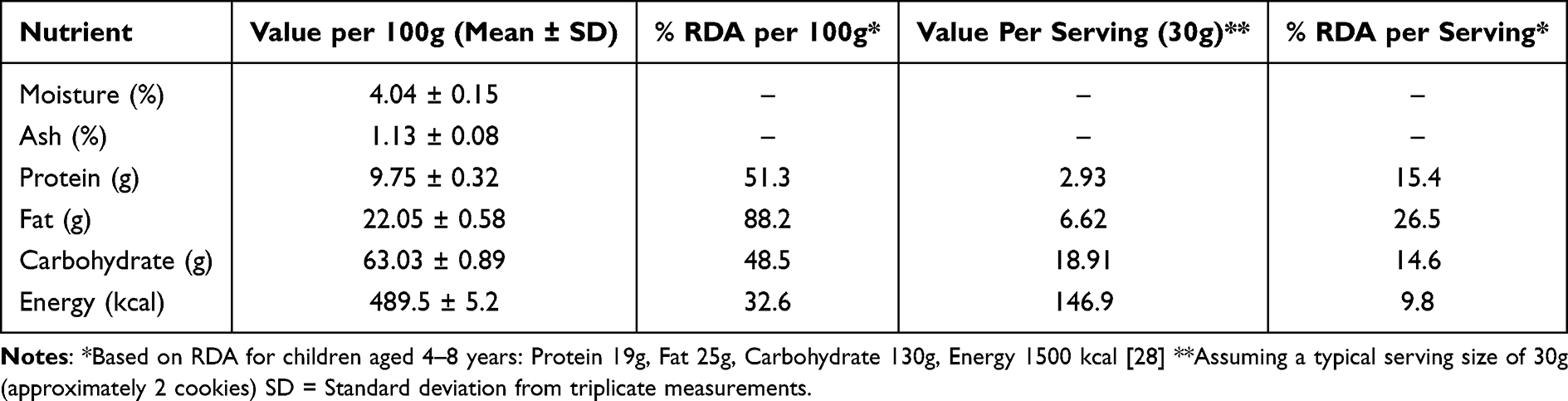 |
Table 5 Proximate Composition of the Optimized Herbal-Fortified Cookie |
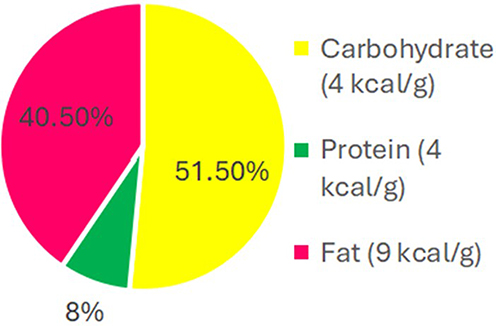 |
Figure 3 Energy distribution. |
Comparison with Traditional Cookies: The protein level of the herbal-fortified cookies (9.75%) is significantly above that of standard commercial cookies (6–8%),22 indicating a 22–63% enhancement. The caloric density (489.5 kcal/100g) was similar to that of regular cookies (450–520 kcal/100g),23 offering concentrated nutrition appropriate for children with heightened energy requirements.
Preliminary Shelf-Life Assessment
Visual observation over 90 days of room temperature storage indicated that the cookies maintained acceptable appearance, color, and texture throughout the assessment period. No visible mold growth or off-odors were detected by any of the three observers. However, this preliminary assessment has significant limitations, as it did not include microbiological testing, moisture content monitoring, lipid oxidation analysis, or sensory evaluation at multiple time points. Therefore, these findings should be interpreted as preliminary only, and comprehensive shelf-life testing is required before commercial application.
Discussion
This proof-of-concept study successfully developed herbal-fortified cookies incorporating five Traditional Chinese Medicine herbs and demonstrated their preliminary sensory acceptability. The optimised formulation achieved acceptable sensory acceptance ratings across multiple attributes. Proximate analysis demonstrated a protein content (9.75%) exceeding that of conventional cookies, combined with acceptable energy density (489.5 kcal/100g) relevant to children with elevated nutritional requirements. These results show the potential of adding herbal ingredients into a familiar meal format while keeping acceptable sensory qualities.
Formulation Optimization and Sensory Acceptability
The three formulations evaluated in Trial I varied principally in sugar and fat content, which greatly altered sensory qualities. Sample Group 2, with moderate sugar (50g) and larger fat content (55g), generated the best mix of sweetness, texture, and flavor. The enhanced fat content likely contributed to better mouthfeel and texture, while moderate sugar levels supplied appropriate sweetness without excessive sweetness that can conceal herbal tastes or raise concerns about sugar consumption in pediatric populations.24
The introduction of vanilla extract in Sample Group 2 may have contributed to enhanced taste acceptance by concealing possible bitter or astringent undertones from the herbal constituents. This conclusion is consistent with prior studies revealing that taste masking agents may greatly increase acceptance of functional meals containing bioactive substances with negative sensory qualities.25,26
The reasonably high acceptance ratings imply that herbal substances may be effectively included in cookies without drastically sacrificing sensory qualities. However, it is crucial to emphasize that acceptance was examined in healthy individuals rather than the intended pediatric group. Future studies must measure acceptability in the target demographic to corroborate these preliminary results.
Nutritional Composition and Potential Benefits
Herbal-fortified cookies demonstrated several nutritionally relevant characteristics according to proximate analysis. The protein content (9.75%) exceeded that reported for conventional commercial cookies (6–8%).22 This higher protein level may be of relevance for children who commonly experience protein-energy insufficiency owing to feeding difficulties, metabolic demands, or medication effects.27,28 For children aged 4–8 years, a 30 g serving (approximately 2 cookies) provides 2.93 g protein, equivalent to 15.4% of the recommended daily allowance. The energy density (489.5 kcal/100g) may support the elevated nutritional requirements of children with increased energy needs. For children with limited physical activity, the relatively high fat content (22.05%) and moderate carbohydrate content (63.03%) should be considered within the context of overall dietary patterns to avoid excessive energy intake.
The low moisture level (4.04%) limits microbiological development and slows chemical degradation processes, improving product stability and shelf life.29 Both conventional and natural substances add minerals to the ash content (1.13%).
Herbal Ingredients: Potential Benefits and Safety Considerations
The prevalence of malnutrition in children with certain neurological conditions has been reported at approximately 40%, underscoring the need for specialised nutritional strategies in this population.22 The five herbs incorporated in this formulation were selected based on traditional use and preclinical evidence of potentially relevant bioactive properties. However, it is critical to emphasize that this study did not evaluate clinical efficacy, and the presence of these herbs in the cookies does not imply any therapeutic benefit for children with neurological disorders.
Several considerations restrict the direct application of preclinical findings to herbal-fortified cookies:
- Dosage: The herbal content in cookies (approximately 0.5g per cookie) is significantly less than in preclinical studies, raising questions about its bioactive efficacy.
- Bioavailability: Differences in bioavailability of herbal compounds may arise from interactions with food matrices, processing methods, and digestion.
- Compound stability: Baking at 180°C could compromise heat-sensitive bioactive compounds, necessitating stability studies for key phytochemicals post-processing.
- Synergistic effects: The combined effect of the five-herb formula lacks systematic evaluation in both preclinical and clinical contexts.
- Safety Considerations: Several safety factors are pertinent to herbal-fortified foods for children:
- Quality control: Rigorous testing for herbal ingredient identity, purity, and contaminants is essential, requiring ongoing batch testing for commercial production.
- Allergenicity: Although selected herbs are not common allergens, individual sensitivities necessitate comprehensive allergen testing and clear labeling.
- Herb-drug interactions: Certain herbal compounds may interact with medications used in children with neurological conditions, necessitating communication with healthcare providers regarding herbal consumption.
- Pediatric dosing: Careful consideration of appropriate dosing for children, especially young or those with compromised health, is critical, with guidelines suggesting a 50–75% reduction from adult doses.
- Long-term safety: Limited long-term safety data on chronic herb consumption in children necessitate monitoring for potential adverse effects in clinical applications.
Practical Considerations for Implementation
If future research and validation support the use of herbal-fortified cookies in pediatric populations, numerous practical aspects would be relevant:
The cost of herbal ingredients may raise manufacturing expenses compared to ordinary cookies. A cost-effectiveness study would be required to assess if the potential nutritional advantages justify the higher expenditure, especially for families with low means. Cookies are a familiar snack type that can be readily adopted into everyday habits. However, portion management is crucial to prevent excessive calorie consumption or displacement of other healthy meals. Recommended serving quantities and frequency should be set based on individual nutritional requirements. Given the herbal composition and potential for interactions, healthcare professional guidance would be suitable for children with neurological conditions, particularly those receiving multiple medications. Regulatory categorization of herbal-fortifid foods differs by jurisdiction. In certain places, items making health claims or containing medicinal plants may need specific permission or labeling.30 Compliance with appropriate food safety and labeling requirements would be needed for commercial production.
Study Limitations
This study has certain major limitations that must be acknowledged:
- Target population mismatch: Sensory assessment was done in healthy persons rather than children with neurological disorders. Children may have various taste preferences, and those with neurological impairments may have altered sensory processing, oral-motor difficulties, or medication-related taste modifications that impact acceptability.31,32 Future studies must evaluate acceptability in the target pediatric population, employing proper ethical safeguards and parental consent protocols.
- Sample size and statistical power: The sample size of 40 participants was decided on practical factors rather than formal power analysis. This sample size may be underpowered to detect modest but major variations among formulations. Larger research with high statistical power are necessary to confirm these preliminary conclusions.
- Lack of clinical results: This study explored sensory attributes and nutritional content but did not assess clinical efficacy, safety, or health consequences. No conclusions can be drawn concerning treatment advantages for children with neurological illnesses. Properly planned clinical trials with suitable outcome measurements (eg., nutritional status, growth parameters, functional outcomes) are important to evaluate clinical value.
- Preliminary shelf-life evaluation: Shelf-life assessment was restricted to visual observation during 30 days. Comprehensive stability testing should include microbiological analysis (total plate count, yeast and mold, pathogens), moisture content monitoring, lipid oxidation measurements (peroxide value, thiobarbituric acid reactive substances), sensory evaluation at multiple time points, and assessment of bioactive compound stability. Accelerated shelf-life testing under varied storage situations (temperature, humidity, light exposure) could also be beneficial.
- Bioavailability and bioactivity: The study did not assess the bioavailability of herbal ingredients from the cookie matrix or their bioactivity after processing. In vitro digestion research and bioavailability studies in animal models or humans would be necessary to determine whether bioactive compounds are absorbed and continue their effect.
- Lack of dose-response evaluation: Only one herbal dosage level was tested. Dose-response studies would be necessary to optimize the balance between potential bioactivity and sensory acceptability.
- Single-center research: The study was conducted at a single site with participants from one geographic region. Cultural and regional differences in taste preferences may restrict generalizability of findings.
- Lack of comparison with commercial products: The study did not explicitly compare the herbal-fortified cookies with existing commercial functional foods or normal cookies in a head-to-head review.
Future Research Directions
Based on the conclusions and limitations of this study, various future research fields are recommended:
- Pediatric acceptability testing: Conduct sensory evaluation in children, including both healthy children and those with neurological conditions, using age-appropriate evaluation procedures (eg., face hedonic scales for younger children).33
- Comprehensive stability testing: Perform comprehensive shelf-life studies encompassing microbiological inquiry, chemical stability assessment, and sensory evaluation at multiple time periods under varied storage situations.
- Bioavailability and bioactivity investigations: Evaluate the bioavailability of key herbal constituents from the cookie matrix employing in vitro digestion models and in vivo studies. Assess whether bioactive compounds keep their activity during processing and digesting.
- Safety assessment: Conduct rigorous safety studies encompassing acute and chronic toxicity testing, analysis of potential herb-drug interactions, and monitoring for adverse effects in pediatric populations.
- Dose optimization: Perform dose-response studies to identify the optimal herbal dosage that balances potential bioactivity with sensory acceptability and safety.
- Future nutritional impact studies: If preliminary safety and bioavailability data are favourable, well-designed studies may be considered to investigate the potential nutritional impact of these cookies in children with neurological conditions. Outcome measures should include nutritional status (anthropometric measurements, biochemical markers), functional outcomes (motor function, cognitive function, quality of life), and safety monitoring.
- Mechanistic investigations: Investigate the mechanisms by which herbal compounds may exert bioactive effects, including anti-inflammatory, antioxidant, and neuroprotective pathways, in appropriate preclinical models.
- Product optimization: Explore alternative formulations (eg., multiple cookie varieties, other food formats) and processing methods to enhance sensory characteristics, nutritional content, and bioactive ingredient retention.
- Economic evaluation: Conduct a cost-effectiveness analysis to evaluate the economic feasibility of herbal-fortified cookies compared to conventional dietary supplementation approaches.
- Long-term acceptability: Evaluate long-term acceptability and compliance in pediatric populations, as initial acceptability may not predict continued intake over time.
Conclusion
This proof-of-concept study demonstrates the technical feasibility of developing herbal-fortified cookies incorporating five Traditional Chinese Medicine herbs (Polygonatum sibiricum, Cornus officinalis, Eucommia ulmoides, Gastrodia elata, and Angelica sinensis) with acceptable sensory qualities and a favourable proximate composition. The optimised formulation achieved acceptable sensory ratings among healthy child participants (flavour intensity acceptability 87.5%, overall commercial acceptability 72.5%) and demonstrated a protein content (9.75%) exceeding that of conventional cookies, alongside an acceptable energy density (489.5 kcal/100g).
These findings indicate the potential of herbal-fortified cookies as a nutrient-dense snack option that warrants further investigation as part of dietary management strategies for children with elevated nutritional requirements. The familiar cookie format may support compliance and provide a vehicle for delivering concentrated nutrients in an acceptable form. However, several important limitations must be acknowledged. First, sensory evaluation was conducted in healthy participants rather than the intended paediatric population, and acceptability in children with neurological conditions remains to be established. Second, this study did not assess clinical efficacy, safety, or health outcomes, and no conclusions regarding potential health benefits can be drawn. Third, the shelf-life assessment was preliminary and requires comprehensive confirmation through microbiological and chemical stability testing. Fourth, the bioavailability and bioactivity of herbal constituents from the cookie matrix have not been established.
Before these herbal-fortified cookies can be considered for any clinical application, several essential steps must be completed: acceptability testing in the target paediatric population with appropriate ethical safeguards, comprehensive safety evaluation including assessment of potential herb-drug interactions and long-term safety in children, bioavailability and bioactivity studies to determine whether herbal compounds are absorbed and retain activity after processing, objective shelf-life testing with microbiological and chemical analysis, and properly designed studies to evaluate the nutritional impact in children with neurological conditions.
In summary, this proof-of-concept investigation provides a preliminary foundation for the development of evidence-based herbal-fortified functional foods. Substantial further research is necessary before any clinical application can be recommended. The results offer a starting point for future research aimed at developing functional food products to support the dietary management of children with neurological conditions.
Acknowledgments
2024 Jiangxi Provincial Key R&D Project: Research on the Design of Appropriate Dosage Forms and Product Improvement for Classic Pediatric Formulas (20243BCC31008) (to LQ); National Natural Science Foundation of China, No. 82060658 (to AMY); Innovative Research Team on Integrated Traditional Chinese and Western Medicine for Prevention and Treatment of Pediatric Institutional-Level Teaching Reform Project, No. 2022jzyx-2 (to AMY).
Disclosure
The authors report no conflicts of interest relating to this study. No commercial relationships, product development interests, patents to herbal ingredients or cookie composition impacted the design, conduct, or reporting of this study.
References
1. Bigliardi B, Galati F. Innovation trends in the food industry: the case of functional foods. Trends Food Sci Technol. 2013;31(2):118–14. doi:10.1016/j.tifs.2013.03.006
2. Siró I, Kápolna E, Kápolna B, Lugasi A. Functional food. Product development, marketing and consumer acceptance—A review. Appetite. 2008;51(3):456–467. doi:10.1016/j.appet.2008.05.060
3. Braegger C, Campoy C, Colomb V, et al. Vitamin D in the healthy European paediatric population. J Pediatr Gastroenterol Nutr. 2013;56(6):692–701. doi:10.1097/MPG.0b013e31828f3c05
4. Çakmakçı S, Polatoğlu B, Çakmakçı R. Foods of the future: challenges, opportunities, trends, and expectations. Foods. 2024;13(17):2663. doi:10.3390/foods13172663
5. Tang JL, Liu BY, Ma KW. Traditional Chinese medicine. Lancet. 2008;372(9654):1938–1940. doi:10.1016/S0140-6736(08)61354-9
6. Chen F, Khan MN, Xie M, Zhang Y, Li L, Dar Farooq A. Polygonatum sibiricum polysaccharides alleviate simulated weightlessness-induced cognitive impairment by gut microbiota modulation and suppression of NLRP3/NF-κB pathways. Nutrients. 2025;17(19): 3157. doi:10.3390/nu17193157
7. Ma D, Wang N, Fan X, et al. Protective effects of cornel iridoid glycoside in rats after traumatic brain injury. Neurochem Res. 2018;43(4):959–971. doi:10.1007/s11064-018-2501-3
8. Zhan HD, Zhou HY, Sui YP, et al. The rhizome of gastrodia elata blume - an ethnopharmacological review. J Ethnopharmacol. 2016;189:361–385. doi:10.1016/j.jep.2016.06.057
9. McClements DJ, Li F, Xiao H. The nutraceutical bioavailability classification scheme: classifying nutraceuticals according to factors limiting their oral bioavailability. Annu Rev Food Sci Technol. 2015;6:299–327. doi:10.1146/annurev-food-032814-014043
10. Ernst E, Thompson Coon J. Heavy metals in traditional Chinese medicines: a systematic review. Clin Pharmacol Ther. 2001;70(6):497–504. doi:10.1067/mcp.2001.120249
11. Posadzki P, Watson L, Ernst E. Contamination and adulteration of herbal medicinal products (HMPs): an overview of systematic reviews. Eur J Clin Pharmacol. 2013;69(3):295–307. doi:10.1007/s00228-012-1353-z
12. Izzo AA, Ernst E. Interactions between herbal medicines and prescribed drugs: an updated systematic review. Drugs. 2009;69(13):1777–1798. doi:10.2165/11317010-000000000-00000
13. Gardiner P, Kemper KJ, Legedza A, Phillips RS. Factors associated with herb and dietary supplement use by young adults in the United States. BMC Complement Altern Med. 2007;7:39. doi:10.1186/1472-6882-7-39
14. Drewnowski A, Gomez-Carneros C. Bitter taste, phytonutrients, and the consumer: a review. Am J Clin Nutr. 2000;72(6):1424–1435. doi:10.1093/ajcn/72.6.1424
15. Marquardt P, Kaft K, Nieber K. Clinical trials with herbal medicinal products in children: a literature analysis. Wien Med Wochenschr. 2015;165(11–12):236–242. doi:10.1007/s10354-015-0373-6
16. Yao Y, Zhang X, Wang Z, et al. Deciphering the combination principles of traditional Chinese medicine from a systems pharmacology perspective based on ma-huang decoction. J Ethnopharmacol. 2013;150(2):619–638. doi:10.1016/j.jep.2013.09.018
17. Antonenko A, Bosak Y, Goloburda M, Dmitruk K, Kazakevich S, Karpenko A. The Technology of Functional Bakery Cookies with Fructose and Food Fibers. Tehnologìâ Virobnictva Ì Pererobki Produktìv Tvarinnictva. 2021:143–151. doi:10.33245/2310-9289-2021-164-1-143-151
18. Manley D. Manley’s Technology of Biscuits, Crackers and Cookies.
19. Official methods of analysis, 22nd edition (2023). AOAC INTERNATIONAL. Available from: https://www.aoac.org/official-methods-of-analysis/.
20. Stone H, Bleibaum RN, Thomas HA. Sensory Evaluation Practices, 4th Ed. Elsevier Academic Press; 2012:438.
21. Trumbo P, Schlicker S, Yates AA, Poos M. Food and nutrition board of the institute of medicine, the national academies. dietary reference intakes for energy, carbohydrate, fiber, fat, fatty acids, cholesterol, protein and amino acids. J Am Diet Assoc. 2002;102(11):1621–1630. doi:10.1016/s0002-8223(02)90346-9
22. Silva G, Freitas W, Monteiro J, Souza É, Costa N, Neto J. Biscoitos Tipo Cookies com Adição Farinha de Palma e Moringa. Revista de Gestão e Secretariado. 2025;16:e5254. doi:10.7769/gesec.v16i10.5254
23. Sudha ML, Vetrimani R, Leelavathi K. Influence of fibre from different cereals on the rheological characteristics of wheat flour dough and on biscuit quality. Food Chem. 2007;100(4):1365–1370. doi:10.1016/j.foodchem.2005.12.013
24. Vos MB, Kaar JL, Welsh JA, et al. Added sugars and cardiovascular disease risk in children: a scientific statement from the American Heart Association. Circulation. 2017;135(19):e1017–e1034. doi:10.1161/CIR.0000000000000439
25. Singh R, Yadav K, Yadav D. Basics of Flavors and the Significance of the Flavor Industry in Relation to Nutraceuticals and Functional Foods. In: Flavor Development for Functional Foods and Nutraceuticals. CRC Press;2019:21–37. doi:10.1201/9780429470592-2
26. Goldberg E, Grant J, Aliani M, Eskin MNA. Methods for removing bitterness in functional foods and nutraceuticals. In: Bitterness. John Wiley & Sons, Ltd; 2017:209–237. doi:10.1002/9781118590263.ch10
27. Hillesund E, Skranes J, Trygg KU, Bøhmer T. Micronutrient status in children with cerebral palsy. Acta Paediatr. 2007;96(8):1195–1198. doi:10.1111/j.1651-2227.2007.00354.x
28. Samson-Fang L, Bell KL. Assessment of growth and nutrition in children with cerebral palsy. Eur J Clin Nutr. 2013;67:S5–8. doi:10.1038/ejcn.2013.223
29. Labuza T, Altunakar L. Water Activity Prediction and Moisture Sorption Isotherms. In: Water Activity in Foods: Fundamentals and Applications; 2008:109–154. doi:10.1002/9780470376454.ch5
30. Gilsenan MB. Nutrition & health claims in the European Union: a regulatory overview. Trends Food Sci Technol. 2011;22(10):536–542. doi:10.1016/j.tifs.2011.03.004
31. Cermak SA, Curtin C, Bandini LG. Food selectivity and sensory sensitivity in children with autism spectrum disorders. J Am Diet Assoc. 2010;110(2):238–246. doi:10.1016/j.jada.2009.10.032
32. Dovey TM, Staples PA, Gibson EL, Halford JCG. Food neophobia and “picky/fussy” eating in children: a review. Appetite. 2008;50(2–3):181–193. doi:10.1016/j.appet.2007.09.009
33. Chen AW, Resurreccion AVA, Paguio LP. Age appropriate hedonic scales to measure food preferences of young children. J Sens Stud. 2007;11:141–163. doi:10.1111/j.1745-459X.1996.tb00038.x
 © 2026 The Author(s). This work is published and licensed by Dove Medical Press Limited. The
full terms of this license are available at https://www.dovepress.com/terms
and incorporate the Creative Commons Attribution
- Non Commercial (unported, 4.0) License.
By accessing the work you hereby accept the Terms. Non-commercial uses of the work are permitted
without any further permission from Dove Medical Press Limited, provided the work is properly
attributed. For permission for commercial use of this work, please see paragraphs 4.2 and 5 of our Terms.
© 2026 The Author(s). This work is published and licensed by Dove Medical Press Limited. The
full terms of this license are available at https://www.dovepress.com/terms
and incorporate the Creative Commons Attribution
- Non Commercial (unported, 4.0) License.
By accessing the work you hereby accept the Terms. Non-commercial uses of the work are permitted
without any further permission from Dove Medical Press Limited, provided the work is properly
attributed. For permission for commercial use of this work, please see paragraphs 4.2 and 5 of our Terms.