
Back to Journals » International Journal of Women's Health » Volume 17
Traditional Nutritional Beliefs and Practices Among Mothers in Riyadh During the Puerperal Period: a Cross-Sectional Study
Authors Alhashem AM  , Alrasheed FA, Alwallan LK, Almutairi MF, Bin khathran YM, Alenzi YA, Aldahash RA
Received 25 June 2024
Accepted for publication 20 March 2025
Published 26 March 2025 Volume 2025:17 Pages 913—922
DOI https://doi.org/10.2147/IJWH.S484271
Checked for plagiarism Yes
Review by Single anonymous peer review
Peer reviewer comments 2
Editor who approved publication: Dr Marleen van Gelder
Anwar M Alhashem, Fay A Alrasheed, Latifa K Alwallan, Maram F Almutairi, Yara M Bin Khathran, Yasmeen A Alenzi, Rehab A Aldahash
Department of Health Sciences, College of Health and Rehabilitation Sciences, Princess Nourah bint Abdulrahman University, Riyadh, Kingdom of Saudi Arabia
Correspondence: Rehab A Aldahash, Department of Health Sciences, College of Health and Rehabilitation Sciences, Princess Nourah bint Abdulrahman University, P.O. Box 84428, Riyadh, 11671, Kingdom of Saudi Arabia, Tel +966 505475835, Email [email protected]
Purpose: During the postpartum period, women undergo physical, social, and emotional changes, with misconceptions regarding postpartum nutrition resulting in high neonatal mortality rates. Traditional nutritional beliefs and practices during pregnancy, childbirth, and postnatal care differ among cultures. We assessed nutritional beliefs and practices among mothers during the puerperal period.
Patients and Methods: This descriptive cross-sectional study was conducted from October 2021 to April 2022 using an online survey questionnaire regarding beliefs and practices on nutrition during the puerperal period with a sample of 381 mothers. Descriptive statistics were used to report sociodemographic characteristics and nutritional beliefs and practices. ANOVA and two-sample independent t-test were used to analyze nutritional practices by sociodemographic factors. Simple linear regression was used to predict age-based nutritional beliefs and practices. Pearson correlation was used to compare nutritional beliefs and practices.
Results: Mothers did not avoid food and water after normal delivery. Many preferred Arabic coffee and peel. Age predicted the total scores of nutritional beliefs and practices, with a positive correlation between nutritional beliefs and practices. New mothers followed certain nutritional customs, such as consuming herbs postpartum. Mothers who had only completed high school or less obtained higher scores on nutritional belief evaluations, and those with ≥ 5 children displayed a greater number of nutritional beliefs. Those who delivered their first and second children naturally prioritized their dietary habits more than those who had a cesarean delivery.
Conclusion: The findings suggest complex relationships among various factors and postpartum dietary choices.
Keywords: postpartum, nutrition, beliefs, practices
Graphical Abstract:

Introduction
The period after childbirth, known as the postpartum period, typically lasts for 6–8 weeks until a woman’s body returns to its pre-pregnancy state.1 During this time, a woman may experience physical, social, and emotional changes.2,3 Unfortunately, misconceptions during this period can lead to high neonatal death rates.4 Traditional nutritional beliefs and practices during pregnancy, birth, and postnatal care vary across different cultures worldwide.5 For instance, mothers in Thailand and Turkey avoid drinking cold water postpartum and instead opt for warm water, which they believe stimulates breast milk production.6,7 In China, women avoid sour and spicy foods, and some even avoid roselle and cucumber because they believe that cold food causes abdominal pain for themselves and their newborns.8 There was a belief during this period that encouraging mothers in Turkey to consume sweet foods would enhance breast milk production.9 In Asia, restrictions on practices during the puerperium period are significant contributors to the reduction of nutrients in a mother’s breast milk.10
In Saudi Arabia, mothers follow specific cultural practices and beliefs after childbirth. These practices pertain to certain types of foods and lifestyles.9 Saudi Arabian women adhere to a strict postpartum diet with specific food restrictions such as consuming more meat, dates, and hot soup while avoiding cold drinks or food, which are thought to cause harm. This practice, although culturally ingrained, does not align with the nutritional needs of a postpartum mother, potentially leading to imbalances that could affect recovery and breastfeeding efficacy.11,12 Erica and Asida are traditional Saudi dishes composed of a mixture of flour, typically whole wheat, combined with water, dates or date molasses, honey and butter, stirred until they attain a thick, smooth consistency, served as a breakfast or comfort food throughout the day. Some women who live in Makkah avoid drinking water owing to fear of water retention in their bodies.12 It is also common for mothers to avoid drinking water for 2 to 3 days after delivery, this severe dehydration can lead to further health complications.7 Moreover, these women imbibe extracts of certain types of herbs, with the most commonly used being Al-Majeeb, anise and fenugreek, is aimed at enhancing recovery and milk production but needs to be evaluated for efficacy and safety.13 The current status of the practice of these dietary traditions and restrictions remains unclear.6 National studies are important to assess the magnitude of nutritional problems and related social and cultural factors during the puerperal period, as traditional practices and beliefs pertaining to the puerperium can have lasting impacts on a woman’s health.
Studies have shown that the nutritional status of pregnant and postpartum women in Saudi Arabia often does not meet recommended levels, particularly in essential nutrients like iron, calcium, and vitamins.5 A key issue is iron deficiency anemia, exacerbated by dietary restrictions limiting iron-rich food intake during pregnancy and postpartum.5 This deficiency can impact maternal health and negatively affect newborns.5 For example, research in Hail, Saudi Arabia, revealed a high prevalence of iron deficiency anemia among pregnant women, with factors such as poor dietary iron intake and local dietary habits that hinder iron absorption, like high tea consumption, playing a significant role.5
Little is known about the specific nutritional beliefs and practices of mothers during the postpartum period, particularly in diverse cultural contexts like that of Saudi Arabia. To address this gap, this study aimed to assess nutritional beliefs and practices among mothers during the puerperal period in Riyadh, Saudi Arabia, and identify the relationship between these beliefs and practices. The hypothesis was that there is a significant relationship between the nutritional practices and beliefs of mothers during the postpartum period in Riyadh, Saudi Arabia. We hope that this study will enhance research knowledge regarding the nutritional beliefs and practices of Saudi Arabian mothers and provide a guideline on how to improve their nutritional beliefs as well as practices.
Materials and Methods
A descriptive cross-sectional study design was conducted from October 2021 to April 2022. This study was conducted in accordance with the principles of the Declaration of Helsinki. Ethical approval was obtained from the IRB of Princess Nourah Bint Abdulrahman University (Approval# HAP-01-R-059; Approved on January 25, 2022). Mothers were recruited using a non-probability sampling technique. An online questionnaire was created in Google Forms and distributed via WhatsApp and Twitter. The study population included 385 Saudi mothers with live births and the youngest child no older than 5 years from the total study population (more than 10,000) to emphasize the response rate and show variation in beliefs among samples. The sample size was calculated through the n4studies application (Chetta Ngamjarus, Virasakdi Chongsuvivatwong). The prevalence of postpartum traditional nutrition practices of 25% was based on a previous study.6 The degree of accuracy was 0.05, and the confidence level was 95%.
In the two-part questionnaire, the first section included 8 questions on sociodemographic characteristics: the mother’s age, age at marriage, monthly income, number of children, the family she lived with puerperally, type of delivery, education, and traditions. Section 2 comprised 13 questions about puerperal nutrition traditions, which were adapted and built upon the articles by Hafez et al and Lamadah.10,11 Nutritional belief items were assessed using a 5-point Likert scale.5 Nutritional practice questions were rated on a 3-point Likert scale and using one open-ended question. Five specialists assessed face and content validity. The questionnaire was translated from English to Arabic, back translated, and reviewed by a multilingual expert. The questionnaire was piloted among 20 mothers to assess reliability and applicability. One question was changed after the results of the pilot survey. The responses were analyzed; however, only two responses from participants outside the target cultural context or lacking a tradition-based belief source were omitted to maintain focus on Saudi-based cultural practices. The result of Cronbach’s alpha test for reliability was 0.68 and 0.81 for nutritional beliefs and behaviors, respectively. Data were processed using JMP 16.1 (JMP®, Version <16.1>. SAS Institute Inc., Cary, NC, USA). Descriptive statistics were used to report sociodemographic characteristics and nutritional beliefs and practices. ANOVA and two-sample independent t-test were used to analyze nutritional practices by sociodemographic factors. Simple linear regression was used to predict age-based nutritional beliefs and practices. Pearson correlation was used to compare nutritional beliefs and practices. P < 0.05 was set as the significance cutoff.
Results
A significant portion of mothers (51.1%) were aged 31–40 (Table 1). The largest income group (34.6%) earned 9000–14,000 SAR, and most (68.0%) held a bachelor’s degree. The majority (40.4%) married between 21 and 24 years old and had 3–4 children (41.5%). Normal delivery was common: 78.5% for the first child, 78.7% for the second, 80.7% for the third, 76.8% for the fourth, and 72.5% for the fifth. Postpartum, most mothers (72.2%) lived with extended family. Notably, 72.2% of mothers with traditional beliefs were from the central province.
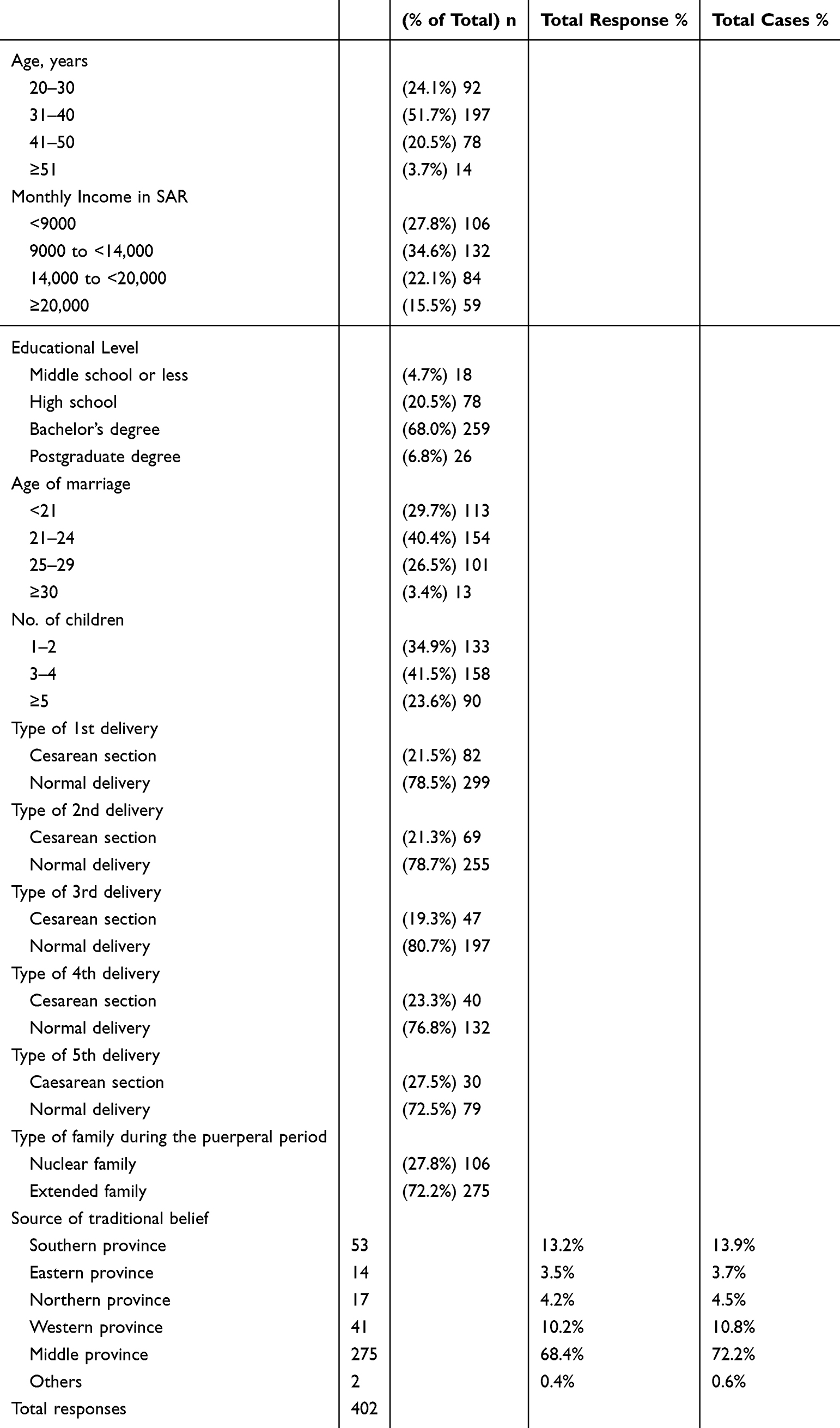 |
Table 1 Sociodemographic Characteristics of the Study Cohort (N = 381) |
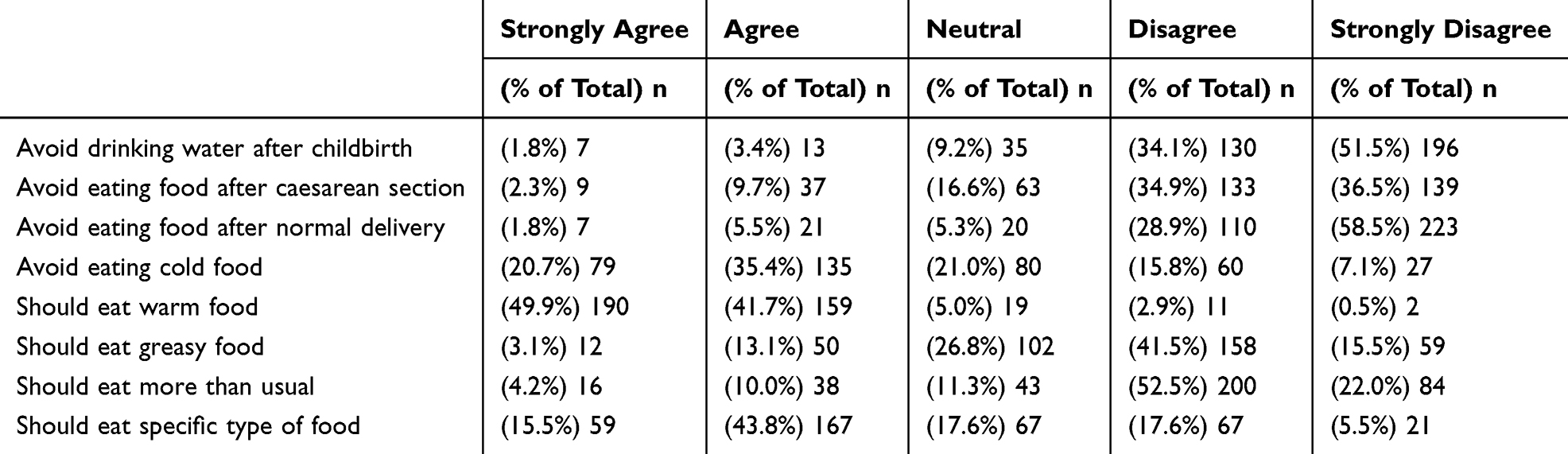 |
Table 2 Nutrition Beliefs of Avoided Food During the Puerperium |
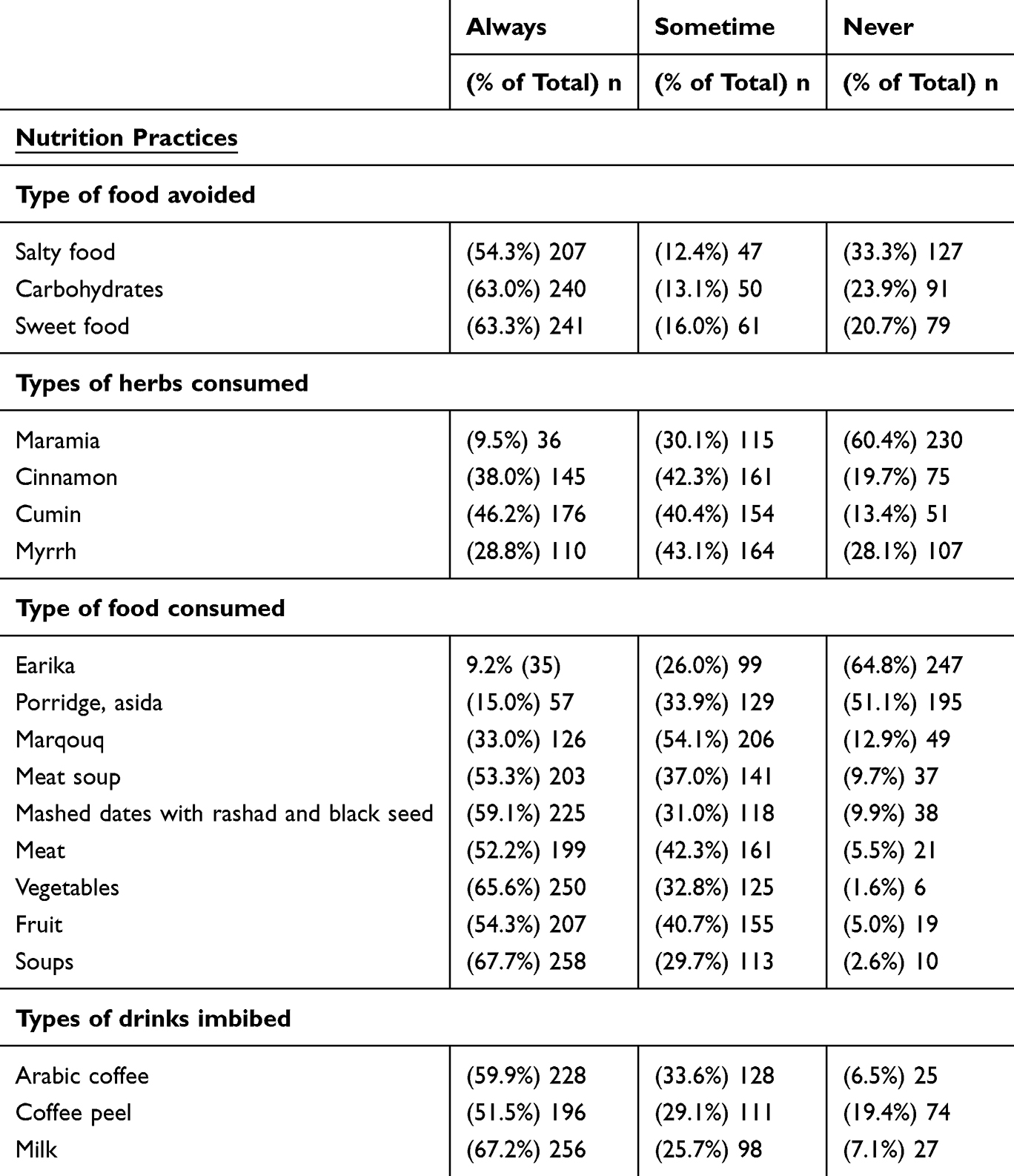 |
Table 3 Nutrition Practices During the Puerperal Period |
Table 2 presents mothers’ nutritional beliefs during the puerperal period. Most disagreed with avoiding water (51.5%) and food (58.5%) after normal delivery. Common dietary beliefs included avoiding cold food (35.4%), favoring warm food (49.9%), avoiding greasy food (41.47%), and limiting overall intake (52.5%). Additionally, 43.8% endorsed specific postpartum foods.
Regional differences were significant. Agreement with “Avoid drinking water after birth” was highest in the Southern Region (35%) (χ² = 42.5, p = 0.001), while 61% of Central Region mothers strongly rejected “Avoid eating food after normal delivery” (χ² = 58.7, p < 0.001). The belief in eating warm food was widely supported, especially in the Central Region (86%) (χ² = 29.1, p = 0.004). Avoiding cold food was most common in the Northern (30%) and Southern (20%) regions (χ² = 38.4, p = 0.002). The Eastern Region had more neutral responses to “Avoid eating after cesarean” (30% unsure) (χ² = 26.5, p = 0.01). Disagreement with “Should eat greasy food” was strongest in the Central and Southern Regions (~50%) (χ² = 33.7, p = 0.003).
Table 3 presents mothers’ nutritional practices during the puerperal period. Most avoided carbohydrates, salty, and sweet foods. Herbal consumption varied: 60.7% never consumed maramia, while 42.3% occasionally had cinnamon, and 43.1% sometimes consumed myrrh. About 65% never ate earika, and 51.2% avoided porridge (asida). Meat soup was a staple for 53.3%, while 59.1% favored mashed dates with rashad and black seed. Vegetables (65.6%) and fruits (54.3%) were widely consumed. Arabic coffee was popular (59.8%), and 51.5% regularly drank coffee peel.
Table 4 compares nutritional belief scores across income, education, and family size. Income groups showed significant differences (ANOVA: F = 5.1760, P = 0.0016). Educational levels also varied significantly (ANOVA: F = 8.6486, P ≤ 0.001). Mothers with more than five children had higher nutritional belief scores than those with fewer (ANOVA: F = 5.4041, P = 0.0049). Table 5 shows that mothers who had normal deliveries for their first or second child exhibited better nutritional practices than those with cesarean sections, a trend also observed in third childbirths (t = −2.28584, t = −2.17207, P < 0.05). Nutritional practices also varied by family type, with mothers in nuclear families scoring higher than those in extended families (t = 2.63281, P < 0.05). Table 6 presents regression analyses predicting nutritional beliefs and practices based on age. Both models were significant (beliefs: P = 0.0033, R² = 0.0225; practices: P = 0.0014, R² = 0.0267), indicating age as a predictor. A moderate positive correlation was found between nutritional beliefs and practices (r = 0.3920, P ≤ 0.001).
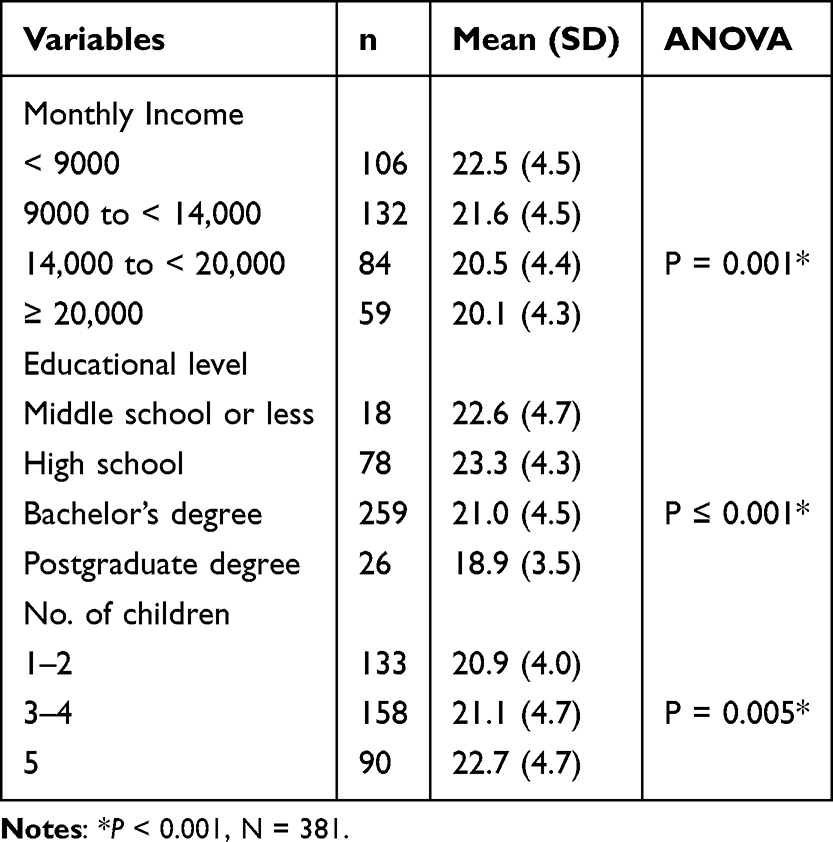 |
Table 4 Comparison of the Mean Total Score of Nutrition Beliefs by the Sociodemographic Level |
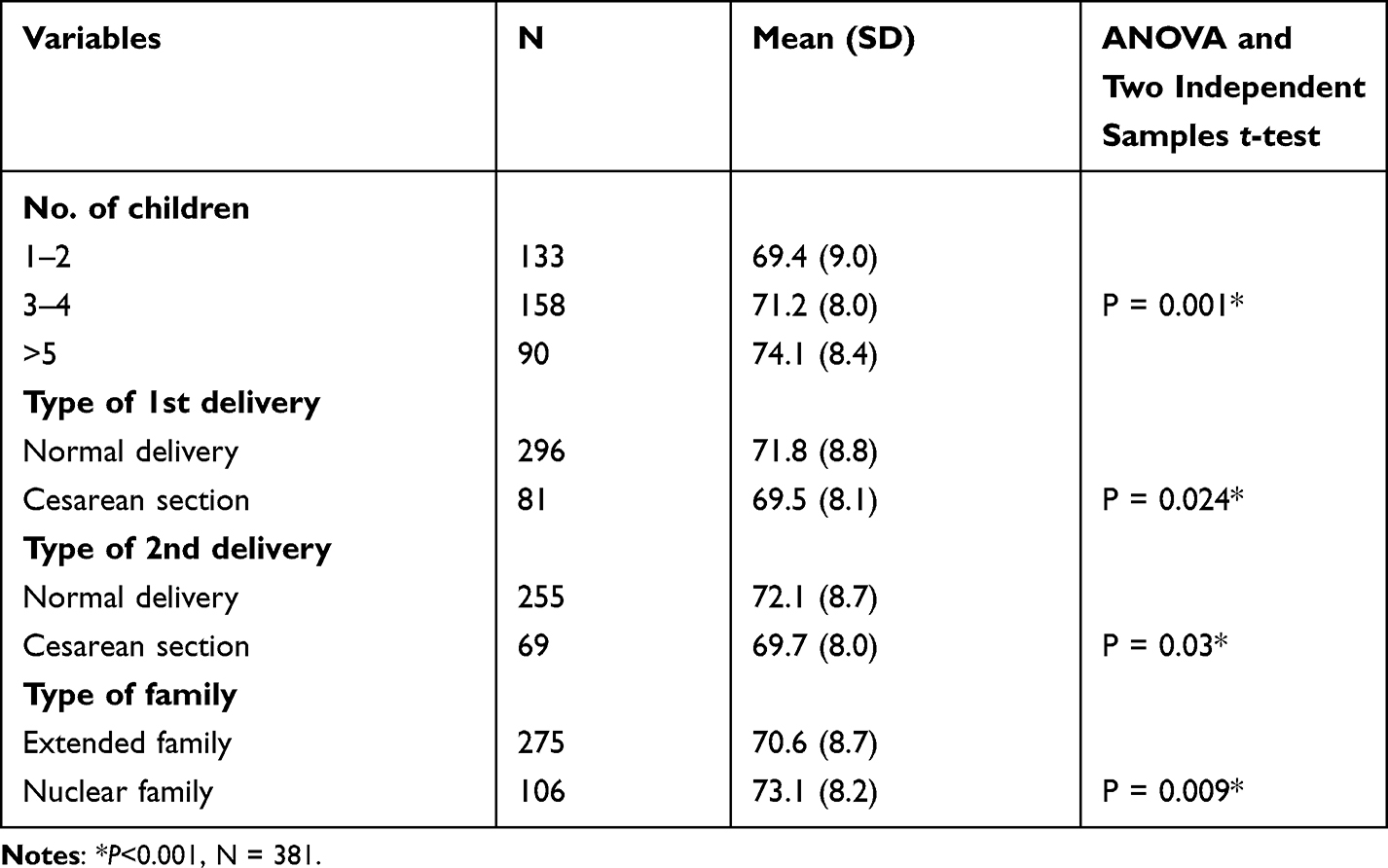 |
Table 5 Comparison of the Mean Total Score of Nutrition Practices by the Sociodemographic Level |
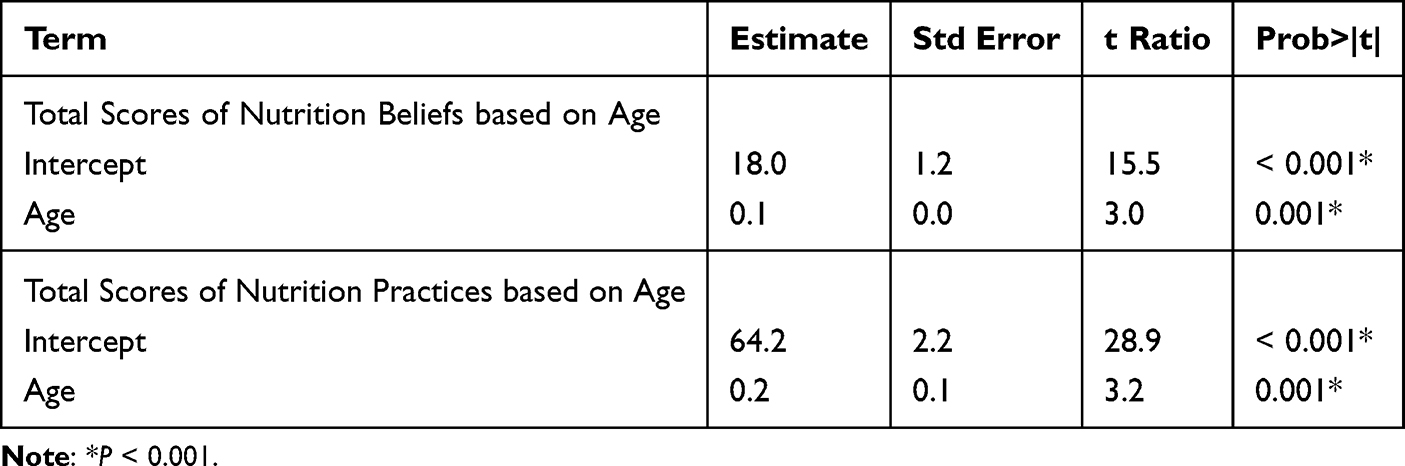 |
Table 6 Simple Linear Regression for Age-Stratified Prediction of the Total Scores of Nutrition Beliefs and Practices |
Discussion
Nutrition Beliefs During the Puerperal Period
The study examined beliefs surrounding nutrition during the postpartum period. More than half the respondents strongly disagreed with the notion that new mothers should avoid drinking water after giving birth. This aligns with the results of a similar study conducted in Turkey, where the majority of mothers did not limit their water intake after delivery.7 This belief stems from the fact that dehydration is common after childbirth and consuming fluids can aid in maintaining proper hydration levels and easing constipation.
When it came to food avoidance, less than half the respondents strongly disagreed with the idea that mothers should avoid eating after a cesarean section. Similarly, a study in Turkey found that most mothers did not restrict their food intake after a cesarean section.7 This belief can be attributed to the notion that food helps maintain hemoglobin levels and replenishes the blood lost during childbirth. Furthermore, food can enhance the immune system. More than half the respondents in the current study strongly opposed the idea that mothers should avoid eating after a natural delivery. This could be explained by the belief that food is essential for milk production during breastfeeding and maintaining the mother’s strength. These findings mirror practices observed in other parts of Asia, such as India and Vietnam, where mothers emphasize specific nutrient-rich diets to support breastfeeding and recovery.14
The preference for warm foods during the postpartum period was supported by half of the respondents, echoing findings from Malaysia and Thailand, where warm foods and drinks are believed to cleanse the uterus and alleviate postpartum pain.8 These cultural preferences are often influenced by traditional medicine systems, such as Ayurveda in India and herbal medicine in Southeast Asia, which emphasize balancing bodily energies.14 Similarly, in Vietnam, mothers traditionally avoid cold and raw foods postpartum due to fears of abdominal pain and delayed recovery, a belief that resonates with practices in Saudi Arabia’s Northern and Southern Regions.10
Nearly half the respondents agreed that mothers should consume specific types of food during the postpartum period. Similarly, a study in Mecca found that over three-quarters of mothers consumed specific foods during this time.13 This belief may be rooted in the fact that, during pregnancy, the mother’s health is expended for the benefit of the fetus. Therefore, after giving birth, the mother may seek to replenish what was lost during pregnancy with foods and drinks that she deems helpful or restorative.
However, significant geographical differences were found in mothers’ traditional nutritional beliefs during the postpartum period. In the Southern Region, for example, the belief “Avoid drinking water after birth” was more widespread, likely due to deeply ingrained social norms and practices passed down through generations. In contrast, mothers in the Central Region were more likely to disagree with the belief “Avoid eating food after normal delivery”, which may be attributed to their greater exposure to modern health education and medical advice. Additionally, the Central Region showed the strongest support for the widely accepted idea that “one should eat warm food”, likely because of a shared cultural belief that warm foods aid in healing and restore energy. On the other hand, the Northern and Southern Regions showed a stronger preference for avoiding cold foods, which may have been influenced by traditional beliefs from neighboring countries, such as Jordan and Yemen, where cold foods are thought to hinder recovery.15 The Eastern Region, however, exhibited predominantly neutral responses, suggesting a more flexible or contemporary approach to these practices. Opposition to the idea of “Should eat greasy food” was particularly strong in the Central and Southern Regions, likely reflecting a growing awareness of the negative health impacts of fatty foods. These patterns are consistent with the findings of Hafez & Yakout, who observed similar postpartum practices among Saudi women, including the avoidance of cold foods and the preference for warm meals for recovery.5 Overall, these findings highlight the significant role of cultural traditions and health education in shaping postpartum dietary beliefs, reinforcing the need for health interventions that recognize and adapt to regional differences.
Nutrition Practices During Puerperal Period
The study revealed that more than half the mothers increased their intake of traditional foods such as marqouq, dates with rashad, and black seed during the postpartum period. Middle province mothers preferred porridge, whereas only a quarter consumed Earika, a common traditional food in the south region. These results could be explained by the sociodemographic characteristics of the cohort, showing that the sources of traditional beliefs differ from one to the other and affect their nutritional practices during the puerperal period.
Nonetheless, all mothers in the study avoided certain types of food, such as salty, spicy, fried, canned, and sweet foods. This is consistent with other results of studies conducted in northern Lao PDR and Saudi Arabia where the majority of mothers restricted specific types of food during the postpartum period.5,14 These findings could be attributed to the effect of the surrounding environment, such as the influence of mothers and mothers-in-law, avoidance of infections, and fear of weight gain.
This study showed that more than half the mothers had adequate fluid intake, such as soups, milk, laban (fermented milk drink), fresh juice, and water during their puerperium. In Thailand, traditional postpartum practices include consuming warm herbal drinks and avoiding cold drinks to balance the body’s internal energy, which aligns with similar beliefs observed in the Southern and Northern Regions of Saudi Arabia. Thai mothers also focus on consuming specific drinks believed to promote healing and milk production, such as ginger and turmeric.5 The results of good consumption of fluid is align with the advice of the Saudi Ministry of Health. However, around half the mothers consumed Arabic coffee and coffee peel daily, which contradicts the Ministry of Health’s instructions that nursing mothers should not consume more than 300 mg per day as it may negatively affect the health of the mother and her baby. The consumption of Arabic coffee and coffee peel is likely tied to long-standing cultural traditions. Many mothers believe that coffee peel helps cleanse the body and aids digestion, reflecting deeply rooted practices passed down through generations.4,9 Family members, particularly mothers and mothers-in-law, often play a key role in encouraging these traditions, likely because they are trusted sources of postpartum advice.16 Some mothers may also perceive coffee peel as a gentler or safer alternative to regular coffee, which aligns with their desire to regain energy while recovering.16 Additionally, coffee peel is widely accessible, affordable, and culturally symbolic, making it an appealing choice during this time.16
A lack of awareness or misunderstandings about the MoH’s recommendations may also explain why some mothers continue to rely on these practices. While this study did not assess the reasons behind these behaviors in depth, future research could explore the cultural and personal motivations that influence postpartum dietary choices. Understanding these factors could help design health education campaigns that respect traditional practices while bridging gaps in knowledge.
Nutrition Beliefs and Practices by Sociodemographic During Puerperium
The study concluded that mothers who had only completed high school, middle school, or less scored higher on nutritional belief assessments. Similarly, a study conducted in Makkah found that mothers with primary, middle, and secondary education had negative beliefs.12 This could be attributed to the fact that mothers with lower education levels may be more likely to follow the beliefs and practices of their mother and mother-in-law without considering whether these are beneficial or not. Furthermore, it was observed that mothers with five or more children had more nutritional beliefs, which may be owing to their increased awareness and concern for their children’s health and nutrition as a result of past experiences.
According to research, mothers who gave birth naturally for their first and second children tend to prioritize their nutrition more than those who had a cesarean delivery. This could be owing to their focus on consuming healthy foods and warm beverages to detoxify their uterus. Conversely, during a cesarean section, the uterus is cleansed during the surgery, thereby eliminating all toxins. The gathered information indicates that mothers residing in a nuclear family tend to have better nutritional practices than those in extended families. This could be attributed to the advancements in technology and the convenience of communication. Mothers in nuclear families can easily access expert advice and information from doctors via social media or reputable websites.
Limitations
This study’s generalizability is limited by its non-probability sampling technique, specifically relying on volunteer participation from one Riyadh hospital. This may not represent the diverse socioeconomic and cultural backgrounds of all mothers in the city. Additionally, the use of self-reported data through surveys introduces potential inaccuracies due to self-reporting (eg, memory limitations, social desirability concerns), potentially misrepresenting the prevalence or details of certain beliefs or practices. The short duration of 1 month also restricted our ability to capture the long-term effects of nutritional beliefs and practices on mothers’ health.
Conclusion
Our study provides valuable insights into the nutritional beliefs and practices of mothers in Riyadh during the puerperal period, revealing variations influenced by educational levels and number of children. However, the absence of data on antenatal or postnatal nutritional follow-up and health education in maternal care services indicates a gap in our understanding of how these services impact maternal nutrition. Additionally, the relationship between breastfeeding practices and maternal nutrition during the puerperium remains unexplored in our study, which could significantly affect dietary choices during this critical period.
To build on the foundational knowledge provided by this research, we recommend further studies with more comprehensive methodologies. Future research should incorporate longitudinal designs and objective nutritional assessments to better understand the dynamic interplay between cultural beliefs and actual nutritional outcomes. It is also vital to integrate data on maternal health services’ role in educating and supporting mothers, which could provide critical insights into improving postpartum care.
Ultimately, this research underscores the need for culturally sensitive educational programs that address and correct misconceptions about maternal nutrition. Collaborations with community leaders and health educators are essential to promote healthful practices among mothers. By bridging the gap between research findings and practical applications, we can ensure that evidence-based interventions reach those in need, fostering a healthier future generation.
This refined focus not only responds directly to gaps identified by our initial findings but also aligns with broader health objectives, empowering mothers with the knowledge and support necessary to make informed dietary choices during the puerperal period.
Institutional Review Board Statement
The study was approved by the Institutional Review Board of Princess Nourah bint Abdulrahman University on January 25, 2022 (Approval# HAP-01-R-059; IRB Log Number: 22-0028).
Data Sharing Statement
The datasets generated and analyzed during the current study are available from the corresponding author on reasonable request.
Patient Consent
Informed consent was obtained from all participants involved in the study.
Acknowledgment
The authors thank all the participants for their valuable participation.
Author Contributions
All authors made a significant contribution to the work reported, whether that is in the conception, study design, execution, acquisition of data, analysis and interpretation, or in all these areas; took part in drafting, revising or critically reviewing the article; gave final approval of the version to be published; have agreed on the journal to which the article has been submitted; and agree to be accountable for all aspects of the work.
Funding
This research was funded by Princess Nourah bint Abdulrahman University Researchers Supporting Project number (PNURSP2025R533), Princess Nourah bint Abdulrahman University, Riyadh, Saudi Arabia.
Disclosure
The authors report no conflicts of interest in this work.
References
1. Abdul Ghani RA, Salehudin S. Traditional belief and practice on postpartum recovery among mothers in East Coast of Peninsular Malaysia. MATEC Web Conf. 2018;150:5067. doi:10.1051/matecconf/201815005067
2. Altuntuğ K, Anık Y, Ege E. Traditional practices of mothers in the postpartum period: evidence from Turkey. Afr J Reprod Health. 2018;22:94–102. doi:10.29063/ajrh2018/v22i1.9
3. Artal R, O’Toole M. Guidelines of the American College of Obstetricians and Gynecologists for exercise during pregnancy and the postpartum period. Br J Sports Med. 2003;37:6–12. doi:10.1136/bjsm.37.1.6
4. Barennes H, Simmala C, Odermatt P, et al. Postpartum traditions and nutrition practices among urban Lao women and their infants in Vientiane, Lao PDR. Eur J Clin Nutr. 2009;63:323–331. doi:10.1038/sj.ejcn.1602928
5. Dubey A, Chatterjee K, Chauhan VS, Sharma R, Dangi A, Adhvaryu A. Risk factors of postpartum depression. Ind Psychiatry J. 2021;30:S127–S131. doi:10.4103/0972-6748.328803
6. Hafez SK, Yakout SM. Early postpartum dietary practices among a group of Saudi women. J Am Sci. 2010;6:990–998.
7. Hundt GL, Beckerleg S, Kassem F, et al. Women’s health custom made: building on the 40 days postpartum for Arab Women. Health Care Women Int. 2000;21:529–542. doi:10.1080/07399330050130313
8. Jarrah S, Bond AE. Jordanian women’s postpartum beliefs: an exploratory study. Int J Nurs Pract. 2007;13(5):289–295. PMID: 17883715. doi:10.1111/j.1440-172X.2007.00640.x
9. Kumar D, Goel NK, Pandey AK, et al. Role of Ayurveda and traditional medicine in postpartum care: a global perspective. J Tradit Complement Med. 2018;8(3):369–374. doi:10.1016/j.jtcme.2018.01.005
10. Sein KK. Beliefs and practices surrounding postpartum period among Myanmar women. Midwifery. 2013;29:1257–1263. doi:10.1016/j.midw.2012.11.012
11. Enrera JA, Abdelrahman EA, Abrar RA. Iron deficiency anemia among pregnant women in Hail Kingdom of Saudi Arabia. IOSR J Nurs Health Sci. 2015;4(2):74–80.
12. Kaewsarn P, Moyle W, Creedy D. Traditional postpartum practices among Thai women. J Adv Nurs. 2003;41:358–366. doi:10.1046/j.1365-2648.2003.02534.x
13. Lamadah SM. Postpartum traditional beliefs and practices among women in Makkah Al Mukkaramah, KSA. Life Sci J. 2013;10:838–847.
14. Smith TJ, Tan X, Arnold CD, Sitthideth D, Kounnavong S, Hess SY. Traditional prenatal and postpartum food restrictions among women in northern Lao PDR. Matern Child Nutr. 2022;18:e13273. doi:10.1111/mcn.13273
15. Lundberg PC, Thu TTN. Vietnamese women’s cultural beliefs and practices related to the postpartum period. Midwifery. 2010;26(6):674–680. doi:10.1016/j.midw.2010.02.005
16. Geçkil E, Şahin T, Ege E. Traditional postpartum practices of women and infants and the factors influencing such practices in South Eastern Turkey. Midwifery. 2009;25:62–71. doi:10.1016/j.midw.2006.12.007
 © 2025 The Author(s). This work is published and licensed by Dove Medical Press Limited. The
full terms of this license are available at https://www.dovepress.com/terms
and incorporate the Creative Commons Attribution
- Non Commercial (unported, 3.0) License.
By accessing the work you hereby accept the Terms. Non-commercial uses of the work are permitted
without any further permission from Dove Medical Press Limited, provided the work is properly
attributed. For permission for commercial use of this work, please see paragraphs 4.2 and 5 of our Terms.
© 2025 The Author(s). This work is published and licensed by Dove Medical Press Limited. The
full terms of this license are available at https://www.dovepress.com/terms
and incorporate the Creative Commons Attribution
- Non Commercial (unported, 3.0) License.
By accessing the work you hereby accept the Terms. Non-commercial uses of the work are permitted
without any further permission from Dove Medical Press Limited, provided the work is properly
attributed. For permission for commercial use of this work, please see paragraphs 4.2 and 5 of our Terms.