
Back to Journals » International Journal of Women's Health » Volume 17
Effect of Milking Interventions at Different Stages on Breastfeeding Rate and Quality in Women with Gestational Diabetes Mellitus

Received 12 March 2025
Accepted for publication 11 July 2025
Published 11 August 2025 Volume 2025:17 Pages 2523—2535
DOI https://doi.org/10.2147/IJWH.S527848
Checked for plagiarism Yes
Review by Single anonymous peer review
Peer reviewer comments 2
Editor who approved publication: Dr Matteo Frigerio
Qi Wu, Xiaoyun Wang, Fenghong Zhu
Department of Obstetrics, Anhui Provincial Women’s and Children’s Medical Center, Hefei Maternal and Child Health Hospital, Hefei City, Anhui Province, People’s Republic of China
Correspondence: Fenghong Zhu, Department of Obstetrics, Anhui Provincial Women’s and Children’s Medical Center, Hefei Maternal and Child Health Hospital, No. 15, Yimin Street, Hefei City, Anhui Province, 230000, People’s Republic of China, Email [email protected]
Objective: To investigate the effect of Milking interventions at different stages on postpartum breastfeeding rate and quality in women with gestational diabetes mellitus (GDM).
Methods: In this retrospective study, a total of 400 GDM patients who delivered vaginally at the Department of Obstetrics, Anhui Women and Children’s Medical Center between May 2024 and February 2025 were enrolled. According to the type of intervention, the patients were divided into an observation group (Milking interventions at different stages, n=200) and a control group (conventional prenatal intervention, n=200). Both groups were assessed for exclusive breastfeeding rate, breastfeeding quality, and related indicators postpartum.
Results: There were no significant differences in age, BMI, or other basic clinical characteristics between the two groups (P> 0.05), indicating that the groups were comparable. The observation group showed significantly lower levels of HbA1c, postprandial blood glucose (PBG), and fasting plasma glucose (FPG) compared to the control group (P< 0.05). Moreover, the exclusive breastfeeding rates at discharge and on the third day of follow-up were significantly higher in the observation group (P< 0.05). Additionally, the observation group demonstrated a shorter time to lactogenesis and a higher average milk volume (P< 0.05); both the prenatal and postpartum Breastfeeding Self-Efficacy Scale (BSES) scores were significantly greater than those in the control group (P< 0.05). Furthermore, the newborns in the observation group exhibited more favorable weight gain, and maternal satisfaction with breastfeeding at discharge was significantly higher compared to the control group (P< 0.05).
Conclusion: Milking interventions at different stages not only significantly enhances the breastfeeding rate and quality in women with GDM but also effectively promotes postpartum recovery of glucose metabolism. This intervention is safe, easy to implement, and holds promising clinical value, offering strong evidence for improving the health outcomes of GDM patients and their newborns.
Keywords: prenatal milk expression, gestational diabetes mellitus, breastfeeding rate, breastfeeding quality, glucose metabolism
Introduction
Gestational Diabetes Mellitus (GDM), a common metabolic disorder during pregnancy, has been increasingly prevalent worldwide in recent years. Its occurrence not only elevates the risk of perinatal complications for mothers but also negatively impacts the short- and long-term health of newborns.1–3 Patients with GDM frequently experience issues such as insulin resistance and fluctuating blood glucose levels, making the management of glucose metabolism during the postpartum recovery phase a central focus in clinical practice.4–7 Concurrently, breastfeeding serves as the optimal infant feeding method, critically impacting both maternal and infant health. Aligned with the WHO Global Strategy for Infant and Young Child Feeding, exclusive breastfeeding for the first six months, continued alongside complementary foods up to two years or beyond, is recommended.8 Notably, in China, the exclusive breastfeeding rate at six months remains critically low at 29.2%, significantly below national and international targets.9 This public health challenge underscores the urgent need for effective interventions, particularly for high-risk groups like GDM mothers. For these mothers, research indicates breastfeeding not only provides ample nutrition but also improves postpartum glucose metabolism, thereby facilitating the restoration of islet function and yielding profound benefits for both maternal and infant health.10,11 Crucially, early postpartum breastfeeding experiences, including self-efficacy and timely lactogenesis, are key determinants of sustained breastfeeding success.12
Prenatal Milk Expression (AME - Antenatal Manual Expression), typically initiated around 36–37 weeks gestation, is an intervention aimed at promoting mammary gland development and colostrum harvesting.13 While established as safe without increasing risks of preterm birth or NICU admission,14 its clinical adoption, particularly within Chinese healthcare settings influenced by traditional postpartum practices (eg, “zuo yuezi”), remains limited. Furthermore, evidence specifically evaluating AME’s efficacy in the GDM population is sparse and inconclusive. Recent preliminary studies suggest potential benefits for GDM mothers, such as earlier lactogenesis onset and improved initial breastfeeding confidence,15,16 yet a systematic understanding of its impact on comprehensive outcomes—including exclusive breastfeeding rates, milk biomarkers, and critically, postpartum glycemic control—is lacking. This gap is significant given the unique metabolic challenges faced by GDM mothers and the potential dual benefit of AME on both lactation and glucose metabolism.
Therefore, this study retrospectively analyzes the clinical data of GDM patients who underwent AME intervention in the Department of Obstetrics at Anhui Women and Children’s Medical Center between May 2024 and February 2025. By comparing differences in various indices—including exclusive breastfeeding rate, time to lactogenesis, milk volume, breastfeeding self-efficacy scores, and neonatal weight gain—between the AME group and the conventional intervention group, we further evaluate the effectiveness of Milking interventions at different stages. Additionally, this study examines the intervention’s impact on postpartum blood glucose control. Based on the current evidence gaps and the proposed physiological mechanisms, we hypothesize that: 1. GDM mothers receiving AME will demonstrate a significantly higher exclusive breastfeeding rate at 6 weeks postpartum compared to those receiving conventional care. 2. The AME group will exhibit improved breastfeeding quality indicators, including shorter time to lactogenesis II, higher milk volume in the early postpartum days, and more favorable milk biomarker profiles. 3. GDM mothers undergoing AME will achieve better postpartum glycemic control within the first 6 weeks compared to the control group.
This analysis aims to provide robust theoretical evidence and data support for the broader clinical implementation of AME tailored for women with GDM.
Materials and Methods
Study Design and Participants
This retrospective study was conducted in the Department of Obstetrics at Anhui Women and Children’s Medical Center. A total of 400 GDM patients who delivered vaginally between May 2024 and February 2025 were enrolled after excluding those who did not meet the full inclusion criteria. Based on the type of intervention received, participants were assigned to either the observation group, which underwent Milking interventions at different stages, or the control group, which received routine prenatal care, with 200 patients in each group. This study was approved by the Ethics Committee of Anhui Women and Children’s Medical Center and was conducted in accordance with the 1964 Declaration of Helsinki and its subsequent amendments or comparable ethical standards. Given the retrospective nature of the study, the review board waived the requirement for informed consent.
This retrospective study was conducted in the Department of Obstetrics at Anhui Women and Children’s Medical Center. A total of 400 GDM patients who delivered vaginally between May 2024 and February 2025 were enrolled after excluding those who did not meet the full inclusion criteria. This sample size was determined based on a power analysis (α = 0.05, β = 0.20, effect size = 0.30 for primary outcome differences) using G*Power software (version 3.1.9.7), aiming for 80% power to detect significant group differences in exclusive breastfeeding rates at 6 weeks postpartum. Based on preliminary data and similar studies,17 an effect size of 0.30 was estimated, requiring a minimum of 172 participants per group. To account for potential data incompleteness (~15% attrition), We targeted 200 participants per group, resulting in a final sample size of 400. Based on the type of intervention received, participants were assigned to either the observation group, which received Antenatal Milk Expression (AME) intervention, or the control group, which received routine prenatal care, with 200 patients in each group. This study was approved by the Ethics Committee of Anhui Women and Children’s Medical Center and conducted in accordance with the 1964 Declaration of Helsinki and its later amendments or comparable ethical standards. Given the retrospective nature of the study, the requirement for informed consent was waived by the review board. In accordance with institutional regulations, patient consent for accessing medical records was not required. All patient data were anonymized and treated with strict confidentiality in compliance with ethical and data protection standards.
Inclusion and Exclusion Criteria
Inclusion Criteria
Participants were required to meet the following criteria: a confirmed diagnosis of GDM;18,19 normal nipple morphology without inversion or flattening; no history of breast disease; and a gestational age of at least 37 weeks.
Exclusion Criteria
Patients were excluded if they had severe diseases affecting major organs such as the heart or kidneys, psychiatric disorders, malignant tumors, infectious diseases, or any condition that prevented them from completing the follow-up.
Discontinuation Criteria
Participants were withdrawn from the study if they voluntarily chose to discontinue participation or developed acute mastitis or other related conditions during the study period.
Intervention Measures
Routine Prenatal Care (RPC) Group Interventions
The control group received standard prenatal care, including:
(1) Breastfeeding Education: Provided at key gestational stages:
Weeks 28–34: Benefits of breastfeeding; importance of early skin-to-skin contact and suckling; common breastfeeding positions; techniques for achieving a deep latch.
Weeks 35–37: Benefits of colostrum; neonatal stomach capacity; importance of feeding on demand.
(2) Dietary Therapy: Pregnant women were advised to choose low-glycemic index carbohydrates and follow a small, frequent meal plan, consuming 5–6 meals per day. The total daily caloric intake was controlled at 30–35 kcal/kg, with carbohydrates accounting for 50%–55%, protein 20%, and fat 20%–30%. To prevent nocturnal hypoglycemia, an additional snack was recommended before bedtime.
(3) Exercise Therapy: Pregnant women were encouraged to engage in moderate physical activity, such as walking after meals and performing light household chores.
(4) Pharmacological Therapy: For those whose blood glucose levels were not adequately controlled through dietary management, insulin therapy was considered. The insulin regimen was individualized based on gestational age, body weight, and blood glucose levels. Once blood glucose levels returned to normal, insulin was discontinued, and dietary management was resumed as the primary intervention.
(5) Postpartum Support: During the hospital stay: Implementation of the “Three Earlys” (early skin-to-skin contact, early suckling, early initiation of breastfeeding); bedside assessment of latch and suckling effectiveness. Post-discharge: Telephone follow-up to identify and address breastfeeding difficulties.
Antenatal Milk Expression (AME) Intervention Group Interventions
In addition to the full standard prenatal care (including breastfeeding education, dietary, exercise, and pharmacological therapy as described for the control group) received by the control group, the observation group received a structured Antenatal Milk Expression (AME) protocol adapted from the WHO/UNICEF 2018 guidelines “Protecting, promoting and supporting breastfeeding in facilities providing maternity and newborn services: The revised Baby-friendly Hospital Initiative”20 and relevant research.21,22 The AME intervention commenced at gestational week 37+0 and continued until the onset of labor.:
(1) Preparation and Hygiene: Prior to each AME session, participants were instructed to thoroughly wash their hands with soap and water.
Participants were educated on the purpose, techniques, and safety precautions of AME.
(2) Technique: Position: Sitting or standing.
Hand Placement: Forming a “C” shape with the thumb and forefinger placed approximately 2–3 cm from the base of the nipple, at the edge of the areola.
Action: Gently compressing the breast tissue back towards the chest wall with the pads of the fingers, then releasing the pressure. This “compress-release” rhythm was repeated, moving the fingers around the areola to express milk from different ducts. Participants were instructed to avoid sliding fingers on the skin or squeezing the nipple itself.
(3) Schedule and Duration:
Frequency: Three times daily (morning, noon, evening).
Duration per Session: 10 minutes total (approximately 5 minutes per breast).
(4) Safety Monitoring and Documentation:
Daily Self-Monitoring: Participants recorded each AME session (time, duration, any expressed colostrum volume/color) and noted any uterine activity (contractions). They were instructed to stop AME immediately if regular or painful contractions occurred and to contact their healthcare provider. AME could resume once contractions ceased and after consultation if concerns persisted.
Weekly Clinical Monitoring: During routine weekly antenatal visits starting from week 37+0, participants performed one AME session under supervision while on a fetal heart rate (FHR) monitor. FHR patterns were assessed using standard criteria (eg, presence of accelerations, variability, absence of decelerations).23 AME was only continued if the FHR tracing was reassuring (Category I).24 This session also served to assess and reinforce correct AME technique.
(5) Colostrum Storage:
Any colostrum successfully expressed was collected daily into sterile containers provided by the research team.
Colostrum was labeled with the date and time of expression and stored immediately in the participant’s home freezer at ≤ −18°C (−0.4°F).
Upon hospital admission for delivery, participants brought their frozen colostrum to the hospital in a cooler with ice packs. It was stored in the hospital freezer until needed for the newborn.
(6) Psychological Support: Given that GDM patients may experience anxiety and stress related to their condition and AME, psychological support was integrated. This included counseling during visits/clinic calls, answering questions, and offering encouragement.
Observation Indicators
Blood Glucose Control
During follow-up, a Gold-Accu blood glucose meter was used to measure glycated hemoglobin (HbA1c), postprandial blood glucose (PBG), and fasting plasma glucose (FPG) to assess maternal blood glucose control. Measurements were taken at the 6-week postpartum visit.
Breastfeeding Rate
The 24-hour recall method was used for assessment, where feeding patterns over the past 24 hours were recorded at the time of evaluation. Assessments were conducted at discharge, and 6 weeks postpartum. Additionally, newborn feeding methods were documented on postpartum days 1, 2, and 3. Exclusive breastfeeding was defined as the infant receiving only breast milk, with no additional intake of water, liquids, or solid foods during this period.
Feeding Characteristics
The time to lactogenesis II (onset of copious milk secretion, perceived as noticeable breast fullness) was recorded. Specifically, the time when noticeable breast engorgement first occurred was documented and calculated as the interval from infant delivery to the onset of lactogenesis II. The average daily milk volume during the first 3 postpartum days was recorded via maternal report and clinical documentation (eg, volume of expressed milk supplemented if used).
Self-Efficacy
Breastfeeding self-efficacy (BSES) scores were assessed based on previously validated nursing evaluation methods using the BSES Short Form (BSES-SF) at gestational weeks 37+1 (baseline, pre-AME start for AME group), 38+1, and postpartum day 3. The BSES-SF scale consists of 14 items, rated on a 5-point Likert scale (1 = not at all confident to 5 = always confident), with a total score ranging from 14 to 70. Higher scores indicate greater maternal confidence in breastfeeding.
Breastfeeding Quality
Breastfeeding quality was evaluated by recording and comparing neonatal weight changes using standardized infant scales at birth, on postpartum day 1, and on postpartum day 3. Percentage weight loss/gain from birth weight was calculated. Greater weight gain (or less weight loss) was considered indicative of higher breastfeeding quality.
Breastfeeding Satisfaction
Maternal breastfeeding satisfaction was assessed at discharge using a 0–10 point scale, where 0 represented complete dissatisfaction and 10 indicated maximum satisfaction. The score was determined based on the mother’s breastfeeding experience, including whether the daily breastfeeding frequency met the recommended 8–12 times and whether the infant could sleep peacefully for 2–3 hours after feeding, indicating sufficient milk supply.
Statistical Methods
GraphPad Prism 8 was used for graphical data processing, and SPSS 23.0 software was employed for data organization and statistical analysis. Baseline characteristics were compared between groups using independent t-tests for continuous variables and chi-square (χ²) tests for categorical variables. Continuous variables were expressed as mean ± standard deviation (mean±SD), and differences between groups for outcome variables were analyzed using the independent samples t-test or Mann–Whitney U-test, as appropriate based on normality testing (Shapiro–Wilk test). Categorical data were presented as percentages (%) and compared using the chi-square (χ²) test or Fisher’s exact test, as appropriate. A significance level of P<0.05 was considered statistically significant.
Results
Clinical Data
The control group consisted of 200 postpartum women aged 21–38 years, with an average age of 27.31 ± 3.76 years. Their pre-pregnancy BMI was 22.94 ± 2.48 kg/m². Among them, 151 were primiparous, and 49 were multiparous. The observation group also included 200 postpartum women aged 21–38 years, with an average age of 27.74 ± 3.28 years. Their pre-pregnancy BMI was 22.67 ± 2.11 kg/m². Of these, 139 were primiparous, and 61 were multiparous. There were no statistically significant differences between the two groups in terms of age, BMI, or parity (P>0.05), indicating good comparability between the groups (Table 1).
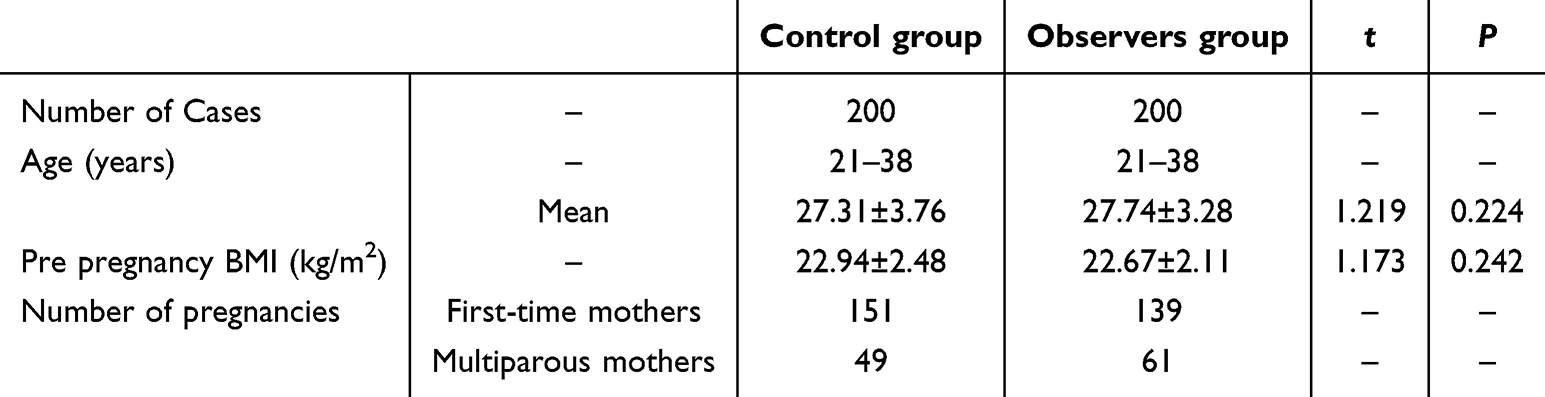 |
Table 1 Comparison of Clinical Data Between the Two Groups ( |

Blood Glucose Control
The levels of HbA1c, postprandial blood glucose (PBG), and fasting plasma glucose (FPG) in the observation group were significantly lower than those in the control group (P<0.05), suggesting that breastfeeding may contribute to improved glucose metabolism in GDM patients (Figure 1).
 |
Figure 1 Comparison of Blood Glucose Levels Between the Two Groups During Follow-Up. Note: *Indicates a significant difference between the two groups, P<0.05. |
Breastfeeding Rate
The exclusive breastfeeding rate at discharge and on postpartum day 3 was significantly higher in the observation group than in the control group (P<0.05), indicating that Milking interventions at different stages effectively enhances breastfeeding rates (Table 2).
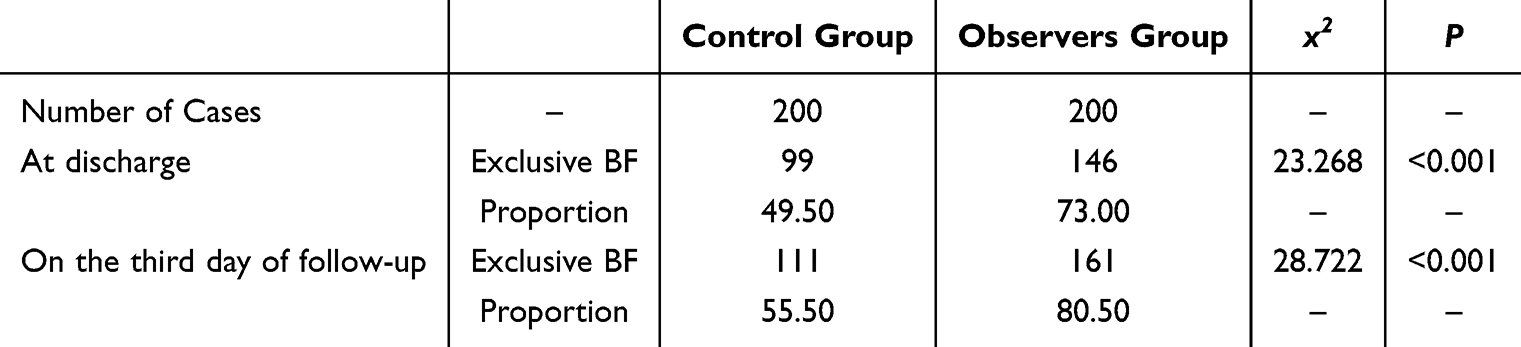 |
Table 2 Comparison of Breastfeeding Rates Between the Two Groups (%) |
Feeding Characteristics
The observation group had a significantly shorter time to lactogenesis and a higher average milk volume compared to the control group (P<0.05), as shown in Figure 2.
 |
Figure 2 Comparison of Feeding Characteristics Between the Two Groups. Note: *Indicates a significant difference between the two groups, P<0.05. |
Self-Efficacy
The observation group achieved significantly higher BSES scores both before and after delivery (P<0.05), indicating greater confidence in breastfeeding (Figure 3).
 |
Figure 3 Comparison of Prenatal and Postpartum BSES Scores Between the Two Groups. Note: *Indicates a significant difference between the two groups, P<0.05. |
Breastfeeding Quality
Newborns in the observation group exhibited significantly better weight gain compared to those in the control group (P<0.05), as illustrated in Figure 4.
 |
Figure 4 Comparison of Neonatal Weight Changes Between the Two Groups. Note: *Indicates a significant difference between the two groups, P<0.05. |
Breastfeeding Satisfaction
Maternal satisfaction with breastfeeding at discharge was significantly higher in the observation group than in the control group (P<0.05), as shown in Figure 5.
 |
Figure 5 Comparison of Breastfeeding Satisfaction at Discharge Between the Two Groups. Note: *Indicates a significant difference between the two groups, P<0.05. |
Discussion
Breastfeeding is a natural and effective nutritional support method that plays an irreplaceable role in promoting neonatal health and development.25 However, in traditional breastfeeding practices, women with GDM often experience altered endocrine environments, emotional fluctuations, and delayed lactogenesis, which may lead to insufficient milk production and lower exclusive breastfeeding success rates. In recent years, with the continuous advancement of prenatal care strategies, research has increasingly focused on prenatal interventions to improve lactation outcomes in GDM patients.26,27 Milking interventions at different stages, as an emerging strategy, stimulates the mammary glands before delivery, promoting earlier activation and enhanced milk production. This approach holds promise in addressing the low breastfeeding rate and suboptimal milk quality commonly observed in GDM mothers.28,29 Moreover, this intervention is simple, low-risk, and helps establish maternal confidence in breastfeeding before delivery, reducing anxiety and uncertainty related to potential initial milk insufficiency.
Our findings align with, yet also extend, the current body of research on AME. Similar to foundational studies by Lowe30 and Manerkar et al,31 which demonstrated AME’s safety and potential for improving breastfeeding initiation in low-risk populations, we observed significant benefits in a high-risk GDM cohort. However, our study diverges in key aspects. Marshall et al32 reported only modest improvements in early breastfeeding rates with AME in a general obstetric population, we documented substantially higher exclusive breastfeeding rates at discharge and day 3 postpartum specifically among GDM women. This suggests GDM mothers, who face unique physiological barriers to lactation, may derive proportionally greater benefit from AME. Furthermore, unlike the study by Masi et al33 which focused primarily on lactogenesis timing, our investigation provides a more comprehensive assessment, linking AME not only to improved lactation metrics (time to lactogenesis II, milk volume) but also to enhanced maternal metabolic control (HbA1c, PBG, FPG) and psychological outcomes (BSES scores), a multifaceted evaluation rarely reported in existing AME literature.
Firstly, in terms of blood glucose control, the observation group exhibited significantly lower levels of HbA1c, postprandial blood glucose (PBG), and fasting plasma glucose (FPG) compared to the control group. These findings suggest that Milking interventions at different stages not only improves lactation but may also contribute to better maternal metabolic regulation through early breastfeeding initiation. Studies have reported that postpartum glucose is largely utilized for milk production and lactose synthesis, leading to a rapid reduction in blood glucose levels. Additionally, another study found that breastfeeding increases energy expenditure by 15%–25%, which further aids in lowering postpartum blood glucose levels.27,34 The findings of this study align with these reports, reinforcing the notion that exclusive breastfeeding has a beneficial regulatory effect on postpartum glucose metabolism in GDM patients. Importantly, the magnitude of glycemic improvement observed in our AME group appears more pronounced than that reported in studies of standard breastfeeding support alone for GDM mothers,35 suggesting AME may potentiate the metabolic benefits of lactation.
Secondly, regarding breastfeeding rates, the observation group demonstrated significantly higher exclusive breastfeeding rates at discharge and on postpartum day 3 compared to the control group. This improvement can be primarily attributed to the role of Milking interventions at different stages in activating mammary gland function. By stimulating the mammary glands before delivery, women in the AME group experienced an earlier onset of lactation and greater milk supply, facilitating a smoother initiation of breastfeeding. This acceleration in lactogenesis mirrors findings from meta-analyses on breast stimulation,36 but our results specifically confirm its efficacy within the GDM context, where delays are more common and problematic. The increased breastfeeding rate not only ensures that newborns receive optimal nutrition but also contributes to improved postpartum glucose metabolism, as bioactive components in breast milk may play a role in regulating maternal endocrine function.
This study demonstrated that Milking interventions at different stages effectively promotes the initiation of lactation and increases milk production. The observation group exhibited a significantly shorter time to lactogenesis II and a higher milk volume compared to the control group. This not only ensured adequate early nutrition for newborns but also enhanced maternal confidence in breastfeeding, creating a positive feedback loop. Research has shown that the activation of prolactin receptors is positively correlated with the timing and frequency of breast stimulation—the earlier and more frequent the stimulation, the greater the number of prolactin receptors, leading to accelerated milk production.29,37,38 Therefore, by increasing breast stimulation, Milking interventions at different stages effectively promotes prolactin receptor secretion, improves milk ejection efficiency, and accelerates the onset of lactation.
Additionally, many mothers mistakenly perceive inadequate milk supply due to the delayed sensation of “milk let-down”, leading to anxiety over insufficient infant intake. However, anxiety can inhibit prolactin secretion, thereby further delaying lactation onset.39 Prenatal milk expression not only increases the frequency of milk ejection but also allows for the collection of colostrum, which can be used for supplemental feeding. This dual effect meets the newborn’s nutritional needs while simultaneously boosting maternal confidence and reducing anxiety. The tangible evidence of producing colostrum prenatally, as emphasized in our structured protocol, likely provided a powerful counter to anxiety, a mechanism supported by qualitative work in other settings.40–42 As a result, milk production is further stimulated, ensuring a smoother lactation process. These findings align with previous studies on breast stimulation and lactation initiation, further validating the feasibility of Milking interventions at different stages in improving lactation outcomes.
Regarding self-efficacy, the observation group exhibited significantly higher BSES scores both before and after delivery. Breastfeeding self-efficacy is a crucial psychological factor influencing breastfeeding behaviors, with higher scores indicating greater maternal confidence in breastfeeding ability. Through hands-on milk expression practice, mothers gained direct experience, which refers to the process of skill enhancement through cognition, behavior, and self-regulation, ultimately leading to positive reinforcement. Direct experience is also the primary source of self-efficacy.43,44 The Milking interventions at different stages helped mothers gradually familiarize themselves with the lactation mechanism, reinforcing their theoretical knowledge of breastfeeding. Our findings regarding significantly boosted self-efficacy resonate strongly with the work of Shah et al,45 who identified mastery experiences (like successful colostrum expression) as a key driver of breastfeeding confidence, particularly for women with medical complexities like GDM.
In summary, systematic operational training and psychological support during the intervention effectively enhanced maternal self-efficacy, making mothers more proactive in breastfeeding, which directly contributed to improvements in both breastfeeding rates and quality. The positive impact of Milking interventions at different stages was also reflected in neonatal weight gain and maternal breastfeeding satisfaction. Newborns in the observation group exhibited more favorable weight gain (or less loss), indicating that adequate milk supply successfully met their growth and developmental needs. Additionally, the higher breastfeeding satisfaction reported by mothers further reinforced their confidence in the overall breastfeeding experience, providing further evidence of the multifaceted benefits of prenatal milk expression in improving maternal and neonatal health outcomes.46–48
Although this study has achieved a series of positive results, there are still some limitations. Firstly, this is a retrospective, single-center study. Although the sample size reached 400 cases, the results’ generalizability and applicability need further verification due to the constraints of a single institution’s management model and regional characteristics. Secondly, the follow-up period was relatively short, and the long-term impact of the intervention on breastfeeding rates and maternal metabolic improvement could not be fully assessed. Thirdly, while our findings are promising, the retrospective design inherently limits causal inference compared to randomized trials like the one conducted by Vanlaer et al49 which evaluated a different antenatal lactation support model. Fourthly, some indicators, such as breastfeeding self-efficacy scores, were based on subjective evaluations, which may have introduced some evaluation bias. Finally, although the data indicate that the intervention improves glucose metabolism, its specific biological mechanisms have not been fully elucidated and require further exploration through biomarker testing and mechanistic studies.
To address these limitations, future research could consider adopting a prospective, multi-center randomized controlled trial design, with an extended follow-up period to observe the intervention’s effects more comprehensively. Additionally, a combination of quantitative and qualitative research methods could be used to investigate the specific mechanisms by which Milking interventions at different stages improves breastfeeding rates, enhances feeding quality, and regulates maternal metabolism. Furthermore, expanding the sample size and incorporating objective indicators (such as milk composition and inflammation factor levels) could help validate the safety and efficacy of the intervention, providing a solid scientific foundation for developing more personalized and precise breastfeeding support plans for GDM mothers.
Conclusion
This study demonstrates that structured Antenatal Milk Expression (AME) intervention, commencing at 37 weeks gestation and involving hand expression 3 times daily for 10 minutes per session with weekly fetal heart rate monitoring, effectively increases exclusive breastfeeding rates and enhances feeding quality in GDM mothers. Crucially, it also promotes improved postpartum glucose metabolism control. The intervention is safe, feasible, and holds significant clinical value, offering strong support for the health of both GDM mothers and newborns.
Based on our findings, we propose the following specific clinical practice recommendations:
Incorporate AME into Standard GDM Prenatal Care: Offer structured AME education and training as part of routine prenatal counseling for eligible GDM patients starting at 36–37 weeks gestation.
Implement the Standardized Protocol: Utilize the protocol defined in this study: hand expression technique (“C-hold”), frequency (3 times daily), duration (10 minutes total per session), mandatory hand hygiene, and self-monitoring for contractions.
Integrate Safety Monitoring: Ensure weekly fetal heart rate monitoring during one AME session at prenatal visits starting at 37 weeks, continuing only if the tracing is reassuring (Category I).
Facilitate Colostrum Management: Provide clear instructions and resources for hygienic colostrum collection, labeling (date/time), storage (≤ −18°C), and transport to the hospital for potential newborn supplementation.
Combine with Psychological Support: Integrate reassurance and confidence-building discussions about AME and lactation into prenatal visits, addressing GDM-specific anxieties.
The results provide new insights for optimizing prenatal care for GDM mothers and contribute to the development of more precise, personalized intervention plans. Implementing this evidence-based AME protocol can directly address barriers to lactation initiation in GDM, potentially improving both breastfeeding success rates and postpartum metabolic outcomes. Future studies should address the current limitations and continue to refine intervention strategies, advancing maternal and infant health management and providing more scientifically-based evidence for clinical practice.
Disclosure
The authors report no conflicts of interest in this work.
References
1. Sweeting A, Wong J, Murphy HR, et al. A clinical update on gestational diabetes mellitus. Endocr Rev. 2022;43(5):763–793. doi:10.1210/endrev/bnac003
2. Ye W, Luo C, Huang J, et al. Gestational diabetes mellitus and adverse pregnancy outcomes: systematic review and meta-analysis. BMJ. 2022;377:e067946. doi:10.1136/bmj-2021-067946
3. Alejandro EU, Mamerto TP, Chung G, et al. Gestational diabetes mellitus: a harbinger of the vicious cycle of diabetes. Int J Mol Sci. 2020;21(14):5003. doi:10.3390/ijms21145003
4. Szmuilowicz ED, Josefson JL, Metzger BE. Gestational diabetes mellitus. Endocrinol Metab Clin North Am. 2019;48(3):479–493. doi:10.1016/j.ecl.2019.05.001
5. Johns EC, Denison FC, Norman JE, et al. Gestational diabetes mellitus: mechanisms, treatment, and complications. Trends Endocrinol Metab. 2018;29(11):743–754. doi:10.1016/j.tem.2018.09.004
6. Chatzakis C, Cavoretto P, Sotiriadis A. Gestational diabetes mellitus pharmacological prevention and treatment. Curr Pharm Des. 2021;27(36):3833–3840. doi:10.2174/1381612827666210125155428
7. Alfadhli EM. Gestational diabetes mellitus. Saudi Med J. 2015;36(4):399–406. doi:10.15537/smj.2015.4.10307
8. Bohn K, Fernandez A, Stroever S, et al. Mixing meds and milk: evaluation of a performance gap intervention for provider education in breastfeeding and maternal medication use. Int J Environ Res Public Health. 2023;20(19):6850. doi:10.3390/ijerph20196850
9. Choi Y, Nagel EM, Kharoud H, et al. Gestational diabetes mellitus is associated with differences in human milk hormone and cytokine concentrations in a fully breastfeeding United States cohort. Nutrients. 2022;14(3):667. doi:10.3390/nu14030667
10. Chu Y, Yang Y, Wang X, et al. Metabolic effects of breastfeeding in women with previous gestational diabetes mellitus: a meta-analysis. Breastfeed Med. 2021;16(12):938–946. doi:10.1089/bfm.2020.0151
11. Cummins L, Meedya S, Wilson V, et al. Factors that positively influence in-hospital exclusive breastfeeding among women with gestational diabetes: an integrative review. Women Birth. 2022;35(1):3–10. doi:10.1016/j.wombi.2021.03.005
12. Dayan N, Smith G, Nedelchev A, et al. Study protocol for the sheMATTERS study (iMproving cArdiovascular healTh in new moThERS): a randomized behavioral trial assessing the effect of a self-efficacy enhancing breastfeeding intervention on postpartum blood pressure and breastfeeding continuation in women with hypertensive disorders of pregnancy. BMC Pregnancy Childbirth. 2023;23(1):68. doi:10.1186/s12884-022-05325-3
13. Demirci JR, Glasser ML. Considerations for antenatal milk expression education and counseling in clinical settings. J Perinat Neonatal Nurs. 2024;38(4):356–360.
14. de Weerth C, Aatsinki A-K, Azad MB, et al. Human milk: from complex tailored nutrition to bioactive impact on child cognition and behavior. Crit Rev Food Sci Nutr. 2023;63(26):7945–7982. doi:10.1080/10408398.2022.2053058
15. Demirci JR, Glasser M, Himes KP, et al. Structured antenatal milk expression education for nulliparous pregnant people: results of a pilot, randomized controlled trial in the United States. Int Breastfeed J 2022;17(1):50.
16. Filardi T, Bleve E, Gorini S, et al. Is breastfeeding an effective approach to reduce metabolic risk after GDM in mothers and infants? J Clin Med. 2025;14(9):3065. doi:10.3390/jcm14093065
17. Flores-Quijano ME, Pérez-Nieves V, Sámano R, et al. Gestational diabetes mellitus, breastfeeding, and progression to type 2 diabetes: why is it so hard to achieve the protective benefits of breastfeeding? Narrative Rev. 2024;16(24):4346.
18. Mellitus GD. ACOG Practice Bulletin No. 190: gestational diabetes mellitus. Obstet Gynecol. 2018;131(2):e49–e64. doi:10.1097/AOG.0000000000002501
19. Juan J, Yang H. Prevalence, prevention, and lifestyle intervention of gestational diabetes mellitus in China. Int J Environ Res Public Health. 2020;17(24):9517. doi:10.3390/ijerph17249517
20. Goitre I. Effects of an innovative dairy product enriched with bioactive compounds derived from milk on the health status of patients with gestational diabetes. A pilot randomized controlled double-blind trial. J Affect Disorders. 2025;383:117–122. doi:10.1016/j.jad.2025.04.113
21. Han SM, Derraik JGB, Vickers MH, et al. A nutritional supplement taken during preconception and pregnancy influences human milk macronutrients in women with overweight/obesity and gestational diabetes mellitus. Front Nutr. 2023;10:1282376. doi:10.3389/fnut.2023.1282376
22. He J, Yin X, Yu T, et al. Lipid signature changes of women with gestational diabetes mellitus in response to puerperal exclusive breastfeeding. J Diabetes Invest. 2025;16(2):315–325. doi:10.1111/jdi.14349
23. Hewage SS, Oh XY, Soh SE, et al. Breastfeeding duration and development of dysglycemia in women who had gestational diabetes mellitus: evidence from the GUSTO cohort study. Nutrients. 2021;13(2):408.
24. Juntereal NA. Integrative review of antenatal milk expression and mother–infant outcomes during the first 2 weeks after birth. J Obstetr Gynecol Neonatal Nurs. 2021;50(6):659–668.
25. Juntereal NAS. Antenatal Milk Expression and Milk Supply in Mothers of Infants with Congenital Anomalies. University of Pennsylvania; 2023.
26. Karlsson T, Augustin H, Lindqvist M, et al. Effect of the new Nordic diet compared with usual care on glucose control in gestational diabetes mellitus: study protocol for the randomized controlled trial intervention with new Nordic Diet in women with GestatiOnal diabetes mellitus (iNDIGO). Contemp Clin Trials. 2022;115:106706. doi:10.1016/j.cct.2022.106706
27. Krupa O, Rybak D, Kamińska-Omasta K, et al. A systematic review on the impact of breastfeeding on cancer risk, weight loss, cardiovascular disease, type 2 diabetes mellitus in mothers, and the role of fathers, medical personnel and training in breastfeeding. Qual Sport. 2025;37:57660.
28. Li C, Gao Y, Luo T, et al. Effects of low-GI biscuits as pre-loads or mid-meal snacks on post-prandial glycemic excursions in women with recent gestational diabetes: a protocol for a randomized crossover trial and an extended tailored intervention. Front Nutr. 2023;10:1122102. doi:10.3389/fnut.2023.1122102
29. Ling X, Zhang Y, Xuan LP, et al. Study on the effect of early comprehensive intervention of skin contact combined with breastfeeding on improving blood glucose in early birth of newborns with gestational diabetes mellitus. Biomed Res Int. 2022;2022(1):2305239. doi:10.1155/2022/2305239
30. Lowe V. Exploring Maternal-Child Nurses’ Decision-Making and Self-Efficacy for Supporting Infant Feeding. The Catholic University of America; 2023.
31. Manerkar K, Harding J, Conlon C, et al. Maternal gestational diabetes and infant feeding, nutrition and growth: a systematic review and meta-analysis. Br J Nutr. 2020;123(11):1201–1215. doi:10.1017/S0007114520000264
32. Marshall NE, Abrams B, Barbour LA, et al. The importance of nutrition in pregnancy and lactation: lifelong consequences. Am J Clin Exp Obstet Gynecol. 2022;226(5):607–632. doi:10.1016/j.ajog.2021.12.035
33. Masi AC, Stewart CJ. Role of breastfeeding in disease prevention. Microb Biotechnol. 2024;17(7):e14520. doi:10.1111/1751-7915.14520
34. Nagel EM, Howland MA, Pando C, et al. Maternal psychological distress and lactation and breastfeeding outcomes: a narrative review. Clin Therap. 2022;44(2):215–227.
35. Oggero MK, Rozmus CL, LoBiondo-Wood G. Effects of prenatal breastfeeding education on breastfeeding duration beyond 12 weeks: a systematic review. Health Educ Behav. 2024;51(5):665–676.
36. Otter G, Davis D, Kurz E, et al. Promoting breastfeeding in women with gestational diabetes mellitus in high-income settings: an integrative review. Int Breastfeed J. 2024;19(1):4. doi:10.1186/s13006-023-00603-y
37. Pathirana MM, Ali A, Lassi ZS, et al. Protective influence of breastfeeding on cardiovascular risk factors in women with previous gestational diabetes mellitus and their children: a systematic review and meta-analysis. J Human Lact. 2022;38(3):501–512.
38. Zhou L, Tang L. Effects of individualized nutritional nursing in pregnant women with gestational diabetes mellitus complicated with hypertensive disorder. Int J Clin Exp Med. 2020;13(12):9614–9620.
39. Rassie K, Mousa A, Joham A, et al. Metabolic conditions including obesity, diabetes, and polycystic ovary syndrome: implications for breastfeeding and breastmilk composition. In: Seminars in Reproductive Medicine. Thieme Medical Publishers, Inc; 2021.
40. Reichental ZL, O’Brien VM, O’Reilly SL. Interventions to support women with overweight or obesity or gestational diabetes mellitus to initiate and continue breastfeeding: systematic review and meta‐analysis. Obesity Rev. 2022;23(3):e13371. doi:10.1111/obr.13371
41. Ren Y, Zeng Y, Wu Y, et al. The role of gut microbiota in gestational diabetes mellitus affecting intergenerational glucose metabolism: possible mechanisms and interventions. Nutrients. 2023;15(21):4551. doi:10.3390/nu15214551
42. You H, Lei A, Xiang J, et al. Effects of breastfeeding education based on the self-efficacy theory on women with gestational diabetes mellitus: a CONSORT-compliant randomized controlled trial. Medicine. 2020;99(16):e19643. doi:10.1097/MD.0000000000019643
43. Saros L, Lind A, Setänen S, et al. Maternal obesity, gestational diabetes mellitus, and diet in association with neurodevelopment of 2-year-old children. Pediatr Res. 2023;94(1):280–289. doi:10.1038/s41390-022-02455-4
44. Schwab I. Providing Breast Milk for a Very Low Birth Weight Infant-Organisational and Individual Challenges From the Mothers’ Perspective. Universität zu Köln; 2024.
45. Shah KB, Fields DA, Pezant NP, et al. Gestational diabetes mellitus is associated with altered abundance of exosomal MicroRNAs in human milk. Clin Therap. 2022;44(2):172–185.e1.
46. Simpson A. The Little Mumfit Book: The Importance of Motherhood Self-Care. Balboa Press; 2025.
47. Suwaydi MA, Zhou X, Perrella SL, et al. The impact of gestational diabetes mellitus on human milk metabolic hormones: a systematic review. Nutrients. 2022;14(17):3620.
48. Weinberg Y. The impact of maternal health on breastfeeding duration. Sci J Lander Coll Arts Sci. 2023;17(1):107–116.
49. Vanlaer Y, Minschart C, Vrolijk H, et al. Impact of breastfeeding on risk of glucose intolerance in early postpartum after gestational diabetes. Front Endocrinol. 2024;15:1374682. doi:10.3389/fendo.2024.1374682
 © 2025 The Author(s). This work is published and licensed by Dove Medical Press Limited. The
full terms of this license are available at https://www.dovepress.com/terms
and incorporate the Creative Commons Attribution
- Non Commercial (unported, 4.0) License.
By accessing the work you hereby accept the Terms. Non-commercial uses of the work are permitted
without any further permission from Dove Medical Press Limited, provided the work is properly
attributed. For permission for commercial use of this work, please see paragraphs 4.2 and 5 of our Terms.
© 2025 The Author(s). This work is published and licensed by Dove Medical Press Limited. The
full terms of this license are available at https://www.dovepress.com/terms
and incorporate the Creative Commons Attribution
- Non Commercial (unported, 4.0) License.
By accessing the work you hereby accept the Terms. Non-commercial uses of the work are permitted
without any further permission from Dove Medical Press Limited, provided the work is properly
attributed. For permission for commercial use of this work, please see paragraphs 4.2 and 5 of our Terms.