
Back to Journals » Psychology Research and Behavior Management » Volume 18
Development and Validation of a Bilingual Reusable Learning Object to Enhance Mental Health Literacy on Neuroendocrine and Mental Health Disorders Among Youth in Saudi Arabia
Authors Zakaria N, Tan APZ, Tiong SYX, Nik Farid ND
Received 10 May 2025
Accepted for publication 16 September 2025
Published 21 November 2025 Volume 2025:18 Pages 2311—2322
DOI https://doi.org/10.2147/PRBM.S534155
Checked for plagiarism Yes
Review by Single anonymous peer review
Peer reviewer comments 3
Editor who approved publication: Dr Gabriela Topa
Nasriah Zakaria,1,2 Alfred Pin Ze Tan,3 Sheena Yin Xin Tiong,3 Nik Daliana Nik Farid4,5
1Computer Science and Information Systems Department, College of Applied Sciences, AlMaarefa University, Riyadh, Saudi Arabia; 2UM eHealth Unit, Faculty of Medicine, Universiti Malaya, Kuala Lumpur, Malaysia; 3Institute of Biological Sciences, Faculty of Science, Universiti Malaya, Kuala Lumpur, Malaysia; 4Centre for Population Health, Faculty of Medicine, Universiti Malaya, Kuala Lumpur, Malaysia; 5Department of Social and Preventive Medicine, Faculty of Medicine, Universiti Malaya, Kuala Lumpur, Malaysia
Correspondence: Nasriah Zakaria, Email [email protected]
Purpose: Youth in Saudi Arabia increasingly face mental health challenges such as anxiety, depression, and stress-related disorders. These issues are compounded by stigma, academic pressure, and limited access to mental health education. Mental health literacy (MHL) remains low, delaying recognition of symptoms and help-seeking. This study aimed to develop and validate a bilingual Reusable Learning Object (RLO) to enhance youth’s understanding of mental health, with a focus on the neuroendocrine system’s role in mood regulation.
Methodology: The RLO was developed in English using the open-source Xerte software, guided by the ASPIRE framework (Aims, Storyboarding, Production, Implementation, Release, Evaluation). The 11-page interactive module covers key topics including the hypothalamic-pituitary-adrenal (HPA) axis, stress response, symptoms of common mental disorders, misconceptions, and self-help strategies. Multimedia and interactive elements such as animations, flash cards, hotspot images were used to enhance engagement. During RLO development, a panel of experts conducted iterative reviews to ensure the content accuracy and instructional quality. A 2-page of built-in Mental Health literacy instrument using a validated questionnaire was used for evaluation.The module was forward- and back-translated to produce an Arabic version, followed by content validation from six bilingual subject matter experts in Mental Health topics.
Results: Expert reviewers were able to capture the RLO’s clarity, educational value, and suitability for youth. Strengths included interactivity, visual appeal, and a manageable completion time (10– 15 minutes). Recommendations included reducing cognitive load, improving conceptual flow, and enhancing feedback on quiz items. Minor technical and linguistic issues were also addressed. For content validation of the Mental Health literacy instrument, a score of S-VA/Ave was 0.761, indicating that most items were considered relevant by most experts. The low UA of 0.188 was addressed by modifying the RLO content and to preserve the English validated questionnaire integrity.
Conclusion: This study presents a rigorously developed and validated bilingual RLO aimed at improving MHL among youth in Saudi Arabia.
Keywords: mental health literacy, mental health disorders, reusable learning objects, youth
Introduction
Mental health is a fundamental aspect of well-being, shaping an individual’s thoughts, emotions, behaviors, and social relationships. It plays a critical role in enabling individuals to manage stress, form and maintain relationships, and function effectively in daily life.1 Globally, mental health disorders (MHDs) are a leading cause of disability among youth, affecting an estimated 10–20% of youth worldwide.2,3 Common disorders include anxiety, depression, and behavioral conditions, often emerging during adolescence, a period marked by rapid biological, environmental, and psychosocial changes. These challenges are exacerbated by academic pressures, social media exposure, identity exploration, and peer influence.
International evidence consistently highlights the importance of MHL in promoting early recognition of symptoms, reducing stigma, and improving help-seeking behaviors among youth.4,5 In response, digital tools have gained popularity in mental health education, offering scalable, interactive, and engaging content that aligns with youth’s media habits. Programs such as MindOut (Ireland), The Good Behavior Game (USA), and Headspace (UK) have shown promising results in improving knowledge and reducing stigma in school settings.6,7
In Saudi Arabia, mental health challenges among youth are becoming increasingly prominent. Previous studies have reported a wide range in the prevalence of depression among youth, from 14.2% to 42.9%.8,9 A more recent study reported prevalence rates of 30.8% for depression, 35.2% for anxiety, and 14.7% for stress among secondary school students.10
Specifically in the Kingdom of Saudi Arabia, two in five young Saudis meet criteria for a mental health condition during their lifetime, but unfortunately only 5% of them seek mental health services. Despite national initiatives aimed at improving mental health services, a significant number of youths remain hesitant to seek help, often resulting in delayed diagnosis and treatment. A systematic review identified financial barriers, logistical difficulties, concerns about confidentiality, and doubts about treatment efficacy as key obstacles to accessing mental health care.11 In response to these challenges, Saudi Arabia has introduced several national mental health awareness campaigns targeting youth, including school-based workshops and digital outreach initiatives. The introduction of national mental health awareness campaigns targeting youth including school-based workshops and digital outreach initiatives is evidenced by the Saudi Ministry of Health’s School-Based Health Awareness Program, which includes adolescent mental health modules such as mental health and internet addiction workshops for students (Ministry of Health, “School-Based Health Awareness Program”).12 Additionally, the National Center for Mental Health Promotion, established in 2019, actively delivers mental health education and counselling via digital applications, telephone hotlines, and workshops to raise psychological awareness among young Saudis.13 However, structured and theory-driven mental health education within school curricula remains limited and inconsistently implemented.
One of the most concerning outcomes of unaddressed mental health issues is suicide. Although underreported due to social stigma and cultural sensitivities, suicide rates in Saudi Arabia have shown a gradual increase. According to WHO data, the suicide rate rose from 3.20 per 100,000 population in 2000 to 6.00 per 100,000 in 2019.14 While data specific to youth remain limited, the upward trend reflects a broader mental health burden. This underscores the urgent need for proactive strategies that foster early recognition of mental health symptoms, reduce stigma, and promote MHL among youth.
Recent research has shed light on the neuroendocrine system’s significant role in the development of MHDs, particularly through dysregulation of the hypothalamic-pituitary-adrenal (HPA) axis and neurotransmitter imbalances. During adolescence, hormonal fluctuations and chronic stress can lead to elevated cortisol levels, which have been associated with depression, anxiety, and suicidal ideation.15 However, most youth are unaware of these biological mechanisms, which limit their understanding of mental health symptoms and delay appropriate help-seeking behavior.
Improving mental health literacy is essential for equipping youth with the knowledge and skills necessary to identify, manage, and seek help for mental health issues.16 Enhanced MHL not only promotes early intervention but also reduces stigma and encourages proactive health-seeking and first aid skills among the youth.
In the digital age, mental health literacy is further supported by digital health literacy, which equips individuals with the ability to navigate and evaluate credible online resources.17,18 Despite these needs, research indicates that many youth have limited MHL, especially regarding neuroendocrine influences on mental health.19 A study assessing MHL among female secondary school students in Abha revealed gaps in understanding mental health conditions, their symptoms, and appropriate help-seeking strategies. The findings emphasized the need for targeted educational interventions to enhance mental health awareness among youth.20
While digital interventions have shown promise in improving mental health literacy among youth, existing tools are often designed in Western contexts and lack cultural relevance for Arab youth.21,22 Studies from similar middle-income countries have reported the use of mobile apps and online modules to raise awareness, but these are frequently limited by language barriers, generic content, and inadequate adaptation to local beliefs and stigma.23,24 In Saudi Arabia, culturally appropriate, bilingual digital tools specifically addressing the neuroendocrine underpinnings of mental health are scarce.25 This gap highlights the need for context-sensitive, scientifically accurate, and culturally adapted digital resources such as bilingual RLOs to enhance youth’ understanding of mental health and its biological foundations.
RLOs present a promising solution for improving MHL through digital education. RLOs are modular, multimedia educational tools that incorporate text, images, audio, and interactive elements such as quizzes and simulations to enhance engagement and knowledge retention.26,27 These tools have proven effective in teaching complex healthcare topics, including pharmacology, anatomy, and mental health. Successful implementations across Asia have leveraged platforms like Xerte and Articulate to make RLOs more accessible and interactive.28,29
Given the increasing prevalence of MHDs among Saudi youth and the evident gaps in MHL, this study aims to design and develop a bilingual (Arabic and English) RLO on neuroendocrine and mental health disorders to enhance mental health literacy among youth in Saudi Arabia. By integrating neuroendocrine science with digital learning strategies, this initiative seeks to improve mental health literacy, support early recognition of mental health disorders, and ultimately contribute to better mental health outcomes for Saudi youth.
Ethical approval was obtained from AlMaarefa University (IRB24-066) prior to the research. Informed consent was obtained from all participants involved in the study. Participants were assured of confidentiality, anonymity, and their right to withdraw from the study at any time without penalty. The design and content of the Reusable Learning Object (RLO) were carefully reviewed to ensure language and context for the youth in the Middle East region . All data collected during the evaluation phase are being securely stored and used solely for research purposes.
Methodology
ASPIRE Framework for RLO Development
This study was conducted between May 2023 till May 2025. It employed the ASPIRE framework as a structured guideline for the development of the Reusable Learning Object (RLO). ASPIRE (Aims, Storyboarding, Production, Implementation, Release, Evaluation) is a pedagogical model used for designing interactive digital learning tools that emphasize clarity, structure, and user engagement.30 The ASPIRE framework includes the following phases (Figure 1):30
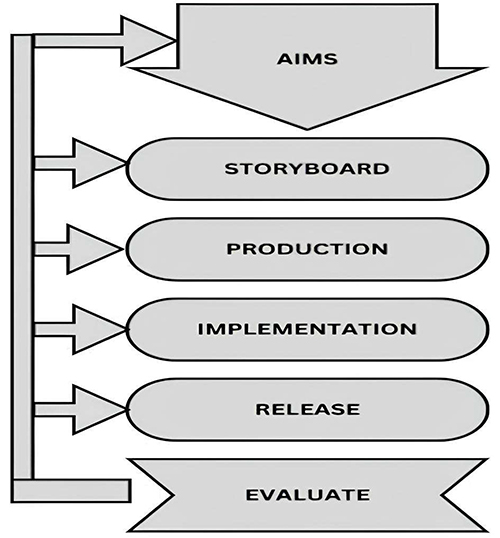 |
Figure 1 The ASPIRE framework.30 |
The aim stage involves defining the educational objectives and intended learning outcomes of the RLO. In this study, the aims were determined through a comprehensive literature review and discussions with experts in the field. These experts include a digital health specialist with expertise in e-learning platforms and user-centered design; a biological sciences expert specializing in neuroendocrinology; and a public health expert with a focus on adolescent health and health promotion strategies. The primary goal was to enhance youth’s mental health literacy by providing an interactive, evidence-based learning resource focused on the neuroendocrine aspects of mental health and awareness of mental health disorder topic. This stage ensures that the RLO has a clear purpose and effectively addresses gaps in learners’ understanding.
The storyboard stage is crucial in the RLO development process, serving as a blueprint that visually represents the content structure, instructional sequence, key learning points, and multimedia elements. According to the ASPIRE framework, a storyboard outlines the sequence of events, the key learning points, and any accompanying visuals, audio, or interactive elements. The storyboard was developed based on an extensive literature review and expert discussions to ensure that the content was accurate, relevant, and pedagogically sound. The storyboard was reviewed by four experts, who provided feedback for refinement and improvement. Experts were selected based on the following criteria: minimum five years of experience in adolescent mental health education, psychology and neuroendocrinology; prior publications or teaching in their respective fields; and availability for iterative feedback. The sample size of four reviewers was guided by best practices in instructional design and digital resource validation, which recommend 4–6 expert reviewers for initial usability and pedagogical assessment.26
The review form used by the experts was Reusable Learning Objects Peer Review form, created by University of Nottingham. The form mainly focused on aspects such as the effectiveness of knowledge delivery, end-users’ learning experience, presentation quality, time allocation, accuracy and how appropriate the information was. This review process ensured the RLO’s clarity, coherence, and effectiveness in achieving its educational objectives.
The final storyboard outlined a structured sequence of content delivery, incorporating engaging multimedia elements and interactive features to enhance the learning experience. The storyboard incorporated key topics on mental health literacy, neuroendocrinology, and coping strategies. This includes the relationship between mental health and the neuroendocrine system.
The production phase involved the development of the RLO using Xerte, an open-source online platform designed for the creation of interactive digital learning resources. Originally developed at the University of Nottingham in 2004, Xerte provides a versatile environment that supports the integration of various multimedia and interactive elements to enhance learning experiences. Xerte offers over 20 feature types, categorized into nine main groups: text, media, navigators, connectors, charts, interactivity, games, links/feeds, and tracking/xAPI. These features allow for a dynamic and engaging presentation of content, ensuring that the RLO is both informative and interactive. A notable feature of Xerte is its built-in demonstration page, which provides an overview of available functionalities. This feature helps users familiarize themselves with the platform’s capabilities before designing their RLOs, reducing confusion and streamlining the development process. Xerte license is hosted by the UMehealth unit at the Faculty of Medicine, University Malaya and accessible from this link at http://acord.my/xerte/ using a login credential. The RLO was designed as a 13-page digital resource with an estimated completion time of 10–15 minutes. The main ideas and template for each frame are detailed in Table 1.
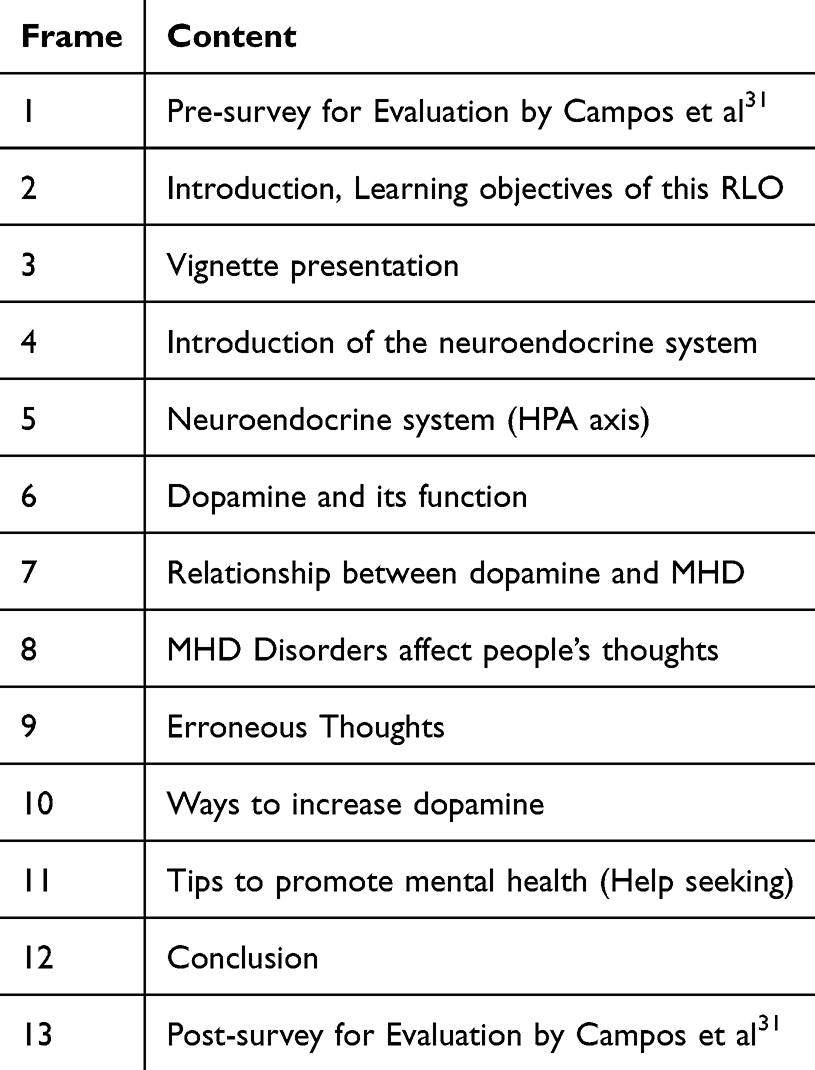 |
Table 1 Main Idea for Each RLO Frame Based on the Storyboard Entitled “Neuroendocrine and Mental Health Disorders” |
After completion in English, the RLO underwent a rigorous forward–backward translation process to ensure cultural and conceptual equivalence in Arabic. A bilingual mental health professional translated the RLO into Arabic (forward translation). An independent translator with no prior exposure to the original content then re-translated it into English (backward translation). Discrepancies were discussed by a bilingual expert panel to achieve semantic and conceptual accuracy. Modifications were made to ensure the cultural appropriateness of examples, metaphors, and idiomatic expressions for the youth in Saudi Arabia.
The implementation phase of the ASPIRE framework involved the deployment of the developed Reusable Learning Object (RLO) to a panel of experts. This stage included hosting the RLO on an accessible digital platform (public domain) and ensuring seamless navigation for users. Learners engaged with the RLO in a controlled environment, allowing researchers to assess its functionality, engagement levels, and educational impact. The mental health literacy questionnaire short version for adults by Campos et al31 is used an evaluation tool to assess changes in MHL among youth following educational intervention using RLOs. There are four dimensions with 16 items to measure mental health literacy (Table 2).
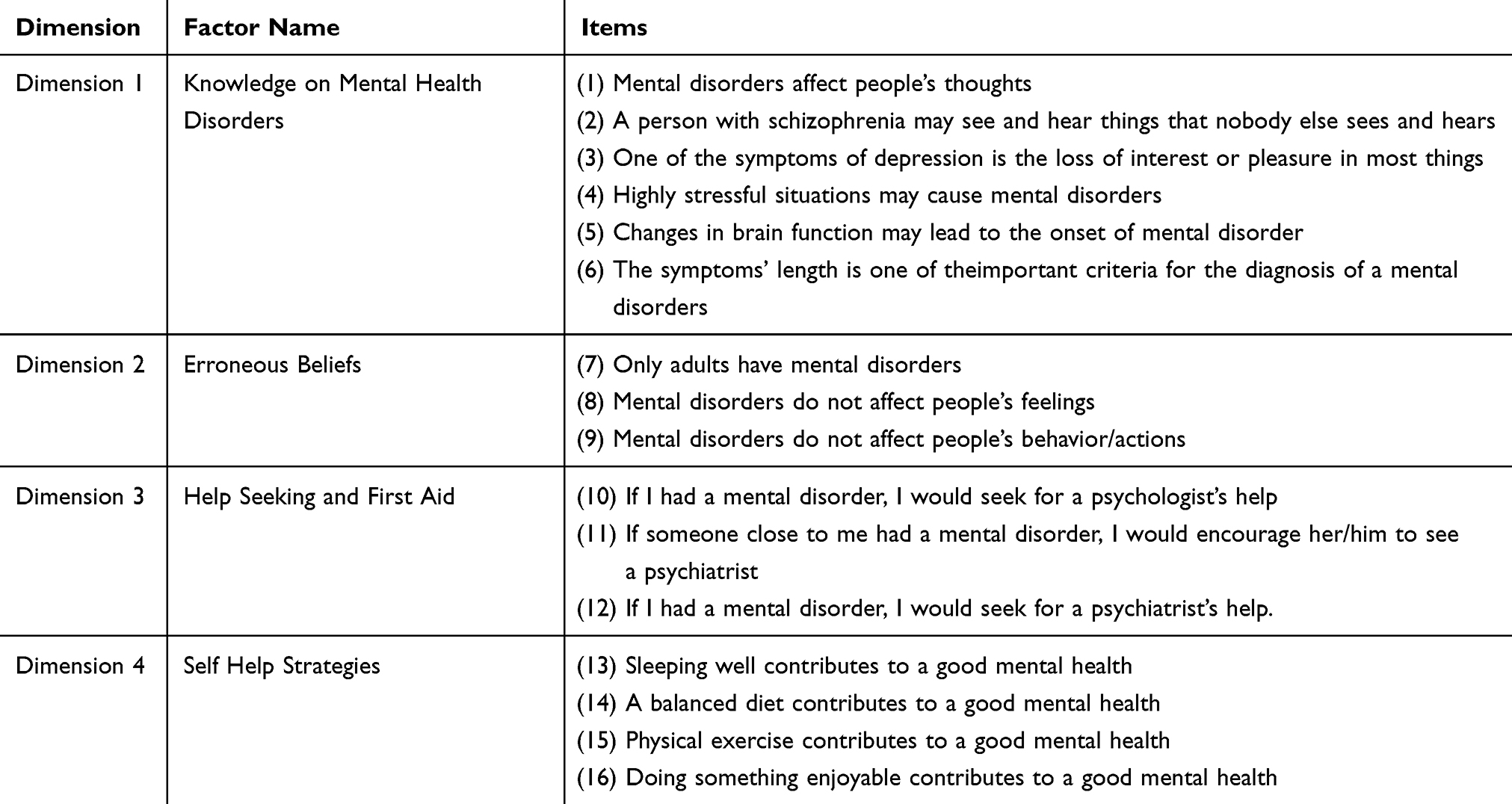 |
Table 2 Campos et al31 Mental Health Literacy Factors and Items Used in This Study. |
Feedback from the experts was collected to identify any technical or instructional issues. Overall, responses were highly positive, with commendations on content clarity, user engagement, and bilingual presentation. However, one reviewer noted a technical issue on Page 6 (“Dopamine & MHD”) and suggested a minor revision to a tip in the English version for improved clarity. These issues were addressed prior to the final release. Following the peer review process, the final version of the RLO was made available online at this link https://acord.my/xerte/play.php?template_id=138. This phase ensured the RLO was effectively integrated into the learning environment and capable of delivering its intended educational outcomes.
The release phase involves the official distribution of the RLO to youth for wider use. At this stage, the RLO is being made accessible to the intended audience through appropriate digital platforms. The aim is to maximize its reach and impact by allowing youth to engage with the resource independently and apply the knowledge gained to real-world scenarios.
A psychometric testing was conducted, whereby a content validation was performed. A panel of six expert reviewers comprising professionals in psychology, psychiatry, medical biochemistry and molecular biology, and obstetrics and gynecology consultants evaluated the Arabic version alongside the original English content. The objective of this review was to ensure that both language versions conveyed consistent educational messages and maintained the intended learning outcomes without loss of meaning or cultural misinterpretation. The Google form for this content validation is accessible here : https://forms.gle/8Y6brZ878PZLCm2L9.
The RLO was designed with a built-in evaluation phase to assess its impact on youth’ MHL. The evaluation employing quasi-experiment design where a pre-post questionnaire involving 455 youth had been conducted from January-May 2025 in both settings. Quantitative data were analyzed using paired sample t-tests to assess changes in MHL scores, with statistical significance set at p < 0.05. Analyses were conducted using IBM SPSS Statistic software. Although the evaluation phase has been completed, the findings are not included in this manuscript and will be reported separately in a future publication.
Results
Phase 1: Storyboard Peer Review by Experts
As part of the development process, the storyboard for the Reusable Learning Object (RLO) was subjected to expert peer review to assess its content, structure, and pedagogical suitability for youth. Four reviewers with expertise in digital health, public health, and biological sciences provided structured feedback. The key findings from the peer review are summarized below:
Reviewer 1 raised concerns regarding the overall length and cognitive load of the RLO. The reviewer noted that the content appeared overly extensive and time-consuming, which may result in reduced user engagement, particularly among youth. The introduction of complex scientific concepts such as neuroendocrinology and the function of dopamine was perceived as abrupt and insufficiently scaffolded for the target audience. The reviewer suggested that youth might struggle to understand the significance of dopamine without a clear and concise introduction. Furthermore, it was estimated that users might require up to one hour to complete the RLO, potentially exceeding the ideal engagement time for this age group. Nevertheless, the reviewer positively evaluated other components of the RLO, including the media elements, interactive features, and narration, deeming them appropriate and conducive to learning.
Reviewer 2 highlighted the educational value of the RLO in raising awareness about the benefits of mental health care and the link between the neuroendocrine system and mental health status. The reviewer emphasized the importance of sourcing information from credible and up-to-date references and recommended improvements in this area. Contrary to the first reviewer, this expert estimated that the RLO could be completed within 10–15 minutes, suggesting variability in user engagement depending on individual reading pace. The inclusion of a pop quiz was endorsed; however, the reviewer proposed relocating it to the end of the RLO to better align with the flow of the learning process and to assess comprehension of the intended learning outcomes. Overall, the reviewer found the RLO content clear and understandable.
Reviewer 3 focused on the narrative coherence and instructional design of the RLO. It was suggested that the sequence of topics be refined to improve logical flow—beginning with background information, followed by learning objectives, an introduction to the neuroendocrine system, the hypothalamic-pituitary-adrenal (HPA) axis, the roles of associated hormones, and finally, the connection between dopamine and mental health disorders, along with strategies to enhance dopamine levels. The reviewer also questioned the clarity of the stated learning objectives, indicating that the goal of improving mental health literacy might not be sufficiently apparent to adolescent learners. Additionally, it was recommended that brief explanatory feedback be included for incorrect responses in the quiz to enhance learning. The reviewer also suggested reintroducing the vignette character “Albert” in later frames (eg, “Ways to Improve Dopamine” and “Tips for You”) to maintain narrative continuity. Layout issues were also noted, with recommendations to consolidate related visuals into a single page and minimize the need for scrolling—particularly in frames covering the neuroendocrine system and the HPA axis. It was proposed that specific diagram components be made interactive while others remain faded to guide learner focus. The conclusion was recommended to be revised to more explicitly emphasize the importance of mental health literacy.
Reviewer 4 provided a generally favorable assessment of the RLO’s visual presentation and interactive features, indicating that the design was conducive to adolescent learning. The estimated completion time was approximately 15 minutes, which aligns with typical attention spans for digital educational tools targeting this age group. The reviewer praised the neat layout and clarity of visual elements. Additionally, a contextual insight was shared regarding psychiatric treatment practices in Japan, where cognitive behavioural therapy is reportedly less commonly used for negative symptoms of schizophrenia, and where stimulant medications such as amphetamines for attention deficit hyperactivity disorder are generally avoided due to concerns over addiction. The reviewer suggested engaging Malaysian psychiatrists to explore comparative perspectives on pharmacological treatment approaches between countries.
Phase 2 : Released RLO Peer Review by Experts
The dual-language RLO underwent a peer review process by a panel of experts to ensure its quality, relevance, and usability. Overall, the feedback received was highly positive, with reviewers commending the content’s clarity, engagement, and bilingual presentation. Most reviewers agreed that the RLO effectively addressed the intended learning objectives and was well-suited for the target audience. However, one reviewer highlighted a technical issue on Page 6 (“Dopamine & MHD”), noting that the information for each mental health disorder did not appear when the examples were clicked. Additionally, the reviewer suggested a revision to the third tip in the English version, “visiting the psychiatrist/psychologist” to improve clarity and consistency. These points have been noted for further refinement to enhance the RLO’s overall functionality and user experience.
Phase 3: Content Validation of Arabic MHL by Experts
A CVI analysis was conducted for the construct validation phase of the Arabic MHL questionnaire along with the RLO . From Table 3, we can see a few of items had high expert agreement, especially those pertaining to understanding mental health conditions and self-help techniques (I-CVI = 1.0). Items that addressed false beliefs and specific help-seeking behaviors, in particular, demonstrated poorer agreement (I-CVI = 0.5–0.67). With an overall S-CVI/Ave of 0.761, the majority of experts agreed the majority of items to be relevant. Conversely, the S-CVI/UA was 0.188, indicating that only a small percentage of things were unanimously agreed upon. Particularly when the expert panel is multidisciplinary and the topics are complex or culturally sensitive, this pattern is not unusual.
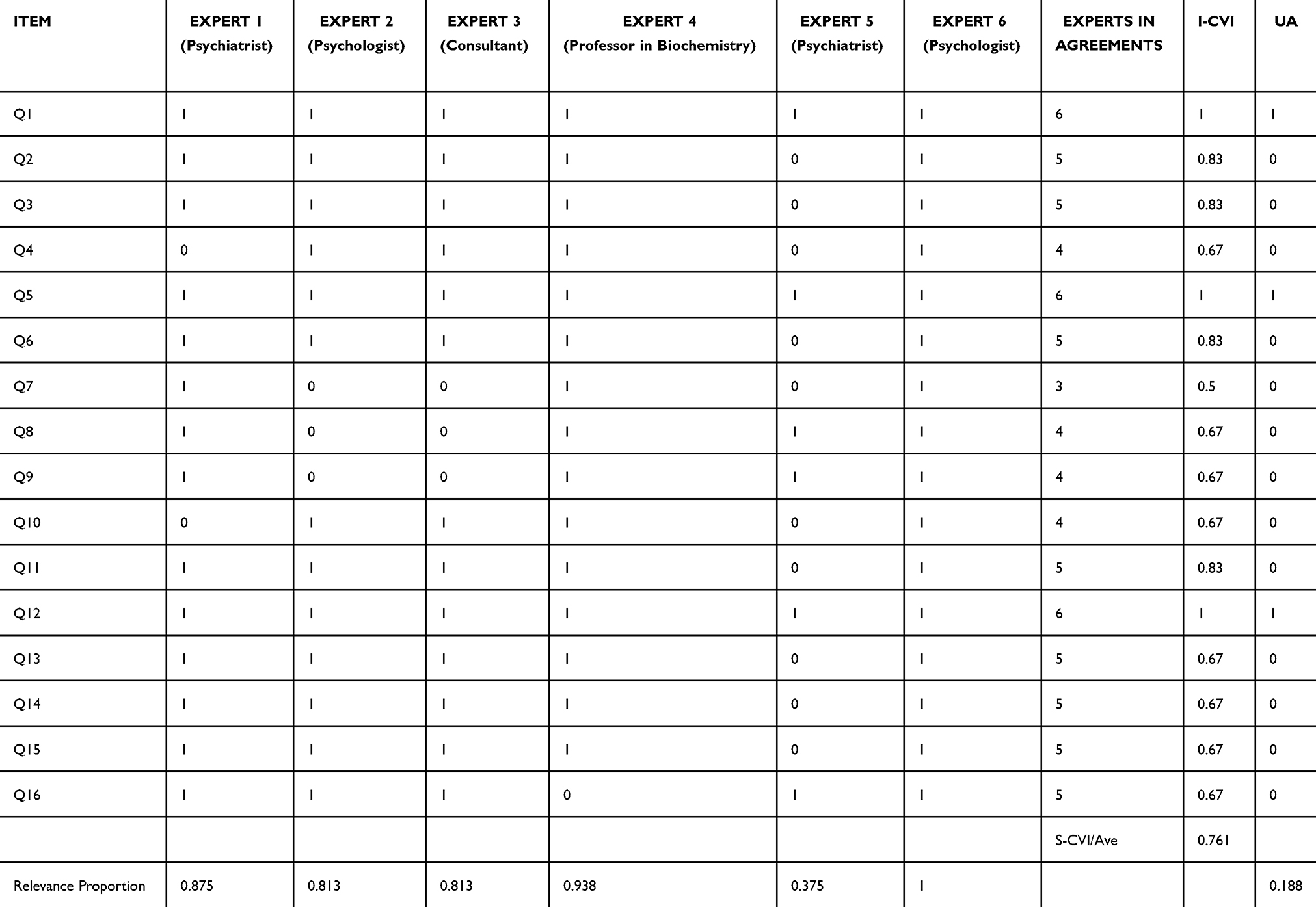 |
Table 3 CVI Table for content validation OF MHL (Arabic Version) with RLO Neuroendocrine Mental Health Disorder |
The analysis indicated that some items like Item 4,7,8,9,10 showed low I-CVI compared the rest of the items. Item 7 showed the lowest agreement among the 6 reviewers, and the content must be revisited. Item 1 and item 12 achieved universal agreement across all reviewers. Based on 6 reviewers, the result met suboptimal of S-CVI/Ave of 0.761 to indicate, items and content can be further improved.31
Discussion
The expert review of the storyboard provided critical insights that informed the refinement of the RLO aimed at enhancing youth’s mental health literacy through an introduction to the neuroendocrine system. Overall, reviewers acknowledged the educational potential of the RLO and its relevance to the target audience. However, several important areas for improvement were identified. These findings are consistent with prior studies that found RLOs to be effective in simplifying complex health topics and enhancing user engagement through multimedia formats.26,27 A similar RLO-based intervention in Indonesia showed that digital modules incorporating local language and cultural elements significantly improved adolescent health knowledge.23 Our use of a bilingual format echoes these findings and offers promising potential for culturally tailored mental health education in non-Western contexts.
One of the key concerns was related to the cognitive load and length of the RLO. While one reviewer estimated the completion time to be approximately an hour suggesting a need to streamline content, others estimated shorter durations (10–15minutes), reflecting variability in perceived learner engagement. This highlights the importance of designing concise and age-appropriate content that maintains users’ attention, particularly for digital resources targeting youth.
The introduction of complex biological concepts such as the role of dopamine and the HPA axis (Figure 2) was identified as potentially overwhelming for younger users if not scaffolded effectively. Reviewers emphasized the need for a more structured and progressive flow of information, starting from familiar contexts and gradually introducing scientific content. This aligns with instructional design principles that recommend building on prior knowledge to facilitate deeper understanding. While the RLO establishes the relevance of neuroendocrine mechanisms to mood and mental health, the linkage between these biological processes and practical mental health literacy outcomes such as symptom recognition and help-seeking is an area that could benefit from further elaboration and empirical validation.
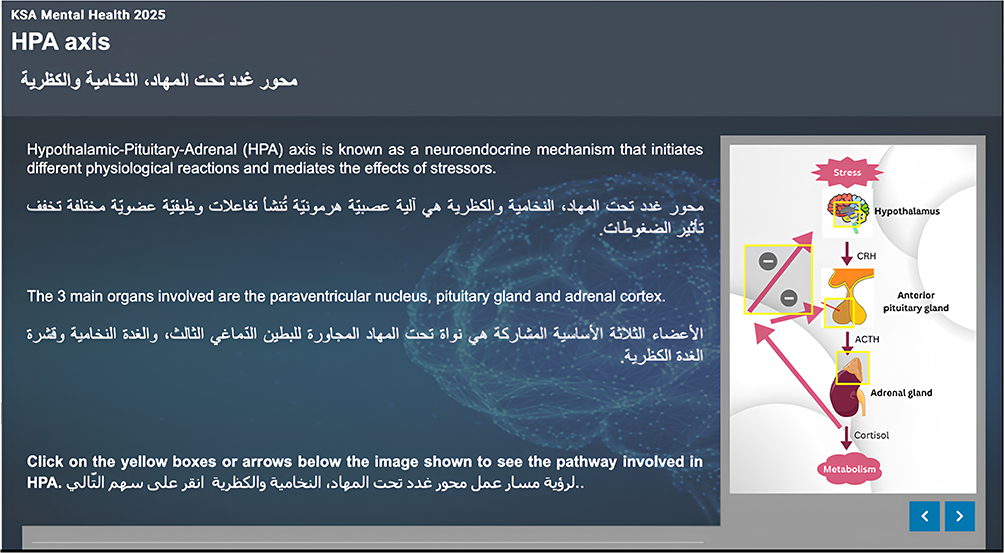 |
Figure 2 HPA Axis neuroendocrine mechanism. The yellow boxes and arrows in the figure show the pathway involved in HPA. Learners will be able to click and learn which organ is involved in HPA axis. |
Another critical recommendation was to improve coherence and narrative continuity within the RLO. Suggestions such as reintroducing the vignette character “Albert” in later frames (Figure 3) and refining the sequence of topics serve to enhance learner engagement and reinforce key messages. Additionally, the feedback regarding layout and interactivity underscores the importance of user-friendly interfaces that minimize cognitive friction, particularly for novice learners.
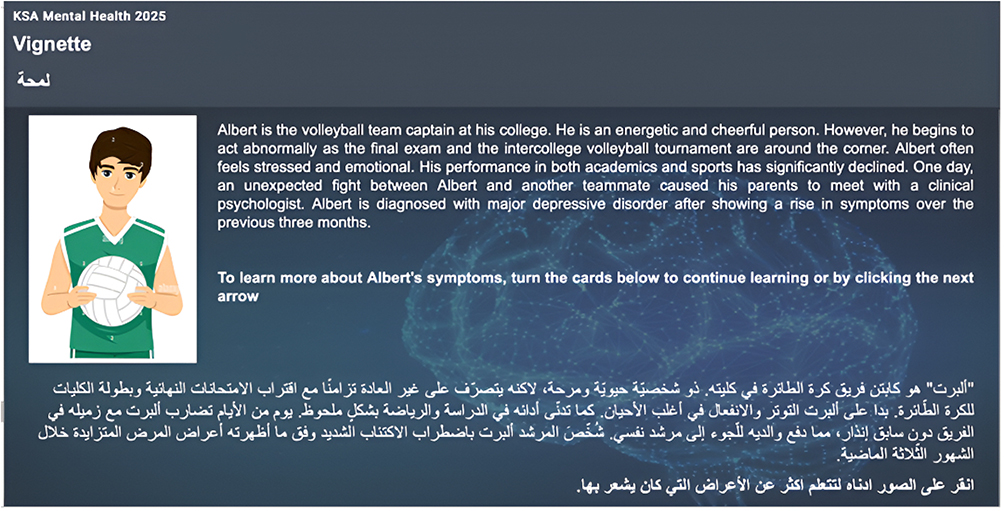 |
Figure 3 Vignette on Albert who has mental health symptoms. |
Reviewers also provided valuable input on assessment strategies, endorsing the use of a pop quiz while recommending that it be placed at the end of the RLO and supported by explanatory feedback for incorrect responses. Such formative assessments can reinforce learning and improve retention of key concepts.
Cultural and contextual relevance was addressed in the feedback, with a suggestion to consult local psychiatric practices to ensure alignment with Malaysian mental health treatment norms. Although the RLO was later adapted for Arab youth, this feedback reinforced the value of grounding health education tools in local cultural realities. In this study, the dual-language format (English and Arabic) was not only a translation effort but a deliberate design choice to improve accessibility, cultural acceptability, and user engagement. Bilingual delivery can address language-related stigma, improve comprehension, and build trust, particularly in regions where English-only materials may be perceived as foreign or inaccessible. Compared to monolingual tools, bilingual RLOs have the potential to widen reach and increase equity among linguistically diverse student populations.32
Despite its utility, the peer review process itself is not without limitations. The panel of expert reviewers, while multidisciplinary and experienced, was relatively small. Although a panel of experts align with digital learning design literature, it may limit the generalizability of findings, especially in relation to learner engagement and cognitive demand.
The Release and Evaluation phases represent critical components in the implementation of the ASPIRE framework, ensuring that the developed RLO not only reaches its intended audience but also maintains its effectiveness in achieving educational outcomes. By making the RLO accessible through digital platforms, the Release phase facilitates independent engagement among youth, supporting real-world application of mental health literacy concepts. This stage is essential for observing user interaction in naturalistic settings, providing insights into how the RLO performs outside of a controlled environment.
Simultaneously, the Evaluation phase plays a pivotal role in assessing the RLO’s overall impact, usability, and alignment with instructional goals. Collecting feedback from adolescent users allows for the identification of practical strengths and usability challenges, while ongoing expert reviews ensure that the RLO remains pedagogically sound and scientifically accurate. Although the effectiveness data have been collected, the results are not included in this manuscript and will be reported separately. This decision allows for a more focused analysis of user-level outcomes, including knowledge gains, retention, and attitudinal shifts.
For the content validation of the Arabic MHL, we decided not to change the MHL questionnaire items but to concentrate on improving and elaborating the content of the Reusable Learning Object (RLO). This choice was supported by the fact that the MHL questionnaire developed by Campos et al31 has already been well validated across many countries, and keeping the original items enables comparison with other studies in MHL. In order to improve the RLO material’s clarity and contextual relevance, we sought to address areas of expert dispute in the RLO content while maintaining the questionnaire’s proven validity. In order to maintain the tool’s validity and significance for the intended adolescent audience, this strategy encourages both scientific rigor and cultural adaptability.
Strengths and Limitations
This study is strengthened by its structured, theory-driven development process, guided by the ASPIRE framework. The framework provides a systematic and replicable model for creating digital health education tools while offering flexibility to adapt to diverse educational contexts and learning needs. It also enhances efficiency by being cost-effective and time-saving, without compromising on quality across accessibility, usability, and effectiveness.
The study also benefits from a dual-language format (English and Arabic), promoting inclusivity and accessibility among linguistically diverse populations. Additionally, the involvement of a multidisciplinary expert panel (including professionals in psychology, psychiatry, medical biochemistry, molecular biology, and obstetrics and gynecology) enhanced the credibility and scientific rigor of the content. The digital delivery of the RLO allows for scalable and flexible deployment, supporting widespread adoption in educational and community settings. Despite its strengths, the study has some limitations. As the evaluation phase is still in progress, the findings are preliminary, and the long-term impact of the RLO on mental health literacy and behavior change among youth has yet to be determined. A key limitation of this manuscript is the absence of quantitative outcome data related to the RLO’s impact on learners. While expert reviews inform usability and content validity, user-level learning outcomes will be addressed in a subsequent publication. The RLO’s accessibility is dependent on internet connectivity and digital device availability, which may limit its reach to youth in underserved or rural areas.
Another limitation involves the technical challenges identified during the expert review phase, such as functionality issues in specific interactive sections of the RLO. While these are being addressed, they highlight the importance of comprehensive usability testing before large-scale rollout. Furthermore, the evaluation relies heavily on self-reported feedback, which may be influenced by response bias and may not fully capture changes in knowledge, attitudes, or behavior. Lastly, while the ASPIRE framework supports adaptability, the process still requires significant coordination and stakeholder involvement, which may be resource-intensive in settings with limited capacity.
Conclusion
This study highlights the critical need to improve MHL among youth in Saudi Arabia, where a substantial proportion of youth are affected by mental health conditions, but few seek professional help. The development of a bilingual RLO on neuroendocrine and mental health disorders represents a novel and context-specific approach to addressing this gap. Guided by the ASPIRE framework, the RLO was designed through a structured, participatory process involving key stakeholders, including educators, students, and content experts.
The ASPIRE framework contributed to a pedagogically sound, culturally relevant, and user-oriented design. While the Release and Evaluation phases have been completed, the present paper focuses solely on the design and development process. Preliminary expert feedback suggests that the RLO is well-positioned to support improvements in awareness, engagement, and understanding of mental health concepts among youth. The content validation process has helped to ensure the Arabic and English RLO is ready to be evaluated in Saudi Arabia as most of the population is bilingual.
By integrating scientific content with interactive digital delivery, this initiative demonstrates potential as a foundational tool for promoting mental health literacy. Although further research is needed to assess its actual impact on youth’s knowledge, attitudes, and behaviors, the RLO offers a scalable model for future digital health interventions across other Arabic-speaking countries or culturally similar settings, particularly where stigma and information gaps persist. Future research should explore its long-term impact on help-seeking behavior and integration into school curricula to enhance adolescent mental health promotion on a wider scale.
Acknowledgment
College of Applied Sciences would like to thank AlMaarefa University, Riyadh, Saudi Arabia for supporting this research. We would also like to thank University Malaya, Kuala Lumpur for partial funding.
Disclosure
Dr Nasriah Zakaria updated the progress of this project to the funder AlMaarefa University, during the conduct of the study. The authors report no conflicts of interest in this work.
References
1. World Health Organization. Mental health. Published June 17, 2022. Available from: https://www.who.int/news-room/fact-sheets/detail/mental-health-strengthening-our-response.
2. Kieling C, Baker-Henningham H, Belfer M, et al. Child and adolescent mental health worldwide: evidence for action. Lancet. 2011;378(9801):1515–1525. doi:10.1016/S0140-6736(11)60827-1
3. World Health Organization. Mental health of Adolescents. Available from: https://www.who.int/news-room/fact-sheets/detail/adolescent-mental-health.
4. Jorm AF. Mental health literacy: empowering the community to take action for better mental health. Am Psychol. 2012;67(3):231–243. doi:10.1037/a0025957
5. Wei Y, Hayden JA, Kutcher S, Zygmunt A, McGrath P. The effectiveness of school mental health literacy programs to address knowledge, attitudes and help seeking among adolescents. Early Interv Psychiatry. 2015;9(3):172–179. doi:10.1111/eip.12010
6. Barry MM, Clarke AM, Jenkins R, Patel V. A systematic review of the effectiveness of mental health promotion interventions for young people in low and middle income countries. BMC Public Health. 2013;13:835. doi:10.1186/1471-2458-13-835
7. Clarke AM, Kuosmanen T, Barry MM. A systematic review of online adolescents mental health promotion and prevention interventions. J Adolesc. 2015;44(1):90–113. doi:10.1007/s10964-014-0165-0
8. AlBuhairan FS, Tamim H, Al Dubayee M, et al. Time for an adolescent health surveillance system in Saudi Arabia: findings from “Jeeluna. J Adolesc Health. 2015;57(3):263–269. doi:10.1016/j.jadohealth.2015.06.009
9. Asal AR, Abdel-Fattah MM. Prevalence, symptomatology, and risk factors for depression among high school students in Saudi Arabia. Neurosciences. 2007;12(1):8–16.
10. Barnawi MM, Sonbaa AM, Barnawi MM, Alqahtani AH, Fairaq BA. Prevalence and determinants of depression, anxiety, and stress among secondary school students. Cureus. 2023;15(8):e44182. doi:10.7759/cureus.44182
11. Alhumaidan NI, Alotaibi TA, Aloufi KS, et al. Barriers to seeking mental health help in saudi arabia: a systematic review. Cureus. 2024;16(5):e60363. doi:10.7759/cureus.60363
12. Ministry of Health. Kingdom of Saudi Arabia. School Based Health Awareness Program. Available from: https://www.moh.gov.sa/en/Ministry/Projects/School-Health-Program/Pages/default.aspx.
13. National Center for Mental Health Promotion (NCMH). Kingdom of Saudi Arabia. Empowering individuals and community mental health education initiatives.
14. World Health Organization. Suicide worldwide in 2019: global health estimates. Available from: https://www.who.int/publications/i/item/9789240026643.
15. Pariante CM, Lightman SL. The HPA axis in major depression: classical theories and new developments. Trends Neurosci. 2008;31(9):464–468. doi:10.1016/j.tins.2008.06.006
16. Tambling RR, Johnson SK, Johnson P, Tambling A. Mental health literacy: a meta-analysis of conceptual and measurement issues. J Couns Psychol. 2021;68(2):192–205. doi:10.1037/cou0000522
17. Lam LT. Mental health literacy and mental health status in Adolescents: a population-based survey. Child Adolesc Psychiatr Ment Health. 2014;8:26. doi:10.1186/1753-2000-8-26
18. Singh S, Zaki RA, Farid NDN, Kaur K. the determinants of mental health literacy among young adolescents in malaysia. Int J Environ Res Public Health. 2022;19(6):3242. doi:10.3390/ijerph19063242
19. Ahmad A, Salve HR, Nongkynrih B, Sagar R, Krishnan A. Mental health literacy among Adolescents: evidence from a community-based study in Delhi. Int J Soc Psychiatry. 2022;68(4):791–797. doi:10.1177/00207640211006155
20. Abonassir AA, Siddiqui AF, Abadi SA, et al. Mental health literacy among secondary school female students in Abha, Saudi Arabia. J Family Med Prim Care. 2021;10(2):1015–1020. doi:10.4103/jfmpc.jfmpc_2083_20
21. Naslund JA, Aschbrenner KA, Marsch LA, Bartels SJ. The future of mental health care: peer-to-peer support and social media. Epidemiol Psychiatr Sci. 2016;25(2):113–122. doi:10.1017/S2045796015001067
22. Torous J, Jän Myrick K, Rauseo-Ricupero N, Firth J. Digital mental health and COVID-19: using technology today to accelerate the curve on access and quality tomorrow. JMIR Ment Health. 2020;7(3):e18848. doi:10.2196/18848
23. Arjadi R, Nauta MH, Chowdhary N, et al. A randomized controlled trial of a locally developed internet-based intervention for depression in Indonesia. Lancet Psychiatry. 2015;2(6):513–520. doi:10.1016/S2215-0366(15)00034-5
24. Ali K, Arain F, Feroz A, et al. Developing a culturally adapted digital intervention for adolescent depression in Pakistan. Glob Health Action. 2020;13(1):1769404. doi:10.1080/16549716.2020.1769404
25. AlHadi AN, Alhuwaydi AM. The mental health impact of pandemic COVID-19 crisis on university students in Saudi Arabia and associated factors. J Am Coll Health. 2023;71(6):1854–1862. doi:10.1080/07448481.2021.1947839
26. Wharrad H, Windle R. Evaluating reusable learning objects in healthcare education. Nurse Educ Today. 2010;30(8):732–736. doi:10.1016/j.nedt.2010.01.005
27. Williams C, Brown T, Etherington J. Evaluating the effectiveness of reusable learning objects in teaching pharmacology to nursing students: a randomized controlled trial. Nurse Educ Today. 2015;35(6):756–761. doi:10.1016/j.nedt.2015.02.017
28. Xerte Community Site. Home. Available from: https://xerte.org.uk/index.php/en/.
29. Articulate Global Inc. The world’s best creator platform for online workplace learning. Available from: https://articulate.com/.
30. Jenkins J, Peters D, McCrorie P. The ASPIRE framework for designing digital health education resources. J Med Educ Curric Dev. 2024;11:2382120524123456.
31. Campos L, Dias P, Costa M, et al. Mental health literacy questionnaire-short version for adults (MHLq-SVa): validation study in China.India, Indonesia, Portugal, Thailand, and the United States.BMC Psychiatry;2022.Vol. 22.doi:10.1186/s12888-022-04308-0
32. Cenoz J, Gorter D. Towards a multilingual approach in content and language integrated learning in multilingual education. Curriculum Journal. 2013;24(1):77–92. doi:10.1080/09585176.2012.747723
 © 2025 The Author(s). This work is published and licensed by Dove Medical Press Limited. The
full terms of this license are available at https://www.dovepress.com/terms
and incorporate the Creative Commons Attribution
- Non Commercial (unported, 4.0) License.
By accessing the work you hereby accept the Terms. Non-commercial uses of the work are permitted
without any further permission from Dove Medical Press Limited, provided the work is properly
attributed. For permission for commercial use of this work, please see paragraphs 4.2 and 5 of our Terms.
© 2025 The Author(s). This work is published and licensed by Dove Medical Press Limited. The
full terms of this license are available at https://www.dovepress.com/terms
and incorporate the Creative Commons Attribution
- Non Commercial (unported, 4.0) License.
By accessing the work you hereby accept the Terms. Non-commercial uses of the work are permitted
without any further permission from Dove Medical Press Limited, provided the work is properly
attributed. For permission for commercial use of this work, please see paragraphs 4.2 and 5 of our Terms.